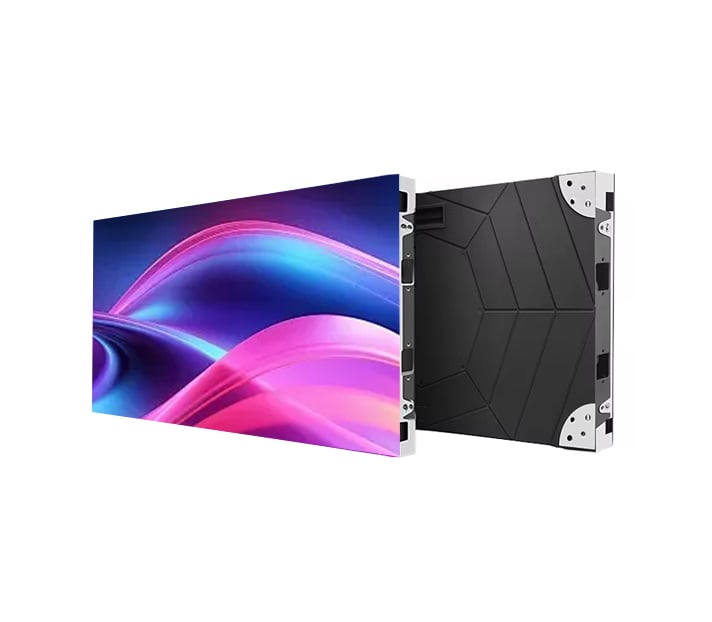
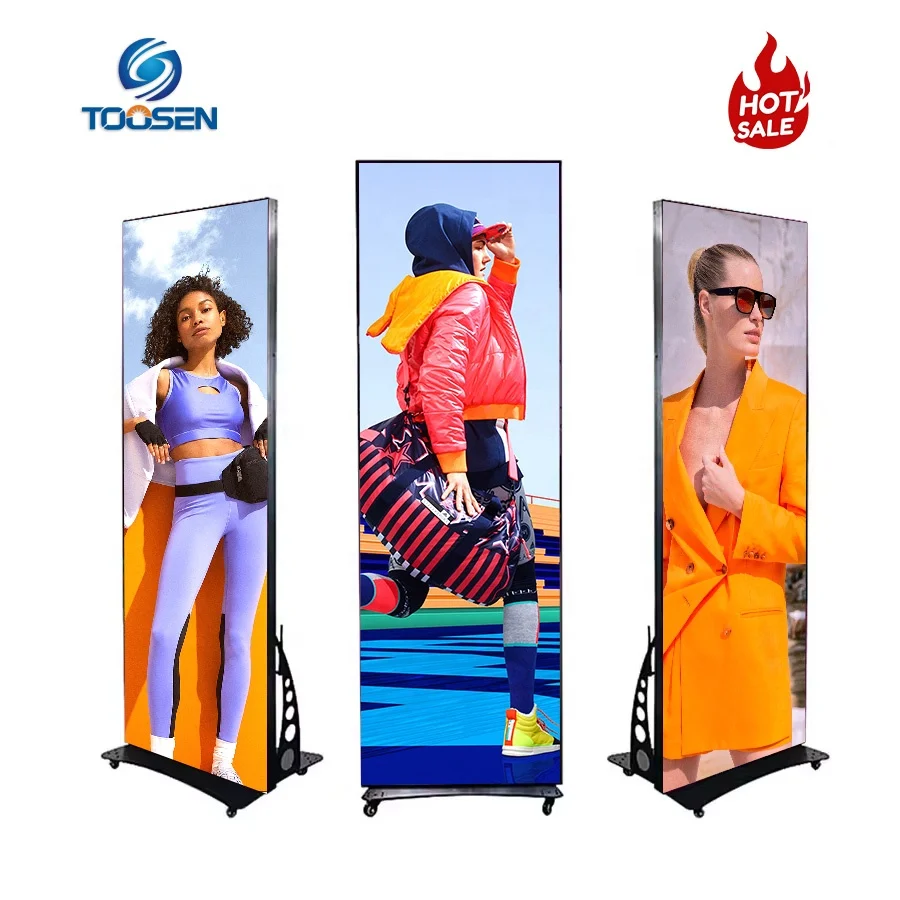
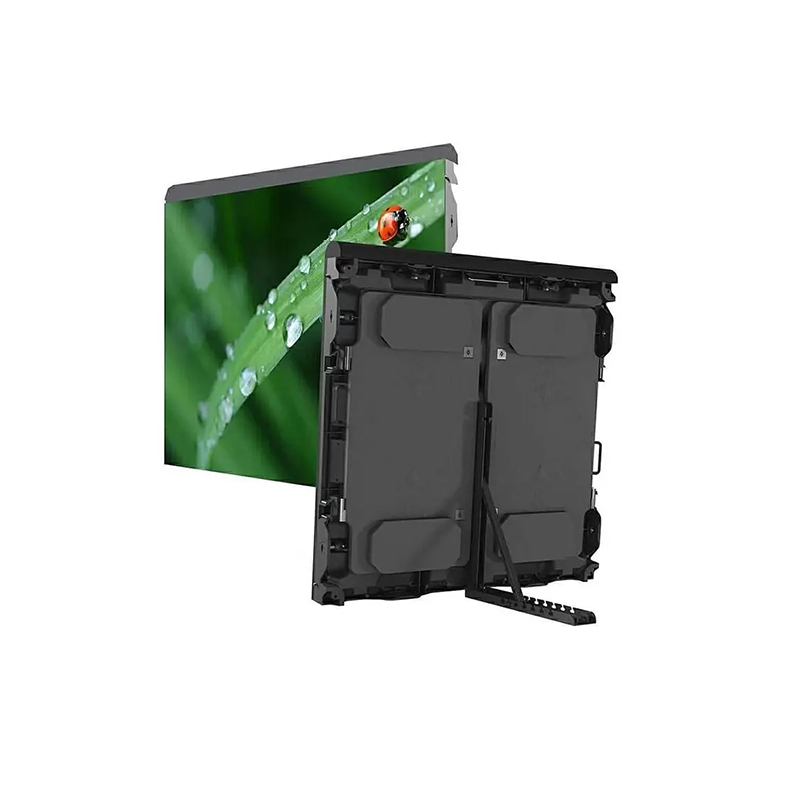
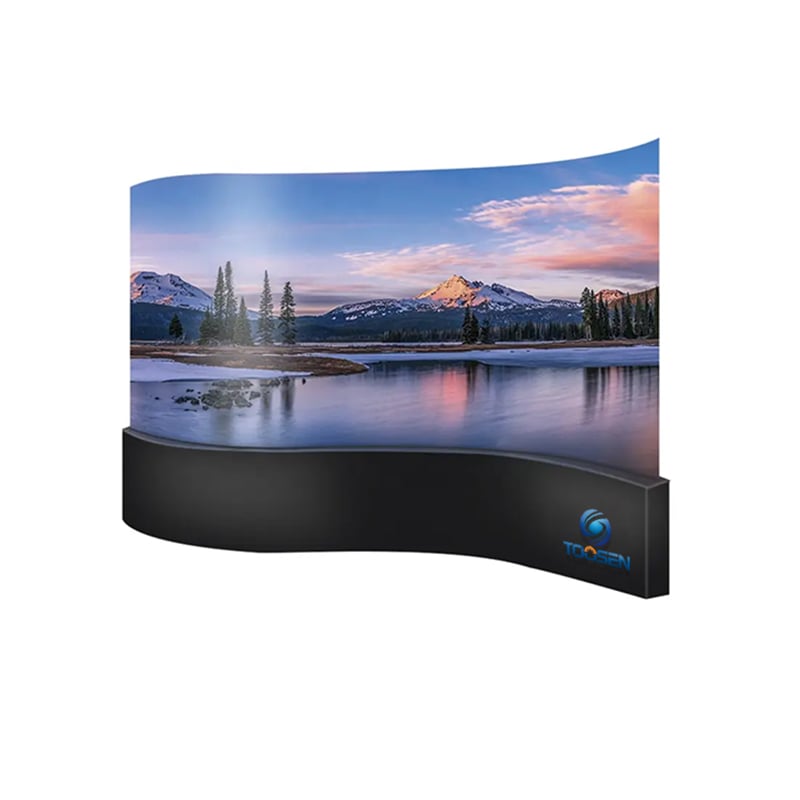
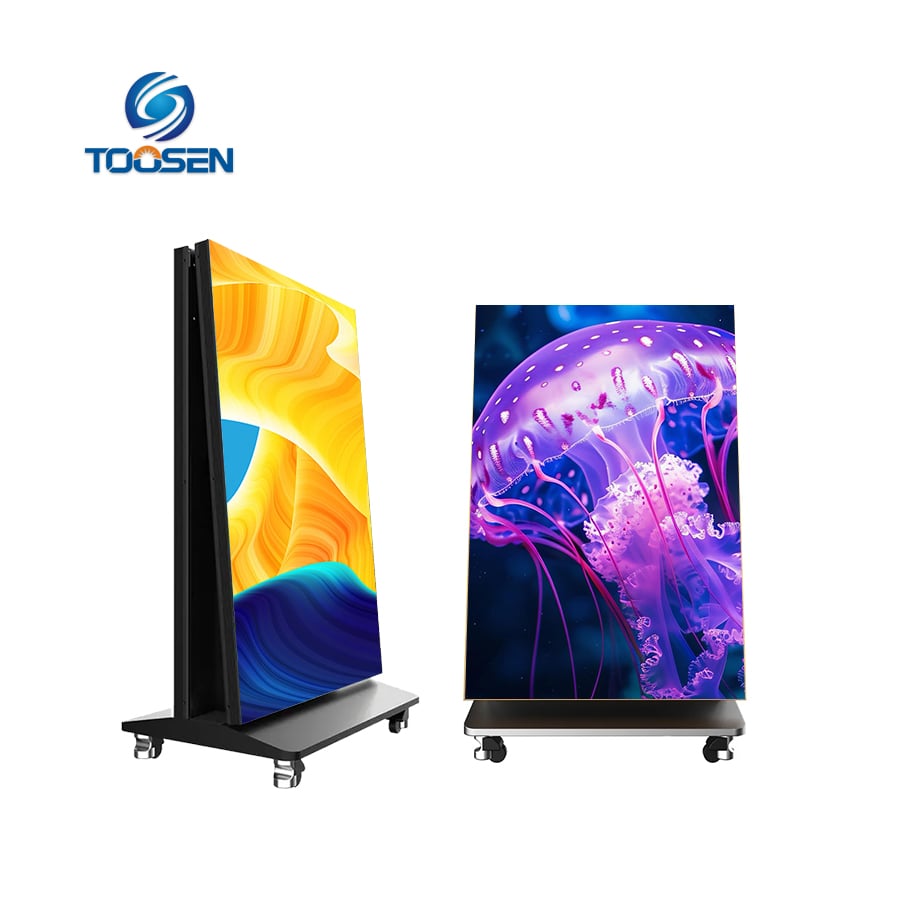
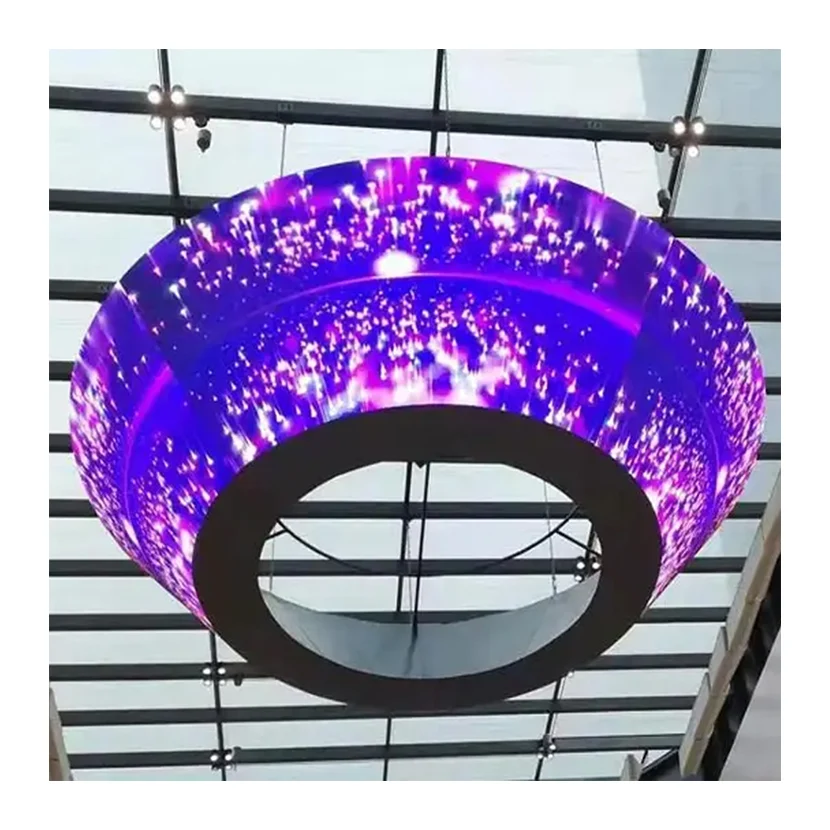
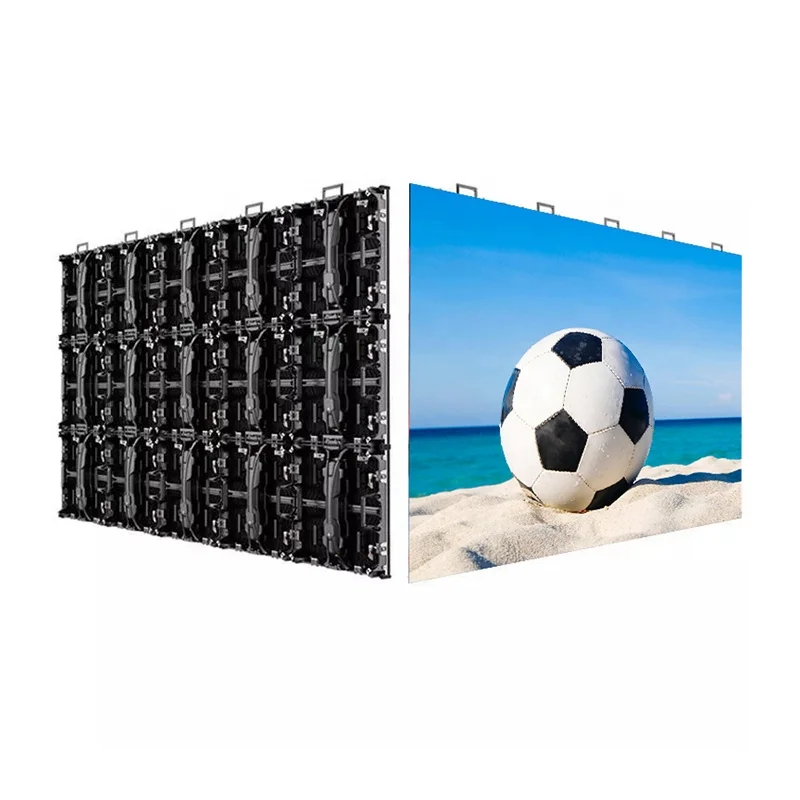
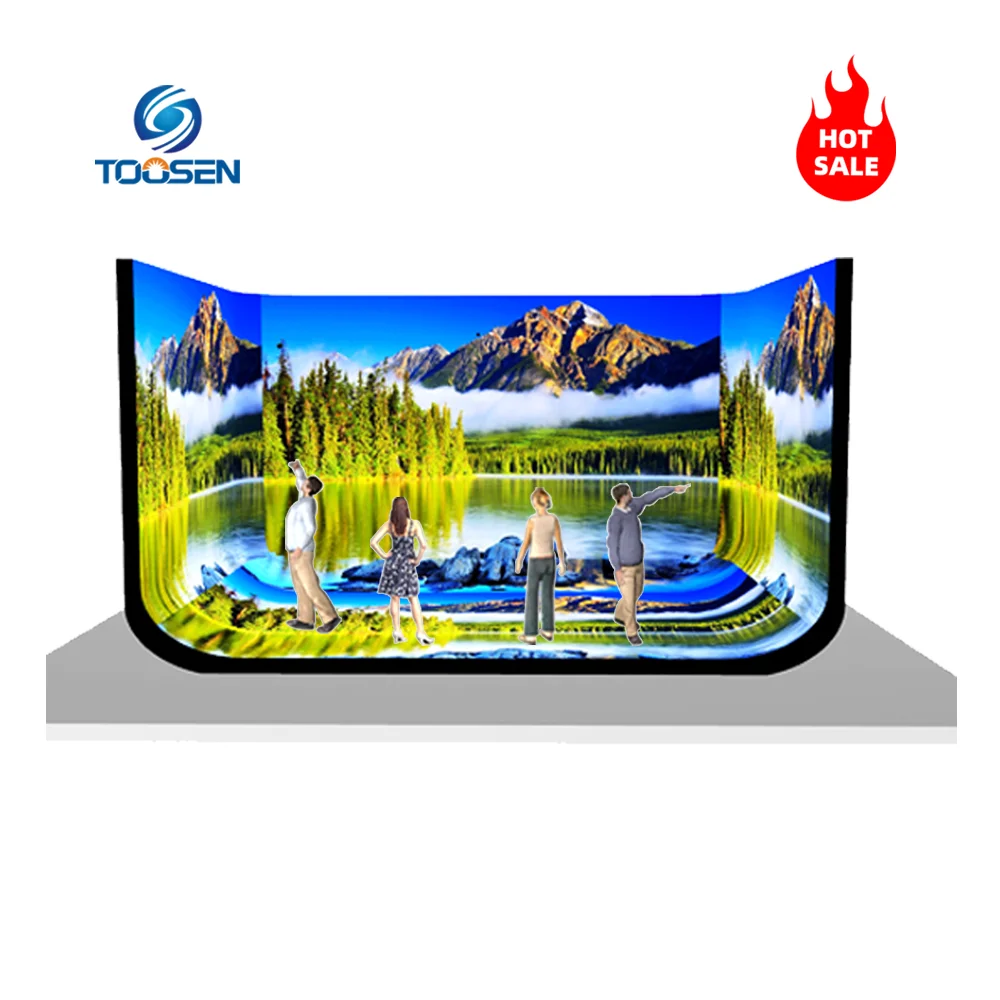
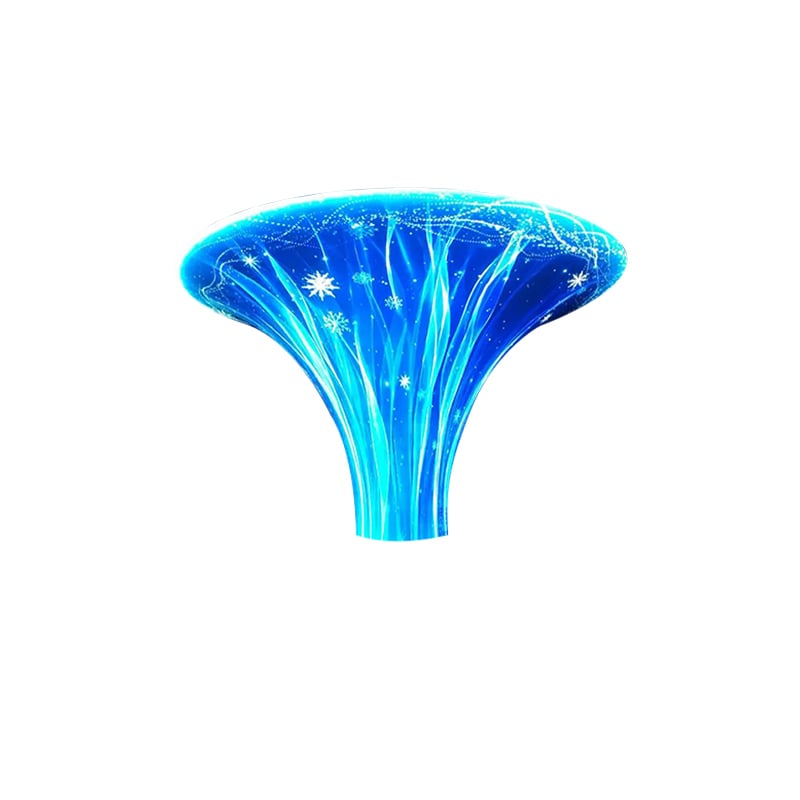
یک صفحه نمایش LED مکانیکی، که به آن نمایشگر LED کینتیک ، صفحه نمایش ماتریسی مکانیکی یا صفحه نمایش LED موجی نیز گفته میشود، تفاوت قابل توجهی با نمایشگرهای تخت سنتی LED دارد. در عوض اینکه تمام ماژولهای LED را در یک موقعیت ثابت نگه دارد، صفحه نمایش LED مکانیکی امکان حرکت مستقل هر واحد نمایشی را از طریق موتورهای داخلی، سیستمهای لغزان یا مکانیزمهای چرخشی فراهم میکند.
در نتیجه، این صفحه نمایش میتواند اثرات بصری پویا مانند ایجاد موج، امواج دایرهای (ریپل)، گسترش، چرخش و حرکت سهبعدی را که با محتوای ویدئویی همگامسازی شدهاند، تولید کند.
به دلیل این ساختار پیچیده، مونتاژ یک صفحه نمایش LED مکانیکی نیازمند همزمان ادغام نمایشگرهای LED و مهندسی دقیق مکانیکی است.
پیش از شروع مونتاژ، مهندسان سیستم را به چهار زیرسیستم اصلی تقسیم میکنند:
| زیرسیستم | 프로그 اصلی |
|---|---|
| واحد های نمایش | ماژولهای LED، ماسکهای انعطافپذیر یا سفت |
| سیستم حرکت مکانیکی | موتورهای سروو، موتورهای ریز، ریلهای لغزان، میلههای هلدهنده، کاهندهها، محورهای محرک، اتصالدهندهها، بلبرینگها |
| سیستم پشتیبانی سازهای | قابهای فولادی، ریلهای راهنما، براکتهای آویزشی، سازههای چرخان، قابهای پایه |
| سیستم کنترل | کنترلکننده اصلی، کنترلکننده حرکت چندمحوره، درایورهای موتور، منابع تغذیه، توزیعکنندههای سیگنال |
برخلاف صفحهنمایشهای الئیدی معمولی، هر ماژول در یک صفحهنمایش الئیدی مکانیکی بهعنوان یک واحد الکترومکانیکی مستقل عمل میکند.
تیم نصب ابتدا سازه اصلی پشتیبانی و سیستم ریلهای راهنما را مونتاژ میکند.
مهندسان بر اساس طرح ماتریسی تعیینشده، یک قاب فلزی میسازند و در عین حال موارد زیر را تضمین میکنند:
برای پروژههای بزرگ در فضای باز، نصابان ممکن است نیاز به آمادهسازی پیبندهای تعبیهشده یا سازههای فلزی سنگین برای نگهداری داشته باشند.
این چارچوب بهعنوان پایهای برای تمام واحدهای LED متحرک عمل میکند.
در ادامه، تکنسینها سیستم حرکتی را روی سطح پشتی هر ماژول LED نصب میکنند.
بسته به طراحی پروژه، سازندگان ممکن است از مکانیزمهای حرکتی متفاوتی استفاده کنند.
در سیستمهای نوع لغزان، تکنسینها اجزای زیر را نصب میکنند:
موتور صفحه لغزان را بهصورت جلو و عقب به حرکت درمیآورد و امکان خروج یا بازگشت نرم ماژول LED را فراهم میکند.
برخی از پروژهها از ساختارهای انتقال نیروی چرخدنده و رک استفاده میکنند.
در این روش:
این روش دقت بالایی در موقعیتیابی و حرکتی پایدار فراهم میکند.
اگر نمایشدهنده نیازمند اثرات چرخشی باشد، مهندسان عناصر زیر را اضافه میکنند:
این ساختار امکان چرخش مستقل هر ماژول LED را در حین عملیات فراهم میکند.
در این مرحله، بزرگترین تفاوت بین یک صفحه نمایش LED مکانیکی و دیوار LED معمولی آشکار میشود: هر ماژول ترکیبی از فناوری نمایش و حرکت مکانیکی را در یک واحد یکپارچه تشکیل میدهد.
پس از مونتاژ اولیه سیستمهای حرکتی، تکنسینها ماژولها را بر اساس چیدمان ماتریسی، یکییکی روی ریلهای سازهای نصب میکنند.
بیشتر پروژهها از موارد زیر استفاده میکنند:
این روشها ماژولها را بهطور محکم ثابت نگه میدارند، در عین حال امکان حرکت روان آنها در امتداد ریلها را نیز فراهم میکنند.
در عین حال، نصابان بهدقت فاصله بین ماژولها را کنترل میکنند تا از برخورد آنها در حین حرکت جلوگیری شود.
برای پروژههای بزرگمقیاس، سازندگان معمولاً سیستم را به صورت دستهبندیشده حمل کرده و بلندکردن و نصب آن در محل را مرحلهبهمرحله انجام میدهند.
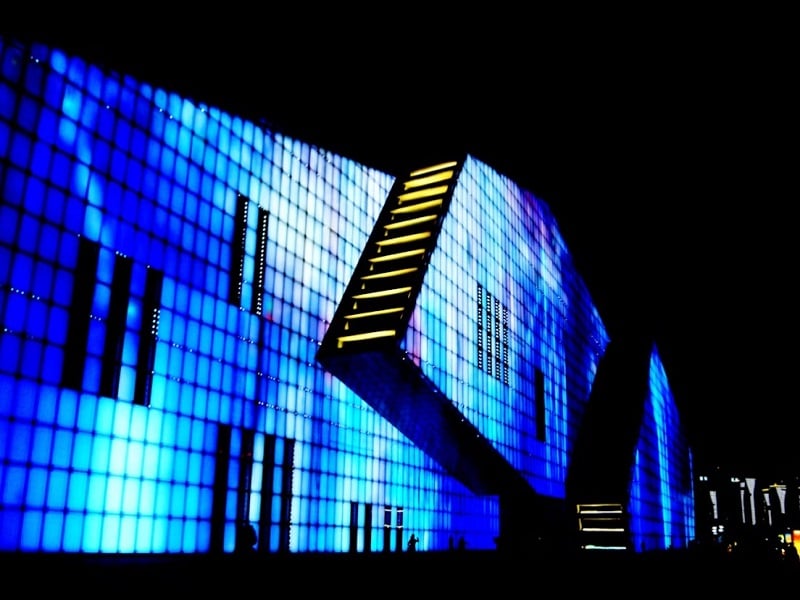
بهعنوان مثال، پروژه معروف صفحه نمایش موجی دونگدامون در کره جنوبی از ۹۳۶ واحد متحرک استفاده کرد که در چهار محموله جداگانه و در هشت کانتینر ارسال شدند.
نمایشگرهای الئیدی مکانیکی نسبت به صفحات الئیدی استاندارد، سیمکشی بسیار پیچیدهتری نیاز دارند، زیرا هم ماژولهای الئیدی و هم سیستمهای حرکتی نیازمند تأمین مستقل برق و انتقال سیگنال هستند.
هر ماژول و موتور نیازمند ورودی برق پایدار است.
بنابراین، مهندسان معمولاً از یک سیستم تأمین برق توزیعشده با افزونگی کافی استفاده میکنند تا قابلیت اطمینان بلندمدت تضمین شود.
مسیر سیگنال نمایشگر الئیدی معمولاً به این صورت است:
کنترلکننده اصلی → کنترلکننده فرعی → ماژولهای الئیدی متصلشده بهصورت زنجیرهای
در همین حال، سیگنال کنترل حرکتی مسیر جداگانهای را دنبال میکند:
کنترلکننده حرکت چندمحوره → درایوهای موتور → موتورهای جداگانه
این معماری امکان حرکت همزمان صدها یا حتی هزاران ماژول را فراهم میکند.
از آنجا که ماژولها بهطور مداوم به جلو، به عقب یا حول محور خود میچرخند، نصبکنندگان باید فضای کافی برای امتداد کابلها در نظر بگیرند.
بیشتر پروژهها از موارد زیر استفاده میکنند:
این راهحلها از خستگی کابل، درهمرفتن آن و آسیب ناشی از خمشهای مکرر جلوگیری میکنند.
کالیبراسیون مهمترین و زمانبرترین مرحله کل پروژه است.
تکنسینها کالیبره میکنند:
این فرآیند اطمینان حاصل میکند که تمام واحدها بهصورت یکنواخت و دقیق حرکت میکنند.
تیم همچنین تنظیمات زیر را انجام میدهد:
در نتیجه، صفحه نمایش حتی در حالت ساکن نیز ظاهری بیدرز دارد.
در نهایت، مهندسان نرمافزار کنترل حرکت را به گونهای برنامهریزی میکنند که موارد زیر را همگامسازی کند:
با محتوای ویدئویی نمایشدادهشده روی سطح LED.
این همگامسازی اثر مشخصهٔ «معماری متحرک» را ایجاد میکند که در نصبهای پیشرفتهٔ LED کینتیک قابل مشاهده است.
در پروژههای بزرگی مانند صفحهٔ موجی دونگدامون، تیمها با استفاده از برنامهریزی پیشرفته و روشهای مونتاژ ماژولار، در عرض تنها دو هفته نصب، سیمکشی، کالیبراسیون و آزمون روشنکردن را به اتمام رساندند.
نمایشگرهای مکانیکی LED شامل چندین چالش مهندسی هستند که نمایشگرهای معمولی LED با آنها روبرو نمیشوند.
| چالش | راهحل |
| همگامسازی چند محوره | موتورهای سروو + ریلهای با دقت بالا + کنترلکنندههای اختصاصی حرکت |
| مدیریت حرکت کابلها | زنجیرهای کششی انعطافپذیر و سیستمهای کابل فنری |
| پیشگیری از برخورد ماژولها | فاصلههای ایمنی نرمافزاری + کلیدهای محدودکننده سختافزاری |
| آببندی برای استفاده در فضای باز | سیستمهای حرکتی آببند شده + ماژولهای پر شده با چسب از هر دو طرف |
| دوام طولانی مدت | مواد صنعتی مقاوم در برابر سایش و خوردگی |
نمایشگرهای الئیدی مکانیکی برای استفاده در فضای باز نیازمند حفاظت اضافی هستند، زیرا قطعات متحرک آنها بهطور مداوم در معرض عوامل محیطی قرار دارند.
بنابراین تولیدکنندگان از موارد زیر استفاده میکنند:
علاوه بر این، تیمهای نگهداری باید بهطور منظم قطعات مکانیکی را روانکاری کنند تا عملکرد پایدار بلندمدت حفظ شود.
فرآیند مونتاژ یک صفحه نمایش LED مکانیکی را میتوان در یک جمله خلاصه کرد:
«ابتدا ریلها را نصب کنید، سپس سیستمهای حرکتی را نصب کنید، بعد اتصالات سیمکشی را انجام دهید و در نهایت حرکت را کالیبره کنید.»
برخلاف دیوارهای سنتی LED، چالش اصلی در مونتاژ یک سطح نمایش تخت نیست؛ بلکه مهندسان باید هر ماژول LED را به یک قطعه مکانیکی دقیق و متحرک تبدیل کنند و در عین حال اطمینان حاصل کنند که صدها یا هزاران واحد بهصورت کاملاً همگام با یکدیگر حرکت میکنند.
به دلیل این پیچیدگی، پروژههای صفحهنمایش LED مکانیکی معمولاً نیازمند تیمهای مهندسی تخصصی، برنامهنویسی حرکتی سفارشیسازیشده و محتوای ویدئویی خلاقانه و اختصاصی هستند. وقتی همه این عناصر بهطور هماهنگ کار میکنند، نتیجه نهایی تجربهای بصری فراگیر ایجاد میکند که در آن خود صفحهنمایش ظاهراً با محتوا حرکت میکند.
 EN
EN
 AR
AR
 BG
BG HR
HR
 CS
CS
 DA
DA
 NL
NL
 FI
FI FR
FR
 DE
DE EL
EL
 HI
HI
 IT
IT JA
JA
 KO
KO
 NO
NO PL
PL PT
PT RO
RO
 RU
RU
 ES
ES
 SV
SV
 TL
TL
 ID
ID
 SR
SR
 UK
UK VI
VI
 ET
ET
 HU
HU
 TH
TH
 TR
TR
 FA
FA
 AF
AF
 MS
MS
 GA
GA
 HY
HY
 AZ
AZ
 MN
MN
 UZ
UZ