Home > News > Industry News
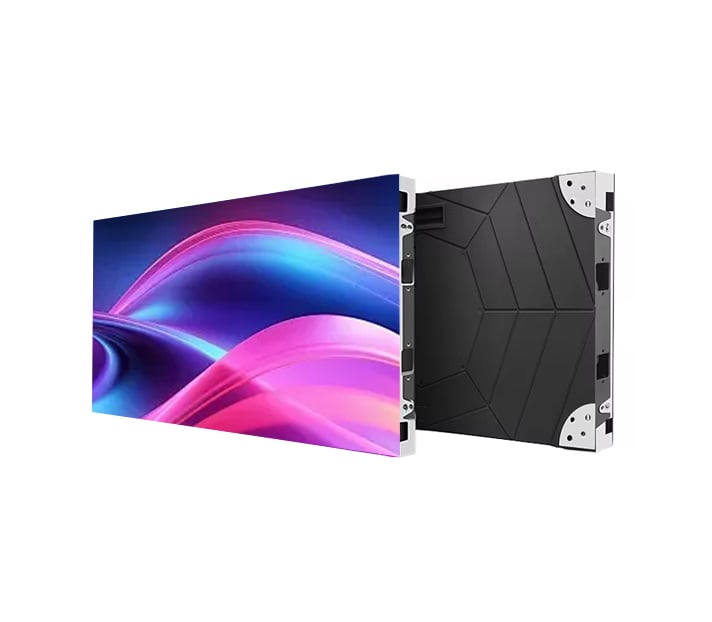
As global industries move toward carbon neutrality, LED display technology is also evolving rapidly. Today, energy efficiency is no longer an optional feature—it has become a core design requirement. Among the most impactful innovations are common cathode technology and intelligent brightness control systems, which significantly reduce power consumption while maintaining high visual performance.
Traditional LED displays often use a common anode structure, where voltage is supplied uniformly. However, this design can lead to unnecessary energy loss and heat generation.
In contrast, common cathode technology supplies power separately to red, green, and blue chips. As a result:
More importantly, lower heat also extends the lifespan of LED components, improving long-term stability and reducing maintenance costs.
Another key advancement is automatic brightness control.
Instead of running at full power continuously, modern LED systems use ambient light sensors to adjust brightness dynamically:
This adaptive approach not only improves visual comfort but also prevents unnecessary power waste.
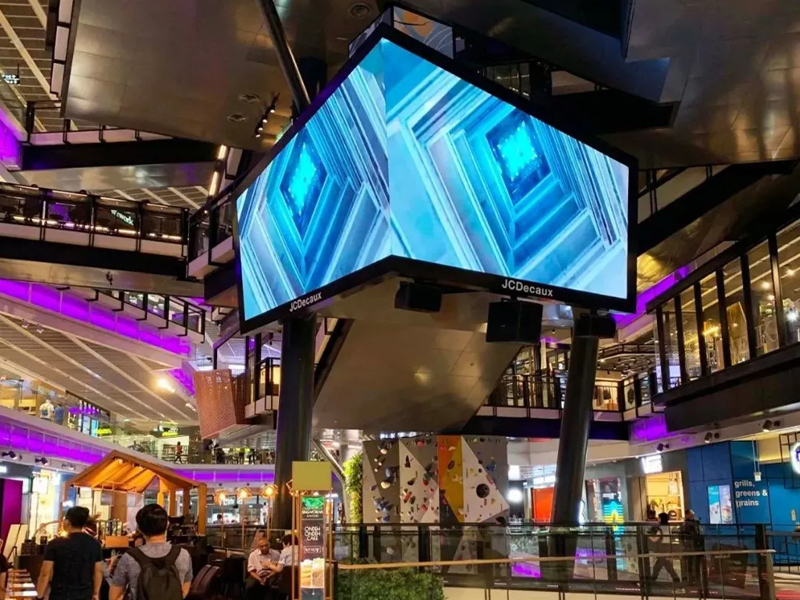
Together, these technologies help LED displays align with global sustainability goals. Businesses benefit in multiple ways:
In today’s market, energy-efficient LED systems are no longer just a technical upgrade—they are a strategic investment in sustainable growth.
 EN
EN
 AR
AR
 BG
BG
 HR
HR
 CS
CS
 DA
DA
 NL
NL
 FI
FI
 FR
FR
 DE
DE
 EL
EL
 HI
HI
 IT
IT
 JA
JA
 KO
KO
 NO
NO
 PL
PL
 PT
PT
 RO
RO
 RU
RU
 ES
ES
 SV
SV
 TL
TL
 ID
ID
 SR
SR
 UK
UK
 VI
VI
 ET
ET
 HU
HU
 TH
TH
 TR
TR
 FA
FA
 AF
AF
 MS
MS
 GA
GA
 HY
HY
 AZ
AZ
 MN
MN
 UZ
UZ