La diferencia entre IP54 e IP65 se reduce principalmente a dos aspectos: protección contra el Polvo y resistencia al agua estas clasificaciones afectan directamente dónde se puede instalar de forma segura un display LED y cuánto tiempo durará en distintos entornos.
| Calificación | Protección contra el Polvo | Protección contra el Agua | Nivel general de protección |
|---|---|---|---|
| IP54 | Nivel 5: Se permite una entrada limitada de polvo, pero no en cantidad suficiente como para afectar el funcionamiento normal | Nivel 4: Protegido contra salpicaduras de agua desde cualquier dirección | Protección básica para entornos interiores o semiesternos |
| IP65 | Nivel 6: Totalmente estanco al polvo | Nivel 5: Protegido contra chorros de agua a baja presión desde cualquier dirección | Protección completa para exposición directa al exterior |
Una pantalla LED con clasificación IP54 puede resistir la mayor parte del polvo, pero con el tiempo pueden penetrar partículas diminutas en el armario. En entornos exteriores polvorientos, esta acumulación puede depositarse sobre las placas de circuito impreso (PCB) y los componentes internos, reduciendo la disipación del calor y aumentando el riesgo de cortocircuitos. Por lo general, se requiere mantenimiento y limpieza periódicos.
IP65 es totalmente hermético al polvo. Ninguna partícula de polvo puede penetrar en el armario, lo que lo hace ideal para entornos agresivos, como obras de construcción, zonas desérticas, áreas costeras y zonas industriales. Los componentes internos permanecen más limpios, lo que contribuye a reducir las tasas de fallo y a prolongar la vida útil.
IP54 puede soportar lluvia ligera, salpicaduras o una pulverización mínima de agua. Sin embargo, no está diseñado para exposición directa a lluvias intensas ni a presión continua de agua. Si se instala al aire libre sin una protección adecuada, puede producirse entrada de agua durante tormentas.
IP65 puede resistir chorros de agua procedentes de una boquilla estándar de 6,3 mm desde cualquier dirección. Este nivel de protección se considera el requisito mínimo para la mayoría de las pantallas LED exteriores, ya que puede soportar lluvias intensas y limpiezas rutinarias con agua.
| Escenario de Aplicación | Calificación Recomendada | Motivo |
|---|---|---|
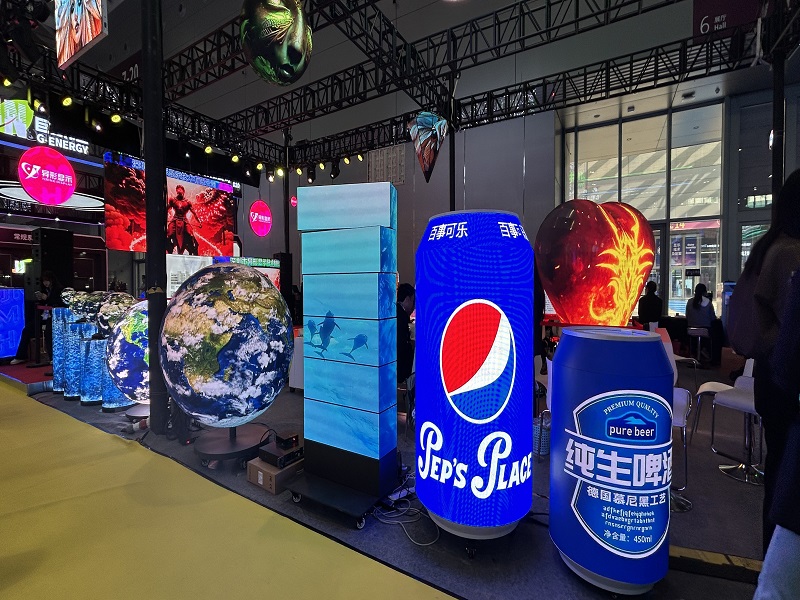
| Salas de reuniones interiores, salones de exposiciones, pantallas escénicas | IP30–IP54 | Exposición mínima al polvo o al agua |
| Áreas semiesteriores, como escaparates o zonas bajo toldos | IP54 | Protegido frente a la exposición directa a la lluvia |
| Vallas publicitarias exteriores, pantallas de estadios, fachadas de edificios | IP65 o superior | Exposición constante a la lluvia, el polvo y las condiciones meteorológicas |
| Zonas costeras, plantas químicas, entornos industriales polvorientos | IP65–IP67 | Mayor resistencia a la humedad, el polvo y la corrosión |
 EN
EN
 AR
AR
 BG
BG HR
HR
 CS
CS
 DA
DA
 NL
NL
 FI
FI FR
FR
 DE
DE EL
EL
 HI
HI
 IT
IT JA
JA
 KO
KO
 NO
NO PL
PL PT
PT RO
RO
 RU
RU
 ES
ES
 SV
SV
 TL
TL
 ID
ID
 SR
SR
 UK
UK VI
VI
 ET
ET
 HU
HU
 TH
TH
 TR
TR
 FA
FA
 AF
AF
 MS
MS
 GA
GA
 HY
HY
 AZ
AZ
 MN
MN
 UZ
UZ