Home > News > Industry News
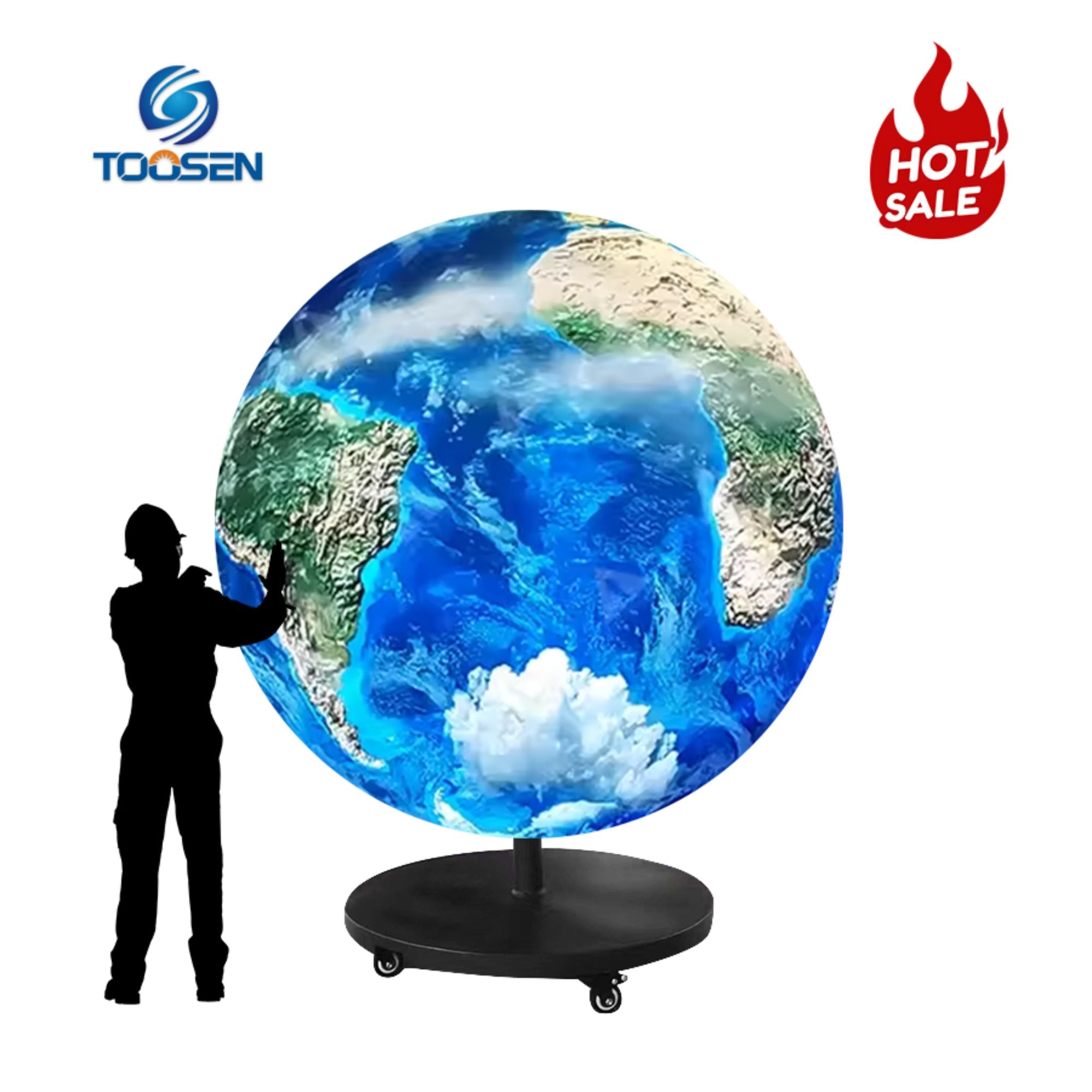
Designing a spherical LED screen structure is not a typical fabrication task—it requires a multi-disciplinary engineering approach. You must balance structural mechanics, display accuracy, installation efficiency, and environmental adaptability from the very beginning.
Every successful design begins with a complete load analysis. Engineers must quantify all forces acting on the structure before moving forward.
| Load Type | Key Requirements |
|---|---|
| Dead Load | Includes steel structure, LED modules, power supplies, and control systems. Typical spherical screen weight ranges from 35–80 kg/m² |
| Wind Load | Outdoor spheres must follow 50-year return wind pressure standards. Shape coefficient: 0.4–0.6 (lower than flat screens but more concentrated) |
| Snow Load | Critical in cold regions. Snow accumulation at the top requires dedicated distribution analysis |
| Seismic Load | Calculate based on local seismic fortification intensity and codes |
| Thermal Load | Account for expansion differences: steel (12×10⁻⁶/°C) vs aluminum (23×10⁻⁶/°C) |
To manage thermal stress, engineers should introduce sliding supports or flexible connections. This prevents internal stress buildup and long-term deformation.
Different project scales require different structural systems. Selecting the wrong one can lead to unnecessary cost or performance issues.
In practice, engineers often combine these systems to optimize both precision and constructability.
Even small structural deviations can degrade display quality. Therefore, strict deformation control is essential.
If you ignore vibration behavior, the structure may remain safe but still compromise visual performance.
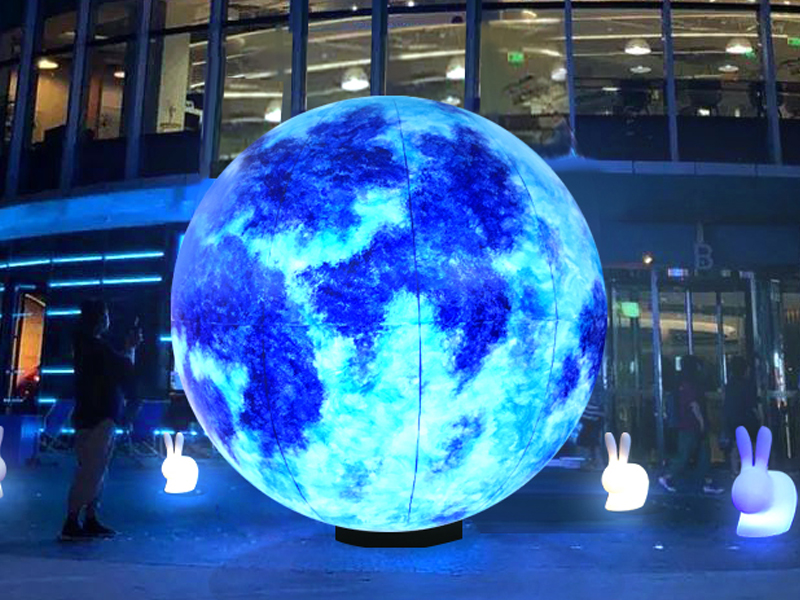
The steel structure itself acts as the installation reference surface. Its geometric accuracy directly determines the final visual output.
These measures ensure a smooth spherical surface without visual distortion.
To streamline installation, engineers must integrate mounting interfaces into the structure.
A well-designed interface reduces installation time and eliminates alignment issues.
Cable management plays a critical role in both aesthetics and reliability.
Proper signal planning prevents latency, signal loss, and maintenance headaches.
To deliver a high-performance spherical LED screen, you must integrate the following:
Spherical LED screen steel structure design demands more than standard engineering practice. It requires a holistic approach that aligns structural integrity with display performance and operational efficiency.
When you apply the right load calculations, choose suitable structural systems, and maintain tight geometric tolerances, you create a structure that not only stands strong—but also delivers a flawless visual experience.
 EN
EN
 AR
AR
 BG
BG
 HR
HR
 CS
CS
 DA
DA
 NL
NL
 FI
FI
 FR
FR
 DE
DE
 EL
EL
 HI
HI
 IT
IT
 JA
JA
 KO
KO
 NO
NO
 PL
PL
 PT
PT
 RO
RO
 RU
RU
 ES
ES
 SV
SV
 TL
TL
 ID
ID
 SR
SR
 UK
UK
 VI
VI
 ET
ET
 HU
HU
 TH
TH
 TR
TR
 FA
FA
 AF
AF
 MS
MS
 GA
GA
 HY
HY
 AZ
AZ
 MN
MN
 UZ
UZ