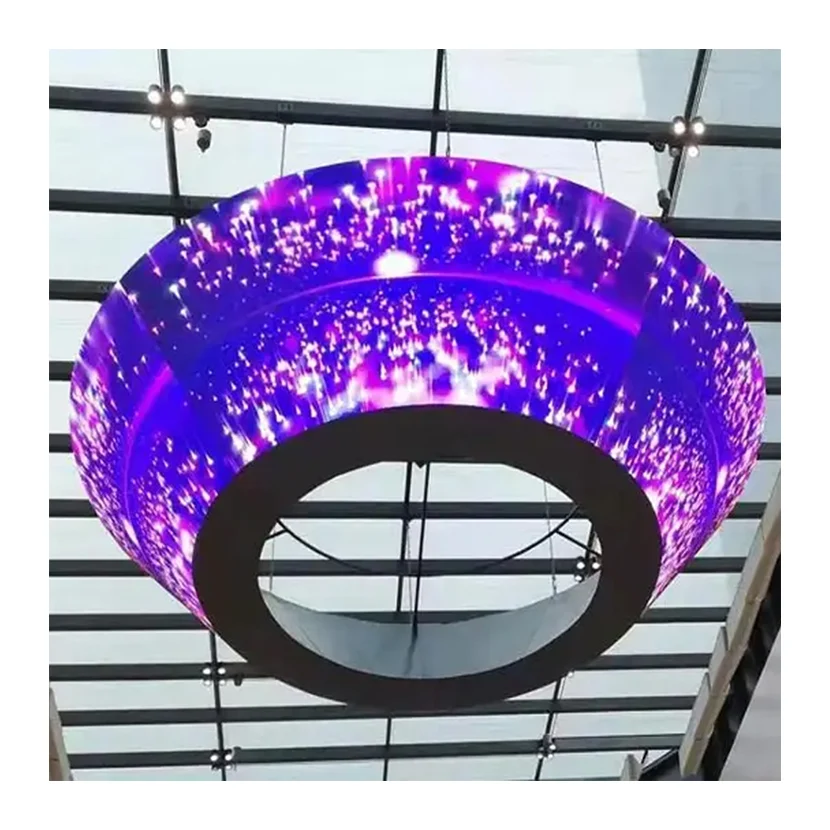
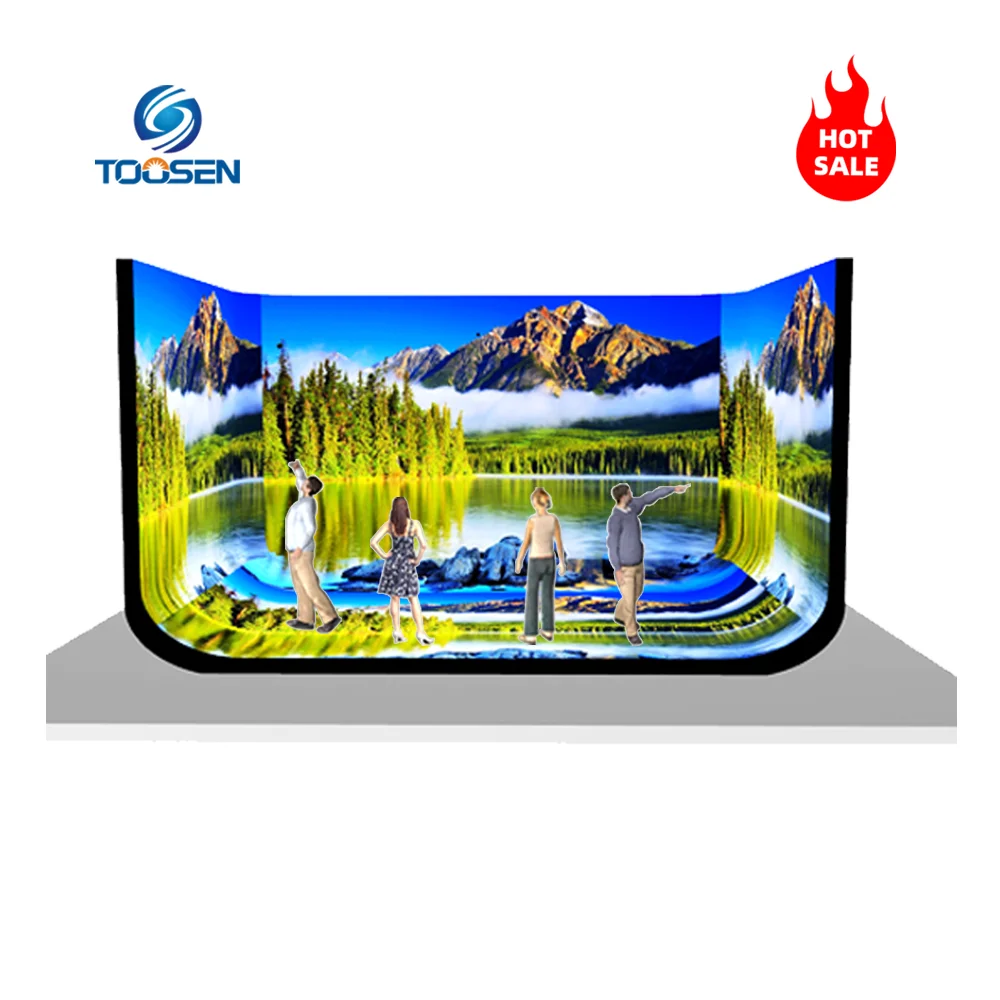
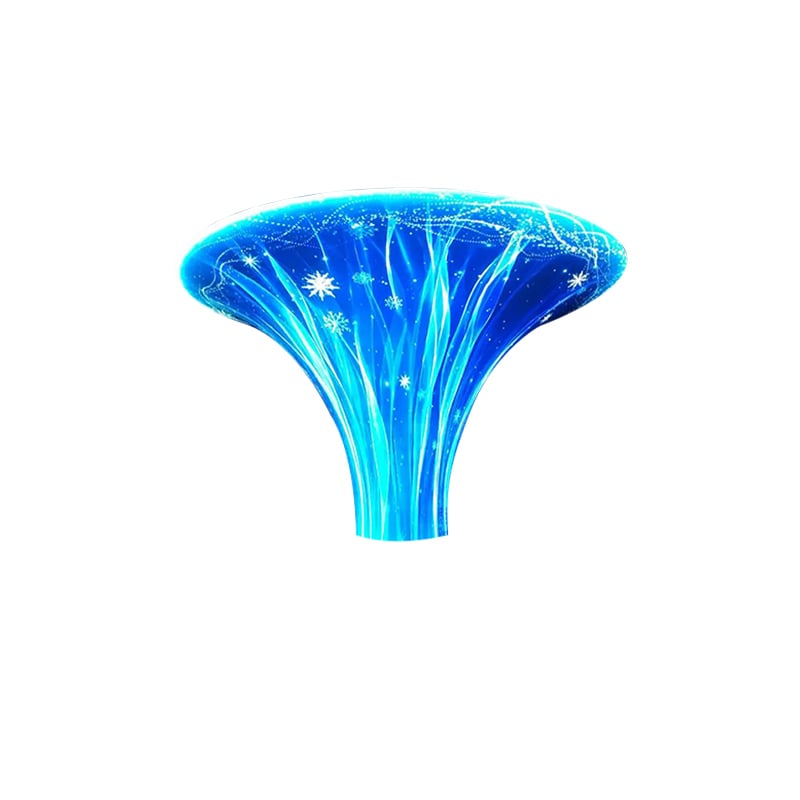
Instalace cylindrická LED obrazovka nebo zavěšeného kruhového LED displeje vyžaduje mnohem více než pouhé zavěšení displeje ze stropu. Tyto systémy často váží stovky kilogramů a po léta zůstávají zavěšené nad veřejnými prostory. V důsledku toho musí být již od samého začátku projektu prioritou strukturální bezpečnost, návrh závěsu a přístupnost pro dlouhodobou údržbu.
Ať už je instalace umístěna v hotelovém lobby, atriu nákupního centra, výstavní hale nebo firemním showroomu, správné inženýrské řešení zajišťuje jak bezpečnost, tak dlouhodobou spolehlivost.
Tento průvodce vysvětluje nejdůležitější aspekty instalace válcových a kruhových LED displejů s důrazem na výpočet nosných zatížení, závěsné systémy a plánování přístupu pro údržbu.
Na rozdíl od LED displejů montovaných na stěnu, které přenášejí svou hmotnost přímo na fasádu budovy, se válcové LED displeje úplně spoléhají na závěsné systémy umístěné nad nimi.
Typický středně velký válcovitý LED displej s průměrem 3 metry, výškou 5 metrů a více kruhovými vrstvami může zahrnovat:
| Komponenta | Typická hmotnost |
|---|---|
| Flexibilní LED moduly a montážní rámy | 150–250 kg |
| Hlavní ocelová konstrukce | 300–500 kg |
| Zdroje napájení, řídicí jednotky a kabeláž | 50–100 kg |
| Celková hmotnost systému | 500–850 kg nebo více |
V praxi to znamená, že stropní konstrukce může po mnoho let udržet zátěž srovnatelnou s malým automobilem.
Z tohoto důvodu by měly výpočty zatížení vždy provádět kvalifikovaní stavební inženýři. Projektové týmy by se nikdy neměly spoléhat na předpoklady nebo hrubé odhady.
Jednou z nejčastějších chyb při instalaci je připevnění závěsných systémů ke komponentám dekorativního stropu.
Následující konstrukce jsou ne navrženy tak, aby podporovaly LED displeje:
Namísto toho by měli montéři kotvit závěsné systémy přímo k:
Pouze tyto konstrukční prvky mohou bezpečně přenášet dlouhodobé zatížení.
Před zahájením montáže by měl projektový tým:
Konečná technická zpráva by měla potvrzovat, že konstrukce je schopna nést:
Většina projektů zavěšených LED displejů dodržuje tyto minimální pokyny:
| Požadavek | Doporučená hodnota |
| Bezpečnostní koeficient pro statické zatížení | ≥ 3× hmotnost displeje |
| Koeficient dynamického zatížení | 1.2–1.5× |
| Přípustné zatížení pro údržbu | Dalších 200–300 kg |
Tyto mezery pomáhají zajistit dlouhodobou strukturální bezpečnost.
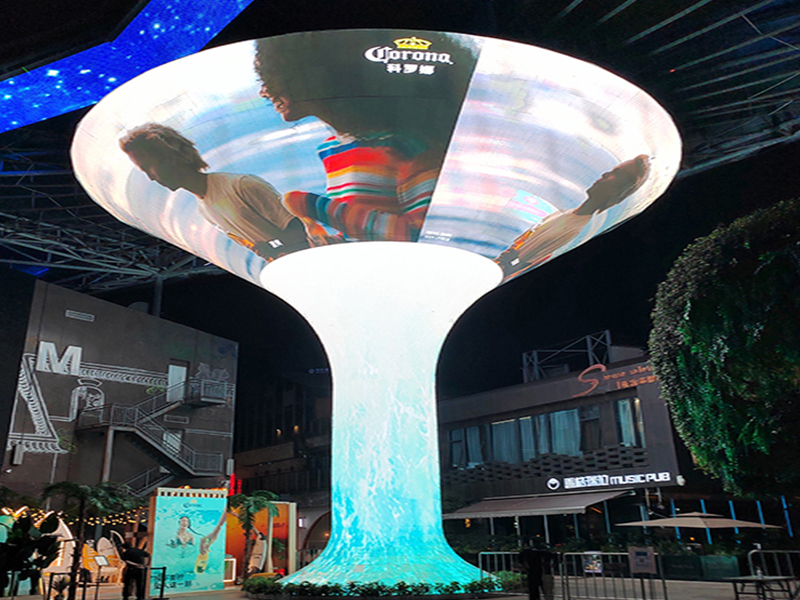
Zavěšovací rám slouží jako hlavní spojení mezi nosnou konstrukcí budovy a LED displejem.
Výrobci tyto rámy obvykle vyrábějí z:
V závislosti na požadavcích projektu mohou inženýři vybrat:
Vhodné pro:
Doporučeno pro:
Vícebodové systémy rovnoměrněji rozvádějí zatížení a zvyšují celkovou stabilitu.
Všechny svařené spoje je třeba před instalací zkontrolovat a ošetřit protikorozní úpravou.
| Způsob zavěšení | Nejlepší použití | Hlavní úvahy |
| Tuhé zavěšovací tyče | Nižší výška stropu | Vyžaduje přesné svislé zarovnání |
| Ocelová lana | Vysoké stropy a nastavitelné instalace | Musí splňovat vypočtené požadavky na pevnost v tahu |
| Motorizované zvedací systémy | Velké displeje vyžadující častou údržbu | Vyšší náklady, avšak výrazně zlepšují servisní přístupnost |
U ocelových lana se inženýři obvykle rozhodují pro lana konstrukce 6×19 nebo 6×37, protože nabízejí vynikající pružnost a pevnost.
Každý zavěšený displej by měl být vybaven záložními ochrannými systémy.
Mezi osvědčené postupy patří:
Po instalaci musí dodavatelé provést statický zátěžový test pomocí minimálně 1,5násobku provozní hmotnosti displeje a zátěž udržet po dobu 24 hodin.
Mnoho projektů se zaměřuje výhradně na vizuální dopad a přehlíží budoucí požadavky na údržbu.
Avšak i vysoce kvalitní LED displeje nakonec vyžadují:
Bez příslušného přístupu se náklady na údržbu mohou dramaticky zvýšit.
Požadavky na údržbu přímo ovlivňují konstrukční návrh.
| Typ údržby | Výhody | Doporučené podmínky |
| Čelní služba | Jednoduchá výměna modulů z displejové strany | Displeje v dosahu nebo přístupné pomocí lešení |
| Servis zezadu | Technici mají přístup ke komponentům zevnitř konstrukce | Průměr kruhu ≥ 1,5 m |
| Motorizovaný systém pro snižování | Celý displej se snižuje za účelem údržby | Premium projekty s dostatečným rozpočtem |
U velkých válcových displejů a vícekruhových instalací zůstává zadní přístup nejpraktičtějším řešením.
Inženýři by měli zajistit:
Tyto funkce umožňují technikům bezpečně a efektivně pracovat uvnitř konstrukce.
U rozsáhlých nebo vysokých instalací mohou motorizované servisní systémy výrazně snížit složitost údržby.
Tyto systémy obvykle zahrnují:
Při potřebě údržby mohou technici celou obrazovku snížit na bezpečnou pracovní výšku.
Výsledkem je, že servisní operace jsou rychlejší, bezpečnější a levnější.
I při použití modulů se servisem zepředu by měli návrháři ponechat dostatek prostoru pro budoucí opravy.
Doporučené postupy zahrnují:
Vzdálená diagnostika může výrazně snížit potřebu údržby ve výškách.
Před převzetím projektu ověřte následující položky:
| Kontrolní položka | Požadavek | Pověřená strana |
| Zpráva o statickém výpočtu | Podepsáno autorizovaným statikem | Konstruktér pro design |
| Kvalita ocelové konstrukce | Prošlo kontrolou svařování | Výrobce |
| Statický zatěžovací test | 1,5násobné návrhové zatížení po dobu 24 hodin | Dodavatel montáže |
| Certifikace závěsného vybavení | Odpovídá technickým specifikacím | Dodavatel |
| Ochrana proti pádu | Nainstalováno u každého závěsného bodu | Dodavatel montáže |
| Uzemnění a ochrana před bleskem | Odpor vůči zemi ≤ 4 Ω | Elektroinstalatér |
| Přijetí přístupu pro údržbu | Splňuje bezpečnostní normy | Vlastník / poradce |
 EN
EN
 AR
AR
 BG
BG HR
HR
 CS
CS
 DA
DA
 NL
NL
 FI
FI FR
FR
 DE
DE EL
EL
 HI
HI
 IT
IT JA
JA
 KO
KO
 NO
NO PL
PL PT
PT RO
RO
 RU
RU
 ES
ES
 SV
SV
 TL
TL
 ID
ID
 SR
SR
 UK
UK VI
VI
 ET
ET
 HU
HU
 TH
TH
 TR
TR
 FA
FA
 AF
AF
 MS
MS
 GA
GA
 HY
HY
 AZ
AZ
 MN
MN
 UZ
UZ