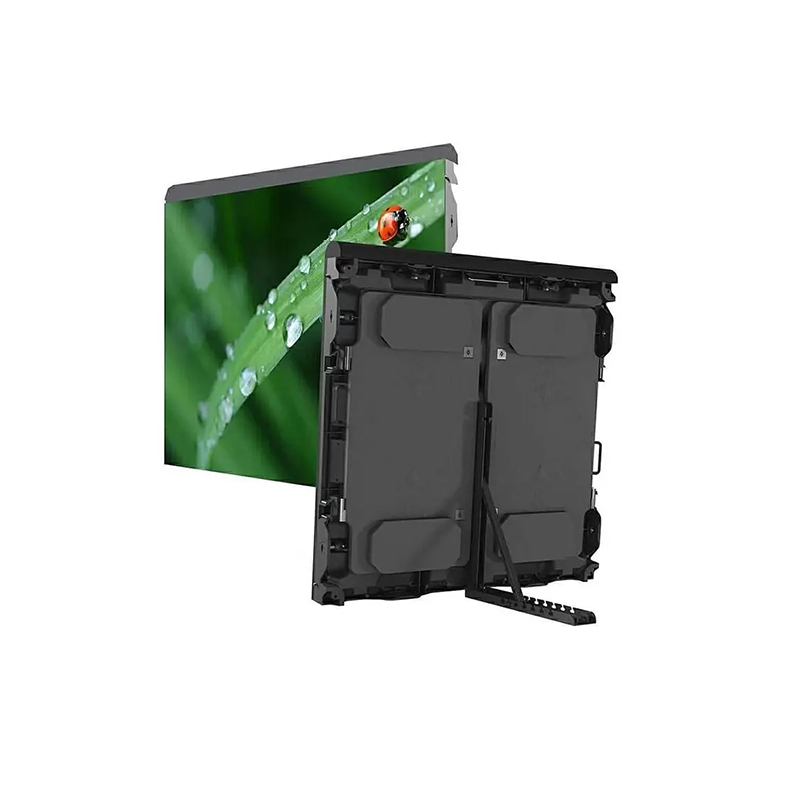
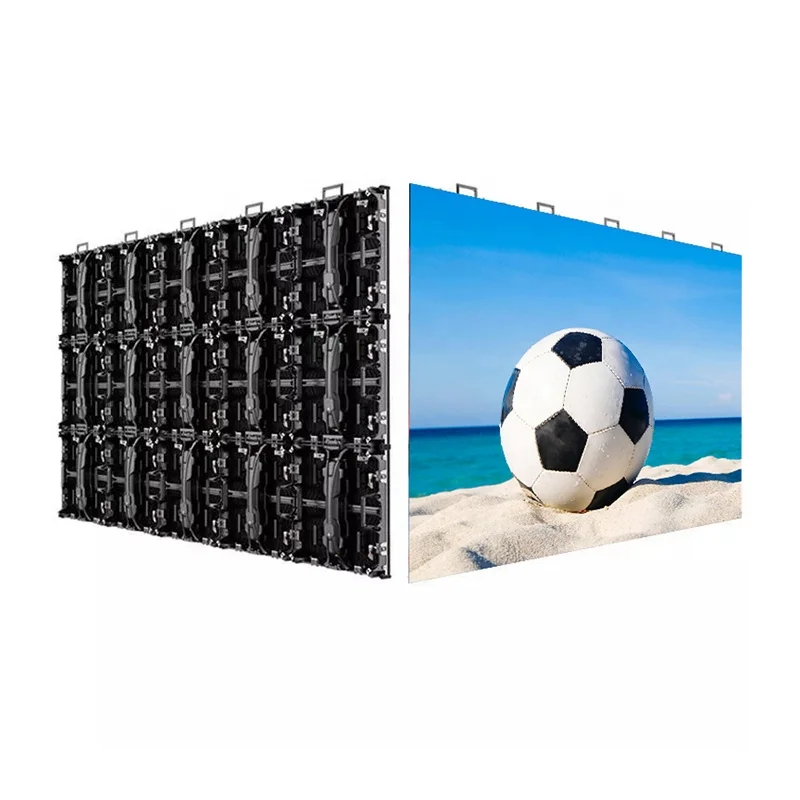
Globální průmysl elektronických sportů se nadále vyvíjí úžasnou rychlostí. Pořadatelé turnajů nyní staví obrovské scény s pohlcujícími osvětlovacími systémy, synchronizovanými efekty a obřími LED displeji, jejichž kvalita produkce rivalizuje s tradičními sportovními událostmi. Avšak jak se herní arény stávají vizuálně ambicióznějšími, jedna otázka stále vyvolává debatu mezi hráči, trenéry a produkčními týmy:
Příliš velké nebo příliš blízké LED obrazovek negativně ovlivnit výkon hráčů?
Tato diskuse není zcela nová. Tradiční sporty se podobnými obavami potýkají již mnoho let. Fotbalová stadiony, basketbalové haly i závodní okruhy všechny čelily kritice týkající se jasných digitálních reklamních panelů a rušivého vizuálního pohybu v blízkosti sportovců. V oblasti esports se tento problém stává ještě důležitějším, protože hráči závisí výrazně na koncentraci, rychlosti reakce, vizuální ostré viditelnosti a pohodlí očí.
Tento článek zkoumá, zda velké LED displeje způsobují vizuální rušení pro hráče elektronických sportů, jaké faktory zvyšují riziko rozptylení pozornosti a jak moderní technologie displejů pomáhá pořadatelům turnajů vytvářet pohlcující zážitky bez ohrožení soutěžní integrity.
LED displeje hrají klíčovou roli v moderní produkci elektronických sportů. Pořadatelé je využívají k:
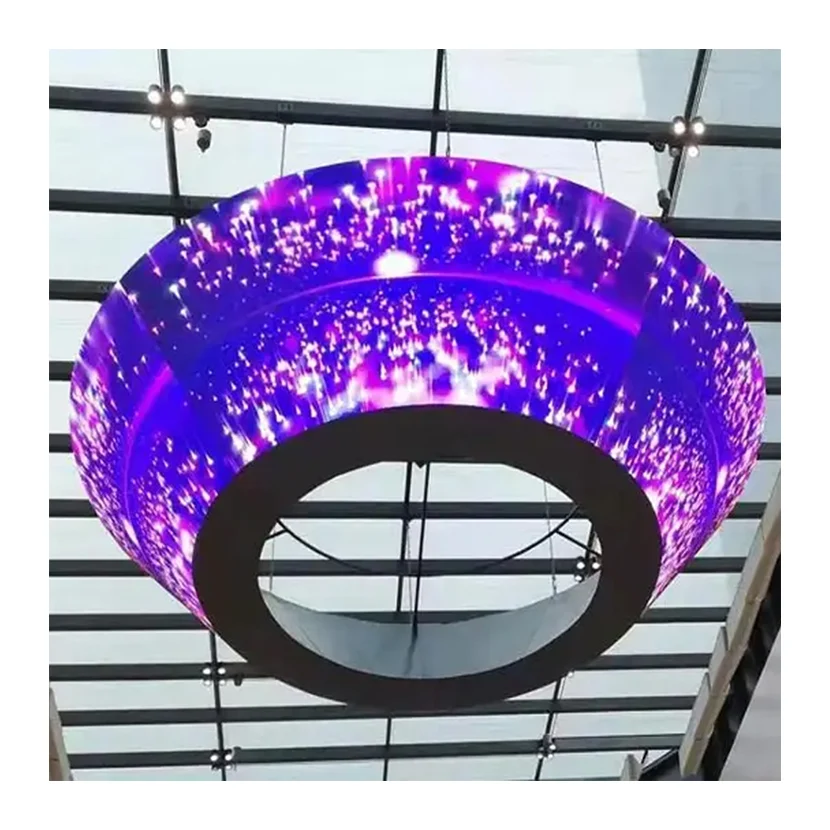
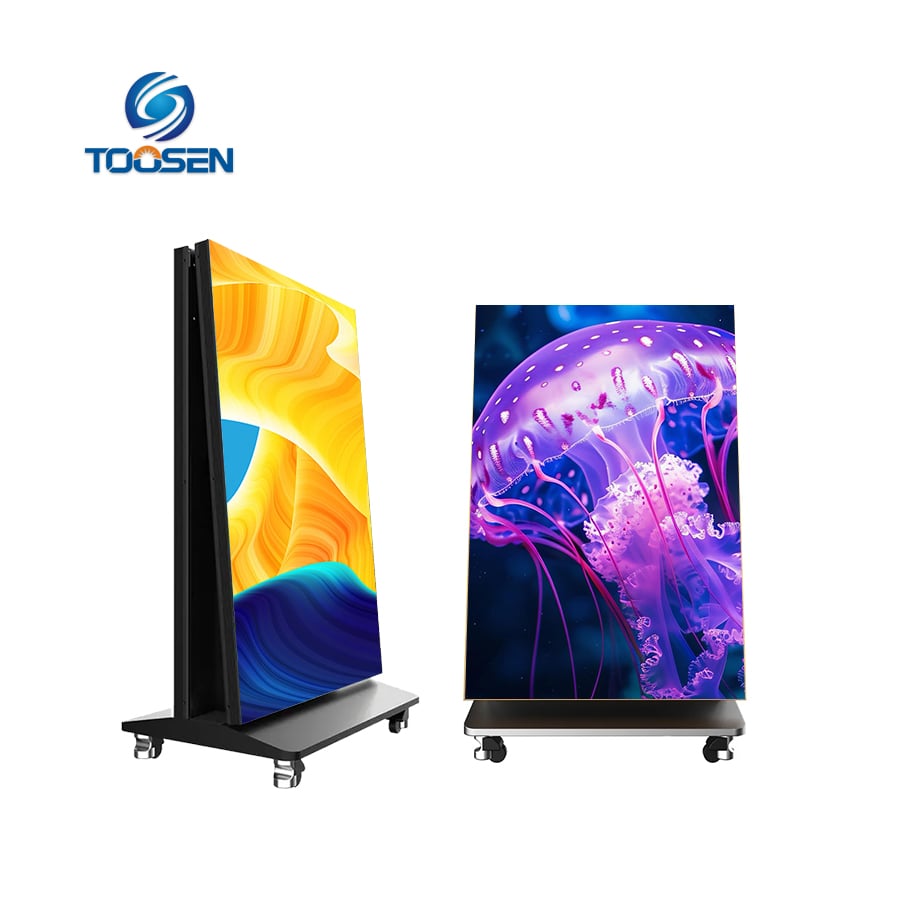
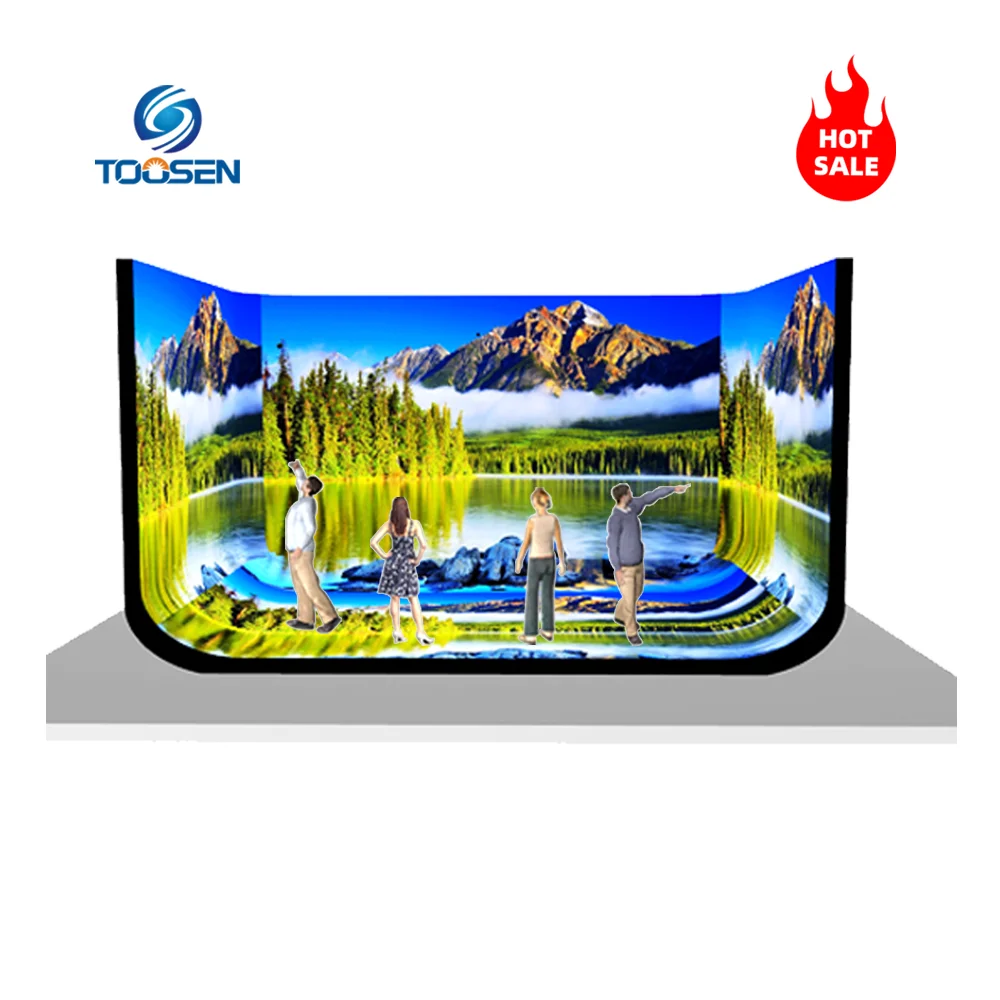
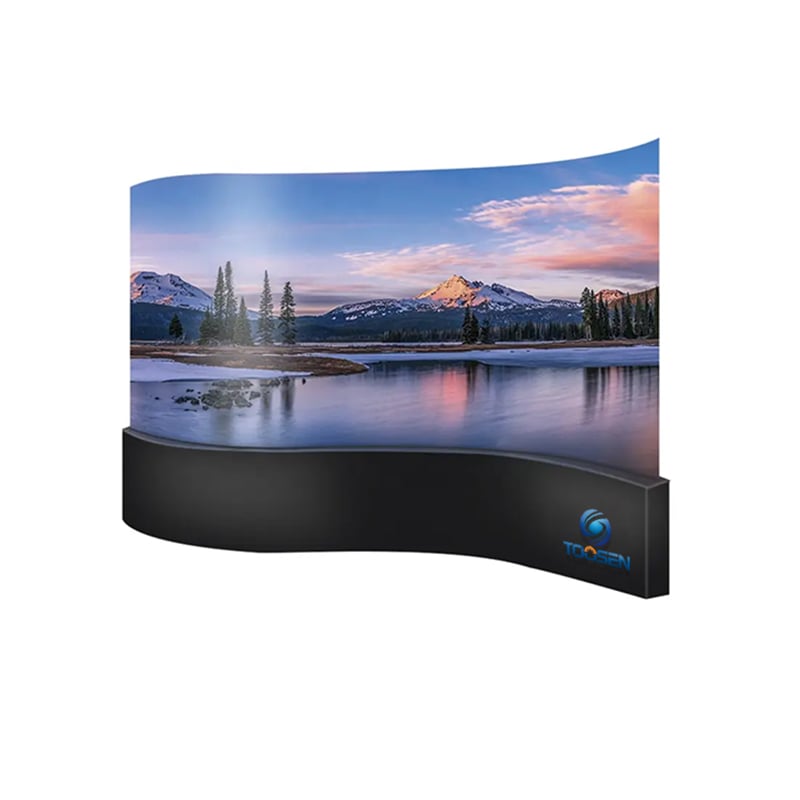
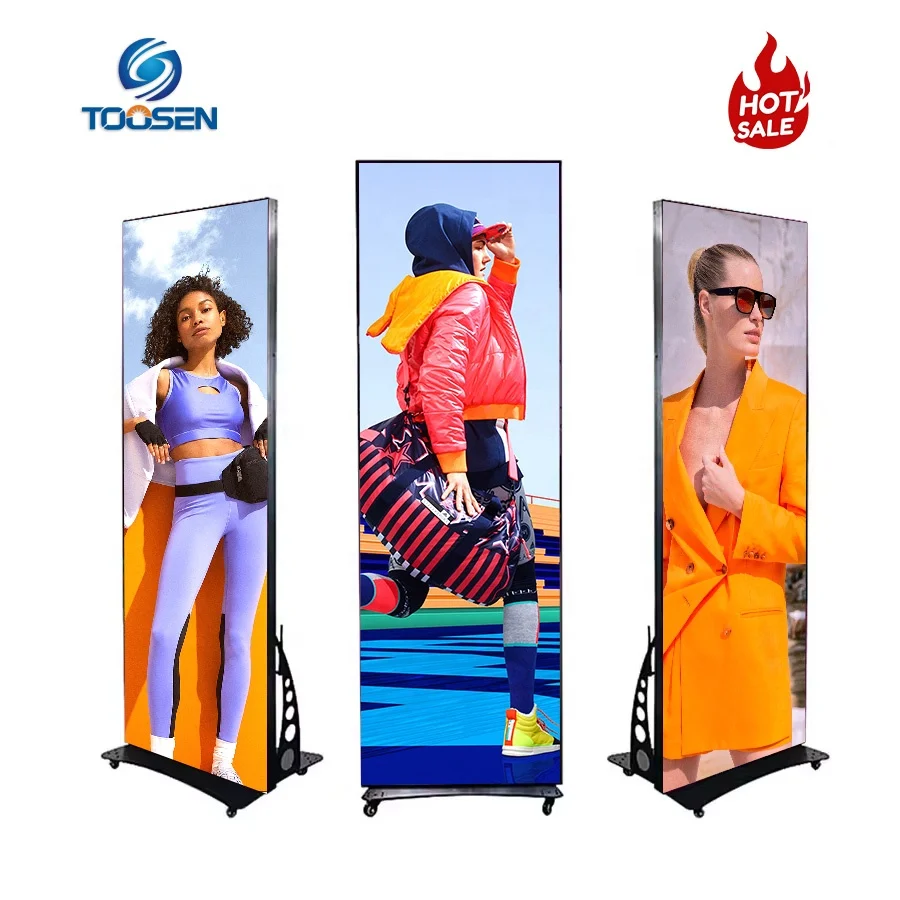
Na rozdíl od tradičních sportů musí diváci e-sportu jasně vidět akci ve hře, aby mohli sledovat soutěž. V důsledku toho turnaje často instalují obrovské středové obrazovky, zakřivené pozadí scény, pruhové displeje a LED systémy integrované do podlahy.
Hlavní mezinárodní turnaje nyní považují LED technologii za součást zábavního zážitku, nikoli pouze za prostředek k zobrazení informací.
Vizuální ponoření diváků však nesmí nikdy ohrozit soustředění hráčů.
Velké LED displeje samy o sobě nezpůsobují problémy. Ve skutečnosti se mnozí profesionální hráči cítí pohodlně v extrémně imersivním prostředí. Přesto může nevhodné umístění obrazovek nebo nadměrná jasnost způsobit několik výzev.
Soutěžní hráči neustále zpracovávají vizuální informace. I nepatrný pohyb v jejich periferním vidění může snížit koncentraci.
Když pořadatelé umístí příliš velké LED obrazovky příliš blízko herních stanovišť hráčů, mohou blikající animace, rychle se měnící reklamy nebo intenzivní přechody osvětlení odvést pozornost od hraní.
Tento problém je zvláště patrný u:
Stejně jako digitální reklamní panely na fotbalových stadionech někdy odvádějí pozornost brankářů nebo hráčů poblíž boční čáry, agresivně animovaný obsah na LED obrazovkách může negativně ovlivnit výkon v e-sportu.
Úroveň jasu hraje klíčovou roli pro pohodlí hráčů.
Pokud LED stěna vyzařuje nadměrnou jasnost při krátké vzdálenosti pozorování, mohou hráči zažívat:
Profesionální e-sportoví turnaje často trvají několik hodin. Proto může špatně kalibrovaný displej postupně ovlivňovat vytrvalost hráčů.
Naštěstí dnešní moderní technologie LED s jemným rozlišením nabízí lepší kontrolu jasu a optimalizaci pro nízký obsah modrého světla, čímž výrazně snižuje vizuální zátěž.
Dalším podceňovaným problémem jsou odrazy.
Nesprávně umístěné LED obrazovky mohou odrážet světlo na monitory hráčů nebo na sklo ochranné kabiny. Tyto odrazy mohou snížit viditelnost v kritických momentech hraní.
Týmy zabývající se produkční stránkou turnajů nyní věnují před hlavními akcemi značnou pozornost testování úhlů osvětlení scény, umístění obrazovek a nastavení protibloudových konfigurací.
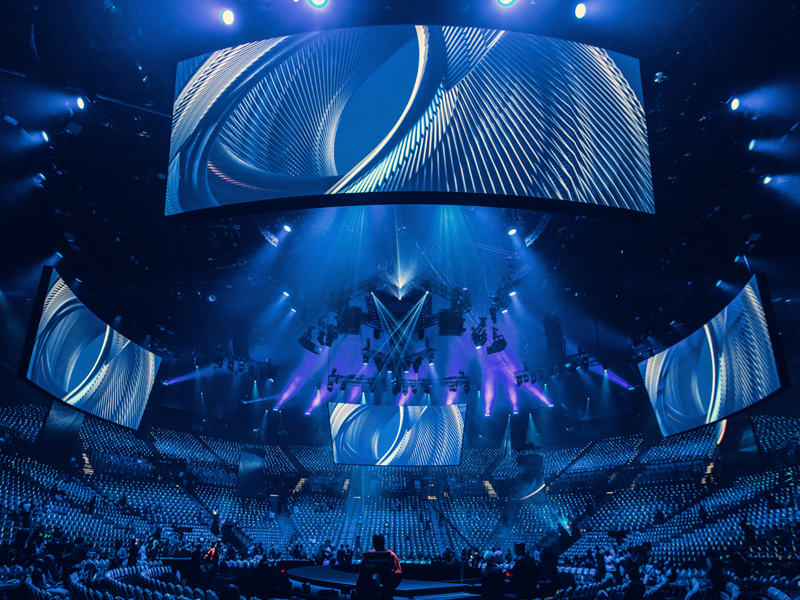
Navzdory těmto obavám trpí dnešní velké esportsové turnaje zřídka závažnými problémy vizuálního rozptylování.
Tento pokročilý stav je důsledkem lepšího inženýrského řešení scény a pokročilejší technologie LED displejů.
Moderní esportsové arény pečlivě oddělují vizuální zóny určené hráčům od těch určených divákům.
Designéři produkce obvykle:
Výsledkem je, že diváci stále užívají pohlcující obraz, zatímco hráči zachovávají soustředění.
Profesionální LED systémy nyní podporují dynamickou úpravu jasu.
Namísto provozu při maximální jasnosti po celou dobu akce organizátoři nastavují úroveň jasu podle:
Tento přístup pomáhá snížit vizuální únavu a zároveň zachovat kvalitu obrazu jak pro diváky na místě, tak pro diváky sledující vysílání.
Mnoho turnajů rovněž zahrnuje polouzavřené nebo úplně uzavřené hráčské kabinky.
Tyto stánky pomáhají:
Někteří pořadatelé navíc kolem herních stanic instalují matné antireflexní materiály, aby minimalizovali nepříjemné odlesky.
Debata o rušení LED technologií v e-sportu odráží obavy známé také z tradičních sportů.
Ve fotbale se rotující LED reklamní panely za brankami někdy staly předmětem kritiky kvůli nadměrnému pohybu a jasnosti. Podobně LED reklamy u hřiště v basketbalových arénách někdy vytvářejí vizuální rušení pro hráče.
Sportovní organizace však LED technologii zpravidla zcela neodstraňují. Místo toho stanovují provozní pokyny.
Esport může sledovat stejnou cestu.
Namísto omezení kreativity by organizátoři turnajů měli zaměřit pozornost na:
Tato rovnováha umožňuje, aby esportoví akce zůstaly vizuálně nápadné, aniž by to poškozovalo soutěžní výkon.
 EN
EN
 AR
AR
 BG
BG HR
HR
 CS
CS
 DA
DA
 NL
NL
 FI
FI FR
FR
 DE
DE EL
EL
 HI
HI
 IT
IT JA
JA
 KO
KO
 NO
NO PL
PL PT
PT RO
RO
 RU
RU
 ES
ES
 SV
SV
 TL
TL
 ID
ID
 SR
SR
 UK
UK VI
VI
 ET
ET
 HU
HU
 TH
TH
 TR
TR
 FA
FA
 AF
AF
 MS
MS
 GA
GA
 HY
HY
 AZ
AZ
 MN
MN
 UZ
UZ