Home > News > Industry News
An LED screen has different installation methods according to different scenes and application requirements. Let’s take a look at the different installation methods and how to install an LED screen.
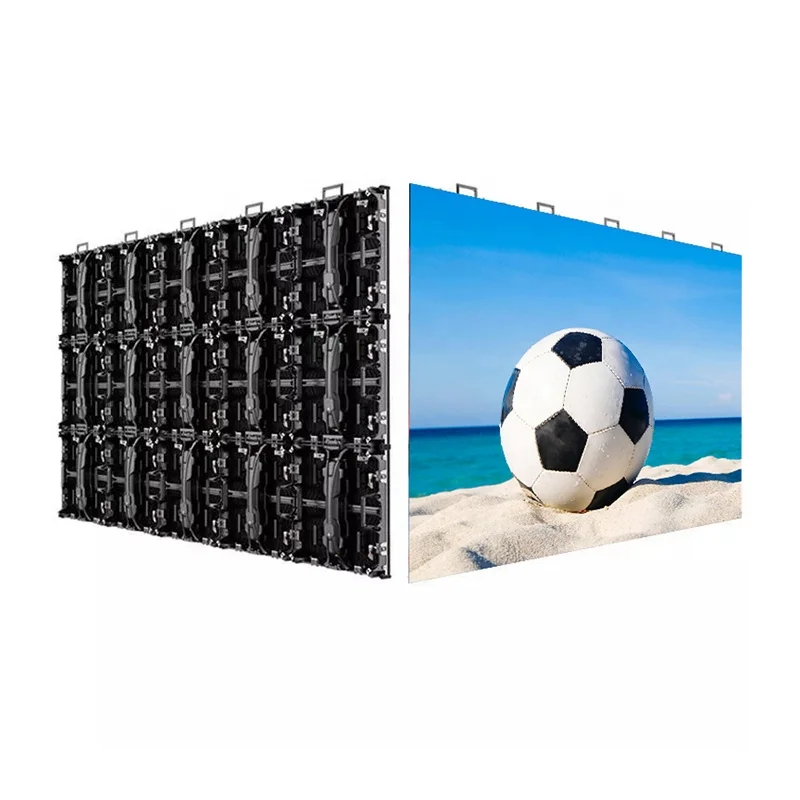
Wall-mounted installation is the most basic and widely used method, that is to bolt the LED panel directly to the wall with brackets or hooks. Due to the wall itself has to carry the full weight, so usually considered solid concrete or load-bearing masonry. This installation method keeps things simple and costs little, uses no floor space, and is easy to reach the back for quick fixes, suitable for meeting room and shop window.
Noted: It should be checked that one square metre can take 50kg, and mount the screen dead level so every screw shares the load before mounting.
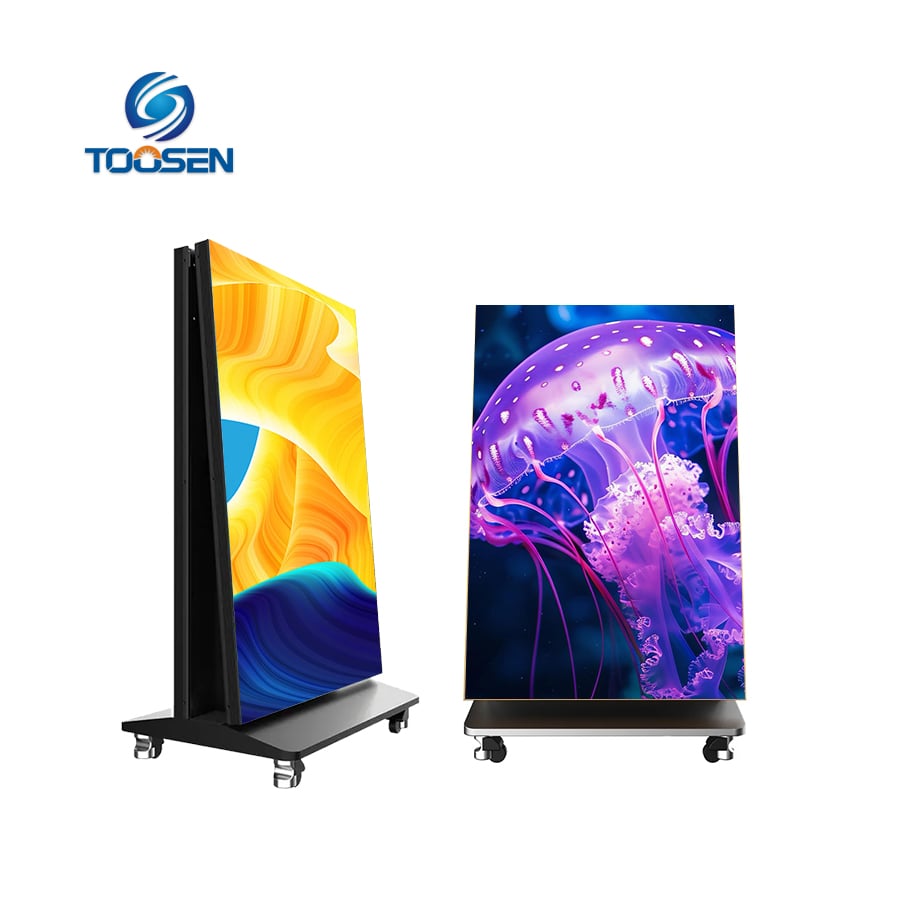
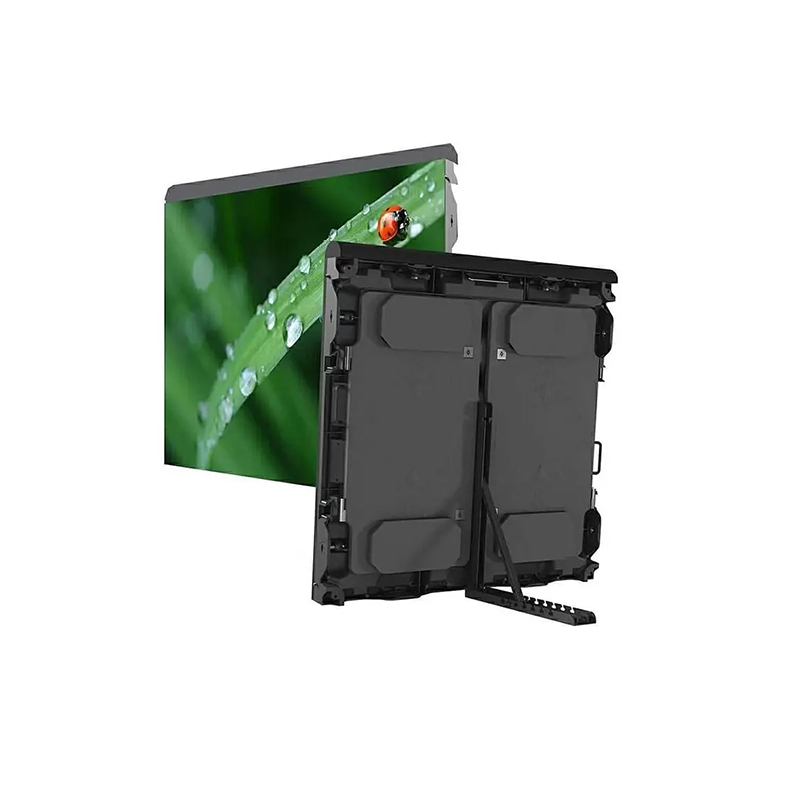
A floor-standing installation uses independent brackets to place the LED screen directly on the ground. It does not require wall mounting, and you can move or adjust the position at any time. This method works well for temporary events because it offers quick setup and removal. Moreover, it eliminates the need to drill holes or damage walls.
It is ideal for trade show booths, temporary stages, event venues, and short-term displays in shopping malls.
However, you must use anti-slip pads and counterweights to keep the screen stable. For outdoor use, you also need extra wind-resistant reinforcement.
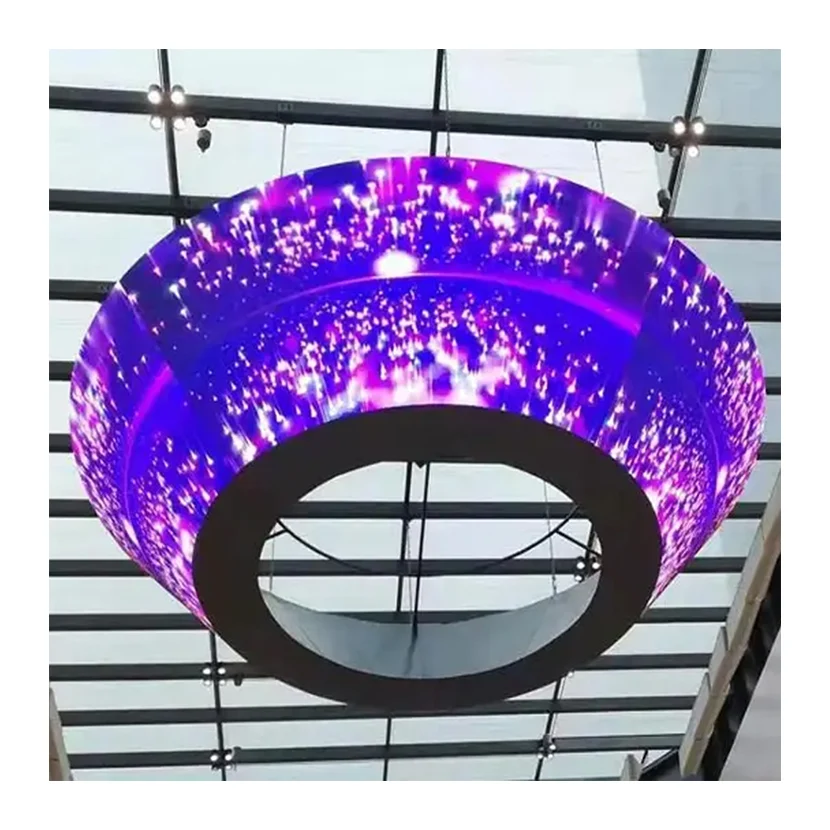
A hanging installation suspends the LED screen from the ceiling or a higher structure using beams, steel cables, or special hanging rigs. It includes two types: fixed hanging and liftable hanging systems.
This method saves floor and wall space. Furthermore, it gives the audience a wide and clear viewing angle, so it suits large screens.
You often see it in stadiums, exhibition halls, airport terminals, shopping mall atriums, and stage backgrounds.
However, the supporting structure must meet the required load-bearing standard, and it should include at least a 1.5× safety margin. For outdoor hanging screens, you must also add wind protection and lightning protection.
4. Embedded Installation
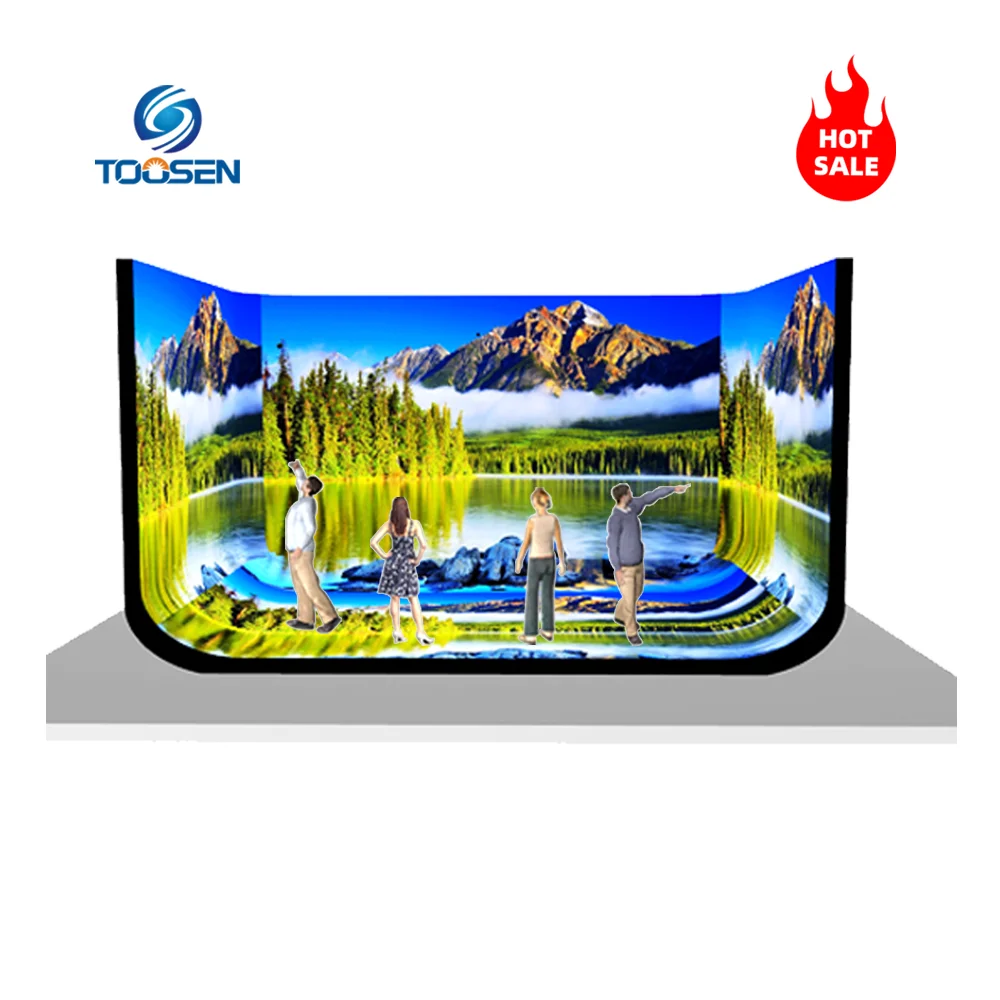
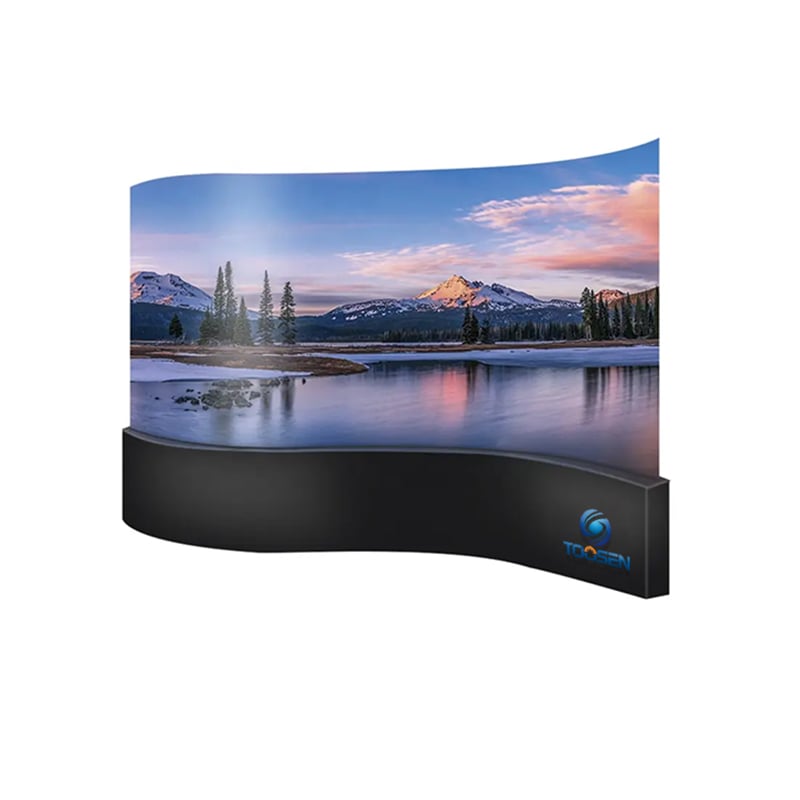
An embedded installation places the LED screen inside a wall, cabinet, or pre-reserved opening so that the screen surface becomes flush with the surrounding structure. This design creates a clean and unified visual effect.
It provides a high-end appearance and blends naturally with interior decoration. Besides, the embedded structure gives better protection for the screen.
This method is suitable for premium showrooms, hotel lobbies, command centers, and decorative wall installations.
However, you need to reserve an accurate opening before construction, with an error of no more than 5 mm. In addition, you must leave a maintenance channel at least 60 cm wide to allow easy servicing later.
5. Column Installation
A column installation uses standalone pillars—either steel structures or concrete columns—to support the LED screen. The pillars anchor to the ground foundation, and the screen can sit on a single column or double columns.
This method does not depend on walls and can be placed in wide open areas. Therefore, it ensures clear, unobstructed visibility.
It is commonly used in outdoor plazas, highway signage, park entrances, and open-air venues.
However, a strong foundation is essential, especially outdoors. The wind-resistance level must also meet local climate standards (grade 8 or above). Moreover, the steel structure requires anti-corrosion treatment to ensure long-term durability.
6. Mobile and Portable Installation
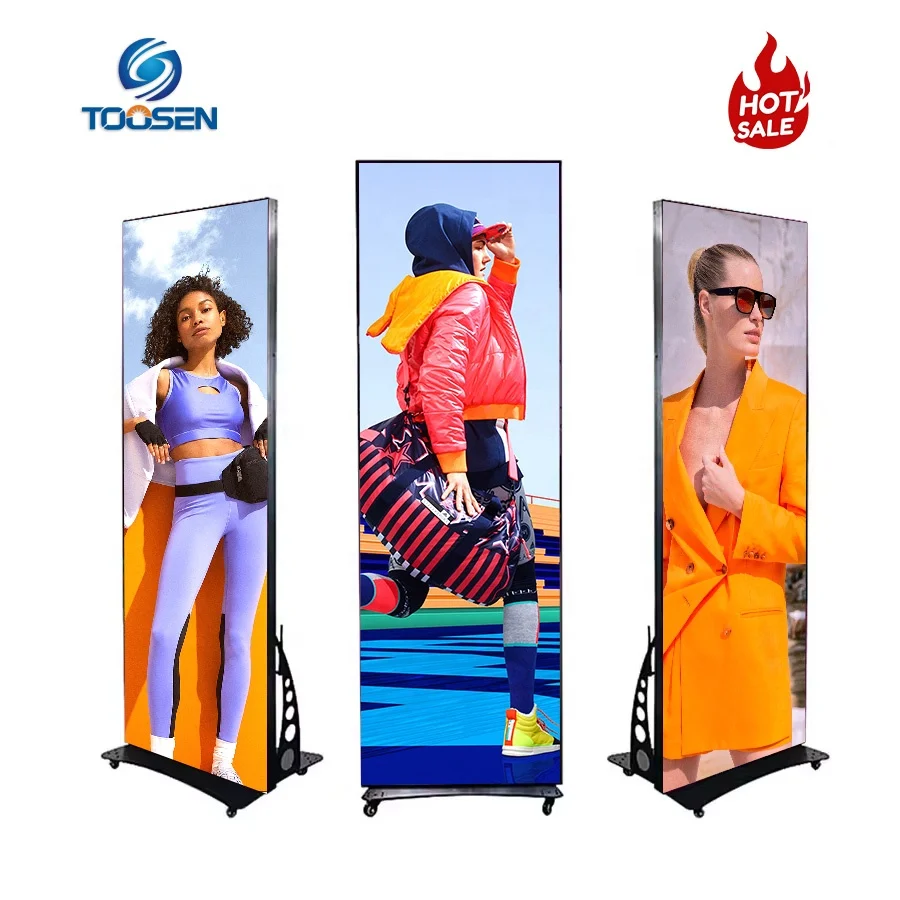
A mobile installation allows the LED screen to move freely according to the event requirements or content changes. The screen sections can separate or combine as needed.
This system usually uses a truss-track structure. Consequently, it is very popular for stage backgrounds in TV studios, concerts, and live events.
It is designed for quick repositioning and flexible layouts.
7. Rental LED Screen Hanging System
Rental LED screens usually cannot be very large. In most cases, they stay within sizes below 6 m × 10 m, except for special lightweight cabinets or strip-type displays.
For this method, technicians build an aluminum or steel truss frame. Then, they attach LED rental modules under or beside the truss using dedicated hanging brackets. Rows of cabinets connect with hanging mechanisms, while horizontal cabinets lock together with quick-release fasteners.
Hanging mechanisms come in three types: gear type, cone-rod type, and bolt type. The gear type looks the best but costs more. The cone-rod type offers good reliability at a moderate price. The bolt type is the cheapest and also reliable, but it requires more time to assemble. Therefore, it is more suitable for installations that are not dismantled often.
Conclusion
Choosing the right installation method is essential if you want your LED display to deliver stable performance, long service life, and the best visual impact. Each installation type—whether floor-standing, hanging, embedded, column-mounted, mobile, or rental—offers different advantages for different environments. Therefore, you should always evaluate your space, safety requirements, and maintenance needs before making a decision.
 EN
EN
 AR
AR
 BG
BG
 HR
HR
 CS
CS
 DA
DA
 NL
NL
 FI
FI
 FR
FR
 DE
DE
 EL
EL
 HI
HI
 IT
IT
 JA
JA
 KO
KO
 NO
NO
 PL
PL
 PT
PT
 RO
RO
 RU
RU
 ES
ES
 SV
SV
 TL
TL
 ID
ID
 SR
SR
 UK
UK
 VI
VI
 ET
ET
 HU
HU
 TH
TH
 TR
TR
 FA
FA
 AF
AF
 MS
MS
 GA
GA
 HY
HY
 AZ
AZ
 MN
MN
 UZ
UZ