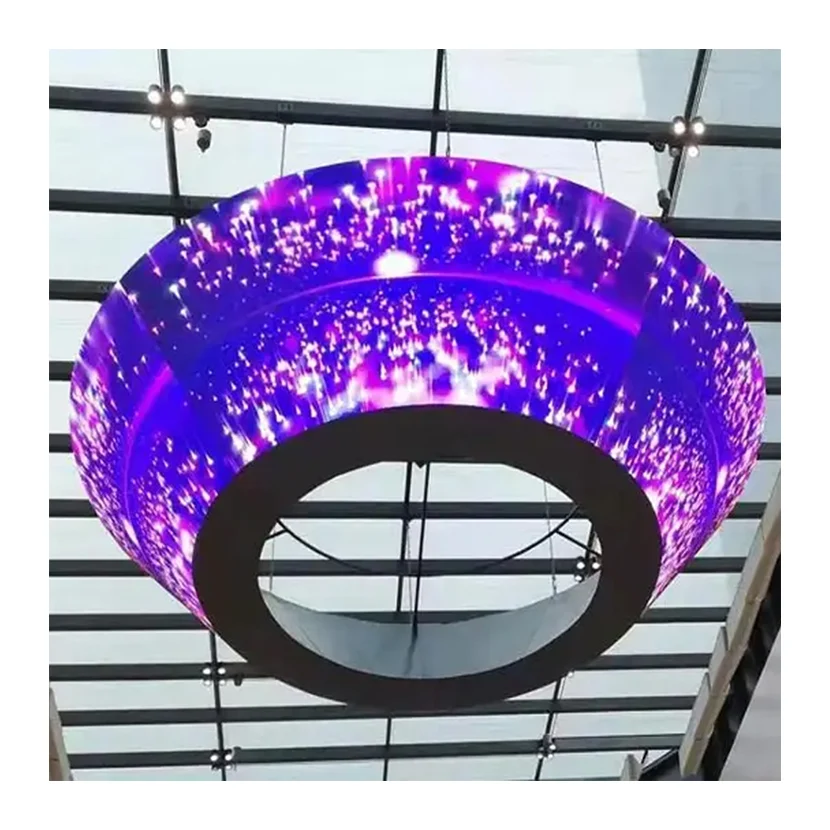
Инсталирането на цилиндричен LED дисплей или окачен пръстеновиден LED екран включва много повече от просто окачване на дисплей от тавана. Тези системи често тежат стотици килограма и остават окачени над обществени пространства в продължение на години. В резултат на това структурната безопасност, проектът на окачването и достъпът за поддръжка в дългосрочен план трябва да бъдат най-високи приоритети още от самото начало на проекта.
Независимо дали инсталацията се намира в лобито на хотел, атриум на търговски център, изложбена зала или корпоративно шоурум, правилното инженерно проектиране гарантира както безопасността, така и дългосрочната надеждност.
Това ръководство обяснява най-критичните аспекти при инсталирането на цилиндрични и пръстеновидни LED дисплеи, като се фокусира върху изчисляването на структурните натоварвания, системите за окачване и планирането на достъпа за поддръжка.
В отличие от LED дисплеите, монтирани на стена, които предават теглото си директно на фасадата на сградата, цилиндричните LED екрани разчитат изцяло на окачени отгоре системи.
Типичен цилиндричен LED дисплей със средни размери, с диаметър 3 метра, височина 5 метра и множество кръгови слоеве, може да включва:
| Компонент | Типично тегло |
|---|---|
| Гъвкави LED модули и монтажни рамки | 150–250 кг |
| Основна стоманена конструкция | 300–500 kg |
| Захранващи блокове, контролери и кабели | 50–100 кг |
| Общо тегло на системата | 500–850 кг или повече |
На практика това означава, че таванната конструкция може да поема товар, сравним с този на малък автомобил, в продължение на много години.
Поради тази причина изчисленията на товарите винаги трябва да се извършват от квалифицирани инженери-строители. Екипите за проекти никога не бива да разчитат на предположения или приблизителни оценки.
Една от най-често срещаните грешки при монтажа възниква, когато подемните системи се закрепват към декоративни компоненти на тавана.
Следните конструкции са не проектирани да поддържат LED дисплеи:
Вместо това монтажниците трябва да закрепят окачвателните системи директно към:
Само тези конструктивни елементи могат безопасно да предават дълготрайни товари.
Преди започване на инсталацията проектният екип трябва да:
Окончателният инженерен доклад трябва да потвърждава, че конструкцията може да поеме:
Повечето проекти за окачени LED дисплеи следват тези минимални насоки:
| Изискване | Препоръчителна стойност |
| Коефициент на сигурност при статично натоварване | ≥ 3× теглото на дисплея |
| Коефициент на динамично натоварване | 1.2–1.5× |
| Допустимо натоварване за поддръжка | Допълнителни 200–300 kg |
Тези маржове помагат да се гарантира дългосрочната структурна безопасност.
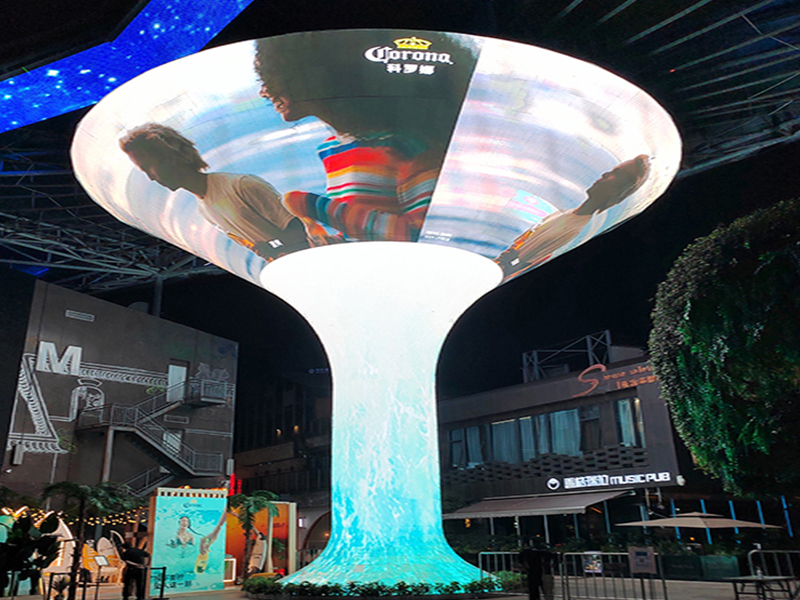
Рамката за окачване служи като основна връзка между строителната конструкция и LED дисплея.
Производителите обикновено изработват тези рамки чрез:
В зависимост от изискванията на проекта инженерите могат да изберат:
Подходящо за:
Препоръчва се за:
Многоточковите системи разпределят натоварванията по-равномерно и подобряват общата устойчивост.
Всички заваръчни шевове трябва да бъдат инспектирани и подложени на антикорозионна обработка преди монтаж.
| Метод на окачване | Най-добро приложение | Ключови фактори |
| Ригидни окачващи пръти | По-ниски тавани | Изисква прецизно вертикално подравняване |
| Стоманени въжета | Високи тавани и регулируеми инсталации | Трябва да отговарят на изчисленията за пределната якост при разкъсване |
| Моторизирани системи за вдигане | Големи дисплеи, които изискват често поддръжка | По-висока цена, но значително подобрява обслужваемостта |
За системите със стоманени въжета инженерите обикновено определят въжета с конструкция 6×19 или 6×37, тъй като те осигуряват отлична гъвкавост и якост.
Всеки окачен дисплей трябва да включва резервни системи за защита.
Най-добри практики включват:
След инсталирането изпълнителите трябва да проведат статичен товарен тест, използвайки поне 1,5 пъти работното тегло на дисплея, и да поддържат товара в продължение на 24 часа.
Много проекти се фокусират изключително върху визуалния ефект и пренебрегват бъдещите изисквания за поддръжка.
Обаче дори висококачествените LED дисплеи в крайна сметка изискват:
Без подходящ достъп разходите за поддръжка могат да нараснат значително.
Изискванията за поддръжка директно влияят върху конструктивното проектиране.
| Тип поддръжка | Предимства | Препоръчителни условия |
| Служба на фронта | Проста подмяна на модулите от лицевата страна на дисплея | Дисплеи, които са в обсега на ръката или достъпни чрез стълбички |
| Обслужване отзад | Техниците получават достъп до компонентите отвътре в конструкцията | Диаметър на пръстена ≥ 1,5 м |
| Моторизирана система за снижаване | Целият дисплей се спуска за поддръжка | Премиум проекти с достатъчен бюджет |
За големи цилиндрични дисплеи и инсталации с множество пръстени задният достъп остава най-практичното решение.
Инженерите трябва да осигурят:
Тези функции позволяват на техниците да работят безопасно и ефективно вътре в конструкцията.
За инсталации в голям мащаб или на висока надморска височина моторизираните системи за поддръжка могат значително да намалят сложността на обслужването.
Тези системи обикновено включват:
Когато е необходимо обслужване, техниците могат да спуснат целия дисплей до безопасна работна височина.
В резултат на това операциите по обслужване стават по-бързи, по-безопасни и по-евтини.
Дори когато се използват модули с предно обслужване, проектантите трябва да оставят достатъчно място за бъдещи ремонти.
Препоръчителните практики включват:
Дистанционното отстраняване на неизправности значително намалява необходимостта от поддръжка на височина.
Преди предаване на проекта проверете следните елементи:
| Проверна точка | Изискване | Отговорна страна |
| Доклад за структурни изчисления | Подписан от лицензиран структурен инженер | Дизайн консултант |
| Качество на стоманената конструкция | Успешно изпитване на заварките | Производител |
| Тест за статично натоварване | 1,5× проектно натоварване в продължение на 24 часа | Изпълнител на монтажа |
| Сертификат за окачващата арматура | Съответства на инженерните спецификации | Доставчик |
| Защита срещу падане | Монтирано на всяка точка на окачване | Изпълнител на монтажа |
| Заземяване и мълниезащита | Заземително съпротивление ≤ 4 Ω | Електротехнически изпълнител |
| Приемане на достъп за поддръжка | Съответства на стандартите за безопасност | Собственик / Консултант |
 EN
EN
 AR
AR
 BG
BG HR
HR
 CS
CS
 DA
DA
 NL
NL
 FI
FI FR
FR
 DE
DE EL
EL
 HI
HI
 IT
IT JA
JA
 KO
KO
 NO
NO PL
PL PT
PT RO
RO
 RU
RU
 ES
ES
 SV
SV
 TL
TL
 ID
ID
 SR
SR
 UK
UK VI
VI
 ET
ET
 HU
HU
 TH
TH
 TR
TR
 FA
FA
 AF
AF
 MS
MS
 GA
GA
 HY
HY
 AZ
AZ
 MN
MN
 UZ
UZ