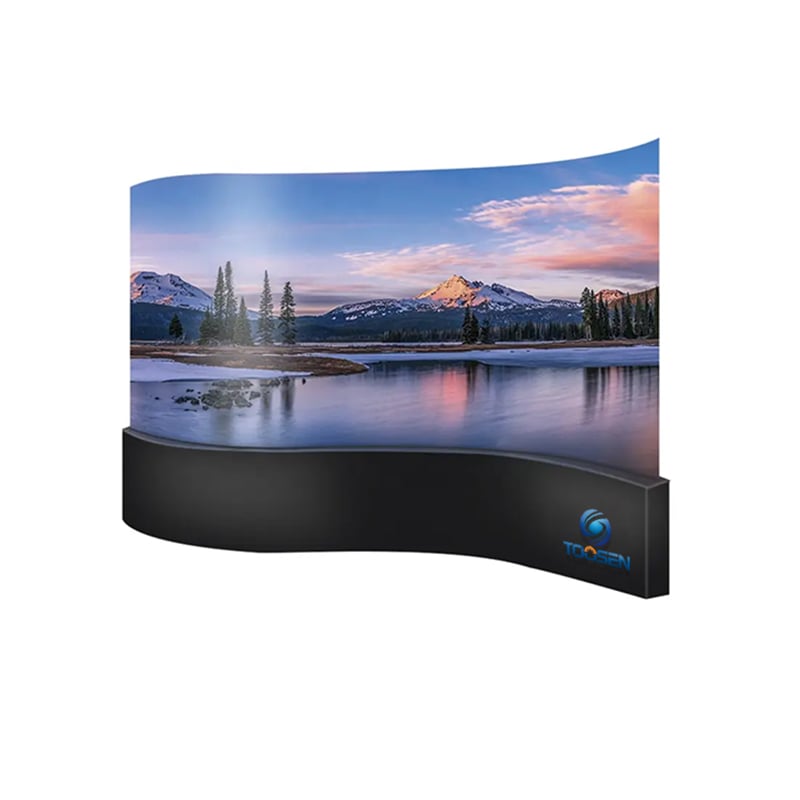
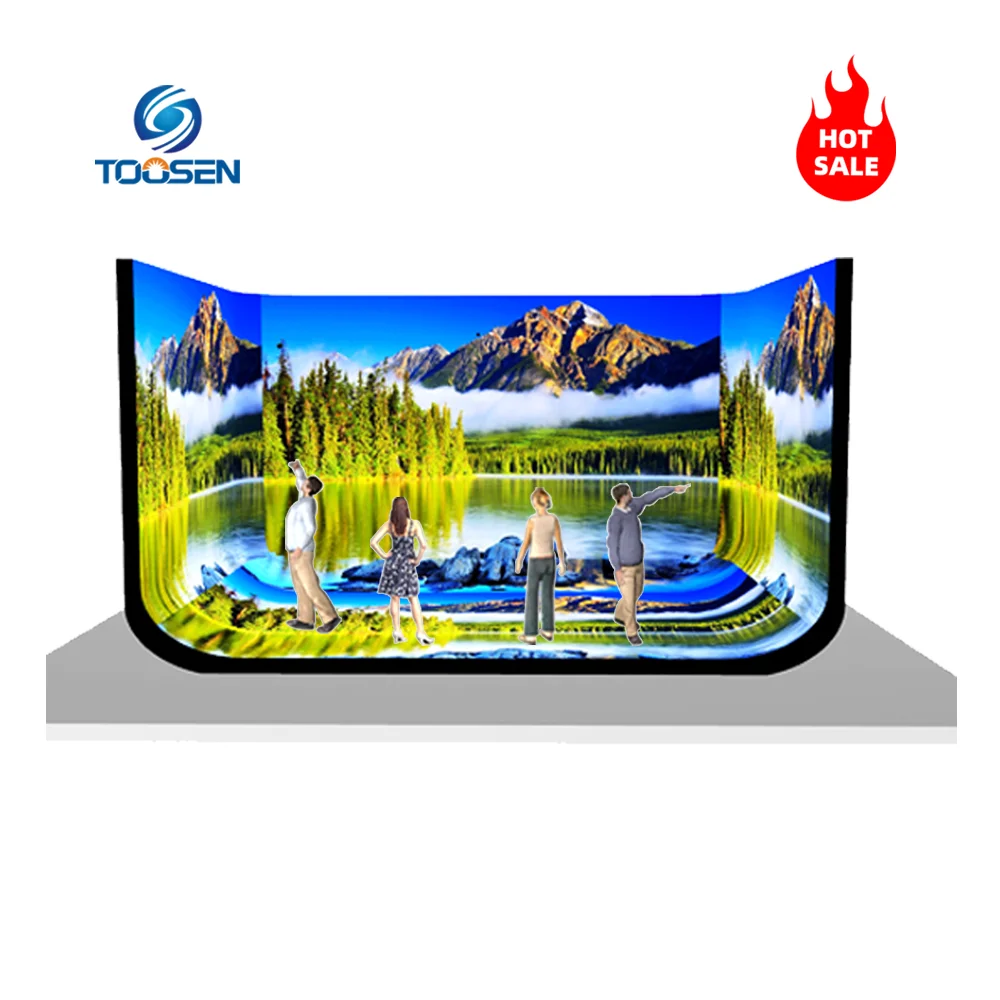
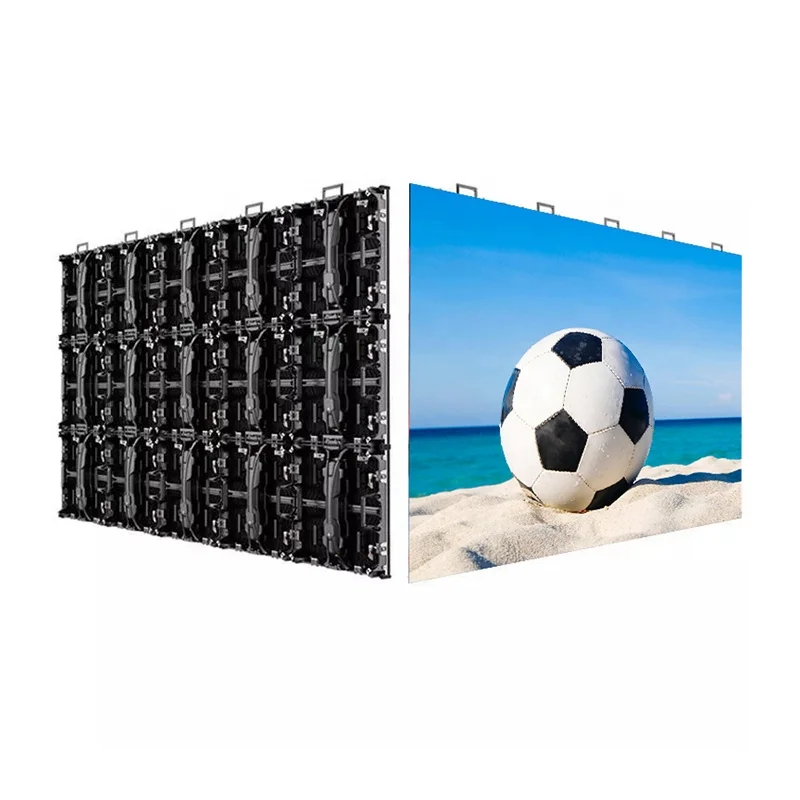
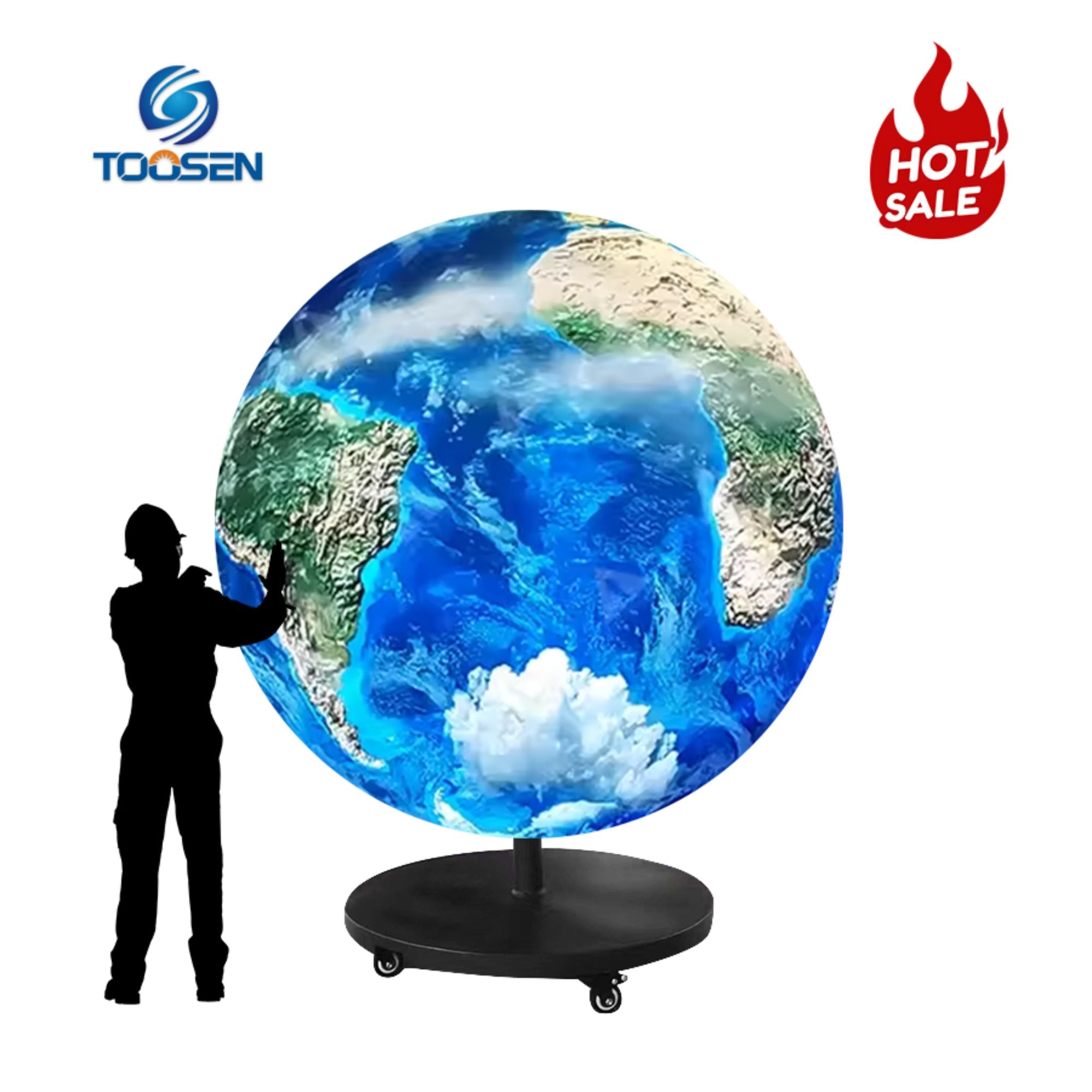
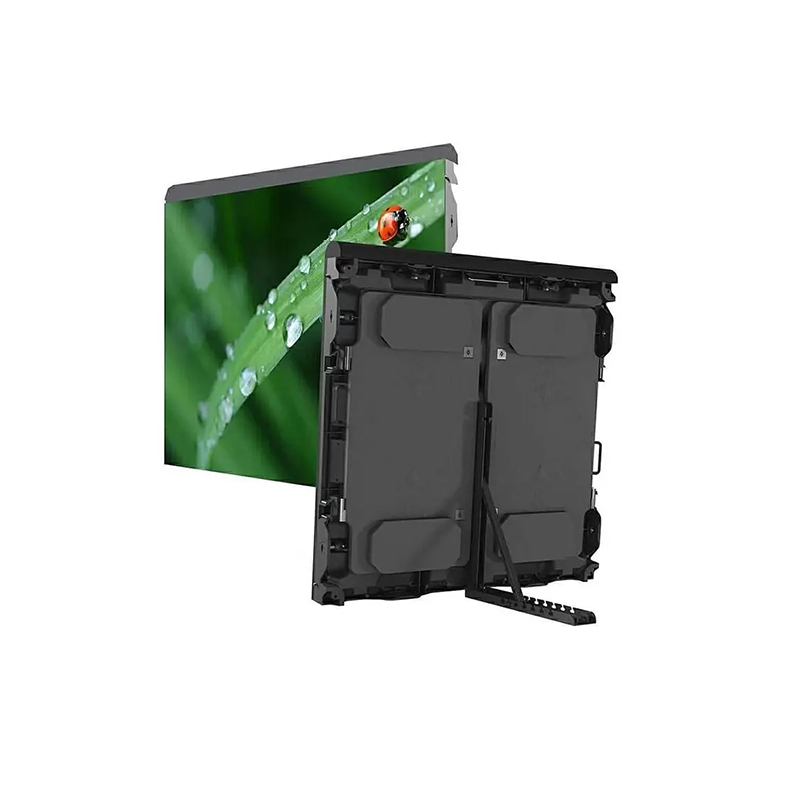
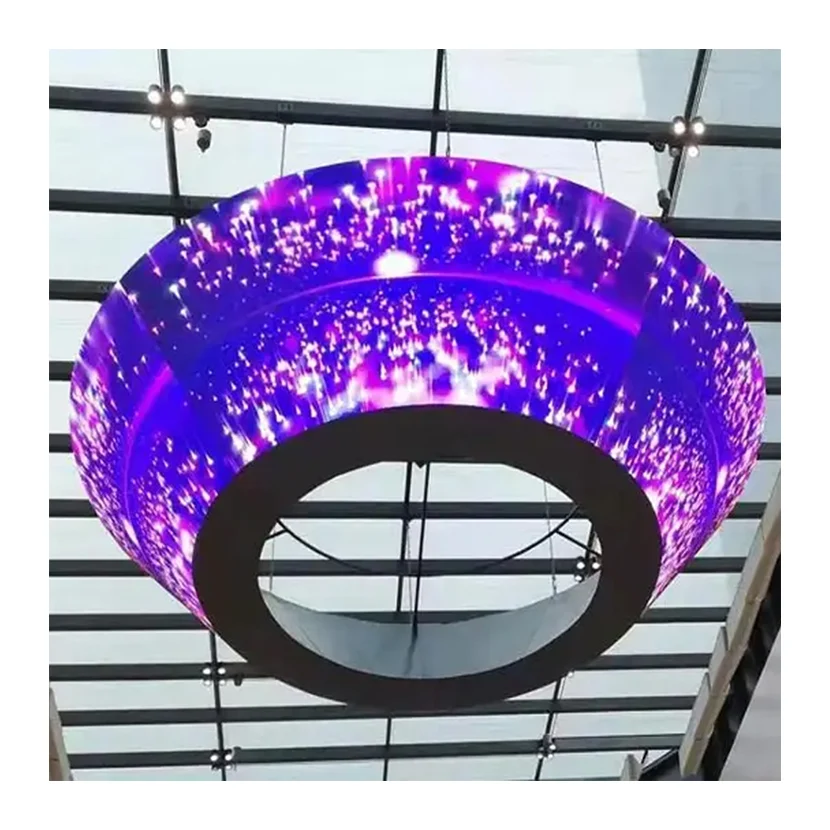
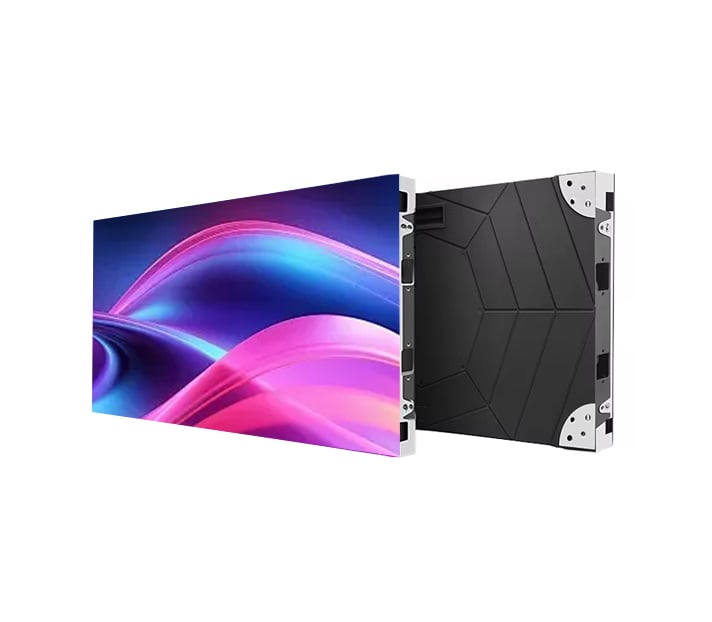
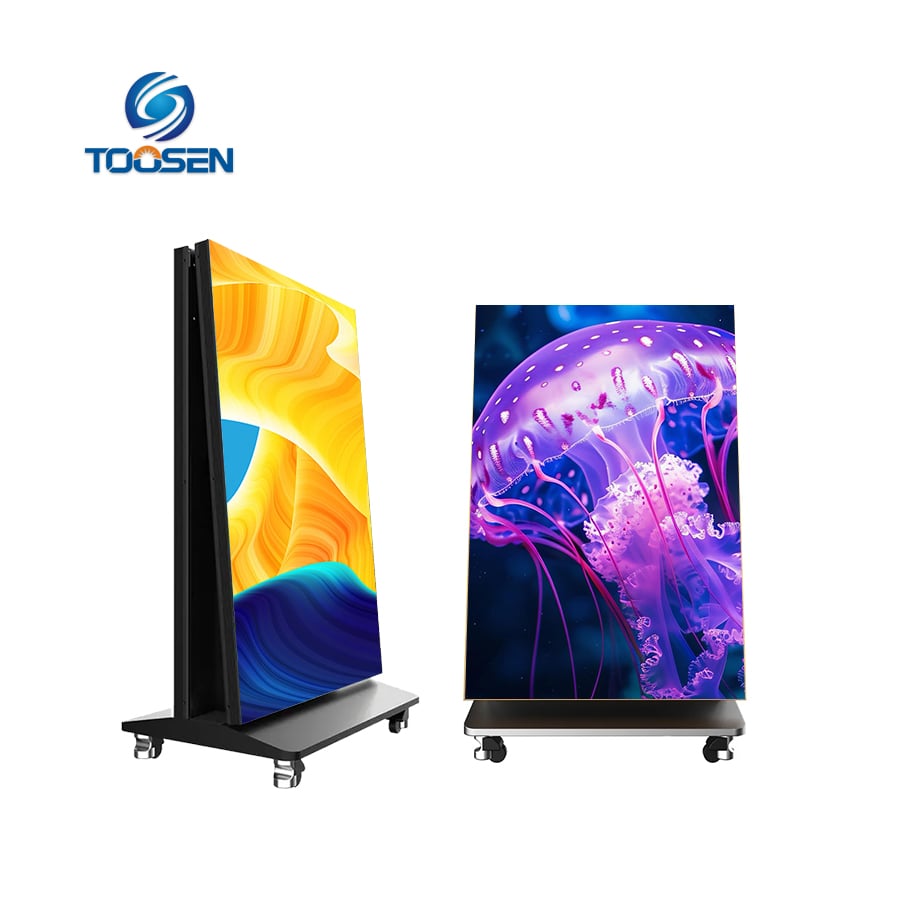
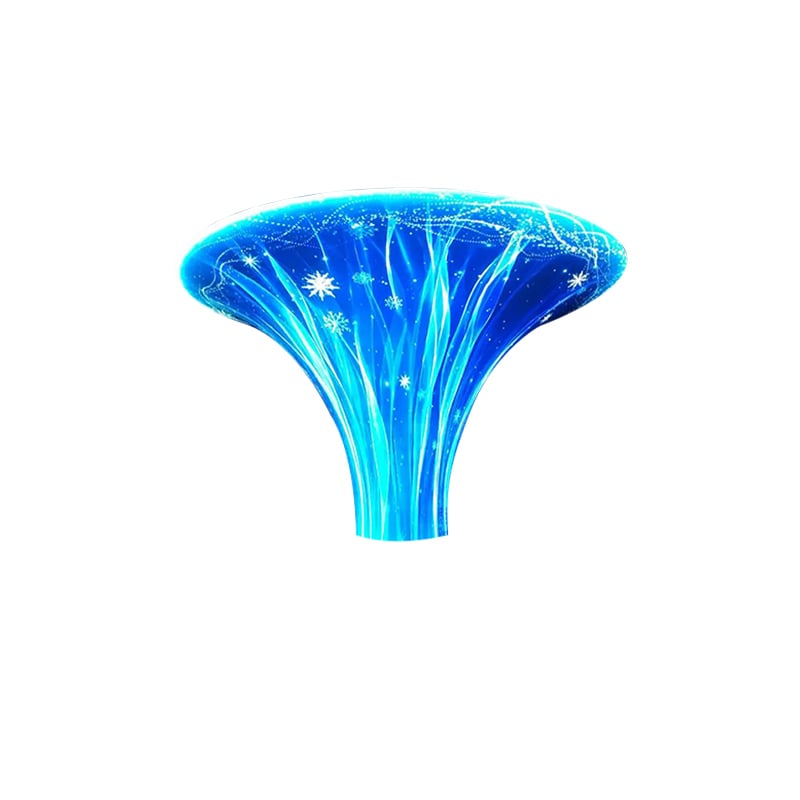
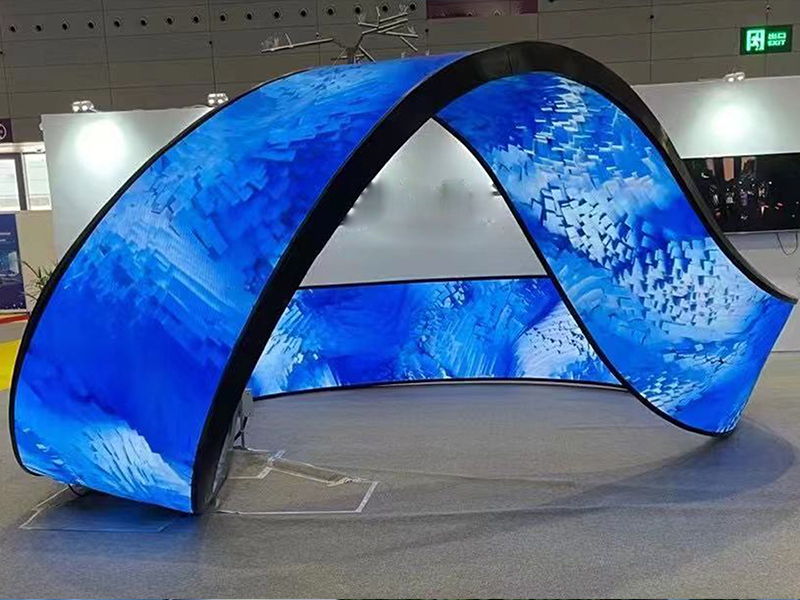
Muvofiqlashuvchan maxsus shakldagi LED displeylar — masalan, tomchisimon ekranlar, egri LED displeylar va lentasimon LED displeylar — standart LED displeylarga qaraganda diqqatliroq loyihalash, oʻrnatish va texnik xizmat koʻrsatishni talab qiladi. Sabab oddiy: bu displeylar anʼanaviy LED panellarda qoʻllaniladigan anʼanaviy tuzilma va mexanik modelni buzadi.
Agar standart LED ekran qattiq tekis plastinka ga oʻxshasa, moslashuvchan ijodiy displey esa aniq moslashuvchan soat ga oʻxshab ketadi. Sanʼatkorona shakllar va oqib ketadigan egri chiziqlarni yaratish uchun ishlab chiqaruvchilar materiallar va tuzilma boʻyicha sozlamalar oʻtkazishlari kerak. Bu sozlamalar displeyning butun umr davomida qoʻshimcha eʼtibor talab qiladigan bir nechta nozik nuqtalarni yaratadi.
Buni toʻrtta asosiy jihatdan tushunish mumkin: tuzilma mexanikasi, elektronika muhandisligi, oʻrnatish muhiti va texnik xizmat koʻrsatish murakkabligi.
An'anaviy LED ekranlar odatda to'rtburchak ramka strukturasini qo'llaydi. Bu dizayn tufayli og'irlik vertikal ravishda pastga o'tkaziladi va ramka bo'ylab teng taqsimlanadi. Natijada, struktura uzoq muddatli ishlash uchun barqaror qoladi.
Moslashuvchan maxsus shaklli ekrannar boshqacha ishlaydi. Oqayotgan yoshg'och shakllari yoki burilayotgan lentalar dizayni kabi shakllarni yaratish uchun ichki struktura burilish kuchlarini, yon kuchlanishlarni va teng bo'lmagan yuk taqsimlanishini .
Qabul qilishi kerak. Vaqt o'tishi bilan bu kuchlar egri chiziqlar yoki ulanish nuqtalarida markazlashadi. Muntazam struktural tekshiruvlarsiz kuchlanish markazlashuvi deformatsiyaga, modullar orasidagi sezilarli bo'shliqlarga yoki hatto tasvirning biroz siljishiga sabab bo'lishi mumkin. Shuning uchun muhandislar moslashuvchan ekrannarning struktural barqarorligini tekshirishni tekis LED panellarga nisbatan tez-tez amalga oshirishlari kerak.
Standart LED ekrannar odatda qattiq PChB bu platalar mustahkam payvand ulanishlar, qalinroq o'tkazuvchi yo'llar va tebranishga nisbatan yuqori qarshilik ta'minlaydi.
Biroq, moslashuvchan LED displeylar FPC shuning uchun modullar egilishi va egri shakllar hosil qilishi mumkin. FPC dizayn moslashuvchanligini ta'minlasa ham, u bir vaqtning o'zida potentsial zaifliklarni keltirib chiqaradi.
O'rnatish jarayonida yoki uzoq muddatli ishlatishda takroriy egilish yoki mexanik kuchlanish natijasida mis izlarida mikroskopik singanliklar paydo bo'lishi mumkin. Hatto juda mayda treshinalar ham ko'rinadigan displey muammolariga sabab bo'ladi.
Masalan, bitta LED yoritilishni to'xtatishi yoki butun LED qatorining 'qurtga o'xshash' o'lik chiziq sifatida namoyon bo'lishi mumkin. Bunday muammolar qattiq displeylarda deyarli uchramaydi, lekin moslashuvchan ekranda kuzatiladigan muhim xavf manbalari hisoblanadi.
An'anaviy LED displeylar standartlashtirilgan kabinet konstruksiyalardan foydalanadi ishlab chiqaruvchilar bu shkafchalarni isbotlangan suvga va changga chidamli tizimlar bilan, jumladan, zich yopiladigan rezina o'ralmalar va yaxshi sinovdan o'tkazilgan korpus dizaynlari bilan loyihalashadi.
Maxsus shaklli LED displeylar odatda ma'lum bir arxitektura maydonlari uchun maxsus ishlab chiqiladi , ya'ni ular doim ham standart shkafcha strukturalaridan foydalana olmaydi. Ularning ulanish joylari noqonuniy burchaklar yoki ko'pburchak kesimlarni o'z ichiga oladi.
Shu sababli, atrof-muhitni himoya qilish murakkabroq bo'ladi — ayniqsa, ochiq havoda o'rnatilganda. Yomg'ir suvi noqonuniy ulanish joylari yoki egri ulanishlar orqali osonroq kirib boradi.
Suvning kirib kelishini oldini olish uchun montajchilar qo'shimcha germetiklash usullarini qo'llashlari kerak, masalan, ulanish nuqtalarida maxsus silikonli germetik materiallardan foydalanish. Bundan tashqari, texniklar germetik materiallarni muntazam ravishda tekshirishlari kerak, chunki ochiq havoda saqlash ularning asta-sekin buzilishiga sabab bo'ladi.
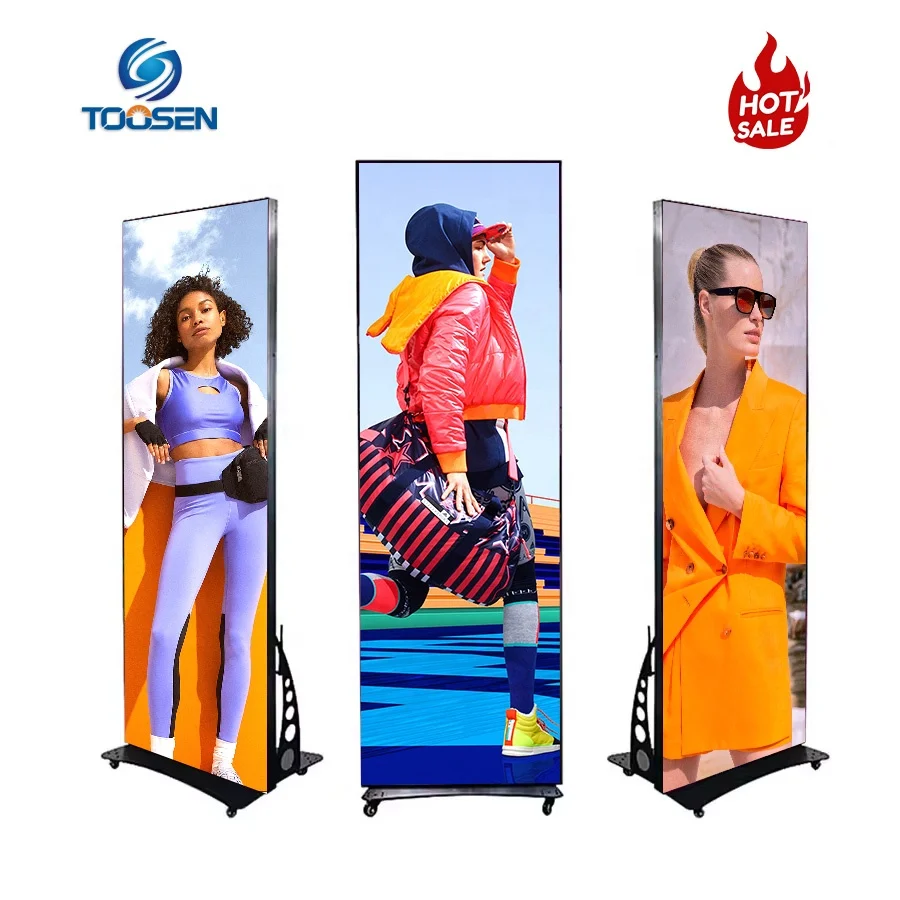
Oddiy LED ekranlar uchun texnik xizmat ko'rsatish nisbatan oddiydir. Aksariyat tizimlar oldingi yoki orqa tomondan texnik xizmat ko'rsatish , va modullar standartlashtirilgan va almashtirish oson.
Moslashtirilgan maxsus shakldagi ekranlar bir nechta qiyinchiliklarga sabab bo'ladi:
Har bir egri qism ko'pincha moslashtirilgan shakldagi LED modullarni talab qiladi. Bu modullar standart qismlar bilan almashinmaydigan bo'lishi mumkin, shuning uchun operatorlar ishlab chiqaruvchidan asl ehtiyot qismlarini saqlab turishlari kerak.
Egri shaklni saqlash uchun muhandislarning ichki simlarni va qo'llab-quvvatlovchi ramkalarini juda siqilgan qilib loyihalashlari kerak. Agar tomchi shaklidagi ekranning pastki qismida nosozlik yuz bersa, texnik xodimlar nuqsonli modulga kirishdan oldin bir nechta atrofdagi modullarni olib tashlashi kerak bo'ladi.
Ba'zi hollarda ta'mirlash jarayoni hatto vaqtinchalik tayanchlar yoki maxsus ko'tarish uskunalari .
Bu murakkabliklar tufayli kichik nuqsonni bartaraf etish narxi—vaqt, mehnat va operatsion xavfni hisobga olganda—oddiy displeyni ta'mirlash narxidan ancha yuqori bo'lishi mumkin. Shu sababli, oldini olish uchun texnik xizmat ko'rsatish ayniqsa muhim ahamiyat kasb etadi.
Moslashuvchan maxsus shaklli LED displeylar qo'shimcha ehtiyotkorlikni talab qiladi, chunki ular ijodiy dizayn va muhandislik amaliyoti o'rtasidagi muvozanatni ifodalaydi .
Ular moslashuvchanligi va ijodiy shakllari tufayli dizaynerlarga ajoyib vizual installatsiyalar yaratish imkonini beradi. Biroq, shu xususiyatlari ularni oddiy tekis LED displeylarga nisbatan quyidagi jihatlar bo'yicha yetishmay qo'yishi mumkin: strukturaviy mustahkamlik, elektr barqarorligi, atrof-muhitni himoya qilish va ta'mirlashning sodda ligi .
Shuning uchun, bunday displeylarni xizmat ko'rsatish faqat tasvir sifatini kuzatishdan iborat emas. Texniklar ularni aniq asboblar maxsus e'tibor bilan strukturaviy butunlik, elektr zanjirining ishonchliligi va sig'ishuv (germetiklik) xususiyatlariga e'tibor berish kerak bo'lgan ob'ektlar sifatida qabul qilishlari kerak.
To'g'ri parvarish qilish va muntazam tekshiruvlar bilan moslashuvchan maxsus shaklli LED displeylar uzun muddatli operatsion barqarorlikni saqlab turishda ajoyib vizual tajriba yetkazishda davom etadi.
1. Nima uchun moslashuvchan LED displeylarga oddiy LED ekrangalarga qaraganda ko'proq parvarish kerak?
Moslashuvchan displeylar egri strukturalardan va moslashuvchan elektr zanjirlaridan foydalanadi, bu esa mexanik kuchlanish va atrof-muhit omillariga nisbatan sezgirroq bo'ladi. Shu sababli, muntazam tekshiruvlar va oldini olish maqsadida amalga oshiriladigan parvarish ahamiyati yuqori.
2. Maxsus shaklli LED ekrangalarning eng katta xavfi nima?
Keng tarqalgan xavflarga struktura ichidagi kuchlanishning markazlashuvi, moslashuvchan elektr zanjirining shikastlanishi, noaniq ulanish joylaridan suv kirib ketishi hamda maxsus modullar tufayli parvarish qilish qiyinligi kiradi.
3. Operatorlar moslashuvchan LED displeylarning foydalanish muddatini qanday uzaytirishlari mumkin?
Muntazam struktura tekshiruvlari, to'g'ri germetiklanish, me'yorida o'rnatish usullari va oldini olish maqsadida amalga oshiriladigan parvarish moslashuvchan maxsus shaklli LED displeylarning ishonchliligini va foydalanish muddatini sezilarli darajada oshirishga yordam beradi.
 EN
EN
 AR
AR
 BG
BG HR
HR
 CS
CS
 DA
DA
 NL
NL
 FI
FI FR
FR
 DE
DE EL
EL
 HI
HI
 IT
IT JA
JA
 KO
KO
 NO
NO PL
PL PT
PT RO
RO
 RU
RU
 ES
ES
 SV
SV
 TL
TL
 ID
ID
 SR
SR
 UK
UK VI
VI
 ET
ET
 HU
HU
 TH
TH
 TR
TR
 FA
FA
 AF
AF
 MS
MS
 GA
GA
 HY
HY
 AZ
AZ
 MN
MN
 UZ
UZ