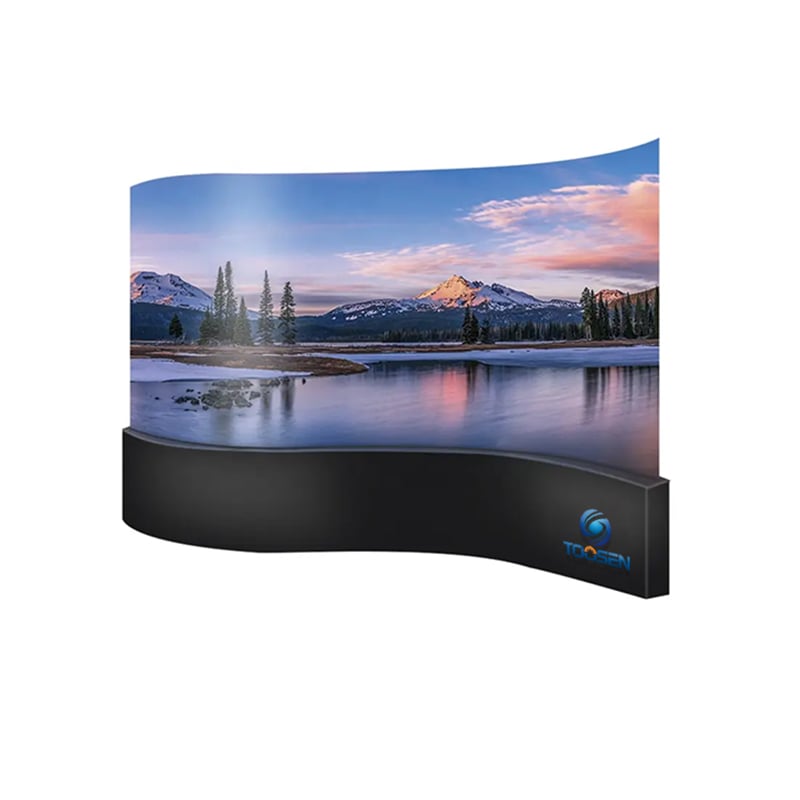
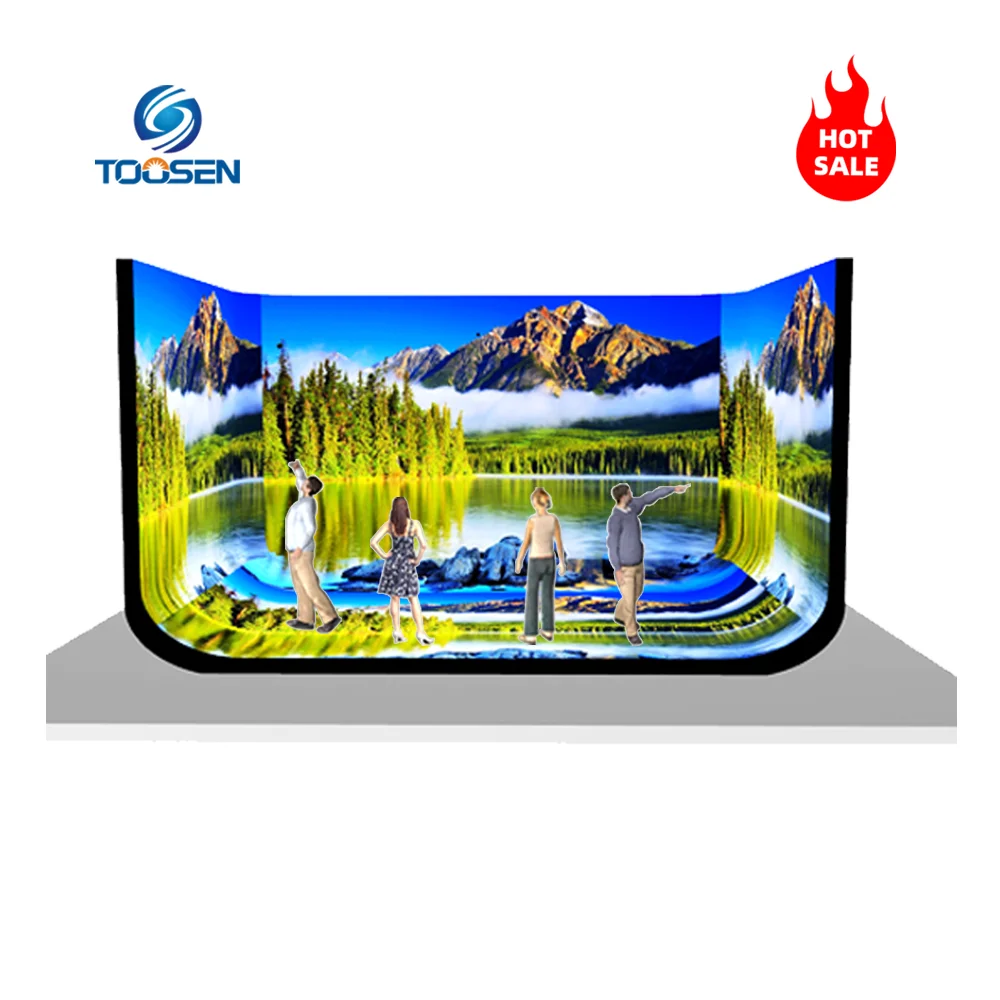
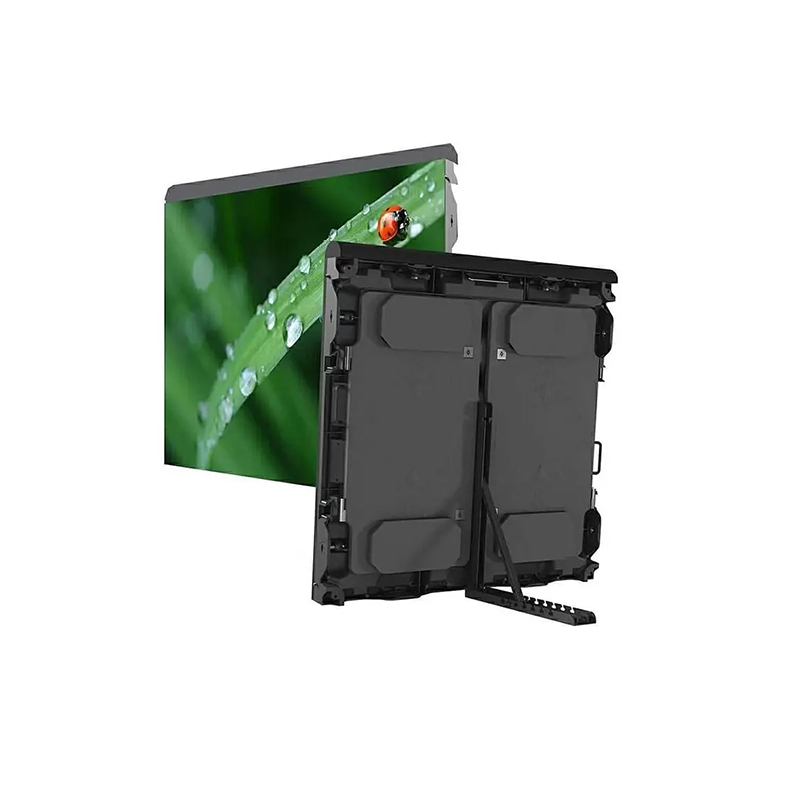
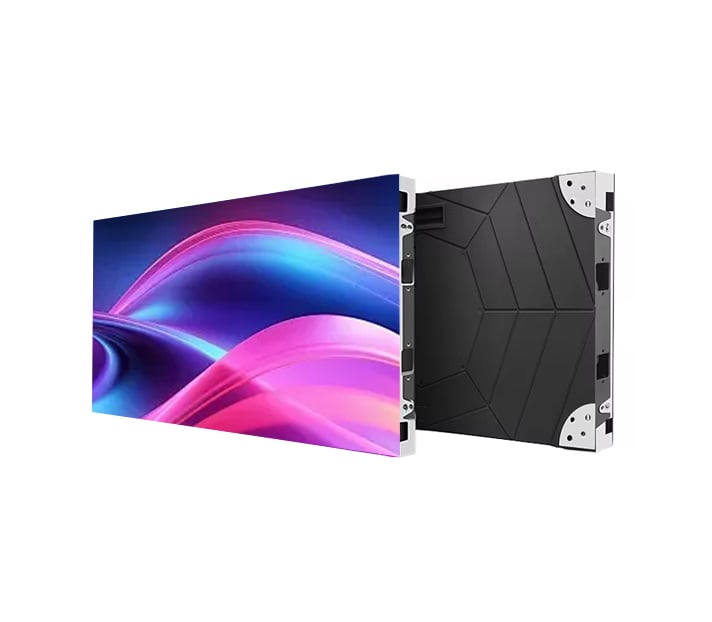
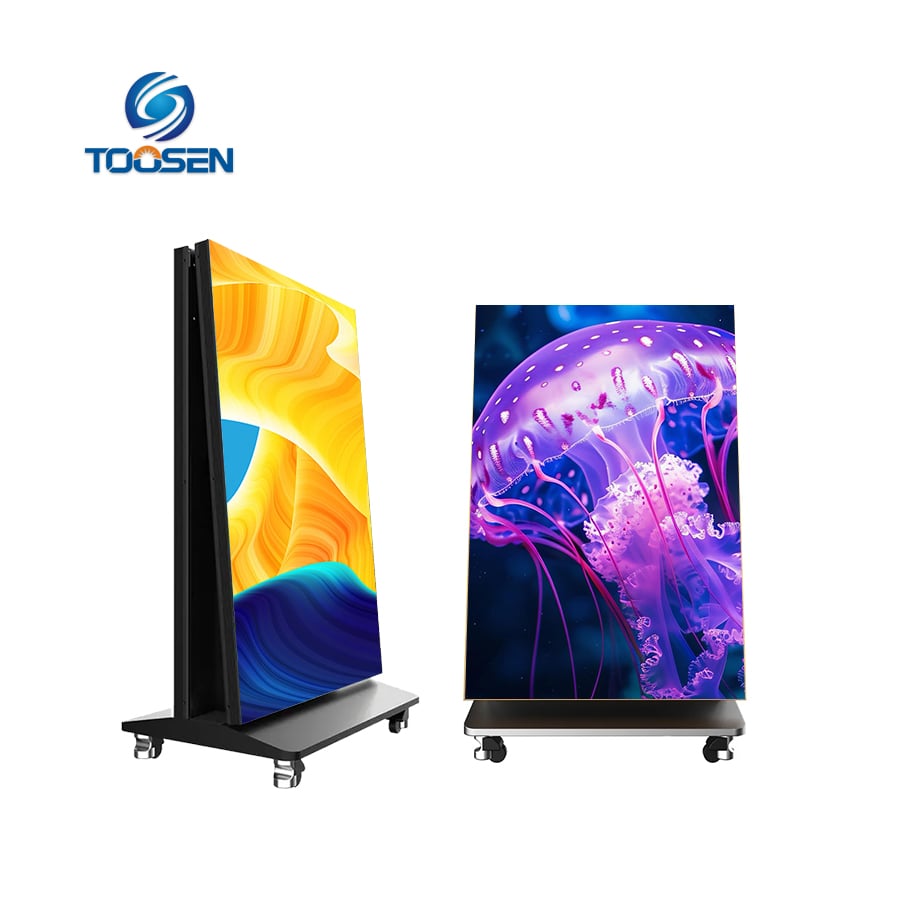
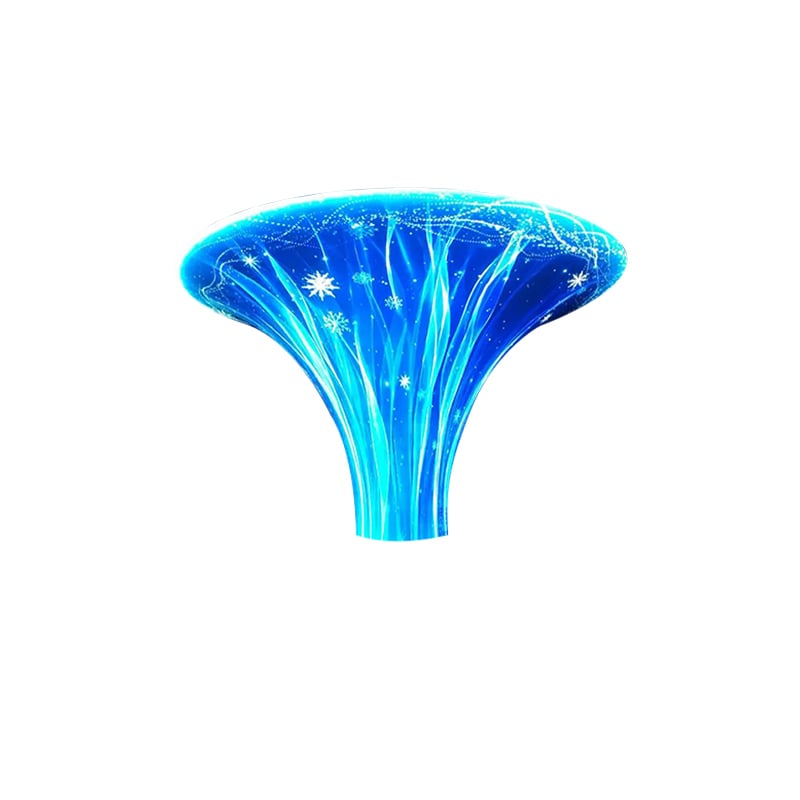
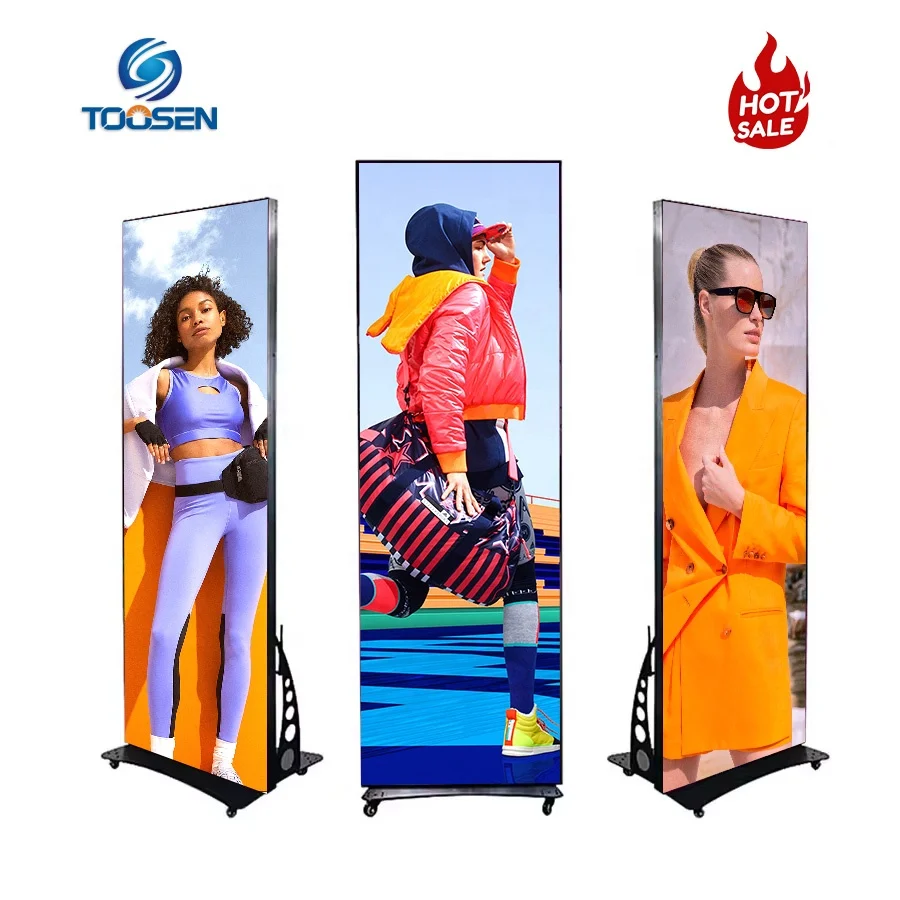
А світлодіодний екран механічного типу об'єднує Модулі LED-дисплеїв, точні механічні системи передачі та технологія багатовісного керування рухом . На відміну від традиційних статичних LED-дисплеїв, ця система дозволяє самій конструкції екрана рухатися. За допомогою програмованого керування окремі модулі можуть відкриватися, закриватися, підніматися, обертатися або зміщуватися , створюючи динамічні тривимірні форми, такі як хвилі, скульптурні логотипи та рухомі вигнуті поверхні , одночасно відображаючи зображення або відео високої чіткості.
Оскільки екран рухається синхронно з цифровим контентом, механічні LED-дисплеї забезпечують сильний візуальний вплив та драматичні просторові перетворення . Дизайнери також можуть інтегрувати їх із контентом у форматі 3D без використання окулярів щоб створити дуже захоплюючі переживання. Однак ці системи зазвичай вимагають більші інвестиції та більш складне обслуговування ніж стандартні світлодіодні дисплеї.
Відкриття LED-екран розділені на кілька секцій, які рухаються ліворуч і праворуч, вгору і вниз, або складати в кілька панелей - Я не знаю. Дизайнери часто використовують їх як великі фони сцені або екрани центру стадіону .
Під час виступів або заходів панелі відкриваються, щоб відкрити нові візуальні елементи. Цей рух створює сильний церемоніальні ефекти для початкових моментів або переходів між сценами .
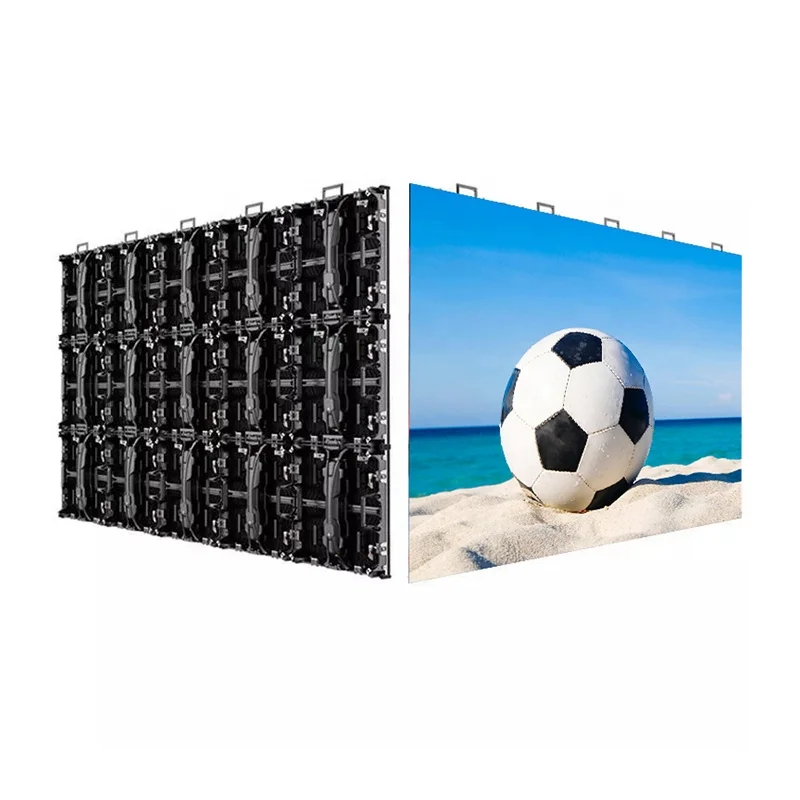
Механічні матричні дисплеї складаються з великої кількості незалежних LED-модулів, розташованих у сітці . Кожен модуль інтегрує сервопривід або кроковий двигун , що дозволяє йому рухатися незалежно.
У результаті екран може перетворюватися на динамічні форми, такі як:
Хвильові візерунки
Структури, схожі на гори
Тривимірні логотипи брендів
Цей тип особливо добре працює в атріумах торгових центрів, культурних пам’ятках та цифрових арт-інсталяціях , де змінна структура сама по собі стає частиною привабливості.
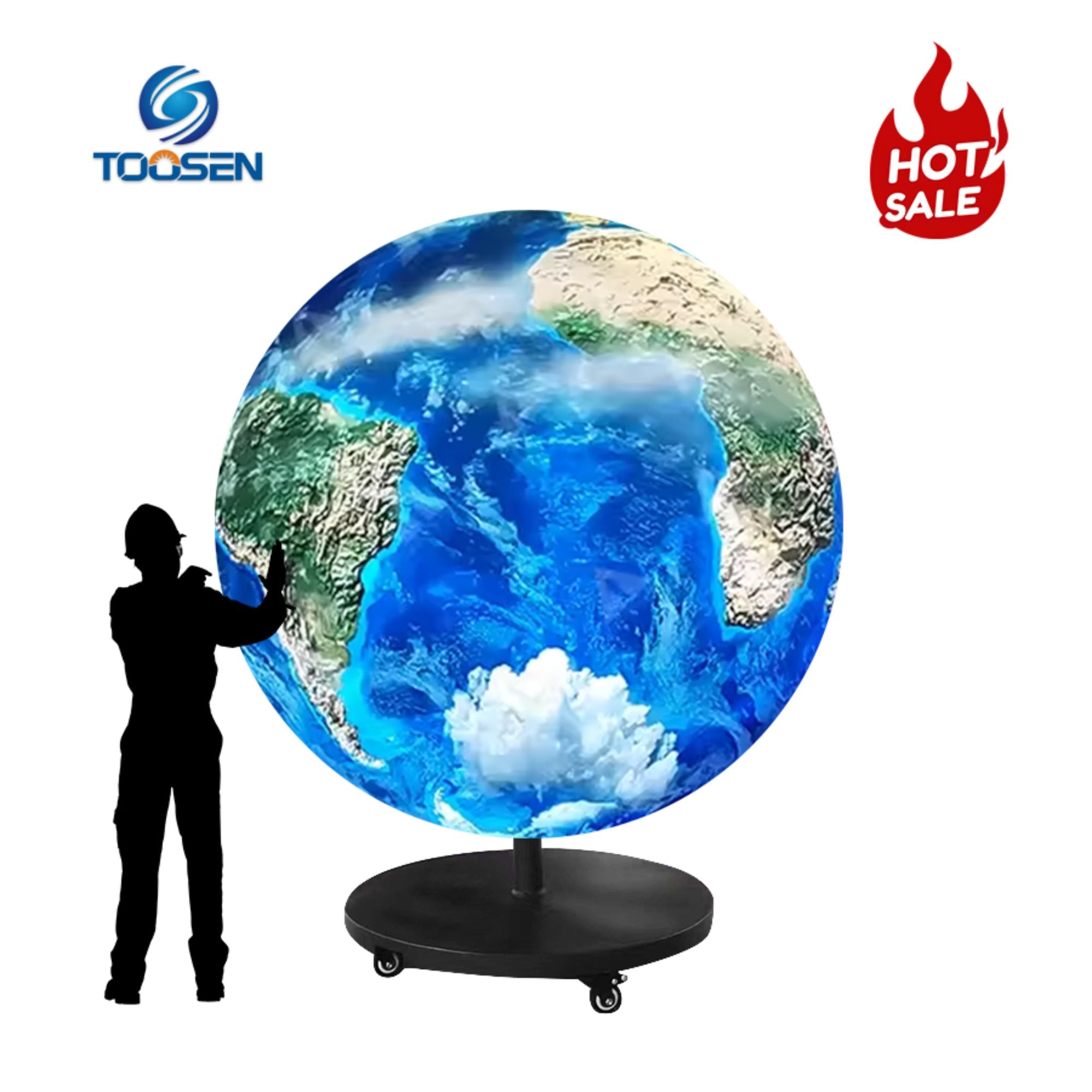
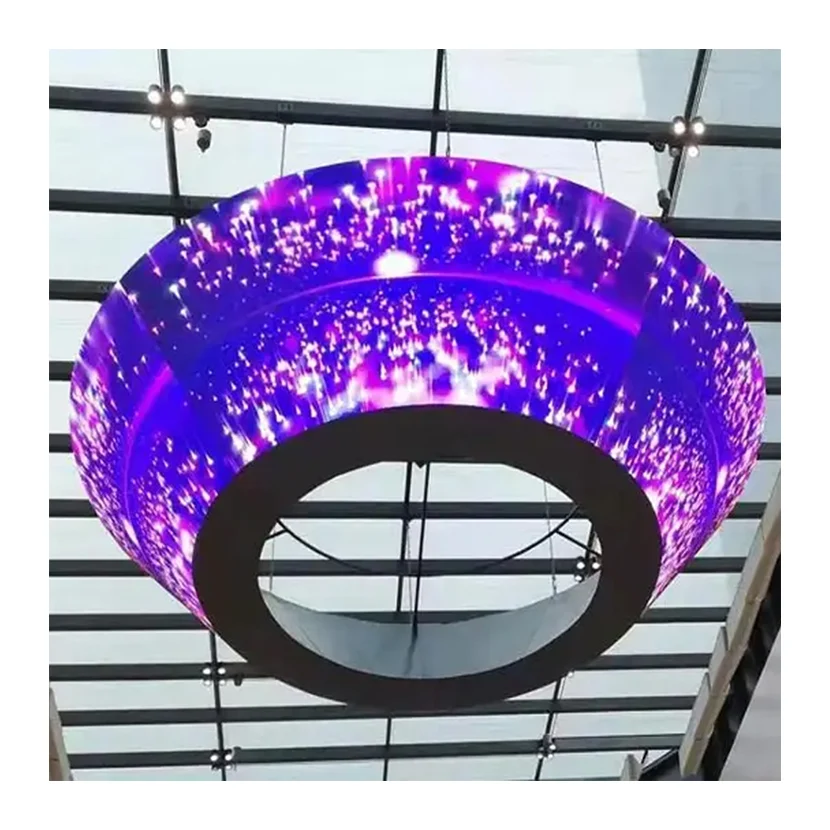
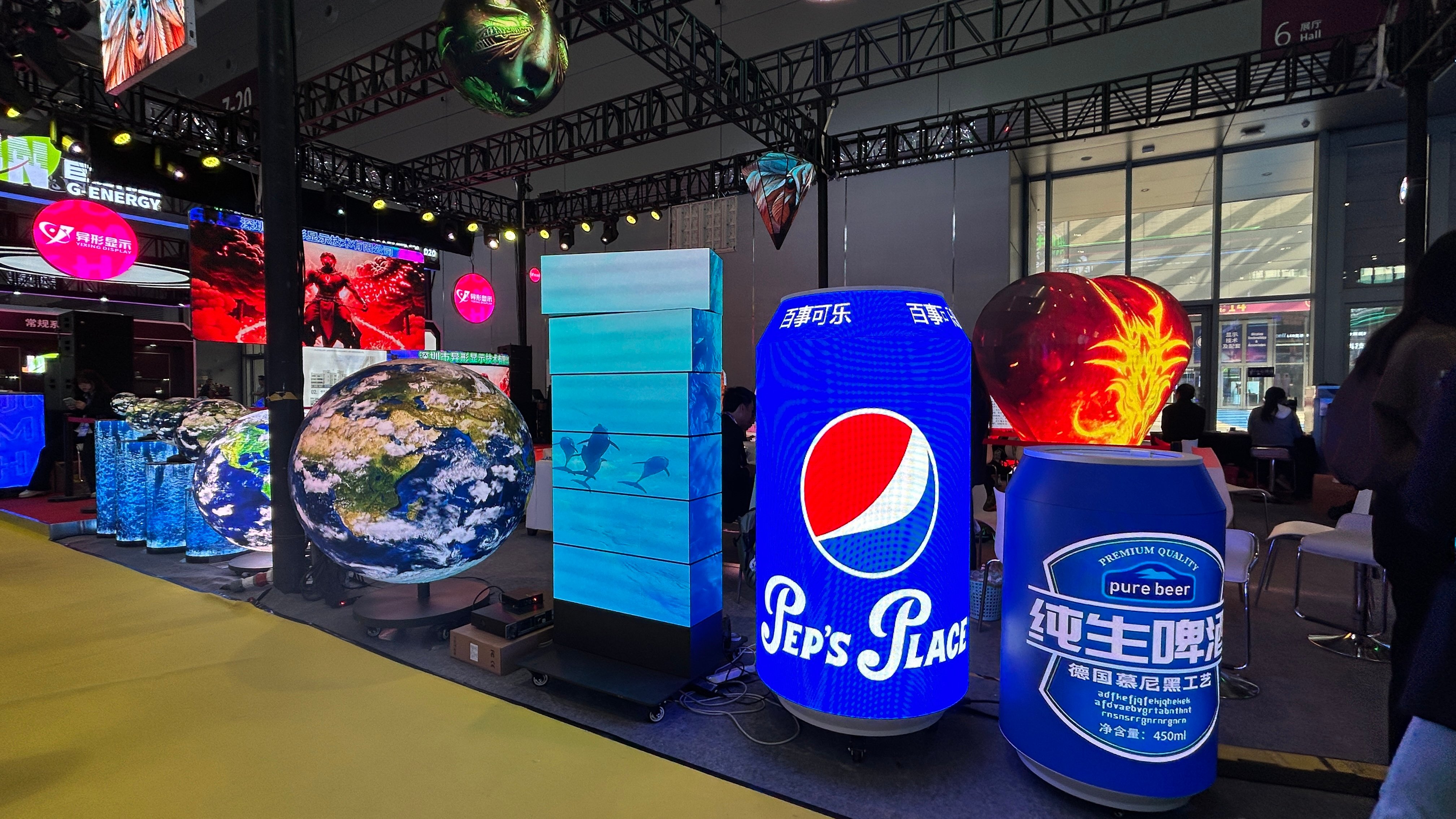
Деякі механічні LED-дисплеї використовують обертальні блоки або багатогранні конструкції наприклад, куби, сфери або кільця. Окремі панелі обертаються навколо осі, забезпечуючи огляд на 360 градусів та зміну перспективи .
Такі інсталяції часто зустрічаються в наукові музеї, центри бренду та іммерсивні виставкові простори , де відвідувачі можуть спостерігати за експозицією з кількох напрямків.
Слайдингові LED-дисплеї рухаються уздовж заданих напрямних рейок , як у вигляді повного екрана, так і окремих панелей. Дизайнери часто синхронізують такий рух із маршрутами відвідувачів або послідовностями розповіді.
Завдяки цій гнучкості слайдингові екрани широко використовуються в виставкових залях, просторах для проведення заходів та експериментальних шоу-румах , що роблять акцент на динамічній подачі історії.
Механічний LED-дисплей, як правило, складається з трьох інтегрованих шарів.
Шар дисплея
Цей шар використовує повнокольорові SMD-LED-модулі , тоді як у високопродуктивних версіях застосовується Технологія Mini LED . Крок пікселя, як правило, становить P2–P6 для внутрішніх установок та P6–P10 для зовнішніх проектів .
Механічний шар
Механічна конструкція включає сервомотори або крокові двигуни, прецизійні направляючі рейки, ходові гвинти та сталеві рами . Інженери також інтегрують системи зниження рівня шуму, контролю вібрації та захисту від перевищення меж , щоб забезпечити стабільне переміщення.
Контрольний шар
Система керування інтегрує Контролери LED-дисплеїв, карти керування рухом та центральні програмні платформи . Більшість систем підтримують протоколи, такі як DMX512, Art-Net та TCP/IP , що дозволяє синхронізацію з системи освітлення, аудіообладнання та автоматизація сцени крім того, у професійних установках стандартно передбачено захист від втрати живлення та функції діагностики несправностей.
| Параметр | Внутрішні проекти | Зовнішні проекти | Примітки |
|---|---|---|---|
| Частота оновлення | ≥3840 Гц | ≥3840 Гц | Запобігає мерехтінню та ефекту муару під час зйомки або прямого ефіру |
| Яскравість | 1000–2000 кд/м² із автоматичним світлочутливим датчиком | 6000–10000 кд/м² із захистом IP65 | Зовнішні моделі повинні мати стійкість до УФ-випромінювання та витримувати коливання температури |
| Швидкість руху та точність | Регульована швидкість, точність позиціонування ≤0,1 мм | Контроль швидкості з урахуванням вітрового навантаження з розрахунком вітрового навантаження | Забезпечує плавне переміщення та захищає механічні компоненти |
| Градації сірого | 16-біт | 16-біт | Забезпечує плавні переходи кольорів при низькій яскравості |
 EN
EN
 AR
AR
 BG
BG HR
HR
 CS
CS
 DA
DA
 NL
NL
 FI
FI FR
FR
 DE
DE EL
EL
 HI
HI
 IT
IT JA
JA
 KO
KO
 NO
NO PL
PL PT
PT RO
RO
 RU
RU
 ES
ES
 SV
SV
 TL
TL
 ID
ID
 SR
SR
 UK
UK VI
VI
 ET
ET
 HU
HU
 TH
TH
 TR
TR
 FA
FA
 AF
AF
 MS
MS
 GA
GA
 HY
HY
 AZ
AZ
 MN
MN
 UZ
UZ