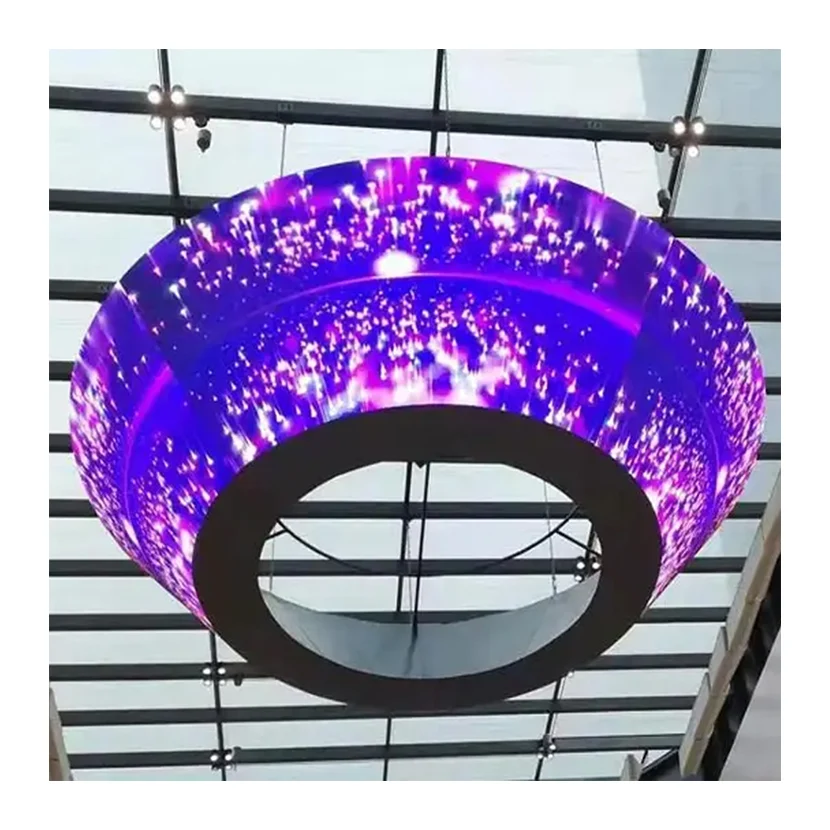
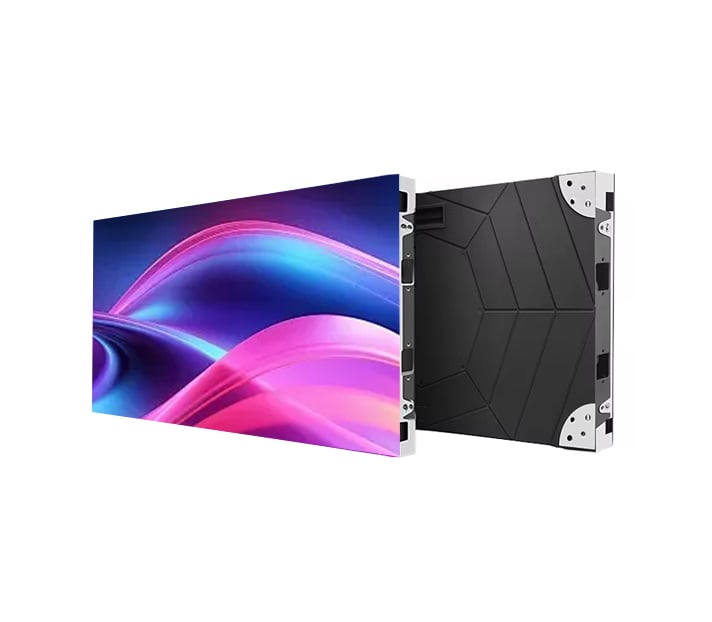
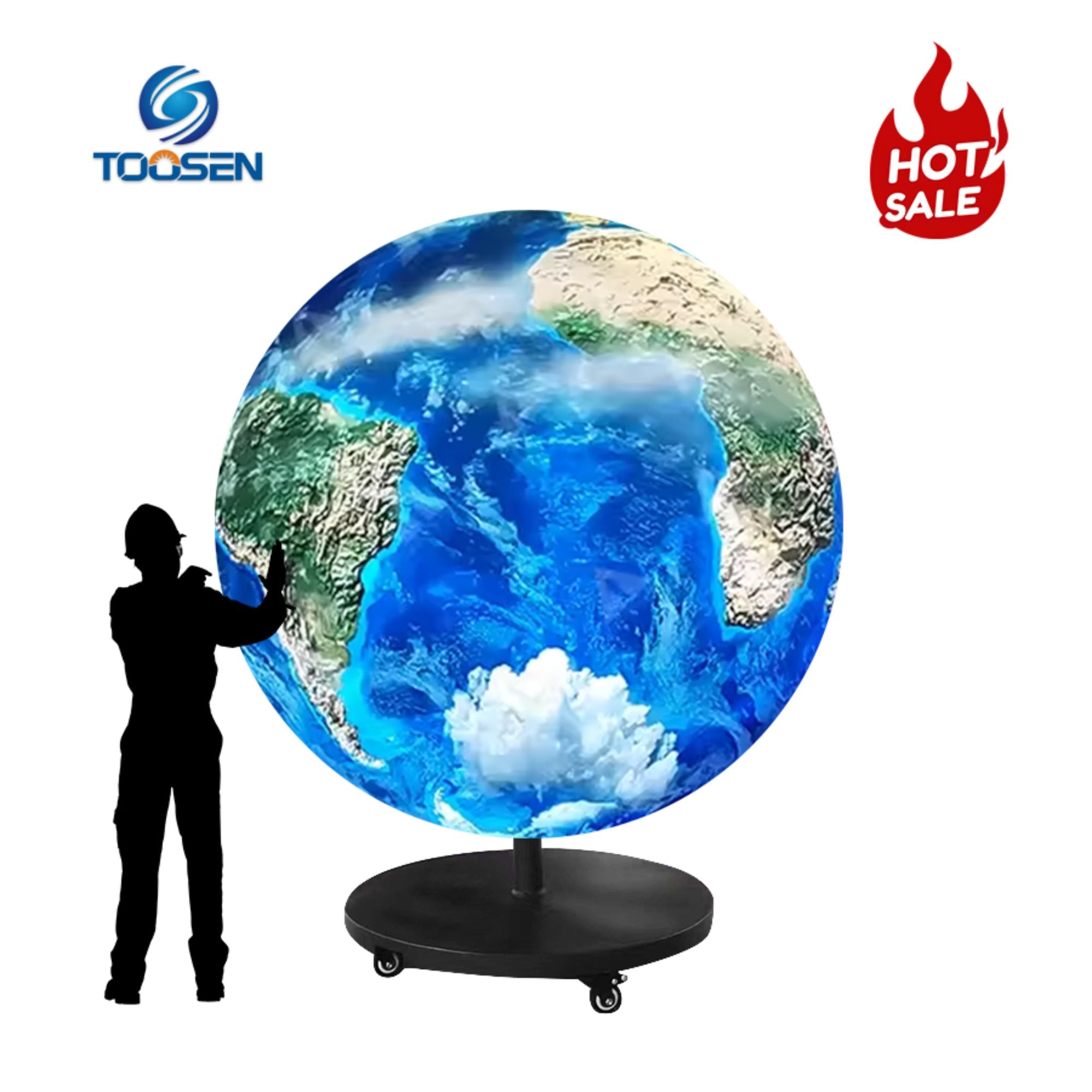
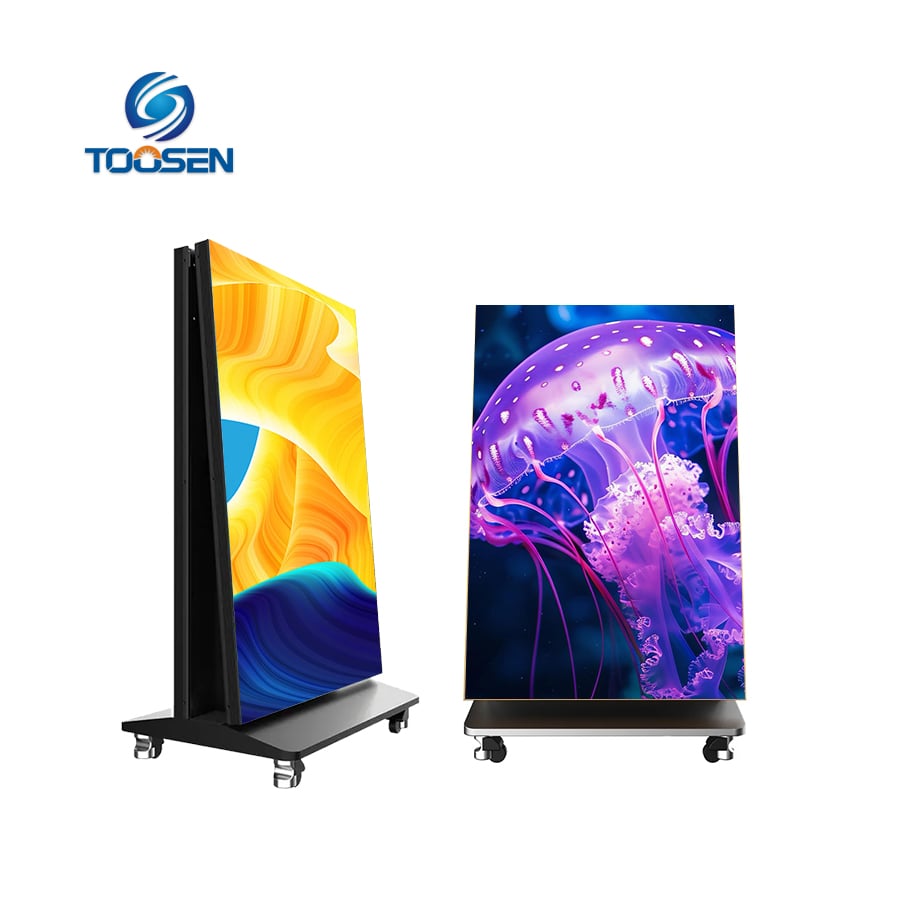
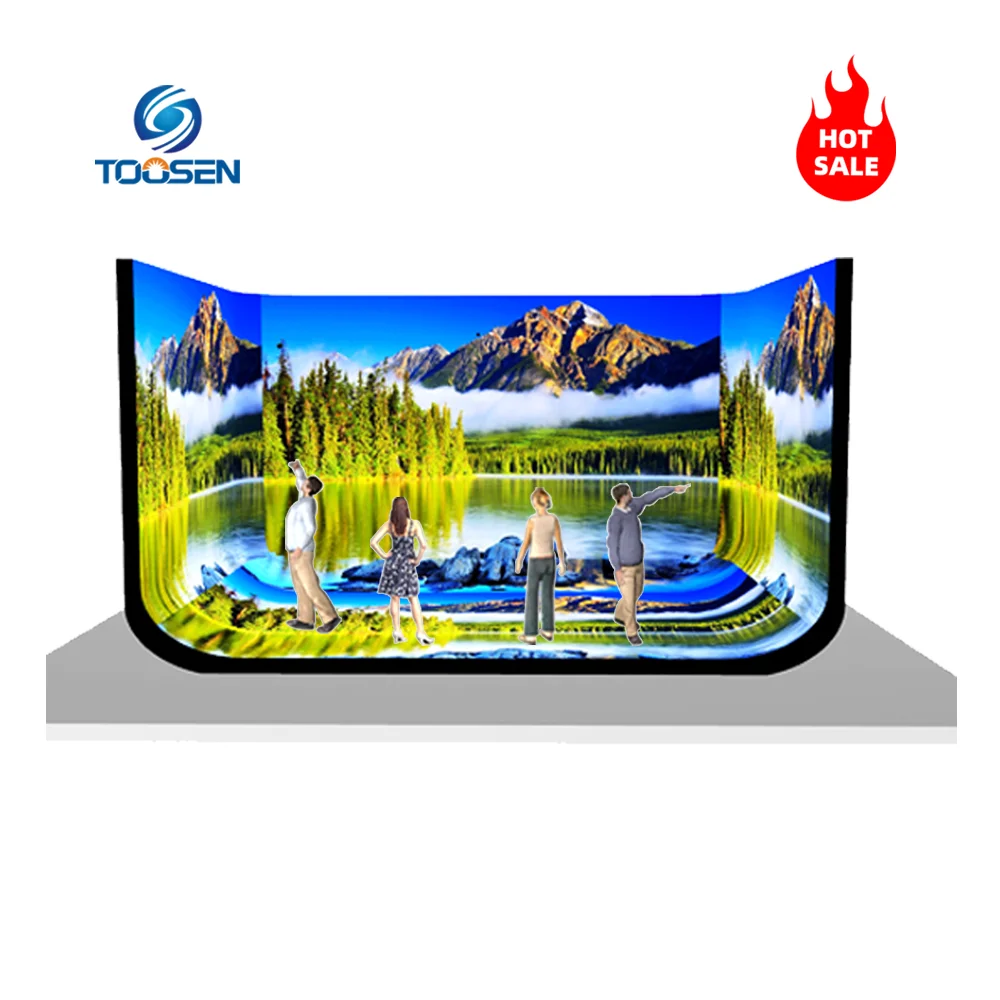
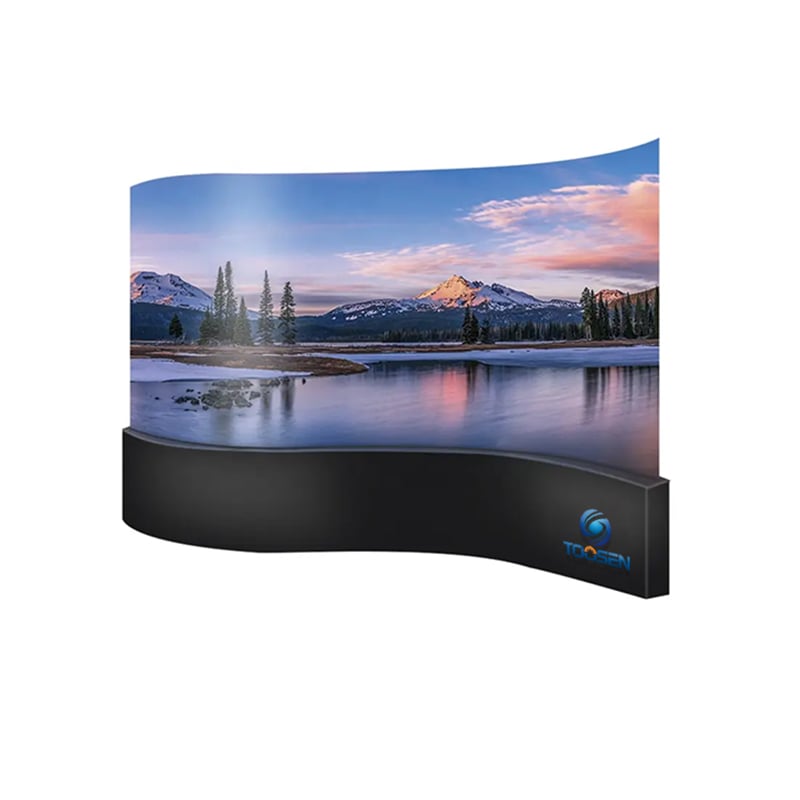
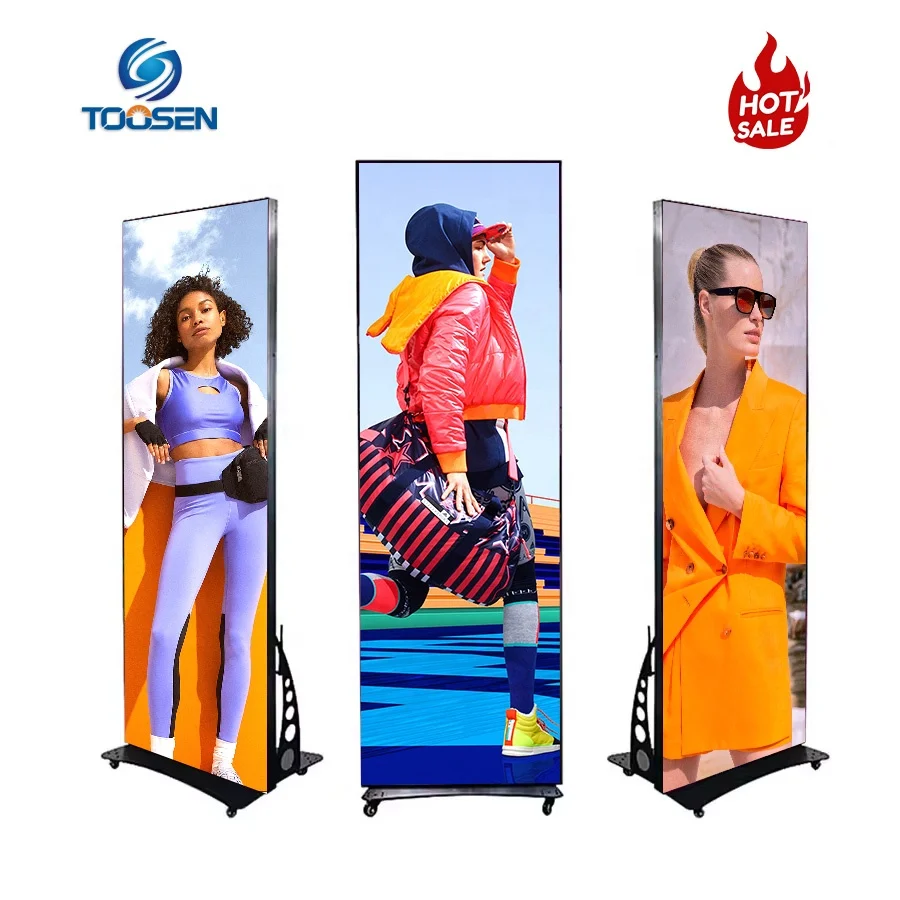
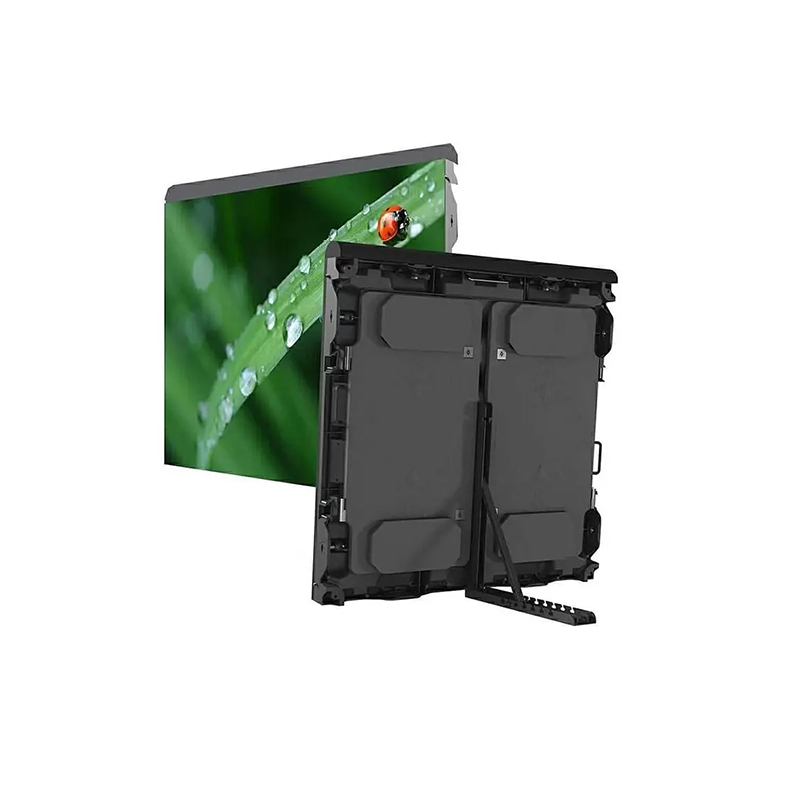
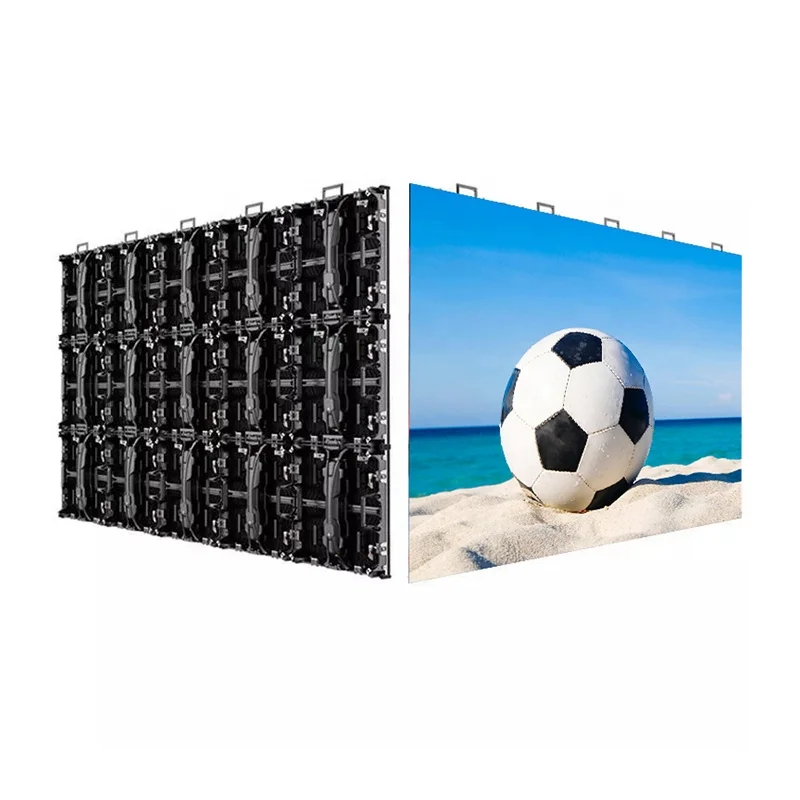
หน้าจอ LED แบบยืดหยุ่น กำลังได้รับความนิยมเพิ่มขึ้นอย่างรวดเร็วในอุตสาหกรรมจอแสดงผล LED — ไม่เพียงแต่เนื่องจากศักยภาพในการออกแบบที่สร้างสรรค์ แต่ยังเนื่องจากข้อได้เปรียบเชิงปฏิบัติที่สำคัญมากอีกด้วย: ต้นทุนการขนส่งและโลจิสติกส์ที่ลดลงอย่างมาก .
เมื่อเปรียบเทียบกับแผง LED แบบแข็งแบบดั้งเดิม จอแสดงผล LED แบบยืดหยุ่นมีน้ำหนักเบากว่า มีขนาดกะทัดรัดกว่า และจัดการได้ง่ายกว่ามาก ผลที่ตามมาคือ ช่วยลดต้นทุนทั่วทั้งห่วงโซ่อุปทาน — ตั้งแต่การบรรจุภัณฑ์ การจัดส่ง ไปจนถึงแรงงานและการจัดเก็บ
ในบทความนี้ เราจะวิเคราะห์อย่างละเอียดว่า เหตุใดจอแสดงผล LED แบบยืดหยุ่นจึงมีต้นทุนการขนส่งที่ต่ำกว่า โดยอ้างอิงข้อมูลที่ชัดเจนและการเปรียบเทียบด้านโลจิสติกส์จากกรณีจริง
ข้อได้เปรียบที่ใหญ่ที่สุดของจอแสดงผล LED แบบยืดหยุ่นมาจากคุณสมบัติทางกายภาพสองประการ: น้ำหนักเบาและความยืดหยุ่นสูง .
จอแสดงผล LED แบบยืดหยุ่นมักมีน้ำหนัก:
ในทางตรงกันข้าม แผง LED แบบแข็งแบบดั้งเดิมมีน้ำหนัก:
ซึ่งหมายความว่าหน้าจอ LED แบบยืดหยุ่นมักจะ เบากว่า 50%–70% ซึ่งช่วยลดต้นทุนการขนส่ง ความยากลำบากในการจัดการ และข้อกำหนดด้านโครงสร้างโดยตรง
ในขณะเดียวกัน แผงแบบยืดหยุ่นสามารถ:
สิ่งนี้เปลี่ยนแปลงพื้นฐานวิธีการขนส่งอย่างมีประสิทธิภาพ
ความยืดหยุ่นไม่เพียงแต่ช่วยลดน้ำหนักเท่านั้น — แต่ยังปรับปรุงการใช้พื้นที่ให้มีประสิทธิภาพอย่างมากอีกด้วย
ตัวอย่างเช่น ในตู้คอนเทนเนอร์มาตรฐานขนาด 40 ฟุต:
ซึ่งหมายความว่า ความจุเพิ่มขึ้นสูงสุดถึง 5 เท่าต่อตู้คอนเทนเนอร์หนึ่งตู้
ด้วยเหตุนี้ บริษัทต่าง ๆ จึงสามารถ:
ดังนั้น ประสิทธิภาพในการจัดส่งจึงกลายเป็นหนึ่งในข้อได้เปรียบทางเศรษฐกิจที่แข็งแกร่งที่สุดของเทคโนโลยี LED แบบยืดหยุ่น
การบรรจุภัณฑ์เป็นอีกหนึ่งต้นทุนที่ซ่อนอยู่อย่างสำคัญในห่วงโซ่อุปทาน LED
หน้าจอ LED แบบแข็งต้องใช้:
ส่วนหน้าจอ LED แบบยืดหยุ่น กลับต้องใช้โดยทั่วไป:
สิ่งนี้ช่วยลดต้นทุนการบรรจุภัณฑ์ลงถึง 40% หรือมากกว่า
ยิ่งไปกว่านั้น การบรรจุภัณฑ์ที่เรียบง่ายยังช่วยลดสิ่งต่อไปนี้ด้วย:
การขนส่งไม่ได้หมายถึงเพียงการจัดส่งเท่านั้น แต่ยังรวมถึงการดำเนินการโหลดและถ่ายสินค้าด้วย
ด้วยแผง LED แบบแข็ง:
สำหรับหน้าจอ LED แบบยืดหยุ่น:
สิ่งนี้นำไปสู่ ต้นทุนแรงงานลดลง 30%–50%
ในโครงการให้เช่าหรือทัวร์ขนาดใหญ่ การประหยัดเหล่านี้จะมีน้ำหนักมากยิ่งขึ้น
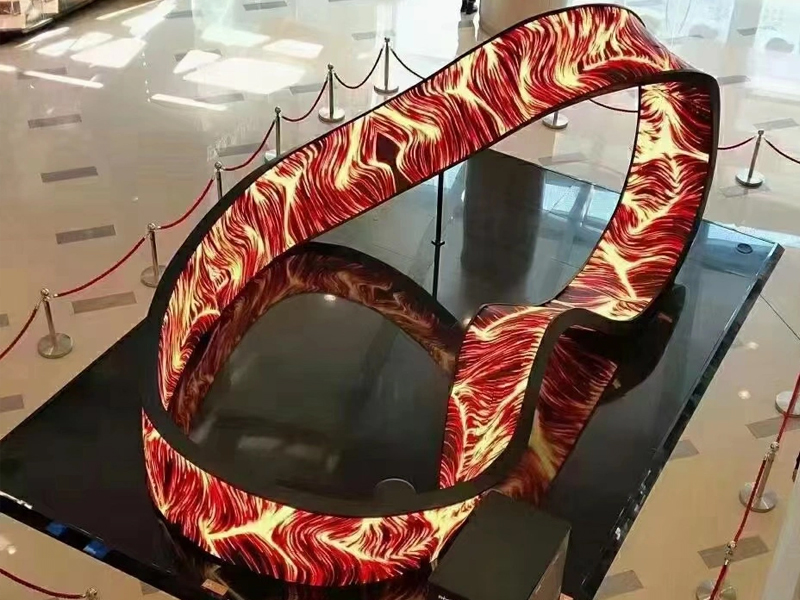
เนื่องจากหน้าจอ LED แบบยืดหยุ่นมีน้ำหนักเบากว่าและมีขนาดกะทัดรัดกว่า จึงไม่จำเป็นต้องใช้ยานพาหนะสำหรับการขนส่งพิเศษในกรณีส่วนใหญ่
แทนที่จะใช้:
คุณสามารถใช้ได้บ่อยครั้ง:
สิ่งนี้ช่วยลดต้นทุนการขนส่งลงถึง 40%–60%
นอกจากนี้ ยังต้องใช้จำนวนเที่ยวขนส่งน้อยลงเนื่องจากประสิทธิภาพในการบรรทุกสูงขึ้น ซึ่งส่งผลให้ประสิทธิภาพโดยรวมของระบบโลจิสติกส์ดีขึ้นอีกด้วย
ความแตกต่างจะชัดเจนยิ่งขึ้นเมื่อเปรียบเทียบปัจจัยด้านโลจิสติกส์หลักแบบเคียงคู่กัน:
| ปัจจัย | หน้าจอ LED แบบยืดหยุ่น | หน้าจอ LED แบบแข็ง | ผลกระทบต่องบประมาณ |
|---|---|---|---|
| น้ำหนักต่อตารางเมตร | 3.2–8 กิโลกรัม | 9.8–20 กิโลกรัม | -50% ถึง -70% |
| ปริมาตรต่อตารางเมตร | ~0.08 ลูกบาศก์เมตร | ~0.35 ลูกบาศก์เมตร | -77% |
| ความจุของตู้คอนเทนเนอร์ขนาด 40 ฟุต | ~120 ตารางเมตร | ~24 ตารางเมตร | +5 เท่าของประสิทธิภาพ |
| การเดินทางขนส่ง | 1 ครั้ง | ~5 ครั้ง | -80% |
| ต้นทุนบรรจุภัณฑ์ | ต่ำ | สูง | -40%+ |
| ความต้องการแรงงาน | 1–2 คน | 4–6 คน | -50% |
หน้าจอ LED แบบยืดหยุ่นให้ข้อได้เปรียบด้านต้นทุนสูงสุดในสถานการณ์ต่อไปนี้:
การตั้งค่าบ่อยครั้ง การถอดประกอบ และการขนส่งทำให้น้ำหนักและประสิทธิภาพของการบรรจุภัณฑ์มีความสำคัญอย่างยิ่ง
การติดตั้งที่รวดเร็วและการขนส่งซ้ำๆ ช่วยเพิ่มผลประหยัดต้นทุน
ประสิทธิภาพในการบรรจุลงตู้คอนเทนเนอร์ช่วยลดต้นทุนค่าขนส่งข้ามประเทศได้อย่างมาก
แผงที่ยืดหยุ่นช่วยขจัดความจำเป็นในการใช้โครงสร้างแบบโมดูลาร์ที่แข็งและซับซ้อน
อย่างไรก็ตาม จอแสดงผล LED แบบยืดหยุ่นไม่ได้มีราคาถูกกว่าอย่างมากในทุกกรณีเสมอไป
ข้อได้เปรียบจะลดความสำคัญลงเมื่อ:
ในกรณีเหล่านี้ ต้นทุนด้านโลจิสติกส์ระหว่างหน้าจอแบบยืดหยุ่นและหน้าจอแบบแข็งจึงใกล้เคียงกันมากขึ้น
หน้าจอ LED แบบยืดหยุ่นไม่ใช่เพียงนวัตกรรมด้านการออกแบบเท่านั้น แต่ยังเป็น โซลูชันการปรับปรุงประสิทธิภาพด้านโลจิสติกส์ .
ในแอปพลิเคชันจริงส่วนใหญ่ หน้าจอเหล่านี้ช่วยลดต้นทุนการขนส่งรวมลงได้ 40%–60% โดยหลักแล้วผ่าน:
เมื่อโครงการ LED มีขนาดใหญ่ขึ้นและเคลื่อนย้ายได้มากขึ้น ข้อได้เปรียบด้านต้นทุนนี้จึงกลายเป็นเหตุผลสำคัญที่ทำให้บริษัทจำนวนมากขึ้นหันมาใช้เทคโนโลยี LED แบบยืดหยุ่น
โดยสรุป: หน้าจอ LED แบบยืดหยุ่นไม่เพียงแต่มีลักษณะภายนอกที่แตกต่างไปเท่านั้น แต่ยังเปลี่ยนแปลงวิธีการขนส่งและติดตั้งจอแสดงผล LED อย่างพื้นฐาน
 EN
EN
 AR
AR
 BG
BG HR
HR
 CS
CS
 DA
DA
 NL
NL
 FI
FI FR
FR
 DE
DE EL
EL
 HI
HI
 IT
IT JA
JA
 KO
KO
 NO
NO PL
PL PT
PT RO
RO
 RU
RU
 ES
ES
 SV
SV
 TL
TL
 ID
ID
 SR
SR
 UK
UK VI
VI
 ET
ET
 HU
HU
 TH
TH
 TR
TR
 FA
FA
 AF
AF
 MS
MS
 GA
GA
 HY
HY
 AZ
AZ
 MN
MN
 UZ
UZ