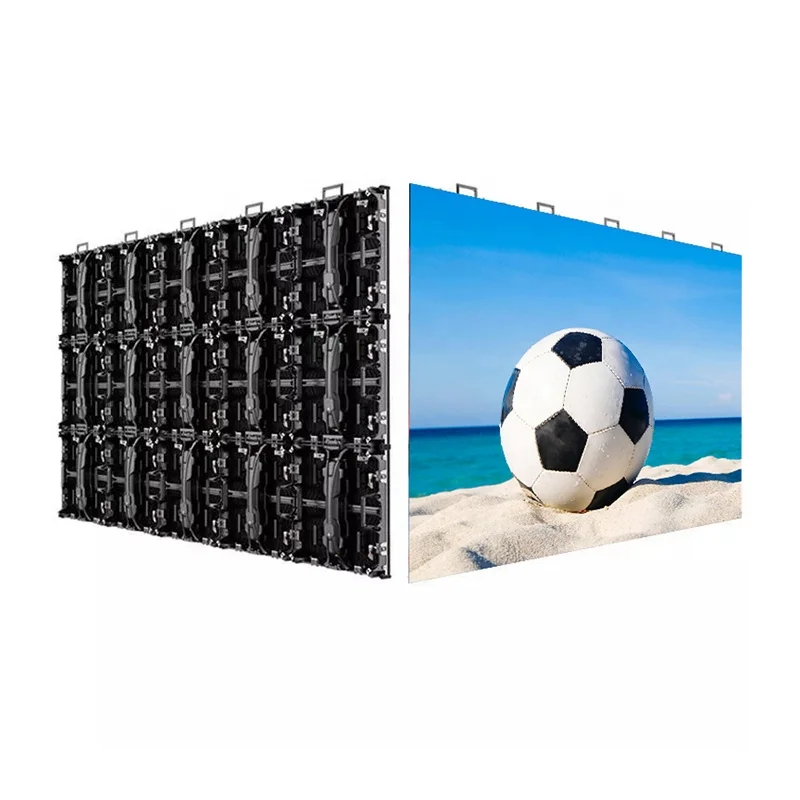
การออกแบบเวทีสมัยใหม่ได้ก้าวเข้าสู่ยุคใหม่ และจอแสดงผล LED ได้กลายเป็นเครื่องยนต์สร้างสรรค์เบื้องหลังการแสดงภาพสุดตระการตาในคอนเสิร์ต การแสดงละคร เทศกาลต่างๆ และการแสดงสด โดยมีเทคโนโลยีขั้นสูง หน้าจอ LED สร้างสรรค์ เวทีจึงไม่ถูกจำกัดอยู่แค่ขอบเขตของหน้าจอแบนราบอีกต่อไป แต่สามารถเปลี่ยนรูป ขยายออก แยกชิ้นส่วน หรือประกอบใหม่ได้ สร้างภาพลวงทางเชิงศิลปะที่ผสมผสานระหว่างโลกแห่งความจริงและโลกเสมือน
ด้านล่างนี้ เราจะมาสำรวจกันว่า จอแสดงผล LED ทำให้จินตนาการ อารมณ์ และการเล่าเรื่องแบบดื่มด่ำกลับมามีชีวิตชีวาได้อย่างไร ผ่านภาพเวทีแนวอนาคต
1. การเปลี่ยนแปลงเวทีด้วยจอแสดงผล LED อย่างสร้างสรรค์
หนึ่งในความสามารถที่ทรงพลังที่สุดของจอแสดงผล LED คือการผสานรวมกับระบบกลไกเพื่อสร้างโครงสร้างเวทีแบบโมดูลาร์และเคลื่อนไหวได้ นักออกแบบสามารถสร้างหน้าจอเหมือนตัวต่อเลโก้—ทำให้สามารถยกขึ้น หมุน พับ แยกออกจากกัน หรือแม้แต่สร้างการเคลื่อนไหวคล้ายคลื่นได้
หน้าจอ LED แบบกลไก
แผง LED สามารถติดตั้งเข้ากับอุปกรณ์ยกหรือแขนหุ่นยนต์ได้ ทำให้เวทีสามารถประกอบขึ้นเป็นรูปใบหน้ามนุษย์ขนาดใหญ่ สิ่งประดิษฐ์เชิงเรขาคณิต ก้อนลอยตัว หรือแม้แต่เปิดออกเพื่อสร้างช่องทางและประตูที่มีความตระการตาได้ การเคลื่อนไหวเหล่านี้ช่วยเพิ่มพื้นที่การแสดงและผลกระทบเชิงละครอย่างทันที
รูปร่างสร้างสรรค์ที่เกินกว่าหน้าจอแบน
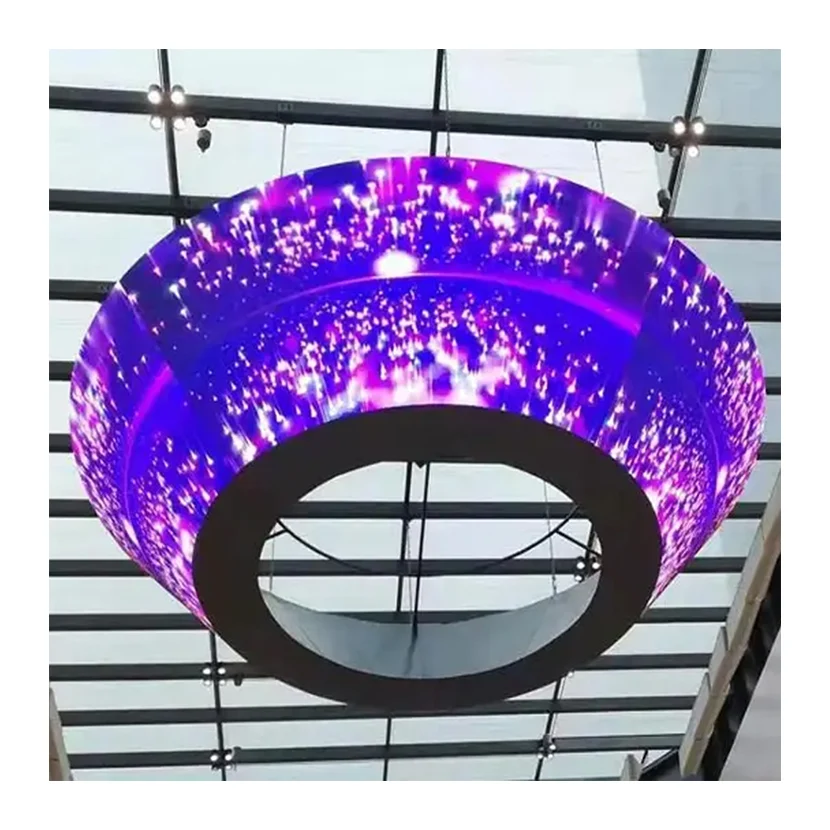
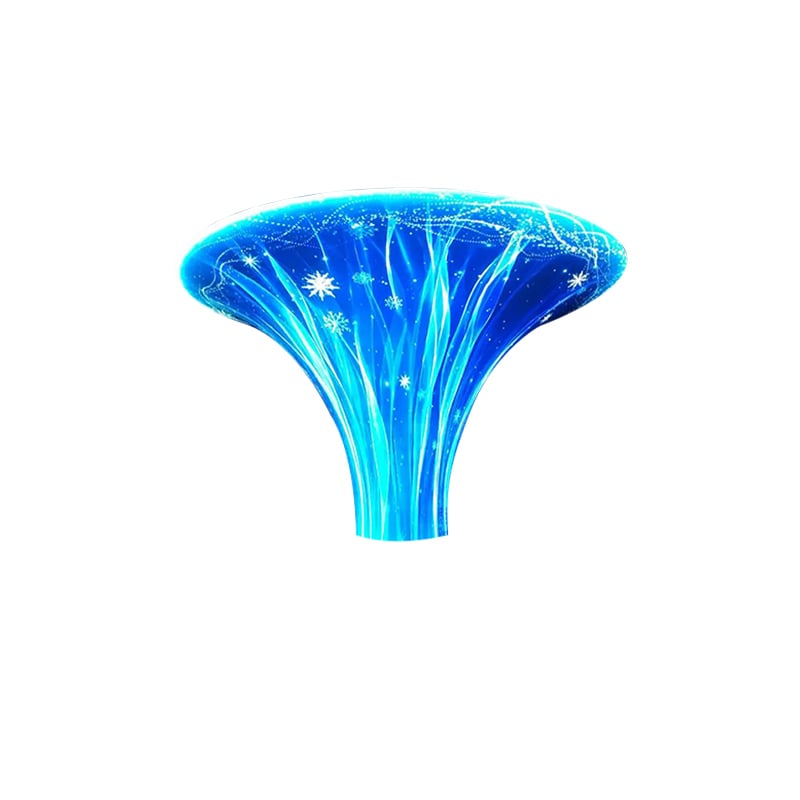
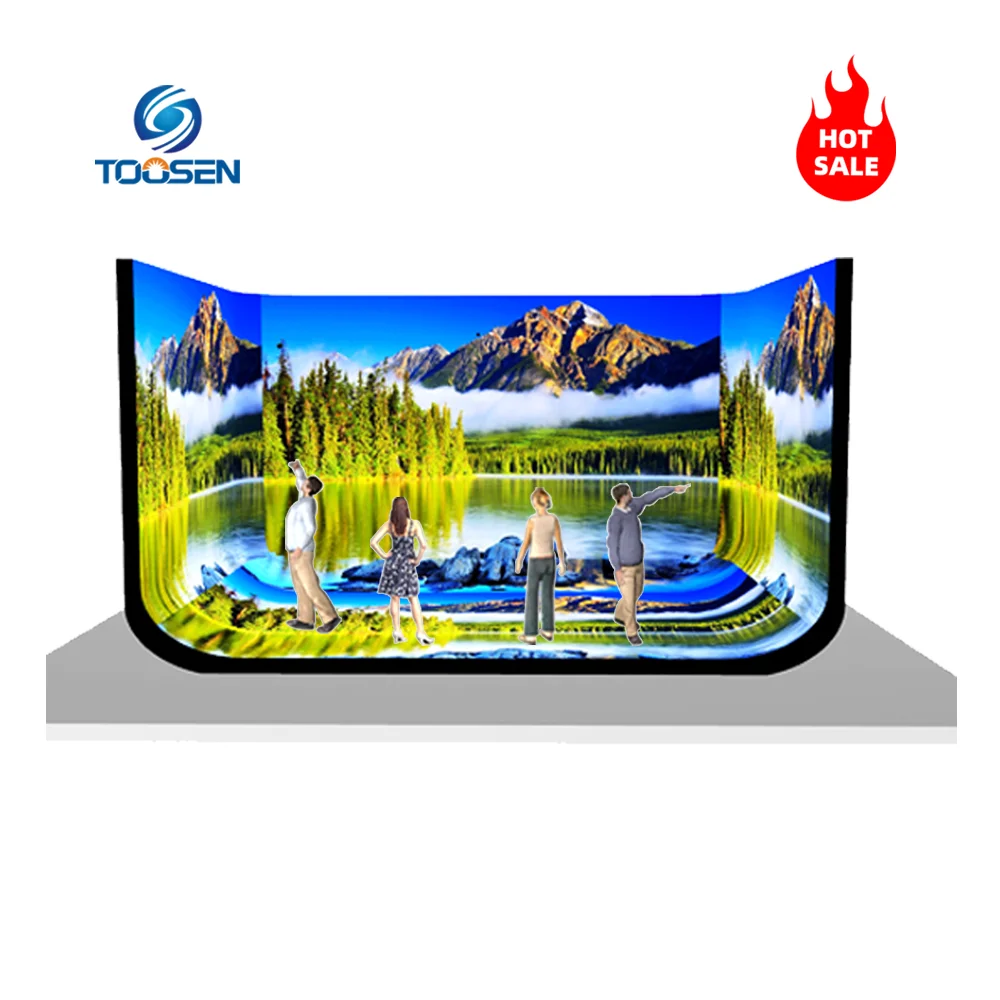
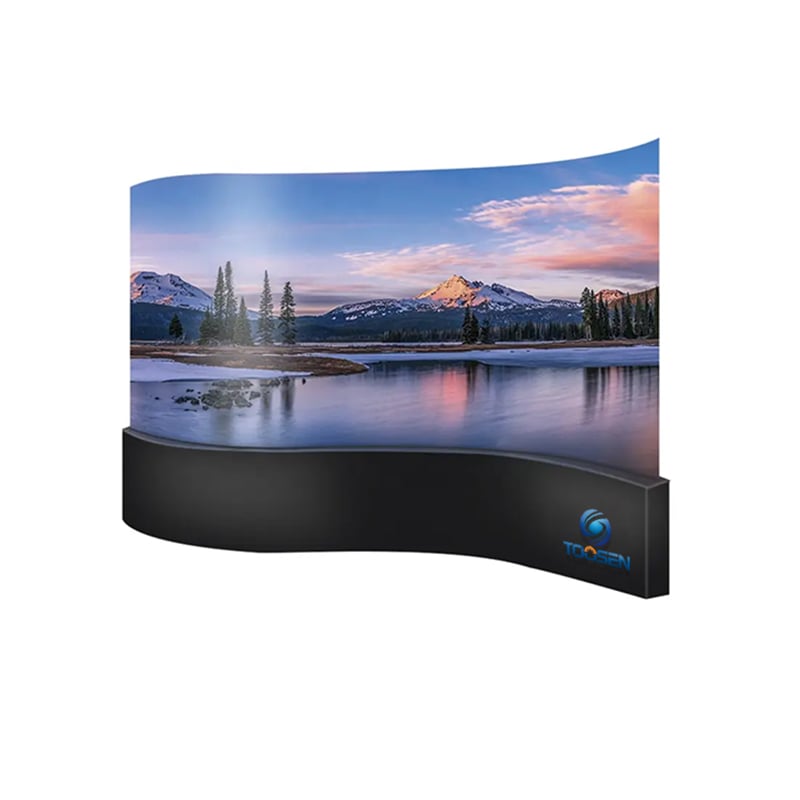
จอแสดงผล LED ไม่จำกัดอยู่แค่รูปสี่เหลี่ยมอีกต่อไป ปัจจุบันปรากฏในรูปแบบของแผงโค้ง ทรงกระบอก ทรงกลม ชิ้นส่วนไม่สมมาตร หรือแม้แต่ชิ้นส่วนเครื่องแต่งกาย เช่น ชุดเรืองแสงหรือเกราะที่สวมใส่ได้ ภาพไม่ได้อยู่เพียงแค่ "บนเวที" เท่านั้น แต่ยังยืนขึ้น โอบล้อมรอบตัวนักแสดง และเปลี่ยนสภาพแวดล้อมให้กลายเป็นประติมากรรมที่มีชีวิต
2. การสร้างโลกเสมือนและจักรวาลแบบดื่มด่ำ
ด้วยจอแสดงผล LED ที่ทำหน้าที่เป็นผืนผ้าใบที่ดื่มด่ำ ทำให้เวทีใดๆ สามารถเปลี่ยนแปลงเป็นโลกใหม่ได้ทันที
การสลับฉากอย่างไร้รอยต่อ
ในเวลาไม่กี่วินาที เวทีสามารถเปลี่ยนเป็นพื้นที่ทะเลลึก กาแล็กซีที่เต็มไปด้วยดวงดาว เมืองมหานครแห่งอนาคต จักรวาลชีวภาพในระดับจุลภาค หรือมิติดิจิทัลเชิงนามธรรมได้ เมื่อรวมกับเทคโนโลยีการติดตามแบบเรียลไทม์ สภาพแวดล้อมเสมือนสามารถเปลี่ยนแปลงได้อย่างต่อเนื่องขณะที่ผู้แสดงเคลื่อนไหว ทำให้เกิดความรู้สึกสมจริงและปฏิสัมพันธ์ที่ลึกยิ่งขึ้น
มุมมองแบบไฮเปอร์และพื้นที่เหนือจริง
ด้วยการใช้ภาพเคลื่อนไหว 3 มิติและเทคนิคภาพลวงตา จอแสดงผล LED สามารถสร้างพื้นที่ที่เป็นไปไม่ได้ เช่น ทางเดินที่ไร้ที่สิ้นสุด พื้นที่ที่พังทลาย สถาปัตยกรรมที่ลอยอยู่ และภูมิทัศน์ที่ท้าทายแรงโน้มถ่วง สิ่งนี้ผลักดันการแสดงให้เข้าสู่จักรวาลที่คล้ายความฝันและเหมือนภาพยนตร์ ซึ่งข้อจำกัดทางกายภาพไม่มีผลอีกต่อไป
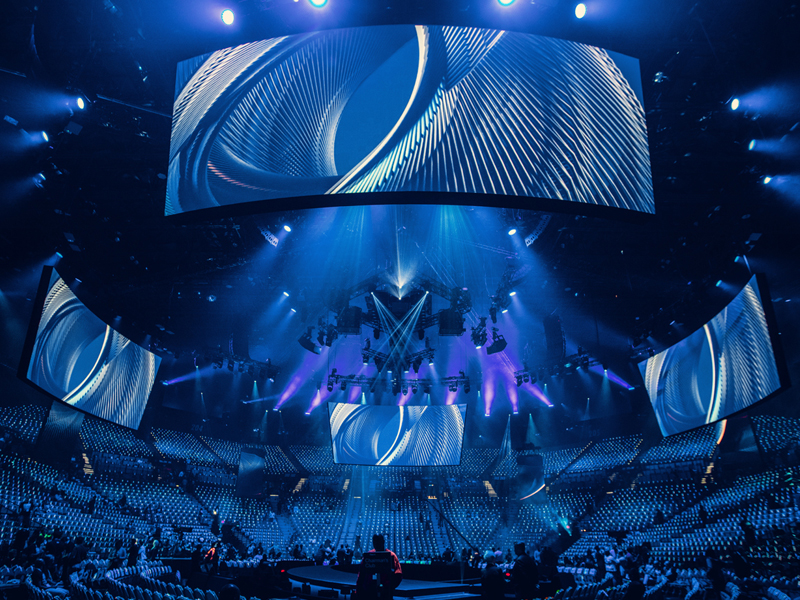
3. การผสมผสานความจริงกับเวทมนตร์ดิจิทัล
หนึ่งในแอปพลิเคชันที่น่าตื่นเต้นที่สุดของจอแสดงผล LED แบบโต้ตอบ คือ การรวมกันระหว่างผู้แสดงจริงกับองค์ประกอบดิจิทัล
การโต้ตอบของนักแสดงแบบเรียลไทม์
ด้วยเซ็นเซอร์และกล้องติดตาม การเคลื่อนไหวของนักแสดงสามารถโต้ตอบกับภาพ LED ได้แบบเรียลไทม์ ตัวอย่างเช่น ก้าวเดียวสามารถกระตุ้นให้เกิดคลื่นบนหน้าจอ การโบกมือสามารถสร้างริ้วแสงเรืองรอง หรือการกระโดดสามารถทำให้สภาพแวดล้อมระยิบระยับไปด้วยแสง สิ่งนี้สร้างภาพลวงตาที่ทำให้ดูเหมือนนักแสดงควบคุมโลกดิจิทัลด้วย "เวทมนตร์"
ตัวละครเสมือนเต้นร่วมกับมนุษย์
จอแสดงผล LED สามารถฉายสิ่งมีชีวิตดิจิทัลขนาดใหญ่ นักร้องเสมือน หรือสิ่งมีชีวิตแห่งพลังงานนามธรรม ซึ่งสามารถเต้น พูด และตอบสนองต่อนักแสดงแบบเรียลไทม์ การโต้ตอบข้ามมิตินี้ช่วยเสริมความเข้มข้นของเนื้อเรื่องและเพิ่มมิติทางอารมณ์ให้กับการแสดง
เอฟเฟกต์เสริมที่ซ้อนทับบนความเป็นจริง
การแสดงสามารถซ้อนภาพลักษณะโฮโลแกรม—เปลวเพลิง สายฟ้า เถาวัลย์ ลวดลายเรืองแสง—ลงบนวัตถุจริงหรือนักแสดง ส่งผลให้เกิดการผสานระหว่างองค์ประกอบทางกายภาพและดิจิทัล จนแทบแยกไม่ออกว่าอะไรคือความจริงและอะไรคือโลกเสมือน
4. การแสดงอารมณ์ผ่านศิลปะดิจิทัลแบบไดนามิก
จอแสดงผล LED ยังโดดเด่นในการเปลี่ยนแนวคิดนามธรรมให้กลายเป็นบทกวีภาพเคลื่อนไหว
การเปลี่ยนอารมณ์ให้กลายเป็นภาพ
ดนตรี จังหวะหัวใจ และการเปลี่ยนแปลงทางอารมณ์ สามารถถูกทำให้เห็นเป็นภาพเคลื่อนไหวแบบไดนามิกได้ เสียงร้องของนักร้องอาจปรากฏในรูปแบบของนกแสงเรืองที่บินไปมา; จุดสูงสุดทางอารมณ์อาจระเบิดออกเป็นพายุสีสัน; และช่วงเวลาแห่งการใคร่ครวญภายในอาจปรากฏเป็นเครือข่ายประสาทที่ขยายตัว
การจำลองแบบของไหล อนุภาค และสิ่งมีชีวิต
เครื่องมือจำลองขั้นสูงช่วยให้หน้าจอ LED สามารถแสดงภาพโลหะเหลว ภูเขาทรายที่เคลื่อนตัว ซากดาวฤกษ์ระเบิด หรือสายฝนแสงเรืองที่ไหลหลั่งลงมา การเคลื่อนไหวในลักษณะอินทรีย์เหล่านี้ทำให้เวทีมีจังหวะคล้ายสิ่งมีชีวิต ทำให้พื้นที่ทั้งหมดรู้สึกมีชีวิตชีวา
5. การสร้างพื้นที่ใหม่ผ่านมิติหลายชั้น
จอแสดงผล LED ยังสามารถปรับเปลี่ยนการรับรู้พื้นที่ของผู้ชมได้ โดยการเพิ่มความลึก ชั้นต่างๆ และภาพลวงตาเชิงมิติ
หน้าจอหลายชั้นพร้อมเอฟเฟกต์พารัลแลกซ์
ด้วยการผสมผสานจอ LED ทั้งด้านหน้า กลาง และด้านหลัง นักออกแบบสามารถสร้างความลึกและความลึกที่น่าทึ่ง รวมถึงมุมมองแบบภาพยนตร์ได้ การออกแบบแบบหลายชั้นนี้ทำให้ผู้ชมรู้สึกเหมือนได้ก้าวเข้าไปในโลกของเกมหรือภาพยนตร์แอนิเมชั่น 3 มิติ
จุดตัดของเวที การแยกชิ้นส่วน และการเปลี่ยนแปลงมิติ
ภาพจาก LED สามารถจำลองพื้นผิวที่แตกร้าว โครงสร้างที่ละลาย ความผิดเพี้ยนแบบพิกเซล หรือโลกที่ฉีกขาด ซึ่งสื่อถึงการเดินทางข้ามเวลา การเปลี่ยนจักรวาล หรือการสลับความเป็นจริง เอฟเฟกต์เหล่านี้ช่วยเสริมการเล่าเรื่องและอารมณ์ร่วมได้อย่างมาก เทคโนโลยีหลักที่ทำให้เอฟเฟกต์เหล่านี้เกิดขึ้นได้
นวัตกรรมหลายอย่างทำงานร่วมกันเพื่อสร้างภาพลวงตาอันมหัศจรรย์เหล่านี้:
สรุป
จอแสดงผล LED ได้พัฒนาไปไกลเกินกว่าหน้าจอธรรมดา ในปัจจุบัน พวกมันทำหน้าที่เป็น ผืนผ้าใบวิเศษ ที่สามารถผสมผสานความเป็นจริงกับจินตนาการดิจิทัลเข้าด้วยกัน ช่วยให้ผู้สร้างสรรค์สามารถถ่ายทอดดนตรี อารมณ์ และเรื่องราว ปรับเปลี่ยนพื้นที่ และสร้างโลกจินตภาพที่ดึงดูดผู้ชมเข้าสู่ประสบการณ์อันน่าตื่นตะลึง ด้วยเทคโนโลยี LED ที่อยู่ใจกลางงานออกแบบเวทีสมัยใหม่ ความเป็นไปได้สำหรับการแสดงในอนาคตจึงยังคงขยายตัวอย่างไม่สิ้นสุด—ขีดจำกัดเดียวคือจินตนาการ
 EN
EN
 AR
AR
 BG
BG HR
HR
 CS
CS
 DA
DA
 NL
NL
 FI
FI FR
FR
 DE
DE EL
EL
 HI
HI
 IT
IT JA
JA
 KO
KO
 NO
NO PL
PL PT
PT RO
RO
 RU
RU
 ES
ES
 SV
SV
 TL
TL
 ID
ID
 SR
SR
 UK
UK VI
VI
 ET
ET
 HU
HU
 TH
TH
 TR
TR
 FA
FA
 AF
AF
 MS
MS
 GA
GA
 HY
HY
 AZ
AZ
 MN
MN
 UZ
UZ