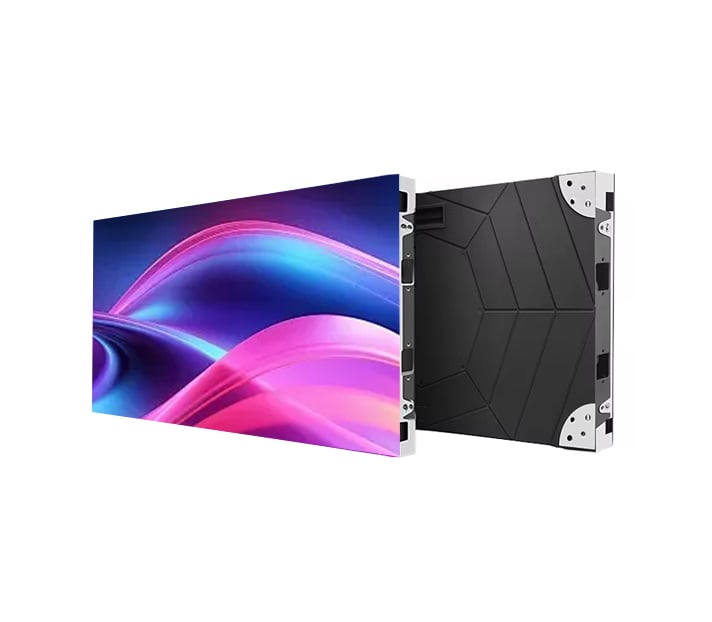
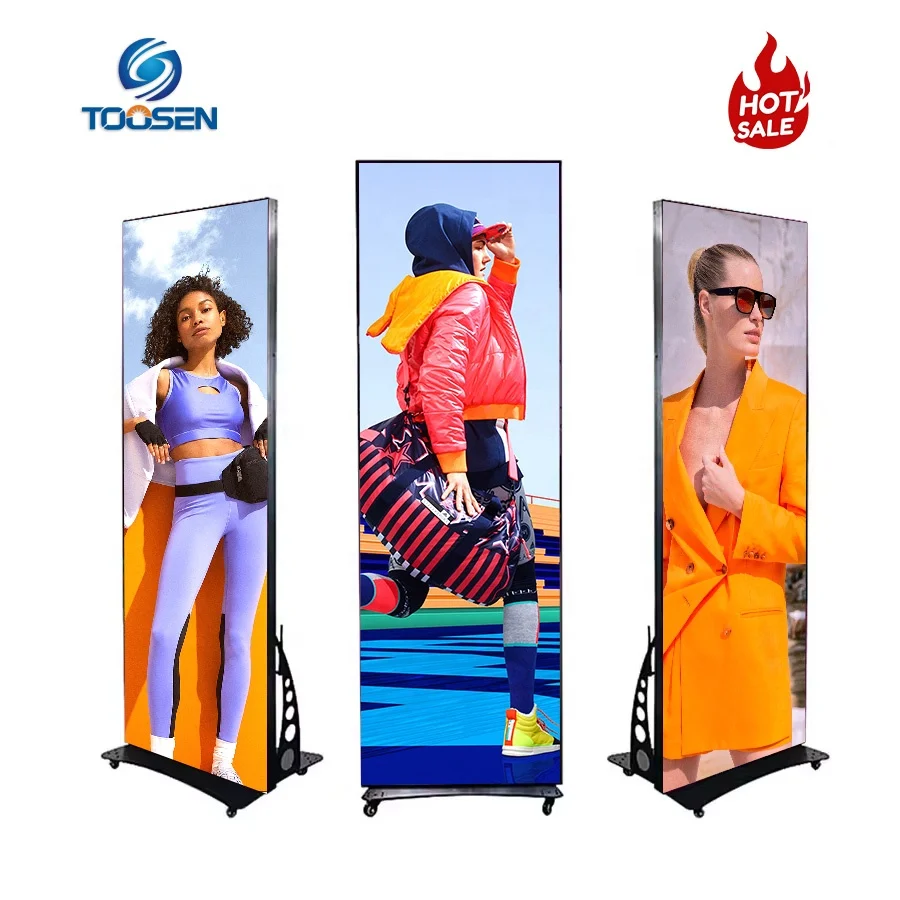
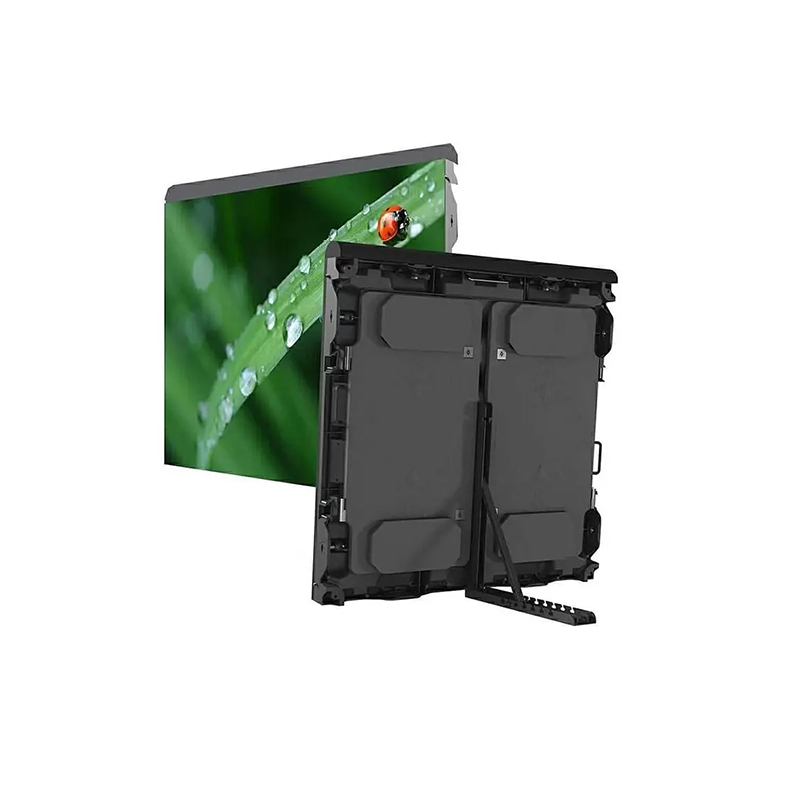
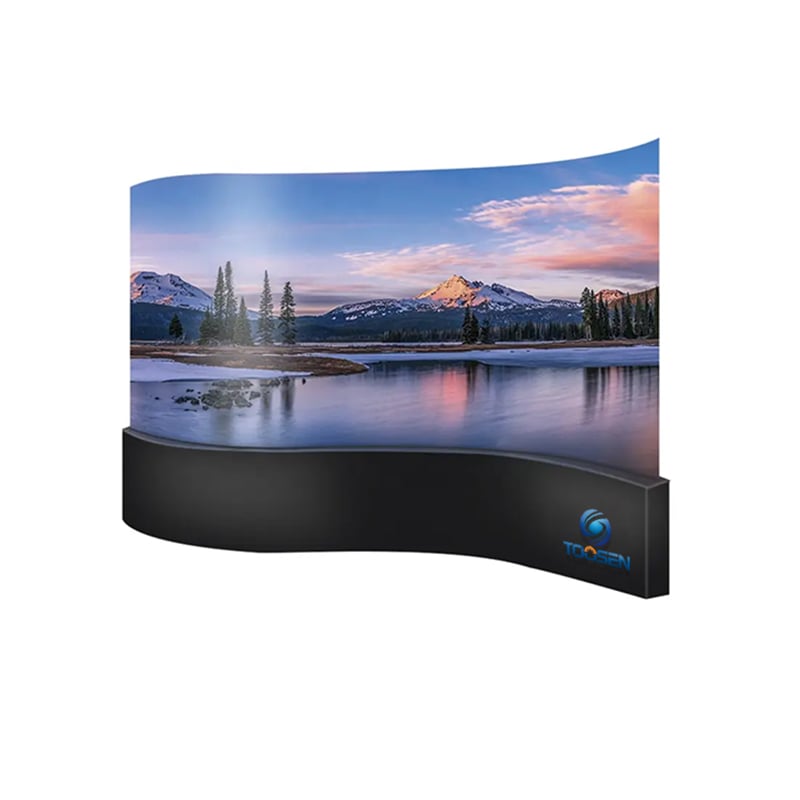
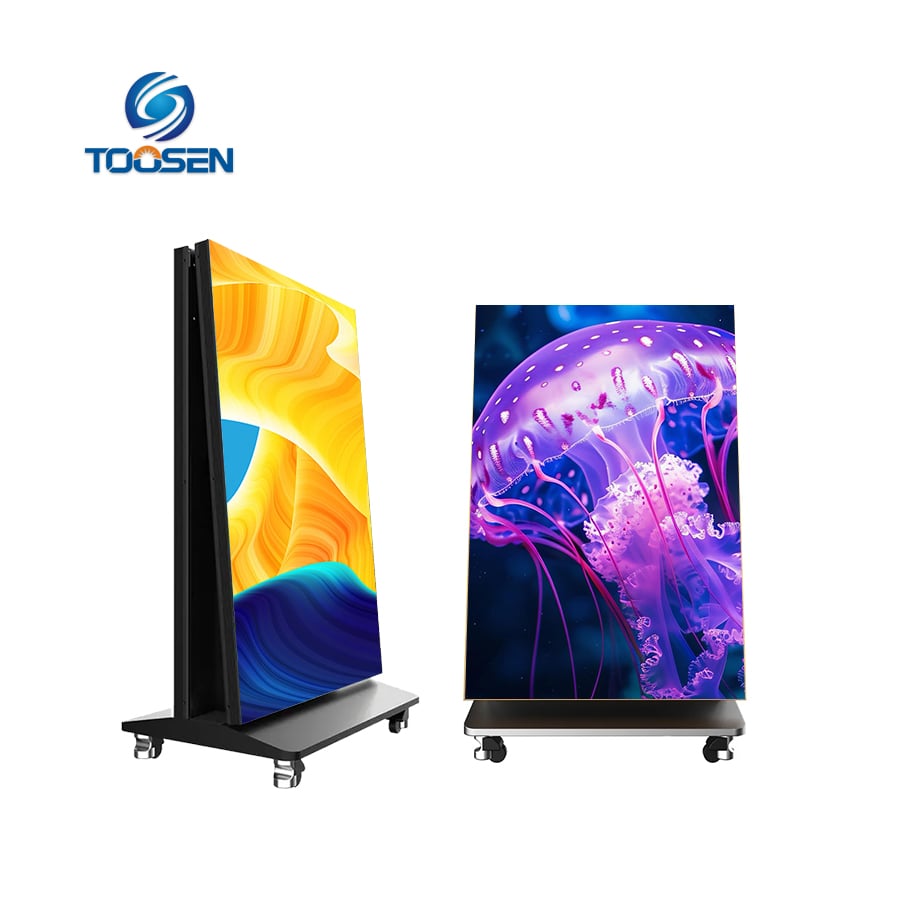
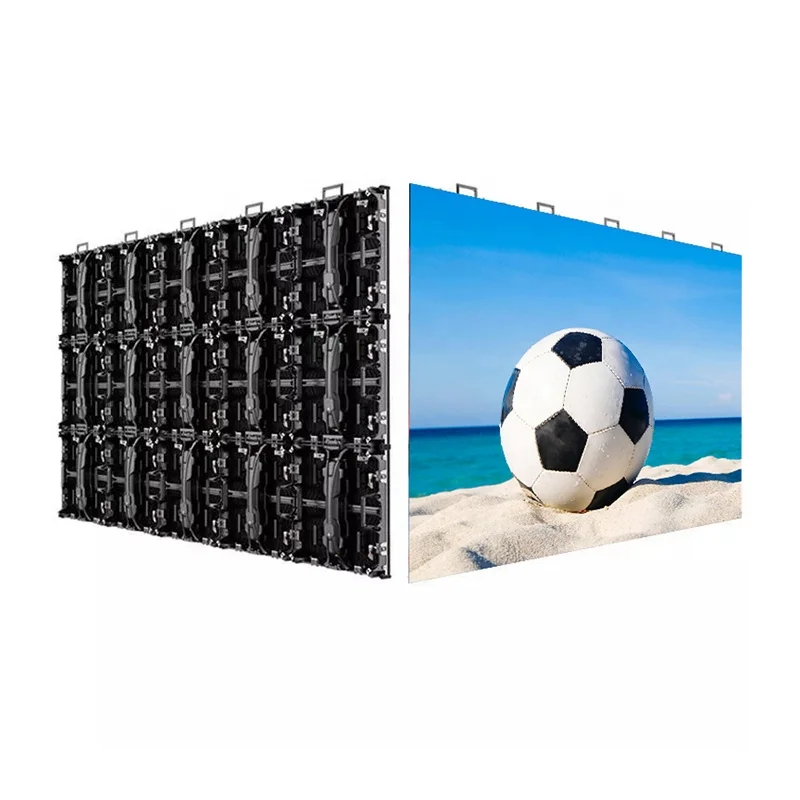
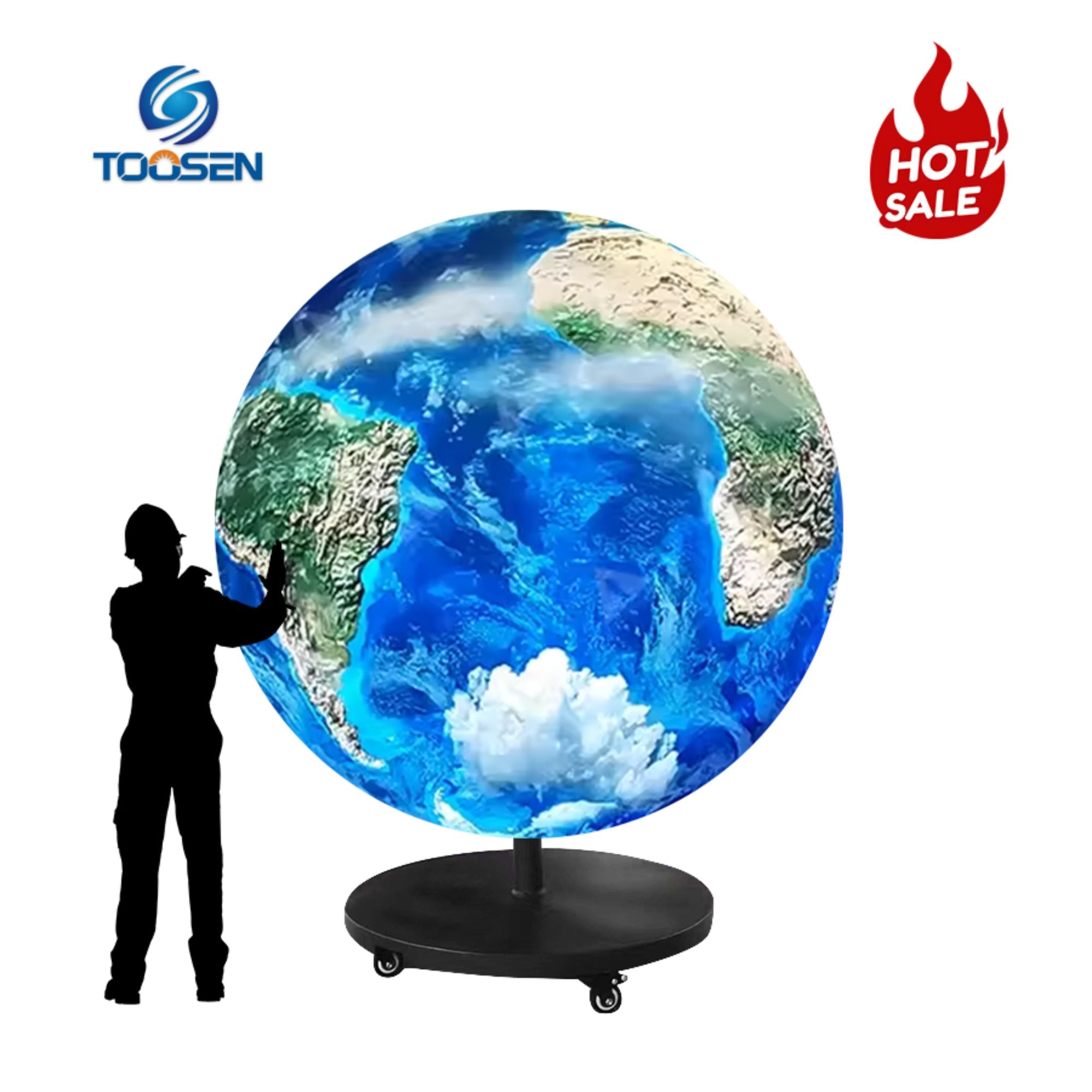
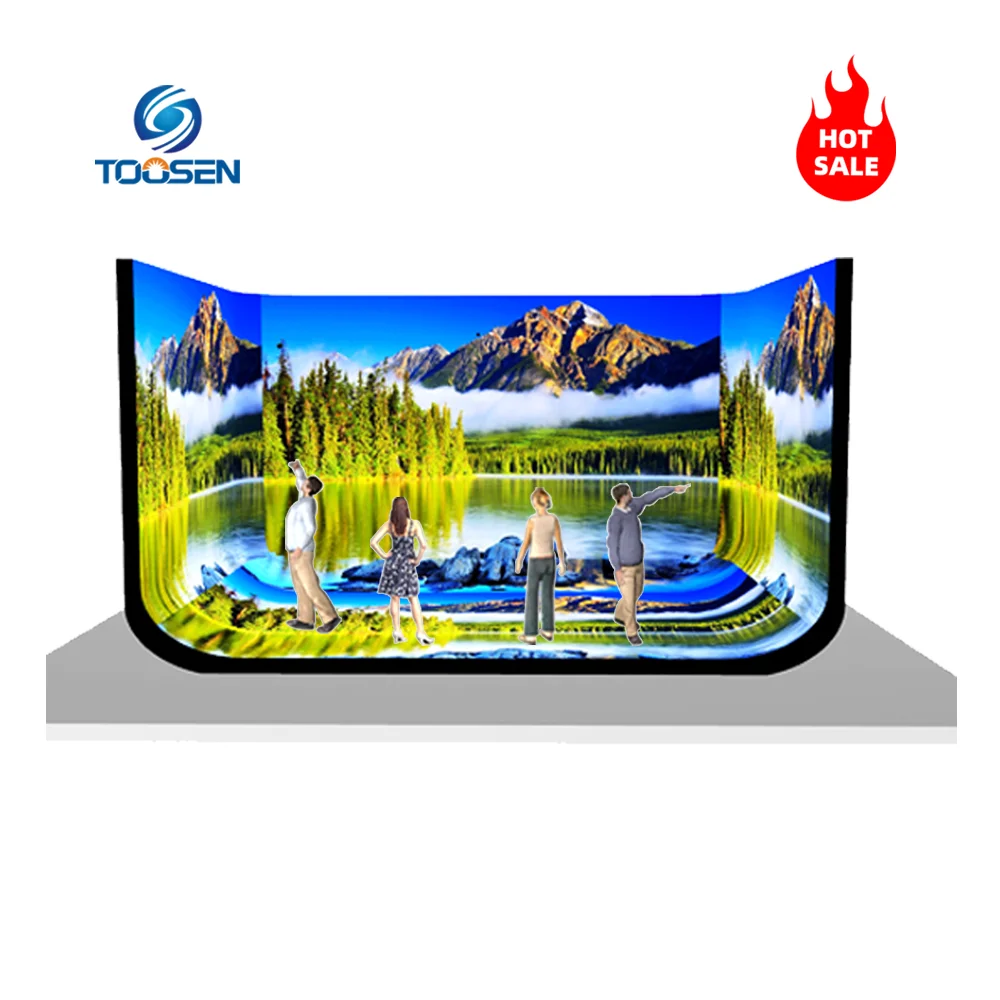
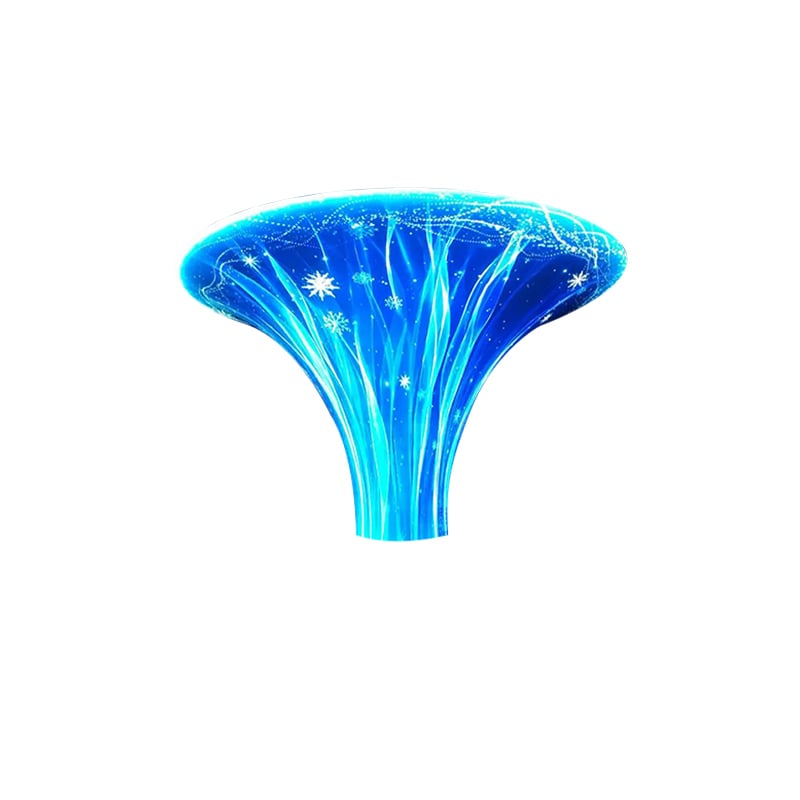
Нестандартные (изготовленные по индивидуальным формам) светодиодные дисплеи вышли далеко за рамки традиционных «экранов». Сегодня они выступают в роли инструментов пространственного дизайна, брендовых активов и иммерсивных медиаповерхностей . Их ценность заключается не только в демонстрации контента, но и в преобразовании восприятия пространства людьми и способов их взаимодействия с ним .
Ниже приведён структурированный обзор наиболее эффективных сценариев применения, а также стратегические рекомендации по выбору оптимальной формы дисплея в соответствии с целями вашего бизнеса.
Розничная торговля — это наиболее распространённая и конкурентная сфера применения нестандартных светодиодных дисплеев. Бренды используют их для того, чтобы привлечь внимание в течение нескольких секунд и превратить проходящий поток посетителей в устойчивое вовлечение.
В этом контексте светодиодный экран становится движущей силой трафика , а не просто дисплеем.
В выставочных пространствах компаниям необходимо четко доносить сложные идеи, одновременно укрепляя имидж высоких технологий. Нестандартные LED-дисплеи помогают превратить статическую информацию в увлекательные визуальные нарративы .
Здесь экран выступает в роли средства повествования , а не просто визуальный инструмент.
В развлекательных средах визуальная насыщенность напрямую влияет на вовлечённость аудитории. Традиционные плоские экраны зачастую не справляются с этой задачей, поэтому именно нестандартные LED-системы доминируют в современном сценическом дизайне.
В этом случае дисплей становится частью сама производительность .
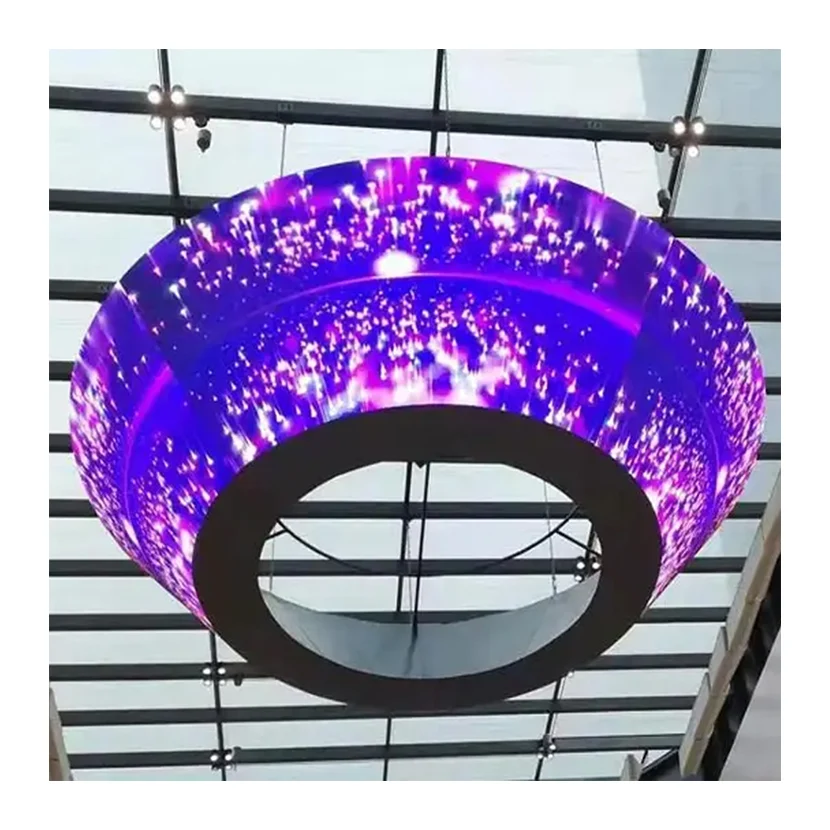
Крупномасштабная архитектурная интеграция представляет собой одно из самых мощных применений нестандартных LED-дисплеев. Вместо того чтобы устанавливать экраны на здании, проектировщики интегрируют дисплеи в саму конструкцию .
Известным примером является Sky Screen в The Place, где сам потолок превращается в гигантский визуальный объект.
Здесь LED-дисплей трансформируется в архитектурные медиа .
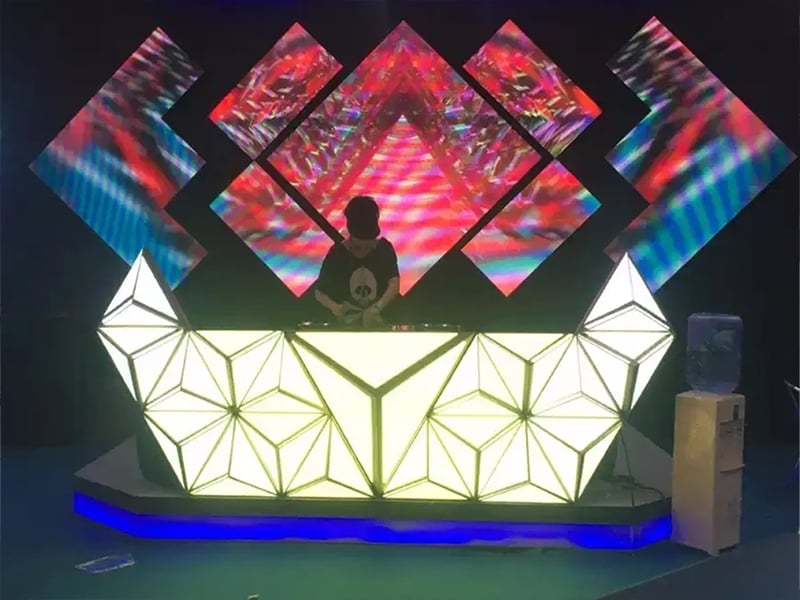
Пространства ночной жизни требуют смелой, нетрадиционной визуальной подачи, нарушающей восприятие пространства. Нестандартные LED-дисплеи идеально подходят для создания многоканальных иммерсивных сред .
В этих средах дисплей становится сенсорным усилителем .
Выбор подходящего нестандартного LED-решения зависит от вашей основной бизнес-цели. Ниже приведено практическое соответствие:
| Ваша цель | Рекомендуемый сценарий | Рекомендуемый тип LED |
|---|---|---|
| Привлечение посетителей | Фасады магазинов, входы в торговые центры | Угловые экраны, прозрачные светодиодные дисплеи, дисплеи с кристаллической пленкой |
| Рассказ о бренде | Корпоративные фойе, выставочные стены | Экраны в форме логотипа, изогнутые дисплеи, светодиодные полосы |
| Погружающее взаимодействие | Научные музеи, игровые зоны | Интерактивные L-образные экраны, светодиодные напольные плитки |
| Создание атмосферы | Отели, рестораны, бары | Гибкие светодиодные модули, колонные экраны, потолочные решения |
Во всех этих сценариях очевидна одна закономерность:
Они меняют роль цифровых информационных табло следующим образом:
Креативные нестандартные LED-дисплеи раскрывают ценность в ритейле, на выставках, в сфере развлечений и архитектуре, поскольку они интегрируют технологии, дизайн и пользовательский опыт в единую систему.
Если ваша цель — просто отображать контент, стандартный экран будет вполне достаточен. Но если вы хотите:
Тогда нестандартные LED-дисплеи — это не просто вариант, а стратегическое усовершенствование.
 EN
EN
 AR
AR
 BG
BG HR
HR
 CS
CS
 DA
DA
 NL
NL
 FI
FI FR
FR
 DE
DE EL
EL
 HI
HI
 IT
IT JA
JA
 KO
KO
 NO
NO PL
PL PT
PT RO
RO
 RU
RU
 ES
ES
 SV
SV
 TL
TL
 ID
ID
 SR
SR
 UK
UK VI
VI
 ET
ET
 HU
HU
 TH
TH
 TR
TR
 FA
FA
 AF
AF
 MS
MS
 GA
GA
 HY
HY
 AZ
AZ
 MN
MN
 UZ
UZ