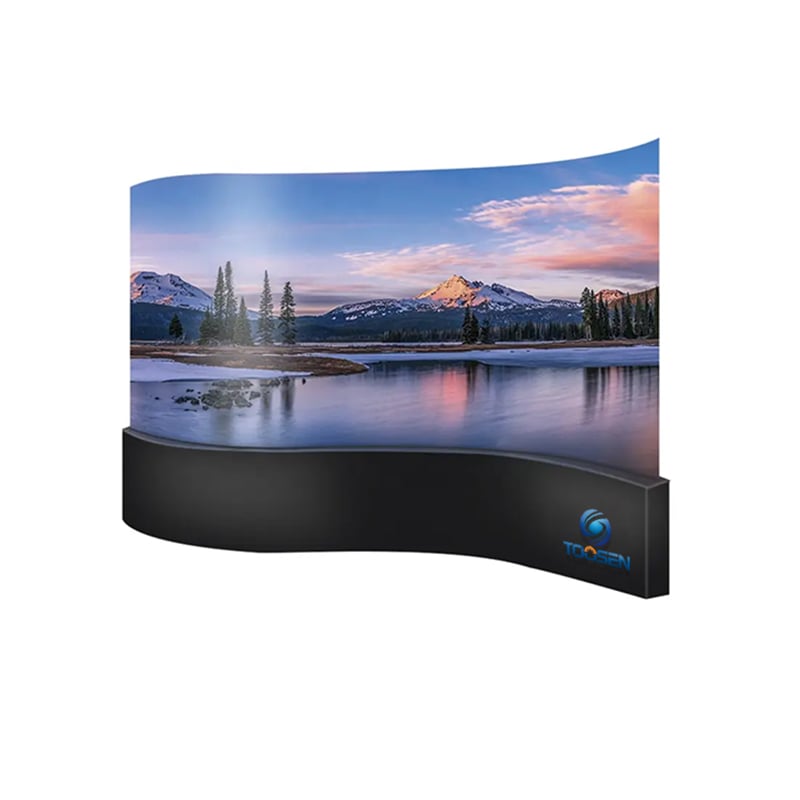
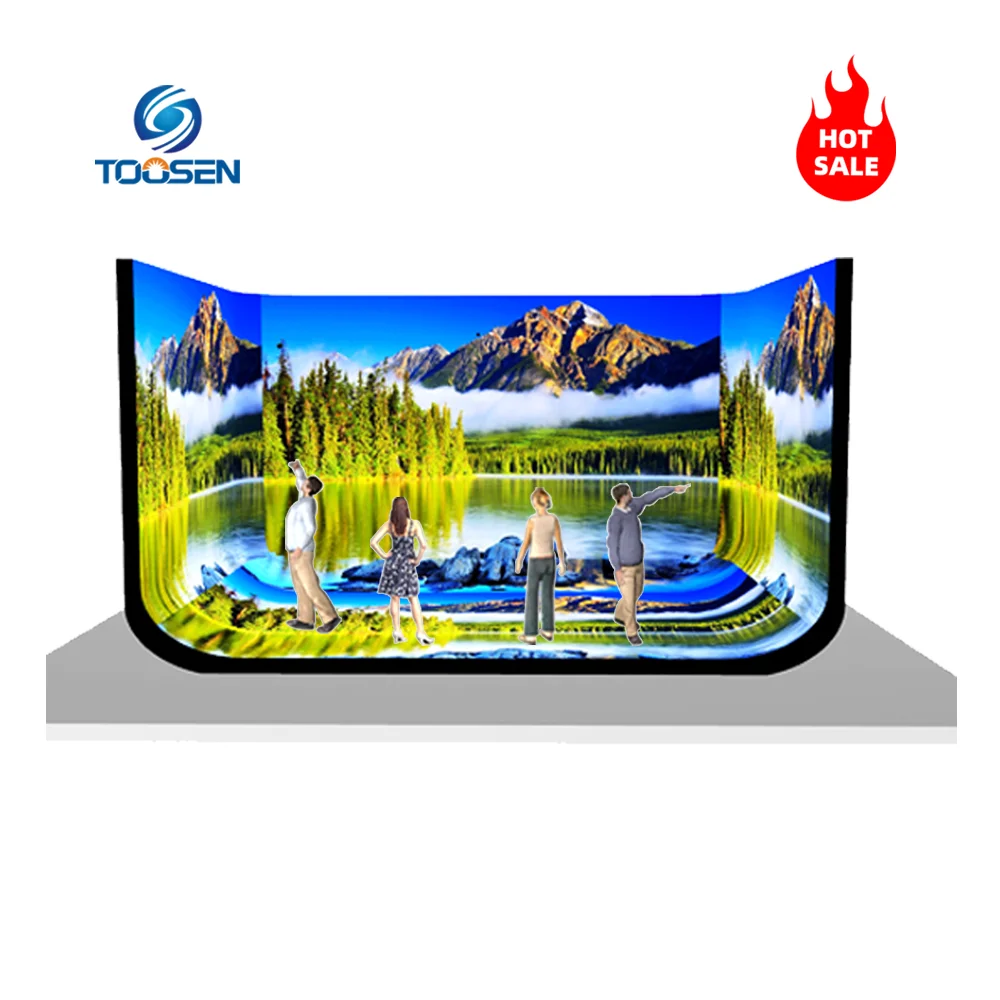
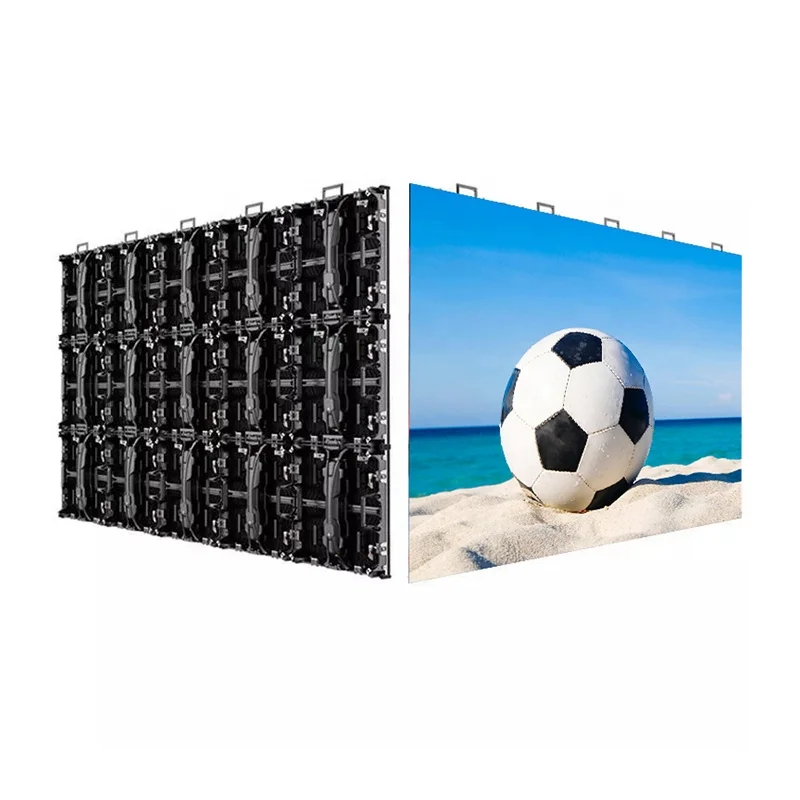
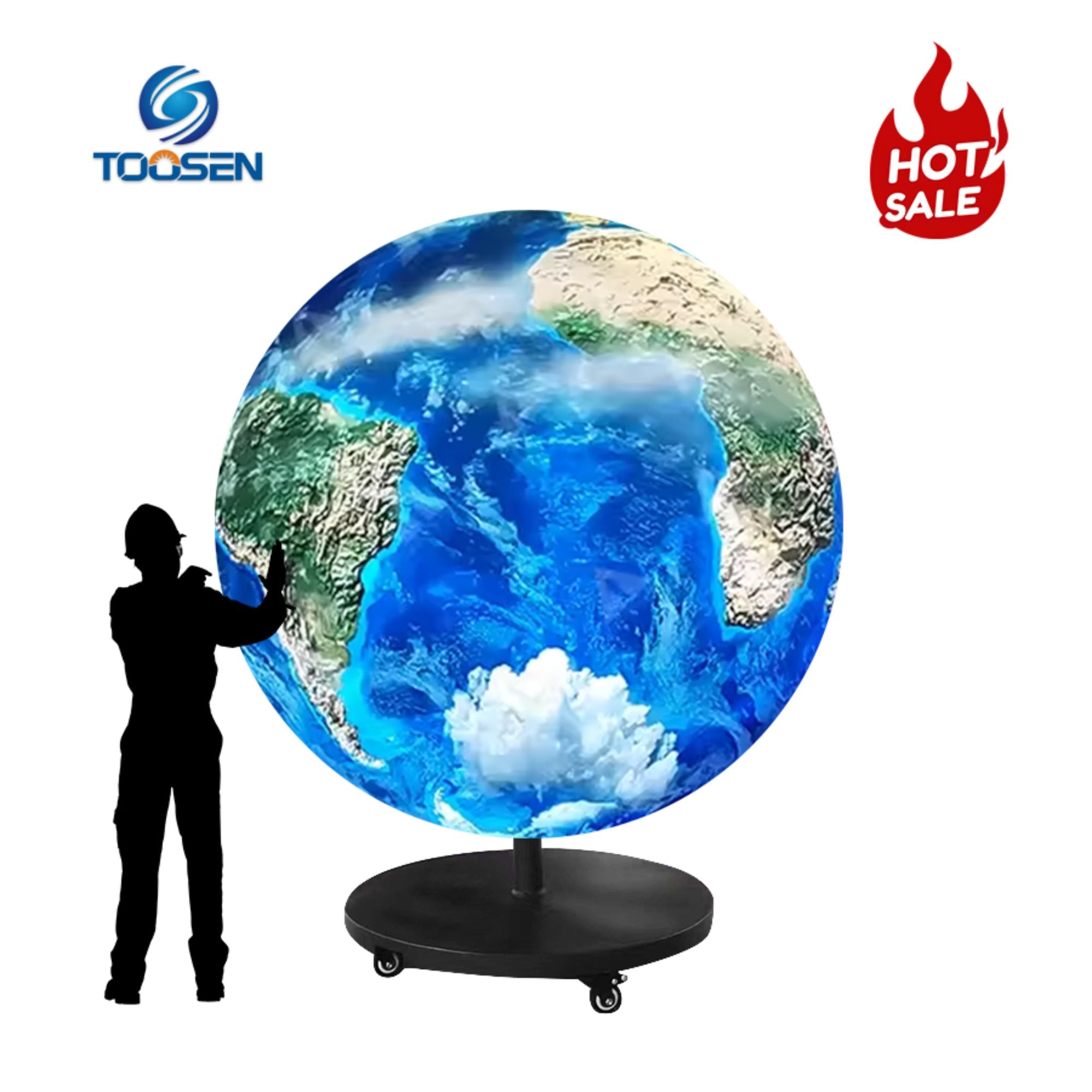
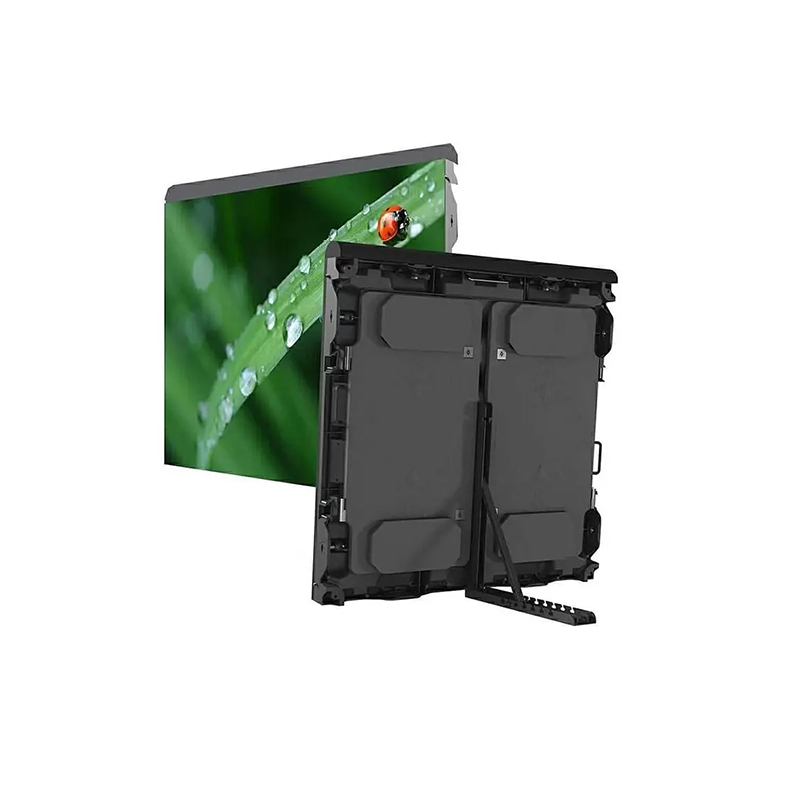
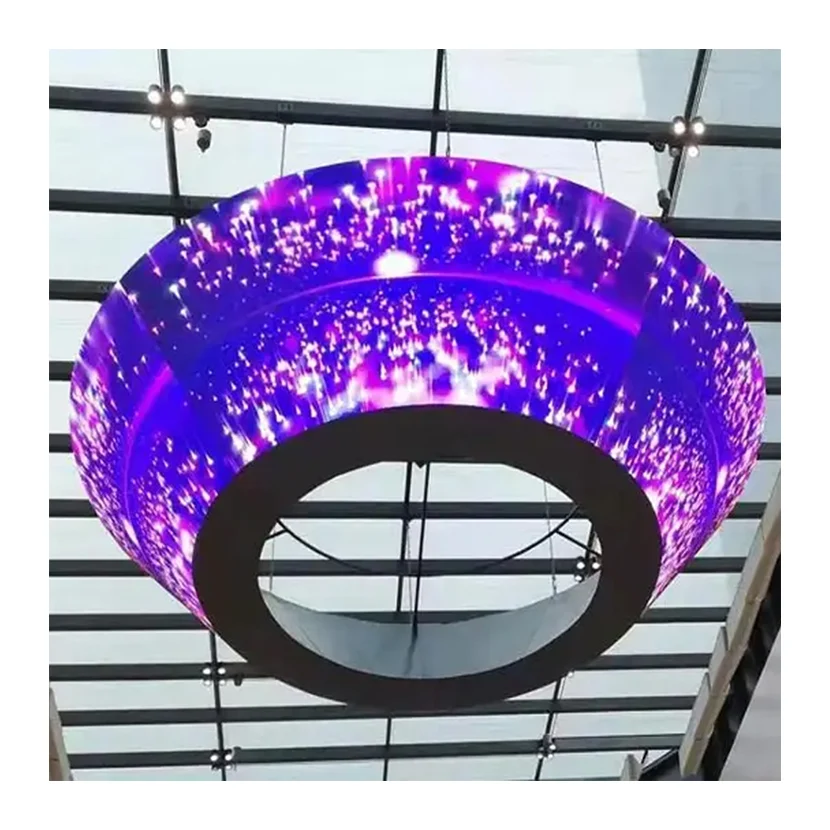
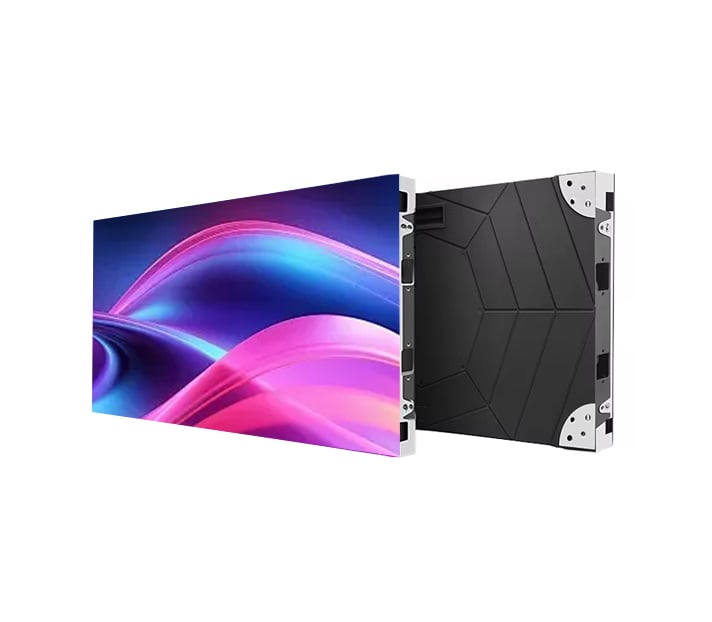
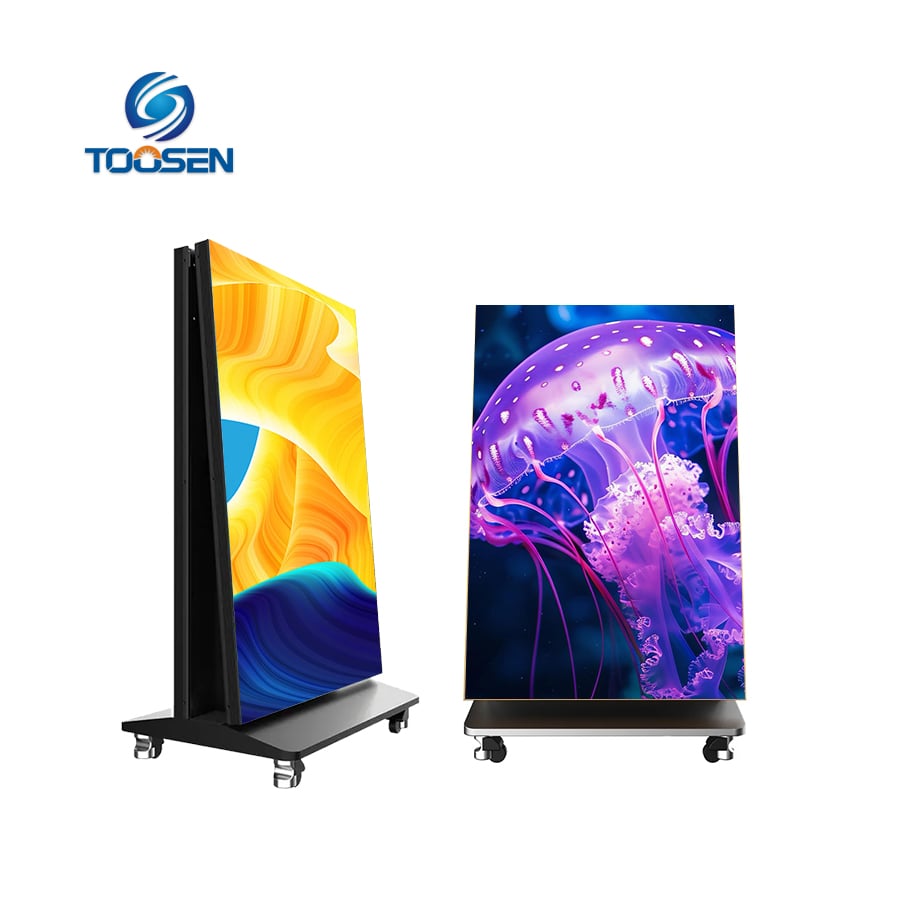
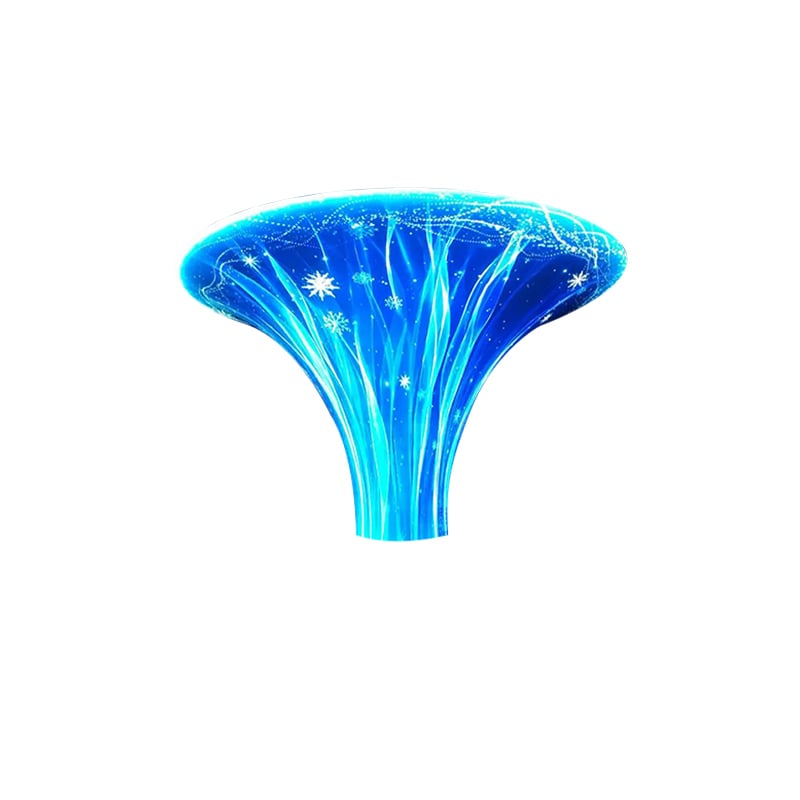
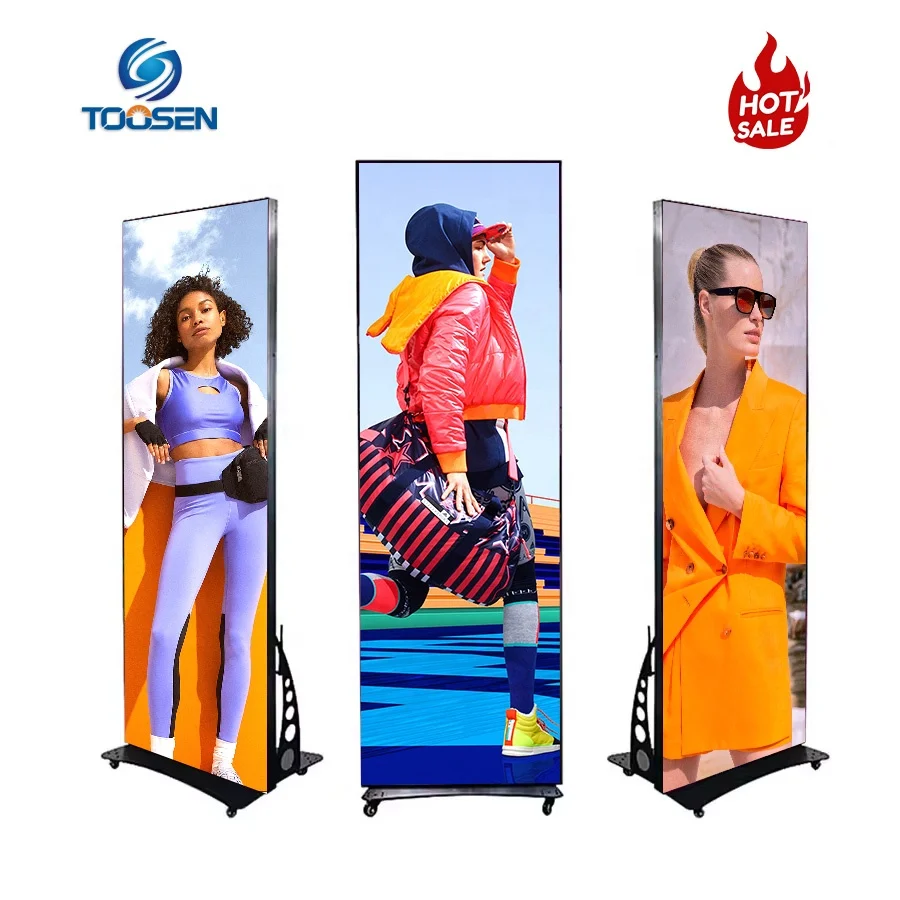
Peretele video LED kinetic apare în multe medii în care proiectanții doresc atât povestirea vizuală, cât și transformarea arhitecturală .
Scenarii de performanță
Concertele, evenimentele gală mari și lansările de produse folosesc adesea fundaluri LED mecanice. Prin combinarea panourilor deschizabile cu module de ridicare , producătorii pot crea climaxuri vizuale dramatice.
Imobiliar comercial
Centrele comerciale și magazinele reprezentative instalează ecrane dinamice în atriuri și intrări pentru a atrage atenția și a crește durata de ședere a vizitatorilor.
Spații culturale și de expoziții
Centrele de știință, parcuri tematice și expoziții de artă digitală folosesc structuri mecanice LED pentru a crea medii interactive 3D care îmbunătăţesc povestirea şi educaţia.
Remarcabile obiecte urbane şi atracţii în aer liber
Oraşele construiesc uneori mari instalații mecanice cu LED-uri în cartierele centrale de afaceri sau destinații turistice - Nu. Când sunt combinate cu conținut 3D cu ochiul liber, aceste afișări devin adesea populare puncte de reper de check-in pe rețelele sociale .
Proiectele mecanice cu LED de succes necesită o planificare atentă.
În primul rând, determinați scenariul de aplicație și bugetul proiectului . Instalările mici în interior pot necesita doar sisteme matrice ușoare, în timp ce structurile mari exterioare cer calculuri detaliate ale încărcărilor structurale, proiectare pentru rezistență la vânt și protecție împotriva fulgerelor .
În al doilea rând, acordați prioritate fiabilității mecanice în detrimentul rezoluției afișajului . Mișcarea stabilă, nivelurile scăzute de zgomot și durata lungă de funcționare a motoarelor—adesea peste 50.000 de cicluri de pornire-oprire —sunt mai importante decât o densitate extrem de ridicată de pixeli.
Al treilea, designul conținutul și mișcarea împreună . Mișcarea mecanică trebuie să fie sincronizată cu conținutul video, astfel încât modificările structurale să consolideze narațiunea vizuală, nu să o distragă.
În final, planificați pentru întreținere pe termen lung . Ungerea periodică, inspecția motoarelor și protecția împotriva prafului sau a apei sunt esențiale, în special pentru instalațiile exterioare, care se confruntă cu condiții de mediu mai severe.
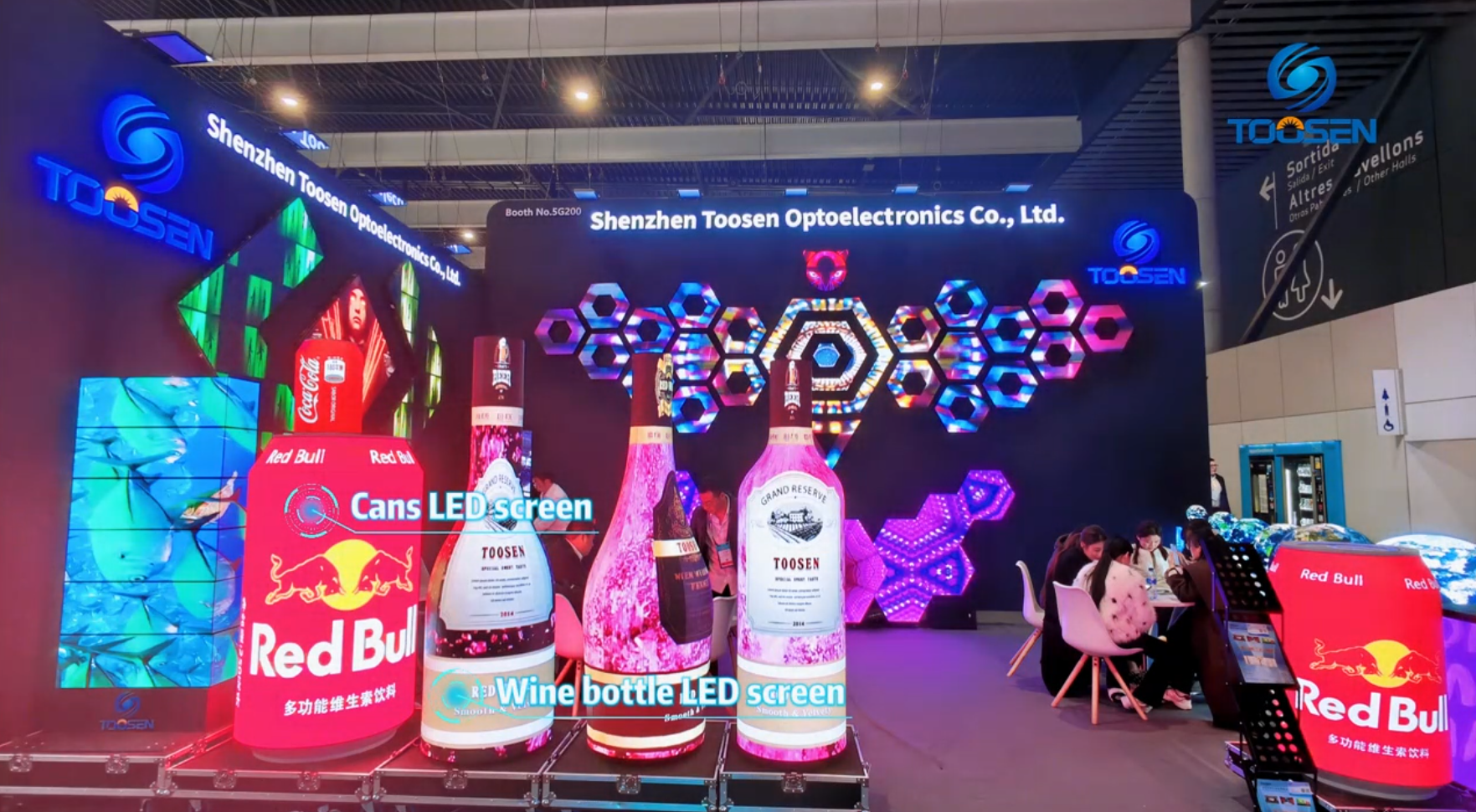
Tehnologia LED mecanică continuă să evolueze.
Producătorii dezvoltă materiale structurale mai ușoare, cum ar fi fibra de carbon , integrând Tehnologii de interacțiune bazate pe inteligență artificială cum ar fi recunoașterea gesturilor și adoptarea Afișaje Mini LED sau Micro LED pentru o densitate mai mare de pixeli . Coordonarea între mai multe ecrane și instalațiile cinematice la scară largă devin, de asemenea, din ce în ce mai frecvente.
Totuși, aceste sisteme ridică încă mai multe provocări. Afișajele mecanice cu LED implică, de obicei, costuri mai mari, perioade mai lungi de instalare și cerințe de inginerie extrem de precise . Proiectele exterioare trebuie, de asemenea, să abordeze rezistența la vânt, reglarea temperaturii și durabilitatea mecanică pe termen lung .
 EN
EN
 AR
AR
 BG
BG HR
HR
 CS
CS
 DA
DA
 NL
NL
 FI
FI FR
FR
 DE
DE EL
EL
 HI
HI
 IT
IT JA
JA
 KO
KO
 NO
NO PL
PL PT
PT RO
RO
 RU
RU
 ES
ES
 SV
SV
 TL
TL
 ID
ID
 SR
SR
 UK
UK VI
VI
 ET
ET
 HU
HU
 TH
TH
 TR
TR
 FA
FA
 AF
AF
 MS
MS
 GA
GA
 HY
HY
 AZ
AZ
 MN
MN
 UZ
UZ