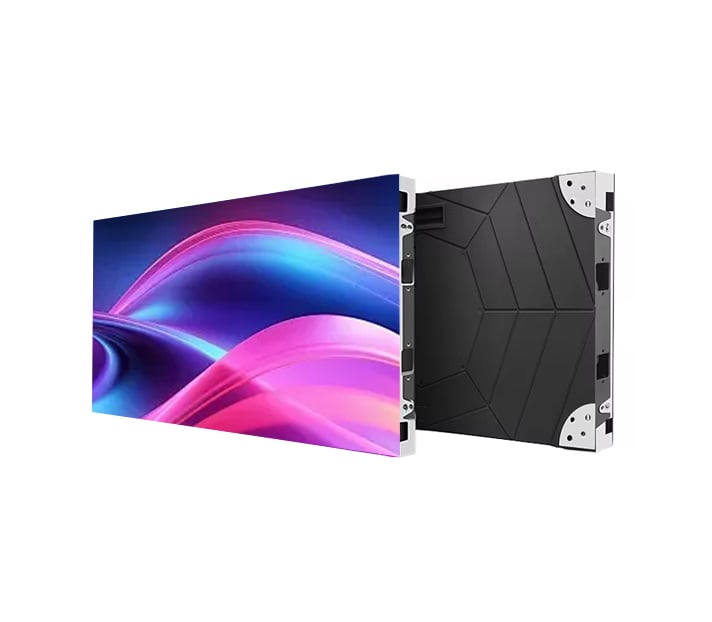
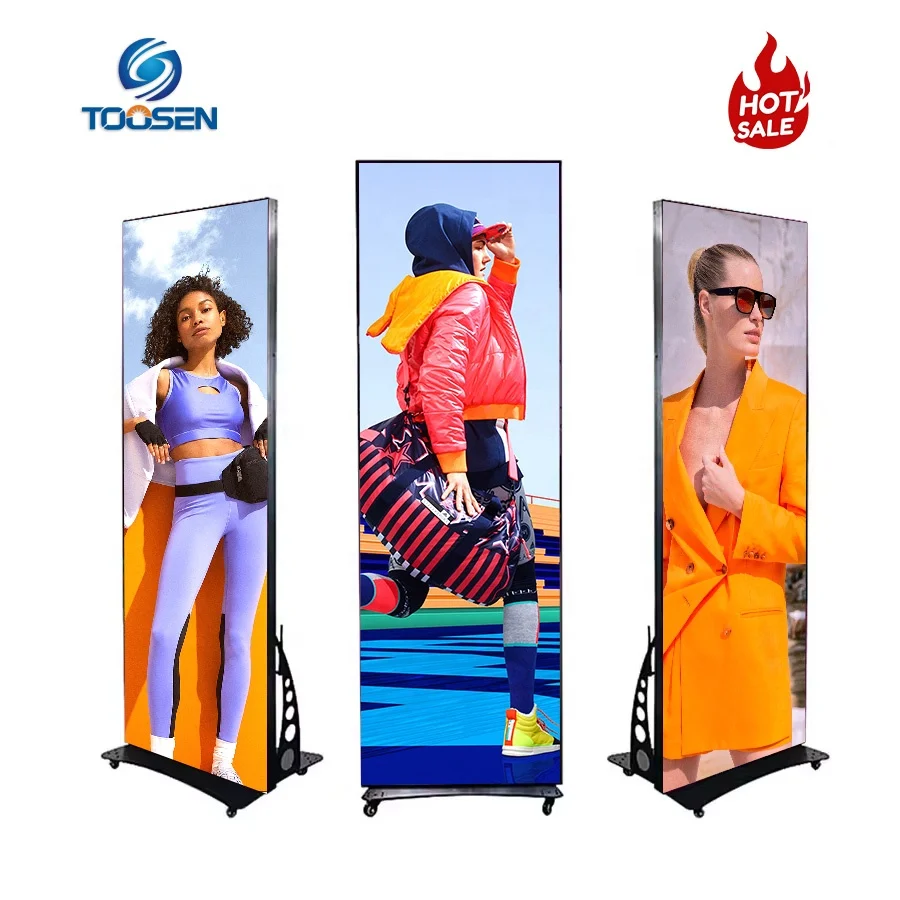
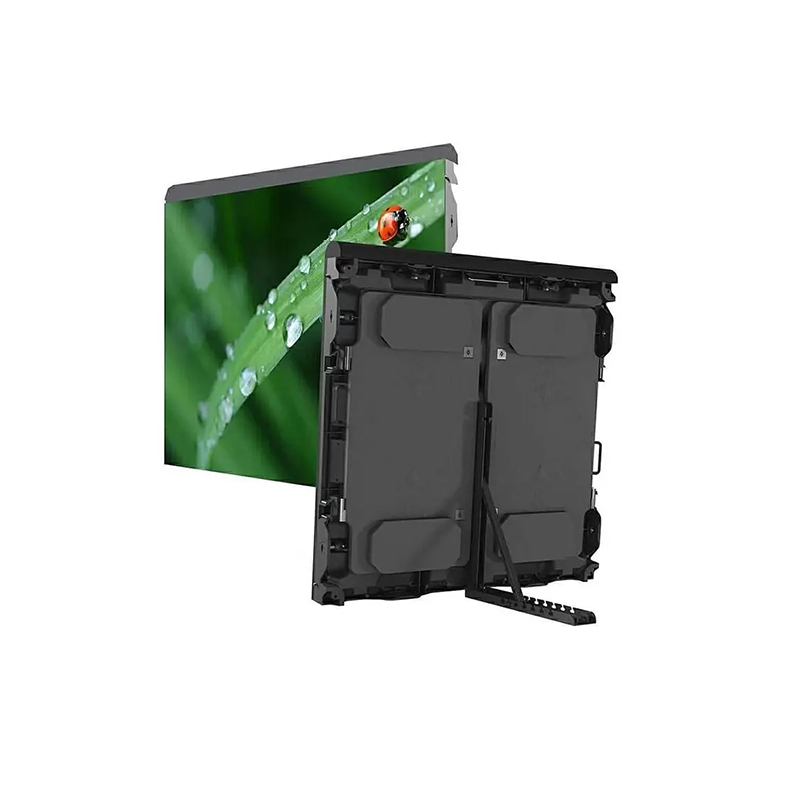
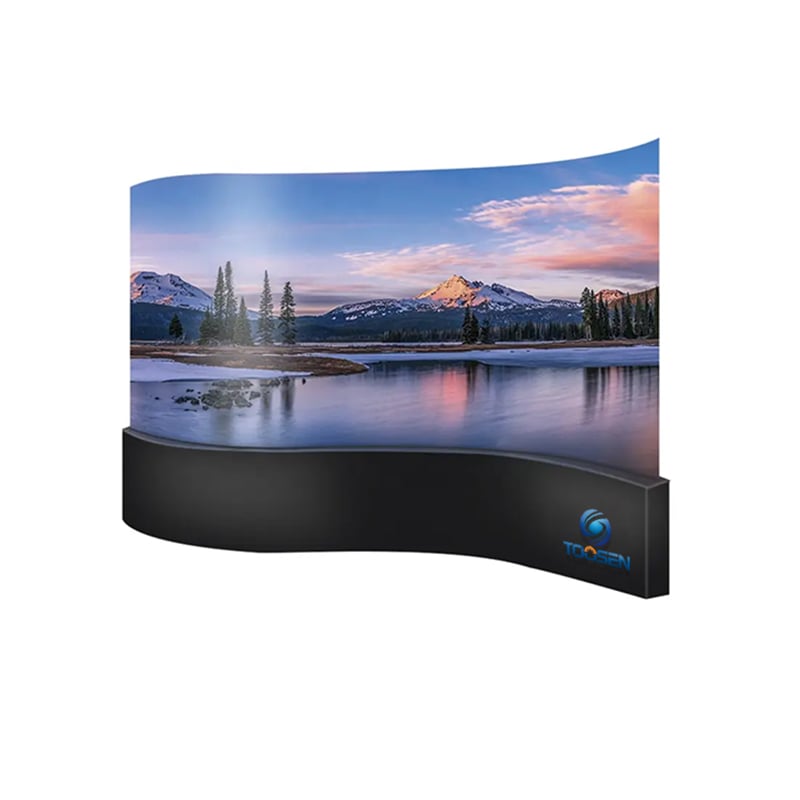
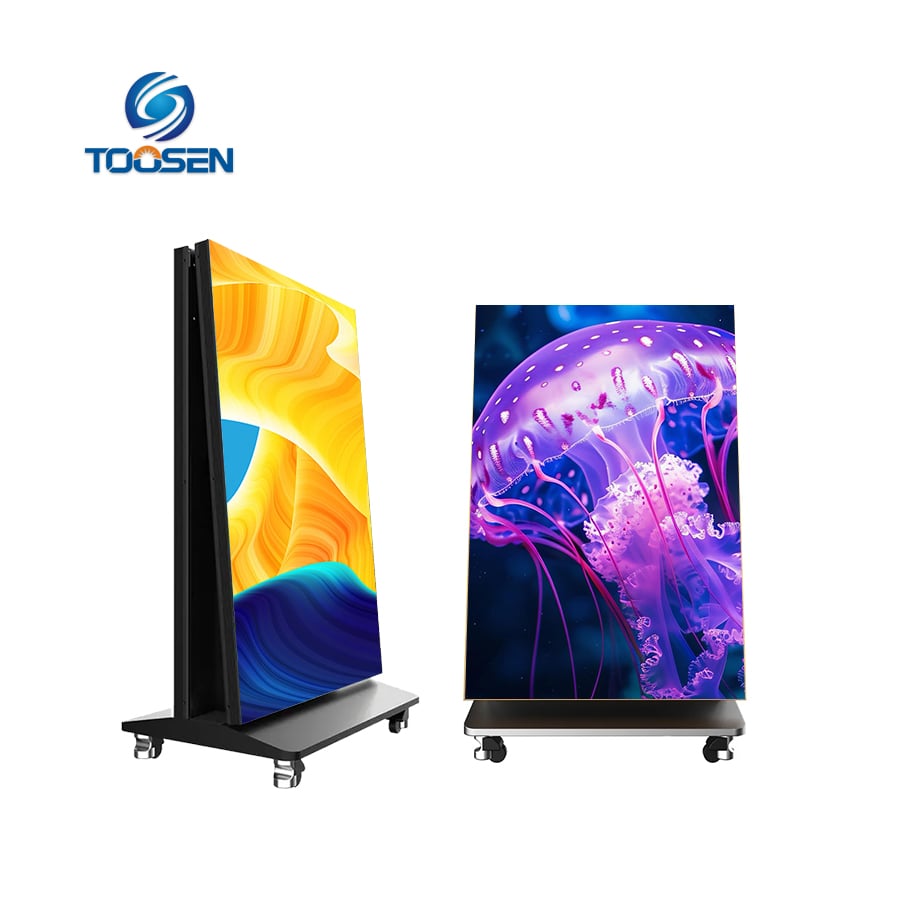
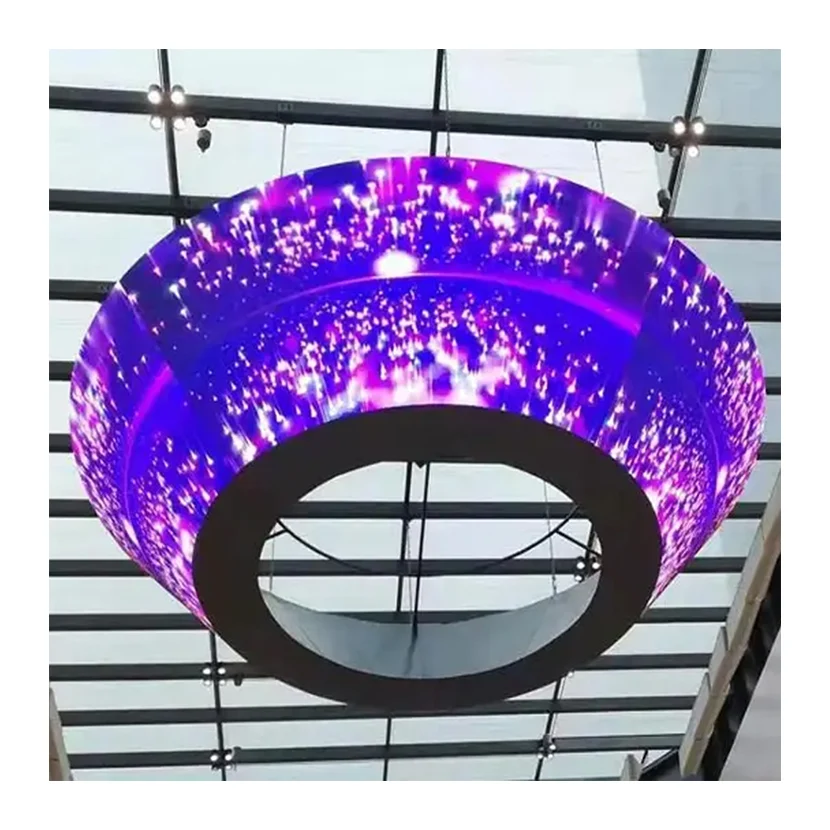
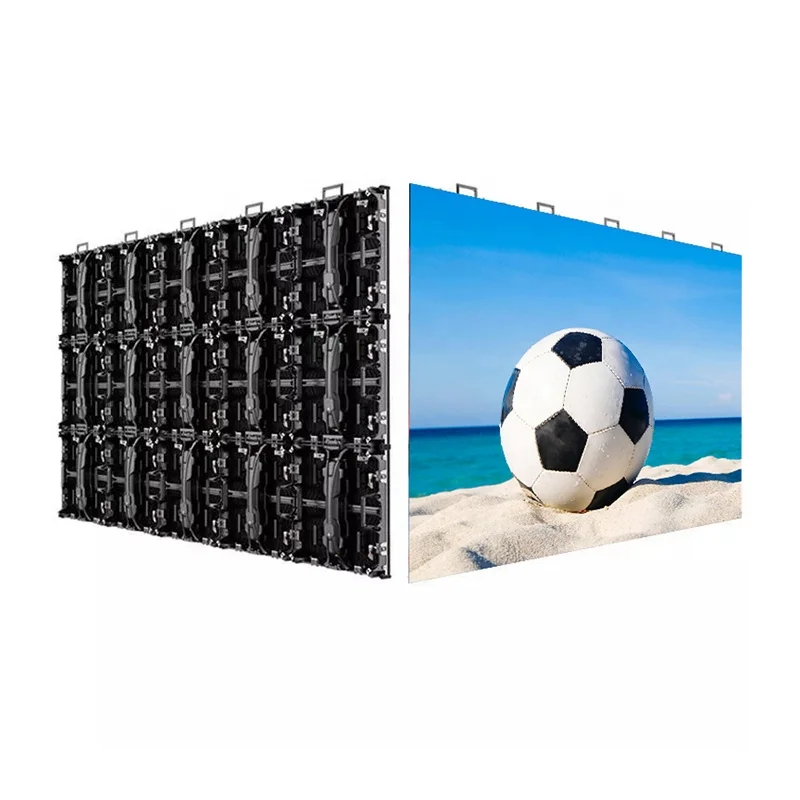
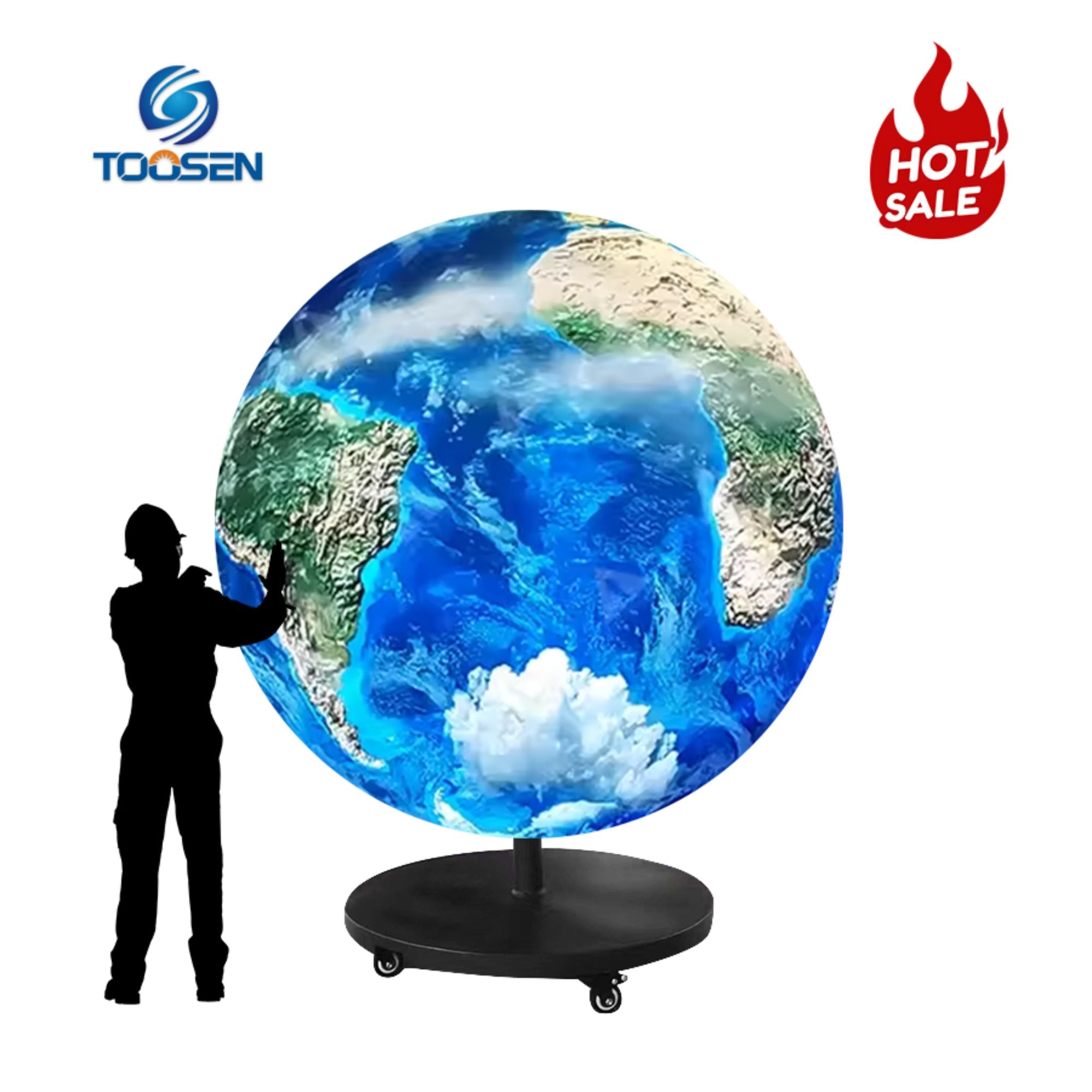
Când investiți într-un perete video LED, nu cumpărați doar un ecran — vă angajați într-un sistem pe termen lung. Totuși, mulți cumpărători întâmpină dificultăți în a echilibra calitatea, costul și durata de viață , mai ales atunci când furnizorii promovează tehnologii contradictorii, cum ar fi SMD, COB sau MIP.
Prin analizarea discuțiilor din lumea reală ale profesioniștilor din domeniul audiovizual și prin combinarea acestora cu datele industriale, putem identifica clar ce factori influențează, de fapt, performanța și durabilitatea pereților LED.
Una dintre cele mai importante observații ale specialiștilor este simplă: Tehnologia LED se schimbă rapid .
„Problema cea mai mare cu Păturile LED este faptul că tehnologia se schimbă RAPID.”
Aceasta înseamnă:
În practică, ar trebui să evitați investiția excesivă în specificații învechite și să vă concentrați în schimb pe configurații rezistente în perspectiva viitorului cum ar fi procesarea compatibilă cu 4K.
Mulți cumpărători rămân blocați comparând SMD cu COB și cu MIP. Totuși, inginerii experimentați recomandă să vă concentrați mai întâi pe nevoile reale ale aplicației .
„Concentrați-vă pe nevoile de nivel superior… lăsați consultantul să se ocupe de prescurtări.”
1. Pasul pixelilor
2. Frecvența de reîmprospătare și frecvența de scanare
3. Luminanță (nit)
4. Uniformitatea culorii
Panourile de calitate scăzută prezintă adesea o luminanță neuniformă sau deplasări cromatice între module
Pe scurt: ignorați supraîncărcarea fișierelor tehnice și acordați prioritate performanței în condiții reale.
Căldura este ucigașul tăcut al ecranelor LED.
Datele din industrie arată că:
În același timp, utilizatorii confirmă o relație directă între luminozitate și durabilitate:
„Mai multă lumină = mai multă căldură = durată de viață redusă.”
Echilibrați luminozitatea cu mediul înconjurător, nu o maximizați.
Pereții LED se comportă foarte diferit în funcție de locul în care sunt instalați.
Profesioniștii recomandă:
Trebuie să vă stabiliți prioritățile:
O neconformitate între mediu și specificații va reduce durata de viață mai repede decât orice problemă legată de un singur component.
Opțiunile bugetare pot părea atrăgătoare la prima vedere, dar datele din lumea reală evidențiază riscuri semnificative:
Profesioniștii avertizează, de asemenea, cu privire la panourile fără marcă:
„Așteptați o rată ridicată de defecte a pixelilor… includeți această cheltuială în buget.”
În realitate, produsele mai ieftine determină adesea o creștere a:
O perete LED bine întreținut poate dura 60.000–100.000 de ore (până la 10+ ani) . Totuși, o exploatare necorespunzătoare poate reduce semnificativ această durată.
1. Gestionarea inteligentă a energiei
2. Controlul condițiilor de funcționare
3. Respectați procedurile corecte de pornire/oprire
Obișnuințele constante de operare pot prelungi durata de viață cu mai mulți ani.
Chiar și un panou LED de înaltă calitate poate ceda dacă este instalat necorespunzător.
Problemele comune includ:
Profesioniștii subliniază că „defectele” percepute provin adesea din:
Tratați întotdeauna instalarea ca pe o parte integrantă a produsului, nu ca pe un detaliu secundar.
Una dintre cele mai practice recomandări formulate în cadrul discuției:
„Angajați un consultant independent… nu vânzătorul.”
De ce este important acest lucru:
Această abordare reduce riscul și îmbunătățește rentabilitatea pe termen lung (ROI).
Calitatea și durabilitatea pereților LED depind de mai mult decât doar de alegerea tehnologiei. În practică, cinci factori determină succesul:
Dacă aliniați aceste elemente de la început, peretele dvs. cu LED-uri poate oferi performanță constantă timp de ani de zile . Dacă le ignorați, chiar și un sistem de înaltă calitate se poate degrada rapid.
În final, cea mai inteligentă investiție nu este nici cea mai ieftină, nici cea mai avansată — ci cea care se potrivește aplicației dvs., mediului și strategiei pe termen lung.
 EN
EN
 AR
AR
 BG
BG HR
HR
 CS
CS
 DA
DA
 NL
NL
 FI
FI FR
FR
 DE
DE EL
EL
 HI
HI
 IT
IT JA
JA
 KO
KO
 NO
NO PL
PL PT
PT RO
RO
 RU
RU
 ES
ES
 SV
SV
 TL
TL
 ID
ID
 SR
SR
 UK
UK VI
VI
 ET
ET
 HU
HU
 TH
TH
 TR
TR
 FA
FA
 AF
AF
 MS
MS
 GA
GA
 HY
HY
 AZ
AZ
 MN
MN
 UZ
UZ