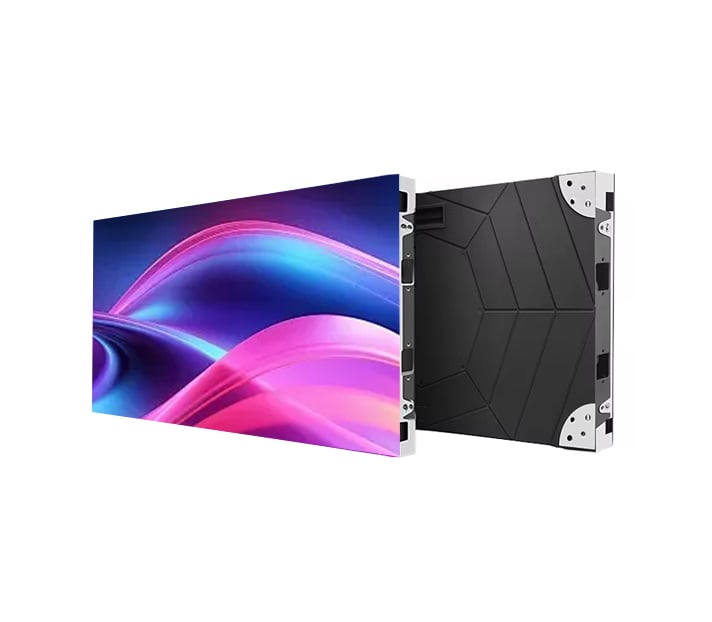
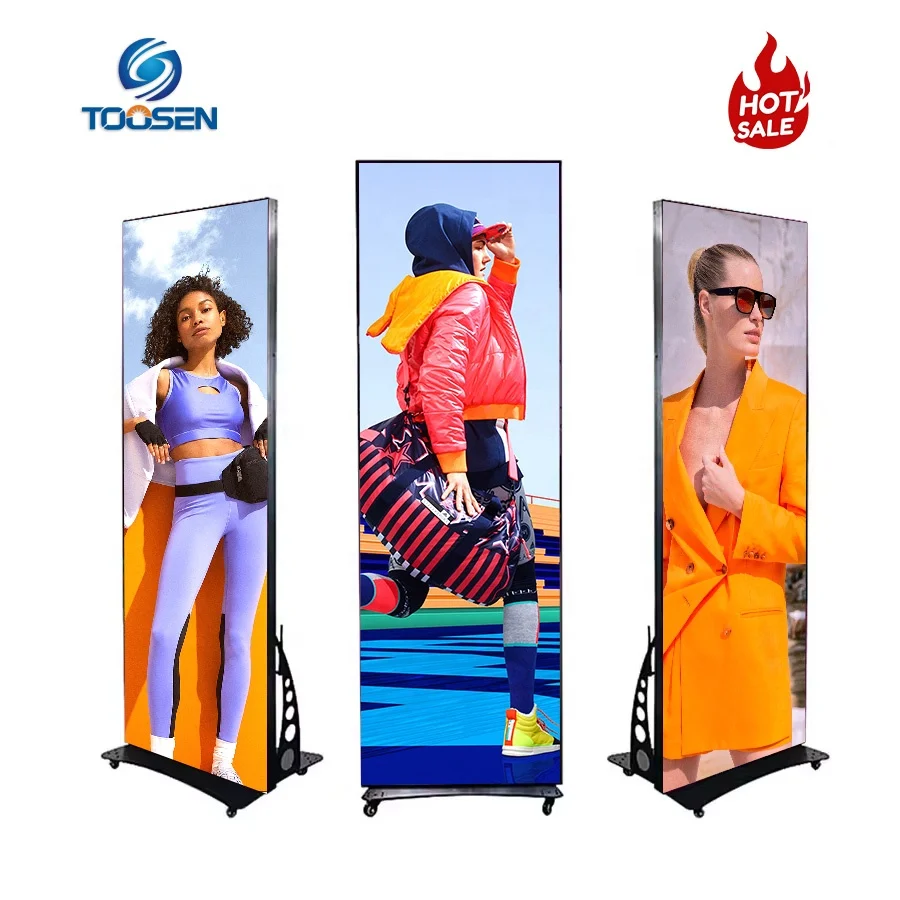
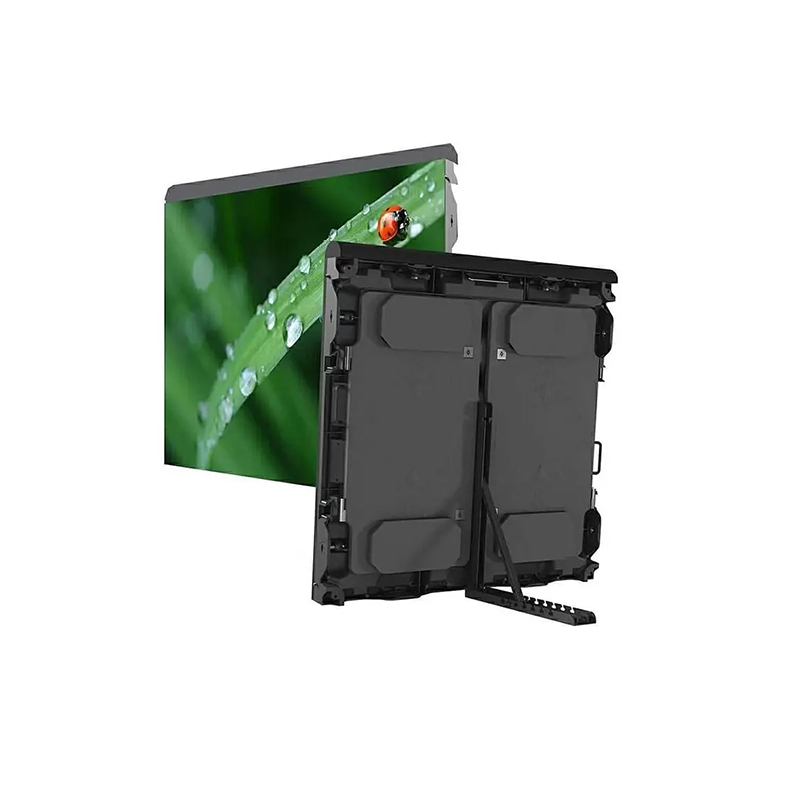
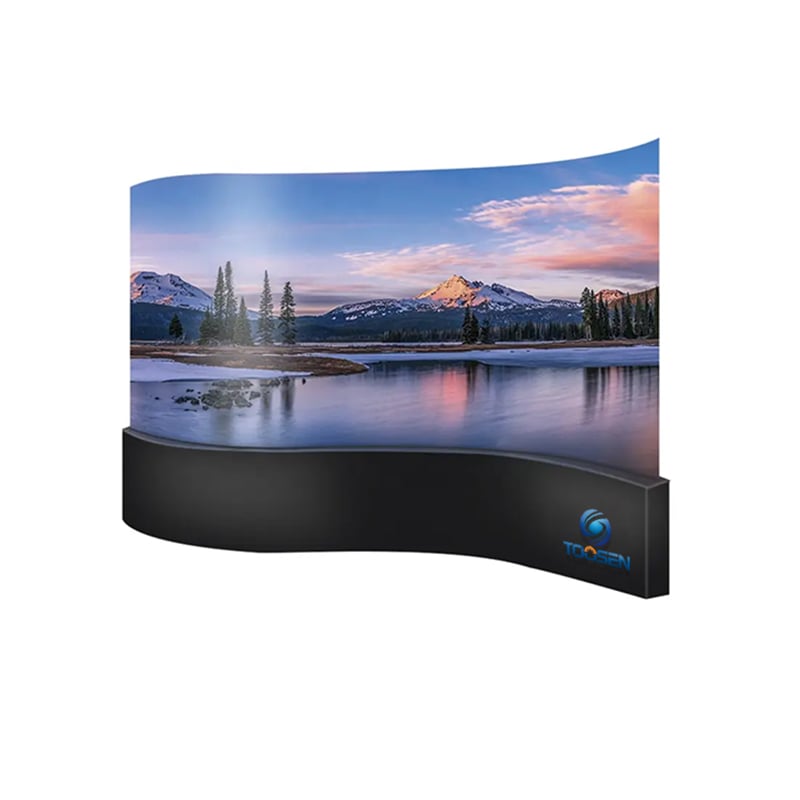
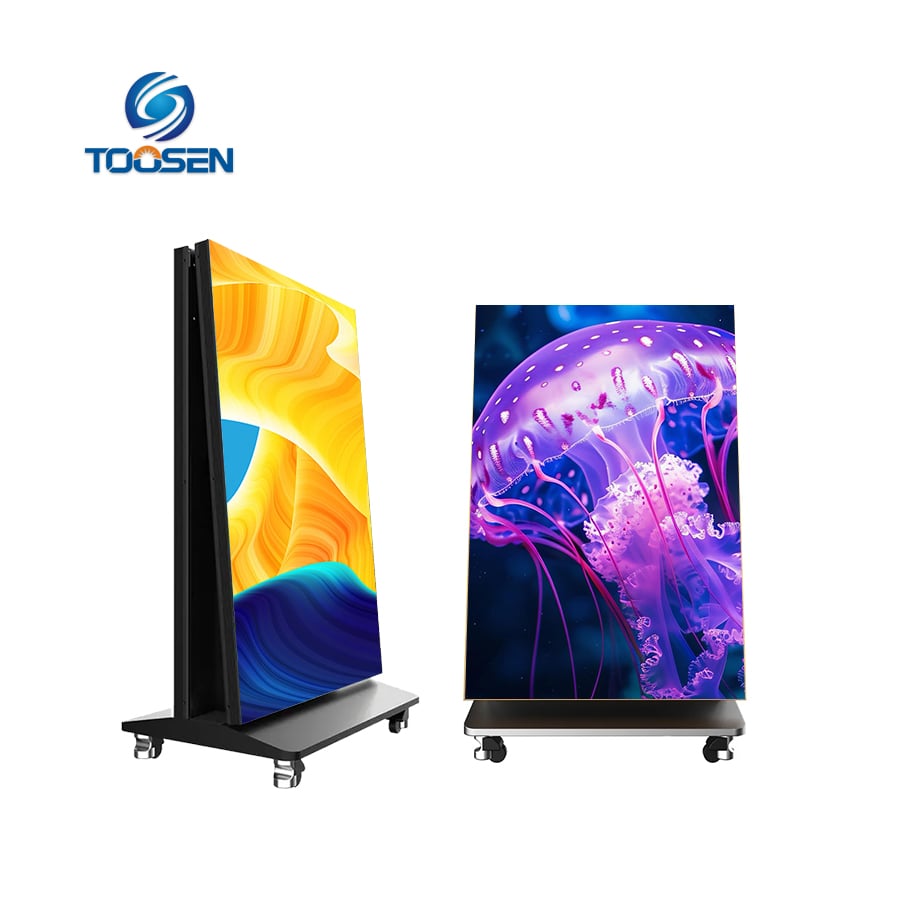
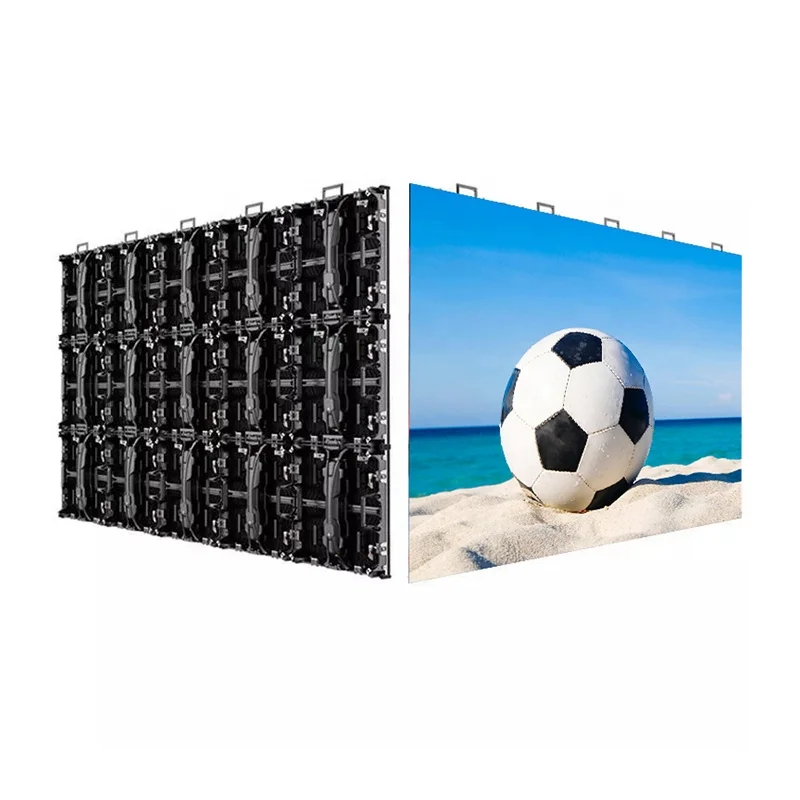
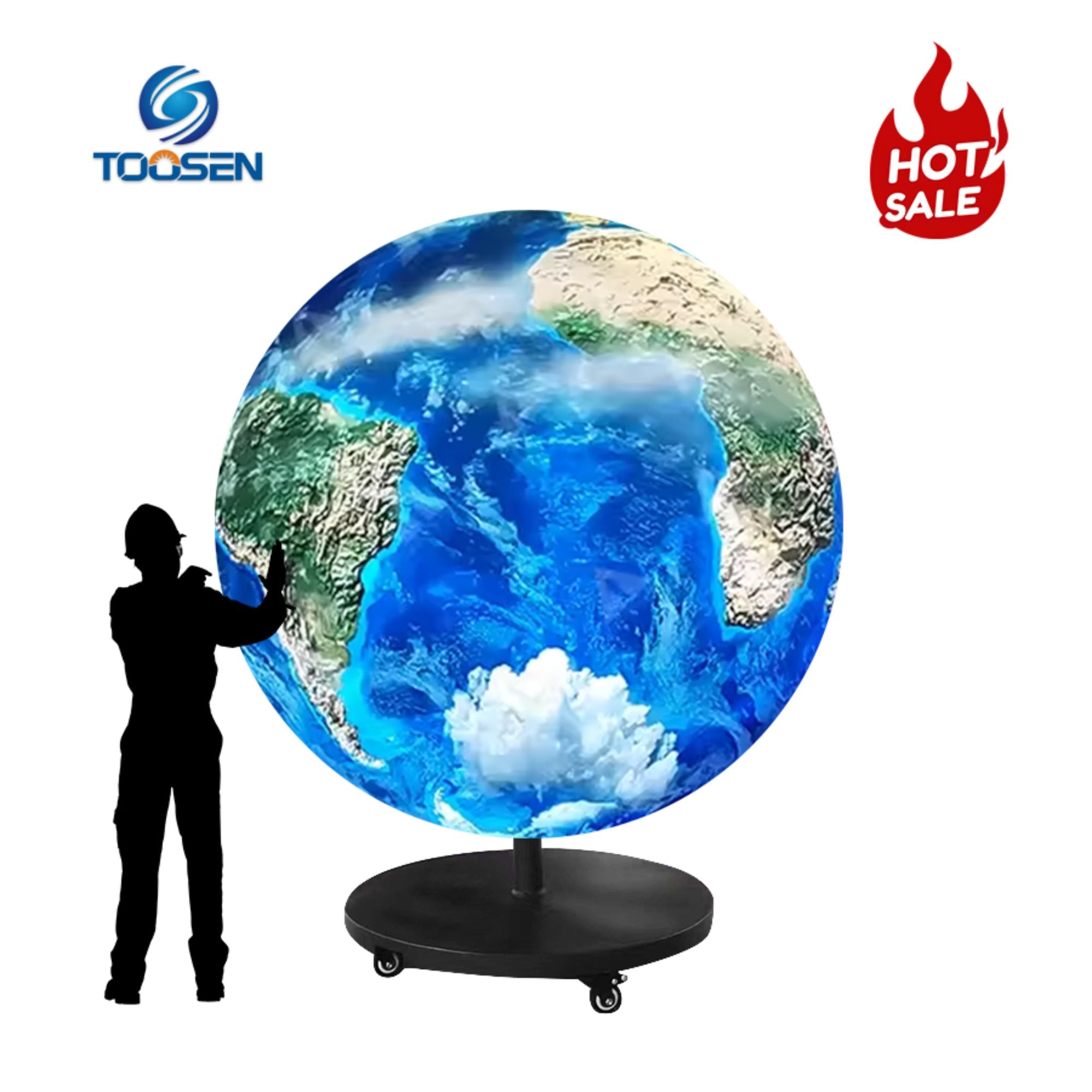
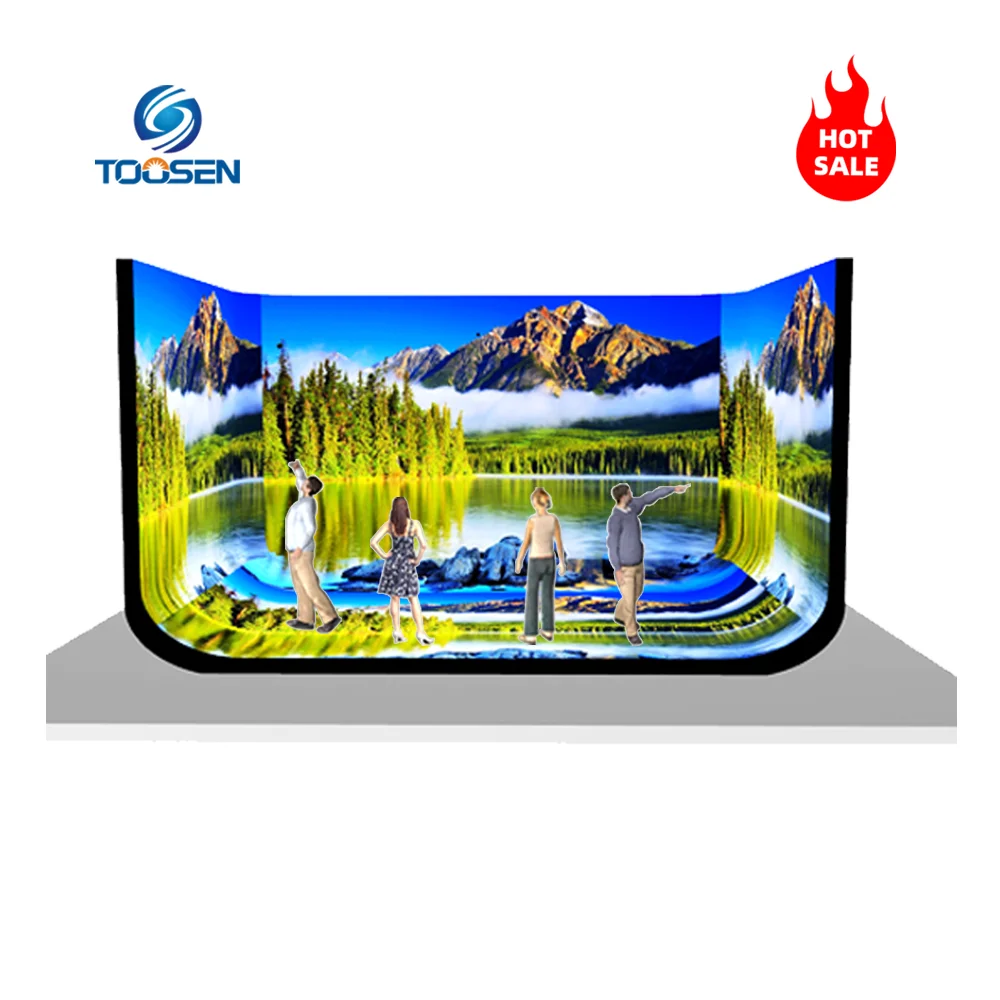
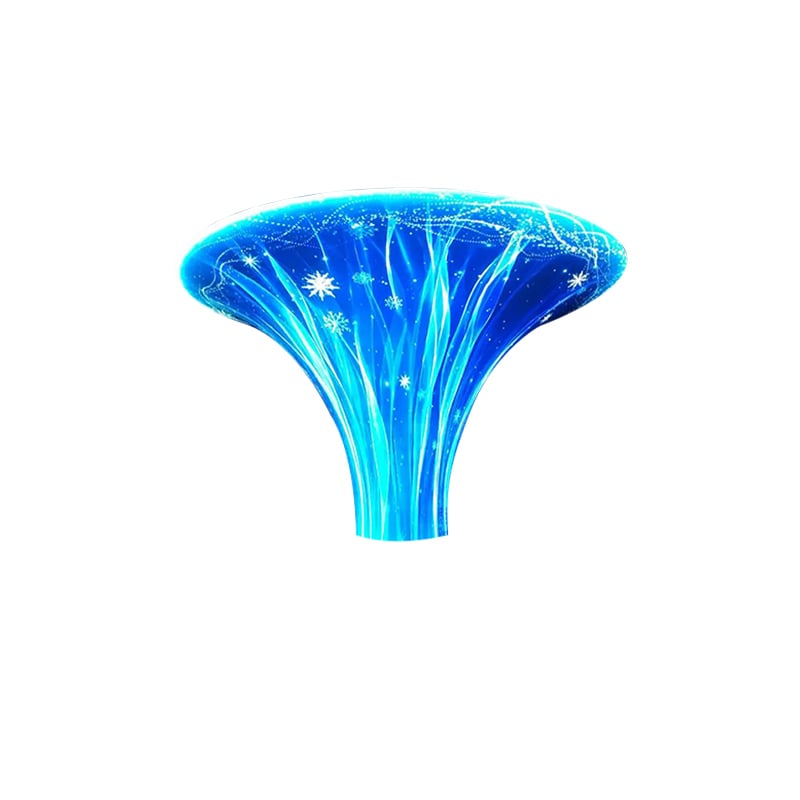
Em museus modernos, ambientes de varejo, espaços de entretenimento e eventos ao vivo, criar experiências imersivas e interativas tornou-se a forma definitiva de capturar a atenção e deixar impressões duradouras. O segredo muitas vezes reside não apenas no conteúdo criativo, mas na própria tecnologia de exibição . Entre as ferramentas mais poderosas estão Telas LED para piso e telas LED para teto (ou céu) , que transformam espaços comuns em ambientes dinâmicos e interativos.
Neste artigo, exploraremos como essas tecnologias funcionam, por que se destacam na criação de imersão e como você pode aproveitá-las para elevar qualquer espaço.
1. O que são telas LED para piso e para teto?
As telas LED para piso são expositores duráveis e resistentes à carga instalados diretamente no solo. As pessoas podem caminhar sobre eles enquanto a tela exibe imagens brilhantes e dinâmicas.
Características principais:
-
Capacidade de carga elevada : Suporta tráfego pedonal sem comprometer o desempenho
-
Renderização suave de movimento : Altas taxas de atualização evitam cintilação e desfoque
-
Capacidades interativas : Integra-se com sensores para responder a movimento ou toque
Telas LED de Teto (Céu)
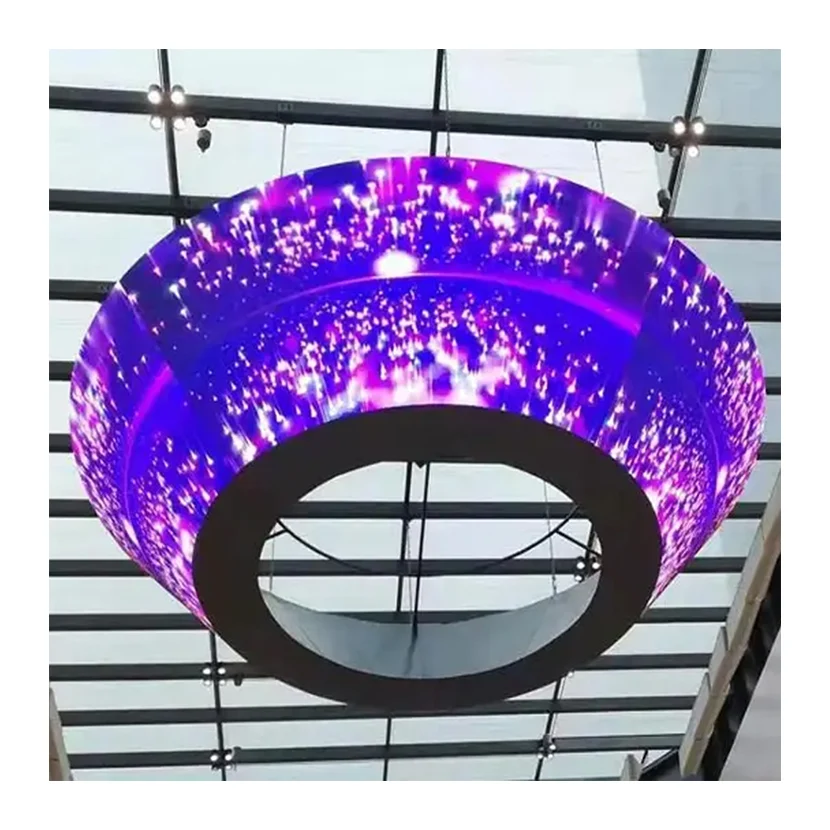
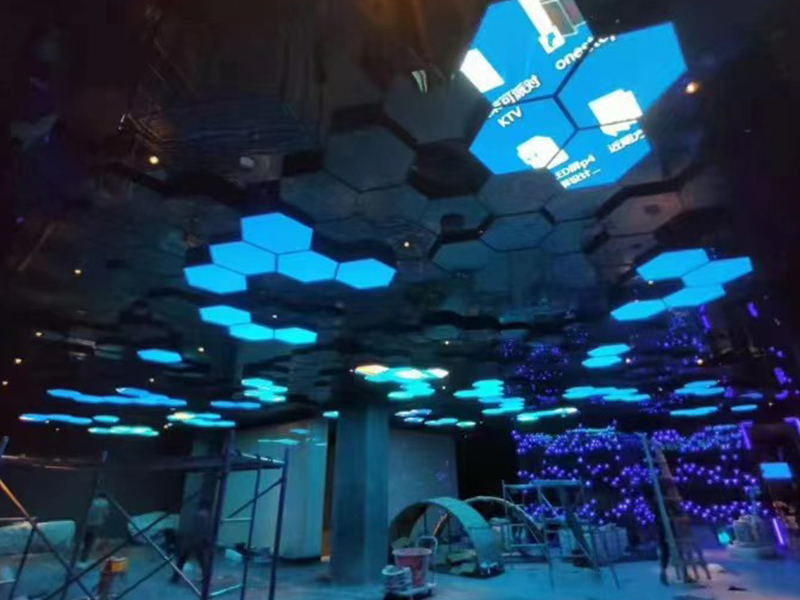
Telas LED de teto ou céu são montadas na parte superior, frequentemente formando superfícies panorâmicas ou curvas que se estendem por paredes e tetos. Criam uma sensação de imersão vertical, envolvendo os espectadores em luz e movimento.
Características principais:
-
Amplo campo de visão : Cobrem grandes áreas superiores para domínio visual total
-
Visuais contínuos : Painéis curvos e mapeamento preciso eliminam bordas visíveis
-
Impacto atmosférico : Simulam céus, cenas cósmicas ou movimento abstrato para intensificar o clima
2. Por que proporcionam imersão
Telas LED no piso e no teto funcionam em conjunto para envolver os espectadores em múltiplos níveis sensoriais.
-
ambiente visual de 360° : Pisos e tetos criam planos verticais e horizontais de conteúdo, cercando completamente o público.
-
Feedback Interativo : O movimento nas telas do piso aciona animações ou efeitos, fazendo com que os participantes se sintam parte da experiência.
-
Contação dinâmica de histórias : Imagens coordenadas em múltiplas superfícies direcionam a atenção, despertam emoções e potencializam o engajamento.
A transição de telas tradicionais para esses sistemas multicamadas permite que os ambientes passem de uma apresentação estática para uma contação de histórias experiencial .
3. Vantagens Técnicas
Essas telas imersivas superam as telas planas tradicionais de diversas maneiras:
-
Altas taxas de atualização – Evitam cintilação e garantem movimento fluido, o que é essencial para conteúdos interativos e gravações com câmera.
-
Configuração flexível – Painéis LED modulares permitem tetos curvos, pisos inclinados e formas personalizadas.
-
Durabilidade – Telas de piso suportam tráfego de pedestres e ambientes de alto uso, enquanto telas de teto permanecem leves, mas estruturalmente estáveis.
-
Sincronização – Processadores avançados coordenam imagens em pisos, paredes e tetos, proporcionando uma experiência contínua e unificada.
4. Aplicações práticas
Telas LED de piso e teto se destacam em ambientes onde o engajamento é essencial:
-
Museus e Centros de Ciência – Dê vida às exposições simulando oceanos, planetas ou mundos microscópicos.
-
Varejo e Ativações de Marca – Incentive os consumidores a interagirem com os produtos, criando momentos surpreendentes e compartilháveis.
-
Concertos e Casas Noturnas – Estenda as imagens cênicas além do fundo, imergindo o público em luz, movimento e ritmo.
-
Eventos Corporativos e Experimentais – Transforme saguões e salões de eventos em vitrines interativas que reforcem a identidade da marca.
5. Considerações de Projeto
Para maximizar o impacto:
-
Planeje desde a base : Instalações imersivas exigem coordenação antecipada com arquitetura e design espacial.
-
Considere os ângulos de visão e as linhas de visada : A perspectiva do público é fundamental tanto para elementos no piso quanto no teto.
-
Integre a interatividade com cuidado : Sensores e rastreamento de movimento amplificam o engajamento, mas devem complementar o conteúdo, não sobrecarregá-lo.
-
Garanta a qualidade do conteúdo : Imagens de alta resolução e mapeamento adequado evitam distorções e mantêm o realismo.
6. Conclusão
Telas LED para piso e teto são mais do que simples ferramentas de exibição — são experimentar motores . Ao envolver o público em visuais coordenados em múltiplos planos, eles transformam ambientes comuns em espaços imersivos e interativos que cativam, envolvem e inspiram.
Seja para museus, varejo ou eventos ao vivo, essas tecnologias permitem que você projete espaços que as pessoas não apenas veem — mas nos quais entram, interagem e se lembram .


 EN
EN
 AR
AR
 BG
BG HR
HR
 CS
CS
 DA
DA
 NL
NL
 FI
FI FR
FR
 DE
DE EL
EL
 HI
HI
 IT
IT JA
JA
 KO
KO
 NO
NO PL
PL PT
PT RO
RO
 RU
RU
 ES
ES
 SV
SV
 TL
TL
 ID
ID
 SR
SR
 UK
UK VI
VI
 ET
ET
 HU
HU
 TH
TH
 TR
TR
 FA
FA
 AF
AF
 MS
MS
 GA
GA
 HY
HY
 AZ
AZ
 MN
MN
 UZ
UZ