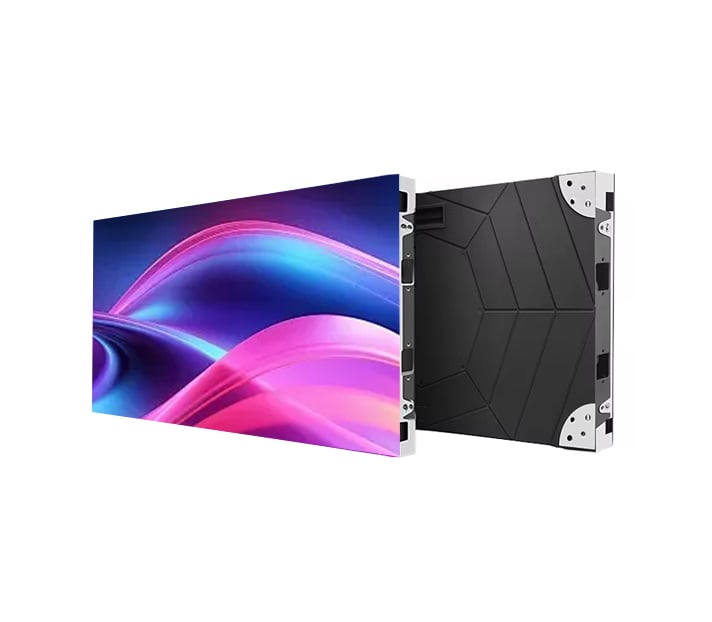
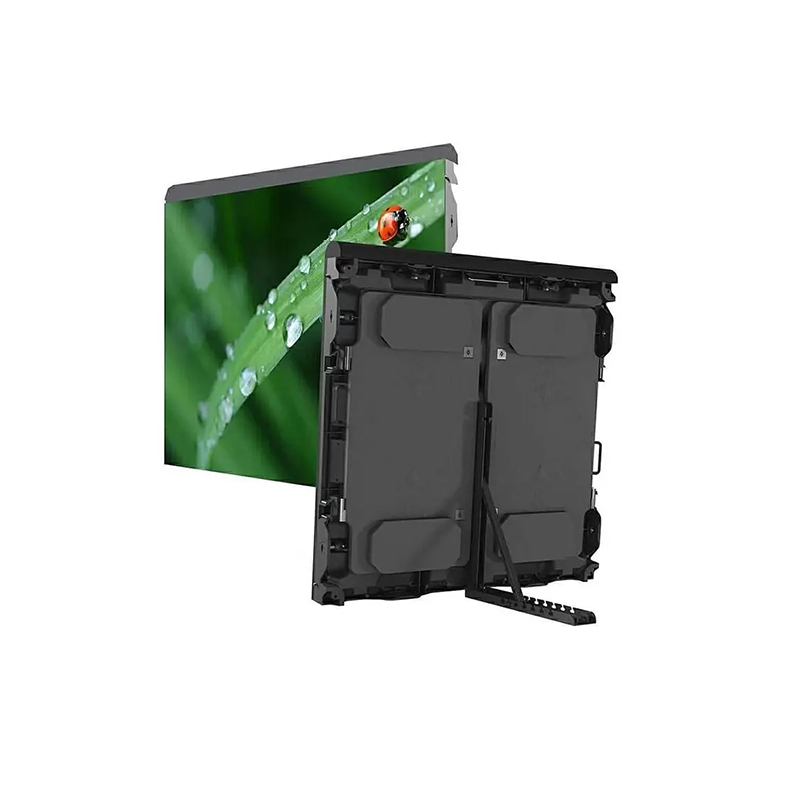
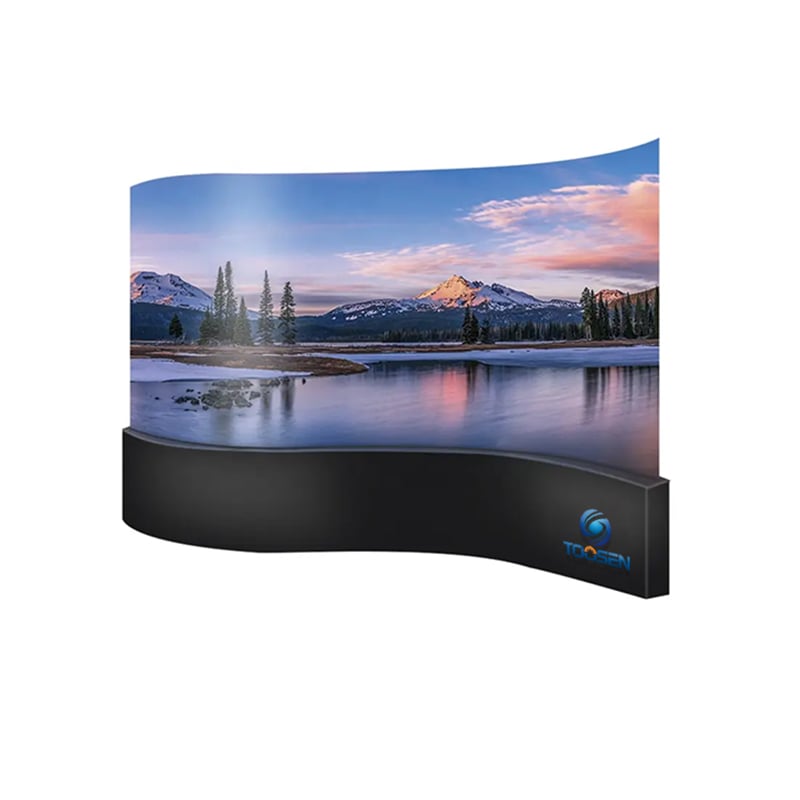
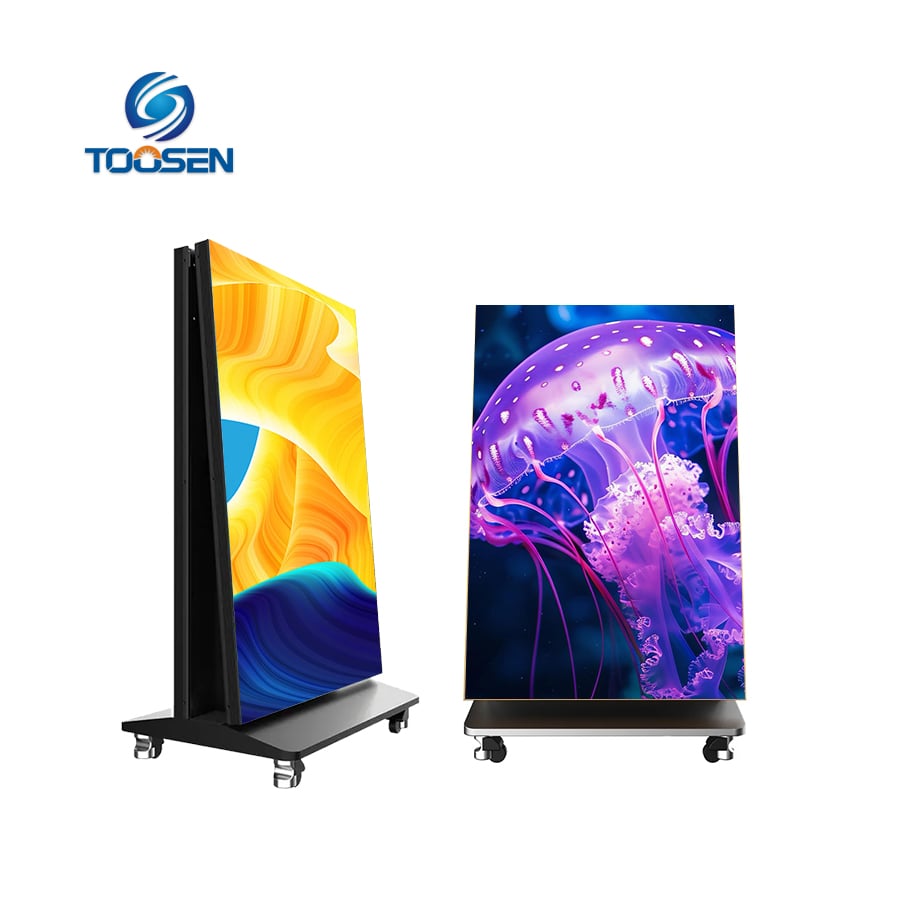
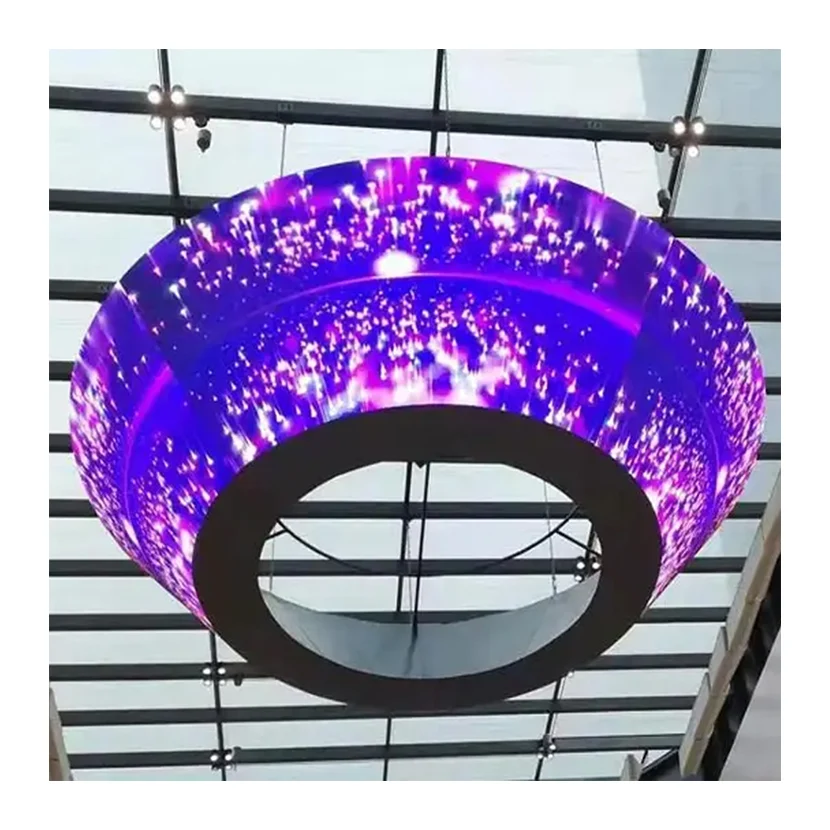
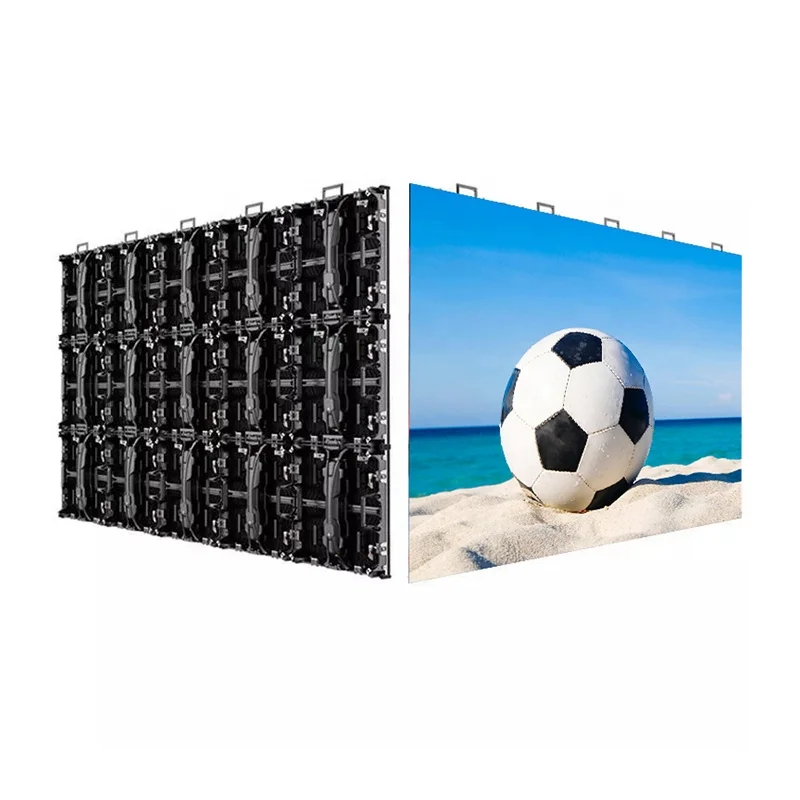
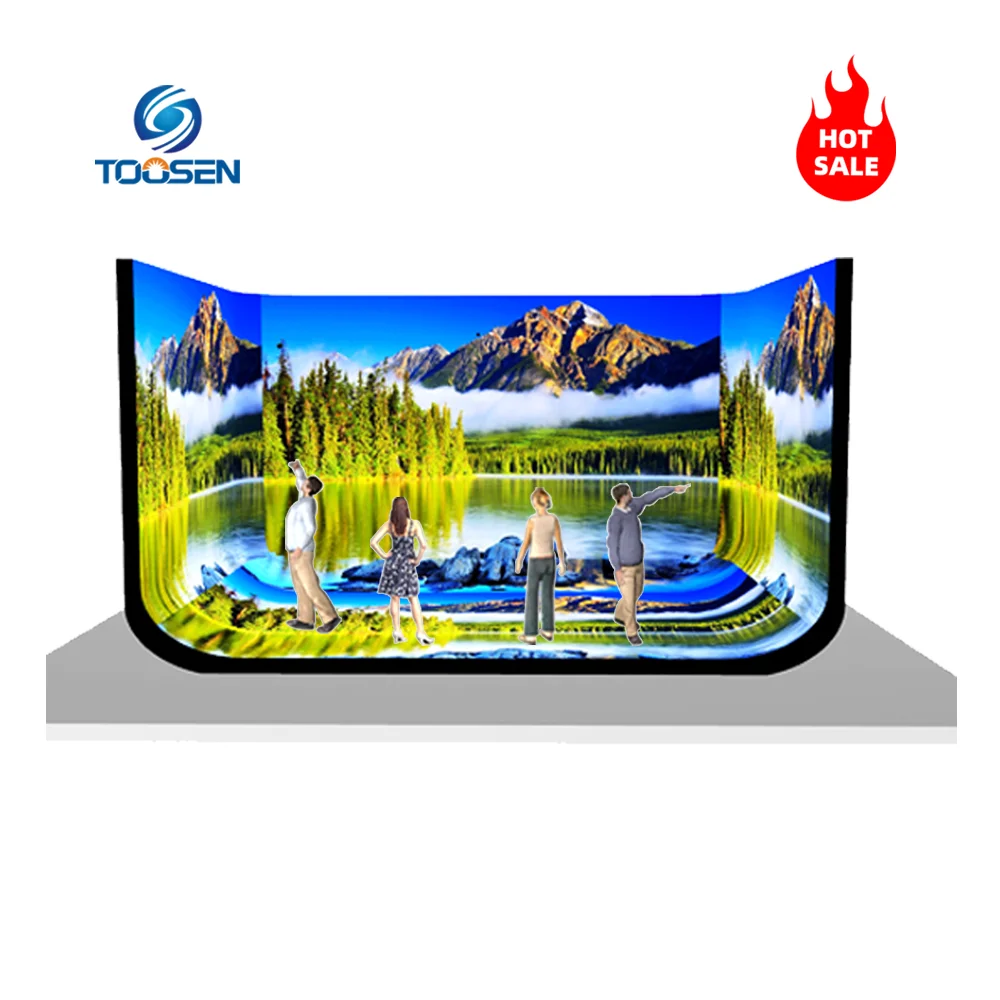
Paredes de vídeo led raramente seguem resoluções-padrão. Ao contrário de TVs ou monitores, frequentemente utilizam dimensões de pixel personalizadas como 624×208 ou proporções ultra-largas, tais como 3:1. Embora essa flexibilidade permita instalações criativas, ela também introduz sérios desafios operacionais.
Um debate no , engenheiros experientes compartilharam como lidam com resoluções "exóticas" de paredes de LED em cenários reais. Os conselhos deles revelam um claro consenso setorial: não lute contra o sistema — adapte seu fluxo de trabalho a ele .
Este guia detalha essas melhores práticas para que você consiga gerenciar resoluções incomuns de LED sem distorção, problemas de dimensionamento ou complicações de sinal.
Um erro comum entre iniciantes é tentar ajustar exatamente a resolução em pixels da parede de LED por meio das configurações de EDID ou de saída.
Na discussão do Reddit, o usuário original tentou enviar uma resolução personalizada (1440×480) para corresponder a uma parede de 624×208 — mas o resultado foi distorcido.
Engenheiros experientes responderam com uma percepção fundamental:
“Utilize uma resolução padrão… e, em seguida, mapeie o conteúdo.”
Por que isso é importante:
Melhor prática: Comece sempre com uma resolução de saída estável e padrão.
Em vez de forçar a parede para corresponder ao seu sinal, inverta o fluxo de trabalho:
Isso não é uma solução alternativa — é assim que os profissionais operam.
criamos o conteúdo para corresponder à rasterização do LED… e depois posicionamo-lo na saída.
Este fluxo de trabalho escala desde:
PRINCIPAL CONCLUSÃO: Trate a parede de LED como uma região mapeada dentro de uma tela de vídeo maior.
Embora seu sinal de saída deva permanecer padrão, seu conteúdo deve corresponder à resolução nativa da parede de LED .
Por exemplo:
Essa abordagem garante:
As orientações do setor reforçam esse ponto:
Melhor prática: Projete para a parede, entregue por meio de um sinal padrão.
Para implementar este fluxo de trabalho, é necessário um software que suporte mapeamento flexível:
Ferramentas comuns:
Da discussão no Reddit:
“Use software para definir a tela correta… e o dimensionamento.”
Essas ferramentas permitem que você:
PRINCIPAL CONCLUSÃO: O software realiza o trabalho de precisão — não confie apenas no hardware.
Muitos processadores LED oferecem recursos de dimensionamento — mas o uso excessivo desses recursos gera problemas:
Em vez disso:
Isso está alinhado com as orientações setoriais mais amplas:
Melhor prática: Mantenha a escalabilidade upstream no seu fluxo de conteúdo.
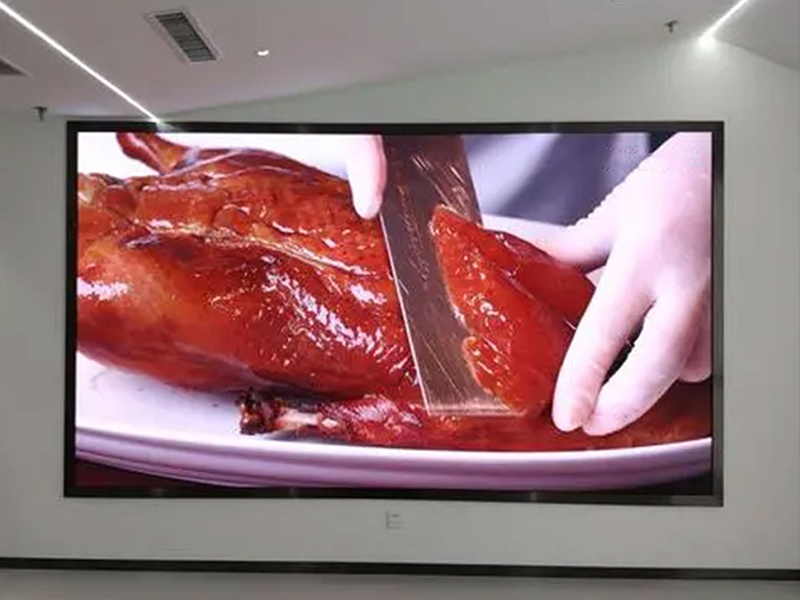
Curiosamente, engenheiros observam que resoluções exóticas raramente são necessárias.
"Apenas… ao atingir os limites de largura de banda do cabo."
Exemplo:
Nesses casos extremos:
PRINCIPAL CONCLUSÃO: Use resoluções exóticas apenas por restrições técnicas — não por conveniência.
Em ambientes profissionais, três equipes devem coordenar:
Como explicou um engenheiro:
“Tudo isso é coordenado entre as equipes… o mesmo fluxo de trabalho em qualquer escala.”
Sem alinhamento, você observará:
Melhor prática: Trate os fluxos de trabalho LED como um sistema, não como tarefas isoladas.
Resumindo o consenso do Reddit em um fluxo de trabalho claro:
Fluxo correto:
Gerenciar resoluções exóticas de paredes de LED não se trata de forçar o hardware a se adaptar — trata-se de projetar um fluxo de trabalho mais inteligente.
Se você tentar igualar tudo ao nível do sinal, encontrará:
Em vez disso, siga a abordagem profissional:
Faça isso, e até a parede de LED mais incomum se torna previsível, escalável e fácil de gerenciar.
 EN
EN
 AR
AR
 BG
BG HR
HR
 CS
CS
 DA
DA
 NL
NL
 FI
FI FR
FR
 DE
DE EL
EL
 HI
HI
 IT
IT JA
JA
 KO
KO
 NO
NO PL
PL PT
PT RO
RO
 RU
RU
 ES
ES
 SV
SV
 TL
TL
 ID
ID
 SR
SR
 UK
UK VI
VI
 ET
ET
 HU
HU
 TH
TH
 TR
TR
 FA
FA
 AF
AF
 MS
MS
 GA
GA
 HY
HY
 AZ
AZ
 MN
MN
 UZ
UZ