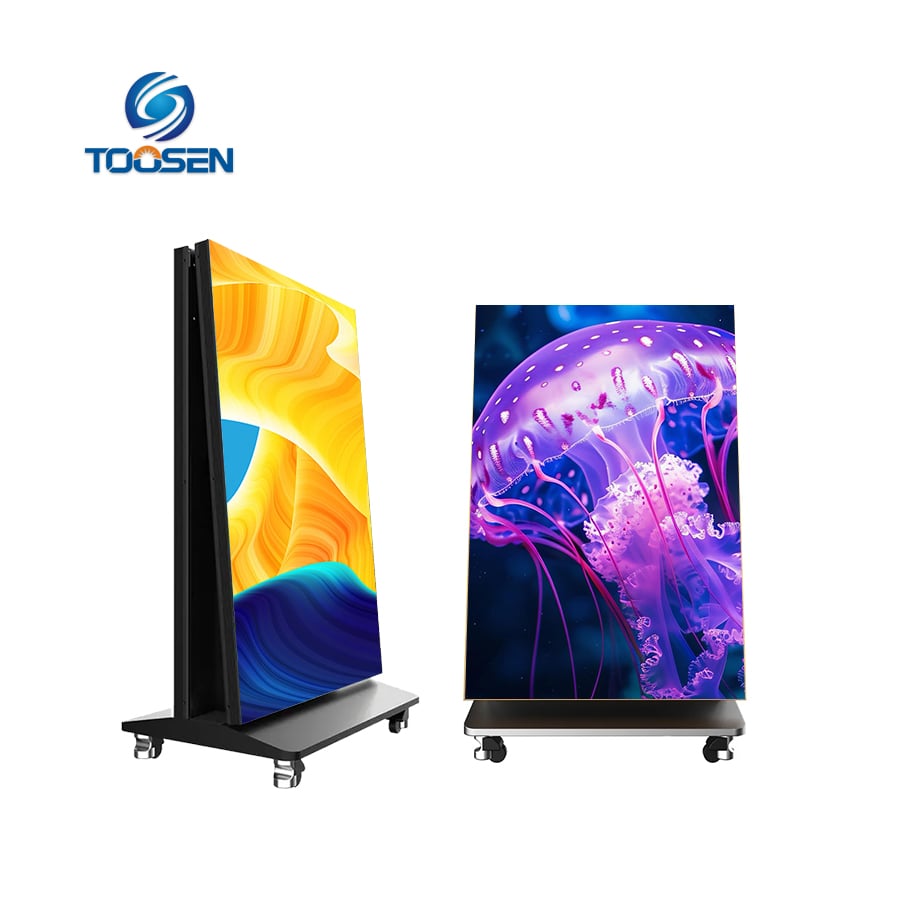
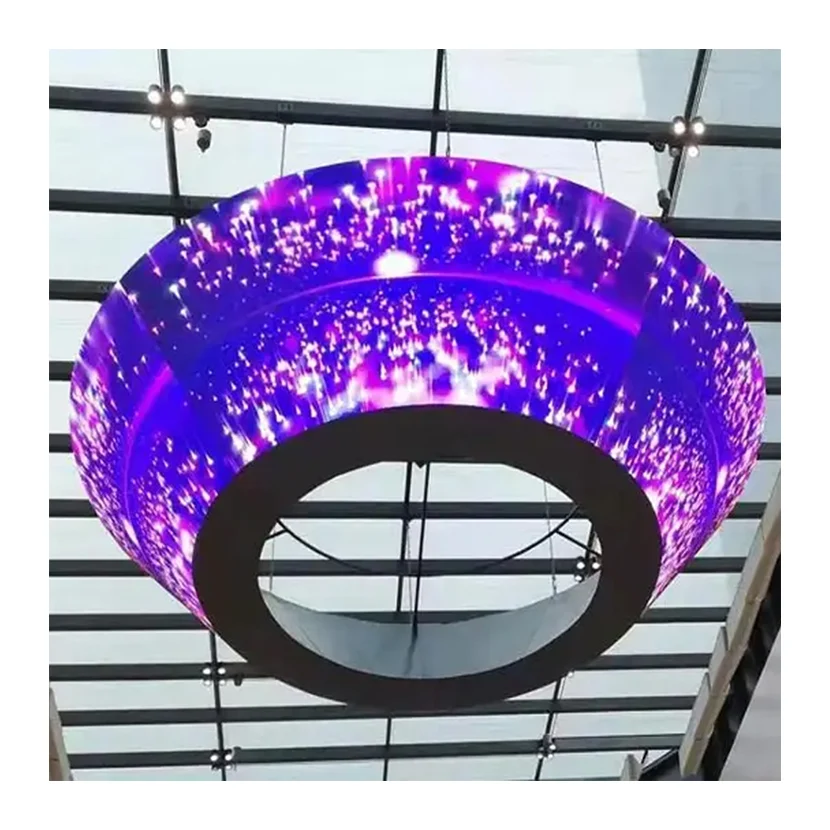
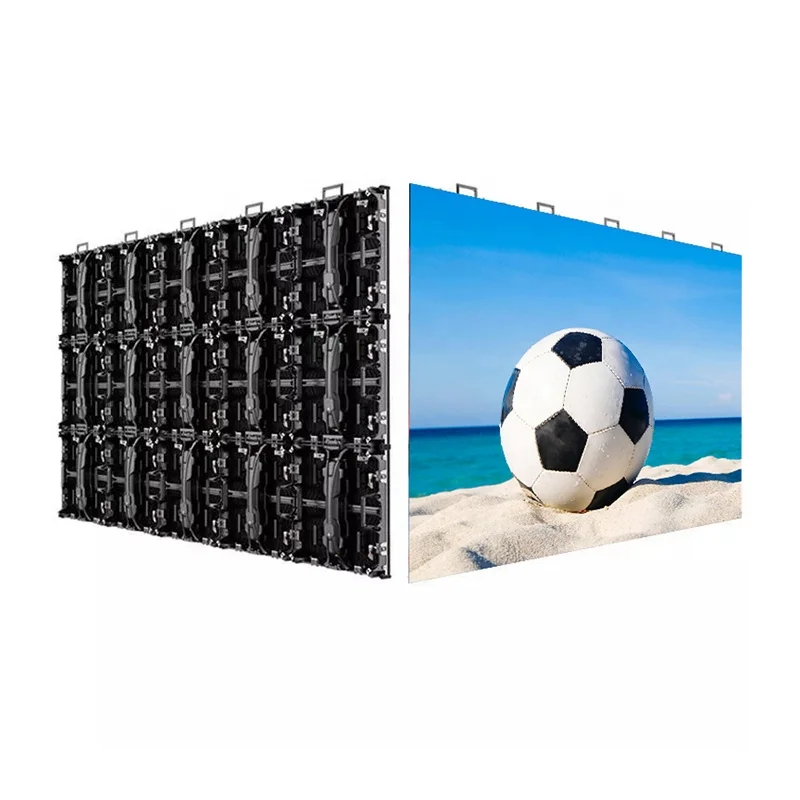
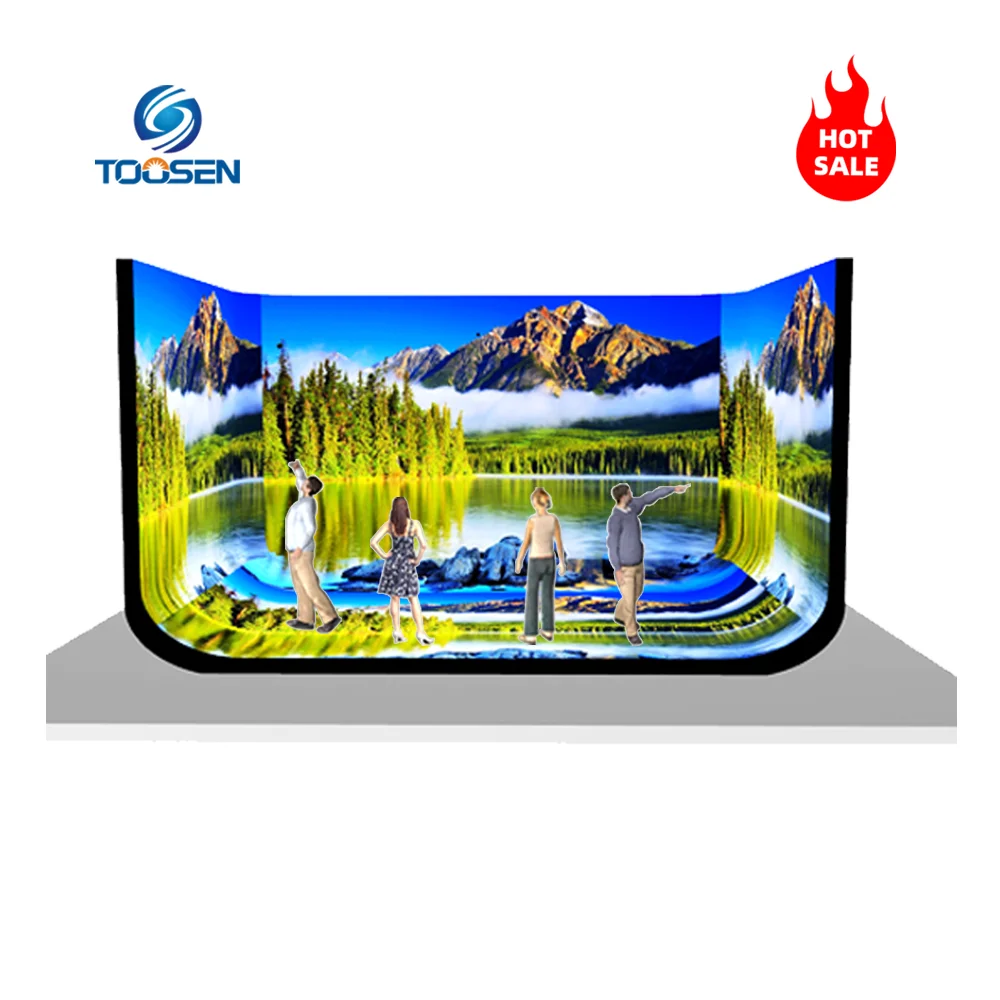
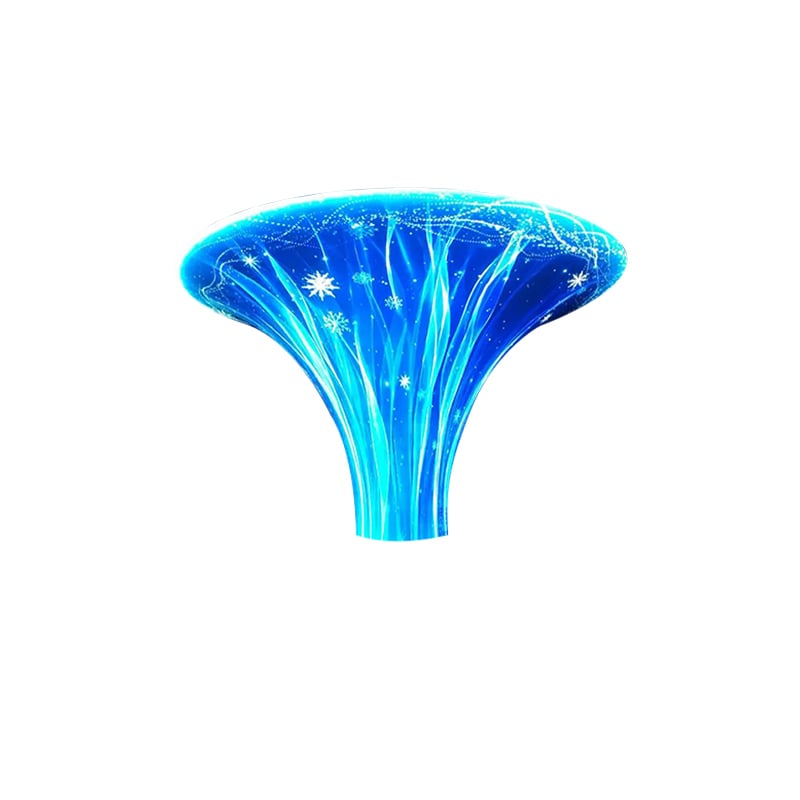
Technologia LED przeszła daleko poza standardowe płaskie panele. Dziś niestandardowe wyświetlacze LED — w tym Sześcienne, kuliste i cylindryczne ekrany LED — przekształcają sposób, w jaki marki, obiekty oraz wydarzenia angażują swoje odbiorców. Te nietypowe formy łamią granice prostokątnych wyświetlaczy, tworząc immersyjne, rzucające się w oczy doświadczenia przyciągające uwagę i wzmocniające przekaz.
W tym artykule omawiamy główne zastosowania tych kreatywnych wyświetlaczy LED oraz wyjaśniamy, dlaczego stają się one pierwszym wyborem w środowiskach wymagających wysokiego wpływu.
1. Sześcienne ekrany LED
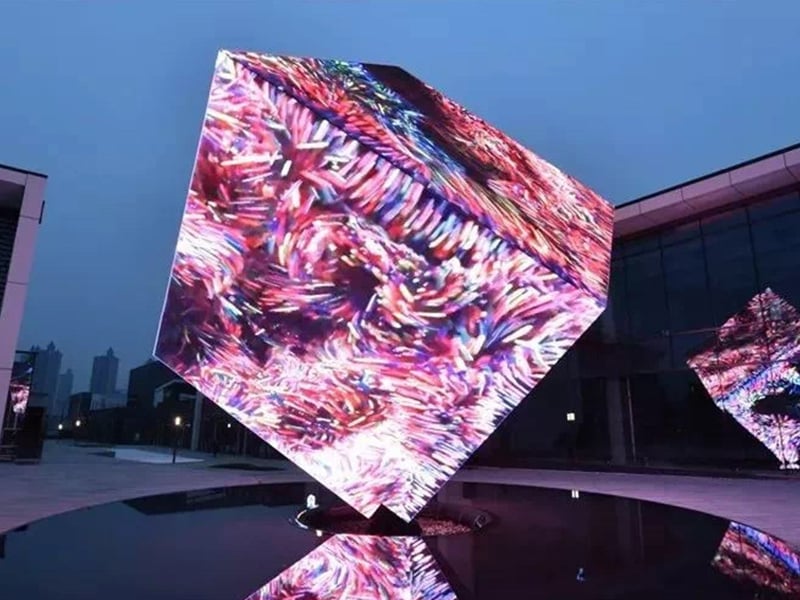
Sześcienne ekrany LED to trójwymiarowe wyświetlacze, które można zawieszać, układać w stosy lub umieszczać jako wolnostojące , zapewniając unikalne, wielokątowe doświadczenie wizualne.
Główne zastosowania:
-
Handel i saloniki wystawowe – Prezentuj produkty lub loga marek z wielu stron jednocześnie.
-
Targi i wystawy – Przyciągaj uwagę na przeciążonych podłogach, wyświetlając dynamiczne wizualizacje widoczne ze wszystkich kierunków.
-
Miejsca rozrywki – Twórz interaktywne instalacje lub centralne elementy podłóg tanecznych reagujące na muzykę lub ruch.
Sześciany są szczególnie skuteczne, ponieważ ich kształt naturalnie zachęca do interakcji i eksploracji ze strony odbiorców, przekształcając biernych widzów w aktywnych uczestników.
2. Sferyczne ekrany LED
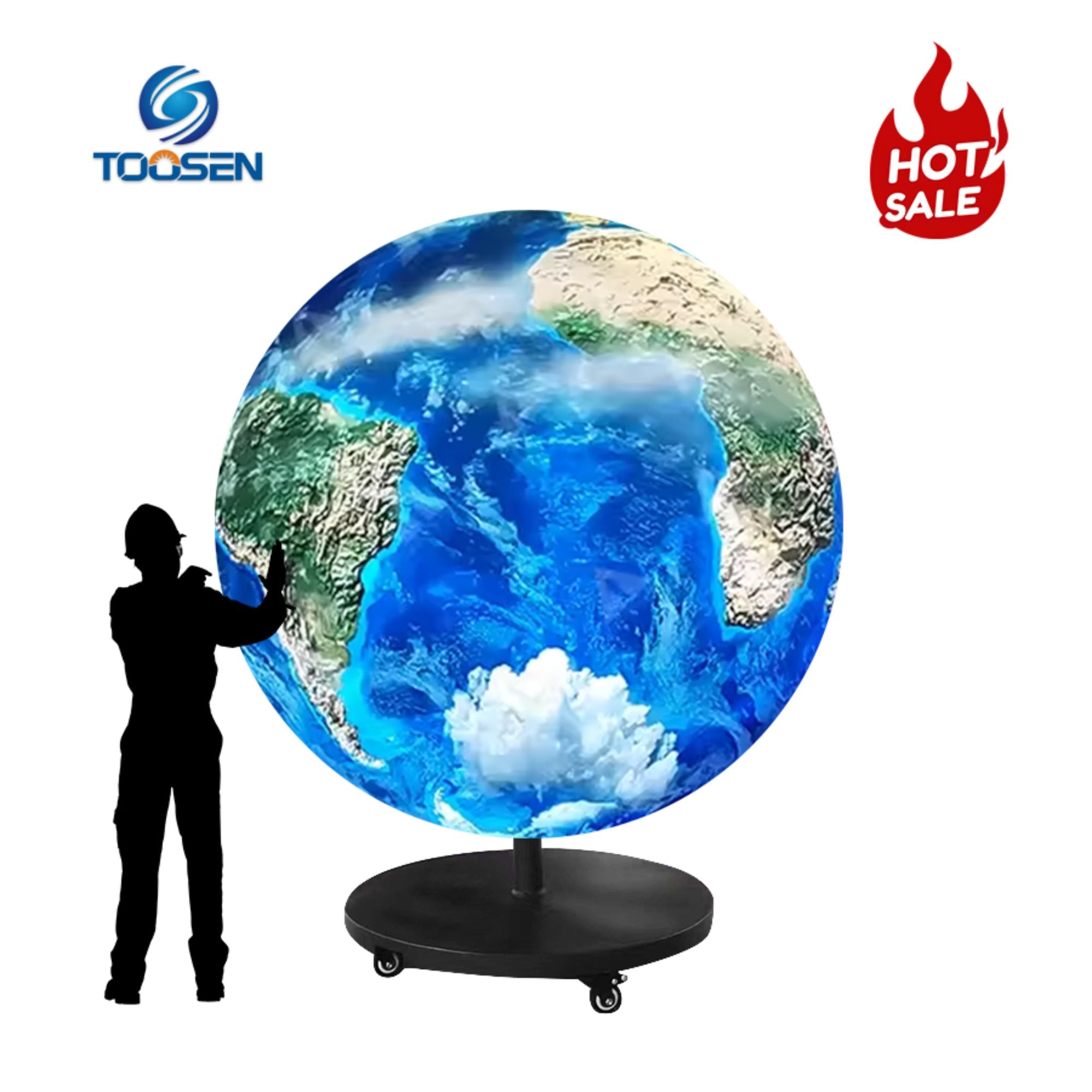
Sferyczne ekrany LED, często nazywane Ekranami LED w kształcie kuli , to całkowicie zaokrąglone ekrany umożliwiające wyświetlanie treści na całej swojej powierzchni .
Dlaczego działają:
- Zapewniają 360 stopni widzenia
- Pozwalają na płynne przepływanie treści po zakrzywionej powierzchni
- Stanowią efektowny element centralny przestrzeni publicznych
Typowe zastosowania:
-
Muzea i centra naukowe – Wizualizacja planet, modeli cząsteczkowych lub immersyjnych treści edukacyjnych.
-
Lobby korporacyjne i przestrzenie markowe – Projekcja logo lub abstrakcyjnych wizualizacji w celu natychmiastowego wywołania wrażenia u gości.
-
Wydarzenia i marketing doświadczeniowy – Tworzenie instalacji generujących „efekt wow”, zachęcających do robienia zdjęć i angażowania społeczności w mediach społecznościowych.
Sfery przekształcają treści w obiekty rzeźbiarskie, łącząc informacje, sztukę i technologię.
3. Cylindryczne ekrany LED
Cylindryczne ekrany otaczają wizualizacje wokół osi pionowej lub poziomej, tworząc panoramę 360 stopni .
Powszechne zastosowania:
-
Kolumny w centrach handlowych lub hotelach – Przekształcają elementy konstrukcyjne w dynamiczne powierzchnie opowiadania historii.
-
Projektowanie sceny i koncertów – Otaczają wykonawców lub scenę grafiką ruchową, zapewniając pełną immersję.
-
Aktywacje Marki – Prezentują cyklicznie odtwarzaną treści, które można oglądać jednocześnie z wielu kątów.
Ekrany cylindryczne są wszechstronne, ponieważ maksymalizują widoczność bez konieczności dodatkowej powierzchni podłogowej , co czyni je idealnym rozwiązaniem dla obszarów o dużym natężeniu ruchu.
4. Zalety nietradycyjnych kształtów
-
Wysoki wpływ wizualny – Nietypowe formy naturalnie przyciągają uwagę.
-
Zanurzające opowiadanie historii – Wyświetlacze obejmujące całą powierzchnię lub wielokątne umożliwiają angażowanie widzów ze wszystkich stron.
-
Optymalizacja przestrzeni – Kreatywne kształty mogą przekształcić istniejące elementy architektoniczne w powierzchnie wyświetlające.
-
Potencjał interaktywności – Wiele instalacji w kształcie sześcianu, kuli lub walca integruje czujniki, śledzenie ruchu lub mapowanie projekcyjne w celu zapewnienia interaktywnych doświadczeń.
5. Uwagi dotyczące projektowania
Aby w pełni wykorzystać nietradycyjne kształty LED:
-
Dopasuj treści specjalnie do danego kształtu – Standardowe filmy nie będą działać bez odpowiedniego mapowania lub deformacji.
-
Weź pod uwagę kąty widzenia i odległość – Upewnij się, że kluczowe wizualizacje są widoczne z wielu punktów widzenia.
-
Zintegruj wspierającą technologię – Czujniki, sterowniki i procesory muszą radzić sobie z unikalną geometrią.
-
Priorytetyzuj bezszwową konstrukcję – Minimalizacja szczelin między panelami jest kluczowa dla zachowania wierności wizualnej.
6. wniosek
Sześcienne, sferyczne i cylindryczne ekrany LED umożliwiają kreatywne możliwości, których nie oferują wyświetlacze płaskie . Podnoszą one jakość doświadczenia marki, przykuwają uwagę odbiorców i przekształcają zwykłe przestrzenie w interaktywne, immersyjne środowiska .
Nie zależnie od zastosowania – w sklepach detalicznych, muzeach, na imprezach czy w produkcji scenicznej – nietypowe wyświetlacze LED są potężne narzędzia do przyciągania uwagi i tworzenia niezapomnianych wrażeń wizualnych .


 EN
EN
 AR
AR
 BG
BG HR
HR
 CS
CS
 DA
DA
 NL
NL
 FI
FI FR
FR
 DE
DE EL
EL
 HI
HI
 IT
IT JA
JA
 KO
KO
 NO
NO PL
PL PT
PT RO
RO
 RU
RU
 ES
ES
 SV
SV
 TL
TL
 ID
ID
 SR
SR
 UK
UK VI
VI
 ET
ET
 HU
HU
 TH
TH
 TR
TR
 FA
FA
 AF
AF
 MS
MS
 GA
GA
 HY
HY
 AZ
AZ
 MN
MN
 UZ
UZ