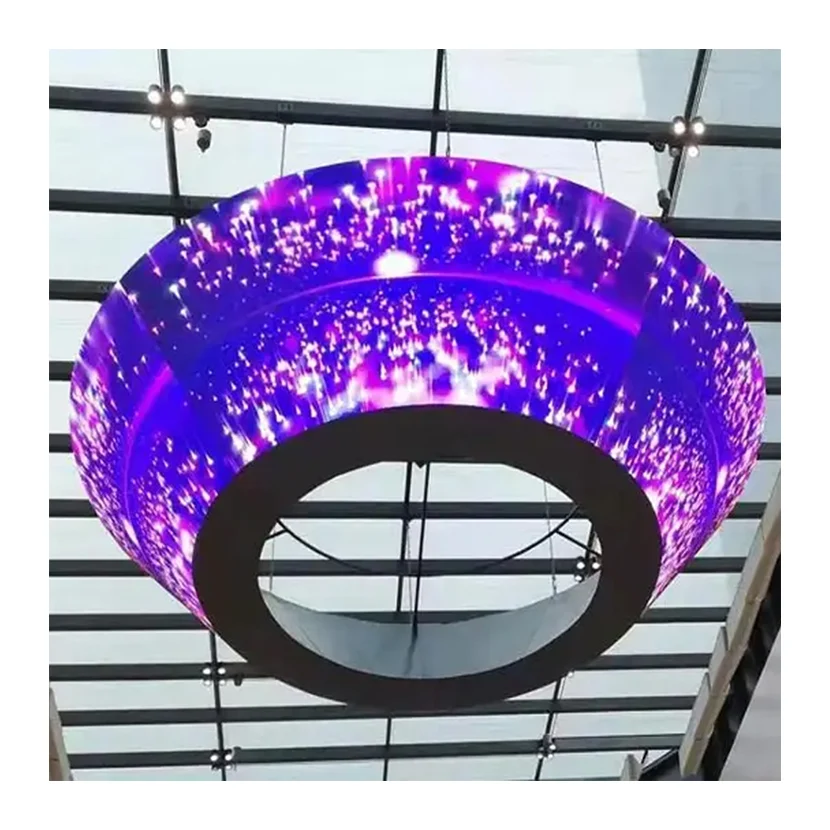
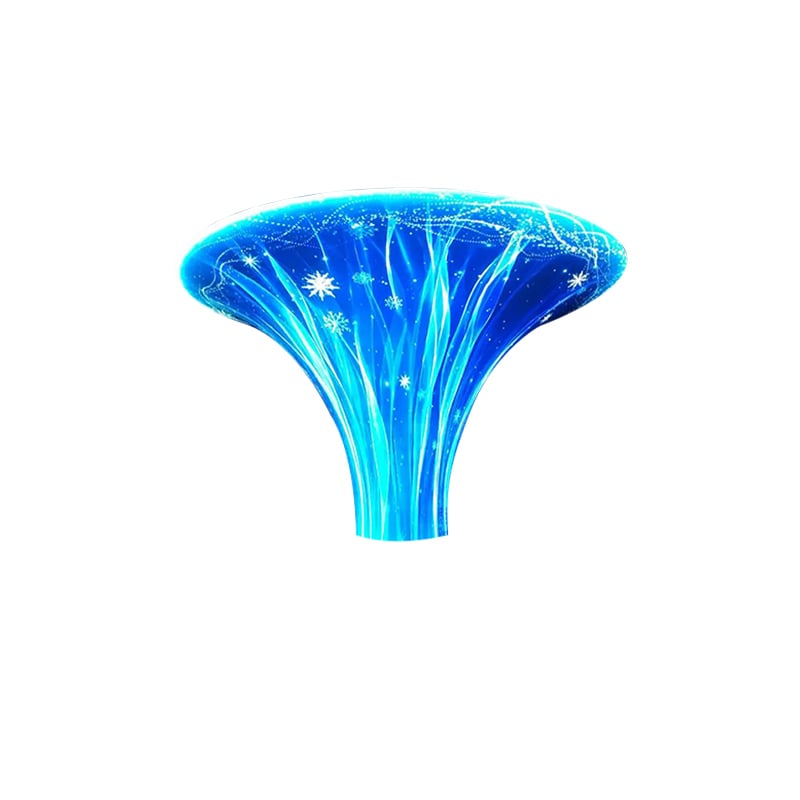
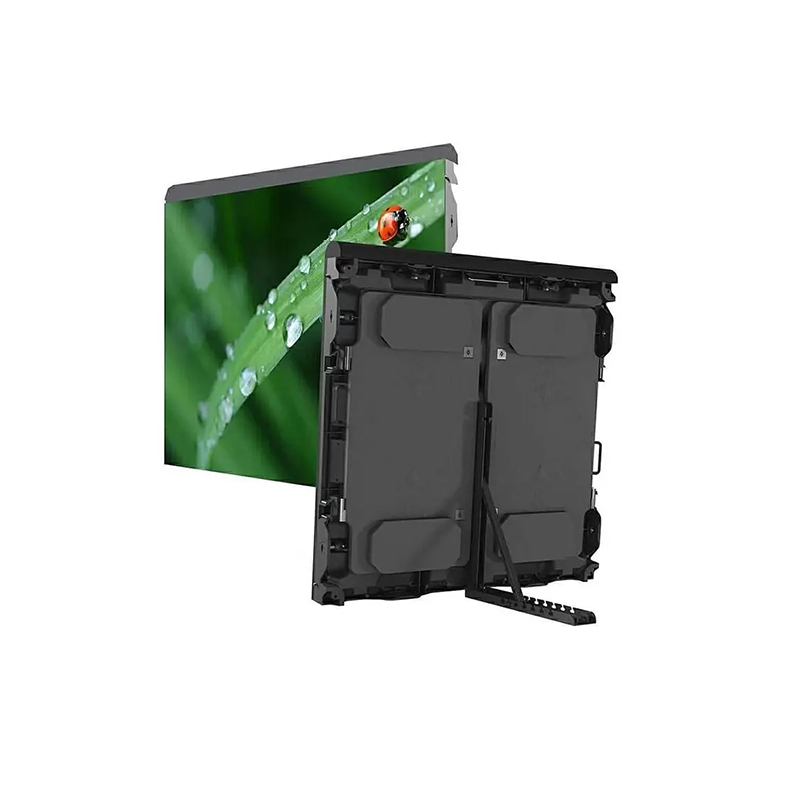
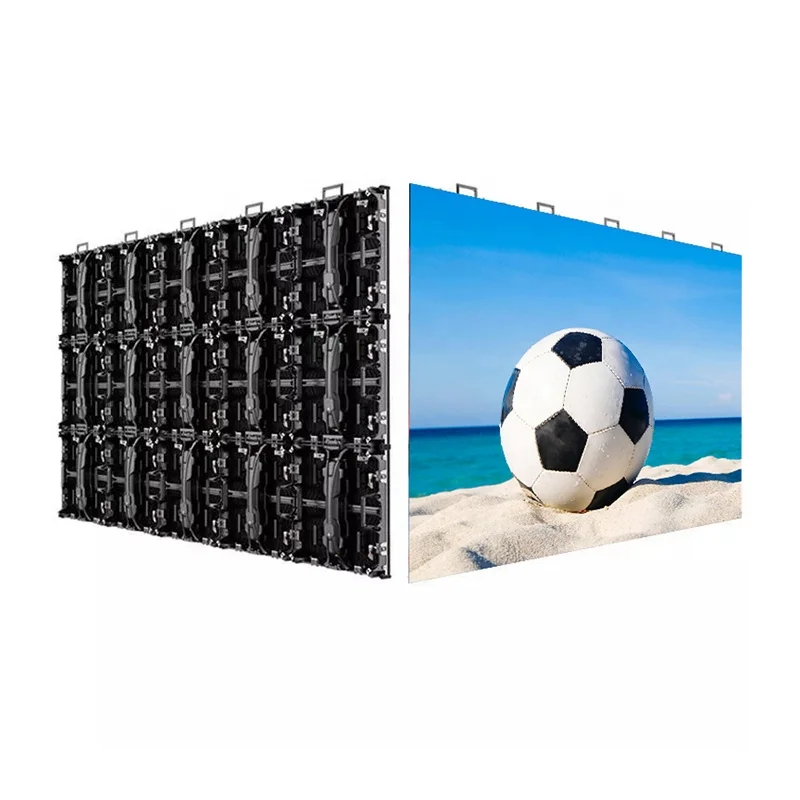
Tworzenie idealnego Wyświetlacz LED w kształcie fali S wymaga więcej niż po prostu wygięcie ekranu. Projektanci muszą wziąć pod uwagę wiele aspektów technicznych, aby zapewnić, że wyświetlacz pozostaje stabilny, bezszwowy i zdolny do prezentowania obrazów w wysokiej rozdzielczości .
Od elastycznych modułów po systemy sterowania — każdy komponent odgrywa kluczową rolę w osiągnięciu płynnego efektu fali przy jednoczesnym zapewnieniu niezawodnej pracy.
Poniżej przedstawiono kluczowe technologie oraz kwestie projektowe leżące u podstaw udanego S-kształtnego taśmowego wyświetlacza LED.
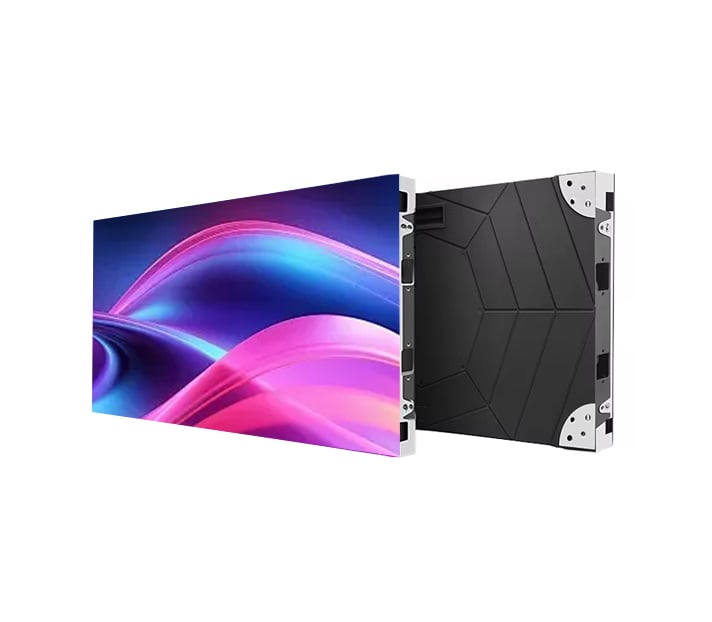
Elastyczne moduły LED stanowią fizyczny fundament każdej instalacji wyświetlacza LED o kształcie fali.
W przeciwieństwie do tradycyjnych paneli LED opartych na sztywnych płytkach PCB z szkłotkaniny elastyczne moduły LED wykorzystują Płytki FPC (elastyczne obwody drukowane) . Producenti łączą te obwody z maskami silikonowymi oraz elastycznymi podstawowymi obudowami , co pozwala każdemu modułowi giąć się bez uszkadzania elementów elektronicznych.
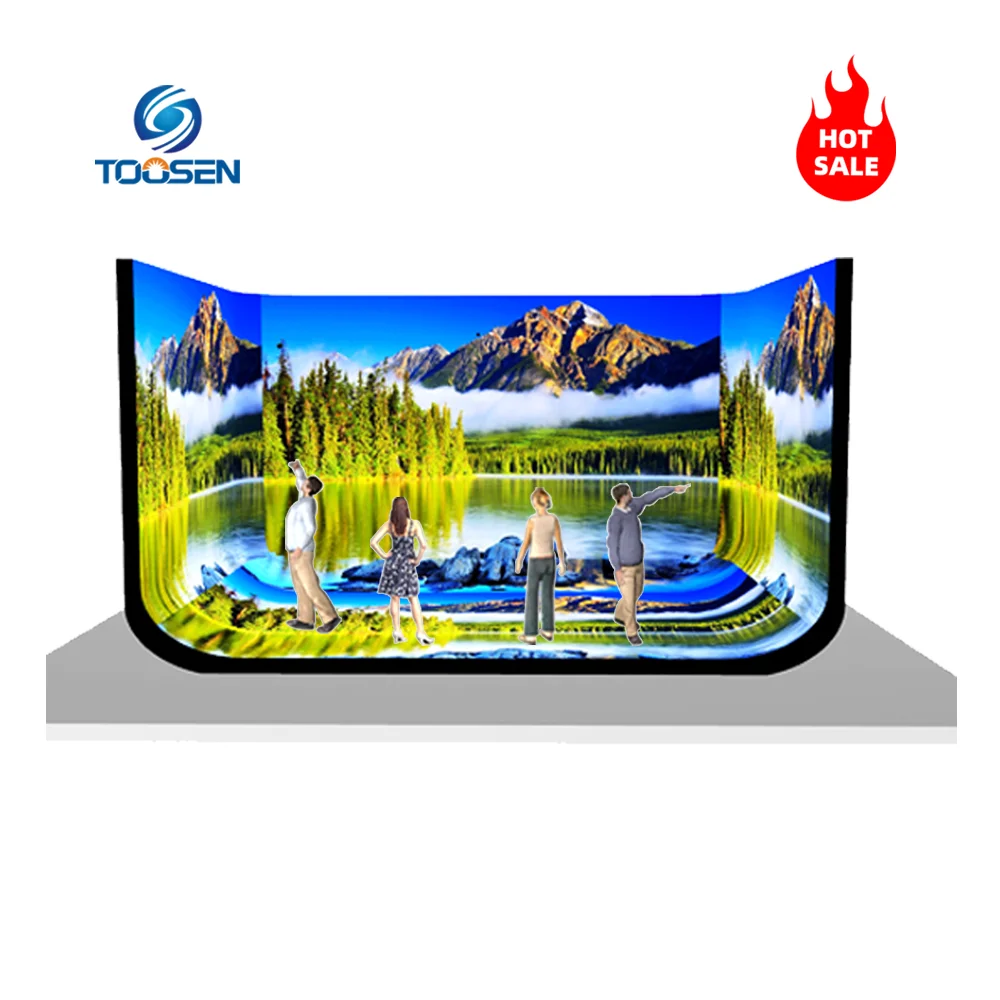
Typowy elastyczny moduł może wytrzymać kąty gięcia do 30 stopni , co umożliwia tworzenie złożonych kształtów, takich jak:
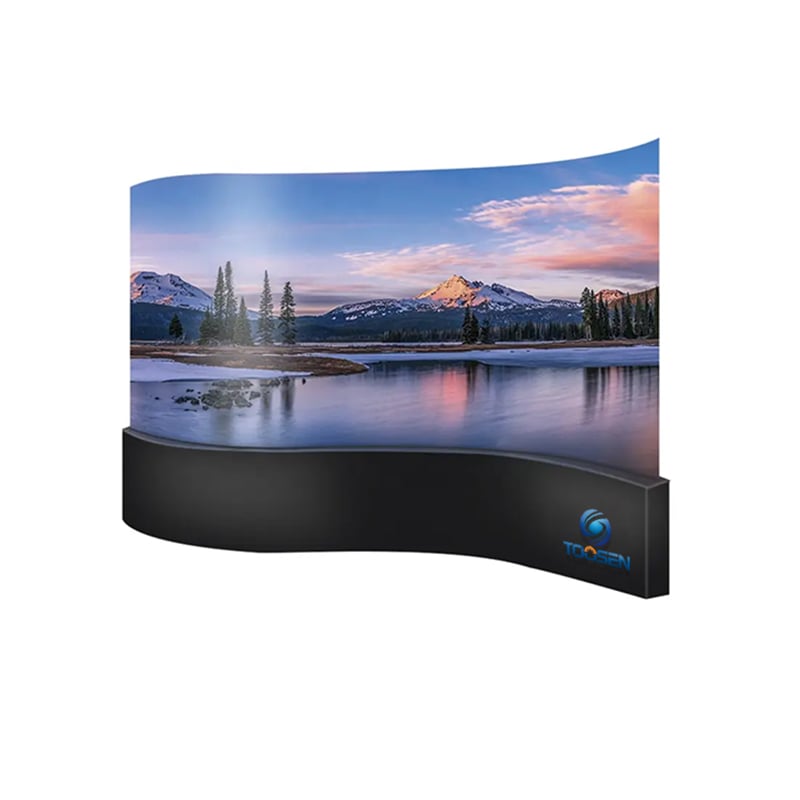
Fale w kształcie litery S
zgięte wstążki
powierzchnie cylindryczne
płynne formy architektoniczne
Bez modułów elastycznych stworzenie płynnych, zakrzywionych wyświetlaczy byłoby skrajnie trudne.
Po wybraniu modułów elastycznych inżynierowie muszą zaprojektować modułowy system konstrukcyjny obsługujący pożądany kształt.
Większość wyświetlaczy LED w kształcie litery S wykorzystuje systemy montażu magnetycznego lub niestandardowe zatrzaski blokujące do mocowania poszczególnych modułów do specjalnie zaprojektowanej ramy. Takie podejście modułowe dzieli cały wyświetlacz na małe, łatwe w obsłudze komponenty.
W rezultacie instalatorzy mogą:
dokładnie odwzorowywać złożone krzywizny
osiągnąć bezszwowe połączenia między modułami
zachować gładką i płaską powierzchnię wyświetlacza
To rozwiązanie zapewnia również architektom i projektantom większą swobodę w tworzeniu unikalnych struktur wizualnych.
Poprawny montaż odgrywa kluczową rolę w zapewnieniu stabilności falistych wyświetlaczy LED.
Zanim rozpocznie się budowa, inżynierowie zazwyczaj korzystają z oprogramowania do modelowania 3D w celu symulacji kształtu ekranu oraz ustalenia dokładnego położenia każdego modułu. Podczas montażu zespoły często wykorzystują technologię pozycjonowania laserowego w celu zapewnienia precyzyjnego wyrównania.
Dodatkowo większość projektów wykorzystuje lekkie konstrukcje aluminiowe lub niestandardowe ramy stalowe jako szkielet nośny.
Elastyczne moduły są zazwyczaj o 20–40 % lżejsze niż tradycyjne szafki LED , co znacznie zmniejsza obciążenie konstrukcji budynku. Ta zaleta czyni elastyczne wyświetlacze LED odpowiednimi do zastosowań w miejscach, gdzie ograniczenia związane z masą są kluczowe.
Ponieważ wyświetlacze LED o falistym kształcie zawierają wiele powierzchni zakrzywionych, kąt widzenia może się różnić w różnych częściach ekranu. Bez odpowiedniej kalibracji ta różnica może prowadzić do niespójności jasności lub barw.
Aby rozwiązać ten problem, zaawansowane systemy sterowania LED umożliwiają niezależne sterowanie każdym modułem .
Korzystając ze specjalizowanych kart nadawczych i odbiorczych, technicy mogą przeprowadzać kalibrację na poziomie pikseli w celu dostosowania jasności i kolorów na całym ekranie.
Ten proces zapewnia, że nawet silnie zakrzywione obszary zachowują jednolitą jasność, dokładne kolory oraz płynne przejścia wizualne .
Konserwacja może być trudna w przypadku specjalnych kształtów instalacji LED, ponieważ dostęp do tylniej strony wyświetlacza jest często ograniczony.
Dlatego wiele elastycznych wyświetlaczy LED wykorzystuje moduły serwisowe z magnetycznym montażem od strony czołowej . Technicy mogą usuwać i wymieniać moduły bezpośrednio od strony czołowej ekranu, co znacznie ułatwia konserwację.
Innym ważnym czynnikiem jest trwałość na zginanie wysokiej jakości elastyczne moduły LED poddawane są wielokrotnym testom zginania, a dojrzałe produkty zwykle wytrzymują ponad 20 000 cykli zginania bez uszkodzenia.
Ta trwałość zapewnia niezawodność wyświetlacza nawet w instalacjach, w których moduły są często regulowane.
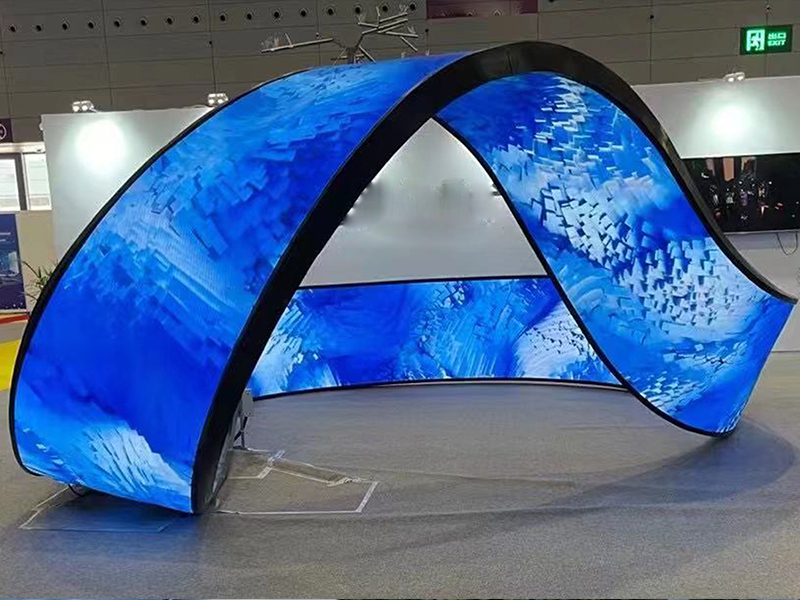
Przy planowaniu projektu wyświetlacza LED o falistym kształcie litery S należy zwrócić uwagę na kilka parametrów technicznych.
The minimalny promień gięcia jest to jeden z najważniejszych specyfikacji. Wskazuje on, jak ściśle można zgiąć moduł bez uszkodzenia jego konstrukcji.
Producenci zazwyczaj podają tę wartość za pomocą R (promienia) .
Mniejsza wartość R oznacza, że moduł może tworzyć ostrzejsze krzywizny , co jest kluczowe w projektach obejmujących ostre zakręty lub małe struktury cylindryczne.
Rozstaw pikseli określa rozdzielczość oraz optymalną odległość obserwacji ekranu.
Na przykład:
P2 działa dobrze przy odległościach obserwacji wynoszących około 3 metry , co czyni go odpowiednim do zastosowania w centrach handlowych lub halach wystawowych.
P1,8 lub mniejszy zapewnia wyższą rozdzielczość i lepiej sprawdza się przy środowiska bliskiego zasięgu , takie jak muzea lub wysokiej klasy instalacje wewnętrzne.
Wybór odpowiedniego skoku pikseli zapewnia, że ekran pozostaje ostry i wizualnie komfortowy.
Wymagania dotyczące jasności zależą w dużej mierze od środowiska instalacji.
Typowe zalecenia obejmują:
Wyświetlacze wewnętrzne: 800–1500 nitów
Środowiska półzewnętrzne (np. witryny sklepowe lub jasne atria): wyższe poziomy jasności
Instalacje zewnętrzne: Wyświetlacze LED o minimalnej jasności Ochrona IP65 zapobiega przed dostaniem się pyłu i wody
Właściwa jasność oraz klasy ochrony zapewniają, że ekran pozostaje widoczny i trwały w różnych warunkach.
Budowa wysokiej jakości wyświetlacza LED o falistym kształcie litery S wymaga starannej koordynacji między elastycznymi modułami, projektem konstrukcyjnym, systemami montażu oraz technologią sterowania .
Gdy inżynierowie prawidłowo połączą te elementy, mogą stworzyć dynamiczne wyświetlacze zapewniające zarówno wrażenie wizualne, jak i długotrwałą niezawodność .
Firmy takie jak TOOSEN skupiamy się na dostosowanych rozwiązaniach z wykorzystaniem wyświetlaczy LED, w tym elastycznych taśmowych wyświetlaczy LED przeznaczonych do kreatywnych zastosowań architektonicznych i scenicznych. Te systemy pozwalają projektantom przekształcać zwykłe przestrzenie w immersyjne cyfrowe środowiska z płynnymi, falistymi wizualizacjami .
 EN
EN
 AR
AR
 BG
BG HR
HR
 CS
CS
 DA
DA
 NL
NL
 FI
FI FR
FR
 DE
DE EL
EL
 HI
HI
 IT
IT JA
JA
 KO
KO
 NO
NO PL
PL PT
PT RO
RO
 RU
RU
 ES
ES
 SV
SV
 TL
TL
 ID
ID
 SR
SR
 UK
UK VI
VI
 ET
ET
 HU
HU
 TH
TH
 TR
TR
 FA
FA
 AF
AF
 MS
MS
 GA
GA
 HY
HY
 AZ
AZ
 MN
MN
 UZ
UZ