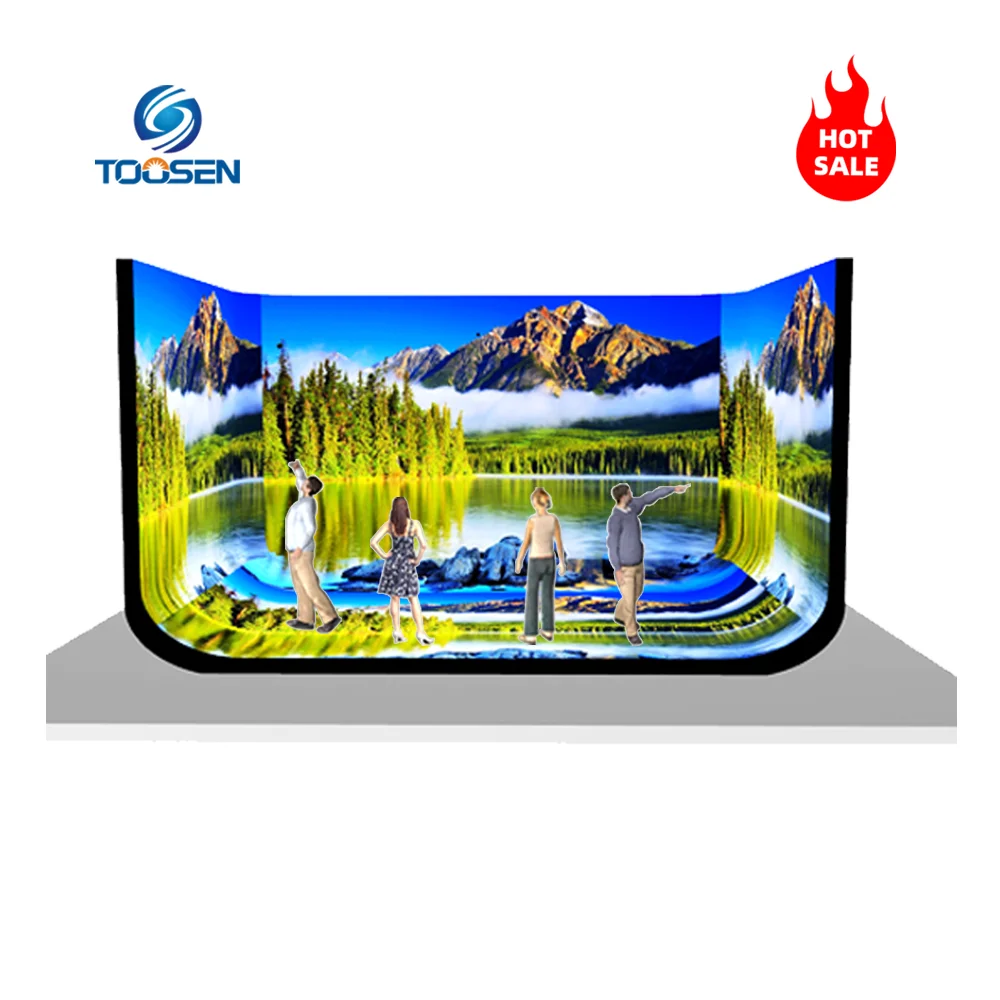
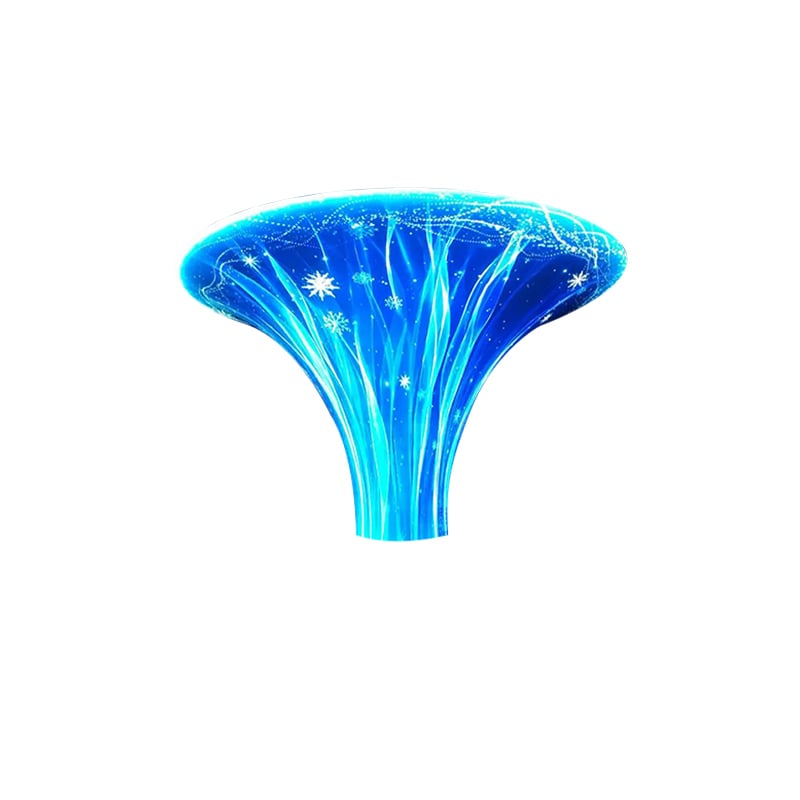
Når du installerer en stor LED-skjerm —enten for en konsert, et kjøpesenter eller et utendørs reklamepanel—bestemmer riggsystemet hvor trygt og stabilt skjermen din vil være. LED-skjerm-rigg henviser til det komplette settet med bærende og koblingsutstyr som brukes til å løfte, suspendere, sikre og støtte LED-paneler. I praksis danner det den strukturelle ryggraden i enhver suspendert eller hevet LED-installasjon.
Et godt designet riggsystem gjør mer enn bare å «holde oppe» skjermen. Det påvirker direkte sikkerheten, ytelsen og installasjonseffektiviteten.
Først og fremst bærer riggen hele vekten av LED-kabinettene, modulene, strømforsyningene og kablene. Et riktig dimensjonert system forhindrer overlast og strukturell svikt.
I tillegg holder riggen displayet stabilt. Den minimerer sving, kantning og forskyvning—selv i miljøer med vind, vibrasjoner eller folkemengders bevegelser.
I tillegg kan installatører justere høyde, justering og betraktningsvinkler nøyaktig. Denne nøyaktigheten sikrer optimal visuell ytelse og sømløs skjermintegrasjon.
For leie-, scene- og utstillingsbruk tillater riggsystemer rask montering og demontering. Som et resultat sparer team tid og reduserer arbeidskostnadene.
En komplett riggoppsett kombinerer flere spesialiserte komponenter. Hver spiller en spesifikk rolle når det gjelder lastfordeling og kobling.
Produsenter lager vanligvis disse av polyester med høy styrke. De er lette, fleksible og milde mot LED-kabinettene. Vanlige lastklasser varierer fra 1 til 5 tonn.
For tyngre eller langsiktige installasjoner gir stålkabler overlegen styrke og holdbarhet. De tåler høyere laster og er slitesterke over tid.
Installatører bruker kardanringar til å kople sammen løfteremmer, hevepunkter og strukturelle element. Desse koplingane sikrar trygg og pålitelig tilkopling.
Desse er festa til toppen av LED-kabinett, anten sveidd eller skrudd. Dei utgjer spesifikke festepunkt for heving og oppheng.
Aluminiumstrusser utgjer det primære bærende ramma. Dei fordeler vekta jevnt og støttar komplekse konfigurasjonar.
Desse komponentane festar direkte LED-kabinetta og koplar dei til truss-systemet.
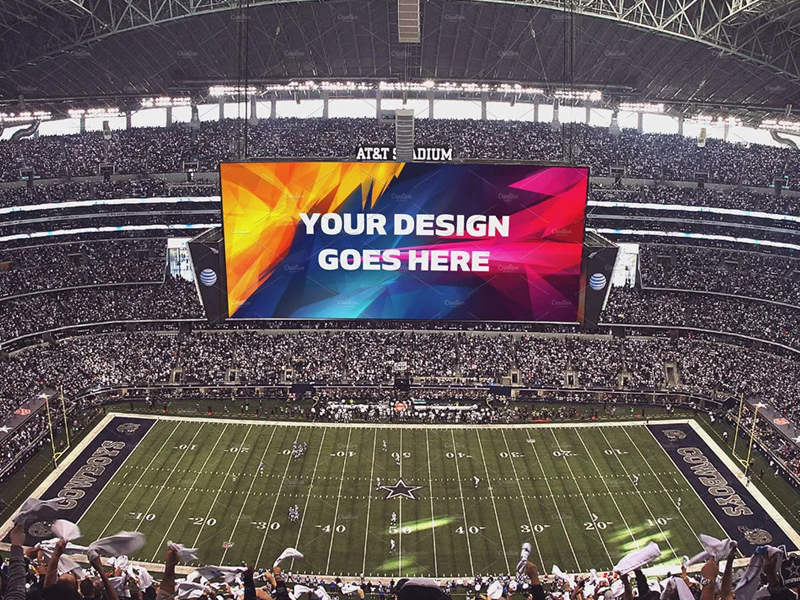
LED-rigging-systemer støttar eit breitt spekter av installasjonar:
For å sikre sikkerhet og ytelse, følg disse viktige retningslinjene:
Velg alltid heisutstyr basert på en sikkerhetsfaktor på 1:5 til 1:8 i forhold til den totale skjermvekten. Denne marginen tar hensyn til dynamiske belastninger og uventede spenninger.
Hvert rigging-komponent må oppfylle anerkjente sikkerhetsstandarder. Inspeer regelmessig for slitasje, deformasjon og korrosjon.
Sertifiserte teknikere skal håndtere installasjon, justering og endelig inspeksjon. Denne trinnet reduserer betydelig driftsrisikoen.
Oppsummert er rigging av LED-skjermer ikke bare et tilbehør – det er et kritisk ingeniørsystem som sikrer sikkerhet, stabilitet og effektivitet. Uansett om du planlegger en permanent installasjon eller en midlertidig arrangementoppstilling, vil investering i riktig rigging-løsning beskytte både utstyret ditt og publikummet ditt.
Med mer enn ti års erfaring spesialiserer Toosen seg på tilpassede LED-displayløsninger, spesielt kreative og uregelmessig formede skjermer. Fra innledende design til endelig levering fokuserer teamet på pålitelighet, fleksibilitet og langsiktig servicestøtte.
 EN
EN
 AR
AR
 BG
BG HR
HR
 CS
CS
 DA
DA
 NL
NL
 FI
FI FR
FR
 DE
DE EL
EL
 HI
HI
 IT
IT JA
JA
 KO
KO
 NO
NO PL
PL PT
PT RO
RO
 RU
RU
 ES
ES
 SV
SV
 TL
TL
 ID
ID
 SR
SR
 UK
UK VI
VI
 ET
ET
 HU
HU
 TH
TH
 TR
TR
 FA
FA
 AF
AF
 MS
MS
 GA
GA
 HY
HY
 AZ
AZ
 MN
MN
 UZ
UZ