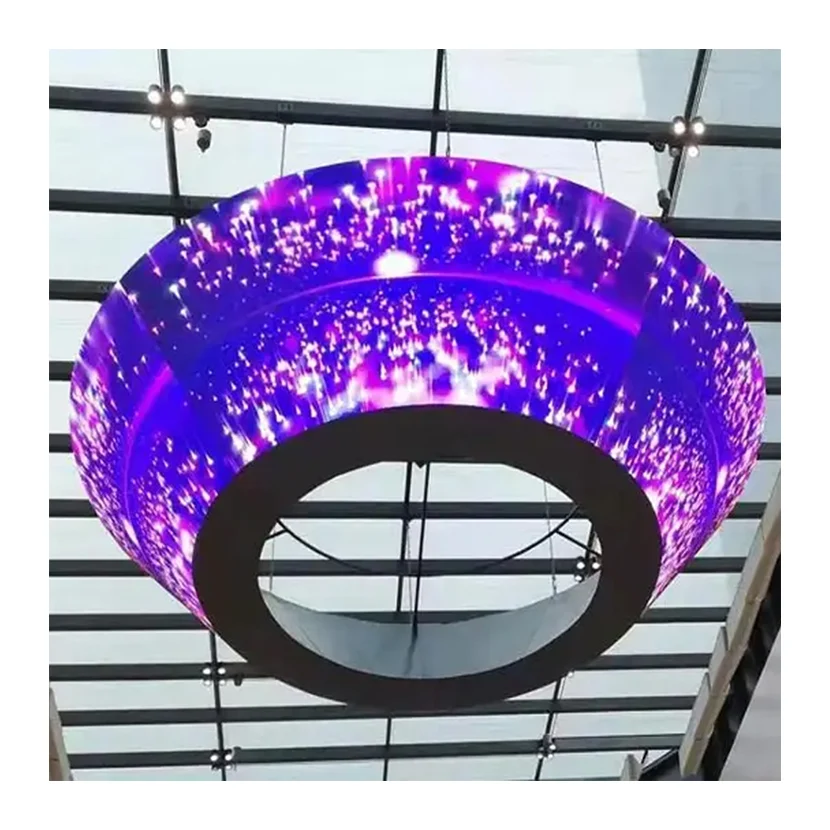
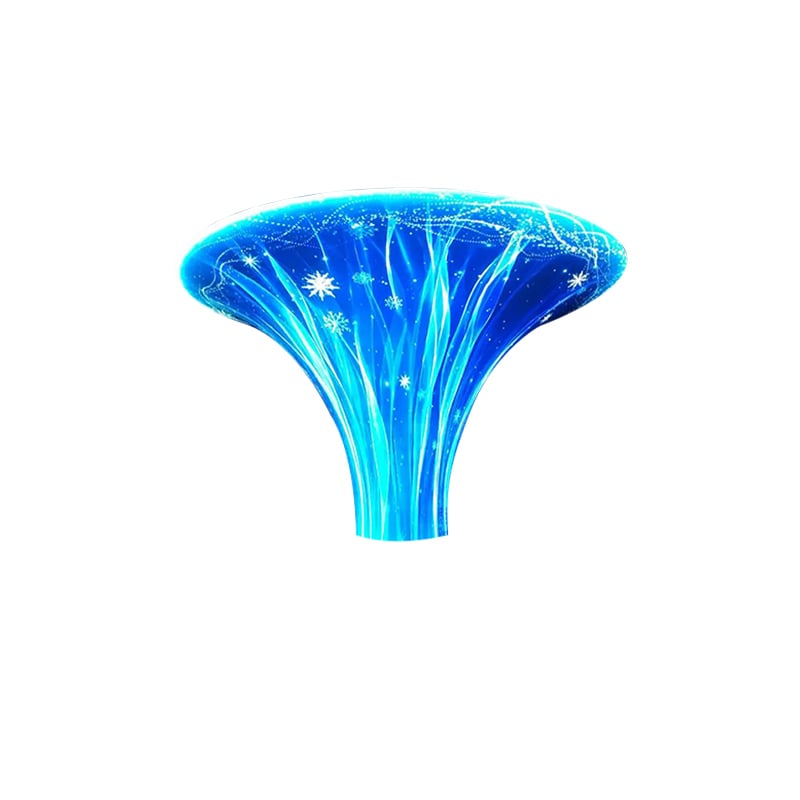
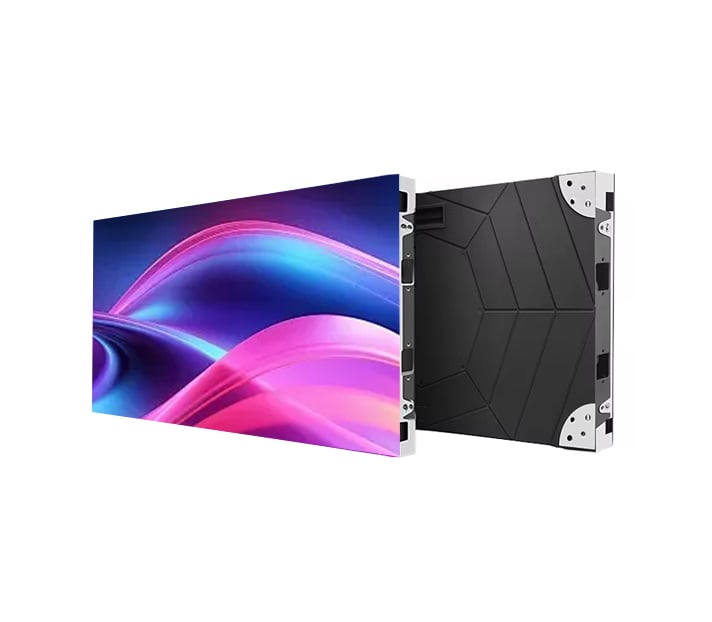
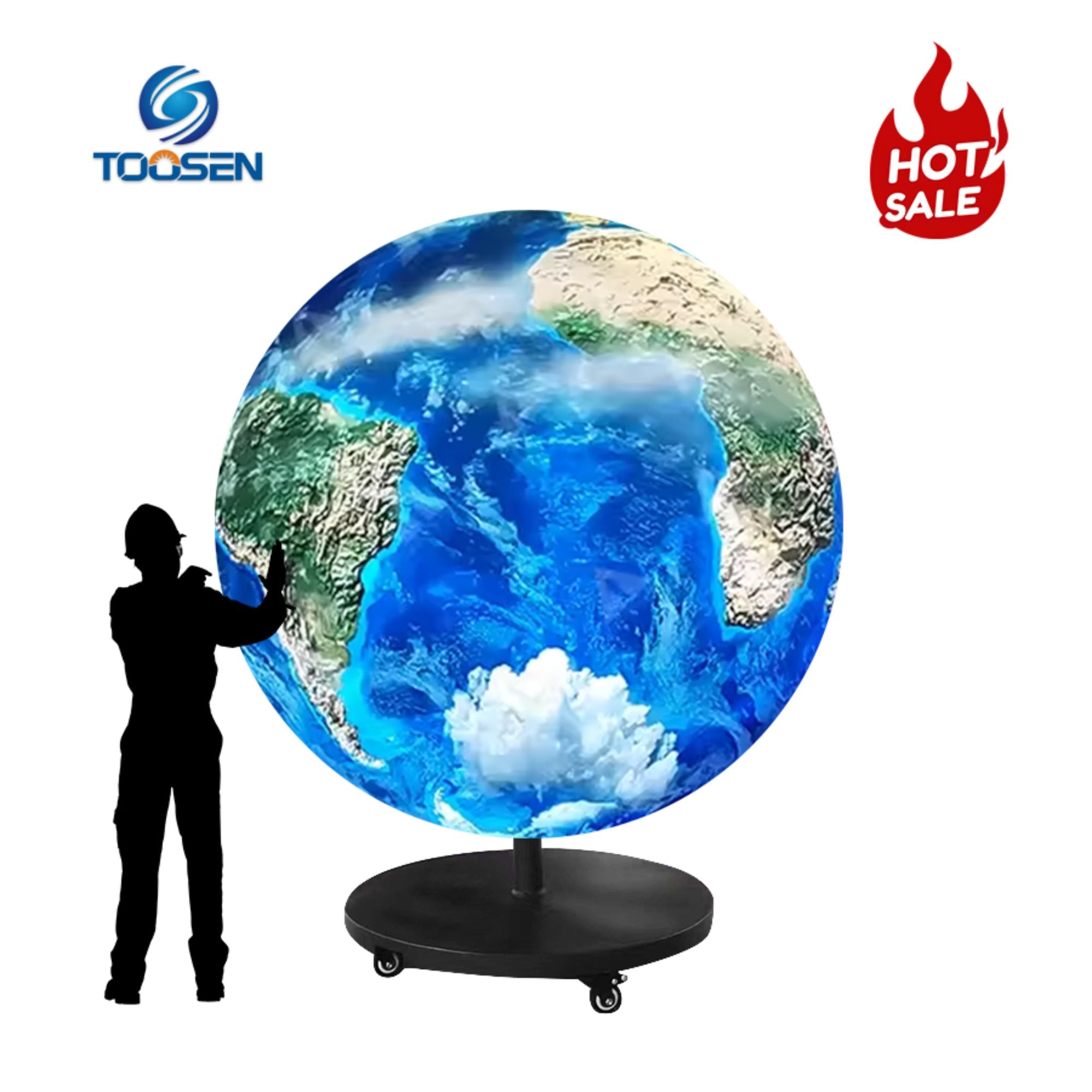
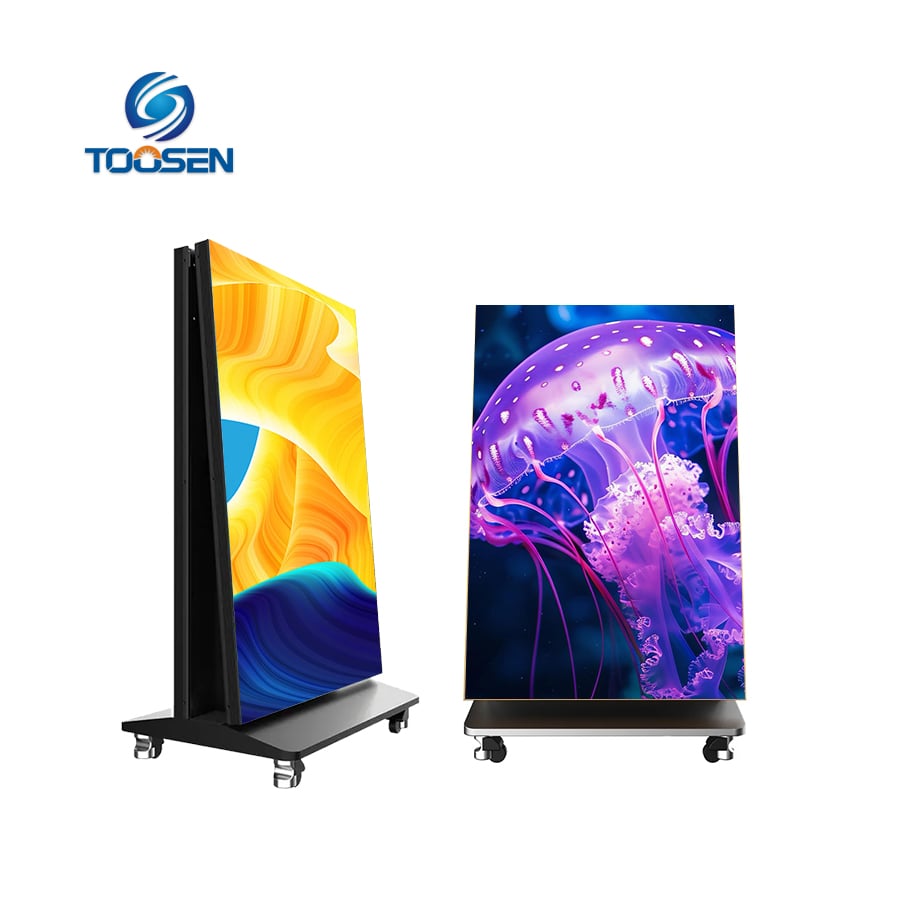
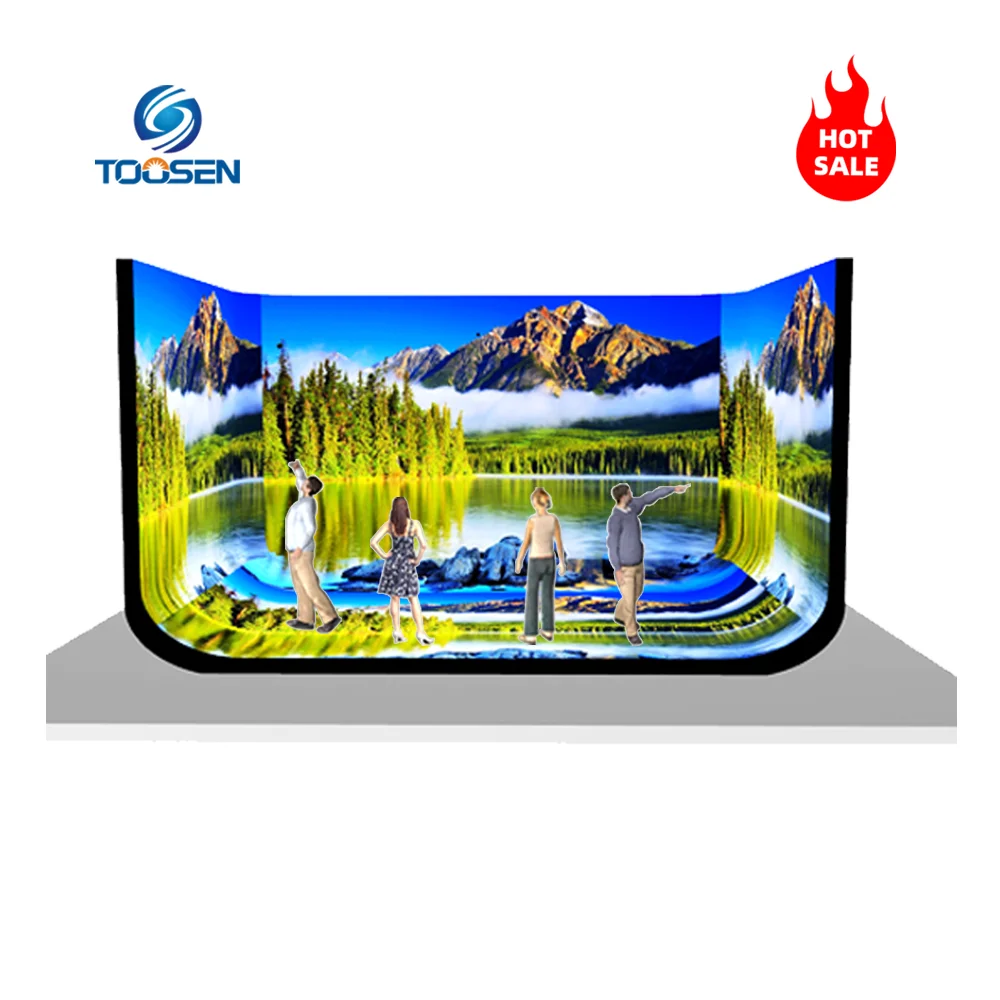
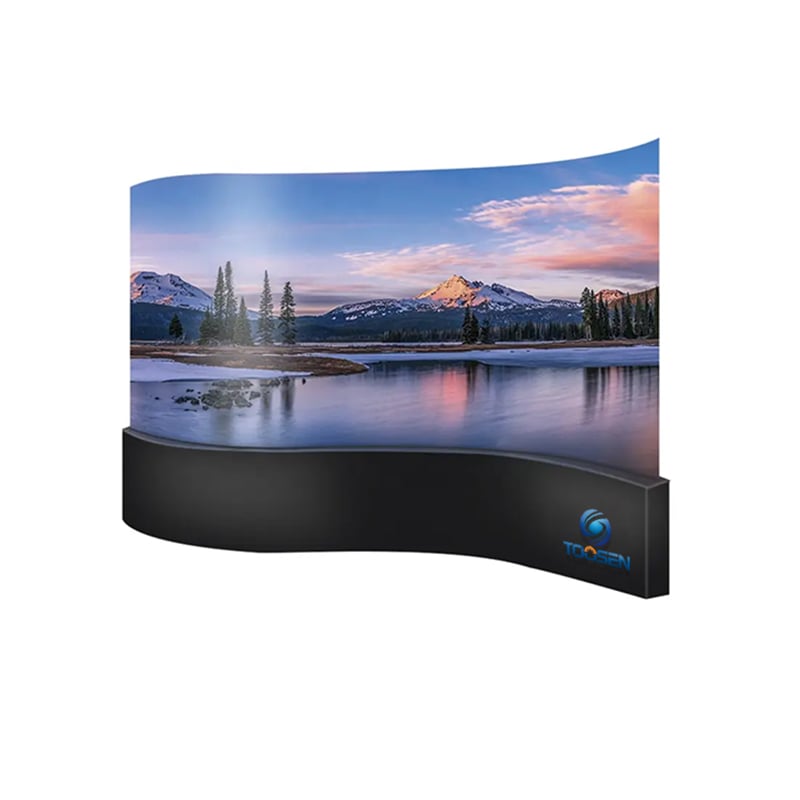
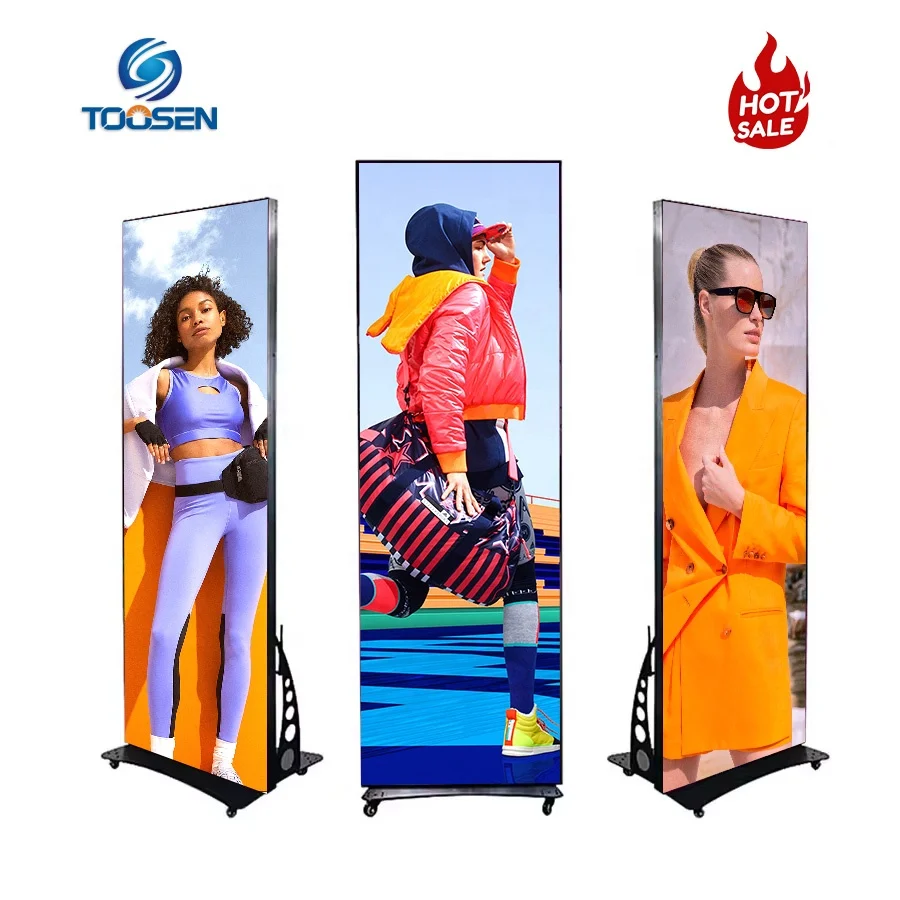
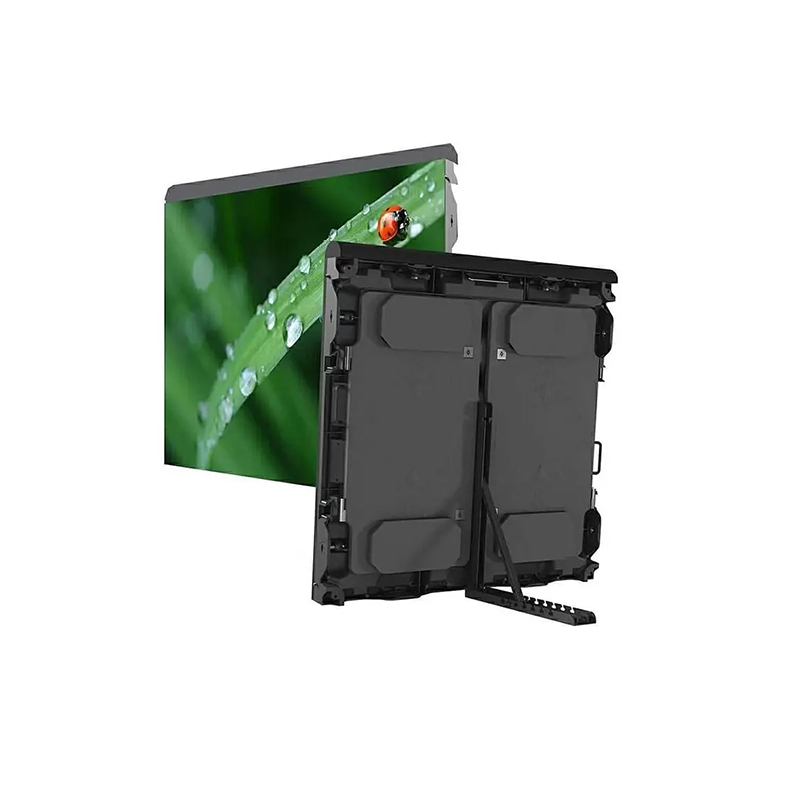
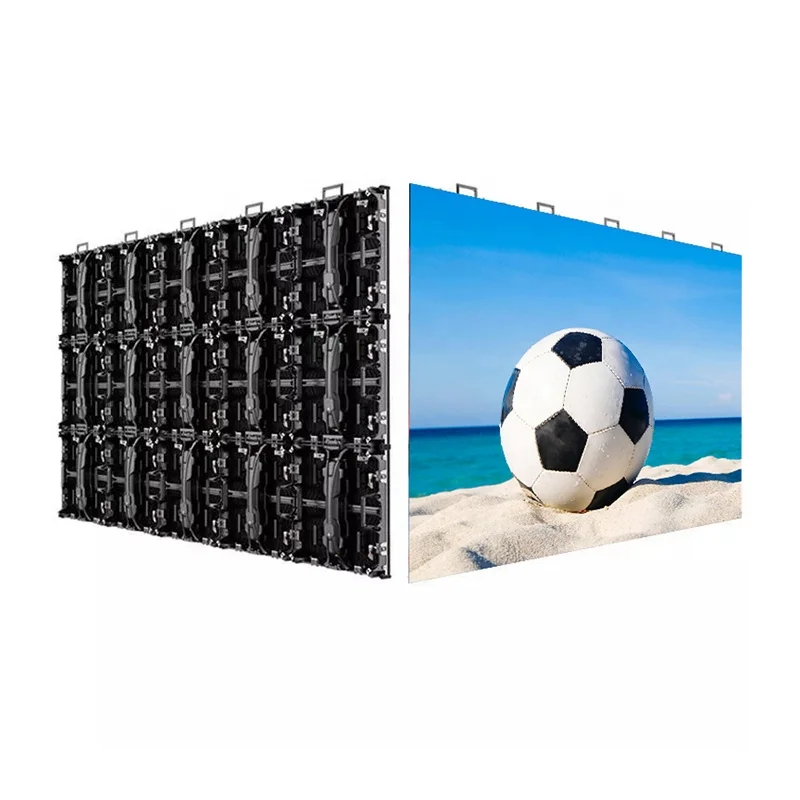
Het creëren van een perfecte LED-weergave met S-vormige golf vereist meer dan alleen een scherm buigen. Ontwerpers moeten meerdere technische aspecten overwegen om ervoor te zorgen dat het beeldscherm stabiel, naadloos en in staat blijft om high-definitionbeelden weer te geven .
Van flexibele modules tot besturingssystemen speelt elk onderdeel een essentiële rol bij het bereiken van een vloeiend golf-effect, terwijl betrouwbare prestaties worden gehandhaafd.
Hieronder staan de belangrijkste technologieën en ontwerpoverwegingen die ten grondslag liggen aan een succesvolle S-vormige lint-LED-display.
Flexibele LED-modules vormen de fysieke basis van elke LED-installatie met golfvorm.
In tegenstelling tot traditionele LED-panelen die afhankelijk zijn van stijve glasvezel-printplaten (PCB) gebruiken flexibele LED-modules FPC (Flexibele geprinte circuit) boards . Fabrikanten combineren deze circuits met siliconenmaskers en flexibele basisbehuizingen , waardoor elke module kan buigen zonder de elektronica te beschadigen.
Een typische flexibele module kan buighoeken tot 30 graden aan, wat het mogelijk maakt complexe vormen te vormen zoals:
S-vormige golven
gebogen linten
cilindrische oppervlakken
vloeiende architectonische vormen
Zonder flexibele modules zou het uiterst moeilijk zijn om vloeiend gebogen beeldschermen te maken.
Nadat flexibele modules zijn geselecteerd, moeten ingenieurs een modulair constructiesysteem ontwerpen dat de gewenste vorm ondersteunt.
De meeste S-vormige LED-beeldschermen gebruiken magnetische bevestigingssystemen of aangepaste vergrendelingsclips om individuele modules aan een speciaal ontworpen frame te bevestigen. Deze modulaire aanpak verdeelt het gehele beeldscherm in kleine, beheersbare componenten.
Installateurs kunnen daarom:
nauwkeurig complexe bochten volgen
naadloze verbindingen tussen modules bewerkstelligen
een glad en vlak beeldvlak behouden
Dit ontwerp biedt architecten en ontwerpers ook meer vrijheid om unieke visuele structuren te creëren.
Een juiste installatie speelt een cruciale rol bij het waarborgen van de stabiliteit van LED-schermen met golfvorm.
Voordat de bouw begint, gebruiken ingenieurs doorgaans 3D-modelleringssoftware om de schermvorm te simuleren en de exacte plaatsing van elke module te bepalen. Tijdens de installatie vertrouwen teams vaak op lasertechnologie voor positionering om een nauwkeurige uitlijning te garanderen.
Bovendien gebruiken de meeste projecten lichtgewicht aluminiumconstructies of aangepaste stalen frames als dragend skelet.
Flexibele modules zijn doorgaans 20–40% lichter dan traditionele LED-kasten , wat de belasting op de gebouwstructuur aanzienlijk vermindert. Dit voordeel maakt flexibele LED-schermen geschikt voor locaties waar gewichtsbeperkingen van cruciaal belang zijn.
Aangezien golfvormige LED-schermen bestaan uit meerdere gebogen oppervlakken, kan de kijkhoek variëren over verschillende delen van het scherm. Zonder juiste calibratie kan deze variatie leiden tot ongelijkmatigheden in helderheid of kleur.
Om dit probleem op te lossen, stellen geavanceerde LED-besturingssystemen onafhankelijke besturing van elke module .
Met behulp van gespecialiseerde verzendkaarten en ontvangstkaarten kunnen technici pixelniveau-calibratie uitvoeren om de helderheid en kleur over het gehele scherm aan te passen.
Dit proces zorgt ervoor dat zelfs sterk gebogen gebieden uniforme helderheid, nauwkeurige kleuren en vloeiende visuele overgangen .
Onderhoud kan uitdagend worden bij LED-installaties met een speciale vorm, omdat er vaak beperkte toegang is tot de achterzijde van het display.
Daarom gebruiken veel flexibele LED-displays magnetische modules voor onderhoud vanaf de voorkant . Technici kunnen modules direct vanaf de voorkant van het scherm verwijderen en vervangen, wat het onderhoud aanzienlijk vereenvoudigt.
Een andere belangrijke factor is buigduurzaamheid . Hoogwaardige flexibele LED-modules ondergaan herhaalde buigtests, en volwassen producten kunnen doorgaans meer dan 20.000 buigcycli zonder uitval weerstaan.
Deze duurzaamheid garandeert dat het display betrouwbaar blijft, zelfs bij installaties waarbij modules regelmatig worden aangepast.
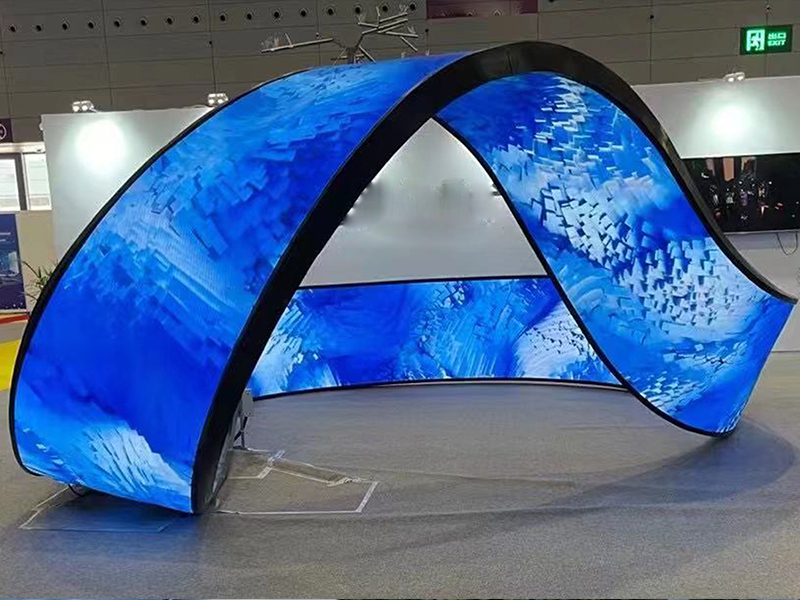
Bij het plannen van een S-vormig golfvormig LED-displayproject moeten meerdere technische parameters zorgvuldig worden bekeken.
De minimale buigstraal is een van de belangrijkste specificaties. Deze geeft aan hoe strak een module kan buigen zonder de constructie te beschadigen.
Fabrikanten geven deze waarde meestal aan met behulp van R (straal) .
Een kleinere R-waarde betekent dat de module kan maken scherpere bochten , wat essentieel is voor ontwerpen met strakke bochten of kleine cilindrische structuren.
De pixelafstand bepaalt de resolutie en optimale kijkafstand van het display.
Bijvoorbeeld:
P2 werkt goed bij kijkafstanden van ongeveer 3 meter , waardoor het geschikt is voor winkelcentra of expositiehallen.
P1,8 of kleiner biedt een hogere resolutie en werkt beter voor omgevingen op korte afstand , zoals musea of high-end binneninstallaties.
Het selecteren van de juiste pixelafstand zorgt ervoor dat het scherm scherp blijft en visueel comfortabel is.
De vereisten voor helderheid hangen sterk af van de installatieomgeving.
Typische aanbevelingen zijn:
Binnenbeeldschermen: 800–1500 nits
Semi-buitenomgevingen (zoals winkelramen of lichte atria): hogere helderheidsniveaus
Buiteninstallaties: LED-beeldschermen met ten minste IP65 bescherming om stof en water te weerstaan
Een adequate helderheid en beschermingsclassificatie zorgen ervoor dat het scherm onder verschillende omstandigheden zichtbaar en duurzaam blijft.
Het bouwen van een hoogwaardig LED-display met een S-vormige golf vereist zorgvuldige afstemming tussen flexibele modules, constructieontwerp, installatiesystemen en besturingstechnologie .
Wanneer ingenieurs deze elementen correct combineren, kunnen zij dynamische displays creëren die zowel visuele impact als langetermijnbetrouwbaarheid bieden .
Bedrijven zoals TOOSEN richt zich op afgestemde LED-displayoplossingen, waaronder flexibele lint-LED-schermen die zijn ontworpen voor creatieve architectonische en podiuminstallaties. Deze systemen stellen ontwerpers in staat om gewone ruimtes te transformeren tot immersieve digitale omgevingen met vloeiende, golfvormige visuals .
 EN
EN
 AR
AR
 BG
BG HR
HR
 CS
CS
 DA
DA
 NL
NL
 FI
FI FR
FR
 DE
DE EL
EL
 HI
HI
 IT
IT JA
JA
 KO
KO
 NO
NO PL
PL PT
PT RO
RO
 RU
RU
 ES
ES
 SV
SV
 TL
TL
 ID
ID
 SR
SR
 UK
UK VI
VI
 ET
ET
 HU
HU
 TH
TH
 TR
TR
 FA
FA
 AF
AF
 MS
MS
 GA
GA
 HY
HY
 AZ
AZ
 MN
MN
 UZ
UZ