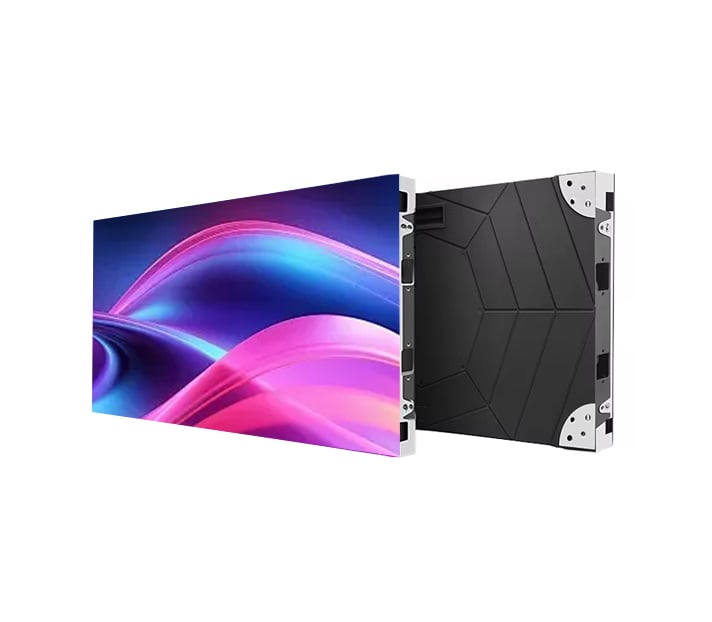
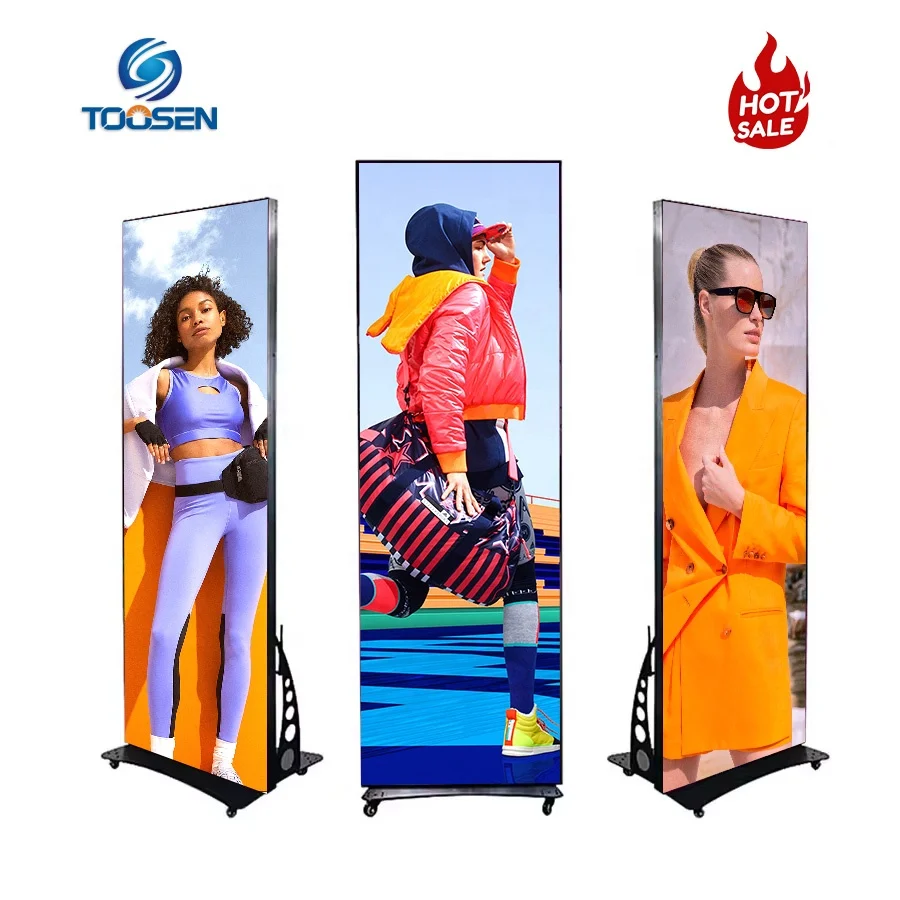
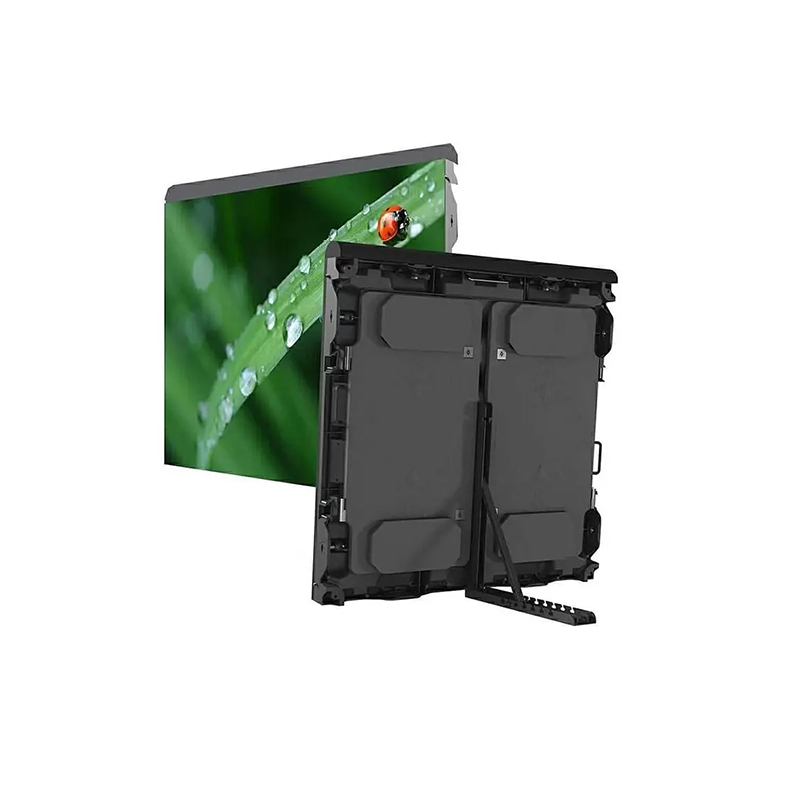
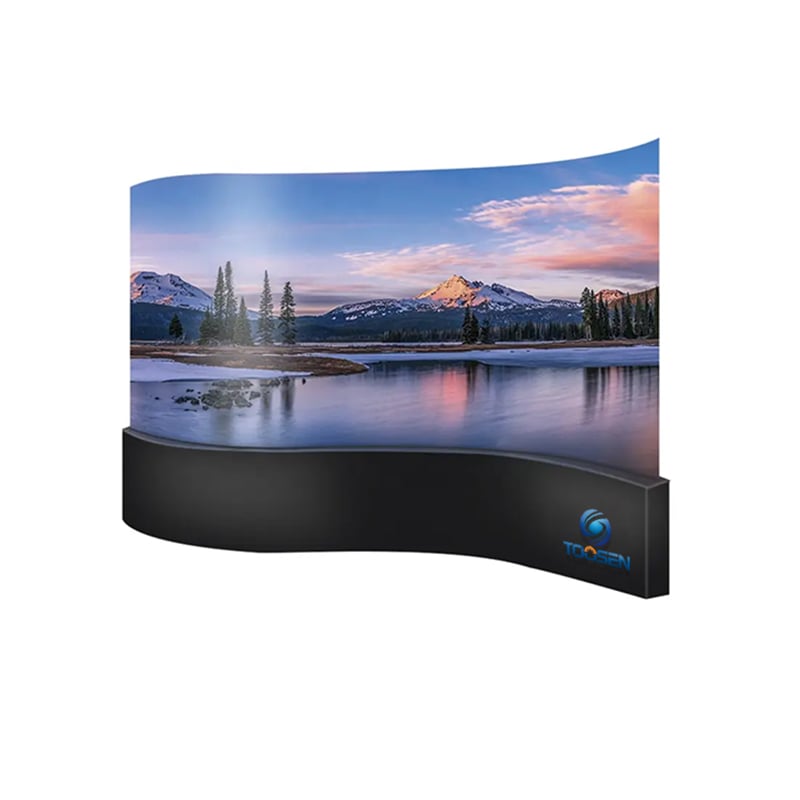
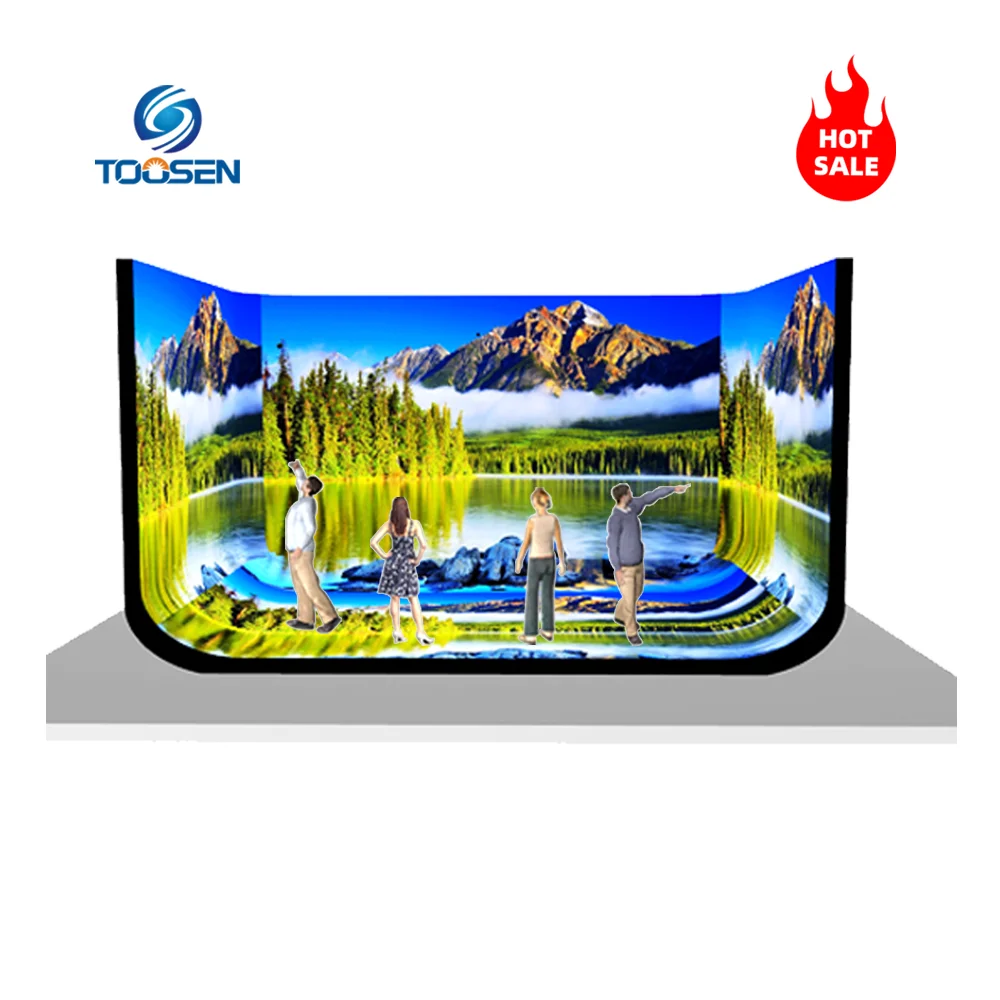
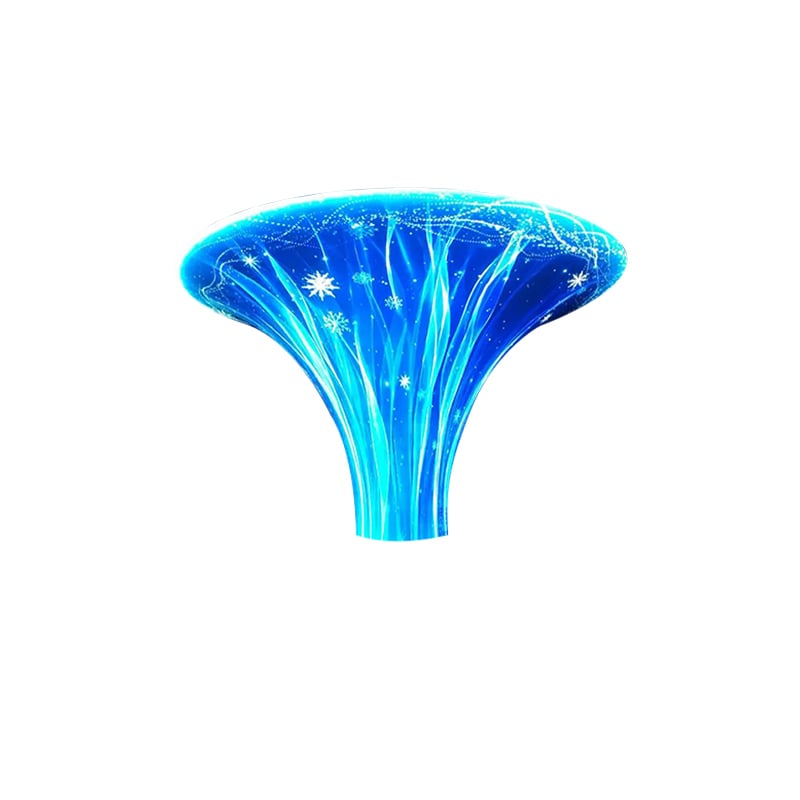
Memilih dan melaksanakan sebuah paparan LED sfera memerlukan pendekatan yang tersusun. Anda perlu menilai tiga dimensi utama— persekitaran (dalaman lawan luaran), saiz dan spesifikasi, serta kejuruteraan pemasangan —untuk mencapai prestasi visual yang optimum dan keselamatan operasi jangka panjang.
1. Dalaman lawan Luaran: Tentukan Persekitaran Pengoperasian
Persekitaran pemasangan secara asasnya menentukan konfigurasi teknikal. Kecerahan, tahap perlindungan, dan ketepatan visual berbeza secara ketara antara senario dalaman dan luaran.
Perbezaan Utama Secara Cepat
|
Kriteria
|
Persekitaran dalaman
|
Persekitaran Luaran
|
|
Kecerahan
|
800–1500 nit. Kecerahan seimbang untuk mengelakkan silau dalam pencahayaan terkawal.
|
≥5000 nit; idealnya 8000–10000 nit di bawah sinaran matahari langsung.
|
|
Kadar Perlindungan
|
Perlindungan asas sudah mencukupi; tiada keperluan khusus untuk kedap air.
|
Minimum IP65. Mesti tahan terhadap air, habuk, dan pendedahan UV.
|
|
Ketikannya
|
Utamakan resolusi tinggi dan jarak piksel halus untuk paparan jarak dekat.
|
Tumpukan pada ketampakan jarak jauh dan kecekapan kos.
|
|
Penyejukan & Bunyi
|
Penyejukan pasif lebih diutamakan; bunyi <30 dB untuk persekitaran senyap.
|
Penyejukan aktif (kipas) diperlukan; toleransi bunyi yang lebih tinggi.
|
Cadangan Jenis Produk
-
Aplikasi luar bangunan:
Paparan berbasis kabinet/modul (resolusi tinggi, penyelenggaraan mudah), paparan sumber cahaya titik (ketelusan tinggi, ringan), dan skrin jejaring/kisi (pembuangan haba serta rintangan angin yang sangat baik).
- Aplikasi dalaman:
-
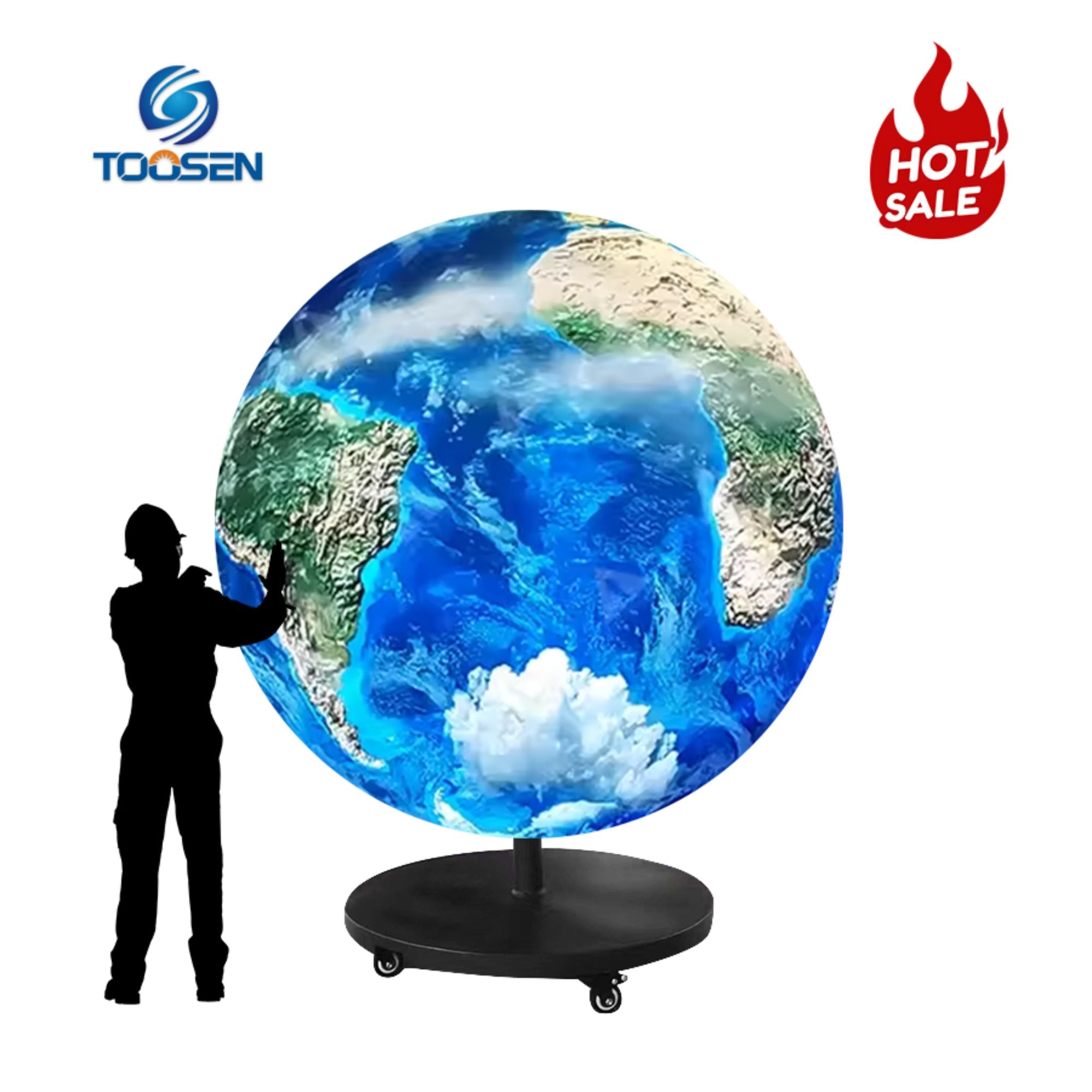
Sfera paparan luaran: Fokus pada kualiti imej dan keseragaman permukaan.
-
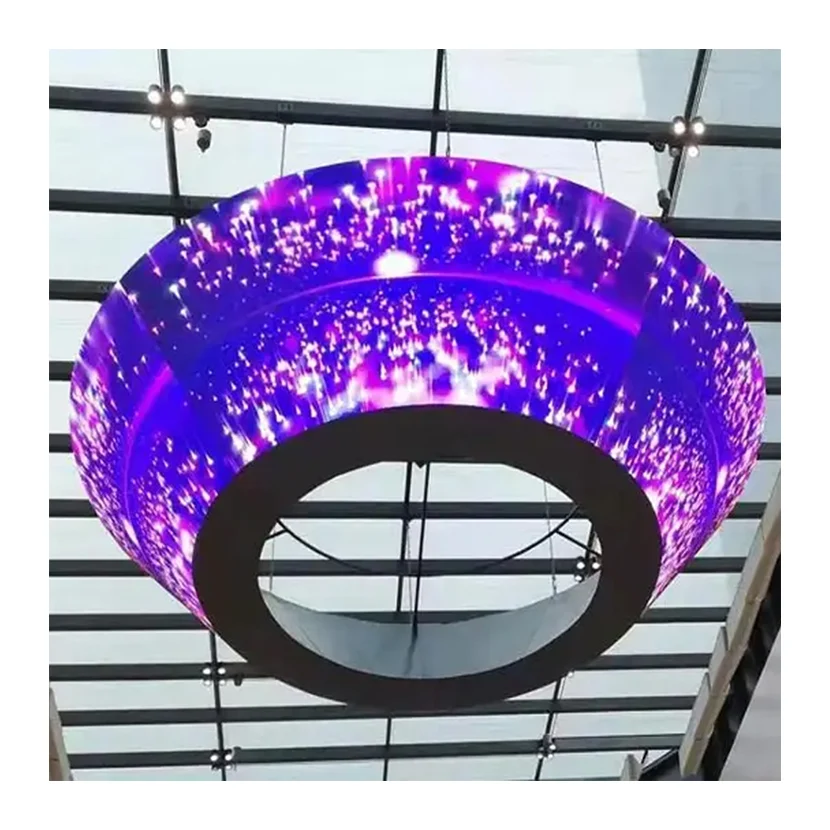
Sfera kubah dalaman (mendalam): Direka khas untuk penonton di dalam struktur (contohnya, planetarium), dengan penekanan pada pengalaman mendalam sepenuhnya.
2. Saiz dan Pemilihan Model: Selaraskan dengan Ruang dan Jarak Pandangan
Memilih Saiz yang Tepat
Anda perlu menyesuaikan diameter sfera dengan ruang fizikal dan jarak pandangan untuk mengekalkan keseimbangan visual.
Ruang Dalaman
- Ruang kecil → Diameter: 1–2 meter | Jarak pandangan: 3–5 meter
- Ruang sederhana → Diameter: 2–5 meter | Jarak pandangan: 5–10 meter
- Ruang besar → Diameter: 5 meter atau lebih
Ruang Luar
- Kawasan luaran kecil → Diameter: 3–5 meter
- Dataran besar / tanda aras → Diameter: 5–10 meter atau lebih besar lagi
Ketidaksesuaian skala boleh mengurangkan kesan—terlalu besar mencipta tekanan visual, manakala terlalu kecil gagal menonjol.
Jarak Piksel (Nilai P): Metrik Ketajaman Utama
Jarak piksel secara langsung menentukan ketajaman imej dan kos. Satu peraturan amalan industri yang praktikal ialah:
Jarak pandangan optimum (meter) ≈ Jarak piksel (mm) × 3
Panduan Pemilihan:
-
Pandangan jarak dekat (pameran dalaman, bilik persidangan):
Pilih jarak piksel halus (P1.2, P1.5, P2.5) untuk paparan licin tanpa kelihatan piksel.
-
Pandangan jarak sederhana (pusat beli-belah, atrium):
Gunakan jarak piksel sederhana (P3, P4) untuk menyeimbangkan ketajaman dan bajet.
-
Pandangan jarak jauh (dataran luaran, tanda aras):
Pilih pitch yang lebih besar (P6, P8, P10). Ini mengurangkan kos sambil mengekalkan kualiti visual yang boleh diterima.
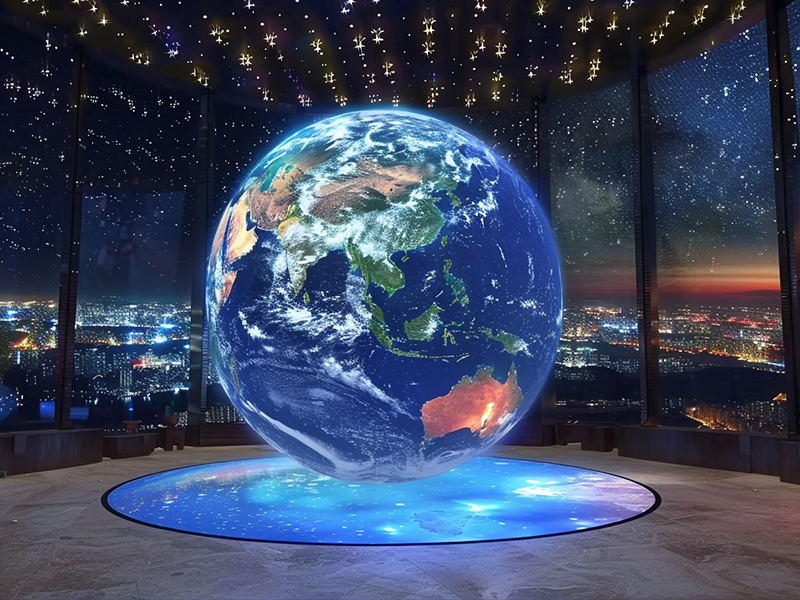
3. Pertimbangan Pemasangan: Keselamatan dan Ketepatan Terlebih Dahulu
Memasang paparan LED berbentuk sfera merupakan tugas kejuruteraan yang kompleks. Integrasi struktur dan kebolehpercayaan sistem mesti diutamakan.
Keselamatan Struktur: Asas yang Tidak Boleh Dirundingkan
-
Penilaian daya tahan beban:
Sentiasa sahkan bahawa permukaan pemasangan (siling, dinding atau tanah) mampu menanggung jumlah berat keseluruhan, termasuk beban dinamik seperti angin dan getaran.
Jangan pernah memasang secara langsung pada struktur bukan penahan beban seperti kepingan keluli atau fasad kaca.
-
Rintangan angin dan gempa bumi:
Bagi pemasangan luar bangunan, struktur keluli mesti mampu menahan cuaca ekstrem (contohnya, tiupan angin bertaraf taufan). Gunakan keluli berlapis galvani celup panas dan asas konkrit bertetulang (biasanya ≥1.5 m dalam).
-
Perlindungan terhadap kilat dan penyambungan ke bumi:
Sistem luaran memerlukan pembumian bebas dengan rintangan ≤4Ω untuk mengelakkan kerosakan akibat kilat.
Pemasangan dan Penyesuaian Profesional
-
Pemasangan tepat:
Paparan berbentuk sfera terdiri daripada banyak modul tidak sekata. Toleransi pemasangan mesti kekal dalam had 1–2 mm untuk mengelakkan sambungan yang kelihatan atau distorsi permukaan. Ini memerlukan teknisi yang berpengalaman dan alat khas.
-
Pengurusan haba:
Struktur sfera tertutup cenderung menjebak haba. Oleh itu, anda mesti melaksanakan strategi penyejukan yang berkesan—seperti sistem aliran udara dalaman yang mencipta kesan cerobong.
Kekalkan suhu dalaman di bawah 45°C untuk melindungi jangka hayat dan prestasi LED.
Bekalan Kuasa dan Kestabilan Isyarat
-
Pengagihan Kuasa yang Stabil:
Gunakan sistem kuasa khusus dengan kapasiti yang mencukupi. Imbangkan beban tiga fasa untuk mengelakkan pelarasan voltan.
-
Pencegahan gangguan isyarat:
Kilangkan kabel kuasa daripada kabel isyarat. Elakkan mengikatnya bersama kerana gangguan elektromagnetik boleh menyebabkan kelipan atau kehilangan isyarat.
4. Bekerja dengan Pasukan Profesional yang Berkelayakan
Memandangkan kerumitan pemasangan LED berbentuk sfera, kualiti pelaksanaan secara langsung mempengaruhi keselamatan, ketahanan, dan hasil visual. Pasukan yang berkelayakan memastikan:
- Reka bentuk struktur yang tepat
- Pemasangan yang boleh dipercayai
- Pengintegrasian Sistem yang Betul
- Penyelesaian masalah dan penyelenggaraan yang cekap
Dari reka bentuk konsep hingga penyerahan akhir, sokongan profesional mengurangkan risiko dan memastikan paparan berfungsi sebagaimana yang dikehendaki.
Fikiran Akhir
Projek LED berbentuk sfera yang berjaya bergantung kepada penyelarasan keadaan persekitaran, spesifikasi teknikal, dan pelaksanaan kejuruteraan . Apabila anda menyesuaikan kecerahan, jarak piksel, saiz, dan strategi pemasangan dengan aplikasi anda secara teliti, anda akan mencipta paparan yang tidak hanya menarik secara visual tetapi juga stabil, cekap, dan tahan lama.
Dalam amalan, keputusan terbaik diperoleh dengan menganggap paparan LED sfera sebagai satu sistem—bukan sekadar satu produk.

 EN
EN
 AR
AR
 BG
BG HR
HR
 CS
CS
 DA
DA
 NL
NL
 FI
FI FR
FR
 DE
DE EL
EL
 HI
HI
 IT
IT JA
JA
 KO
KO
 NO
NO PL
PL PT
PT RO
RO
 RU
RU
 ES
ES
 SV
SV
 TL
TL
 ID
ID
 SR
SR
 UK
UK VI
VI
 ET
ET
 HU
HU
 TH
TH
 TR
TR
 FA
FA
 AF
AF
 MS
MS
 GA
GA
 HY
HY
 AZ
AZ
 MN
MN
 UZ
UZ