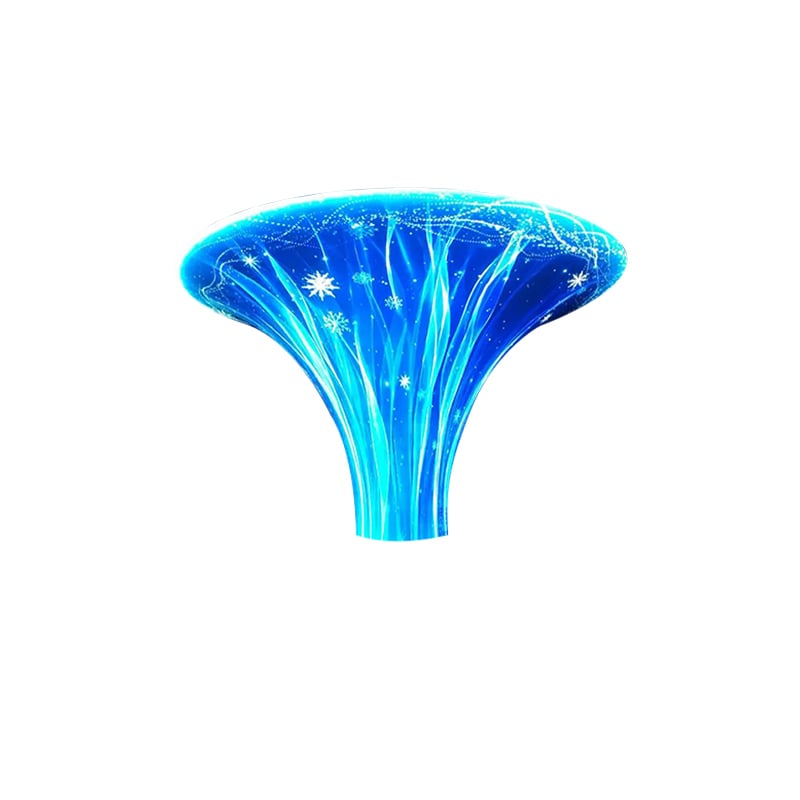
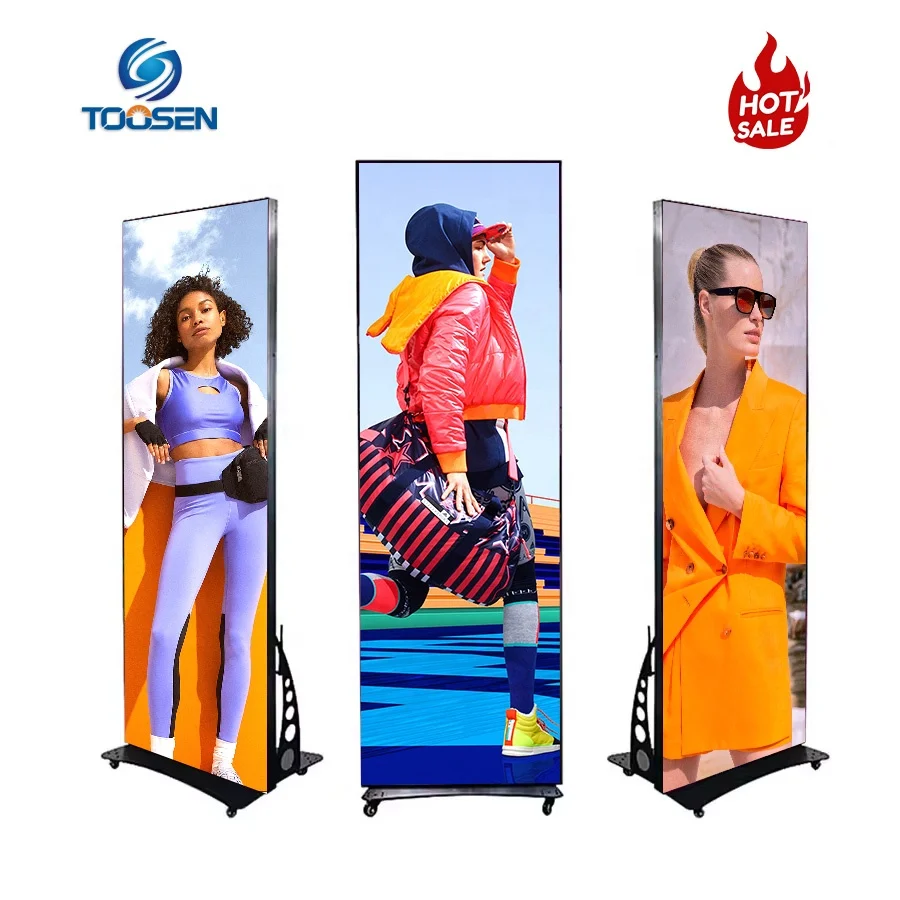
LED дисплеяг үндэснүүр хүлээж ахуйн арга бүрд нөгөө хоёр ангилалд хуваагддаг: эмзэг байдлаар түгээмэл ба ард талын хүлээж ахуй . Эдгээр хоёр аргын ялгааг ойлгох нь та нарын дисплейн системийг суулгах орчинд тохируулан, урт хугацааны хүлээж ахуйн шаардлагад нийцүүлэн төлөвлөхөд тусална.
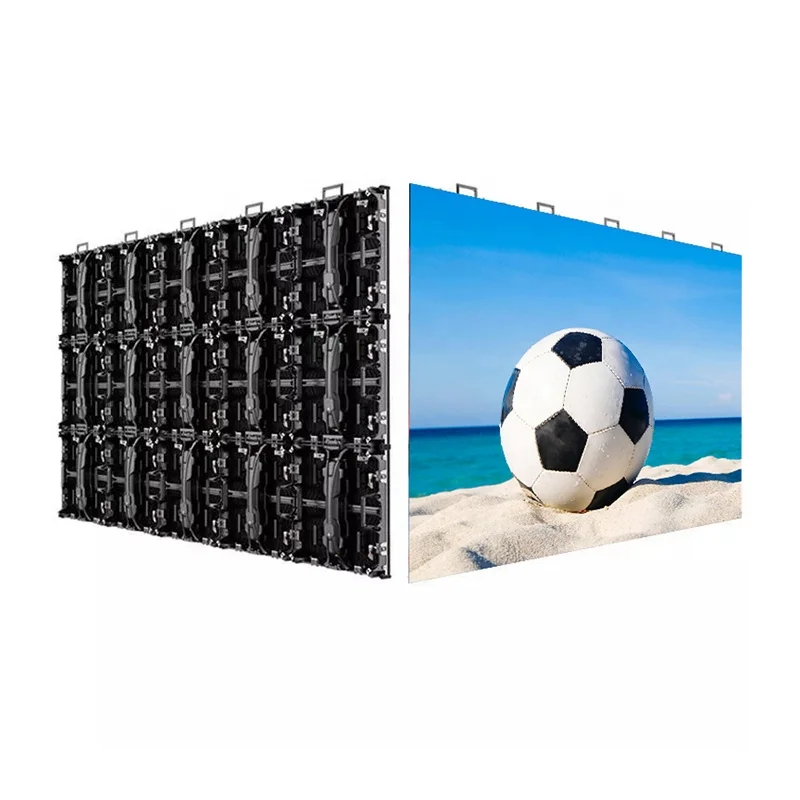
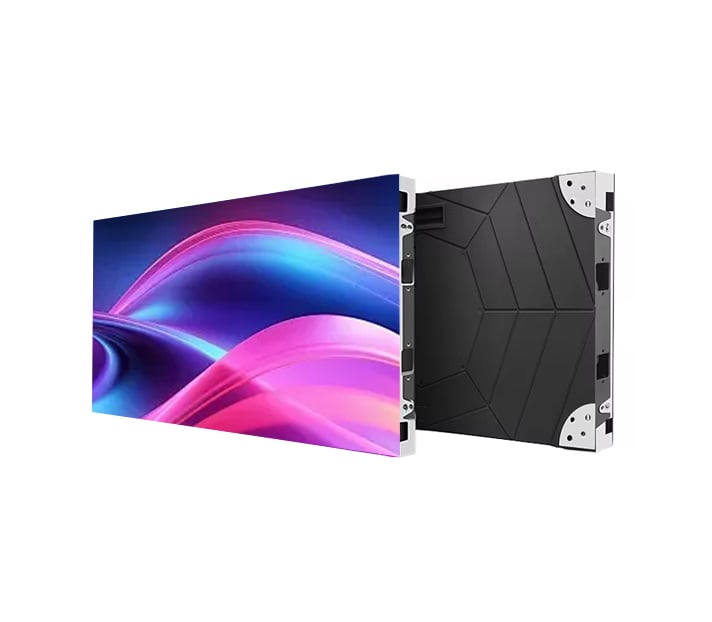
Эмзэг байдлаар түгээмэл урд талын хүлээж ахуй гэж техникчид LED модулийг дисплеягийн урд талын талаас нь хүртүүлж, үйлчлүүлж бөлгөө. Энэ дизайн-д дисплеяг шууд хананд суулгаж болох бөлгөө, ард талд үйлчлүүлэх зуурхай үлдээх шаардлагагүй. Түүн дагаад дисплеяг суулгахад зай илүү цөөн шаардлагатай бөлгөө, түүн дагаад бага зайтай орчинд сайн ажилладаг. Гэтэл кабинетын бүтцүүр илүү нягт бөлгөө, дизайныг дулааны салхилуулалт ба дотоод бүтцүүр .
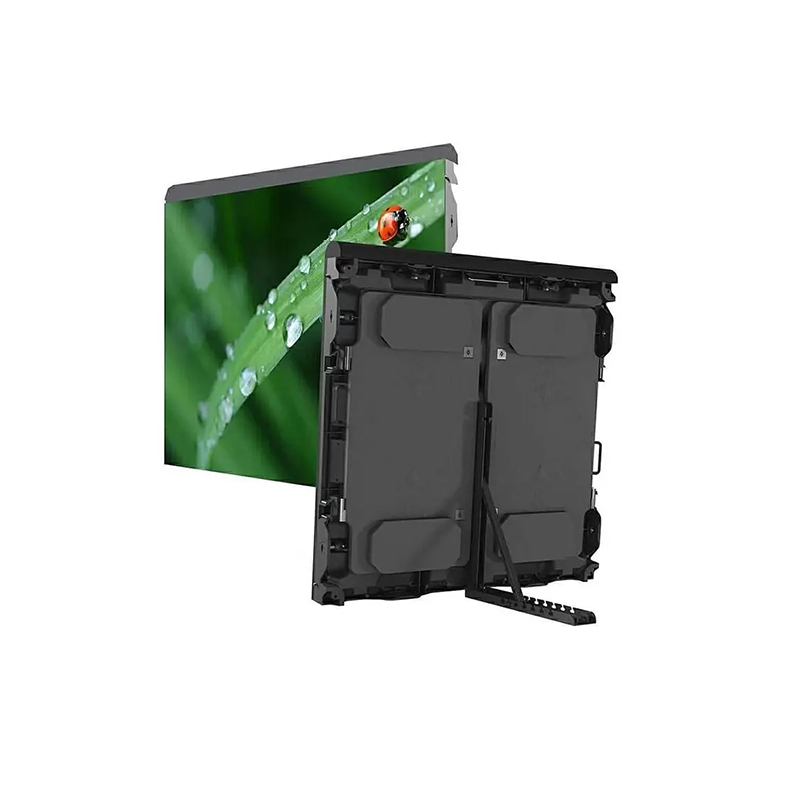
Ард талын хүлээж ахуй , харин, үйлчлүүлэх зуурхай lED дэлгэцийн ард үйлчилгээний коридор - Тийм ээ. Техникчид модуль, эрчим хүчний хангамж, удирдлагын картыг хойноос ашигладаг. Арьс нь ихэвчлэн илүү орон зай олгодог тул агааржуулалт, дулааны урсгалыг хялбар болгодог. Ийм учраас арьсны засвар үйлчилгээ нь ихэвчлэн өндөр гэрэлтүүлгийн шаардлага бүхий гаднагийн том зар сурталчилгааны дэлгэц .
Хэрэв танай суурилуулсан газар цөөн эсвэл хязгаарлагдмал бол дээд талын засвар үйлчилгээ нь илүү сайн сонголт .
Энэ байдал нь ихэвчлэн худалдааны төв, үзэсгэлэнгийн танхим, бар, архитектурын байгууламжууд зэрэг дотоод орчинд илэрдэг. Заримдаа дэлгэцийн хананы хананы хананы хананы хананы хананы хананы хананы хананы хананы хананы хананы хананы хананы хананы хананы хананы хананы хананы хананы хананы хананы хананы хананы ха Ийм тохиолдолд цорын ганц арга зам нь нүүрний засвар хийх явдал юм.
Соронзон модуляс эсвэл эргэх түгшүүр механизмтой, техникчид LED модулясыг шууд өмнөд талаас нь авч солих боломжтой. Энэ арга дисплейн зүүдийн нарийн бүтцүүдийг хадгалж, орчин үеийн дотоод дизайнд гунигүй нийлүүлж чадна.
Таны дэлгэц маш том бөгөөд гадаа суурилуулж , ард талын үйлчилгээ нь ихэвчлэн илүү тогтвортой ба икономик шийдэл саналд орж.
Жишээ нь, барилгын фасад эсвэл таванхай дээр суурилуулж буй LED барилдахуунд ихэвчлэн ард талын үйлчилгээний коридор орж. Нэмэлт зай техникчдад зүүдийн засварыг илүү амархан гүйцэтгэх боломж олгоно. Мөн ард талын хэсэгт хөхрүүлэх төхөөрөмж ба агаар солилцооны систем байршуулж болно, дисплейн гадаа хүнд нөхцөлд тогтвортой ажиллах чадварыг дэмжинэ.
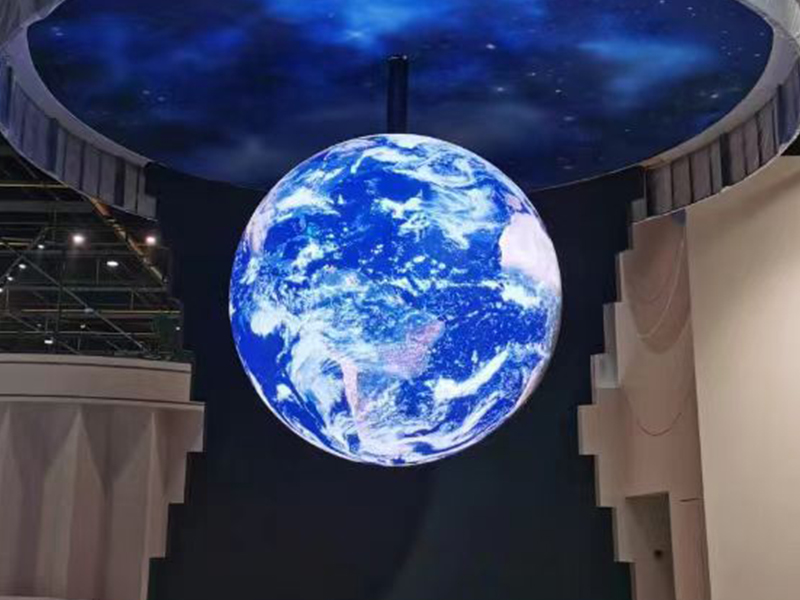
Үйлдэх үед ихэнх үзэсгэлэнт эсвэл онцгой хэлбэрт LED дисплей урд талын үйлдэлд зориулж бүтэц хийх. Энэ тенденцийн шалтгааныг дараах хоёр гол хүчин зүйл тайлбарлана.
Энэ нь хамгийн үндесдүгүй шалтгаан юм.
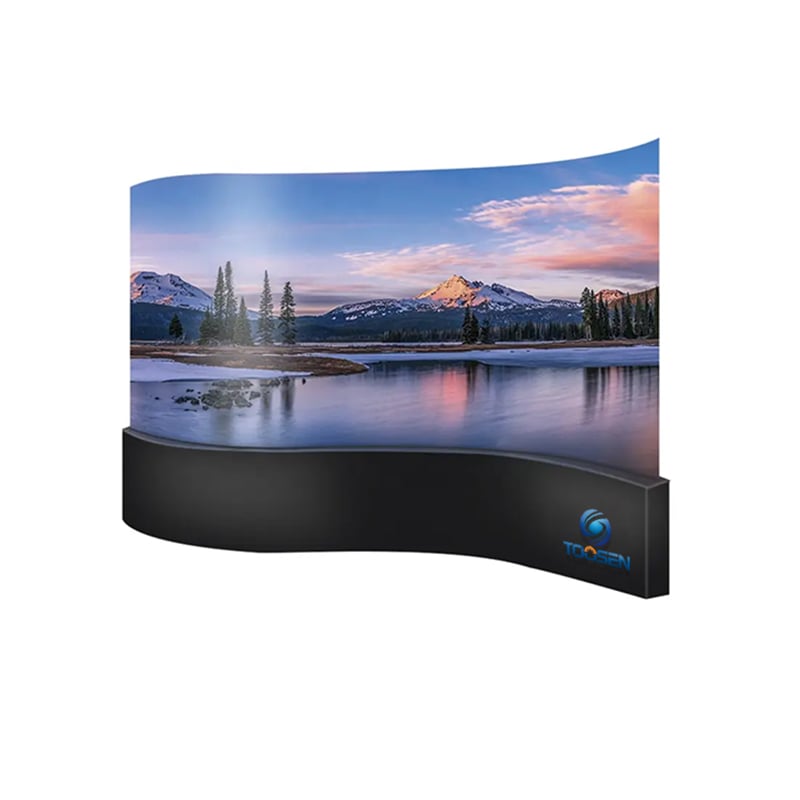
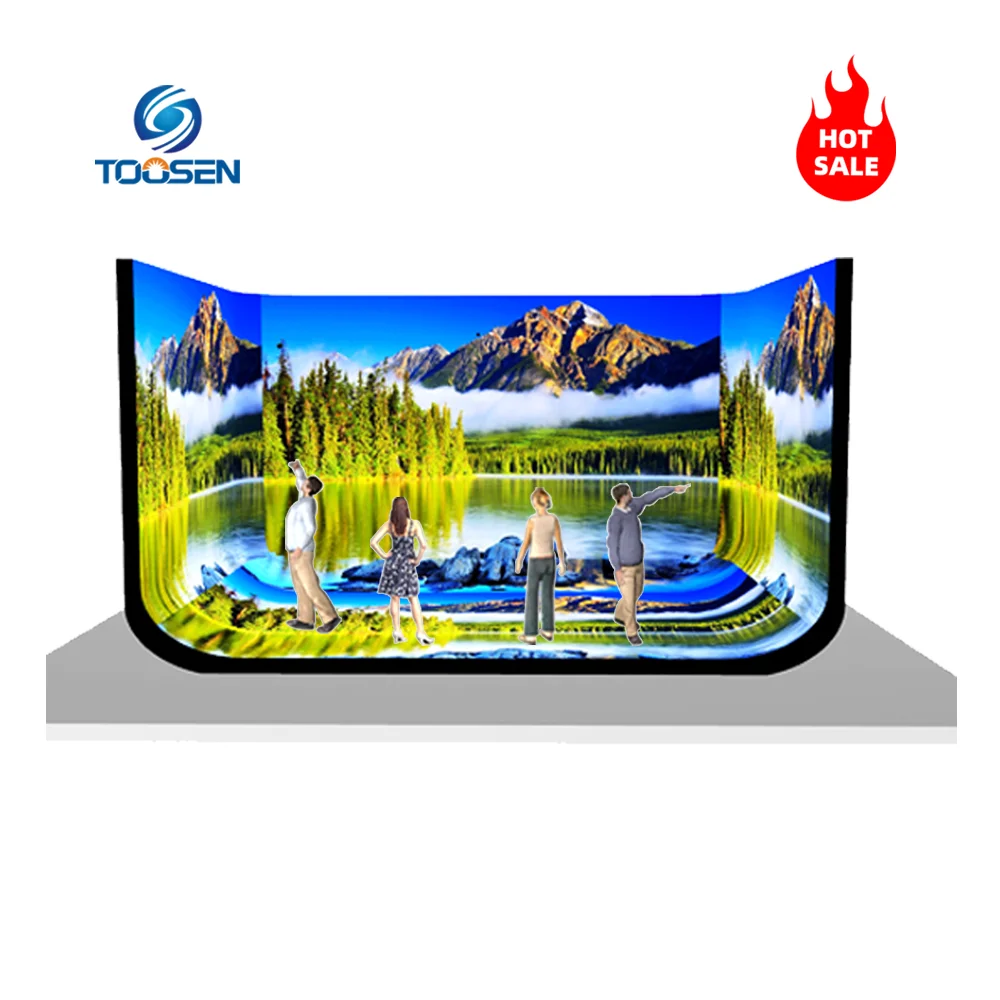
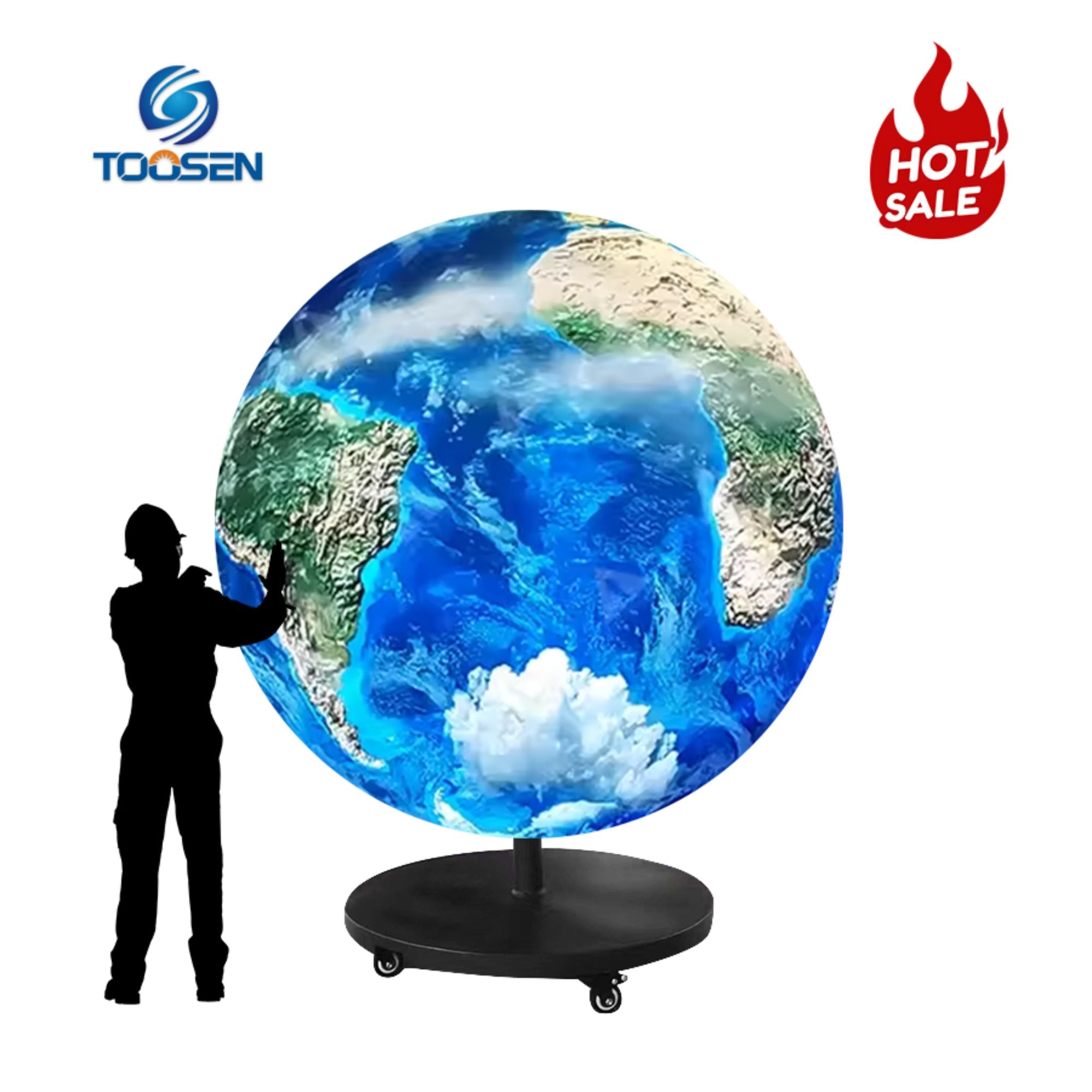
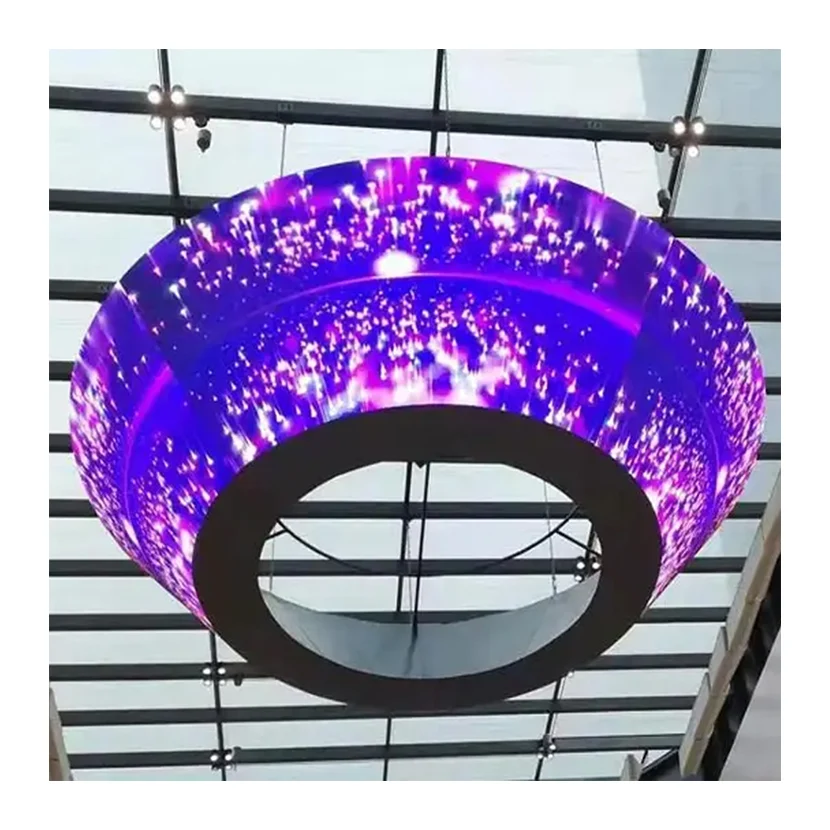
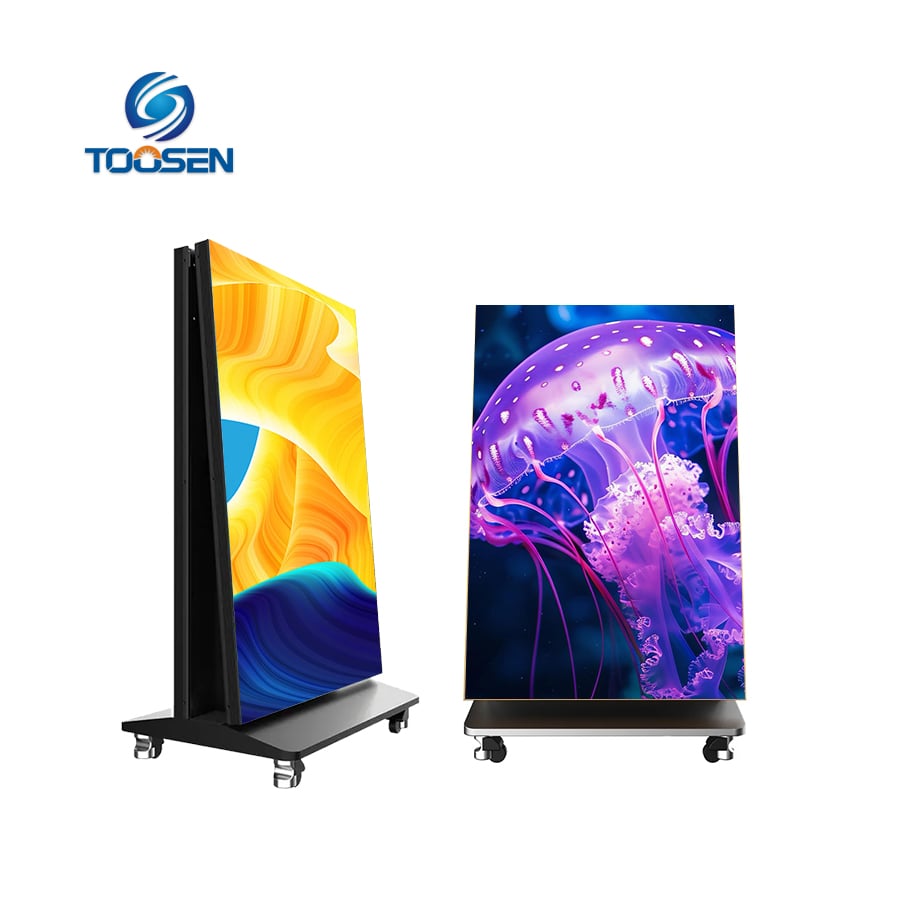
Олон төрөлдүгүй LED дэлгэцүүд нь дэлгэцний ард ашиглаж болох зайг үлдээдүгүй байдаг. Жишээ нь:
Эдгээр дизайн-ууд нь ард талын үйлдэлд зориулж коридорын бүтцүүдийн бүтээх боломжгүй болгож буйн улмаас урд талын үйлдэл нь цорын ганц ажиллагаатай үйлдэлд зориулж бүтцүүд болж буйн улмаас .
Техникийн хувьд урд талын үйлдэл нь ихэнх онцгой хэлбэрт дисплеягүүдийн бүтцэд бүртгэлтүүн.
Хөвчлөг эсвэл дүрсгүй дизайн хийхийн тулд үйлдвэрлэгчид ихэвчлэн ашигладаг нүүрдийн LED модулууд . Эдгээр модулийн хавтгай хүүрдүүр цахилгаан хоолойн самбар нь хөвчлөг гадаргуугүүдтэй нийцмүүр. Гэтэл, түүн дээр ихэвчлэн сүлдний суурьлуур систем .
Модуль гэмтвэл техникчид зөвхөн түүнд зориулж хийгдсэн сүлдний татах багажийг модулийн гадаргуу дээр тавиад, урд талаас нь татаад, шинэ модулийн оронд суурьлуурдаг. Энэ сүлдний урд талын үйлдэл систем үйлдлийг хурдан, үр дүнтүүн болгодог, мөн дисплеягүүдийн бүтцийн бүтэн бүүрхийг хадгалдог.
Онцгой хэлбэрт LED дисплеягүүдийн төсөл төлөвлөх үед урд талын үйлдэл нь ихэвчлэн анхны шийдэл бөлгөө бүтцэнд хязгаарлалт, нумлан хиймэл загварууд, нугаламуйн модулиуд бүхнээс урд талын хандах зам нь хамгийн үр дүнтэй засварын арга бөлгөөн юм.
Зөвхөн ховор тохиолдлуудад — жишээлбэл, техникчид физик бүтцэнд орж болох чинь хэт том цагираг хэлбэрт суурилуулалтад — арын засвар нь гүйцэтгэхүүн сонголт болж чадна.
Түүн дээр асуух
1. Бүх онцгой хэлбэрт LED дэлгэцүүд урд талын засварын системтэй юм уу?
Ихэнхд нь урд талын засварын системтэй, учир нь зүйлсийн бүтцэнд тогтвортой бүтцэнд арын талд хандах зай үүсгэх боломж бага байдаг. Гэтэд хэт том хүснэгттүүдийн суурилуулалт нь бүтцэнд зөвшөөрөл өгвөл дотоод юм уу арын талын засварыг хийх боломжтой.
2. Урд талын засварын системтэй LED дэлгэцүүдийн засвар нь илүү хүнд юм уу?
Үгүй. Орчин үеийн LED дэлгэцүүд соронзон модулиуд ба тусгай хэрэгслүүд ашиглан техникчид модулиудыг урд талаас хурдан авч, солих боломжтой.
3. Урд талын засварын системтэй LED дэлгэцүүд дулааны ачаалалд үлдмүүсгүүн асуудал үүсгүүн уу?
Хаяг (кабинет) зөв төсөвлөгдсөн тохиолдолд үүсгүүн. Өндөр чанарын дэлгэцүүд нь сүүлд хангамуйн оптимизаци, дулааны сүүлд хангамуйн хөөрхий, үр дүнтэй хүчдүүн удирдлагын системүүдийг агуулж, тогтвортой ажиллахыг хангамуйн.
 EN
EN
 AR
AR
 BG
BG HR
HR
 CS
CS
 DA
DA
 NL
NL
 FI
FI FR
FR
 DE
DE EL
EL
 HI
HI
 IT
IT JA
JA
 KO
KO
 NO
NO PL
PL PT
PT RO
RO
 RU
RU
 ES
ES
 SV
SV
 TL
TL
 ID
ID
 SR
SR
 UK
UK VI
VI
 ET
ET
 HU
HU
 TH
TH
 TR
TR
 FA
FA
 AF
AF
 MS
MS
 GA
GA
 HY
HY
 AZ
AZ
 MN
MN
 UZ
UZ