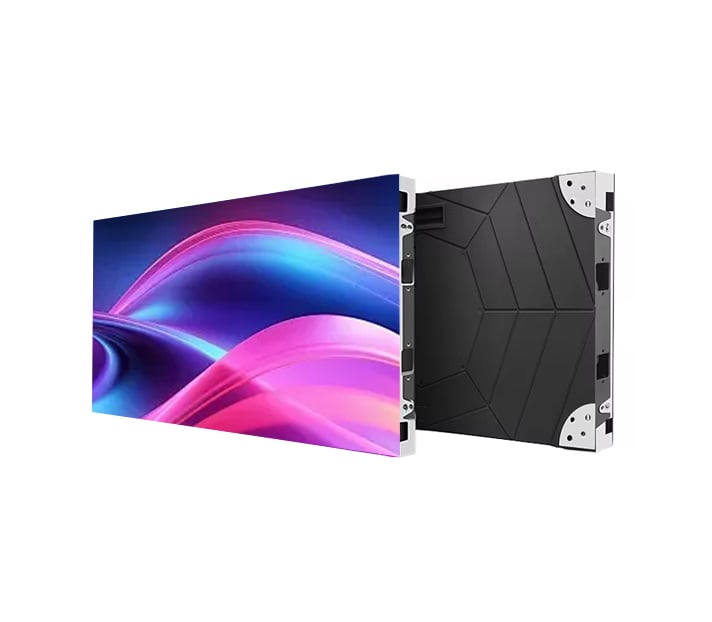
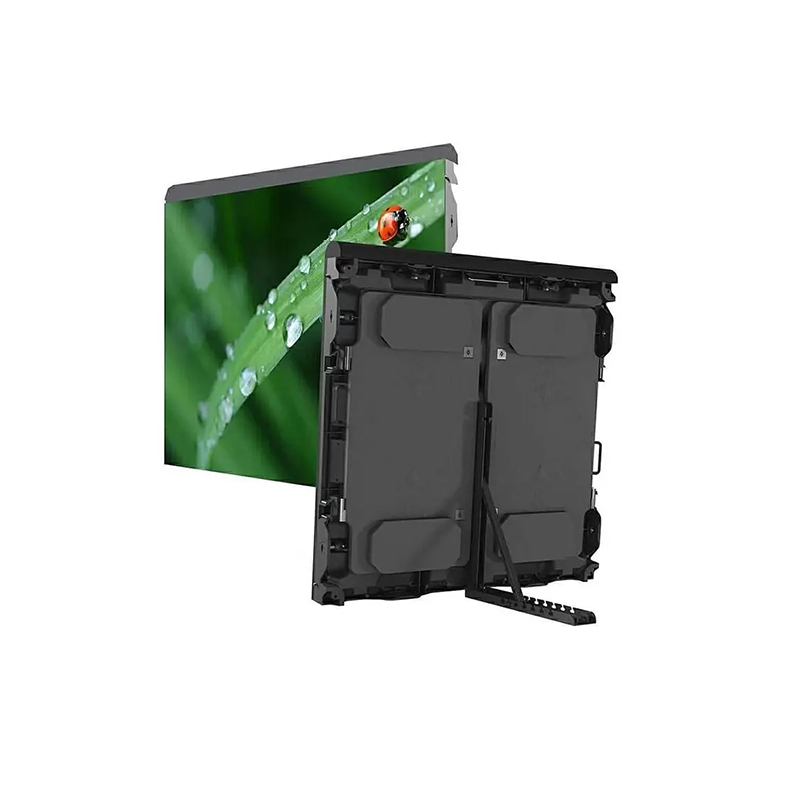
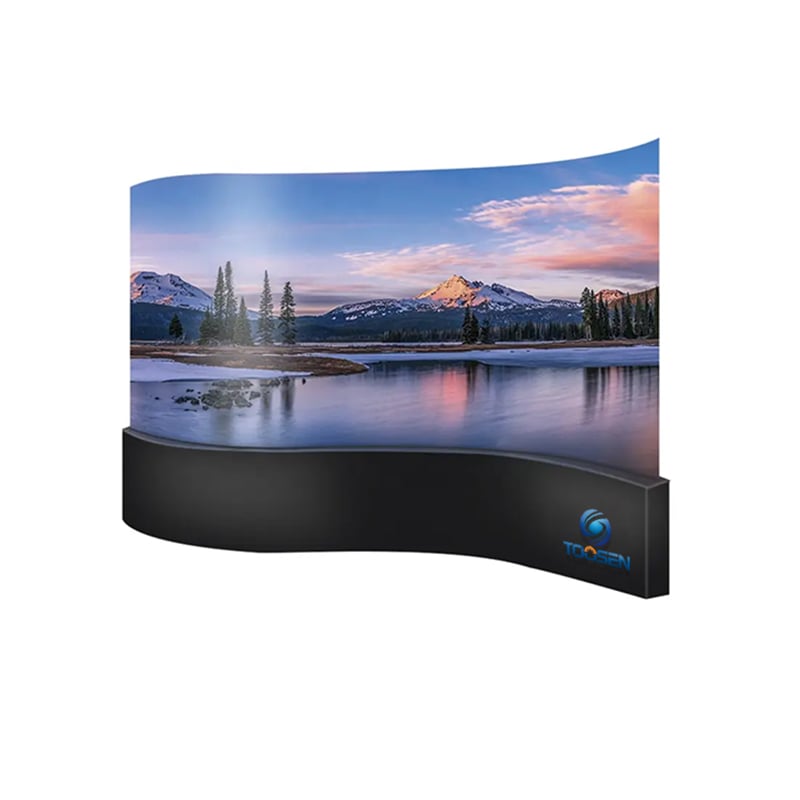
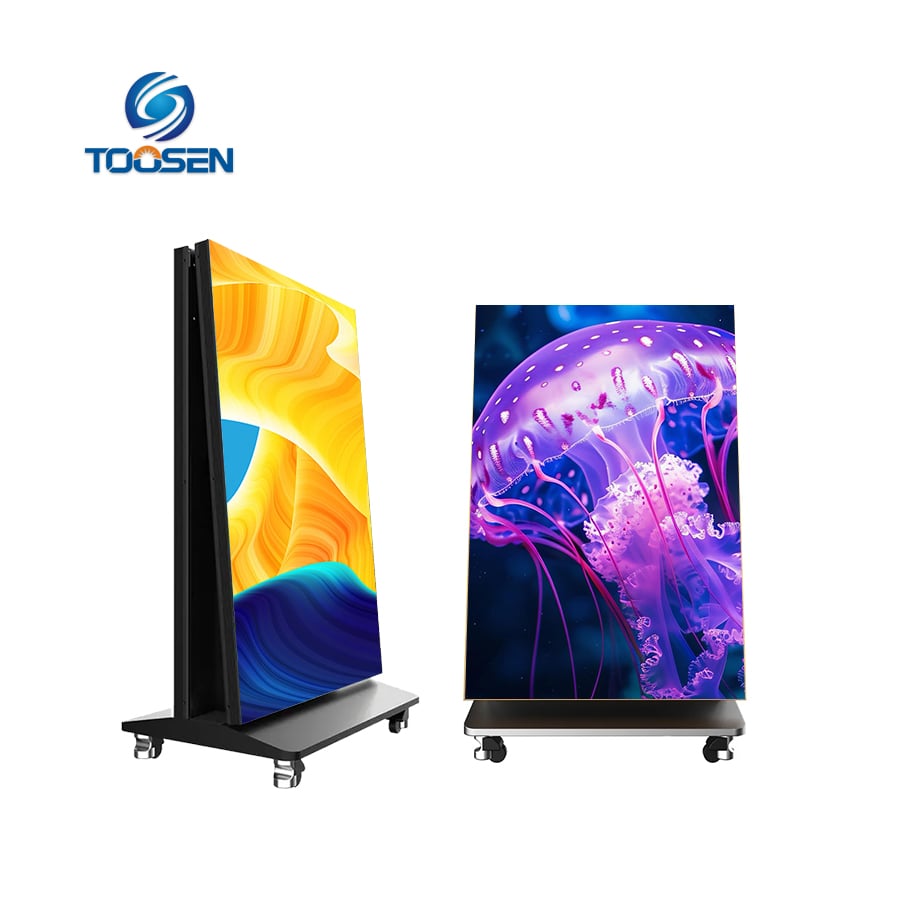
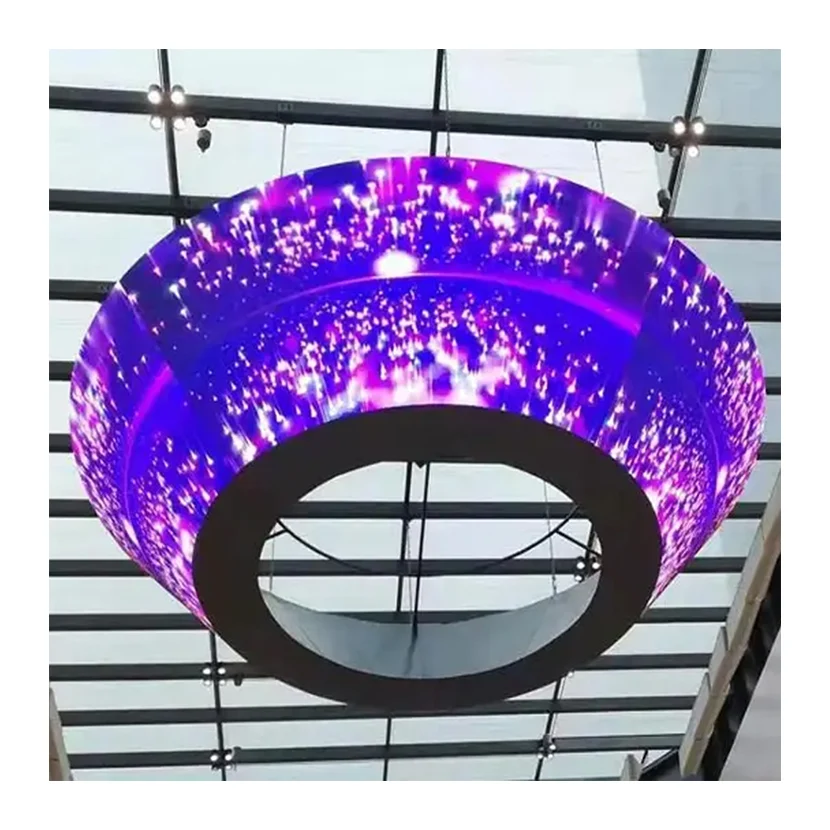
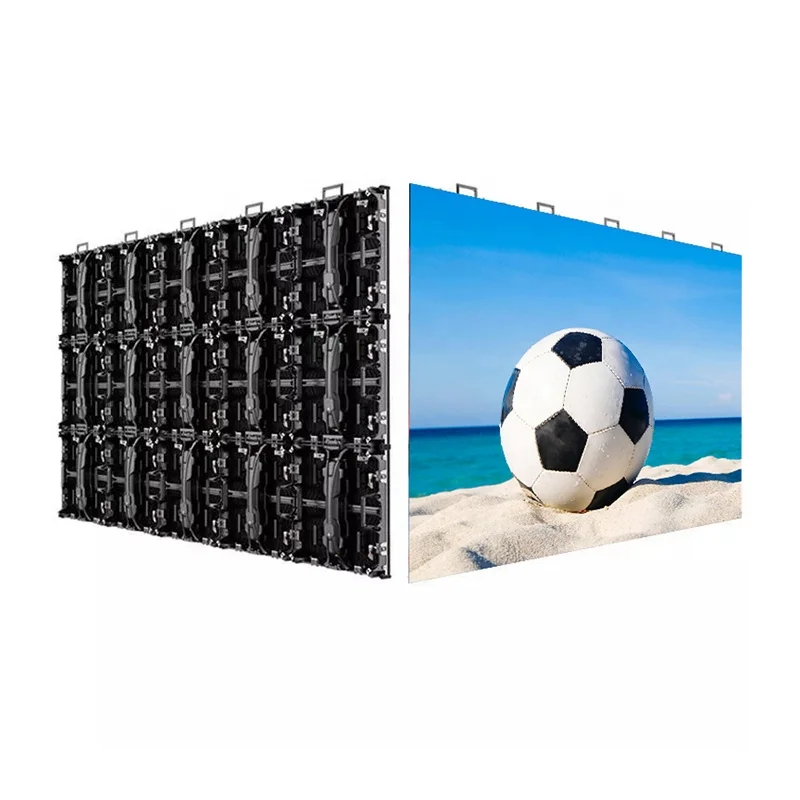
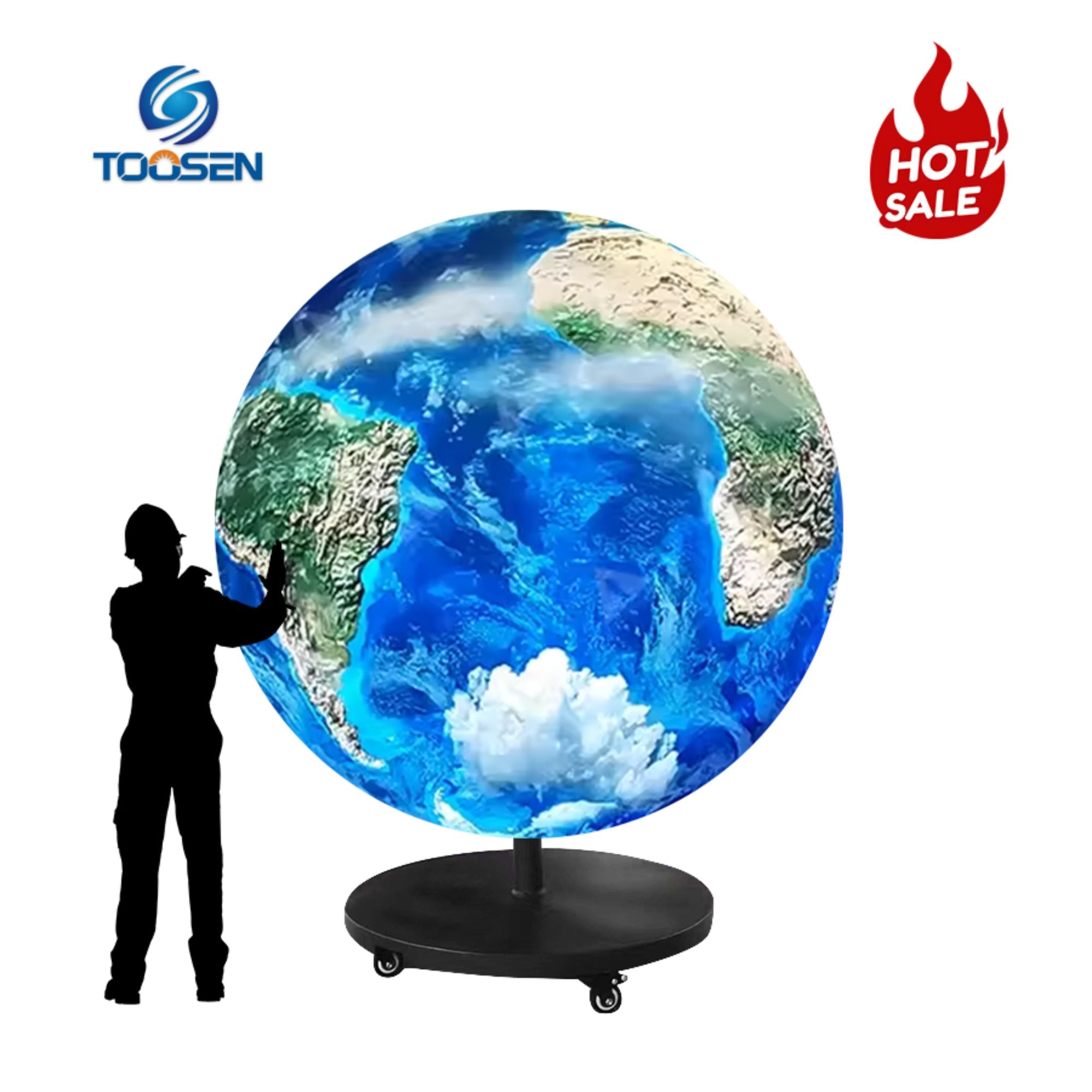
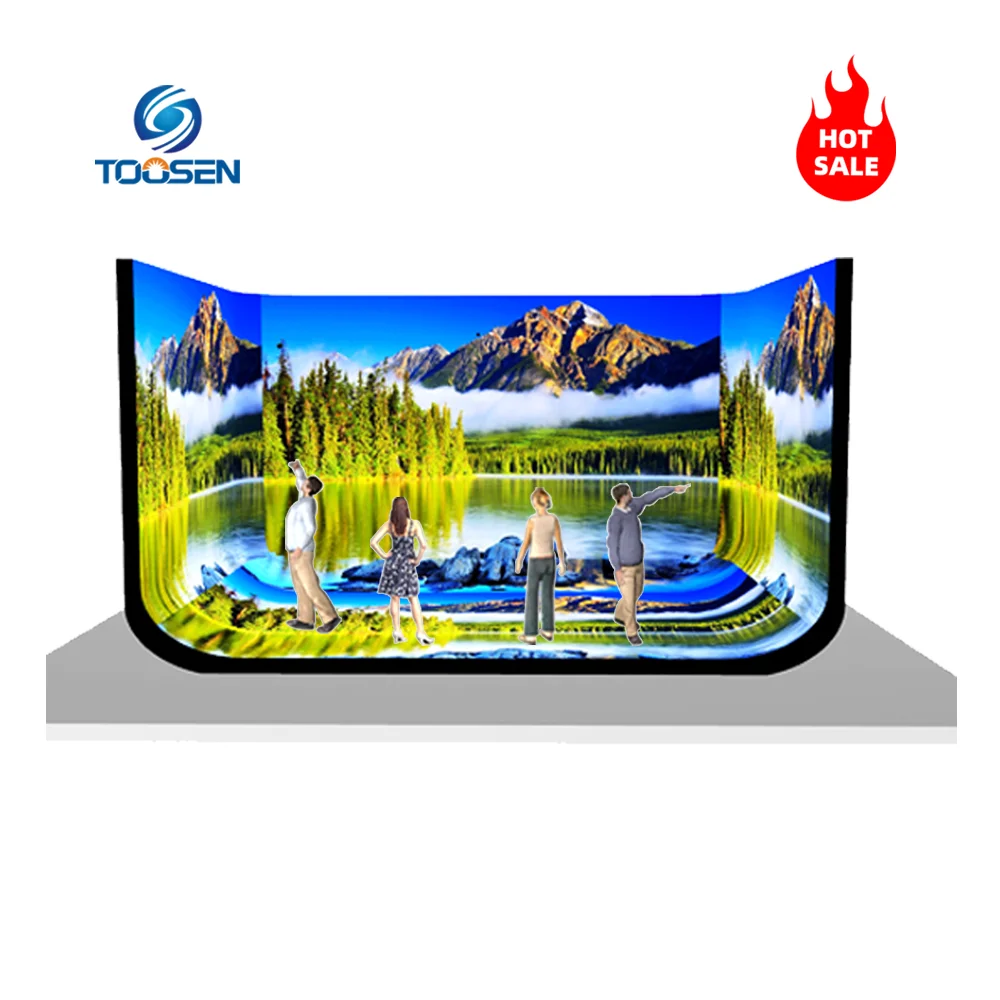
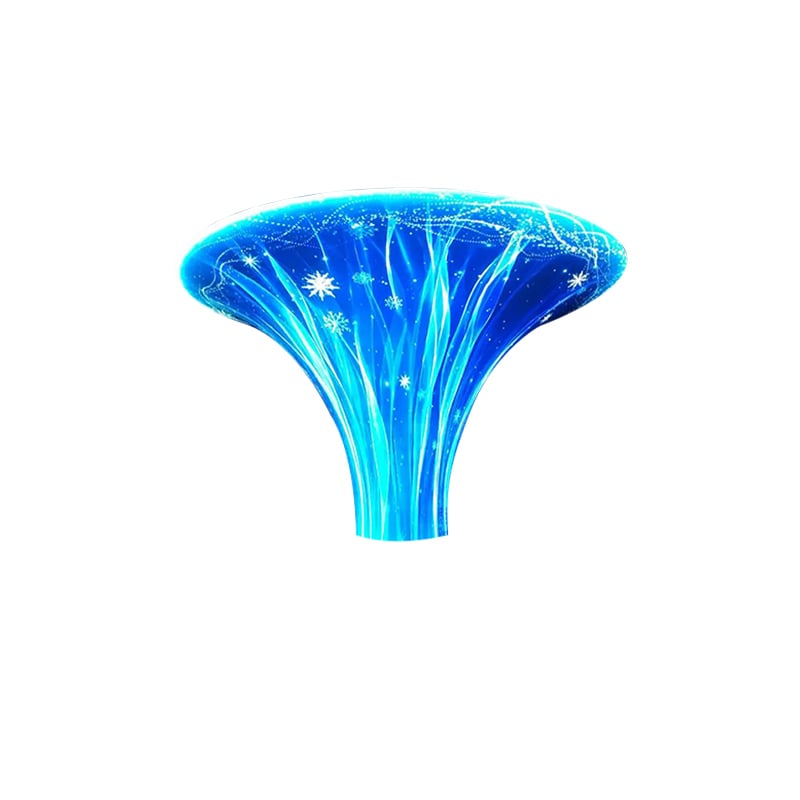
LED видео тэнгэр жирийн дүрэмд чанга нийцдэг. Телевиз, мониторын эсрэг тэдгээр нь ихэвчлэн өөрийн гэсэн пикселийн хэмжээ 624×208 эсвэл 3:1 зэрэг хэт өргөн харьцаатай. Энэ уян хатан байдал бүтээлч байгууламжуудыг боломжуулж байгаа ч мөн л ажлын урсгалд ноцтой сорилт үүсгэдэг.
Хэлэлцүүлэгт , туршлагатай инженерүүд нь бодит ертөнцөд хэрхэн "экзотик" LED хананы шийдлийг зохицуулдаг талаар хуваалцсан. Тэдний зөвлөгөө нь салбарын нэгдсэн ойлголтыг илтгэнэ: системтэй тэмцэх хэрэггүй .
Энэ гарын авлага нь эдгээр шилдэг туршлагыг хувааж, та садар самуун, хэмжээнд өөрчлөлт оруулах асуудал, эсвэл сигналаар өвдөлтгүйгээр ер бусын LED-ийн шийдвэр гаргалтыг удирдах боломжтой.
Эрдэнэт цахилгаан станцын дийлэнх нь LED-ийн дугуйны тохирсон пикселийн шийдлийг EDID эсвэл гаргах тохируулгаар хангахыг хичээдэг.
Reddit-ийн саравч дээр анхны хэрэглэгч 624×208 хана-д нийцүүлэх зориулалттай бүтээл (1440×480) гаргахын тулд оролдлого хийж, гэтэдүүр үр дүн деформацид орж.
Туршлагатай инженерүүд гол ойлголтыг илтгэж:
«Стандарт бүтээл ашиглаж… дараа нь агуулмыхыг зурагт төсөөл.»
Энэ яагаад чухал:
Хамгийн сайн арга: Ямагт тогтвортой, стандарт гаралт бүтээлтэй эхлэх ёстой.
Ханыг таны сигналд тохируулахын оронд, ажлын урсгалыг урвуу хийнэ:
Энэ нь шүүмжлэлт арга биш — професионалауд хэрхэн ажилладаг.
«Бид LED растерт тохируулж агуулга үүсгэдүг… дараа нь гаралт дотор түүнийг байрлуулдүг.»
Энэ ажлын урсгал дараах хэмжээнүүд дээр масштаблагддуг:
Үндсэн дүн: LED ханыг том видео хавтан доторх газрын зургийн бүс гэж үз.
Таны гадаад дохио стандарт хэвээр байх ёстой бол, таны агуулга нь LED хананы нүүдлийн шийдэлд нийцэх ёстой .
Жишээ нь:
Энэ арга нь:
Салбарын зааварлугаар үүнийг баталж буй:
Хамгийн сайн арга: Хананд зориулан дизайн хий, стандарт сигналын дамжуулалтаар хүргэ.
Энэ ажлын урсгалыг хэрэгжүүлэхийн тулд та нургахад хамгийн тохиромжтой зурагт хувиргагч програм хангамж хэрэгтүй:
Түгээмжит хэрэгсэл:
Reddit-д явагдаж буй хэлэлцүүрээс:
«Зөв хөрвүүлэх талбайг… ба масштабыг тохируулахын тулд програм хангамж ашиглана».
Эдгээр хэрэгсэл та нарын дараах үйлдлүүдийг гүйцэтгэх боломж олгоно:
Үндсэн дүн: Наад захын нарийн ажил програм хангамж хийдэг — зөвхөн техник хангамж дээр тулгуурлан үүнийг хийж бүү.
Олон LED боловсруулагчид масштаблалтын боломжийг саналд тавьдаг — гэтэд түүнийг хэтрүүлж ашиглах нь асуудлыг үүсгэнэ:
Харин:
Энэ нь үйлдвэрт өгөгдсөн ерөнхий зөвлөмжтэй нийцдэг:
Хамгийн сайн арга: Масштаблалтыг агуулгын хоолойд дээд талд хадгал.
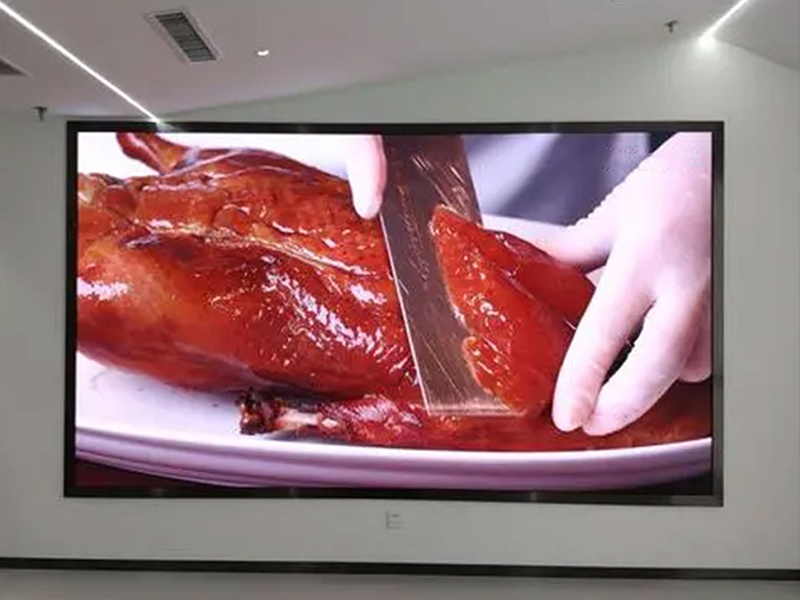
Сонирхолтой нь, инженерүүд хэдхэн экзотик бүтэцтүүдийн шаардлагагүй байхыг тэмдэглүүр.
«Зөвхөн… кабелийн нөөц дундаж хурдны хязгаарыг түлхүүр.»
Жишээ:
Эдгээр ирмүүдийн тохиолдолд:
Үндсэн дүн: Экзотик бүтэцтүүдийг зөвхөн техник хязгаарлалтуудын улмаас ашиглаж үлдүүр — хялбарчлалын улмаас биш.
Мэргэжлийн орчинд гурван бүлгүүд координаци хийж үлдүүр:
Нэг инженер тайлбарласан:
энэ бүхэн багуудын хооронд зохицуулагдсан. Ямар ч хэмжээний ажлын урсгал.
Нөхцөлдөөгүйгээр та:
Хамгийн сайн арга: LED ажлын урсгалыг тусдаа ажил биш, систем гэж үз.
Reddit-д бүрдсэн нийтлэг үзэлд тулгуурлан цэвэр ажлын дарааллыг нь хураангуйлж:
Зөв ажлын дараалал:
Сонин LED хана нарийн төвшөөнийг удирдах нь техник хангамжийг хүчээр адаптациялах асуудал биш — илүү ухаалаг ажлын дараалал зохиож, түүнийг хэрэгжүүлэх асуудал.
Хэрэв та бүх зүйлсийг сигнал түвшинд тааруулахыг оролдвоо, дараах асуудалд таармуйн:
Харин мэргэжлийн нандин арга барилыг дагаарай:
Эднийг хий, түүнээс ч гайхалтай LED хана ч урьдчилан таамаглаж, масштаблах, удирдахад хялбар болой.
 EN
EN
 AR
AR
 BG
BG HR
HR
 CS
CS
 DA
DA
 NL
NL
 FI
FI FR
FR
 DE
DE EL
EL
 HI
HI
 IT
IT JA
JA
 KO
KO
 NO
NO PL
PL PT
PT RO
RO
 RU
RU
 ES
ES
 SV
SV
 TL
TL
 ID
ID
 SR
SR
 UK
UK VI
VI
 ET
ET
 HU
HU
 TH
TH
 TR
TR
 FA
FA
 AF
AF
 MS
MS
 GA
GA
 HY
HY
 AZ
AZ
 MN
MN
 UZ
UZ