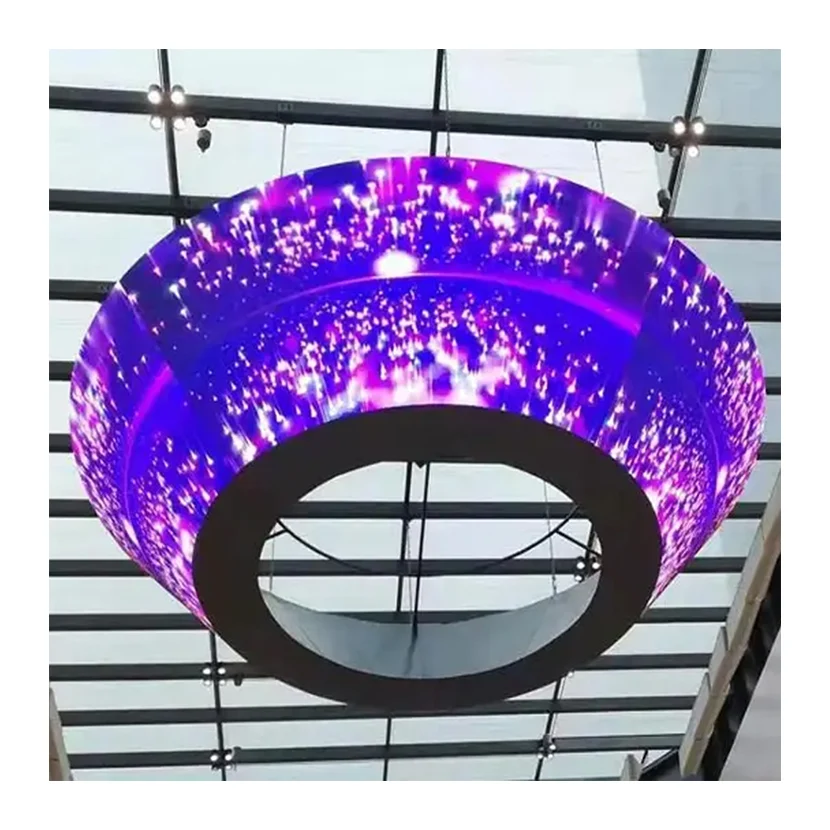
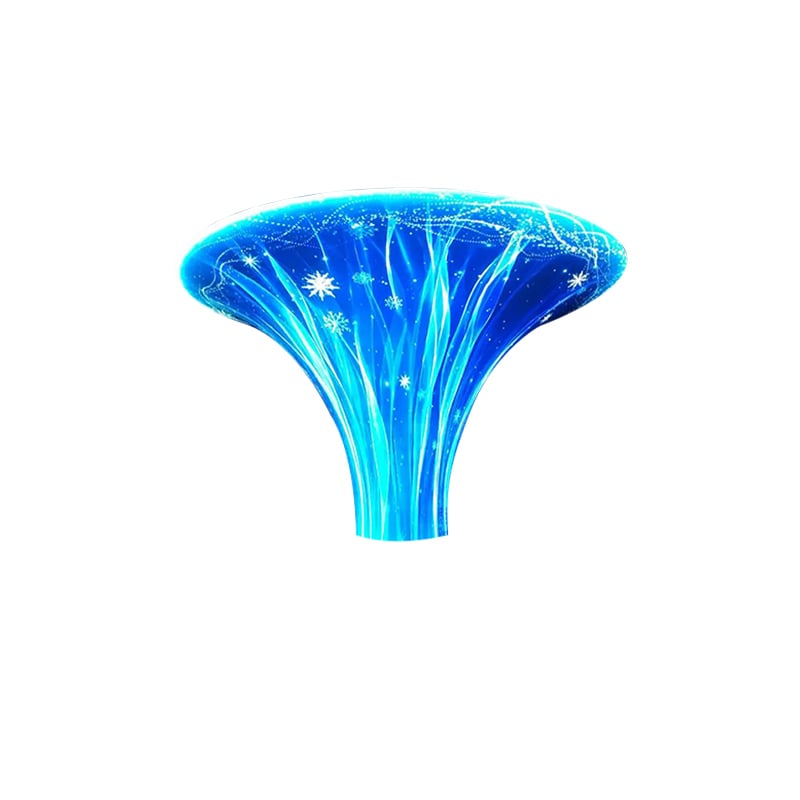
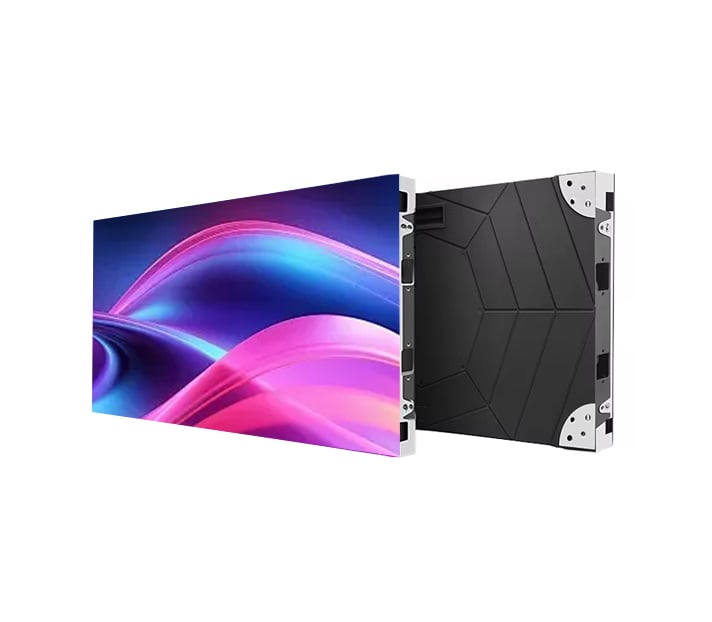
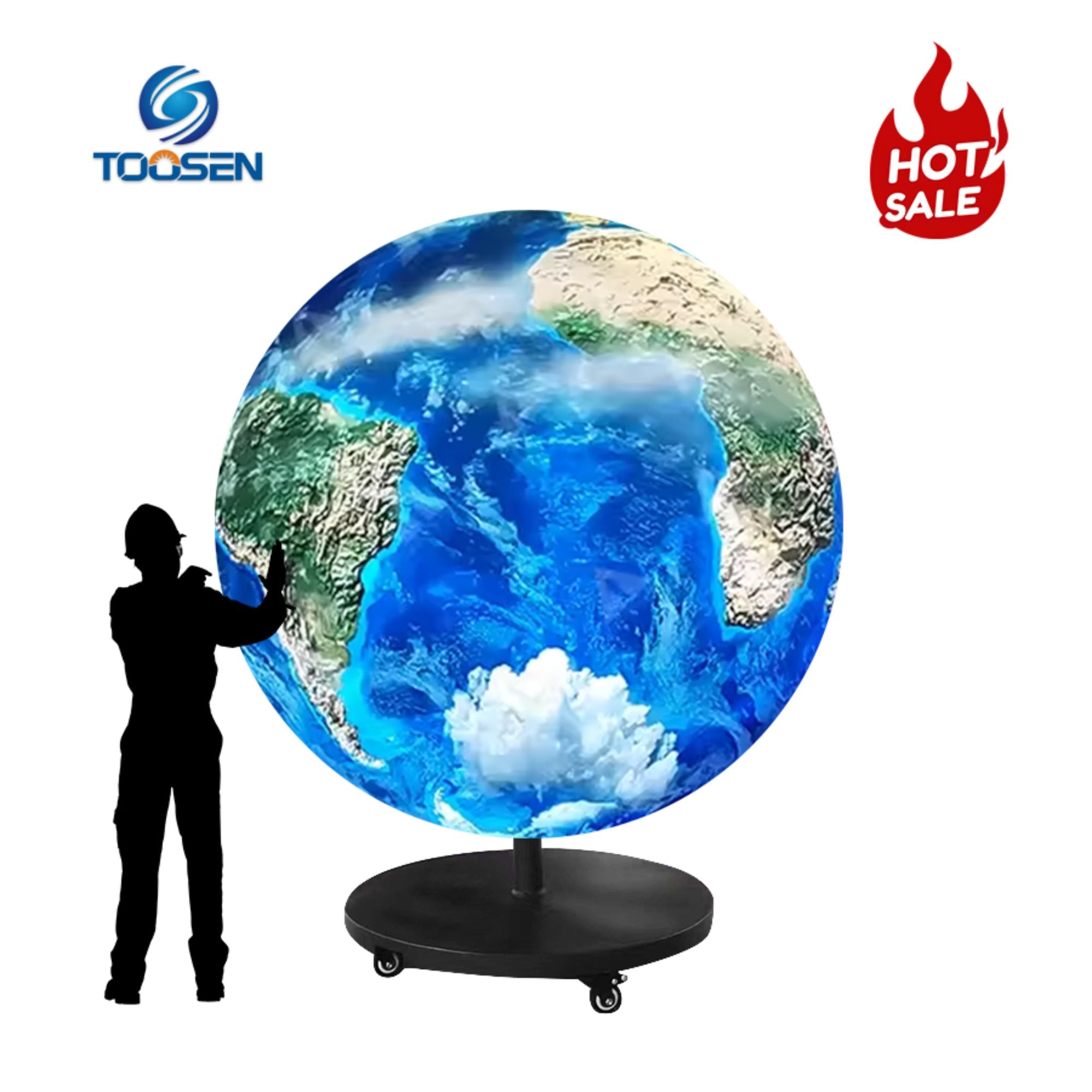
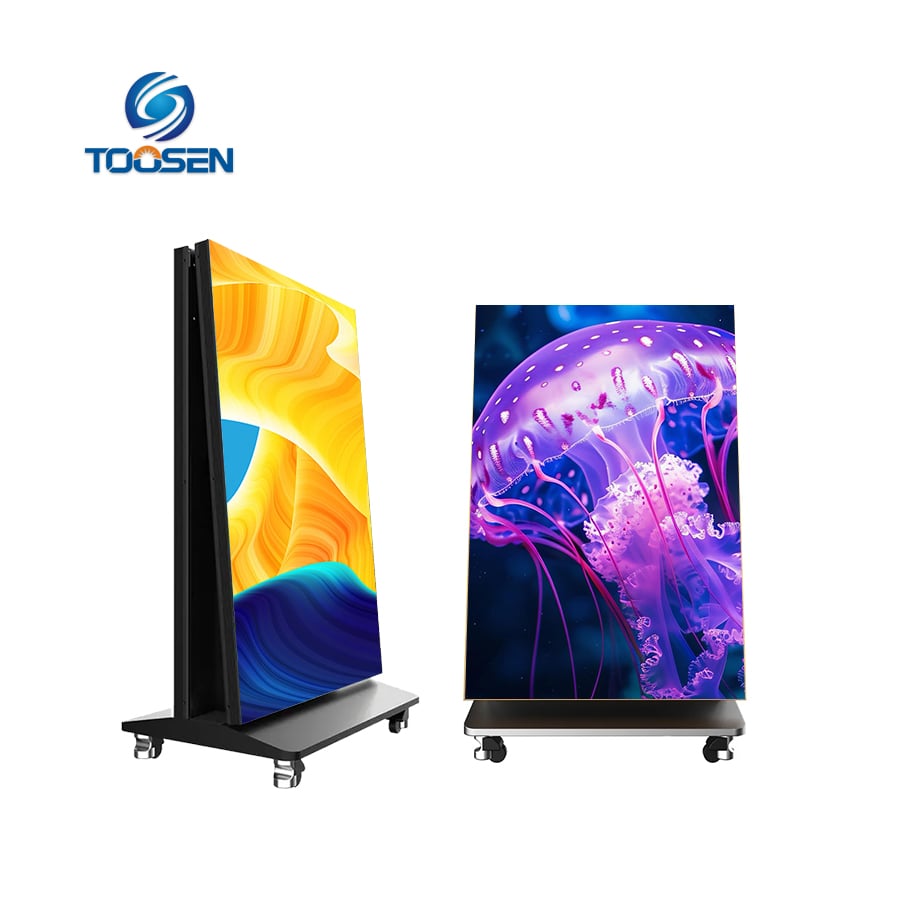
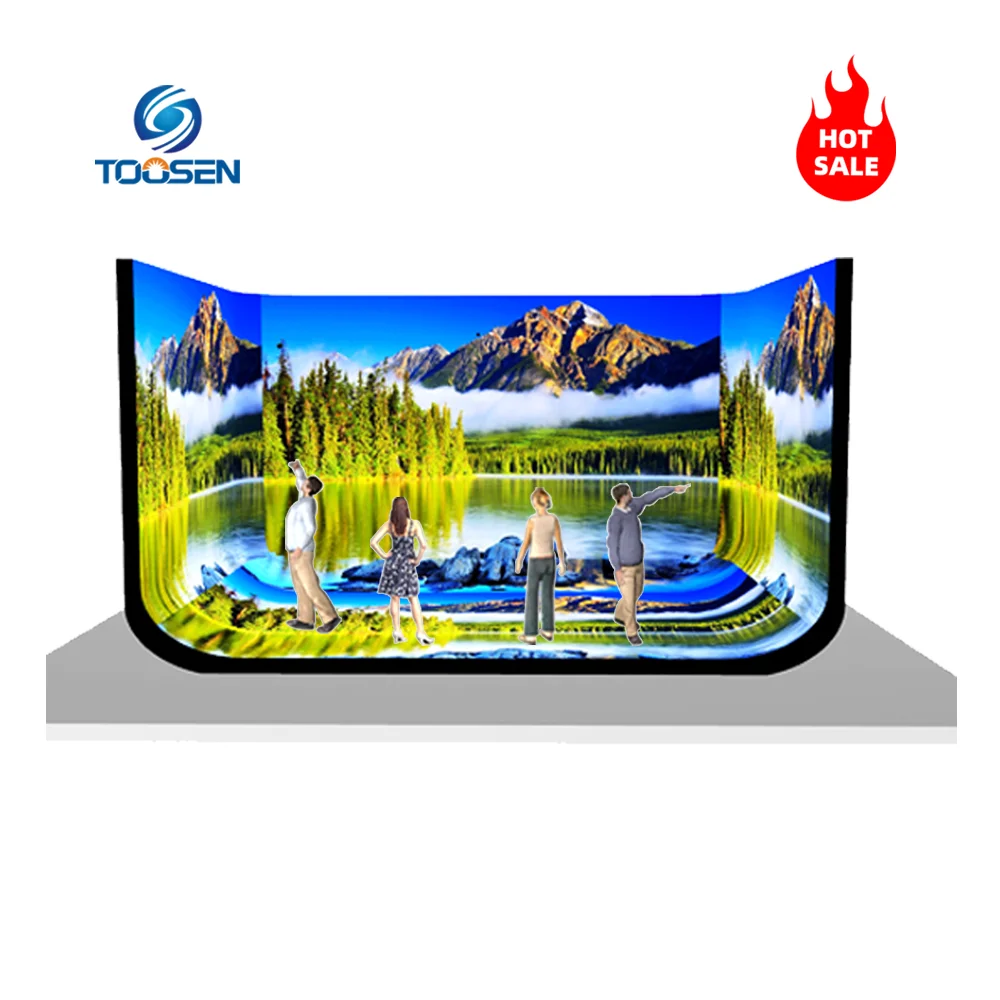
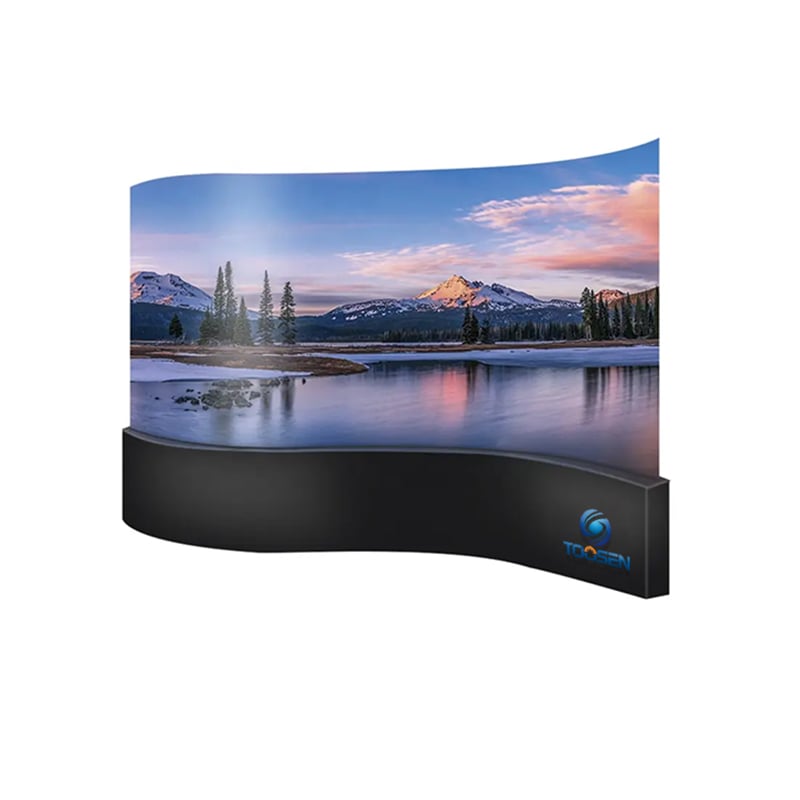
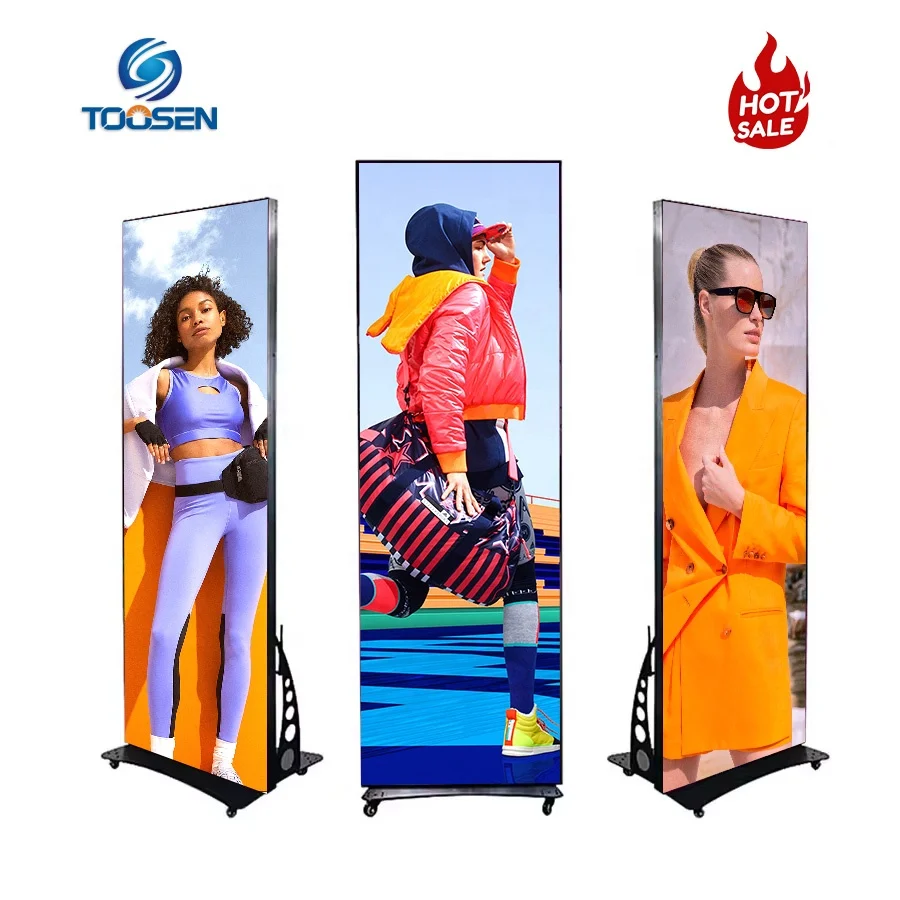
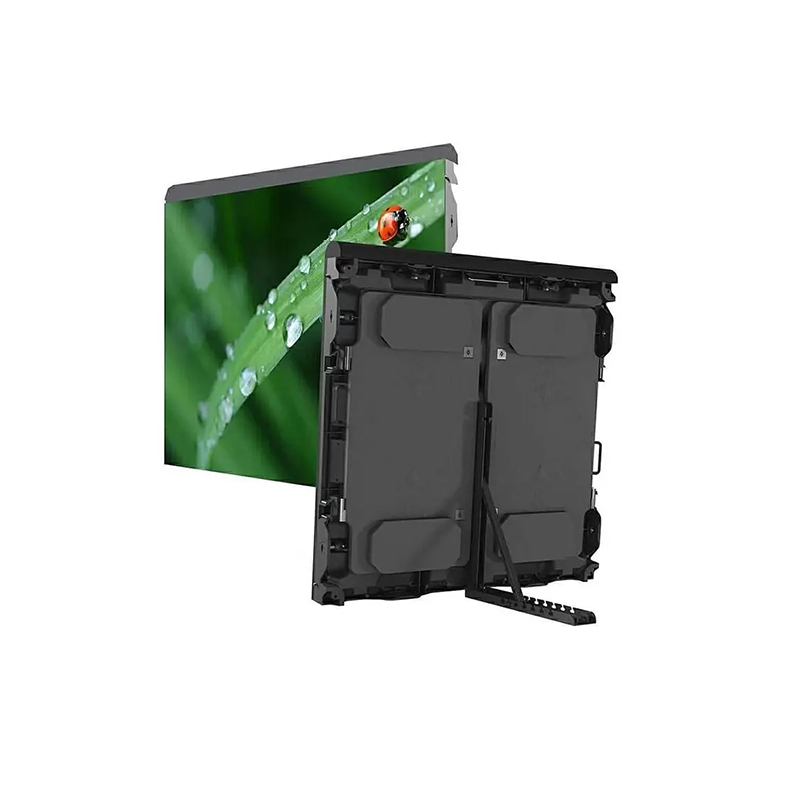
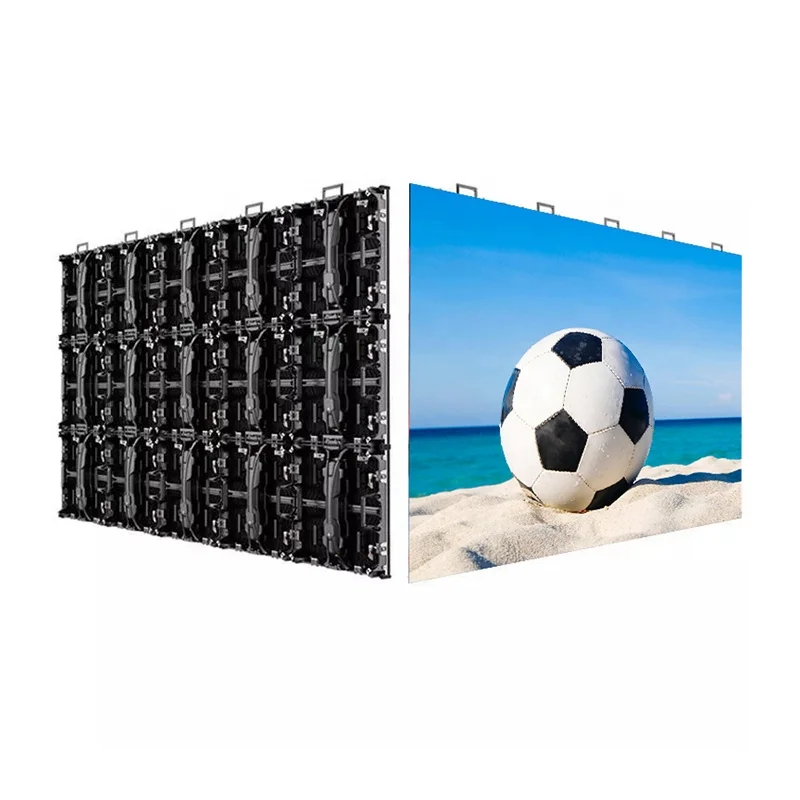
LED дисплеягийн үйлдлийн хугацааг уртасгахын тулд онцгой хэлбэртэй LED дисплей , түлхүүр зарчим нь хялбар: урьдчилан саархуулалт нь засварлахад илүү үр дүнтэй . Учир нь эдгээр дисплеюуд стандарт бус бүтцүүд, нарийн нарийн муруй шугамууд ашигладаг тул операторууд түүний бүх үйлдлийн циклд — хөдөлмүүр сонгох үеэс эхлэн өдөр тутмын ажиллуулалт, мэргэжлийн үйлдлийн хариуцлагатай хүртэл — түүнийг анхааралтай удирдаж, хамгаалах ёстой.
Доор үйлдлийн хугацааг уртасгах, тогтвортой ажиллах чадварыг хангахын тулд хэрэглэх боломжтой дөрвөн хэсгээс бүрдсэн үйлдлийн хариуцлагатай хүртэл үйлдлийн хариуцлагатай хүртэл
LED дисплеягийн үйлдлийн хугацаа их түлхүүртэй худалдан авах үед тодорхойлогддог. Өндөр чанарын компонентууд сонгох нь түүний тогтвортой бүтцүүдийн үндэс болой.
Итгэлт хагас дамжуулагч материалаас, жишээлбэл галлийн нитрид (GaN) -ийн үүднээс хийдсэн сонгосон LED чипс. Өндөр чанарын LED ба итгэлт драйвер ИС-үүд нь хугацааны турш тогтвортой ажиллахыг хангана.
Үүнээс гадна цахилгаан хангамжийн модуль хамгаалалтын функцийг, жишээлбэл хэт хүчдэл ба хэт гүйдэл хамгаалалтыг орлуулж үзүүрлүүд. Итгэлт цахилгаан систем нь цахилгаан гэмтэлд оролцох аюулдыг ихэд бууруулж үзүүрлүүд.
Дулаан зохицуулалт нь LED-ийн үйлдлийн хугацааг уртасгахад чухал үүрэг гүйцэтгэнэ. Сонго алюминий үндсэн эсвэл хүрэл үндсэн хүчдлийн хавтас дулааныг үр дүнтэй сарниулж үзүүрлүүд, жишээлбэл дулаан сарниулагч (хэйтсэнк) эсвэл хөхрүүлэгч вентилятор.
Гадаа суурилуулалт хийхдээ хамгаалалтын түвшин IP65 эсвэл түүнээс дээш савлагаа, усны халдварыг урьдчилан сэргийлэх зорилгоор хэрэглэх нь зөвлөгддөг.
Тусгай хэлбэртэй LED дэлгэц нь нарийн механик дарамтад өртдөг тул тусгалах хөшөө нь бат бөх, тогтвортой байх ёстой - Тийм ээ. Сайн зохион бүтээгдсэн барилга нь салхины даралт, хөдөлгөөн, удаан хугацааны ачаалалтай тэмцэх чадвартай.
Сайн ашиглах нь эд өлгийн хөгжилг багасгах боломжтой.
Системийг эрчим хүчээр хангахдаа үргэлж дараахь журмыг дагах:
Угаасаа эхлээд дохио дараа нь LED дэлгэцүүдийн цахилгааныг включлайте
Унтраах үед, нөхцөлд хамгийн түрүүнд дэлгэцүүдийн цахилгааныг унтраайте , дараа нь сигналын үүсгүүр
Энэ процессын үр дүнд LED модулийн гэмтэл үүсгэх болойн гэнэт цахилгааны урсгалыг саатуулж үлдээдэг.
Бүтнэд нь цагаан эсвэл хамгийн их гэрлэлтийн агуулга урт хугацаанд ажиллуул. Ийм агуулга цахилгааны ачааллыг нэмэгдүүлж, илүү дулаан үүсгүүлж үлдээдэг.
Харин гэрлэлтийн түвшнийг орчинд буй гэрлэлтийн нөхцөлд тохируулж бүү хүртүүл:
Өдөртөө гэрэлтүүлэг: 800–1200 нит
Шөнөний гэрэлтүүлэг: 300500 нит
LED дэлгэц нь өдөрт 3-5 цагийн амралт - Тийм ээ. Хэрэв дэлгэц удаан хугацаагаар ашиглагдаагүй бол ургамлын хуримтлалыг урьдчилан сэргийлэхын тулд сарын нэг удаагаар цацаарай.
Захиалгаа хийх цагийн хуваарийг тодорхойлох нь ямар нэгэн асуудлыг эрт илрүүлэхэд тусална.
Дээврийн цэвэрлэл:
Тос цэвэрлэх бодисыг зориулсан зөөлөн шүршүү эсвэл халуун хувцас хэрэглэе. Шилэн дээр шууд усны бодис бүрхүүлэхгүй, өндөр даралтын ус хэрэглэхгүй.
Дотоод нүүрсний ариутгах:
Орчинд хамаарч, хэдэн сар тутам дисплейн дотоод талд цугтагдаж буй нүүрснийг агаарын сүүлдүүр эсвэл вакуум төхөөрөмж ашиглан ариутгах. Энэ нь агаарын урсгалыг саадтай болгох, дулааныг хурдасгахаас саатуулна.
Гүнзгий шинжилгээг ойролцоогоор гурван сар тутам хийх ёстой.
Цахилгааны аюулгүй байдал:
Цахилгаан холбогчдыг исэлдүүр үүсгэх эсвэл суулгахгүй байхыг шинжил. Изоляцины төвөгтэй бүтэцтүүнг мегомметр ашиглан хэмжих бөөрнүүр, түүн доторх утас үлдмүүр 1 мегом-оос дээш хүрэлдүүр газардуулалтаас саатуулна.
Бүтцийн тогтвортой байдал:
Модульд холбогчид, тавиур, холбогчдыг температур өөрчлөлтүүд эсвэл хөдөлгөөнүүдийн нөлөөнд хамгийн сайн бэхлэлттүүнг хадгалахыг шинжил.
Зуурчлагч систем:
Хөхрүүлэх сүүлдүүрүүд зөв ажиллаж буйг баталж, агаарын урсгалын нүхнүүд саадтай болж буйг шинжил.
Сигналын утас:
Кабелүүдийн нугаламуур хөдөлгөөн, гэмтэл эсвэл суулгааны суурийн хөлсөлтүүдийг шалгах.
Дараа 5 000–10 000 цаг ажиллах , пиксел түвшинд тохируулалт хийхийг зөвлөж буй. Энэ процессын үр дүнд дисплейн ялгаруулалт төлөвхүүд, өнгөний нэгдүүлэлт сэргэдэг.
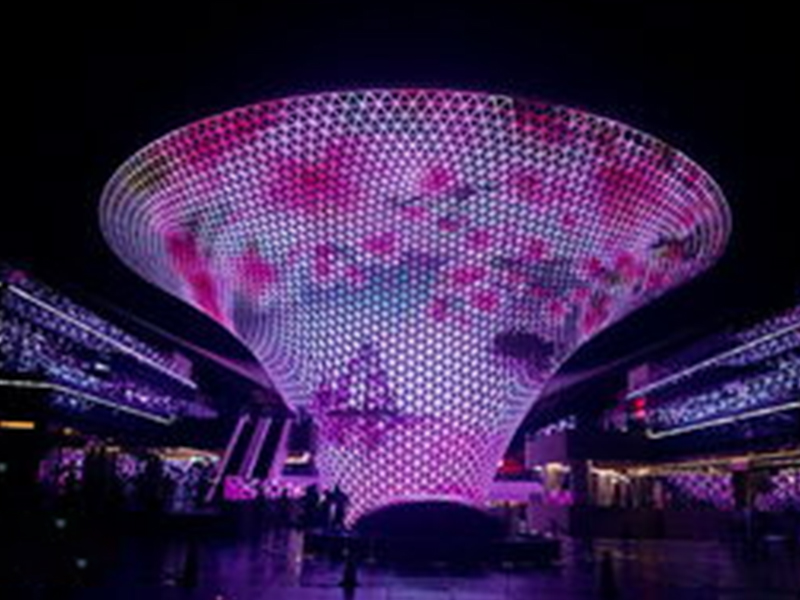
LED дисплейн найдвартай бүтэцтүүд орчны нөхцөлд хүчтэй нөлөөлдөг, ийнхүү урьдчилан саархуулах арга хэмжээсүүд чухал.
Дотоод суулгаанд температурыг 10°C ба 35°C хооронд 20% ба 80% .
Гадаа бүүрхийн дисплейн хувьд цахилгаан аюул багасгахын тулд хүчтэй гром-буряны үед үйлдлийг зогсоомуйц зөвлөж буй.
Хэрэв дисплейн дэлгэц дулааныг хэтрүүлж буй шинж тэмдэг үзүүлбүүр эсвэл ус нүүрхийн дотор орж буй шинж тэмдэг үзүүлбүүр илрүүлбүүр, түүнийхүүр цахилгаан хангамжийг холбогдуулах төхөөрөмжүүдийн тусламжтайгаар инфрацарын хэмжээнд ашиглагдах цаг амьсгалын камера дисплейн дулааныг хэтрүүлж буй цэгүүдийг илрүүлж, мэргэжлийн техникчидтой холбогдуулах.
Зохистой газардуулалт онцгой чухал. Хуурай орчинд цахилгаангүйжүүлэх давхарга статик цахилгааныг саархуулахын тулд LED чипсүүдийн гэмтэлтүүдийг саархуулахын тулд
Онцгой хэлбэрт LED дисплейн үйлдлийн хугацааг уртасгахын тулд системт үйлдлийн хугацааны удирдлага надад надад найдвартай хөдөлмүүр сонгох, дисплейн дэлгэцүүдийг зөв ашиглах, жилд хэдэн удаа мэргэжлийн үйлдлийн үзлүүр хийх, орчинд үүрд хүлээж буй аюулд бэлдмүүр хийх замаар операторууд дисплейн туршлагын хугацаа болон тогтвортой байдлыг ажиглан сайжруулж чадна.
Энэ урьдчилан сэргийлэх аргаар тусгай хэлбэртэй LED дэлгэц нь үзэгдэл, олон жилийн турш найдвартай гүйцэтгэл .
1. Ялангуяа хэлбэртэй LED дэлгэцийн амьдралыг уртлуулах хамгийн чухал хүчин зүйл юу вэ?
Өндөр чанартай бүрэлдэхүүн хэсэг, дулааныг үр дүнтэй удирдах нь хамгийн чухал хүчин зүйл юм. Өдөр тутмын зөв үйл ажиллагаа, тогтмол засвар үйлчилгээ нь бас чухал үүрэг гүйцэтгэдэг.
2. Тусгай хэлбэртэй LED дэлгэцийг хэр их удаа шалгах ёстой вэ?
Уламжлалтай цэвэрлэх ажлыг тогтмол хийх, мэргэжлийн хяналт шалгалтыг ойролцоогоор гурван сарын тутамд хийх нь зүйтэй.
3. Яагаад LED дэлгэцүүд цагаан болон өндөр гэрэлтүүлтэй агуулгатай байх ёсгүй вэ?
Өндөр гэрэлтүүлтэй зургууд нь эрчим хүчний хэрэглээг нэмэгдүүлж, дулааныг үүсгэдэг бөгөөд энэ нь бүрэлдэхүүний хөгжилтийг хурдасгаж, LED модулийн амьдралыг багасгаж өгдөг.
 EN
EN
 AR
AR
 BG
BG HR
HR
 CS
CS
 DA
DA
 NL
NL
 FI
FI FR
FR
 DE
DE EL
EL
 HI
HI
 IT
IT JA
JA
 KO
KO
 NO
NO PL
PL PT
PT RO
RO
 RU
RU
 ES
ES
 SV
SV
 TL
TL
 ID
ID
 SR
SR
 UK
UK VI
VI
 ET
ET
 HU
HU
 TH
TH
 TR
TR
 FA
FA
 AF
AF
 MS
MS
 GA
GA
 HY
HY
 AZ
AZ
 MN
MN
 UZ
UZ