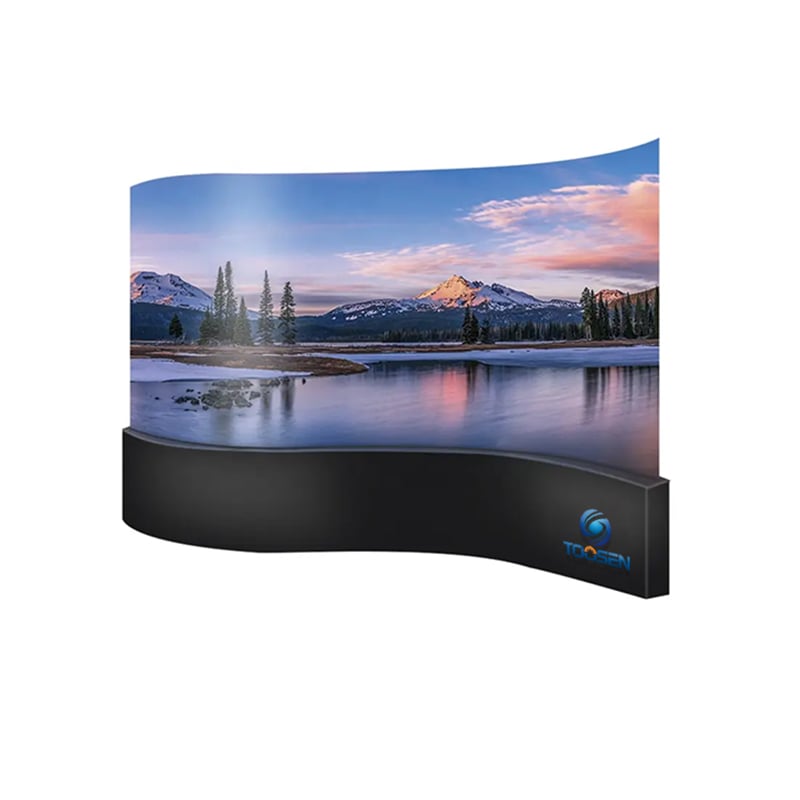
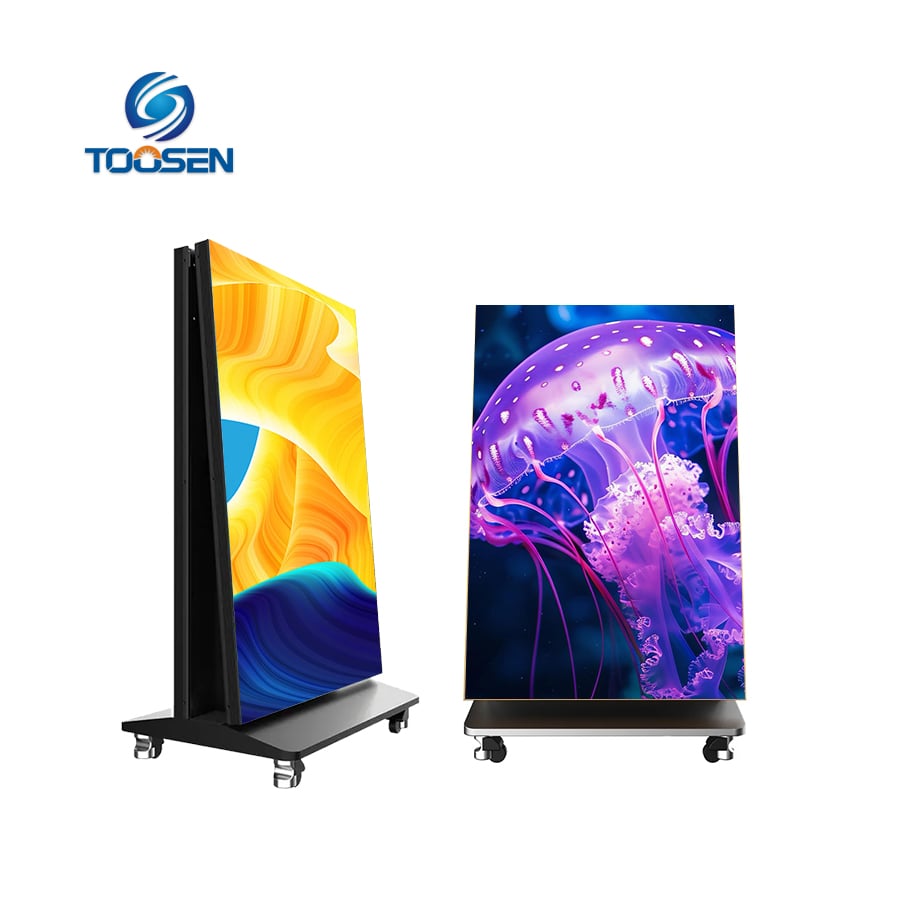
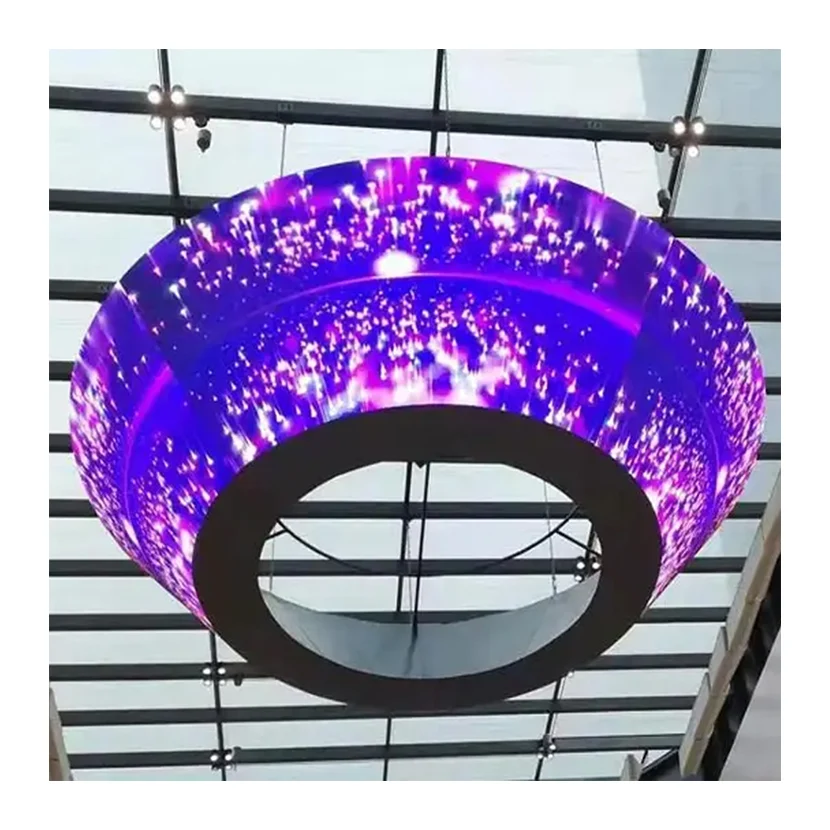
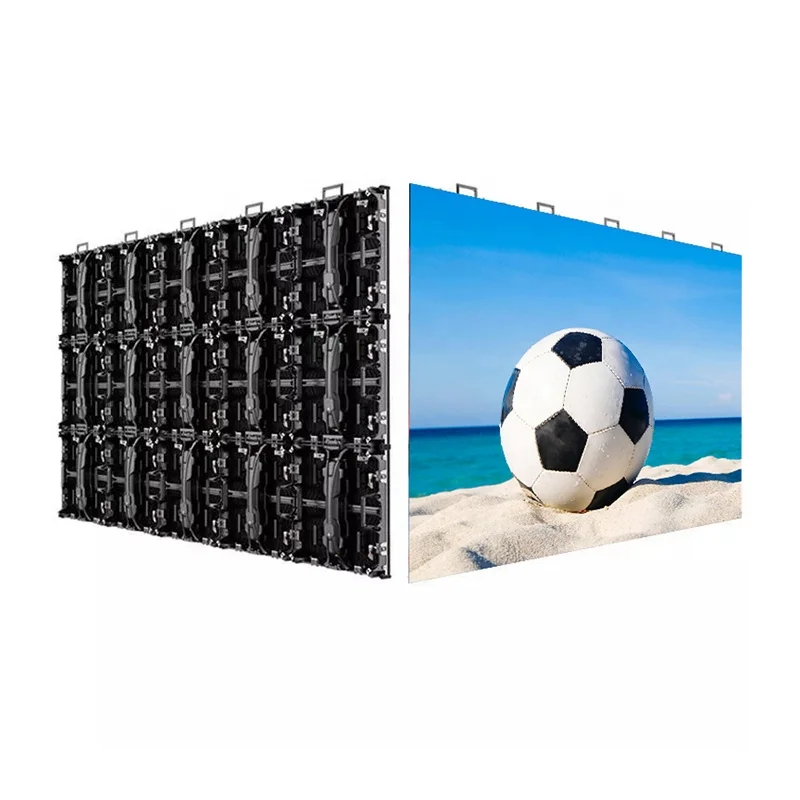
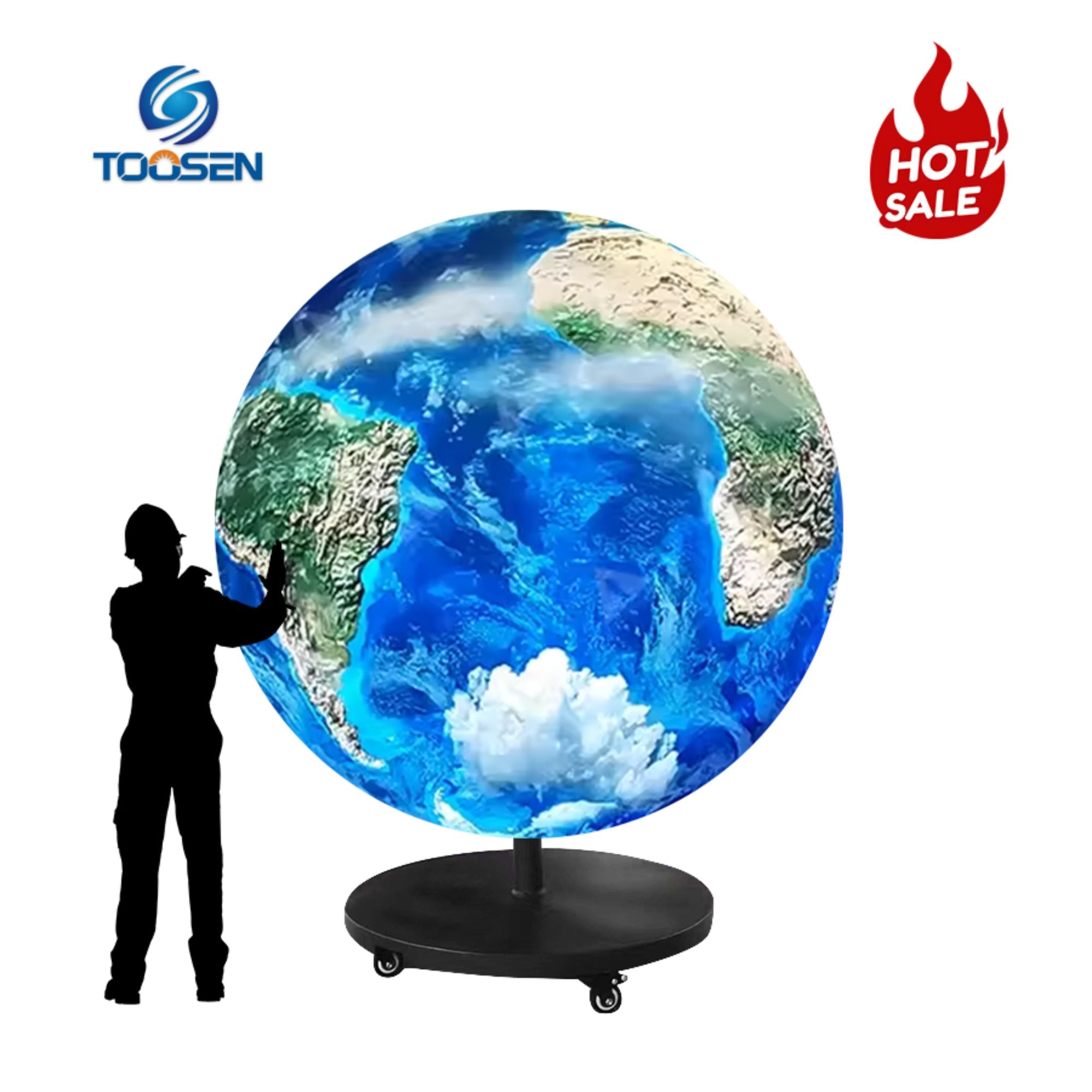
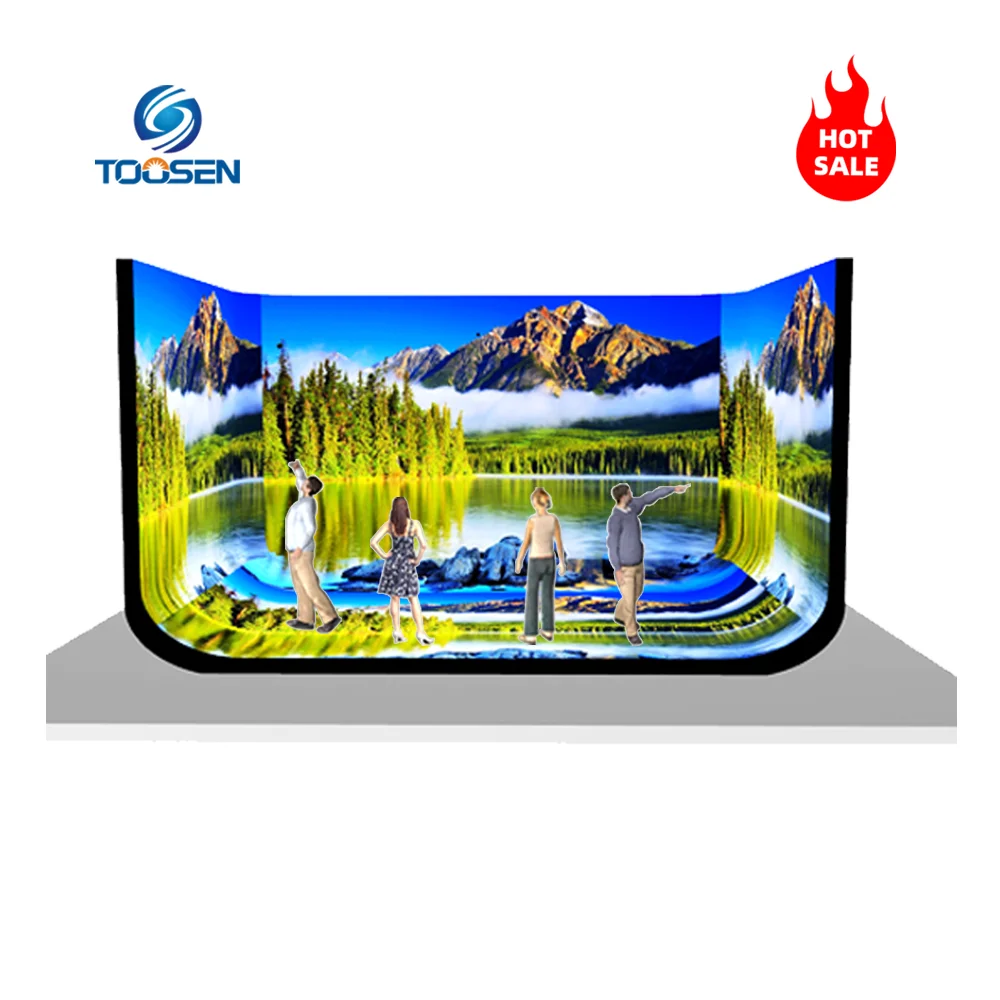
한 불규칙한 LED 디스플레이 시스템은 화면 자체를 훨씬 넘어서는 광범위한 구성 요소로 이루어져 있습니다. 프로젝트가 곡면 LED 월, 구형 LED 디스플레이, 큐브형 디스플레이, 원통형 디스플레이, 파도 모양 디스플레이 또는 맞춤형 문자 형태 설치를 포함하든 상관없이, 전체 시스템은 여러 하드웨어 및 소프트웨어 구성 요소가 유기적으로 협력하여 작동해야 합니다.
완전한 설치 구성에는 일반적으로 디스플레이 모듈, 제어 시스템, 영상 처리 장비, 전력 분배 장치, 구조 지지대, 냉각 시스템, 케이블 및 전용 소프트웨어가 포함됩니다.
아래는 전문적인 비정형 LED 디스플레이 솔루션에 포함되는 핵심 구성 요소의 상세한 분류입니다.
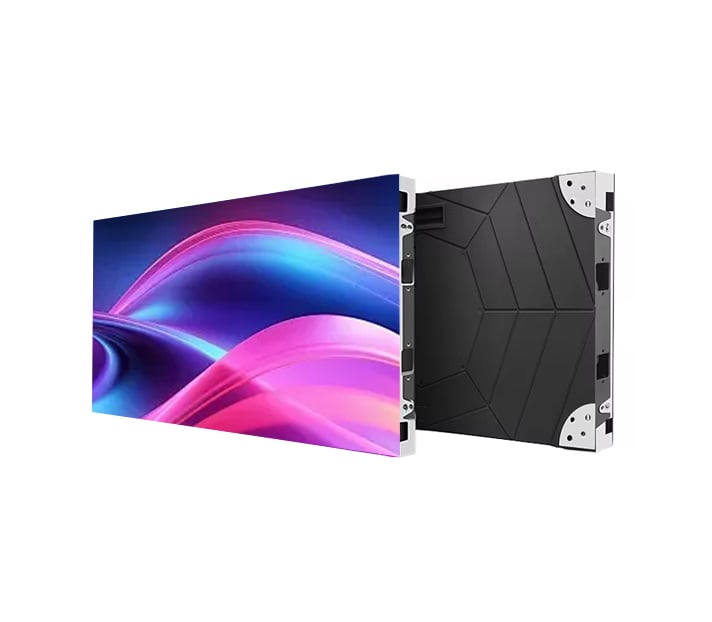
디스플레이 유닛은 비정형 LED 화면의 시각적 핵심을 형성합니다.
표준 직사각형 LED 패널과 달리, 비정형 LED 디스플레이는 독특한 형태와 곡선에 정확히 부합하도록 특별히 설계된 모듈을 사용합니다.
일반적인 모듈 유형은 다음과 같습니다:
이러한 맞춤형 모듈을 통해 제조사는 구체, 아치, 터널, 파동 및 예술 설치물과 같은 창의적인 구조물을 제작할 수 있습니다.
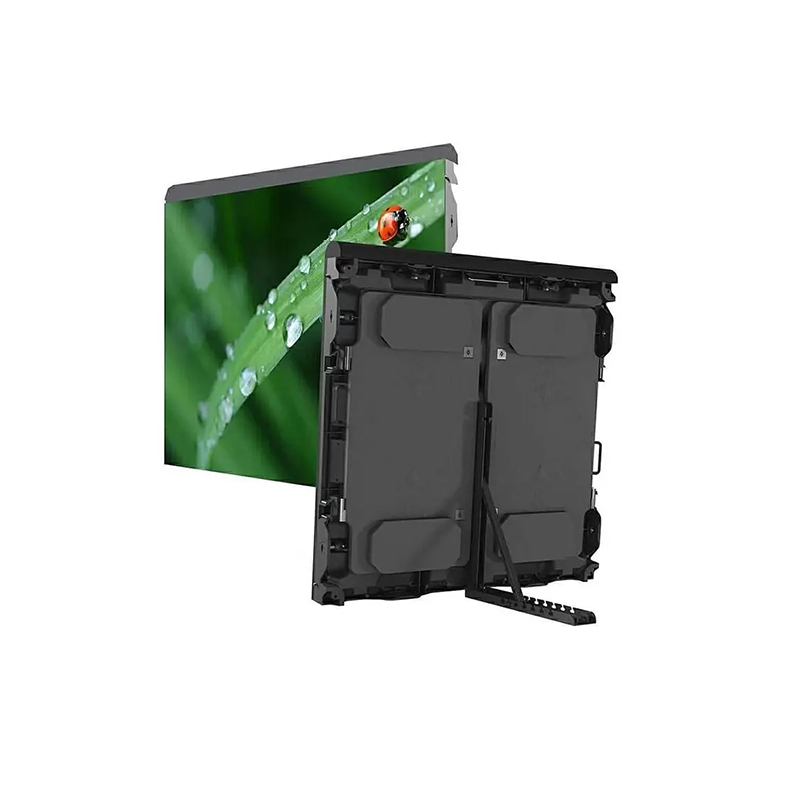
캐비닛 구조는 LED 모듈을 지지하며 원하는 형태를 유지합니다.
제조사에서 일반적으로 사용하는 방식:
프레임워크는 화면의 곡률 및 설치 요구 사항과 정확히 일치해야 합니다.
보호 커버는 LED 램프를 먼지, 충격 및 환경적 손상으로부터 보호합니다.
곡면 또는 특수한 형상을 가진 스크린의 경우, 제조사는 일반적으로 마스크와 하우징을 맞춤형으로 제작하여 완벽한 외관과 적절한 조명 분포를 확보합니다.
제어 시스템은 데이터 전송 및 스크린 동기화를 관리합니다.
송신 카드는 미디어 소스로부터 영상 신호를 수신하고, 이미지 데이터를 LED 디스플레이 시스템으로 분배합니다.
각 캐비닛 내부에 설치되는 수신 카드는 개별 LED 모듈을 제어하며, 디지털 신호를 디스플레이 출력으로 변환합니다.
멀티펑션 카드는 다음을 포함한 지능형 관리 기능을 추가합니다:
HUB 보드는 수신 카드와 LED 모듈을 연결하며 캐비닛 내 신호 전송 브리지 역할을 합니다.
전문 영상 처리 장비는 불규칙한 화면 표면에서도 부드러운 영상 성능을 보장합니다.
영상 프로세서는 다음 기능을 수행합니다:
이 구성 요소는 대형 포맷 또는 비표준 LED 설치 시 특히 중요해집니다.
미디어 플레이어는 영상 콘텐츠를 저장하고 재생합니다.
일반적인 선택 사항은 다음과 같습니다:
제어 소프트웨어를 통해 운영자는 다음 작업을 수행할 수 있습니다:
안정적인 전원 시스템은 안전하고 연속적인 작동을 보장합니다.
LED 모듈은 일반적으로 다음과 같은 저전압 전원 공급 장치를 필요로 합니다:
이 장치들은 디스플레이 모듈에 안정적인 전류를 공급합니다.
전원 캐비닛은 시스템 전체에 전기를 분배하며, 일반적으로 다음을 포함합니다:
내부 전원 배선은 모듈들을 연결하고 캐비닛 간 전기를 분배합니다.
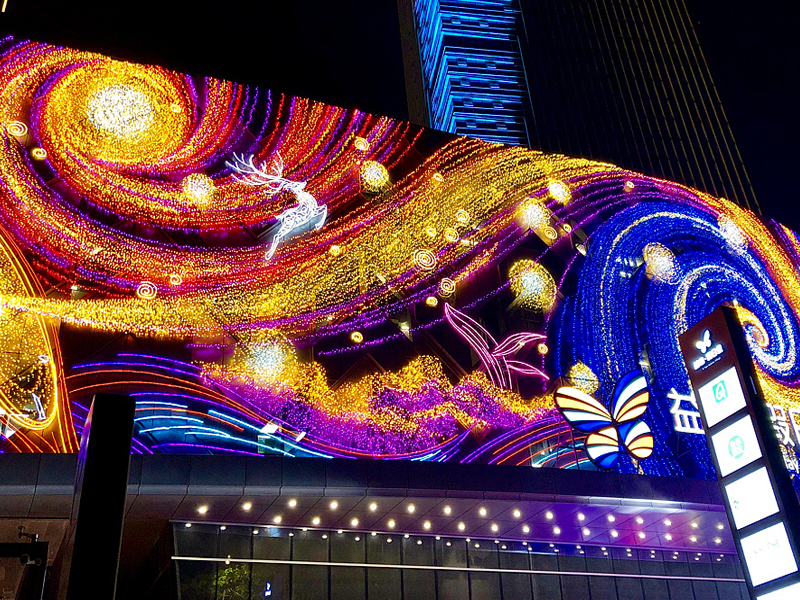
불규칙한 LED 화면은 고도로 맞춤화된 설치 솔루션을 필요로 합니다.
모든 불규칙한 LED 프로젝트는 고유한 치수와 형상을 가지기 때문에, 엔지니어는 보통 설치 환경에 특화된 맞춤형 지지 구조를 설계합니다.
이러한 부품은 캐비닛을 서로 고정하여 구조적 안정성을 유지합니다.
일반적인 액세서리에는 다음이 포함됩니다:
설치 방식에 따라 시스템에 다음이 포함될 수 있습니다:
열 관리는 LED 디스플레이의 장기 성능 유지에 매우 중요합니다.
야외 또는 실내에 설치되는 불규칙한 형태의 LED 디스플레이는 과열을 방지하기 위해 종종 능동 냉각 시스템이 필요합니다.
일반적인 냉각 솔루션에는 다음이 포함됩니다:
환경 모니터링 장치는 안전한 작동 조건을 유지하고 시스템 신뢰성을 향상시킵니다.
신뢰성 있는 신호 전송은 안정적인 디스플레이 성능을 보장합니다.
CAT5e 또는 CAT6 네트워크 케이블은 송신 카드와 수신 카드 간의 데이터를 전송합니다.
장거리 전송의 경우, 광섬유는 다음을 제공합니다:
이러한 부품들은 LED 모듈 내부에서 신호를 캐스케이딩 방식으로 연결합니다.
전원선은 디스플레이 시스템 전체에 전기를 분배합니다.
추가 액세서리는 내구성, 유지보수성 및 작동 안전성을 향상시킵니다.
실외용 LED 화면에서는 일반적으로 신호 및 전원 연결을 위해 방수 항공 커넥터를 사용합니다.
이 부품들은 야외 설치 디스플레이를 비, 먼지 및 습기로부터 보호합니다.
전문 LED 프로젝트에는 일반적으로 다음이 포함됩니다:
광 센서는 주변 환경 조도에 따라 화면 밝기를 자동으로 조정합니다.
소프트웨어는 비정형 LED 디스플레이를 효과적으로 운영하는 데 핵심적인 역할을 합니다.
인기 있는 LED 제어 소프트웨어는 다음과 같습니다:
이러한 플랫폼은 설정, 교정 및 디스플레이 관리를 담당합니다.
비정형 LED 스크린은 다음을 위해 고급 보정 시스템을 필요로 합니다:
픽셀 단위 기하학적 보정을 통해 복잡한 표면 전반에 걸쳐 정확한 영상 매핑을 보장합니다.
창의적인 LED 설치는 종종 화면 형태와 관람 각도에 특화된 맞춤형 3D 영상 콘텐츠를 필요로 합니다.
완전한 비정형 LED 디스플레이 시스템은 맞춤형 LED 패널 이상의 여러 요소로 구성됩니다. 실제로 성공적인 프로젝트는 디스플레이 기술, 지능형 제어 시스템, 구조 공학, 열 관리 및 전용 소프트웨어를 하나의 통합 솔루션으로 결합합니다.
따라서 곡면, 구면, 원통형 또는 맞춤형 형상의 LED 프로젝트를 계획할 때 구매자는 화면 자체뿐만 아니라 전체 생태계를 평가해야 합니다. 적절히 설계된 시스템은 화질 향상, 운영 안정성 확보, 정비 효율성 증대 및 장기적 내구성 향상을 가져옵니다.
 EN
EN
 AR
AR
 BG
BG HR
HR
 CS
CS
 DA
DA
 NL
NL
 FI
FI FR
FR
 DE
DE EL
EL
 HI
HI
 IT
IT JA
JA
 KO
KO
 NO
NO PL
PL PT
PT RO
RO
 RU
RU
 ES
ES
 SV
SV
 TL
TL
 ID
ID
 SR
SR
 UK
UK VI
VI
 ET
ET
 HU
HU
 TH
TH
 TR
TR
 FA
FA
 AF
AF
 MS
MS
 GA
GA
 HY
HY
 AZ
AZ
 MN
MN
 UZ
UZ