오늘 실외 LED 디스플레이 스크린 고해상도 영상 시대에 진입했습니다. 따라서 화질, 색 정확도 및 전반적인 디스플레이 성능이 그 어느 때보다 중요해졌습니다. 균일성, 흑백 계조 성능, 갱신 주파수, 명암비, 색 영역, 색 온도 등 다양한 요인이 디스플레이 품질에 영향을 미칩니다. 그러나 먼지, 오염물질 및 환경 오염 역시 중요한 역할을 합니다.
따라서 LED 스크린이 뛰어난 시각적 성능과 장기적인 신뢰성을 유지하려면 정기적인 청소 및 관리가 필수적입니다.
야외용 LED 디스플레이는 지속적으로 먼지, 비, 차량 배기가스 및 공중 부유 입자에 노출됩니다. 시간이 지남에 따라 이러한 오염물질이 스크린 표면에 축적되어 밝기, 선명도 및 색상 일관성을 저하시킵니다.
또한 과도한 오염물은 열 방출을 방해하여 부품 노화 위험을 증가시킬 수 있습니다. 정기적인 청소는 화질 개선뿐 아니라 LED 디스플레이의 수명 연장에도 기여합니다.
대부분의 실외 LED 디스플레이는 높은 위치에 설치되기 때문에, 청소 작업은 일반적으로 고소작업을 수반합니다. 전문 유지보수 팀은 보통 매달린 로프를 사용하여 작업하는데, 이는 흔히 '스파이더맨 작업'이라고 불리기도 하며, 또는 특수 청소 도구가 장착된 곤돌라 리프팅 시스템을 활용하기도 합니다.
또한 기술자들은 화면 표면에 있는 오염물질의 종류에 따라 서로 다른 청소제를 선택합니다. 이러한 맞춤형 청소 방식은 LED 램프나 보호 마스크를 손상시키지 않으면서 오염물을 효과적으로 제거할 수 있도록 보장합니다.
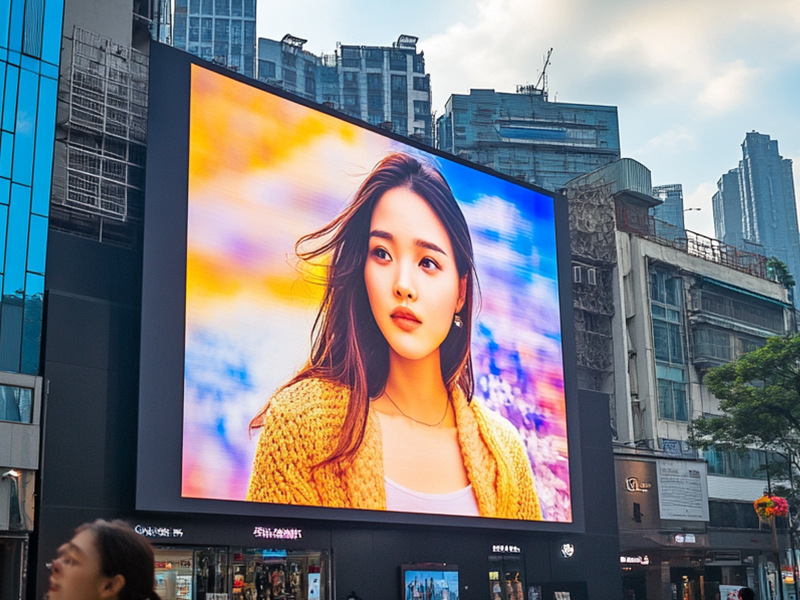
일정 기간 운영된 후 실외 LED 스크린은 자연스럽게 먼지와 이물질이 쌓이게 됩니다. 청소 전에는 고품질의 LED 스크린 전용 청소 키트를 선택하는 것이 중요합니다.
전문 청소 용액에는 일반적으로 다음 성분들이 포함됩니다:
이 재료들은 먼지, 지문, 그리고 끈질긴 얼룩을 효과적으로 제거할 뿐만 아니라 정전기 발생을 방지하는 데도 도움을 줍니다.
일부 사람들은 순수한 물만으로도 충분히 청소할 수 있다고 믿습니다. 그러나 물만으로는 일반적으로 청소 성능이 떨어지며, 이로 인해 먼지가 화면 표면에 금방 다시 붙을 수 있습니다.
더 중요한 점은 LED 화면에 직접 물이나 청소액을 분사하지 말아야 한다는 것입니다. 대신 부드러운 청소용 천에 소량의 청소 용액을 뿌린 후, 화면 표면을 한 방향으로 부드럽게 닦으십시오. 청소 작업을 시작하기 전에는 항상 전원을 차단하여 안전을 확보하십시오.
우선, 진공청소기나 먼지 제거 장비를 사용하여 화면 표면과 보호 마스크 상의 흡착되지 않은 먼지 및 오염물을 제거합니다.
다음으로, 습기 분사 장치 또는 증기 보조 청소 시스템을 사용하여 화면 표면에 굳어진 오염물을 부드럽게 만듭니다. 그런 다음, 진공청소기와 연결된 부드러운 솔이 달린 브러시로 LED 마스크를 부드럽게 청소합니다. 이 과정은 표면을 긁지 않으면서 쌓인 때를 제거합니다.
마지막으로, 젖은 상태에서 청소한 후 남은 물방울과 수분 자국을 진공 청소기 시스템을 사용하여 흡입합니다. 적절한 건조는 먼지가 다시 붙는 것을 방지하고 LED 디스플레이를 깨끗하고 선명하게 유지합니다.
정기적인 청소 및 정비는 실외용 LED 스크린의 최적 디스플레이 성능을 유지하는 데 매우 중요합니다. 깨끗한 스크린은 더 높은 밝기, 선명한 영상, 그리고 보다 정확한 색상을 제공합니다.
동시에 적절한 정비는 안정적인 작동을 보장하고, 고장률을 낮추며, LED 디스플레이 시스템의 수명을 연장하는 데 기여합니다.
 EN
EN
 AR
AR
 BG
BG HR
HR
 CS
CS
 DA
DA
 NL
NL
 FI
FI FR
FR
 DE
DE EL
EL
 HI
HI
 IT
IT JA
JA
 KO
KO
 NO
NO PL
PL PT
PT RO
RO
 RU
RU
 ES
ES
 SV
SV
 TL
TL
 ID
ID
 SR
SR
 UK
UK VI
VI
 ET
ET
 HU
HU
 TH
TH
 TR
TR
 FA
FA
 AF
AF
 MS
MS
 GA
GA
 HY
HY
 AZ
AZ
 MN
MN
 UZ
UZ