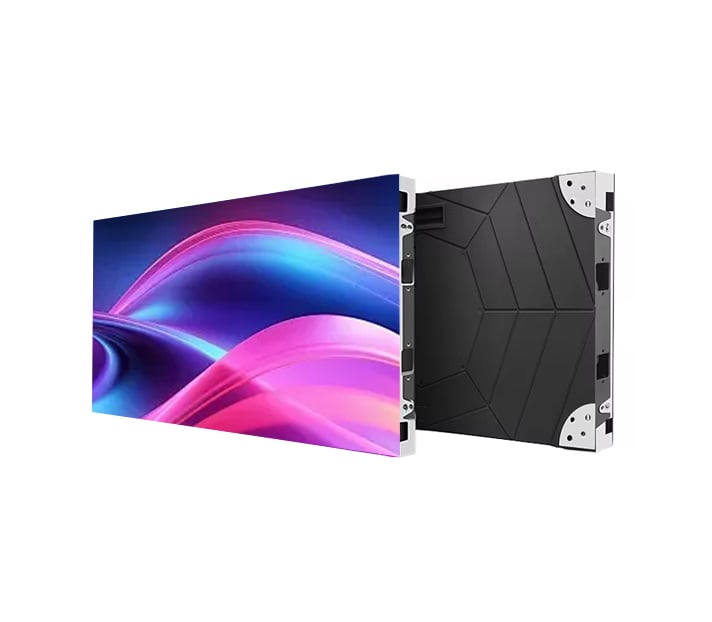
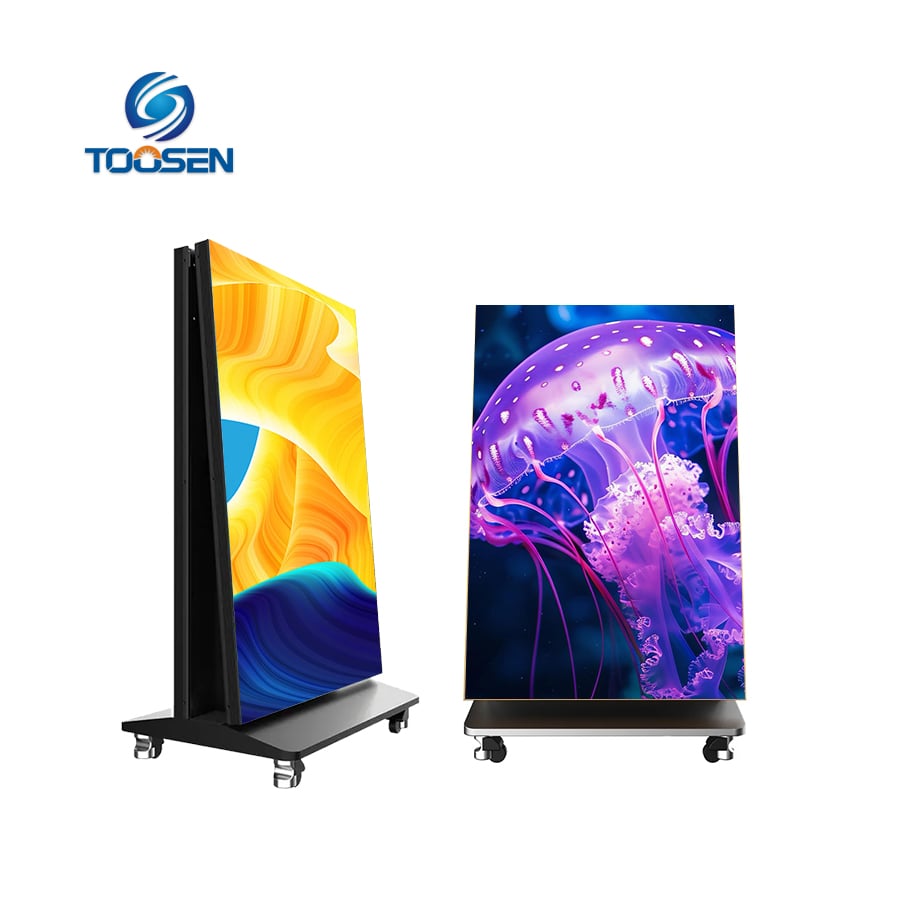
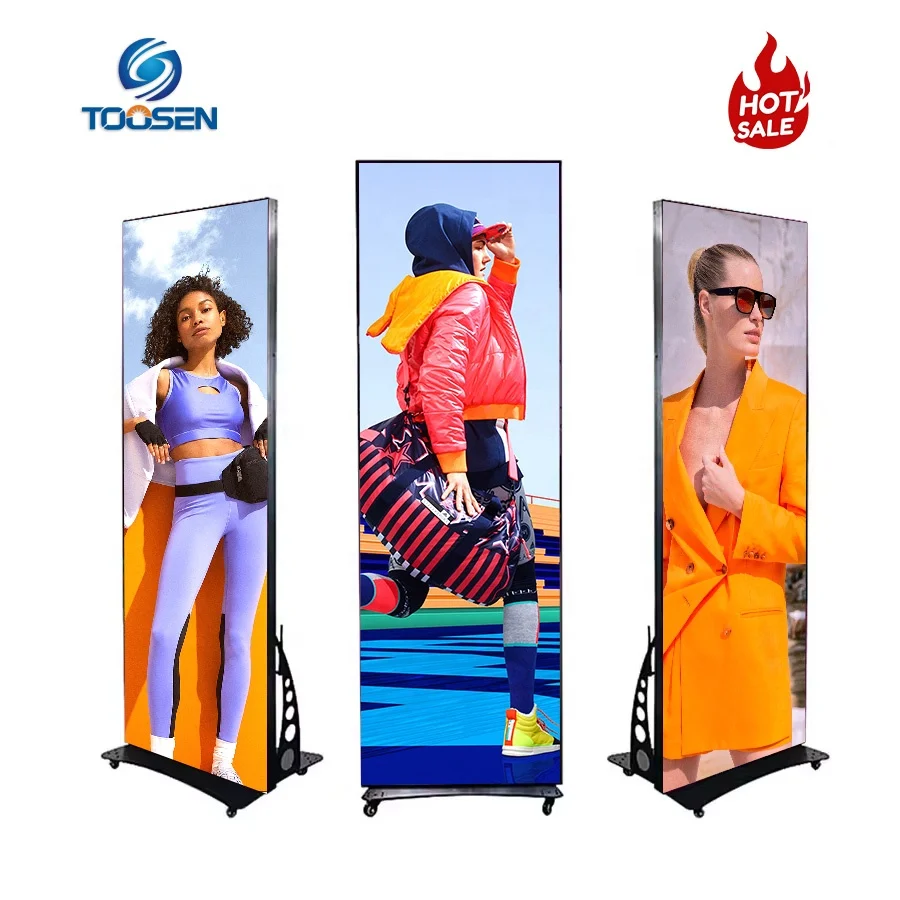
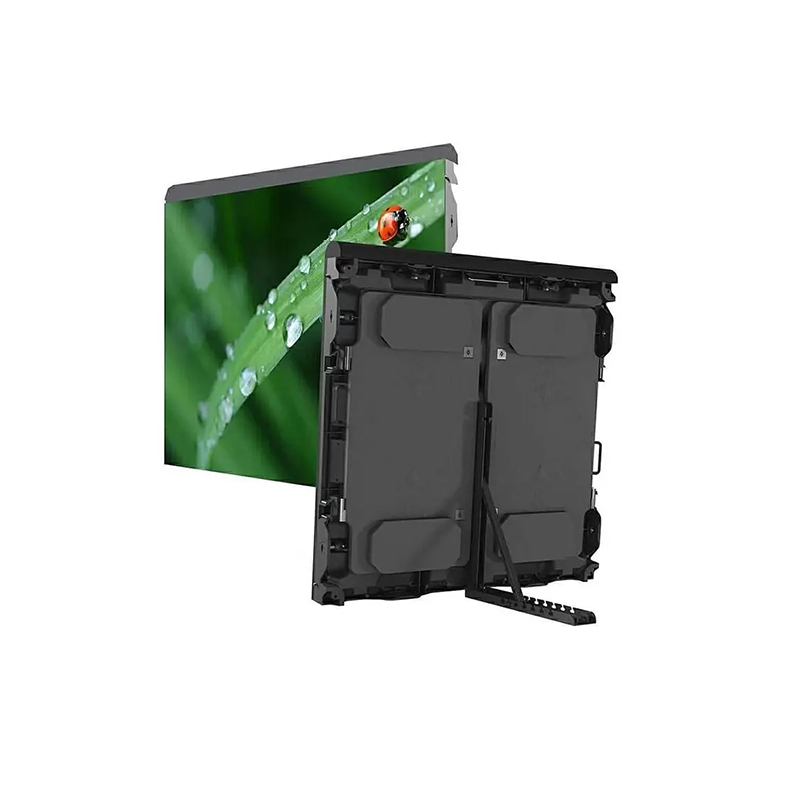
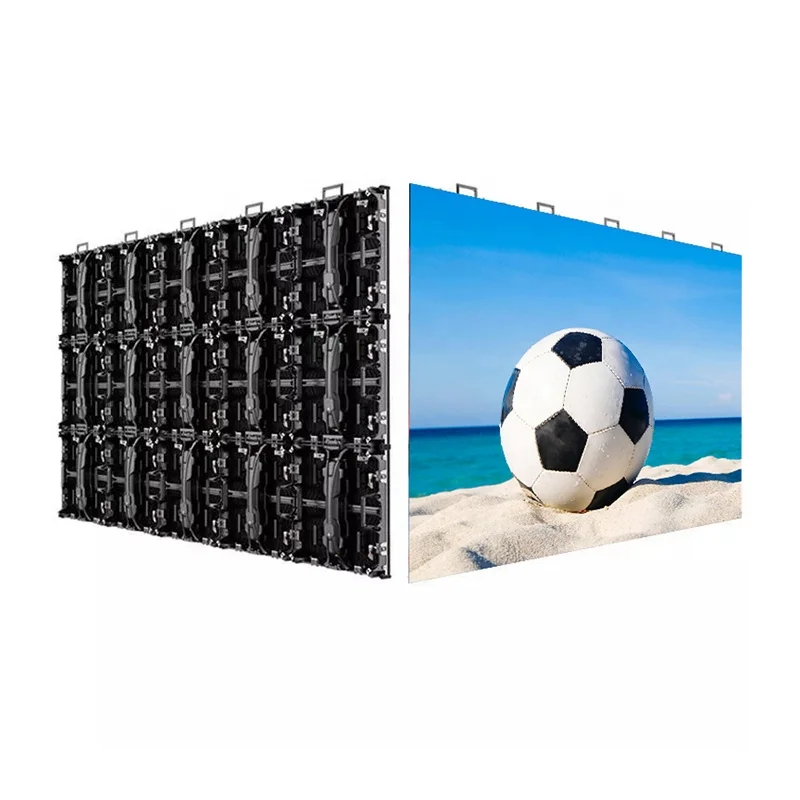
Fai una passeggiata in qualsiasi distretto commerciale moderno o complesso commerciale e lo vedrai ovunque: schermi LED piatti montati su pareti, che riproducono pubblicità in loop. Sono funzionali, familiari e, francamente, facili da ignorare.
Ma entra in uno spazio con un display LED personalizzato creativo , e l’esperienza cambia istantaneamente.
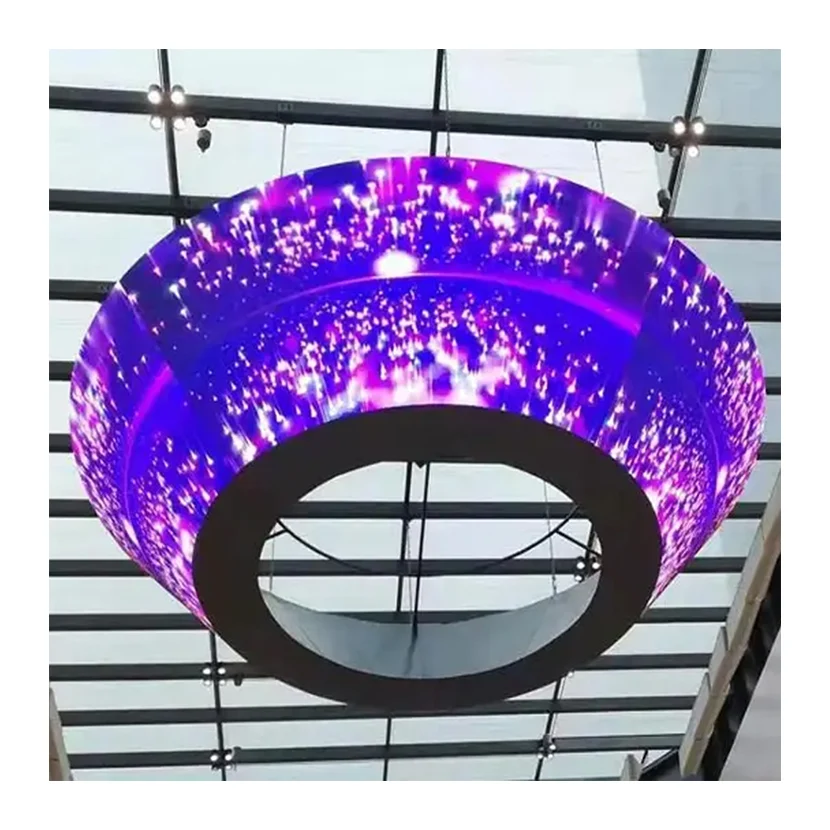
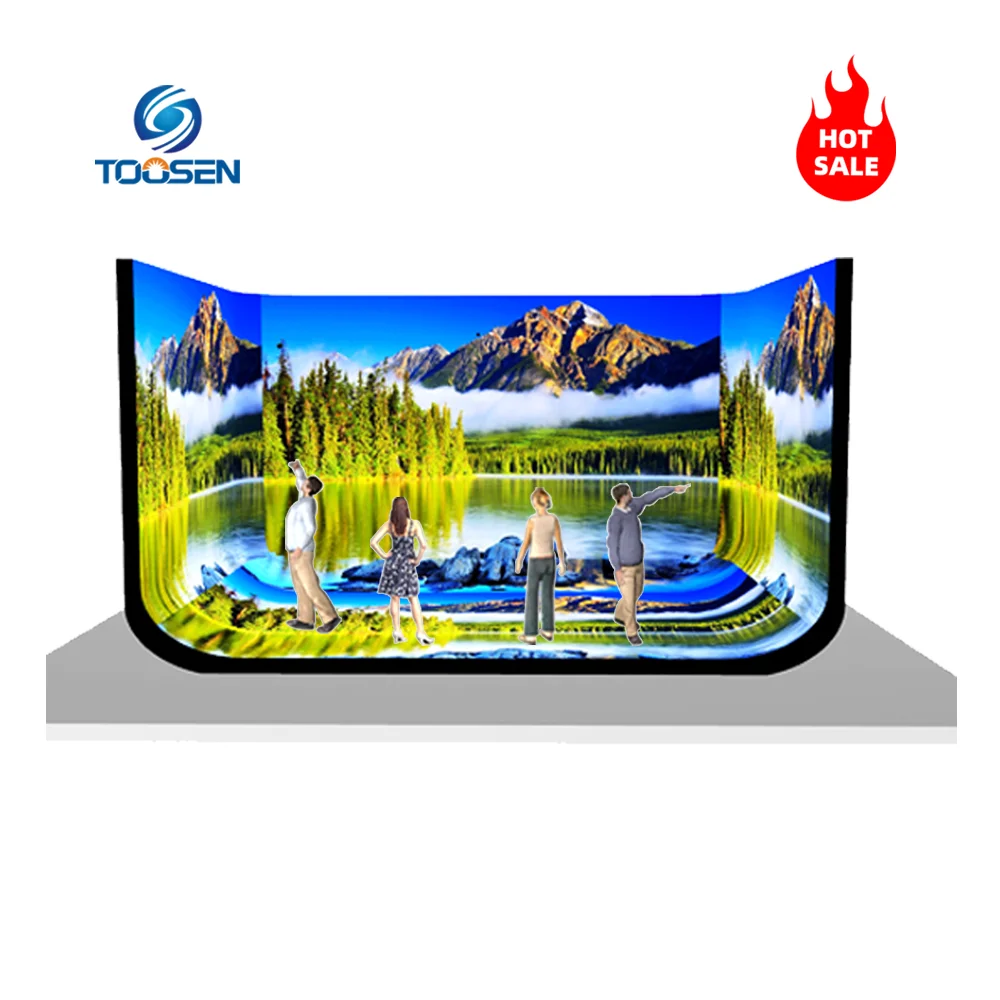
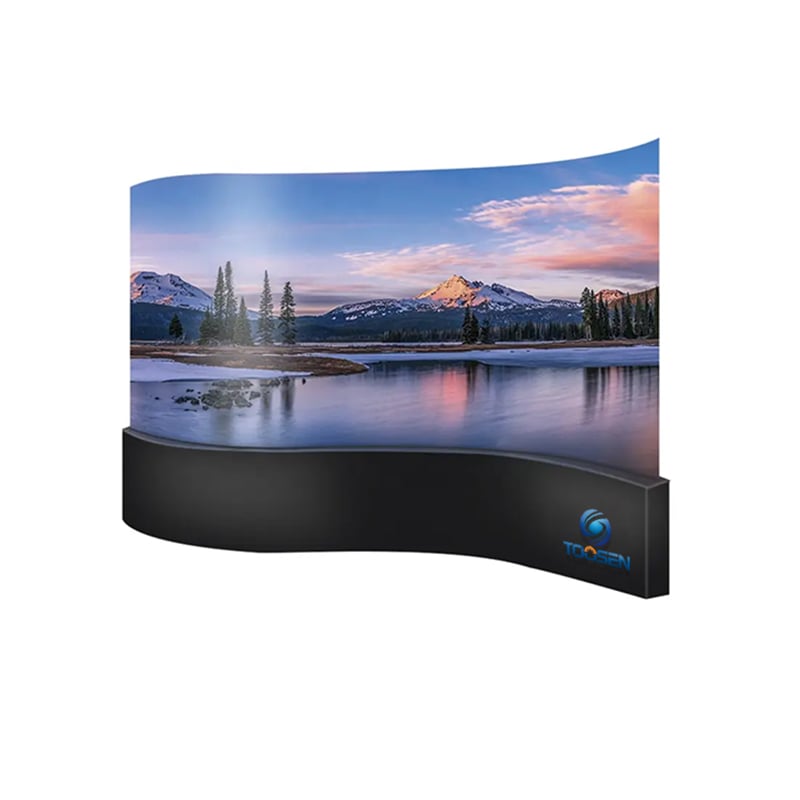
Soffitti curvi ondulano di movimento. Colonne cilindriche prendono vita. Tunnel immersivi ti attirano in avanti. Questi non sono semplici schermi: sono esperienze spaziali.
Gli schermi piatti semplicemente non possono fare questo.
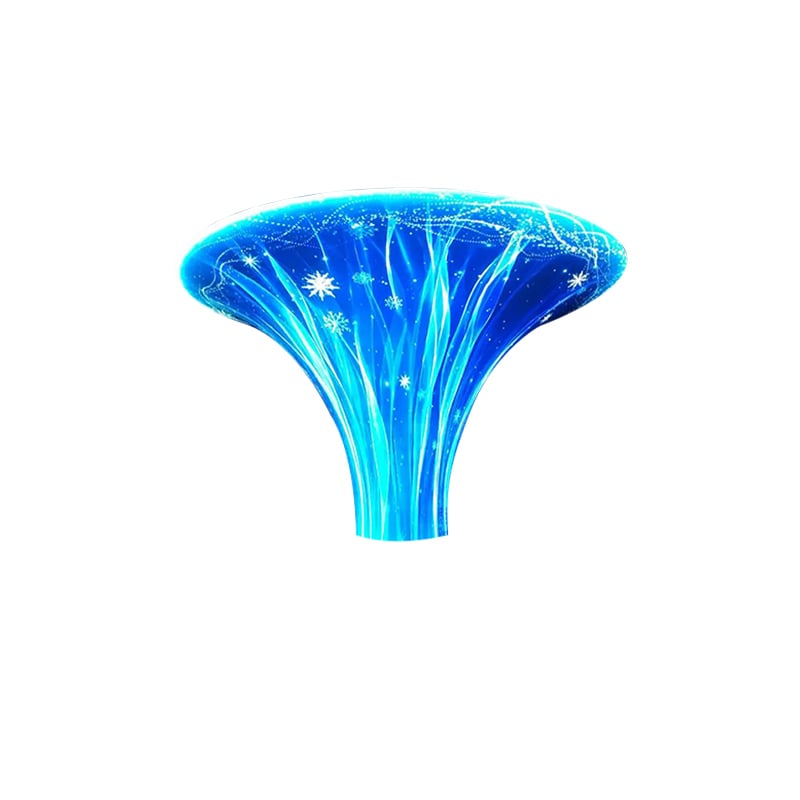
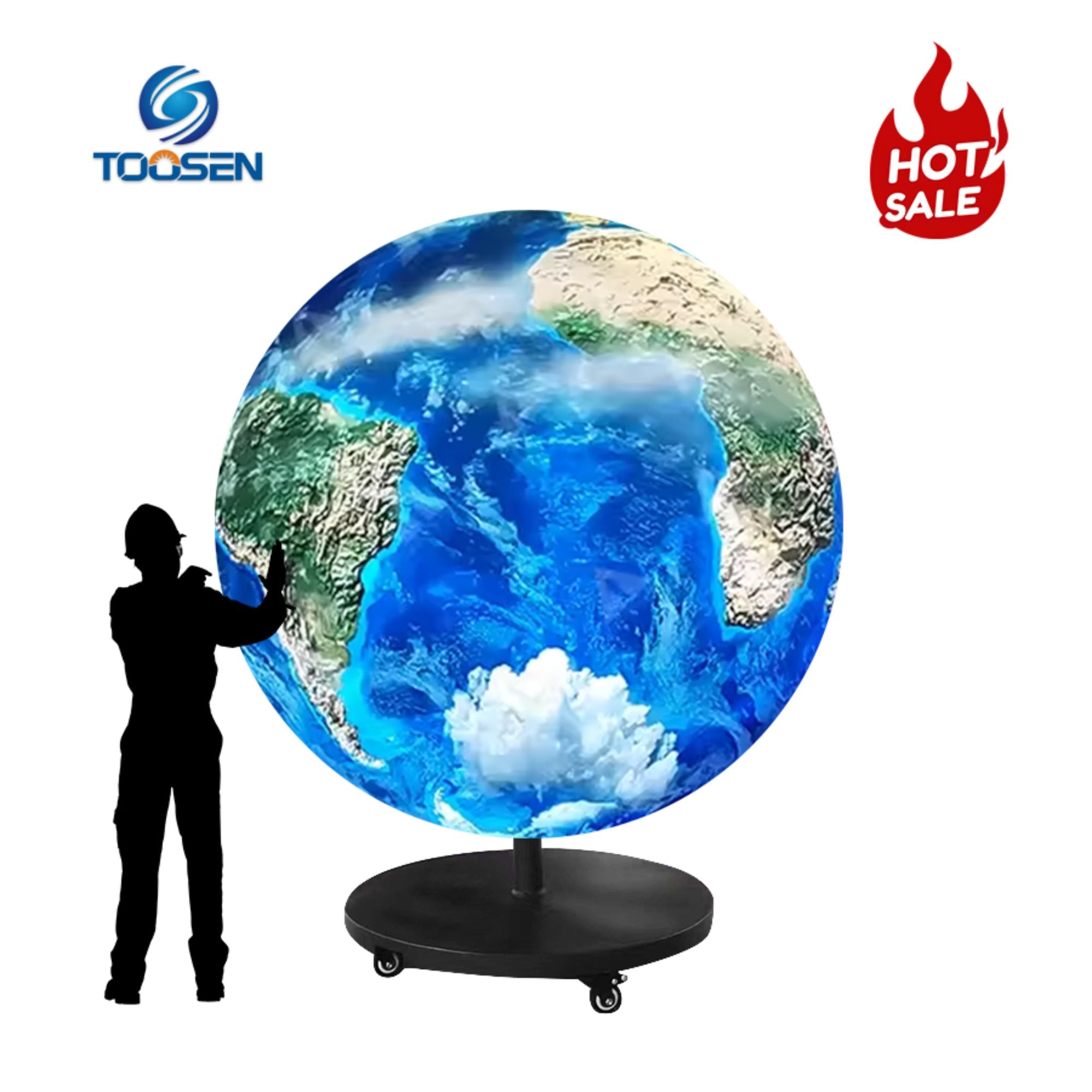
I display LED creativi (noti anche come schermi LED irregolari o a forma personalizzata) abbandonano il classico formato rettangolare. Invece, i progettisti li realizzano su misura per adattarli a forme architettoniche, identità di marca o concetti artistici.
Possono assumere quasi qualsiasi forma, tra cui:
Poiché i produttori realizzano questi display utilizzando pannelli LED modulari, è possibile adattarli a geometrie complesse senza compromettere la qualità dell’immagine.
I display piatti operano all’interno di un telaio fisso. Trasmettono contenuti, ma raramente trasformano lo spazio.
Le installazioni creative a LED, invece, ridefiniscono il modo in cui le persone interagiscono con gli ambienti.
| Monitor piatti | Display a LED creativi |
|---|---|
| Formato rettangolare fisso | Forme e dimensioni illimitate |
| Visione passiva | Interazione immersiva e spaziale |
| Facile da trascurare | Progettato per catturare l’attenzione |
| Centrato sul contenuto | Basata sull'esperienza |
Gli schermi piatti mostrano il contenuto. Gli schermi creativi diventano parte del contenuto .
I rivenditori utilizzano display LED personalizzati per attirare flussi di clienti e prolungare il tempo di permanenza.
Di conseguenza, i marchi creano ambienti memorabili anziché semplici esposizioni statiche.
Musei, mostre ed esperienze tematiche fanno ampio affidamento su contenuti visivi immersivi.
Queste installazioni non si limitano a informare: suscitano un coinvolgimento emotivo.
Le aziende utilizzano schermi LED irregolari per rafforzare l'innovazione e l'identità.
Questo approccio posiziona il marchio come innovativo e tecnologicamente avanzato.
Le città integrano sempre più spesso l'architettura multimediale a LED negli ambienti pubblici.
Questi progetti trasformano le infrastrutture in attrazioni visive.
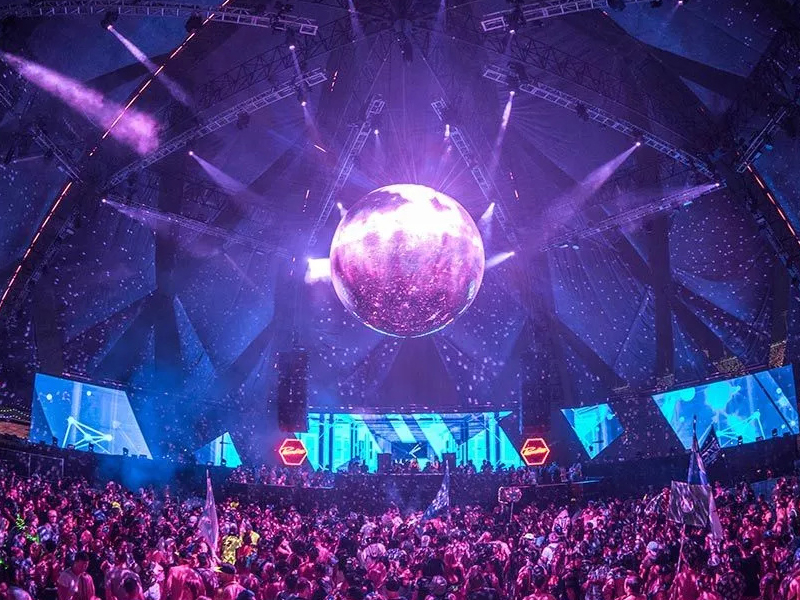
Invece di forzare un display in uno spazio, i progettisti costruiscono il display intorno allo spazio.
Questo crea:
Le forme irregolari attirano naturalmente l’attenzione. Quando combinate con grafica animata, esse:
Le persone non guardano semplicemente—vivono l’esperienza.
I designer non sono più vincolati da forme rettangolari.
Possono:
Questo apre possibilità narrative del tutto nuove.
Nonostante il loro aspetto complesso, i display LED personalizzati si basano su moduli standardizzati.
Ciò significa:
Le visualizzazioni complesse non richiedono infrastrutture complesse, ma solo una progettazione intelligente.
La libertà creativa richiede comunque disciplina ingegneristica.
Ignorare questi fattori può comprometterne le prestazioni e la durata.
Un display LED personalizzato senza contenuti ottimizzati rappresenta un’opportunità mancata.
Per massimizzare l'impatto:
In altre parole, non trattare un display creativo come uno schermo piatto—perché non lo è.
Man mano che architettura e media digitali continuano a fondersi, la domanda di display LED creativi non farà che crescere.
Stiamo procedendo verso ambienti in cui:
Gli schermi piani avranno sempre il loro posto, ma non possono competere con esperienze che trasformano il modo in cui le persone vedono e percepiscono uno spazio.
Se il vostro obiettivo è semplicemente quello di visualizzare informazioni, uno schermo piano svolgerà il compito.
Ma se volete catturare l’attenzione, creare immersione e lasciare un'impressione duratura , avete bisogno di qualcosa di più.
Perché, nel mondo visivo di oggi, distinguersi non è opzionale.
E gli schermi piani non possono farlo.
 EN
EN
 AR
AR
 BG
BG HR
HR
 CS
CS
 DA
DA
 NL
NL
 FI
FI FR
FR
 DE
DE EL
EL
 HI
HI
 IT
IT JA
JA
 KO
KO
 NO
NO PL
PL PT
PT RO
RO
 RU
RU
 ES
ES
 SV
SV
 TL
TL
 ID
ID
 SR
SR
 UK
UK VI
VI
 ET
ET
 HU
HU
 TH
TH
 TR
TR
 FA
FA
 AF
AF
 MS
MS
 GA
GA
 HY
HY
 AZ
AZ
 MN
MN
 UZ
UZ