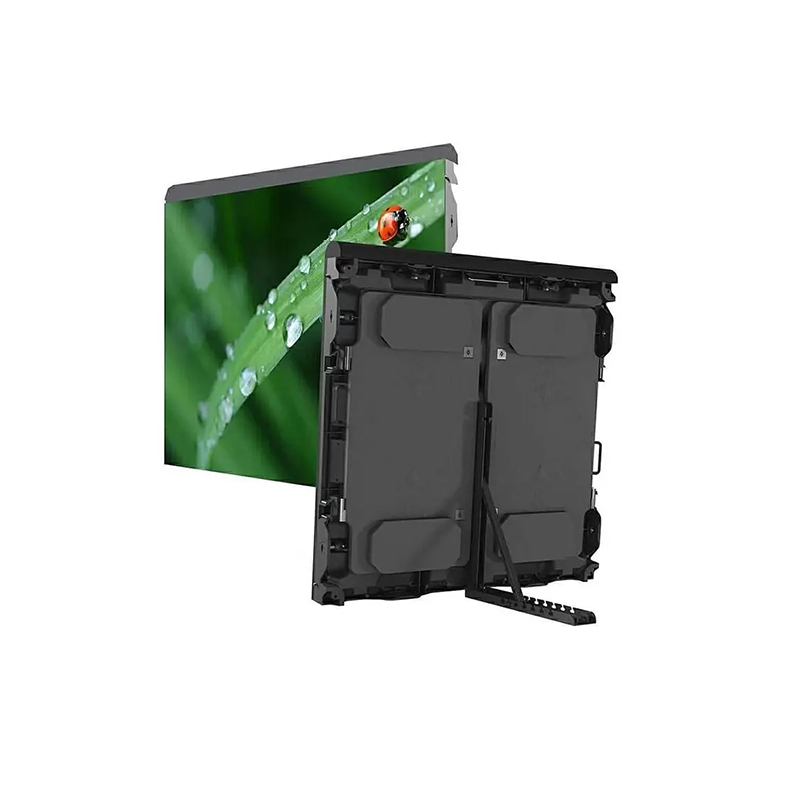
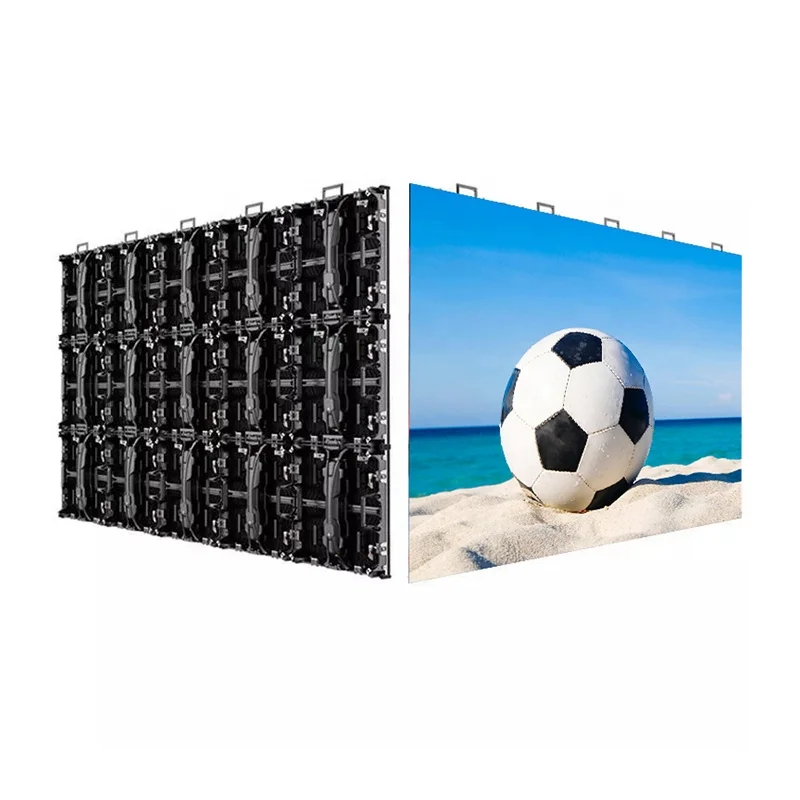
LED էկրանի մասկաները շատ ավելի մեծ դեր են խաղում, քան շատերն են կարծում: Չնայած դրանք պարզ ծածկոցների նման են թվում, սակայն դրանք ուղղակիորեն ազդում են հակադրության, տևողականության, դիտման փորձի և նույնիսկ լուսանկարչական կարողությունների վրա: Ուստի, եթե ցանկանում եք լավ պատկերի որակ կամ երկարաժամկետ կայունություն, ճիշտ LED մասկան ընտրելը կարևոր է:
Այս ուղեցույցում ես կբացատրեմ, թե ինչ է ՍԱՆԴՈՒՂՔԻ ԷԿՐԱՆ մասկան անում և թե ինչպես ընտրել լավագույն տեսակը՝ կախված տարբեր կիրառություններից: Ես նաև կօգտագործեմ պարզ օրինակներ և հեշտ բացատրություններ՝ տեղեկատվությունը հասկանալն ավելի հեշտ դարձնելու համար:
1. LED էկրանի մասկայի հիմնական գործառույթներ
LED մասկան բարելավում է ինչպես տեսողական կատարումը, այնպես էլ ֆիզիկական պաշտպանությունը: Դրա գործառույթները կարող են բաժանվել չորս հիմնական կատեգորիաների:
1) Հակադրության և սև մակարդակի բարելավում
Մեծամասնությունը մատե սև մակերեսներ են օգտագործում: Դրանք ծածկում են LED պիքսելների միջև գտնվող ամեն ինչը, ներառյալ PCB-ն և փողային հարթակները: Այդ պատճառով դրանք նվազեցնում են շրջապատող լույսի անդրադարձումը:
Այս պատճառով էլ LED էկրանը ցուցադրում է ավելի խորը սև եւ պայծառ հայտնված մասեր: Պատկերը թվում է ավելի հստակ, հարուստ եւ շերտավոր՝ հատկապես մութ տեսարաններում: Ուստի էլ բարձր կոնտրաստով LED էկրանները միշտ հիմնվում են լավ կոնստրուկցված ծածկերի վրա:
2) Կրճատել կամ վերացնել Մուարեի նման օղակները
Մուարեն առաջանում է, երբ լուսանկարչական սենսորը գրառում է LED պիքսելների ցանցը: Լուսանկարչական սենսորն ու LED պիքսելները փոխազդում են միմյանց հետ՝ առաջացնելով ալիքաձեւ կամ շերտավոր դեֆորմացիաներ:
Բարձրորակ LED ծածկը կարող է լուծել այս խնդիրը: Նրա հատուկ միկրոկառուցվածքը խաթարում է փոխազդեցության օրինակը: Սա զգալիորեն կրճատում կամ անգամ վերացնում է մուարեն էկրանի նկարահանման ժամանակ: Հեռուստաստուդիաների, համերգների, XR վիրտուալ արտադրության եւ կենդանի իրադարձությունների համար այս հատկանիշը հատկապես կարեւոր է:
3) Պաշտպանել LED-ներն ու ներքին մասերը
Ծածկերը նաեւ ֆիզիկական պաշտպանություն են ապահովում: Սովորաբար դրանք պատրաստված են PC պլաստմասից կամ ալյումինից եւ կարող են կանխել վնասվածքները, որոնք առաջանում են մաքրման, տեղադրման կամ պատահական հարվածների հետեւանքով:
Բացի ֆիզիկական պաշտպանությունից, դրանք նաև նվազեցնում են փոշու և խոնավության ներթափանցումը LED մոդուլի մեջ: Սա օգնում է երկարաձգել դիսպլեի կյանքը և իջեցնել սպասարկման ծախսերը:
4) Տեսանելիության անկյան և լույսի համաչափության բարելավում
Մասկան շրջապատում է LED-ներից յուրաքանչյուրը՝ ինչպես փոքր «ավազան»: Այս կառուցվածքը օգնում է լույսը ուղղել դեպի առաջ, նվազեցնելով ավելորդ կողային ցրումը:
Դրա շնորհիվ հանդիսատեսը լավագույն տեսանելիության անկյուններից տեսնում է ավելի համաչափ լուսայնություն և գույն: Այն նաև նվազեցնում է գույնի շեղումը տարբեր անկյուններից, ապահովելով ավելի կայուն տեսողական փորձառություն:
2. Ինչպես ընտրել ճիշտ LED դիսպլեի մասկան
Ճիշտ LED մասկան ընտրելը կախված է կիրառման պահանջներից, բյուջեից և տևողականության պահանջներից: Ահա հիմնական գործոնները, որոնք պետք է հաշվի առնել:
1) Մասկայի տեսակը և մակերեսի մշակումը
Մակերեսի մշակումը ազդում է ինչպես հակադրության, այնպես էլ մուարեի կատարման վրա:
• Մատտ սև (Խորհուրդ է տրվում)
Սա ամենաշատ դեպքերում լավագույն տարբերակն է: Այն կլանում է շրջապատող լույսը, բարելավում է հակադրությունը և օգնում է նվազեցնել մուարեն:
• Լուսային կամ գունավոր ծածկեր (չի խորհվում)
Դրանք ավելի շատ լույս են անդրադարձնում և կարող են նվազեցնել տեսողական կատարումը:
Կառուցվածքի դիզայնը նույնպես կարևոր է
• Ստանդարտ հարթ ծածկ
Հիմնական և ծախսամիավոր:
• Ծածկեր ֆիզիկական կոճակներով / միկրո-ատամներով
Այս մոդելները յուրաքանչյուր պիքսելի շուրջ բարձրացված եզրեր ունեն: Դրանք լրացուցիչ օպտիմալացնում են լույսի ճառագայթը և նվազագույնի հասցնում մոարեն: Լայնորեն կիրառվում են հեռուստատեսային և բարձրակարգ առևտրային LED էկրաններում:
2) Նյութի ընտրություն
Նյութը ազդում է տևողության, քաշի և ընդհանուր էկրանի կյանքի տևողության վրա:
Պլաստիկ ծածկեր (PC կամ ABS)
Առավելություններ՝
娫երկայական
Ցածր արժեք
Հեշտ է արտադրել
Թերությունները:
Ավելի թույլ արտաքին տևողականություն
Կարող է դեղնել կամ փխրուն դառնալ ՈՒՖ ճառագայթների ազդեցության տակ
Ցածր գրոհման դիմադրություն
Լավագույնը՝
Ներքին դիսփլեներ և արժեքին զգայուն նախագծեր
Մետաղական մասկաներ (ալյումին, ալյումին-մագնեզիում համաձուլվածք)
Առավելություններ՝
Բարձր ամրություն
Գերազանց արտաքին տևողականություն
Ավելի լավ ջերմունացում
caրձնահատուկ տեսք
Թերությունները:
Բարձր գին
Ավելի ան weighted
Լավագույնը՝
Արտաքին LED էկրաններ, վարձակալված LED դիսփլեներ, բարձրակարգ ներքին էկրաններ
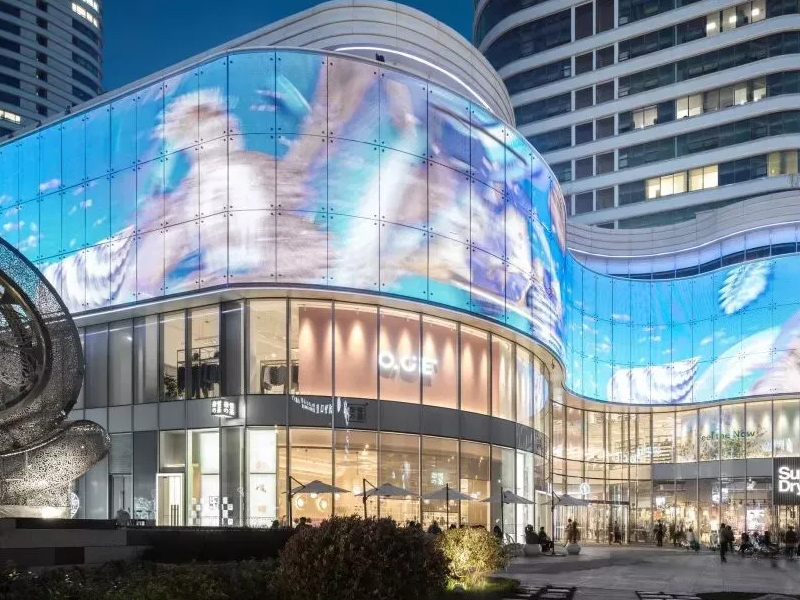
3) Հարթություն և մոդուլի համաձայնեցում
Լավ մասկան պետք է հարթ մնա։ Ցանկացած դեֆորմացիա կառաջացնի գույնի անհամապատասխանություն կամ տեսանելի ստվերներ էկրանի վրա։
Սովորաբար մետաղական մասկաները ավելի լավ հարթություն են ապահովում, քան պլաստիկ մասկաները։ Դրանք երկարաժամկետ օգտագործման ընթացքում վիզուալ կատարումը կայուն պահում են։
4) Համատեղելիություն և տեղադրման մեթոդ
Մասկան պետք է համապատասխանի մոդուլի և կոնտեյների կոնստրուկցիային, ներառյալ՝
պիքսելային պտույտ
լրակազմման անցքեր
կալանի կամ բացվող կառուցվածք
Տեղադրումը պետք է ամուր, ապահով լինի և դիմադրի թրթռոցներին կամ ջերմաստիճանի փոփոխություններին։
Վերջնական կամուրջներ
Ճիշտ ընտրություն կատարելու համար ահա որոշ գործնական խորհուրդներ՝ հիմնված իրական կիրառման պահանջների վրա։
• Հեռուստատեսային ստուդիաների, կինոնկարների նկարահանման հրապարակների, XR սենյակների, բարձրակարգ կոնֆերանս սրահների համար.
Ընտրեք մատե-սև մասկաներ միկրո ճոպաններով (խորհուրդ է տրվում մետաղականը)։
Դրանք ապահովում են լավագույն անտի-մուարե արդյունքները և բարձրագույն պատկերի որակ։
• Արտաքին LED էկրանների համար (գովազդային տախտակներ, ստադիոններ, շենքերի ճակատներ).
Ընտրեք մատե սև մետալական ծածկեր՝ առավելագույն տևողականության և անտեսանելիության համար։
• Ներքին առևտրային էկրանների համար (առևտրի կենտրոններ, ցուցահանդեսներ, հանդիպումների սենյակներ).
Մատե սև պլաստիկ ծածկերը առաջարկում են լավագույն գին-կատարողականության հարաբերակցություն։
• Վարձով տրվող LED էկրանների համար.
Մետալական ծածկերը իդեալական են, քանի որ դրանք հարմարված են հաճախադեպ տեղափոխություններին և հավաքմանը։
Վերջնական գնումը կատարելուց առաջ միշտ պահանջեք նմուշ։ Փորձարկեք այն մութ սենյակում՝ ստուգելու սև մակարդակի որակը, իսկ մուարեի արդյունքը ստուգելու համար օգտագործեք հեռախոս կամ լուսանկարչական սարք։
ՀՏՀ:
LED ծածկը բարելավում է հակադրությունը, նվազեցնում է արտացոլումները, պաշտպանում է LED պիքսելները, բարելավում է դիտման անկյունները։ Այն նաև օգնում է կառավարել լույսի արտադրությունը և ստեղծում է մաքուր, սրածայր պատկեր։
Բարձրորակ մասկերը օգտագործում են միկրոկառուցվածքներ կամ մատե մակերեսներ, որոնք ցրում են խանգարումը լուսազենի սենսորի և LED պիքսելների միջև: Սա օգնում է նվազագույնի հասցնել ալիքային դեֆորմացիան, երբ էկրանը նկարահանվում է:
Պլաստմասե մասկերը թեթև են և մատչելի գնով, ինչը դրանք դարձնում է իդեալական ներքին դիսփլեների համար: Մետաղական մասկերը առաջարկում են ավելի բարձր ամրություն, լավ եղանակային դիմադրություն և գերազանց հարթություն, որը կարևոր է արտաքին և վարձակալված էկրանների համար:
 EN
EN
 AR
AR
 BG
BG HR
HR
 CS
CS
 DA
DA
 NL
NL
 FI
FI FR
FR
 DE
DE EL
EL
 HI
HI
 IT
IT JA
JA
 KO
KO
 NO
NO PL
PL PT
PT RO
RO
 RU
RU
 ES
ES
 SV
SV
 TL
TL
 ID
ID
 SR
SR
 UK
UK VI
VI
 ET
ET
 HU
HU
 TH
TH
 TR
TR
 FA
FA
 AF
AF
 MS
MS
 GA
GA
 HY
HY
 AZ
AZ
 MN
MN
 UZ
UZ