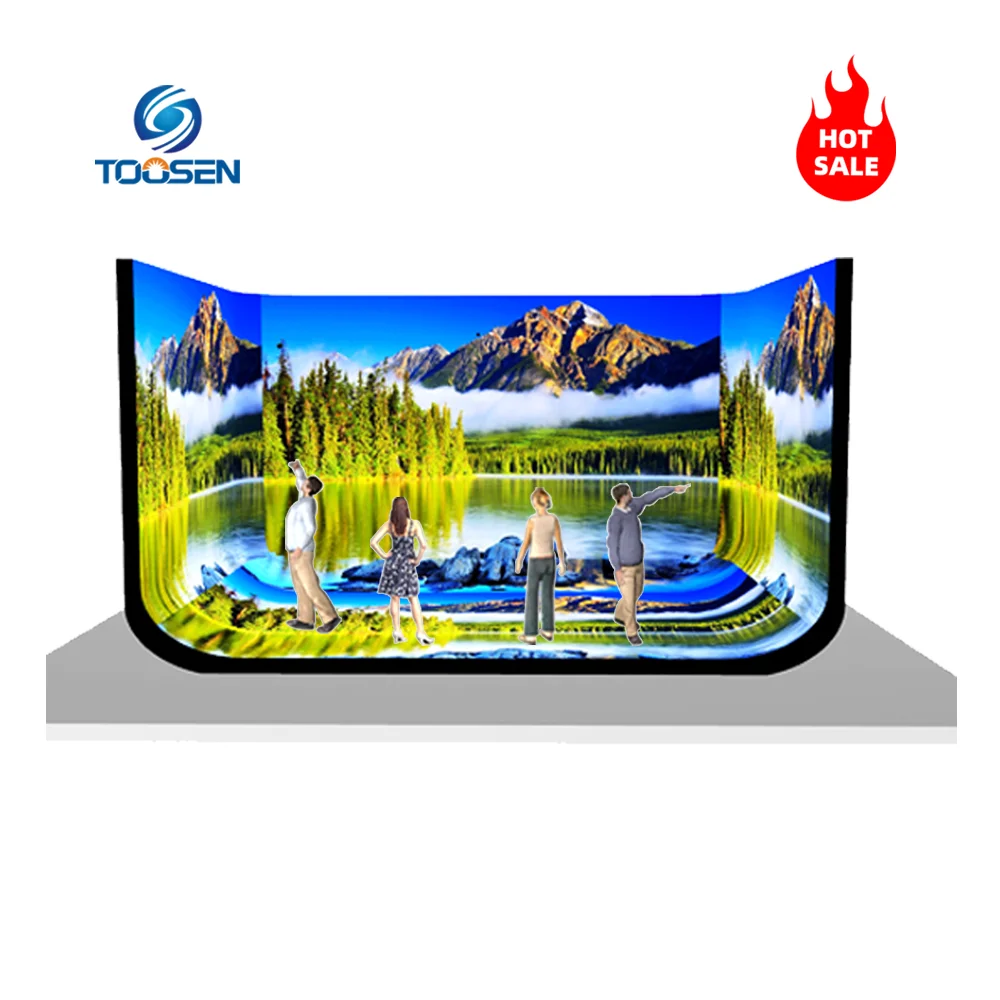
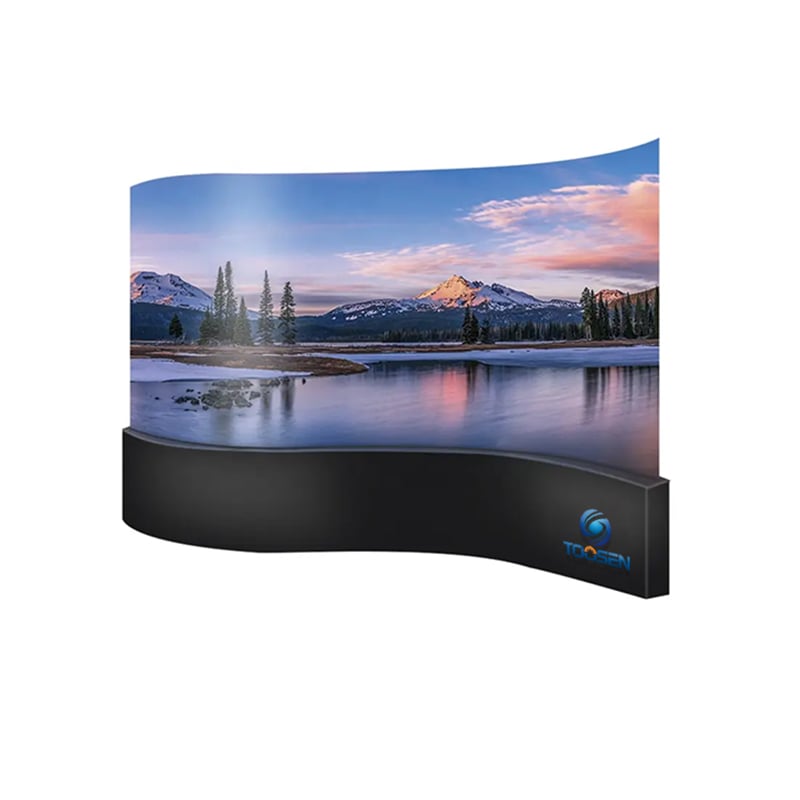
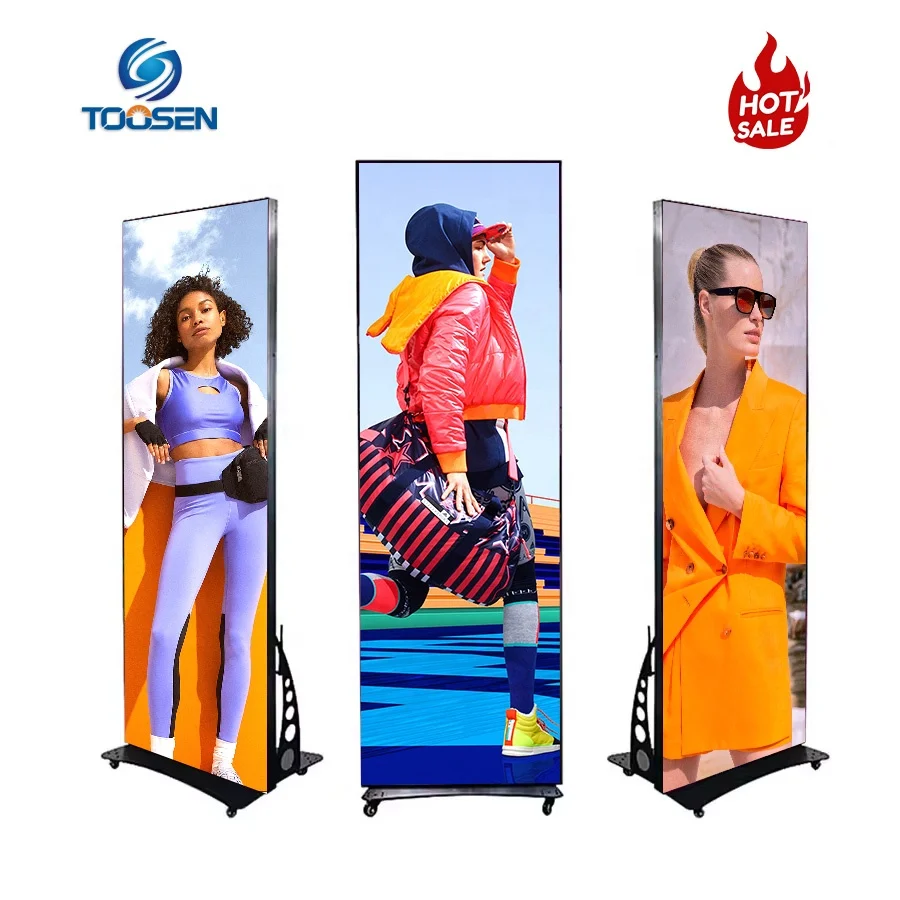
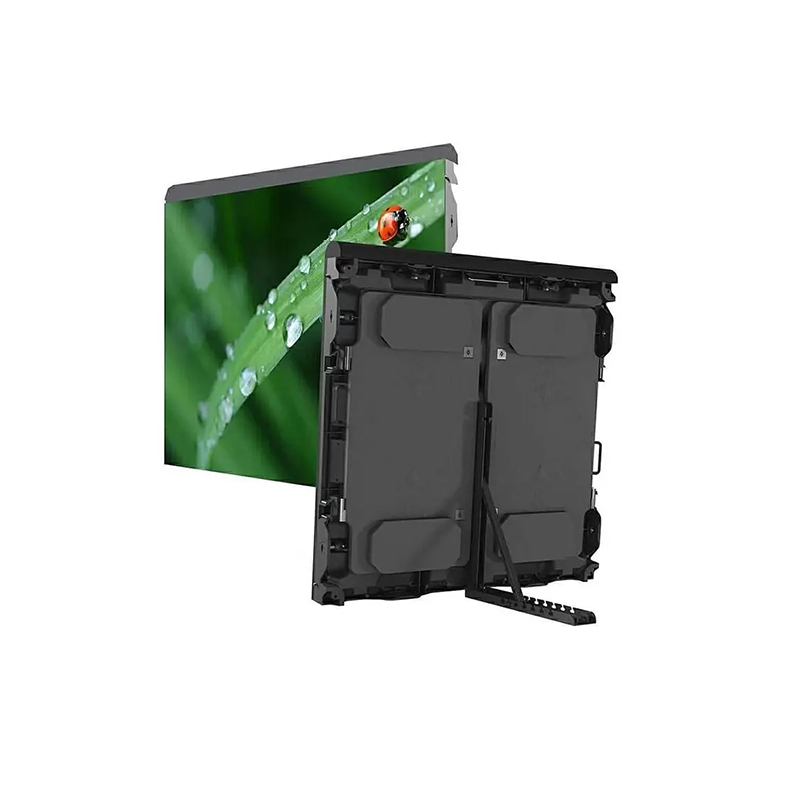
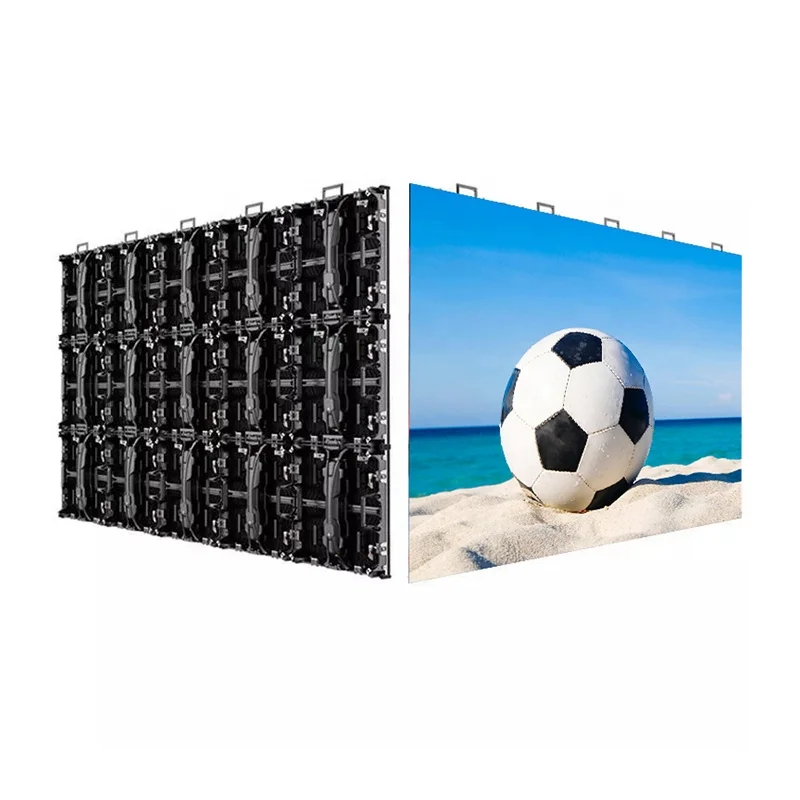
A stadionok LED kijelzői egyre fontosabbá válnak a mai sportlétesítményekben. Mivel a közönség egyre élénkebb képeket és lenyűgöző élményeket vár, a stadionoknak hatékony LED képernyőkre kell támaszkodniuk, hogy világos információkat és dinamikus hirdetéseket nyújtsanak. Akár focipályákon, akár kosárlabdacsarnokokban vagy nagy kiterjedésű szabadtéri sportkomplexumokban használják, a stadion LED kijelző központi szerepet játszik a kommunikáció, a szurkolói érintkezés és a kereskedelmi érték növelésében. Ezeknek a funkcióknak köszönhetően egyre több sportlétesítmény tér át fejlett stadion LED képernyőkre és óriás eredményjelző LED rendszerekre .
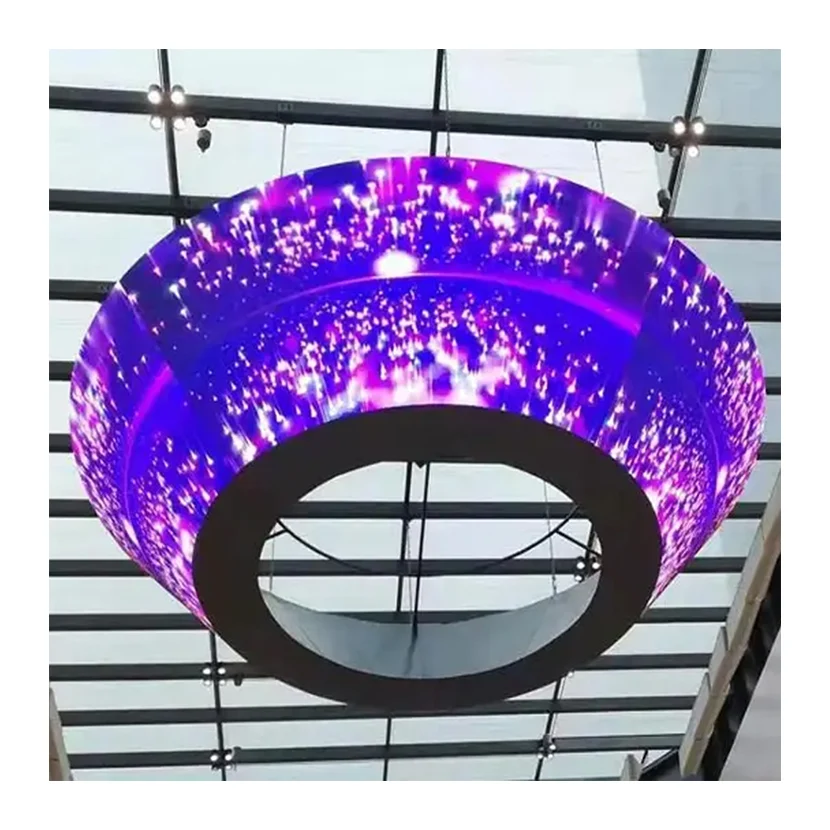
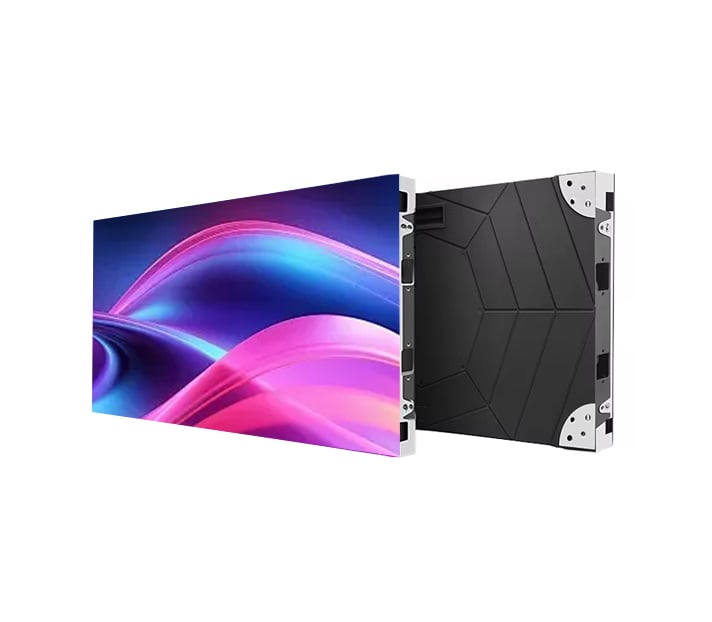
A stadion LED kijelző olyan speciális LED képernyőt jelent, amelyet sporteseményekhez, élő közvetítésekhez, eredményfrissítésekhez és a pálya szélén elhelyezett hirdetésekhez terveztek. A hagyományos kereskedelmi LED képernyőktől eltérően a stadion LED kijelzők kiemelkedő fényerővel, széles látószöggel, erős védőkonstrukcióval és stabil teljesítménnyel rendelkeznek hosszú távú beltéri vagy szabadtéri használatra. Több kategóriába is tartozhatnak, például:
Mindegyik típus más-más funkcionális igényt szolgál ki, de mindegyikük célja a kommunikációs hatékonyság növelése és a nézők élményének fokozása.
A stadionok LED képernyői kiválnak fejlett technológiájukkal és tartós kialakításukkal. Az alábbiakban azok a kulcstulajdonságok láthatók, amelyeket a sportlétesítmények a leginkább értékelnek.
A stadionok gyakran erős környezeti fényhatásnak vannak kitéve, különösen kültéri nappali mérkőzések alkalmával. Ezért a stadionok LED kijelzői általában 6500–7500 nits fényerőt biztosítanak, így garantálva a tiszta láthatóságot a létesítmény minden sarkából. A magas fényerő javítja a közvetített videó, a hirdetési tartalmak és a valós idejű frissítések minőségét is.
Sportlétesítmények ezren foglalhatnak helyet különböző szögekből. A stadionok LED kijelzői 160°–170°-os látószöget biztosítanak, lehetővé téve a nézők számára, hogy oldalról is tisztán lássák a képet. Ez a széles lefedettség elősegíti a közönség jobb bevonását és az egész közönség számára folyamatos információáramlást.
A stadionperemre szerelt LED kijelzők lágy maszkokat, rezgéscsillapító modulokat és védőütközőket használnak, hogy megelőzzék a sérüléseket, ha a játékosok nekimeggyenek a képernyőnek. Ez a tervezés egyben védi az LED modulokat az ütközésektől is, így a termék alkalmas intenzív sportokhoz, mint a labdarúgás, rögbi és kosárlabda.
A modern sportközvetítések stabil, villódzásmentes képet igényelnek. Ezért a stadionok LED képernyői általában 3840 Hz vagy magasabb frissítési gyakoriságot ez a magas frissítési gyakoriság elkerüli a sávok megjelenését televíziós felvételek során, és biztosítja a zökkenőmentes lejátszást visszajátszásnál, lassított jeleneteknél és gyorsan mozgó képeknél.
A szabadtéri stadionok LED kijelzőinek különböző időjárási körülményeknek kell ellenállniuk. A legtöbb panel rendelkezik:
Ezek a jellemzők lehetővé teszik a képernyők megbízható működését erős napsütésben, esőben, szélben vagy poros körülmények között.
A stadionok LED kijelzői integrálódnak a vezérlőrendszerekbe, így képesek megjeleníteni:
Ez a valós idejű információáramlás naprakész tudással látja el a szurkolókat, és növeli a sportesemények szakmai színvonalát.
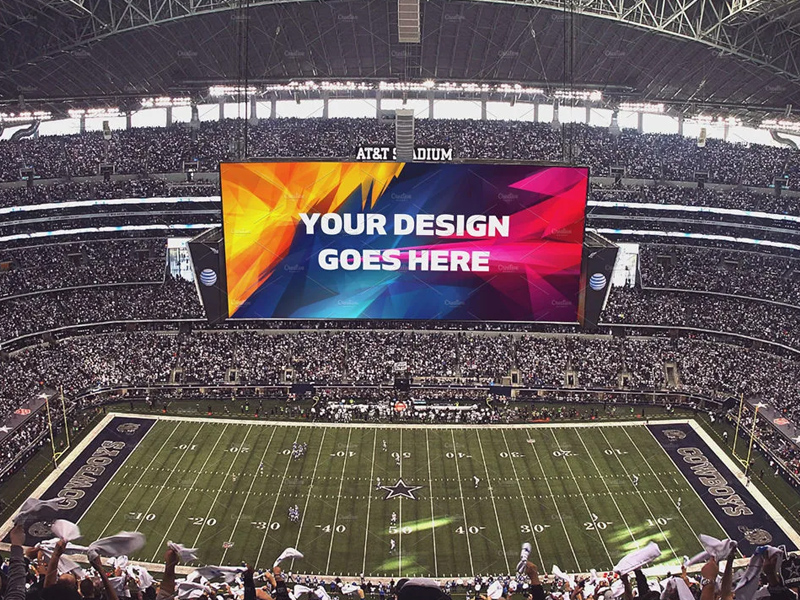
A stadionok LED képernyőit különféle sport- és rendezvényszervezési helyzetekben használják. Nemcsak profi stadionokban alkalmazzák őket, hanem széles körben telepítik:
Minden alkalmazás profitál a dinamikus tartalomkézbesítéstől és a javított márkázási lehetőségektől.
A körülfutó LED képernyők a stadionok egyik legjövedelmezőbb eszközei. A hirdetők az esemény során változtathatnak a tartalmakon, növelve ezzel a márkák láthatóságát. Ezek a kijelzők támogatják a következőket:
A folyamatos közönségforgalom miatt a szponzorok hajlandók magasabb díjat fizetni a láthatóságért, így a peremkijelzők jelentős bevételi forrássá válnak.
A nagy stadionok gyakran telepítenek hatalmas LED videófalakat a következők bemutatására:
Ez fokozza az általános energiát a stadionban, és érzelmi szinten is magával ragadja a szurkolókat.
A sportesemények óriási közönséget vonzanak magukhoz, akár helyszínen, akár online. A stadionok LED kijelzői segítenek a márkáknak hatásos láthatóságot teremteni teljes mozgású vizuális anyagok és célzott hirdetések révén. Ha valós idejű adatokkal és lenyűgöző animációkkal kombinálják a képernyőket, az erősített márkaemlékezetet és nagyobb elégedettséget biztosít a szponzorok számára.
Emellett a dinamikus LED-hirdetések sokkal rugalmasabbak, mint a statikus plakátok. A márkák azonnal frissíthetik az akcióikat, időalapú hirdetéseket futtathatnak, vagy a mérkőzéstől vagy közönségtől függően személyre szabott üzeneteket jeleníthetnek meg.
Egy stadion LED képernyő kiválasztása több technikai és gyakorlati tényező értékelését igényli:
Egy tapasztalt gyártóval való együttműködés jobb teljesítményt, gördülékenyebb telepítést és megbízhatóbb posztszerviz támogatást biztosít.
A stadionok LED kijelzői átalakították a sportlétesítmények információszolgáltatásának és közönségkapcsolatának módját. A magas fényerő, széles látószög, erős védelem és dinamikus tartalomlehetőségek révén javítják a nézői élményt és növelik a sportesemények kereskedelmi értékét. Ahogy a technológia tovább fejlődik, a stadionok LED képernyői alakítani fogják a élő sportok, a digitális reklámozás és a létesítmények belső kommunikációjának jövőjét.
 EN
EN
 AR
AR
 BG
BG HR
HR
 CS
CS
 DA
DA
 NL
NL
 FI
FI FR
FR
 DE
DE EL
EL
 HI
HI
 IT
IT JA
JA
 KO
KO
 NO
NO PL
PL PT
PT RO
RO
 RU
RU
 ES
ES
 SV
SV
 TL
TL
 ID
ID
 SR
SR
 UK
UK VI
VI
 ET
ET
 HU
HU
 TH
TH
 TR
TR
 FA
FA
 AF
AF
 MS
MS
 GA
GA
 HY
HY
 AZ
AZ
 MN
MN
 UZ
UZ