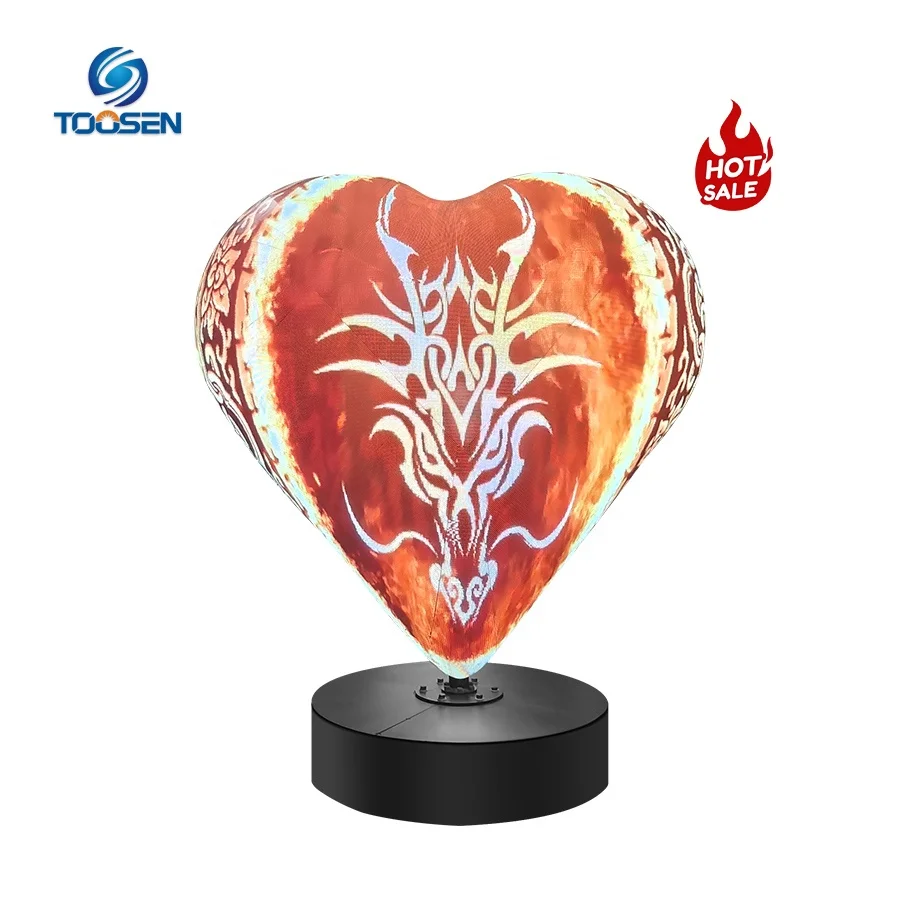
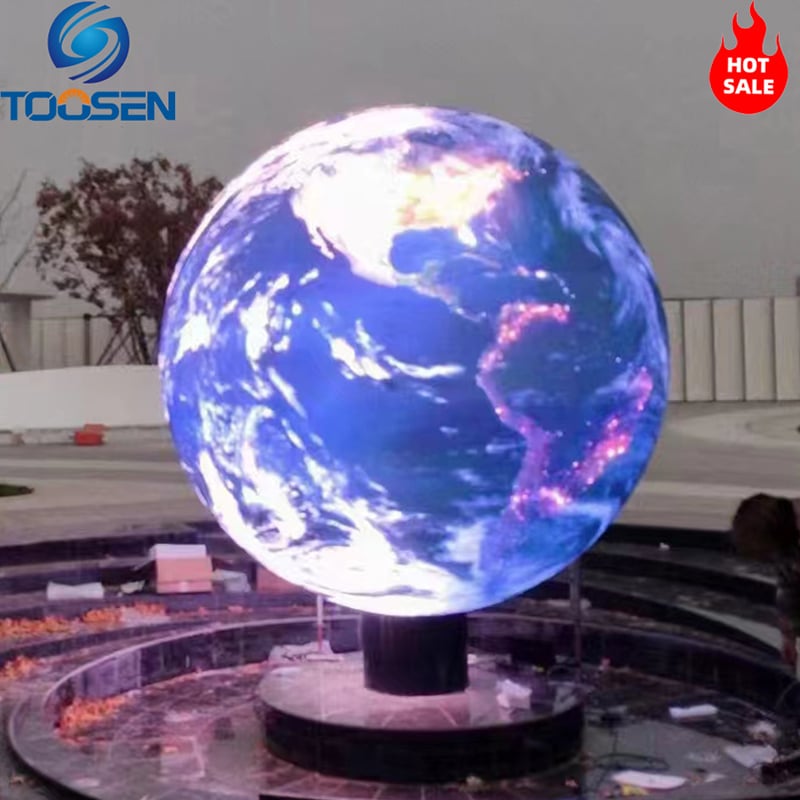
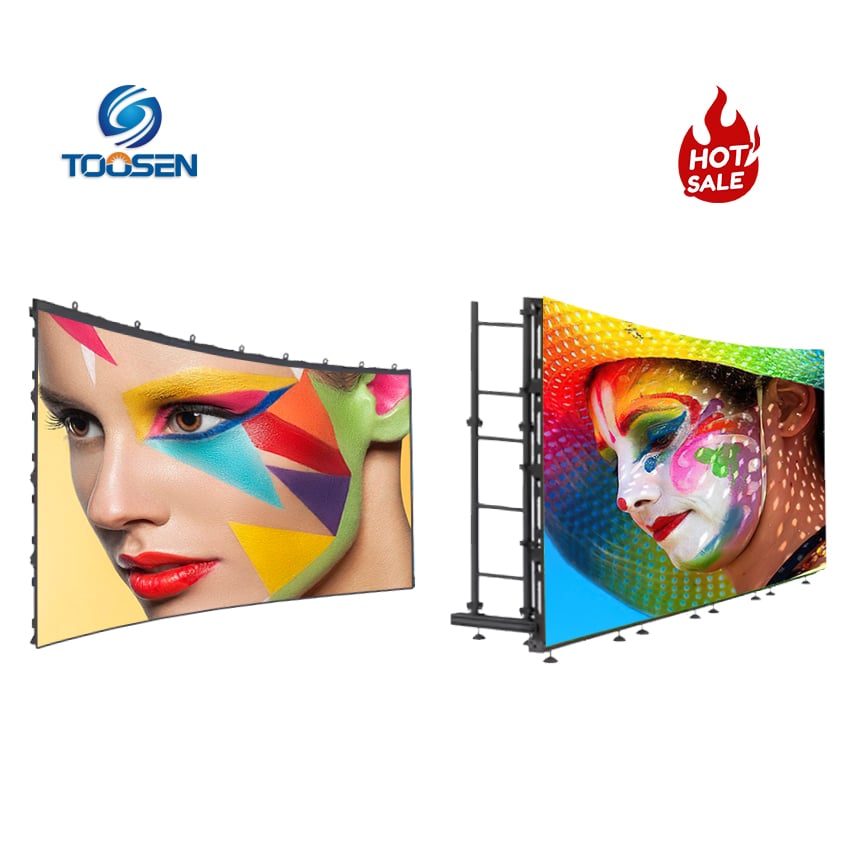
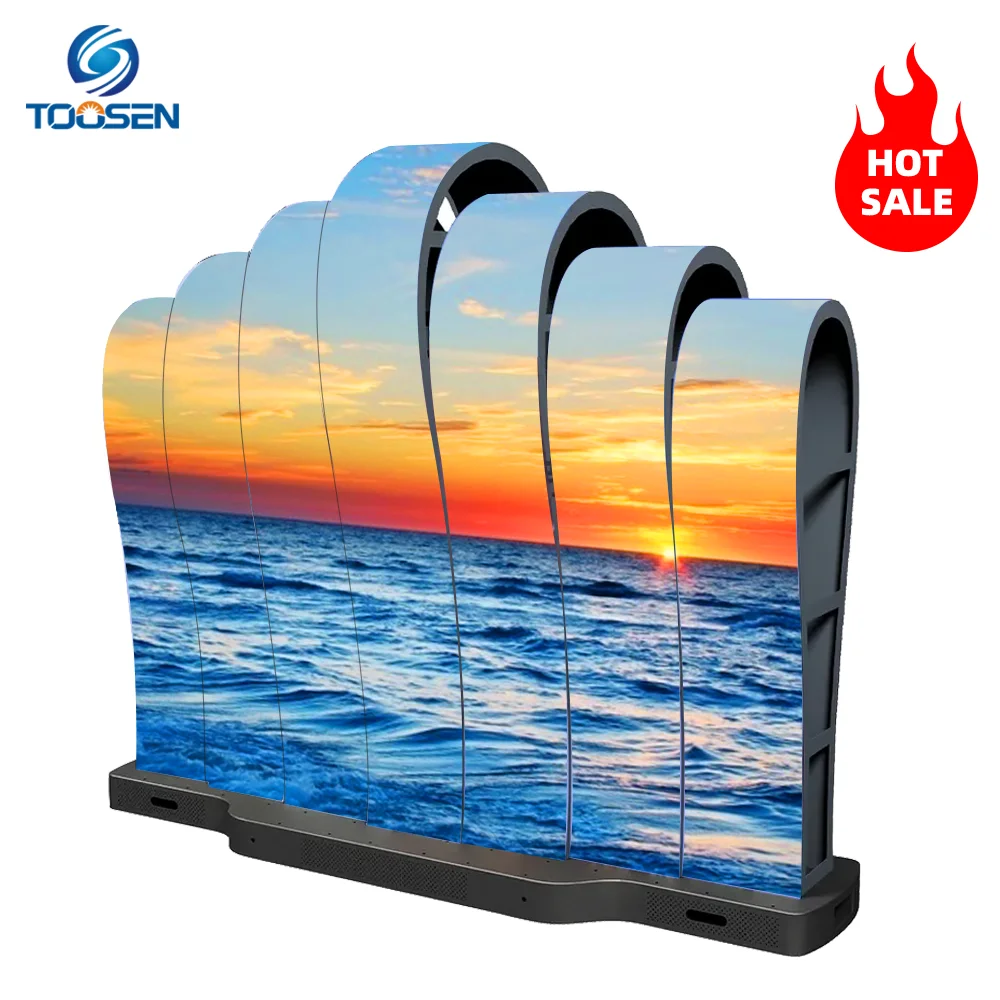
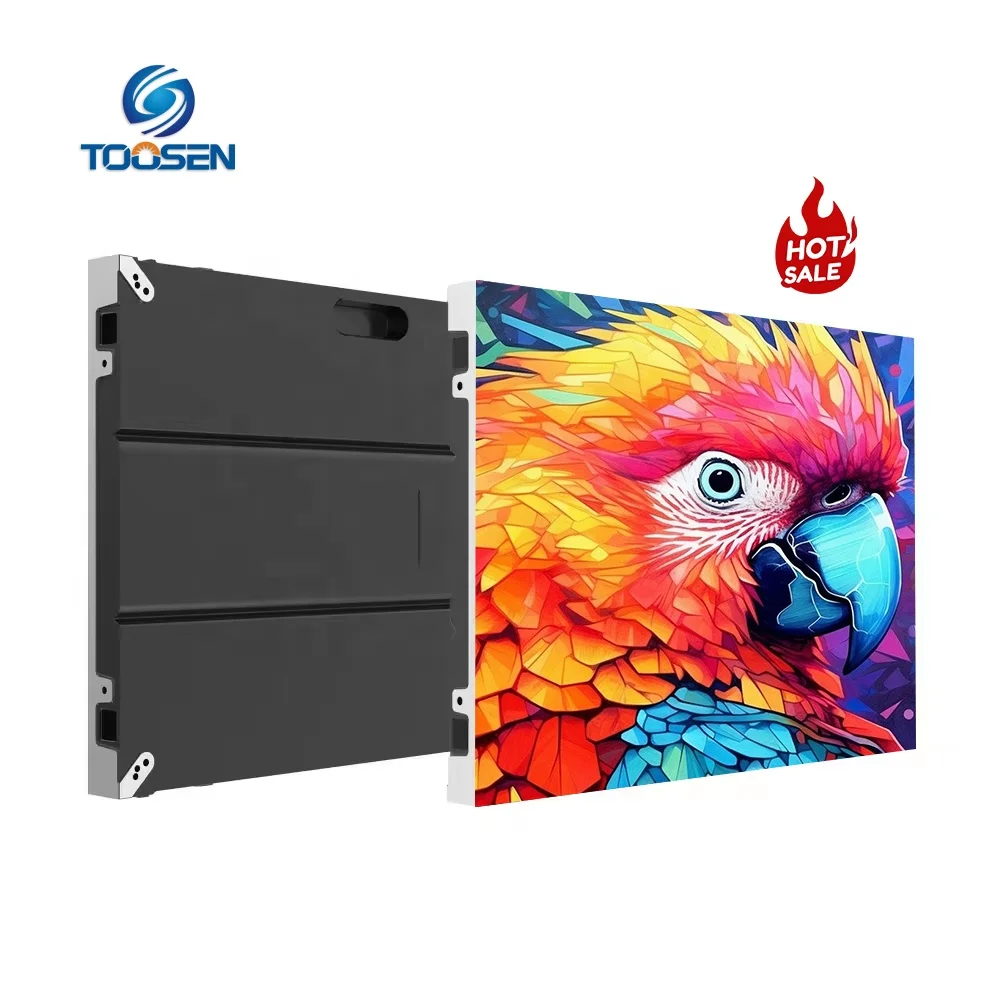
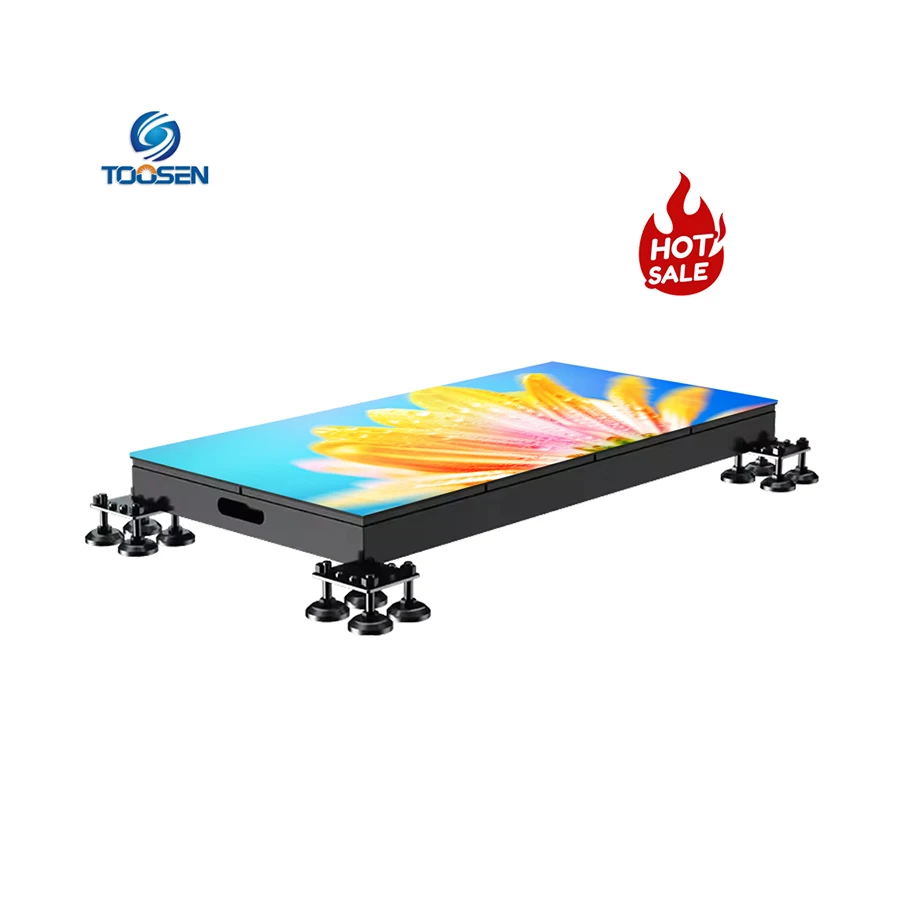
Spain indoor P3 circular LED display project with ≥7680Hz refresh rate, AC 90–264V input and DC 5V output. Designed for indoor commercial spaces with accurate circular structure and content mapping.
Contact Us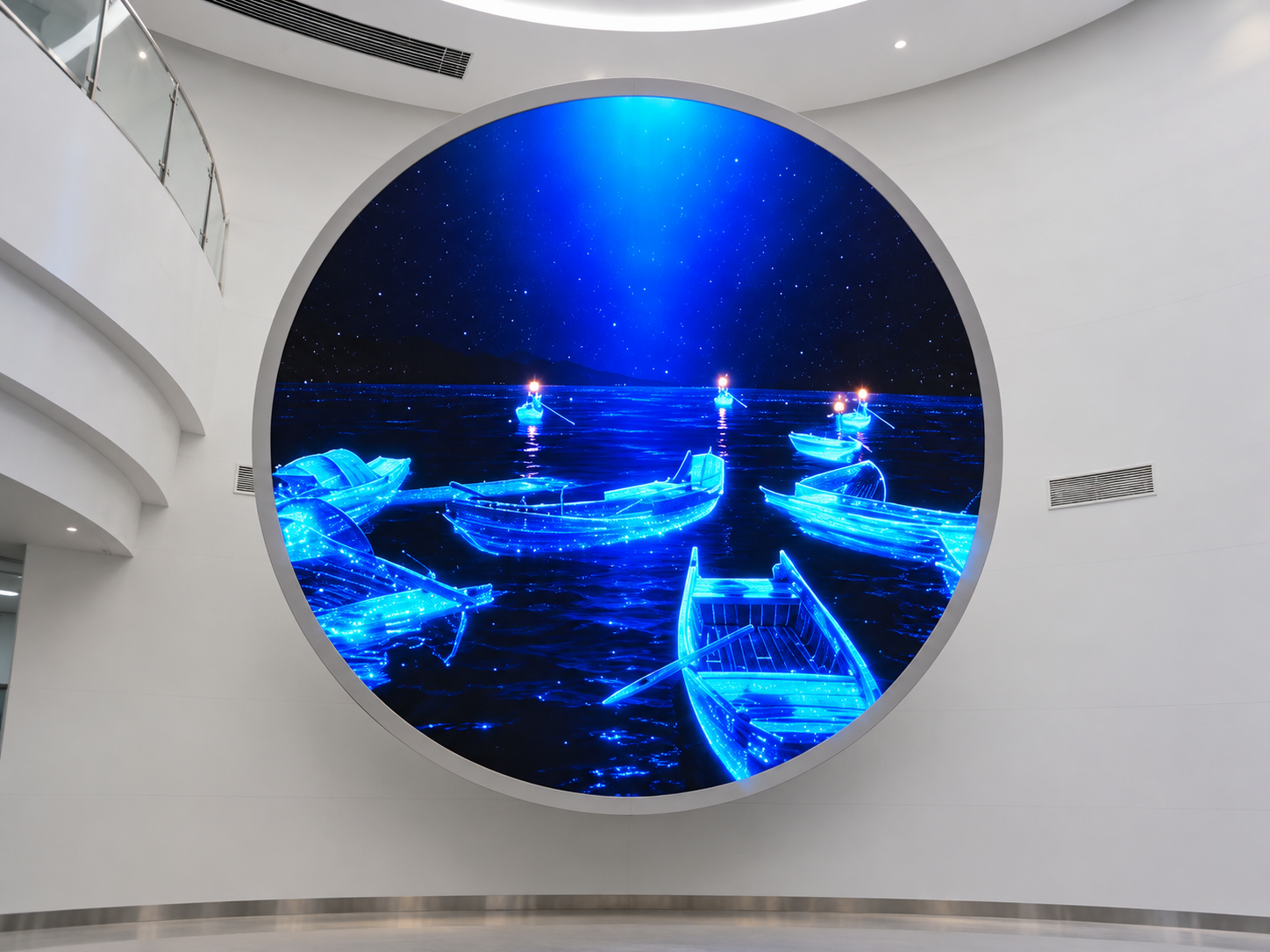
A circular LED screen is often chosen when a standard rectangular display looks too rigid for the space. For this indoor project in Spain, the customer wanted an LED display that could work as both a digital information screen and a visual decoration.
Instead of using a normal rectangular cabinet, the project used an Indoor P3 Circular LED Display. The round display created a softer visual shape and made the LED screen easier to integrate into the interior design.
The display was installed in an indoor commercial environment in Spain. The customer needed a screen that could show brand graphics, promotional videos, logos, and short visual content while keeping the installation area clean and modern.
Because people could approach the screen from a relatively short distance, image detail and the shape of the display were both important.
A circular LED display was selected to make the screen itself part of the interior design rather than simply mounting another rectangular advertising panel on the wall.
Product: Indoor P3 Circular LED Display
Project Location: Spain
Pixel Pitch: P3
Refresh Rate: ≥7680Hz
Input Voltage: AC 90–264V
Output Voltage: DC 5V
Application: Indoor commercial display
Display Shape: Circular
Content: Brand graphics, promotional video, logo, and digital visual effects
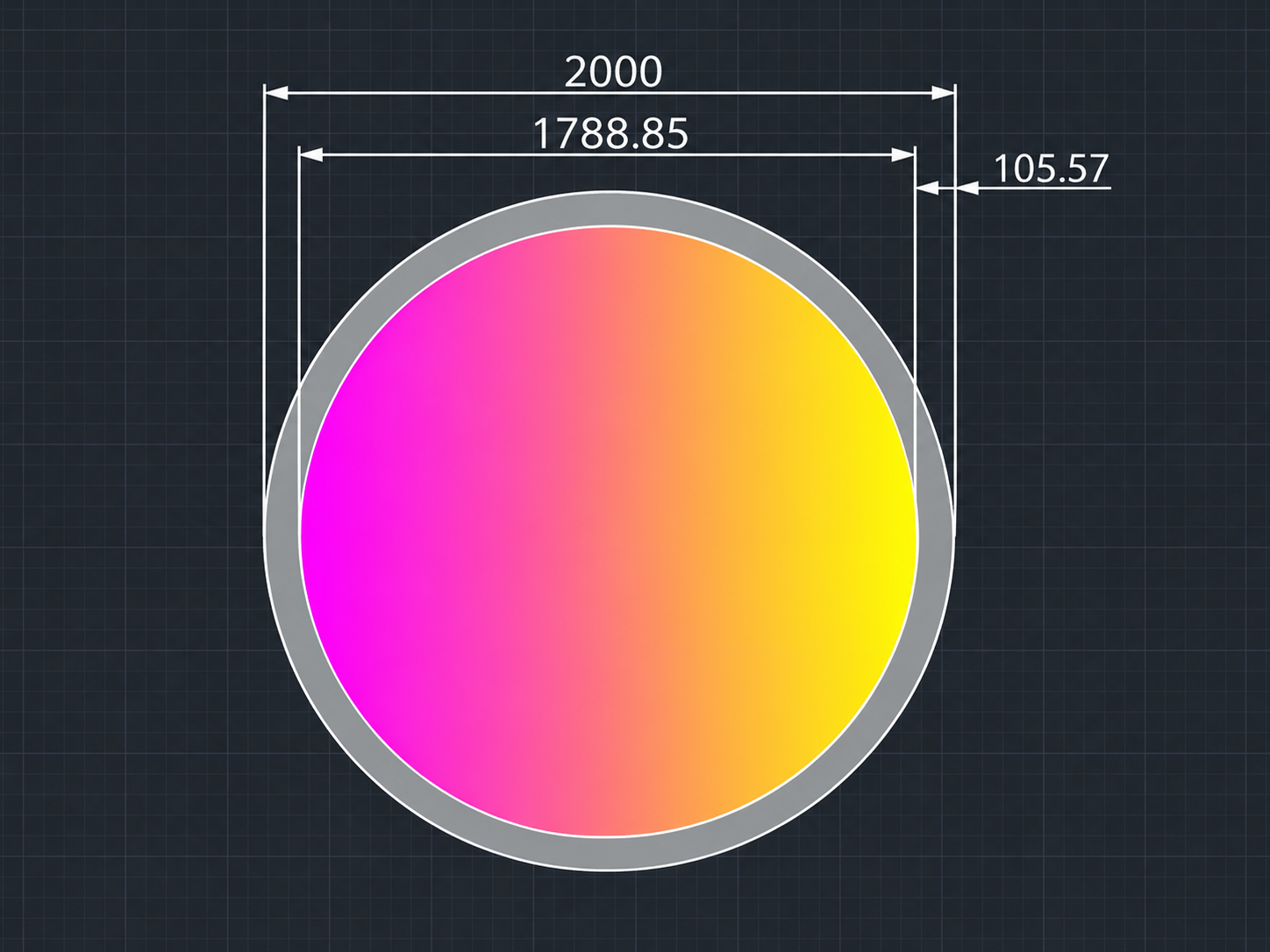
The biggest difference between this project and a conventional LED wall is not only the shape.
A circular LED display changes the way content is prepared and viewed.
On a rectangular screen, designers can normally use almost the entire canvas. On a circular LED screen, information placed too close to the corners of the original video may disappear outside the active display area.
For this reason, the project team first confirmed the effective circular display zone before preparing the final content.
Important text, logos, prices, and graphic elements were kept closer to the center of the screen.
This helped prevent important information from being cropped when the content was displayed on the round LED surface.
A circular screen must maintain a clean outer curve.
If the module arrangement or supporting frame is inaccurate, the outer edge can look uneven. Even a small structural deviation becomes visible because viewers naturally follow the entire circular outline.
Before assembly, the frame dimensions and module positions were checked according to the required diameter.
The LED modules were then installed section by section while checking:
module alignment;
outer circular edge;
seam consistency;
cable position;
receiving-card connection;
and front surface flatness.
This process helped keep the final outline visually balanced.
After the hardware installation was completed, the display was not immediately handed over to the customer.
The control system first needed to be mapped to the real circular pixel layout.
Several test patterns were used, including full white, full red, full green, full blue, grid lines, circles, text, and moving video.
The grid test was especially useful.
It allowed the technicians to check whether the content was correctly positioned and whether any part of the image appeared stretched, shifted, or incorrectly assigned to the wrong LED area.
A circular outline test was also displayed to compare the digital image with the real physical edge of the screen.
This made it easier to confirm that the visible content area matched the actual circular LED structure.
The screen uses a refresh rate of ≥7680Hz.
A high refresh rate is useful in indoor commercial spaces where visitors may take photos or record videos with smartphones or professional cameras.
Under suitable camera settings, a higher refresh rate can reduce visible scan lines and flicker in recorded footage.
This is particularly useful when the LED screen is used as a branded background, promotional installation, exhibition feature, or social-media photo point.
After installation and calibration, the circular LED display became a strong visual element inside the space.
From the front, the display maintained a complete round outline without the heavy rectangular feeling of a conventional LED cabinet.
The P3 pixel pitch provided suitable image detail for indoor viewing, while the high refresh rate helped the screen perform smoothly when showing animation, logos, and video content.
The final system also allowed the customer to update digital content without changing the physical decorative structure.
Circular LED displays can be used in many indoor environments where both display performance and visual form are important.
Typical applications include shopping malls, retail stores, corporate showrooms, museums, exhibitions, hotel lobbies, brand experience centers, reception areas, and entertainment spaces.
They can be used as a single digital feature or combined with other customized LED shapes to create a larger creative display system.
This Spain project shows that an indoor Shaped LED display requires more than cutting a rectangular screen into a round shape.
The structure, module arrangement, content safe area, control mapping, outer-edge accuracy, and final calibration all need to match the real circular design.
For this project, the Indoor P3 Circular LED Display, ≥7680Hz refresh rate, AC 90–264V input, and DC 5V output provided a stable solution for indoor commercial content.
With the correct structural design and content mapping, the round LED screen can become both a digital display and part of the interior architecture.
TOOSEN can provide customized sphere diameter, pixel pitch, installation structure and control solutions according to your indoor space and viewing distance.
TOOSEN LED Official Website:https://www.toosenled.com/
 EN
EN
 AR
AR
 BG
BG
 HR
HR
 CS
CS
 DA
DA
 NL
NL
 FI
FI
 FR
FR
 DE
DE
 EL
EL
 HI
HI
 IT
IT
 JA
JA
 KO
KO
 NO
NO
 PL
PL
 PT
PT
 RO
RO
 RU
RU
 ES
ES
 SV
SV
 TL
TL
 ID
ID
 SR
SR
 UK
UK
 VI
VI
 ET
ET
 HU
HU
 TH
TH
 TR
TR
 FA
FA
 AF
AF
 MS
MS
 GA
GA
 HY
HY
 AZ
AZ
 MN
MN
 UZ
UZ