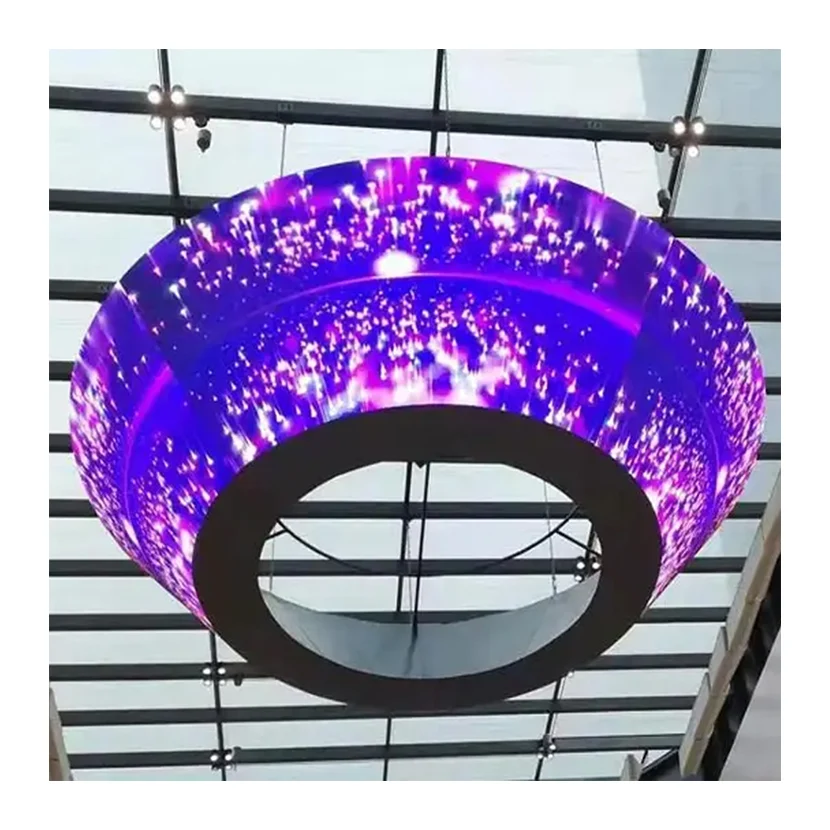
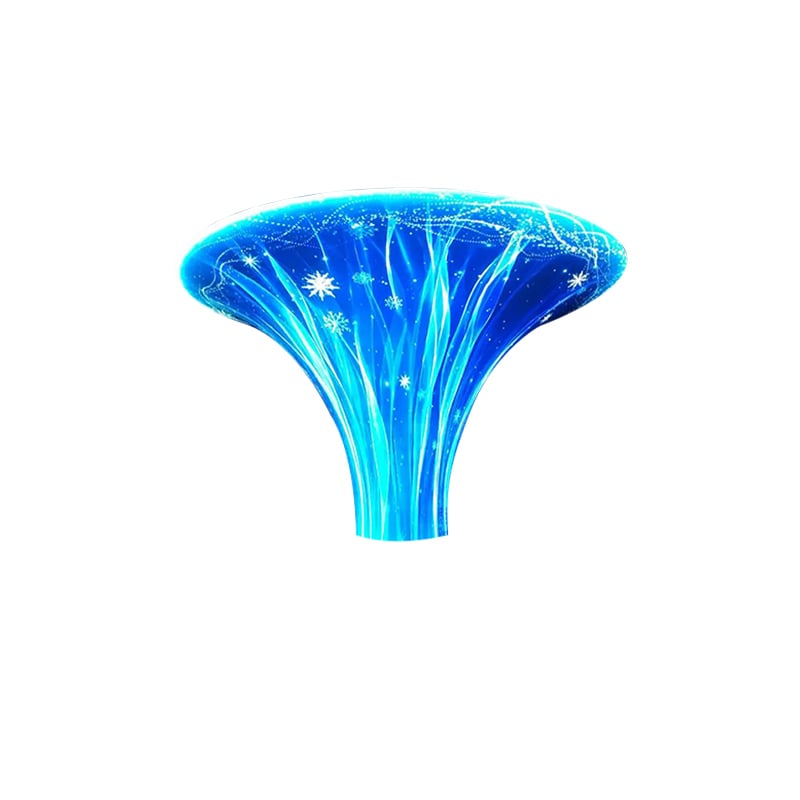
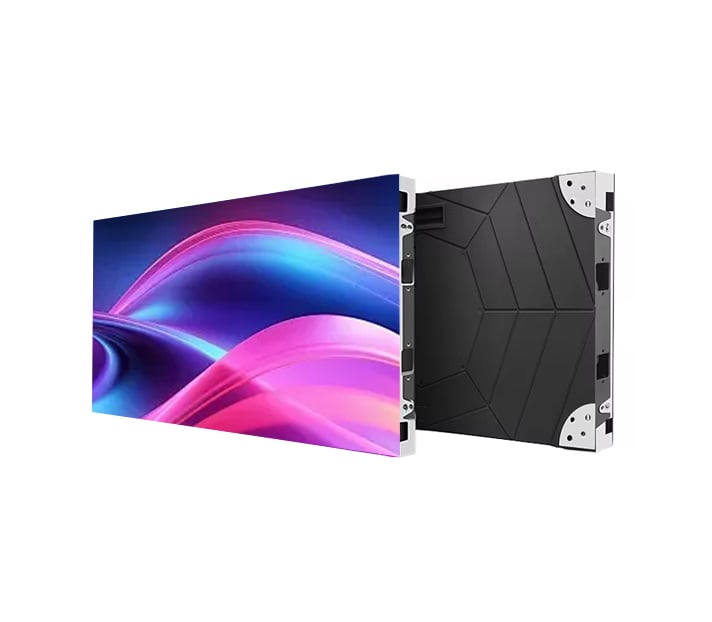
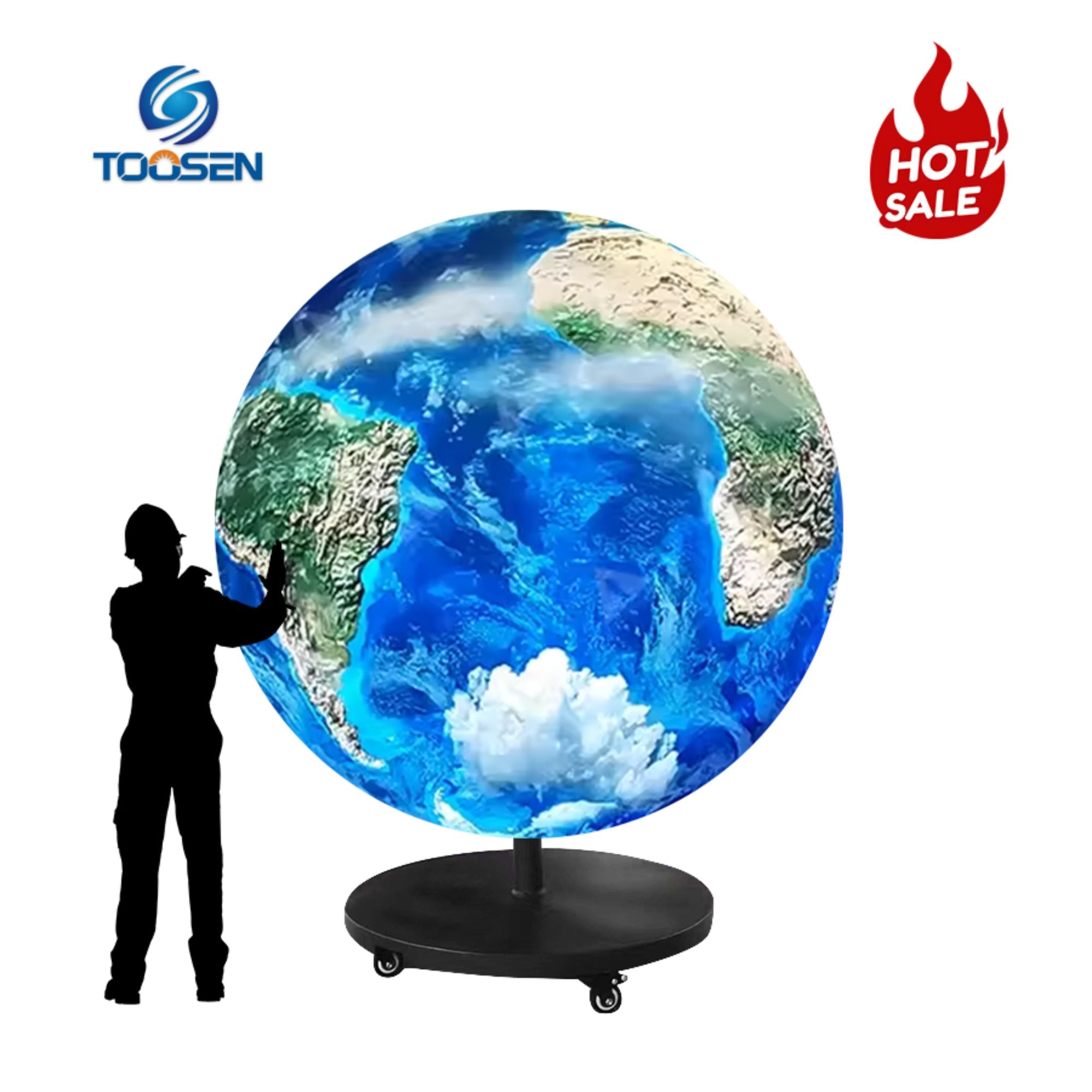
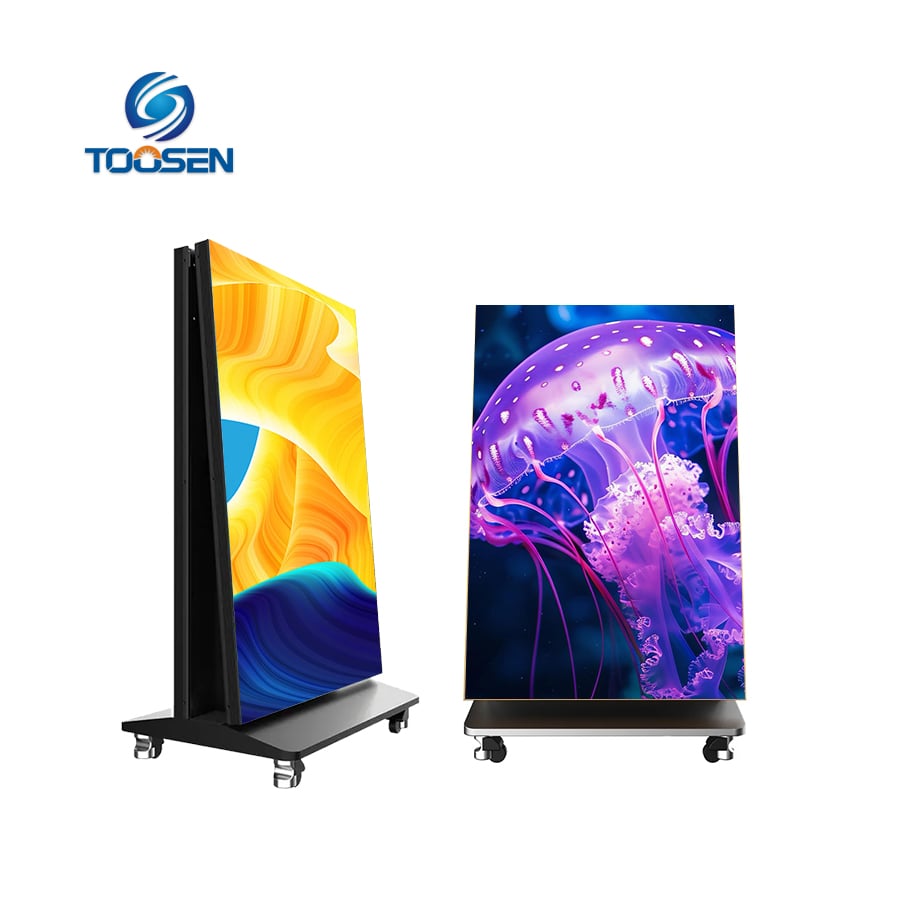
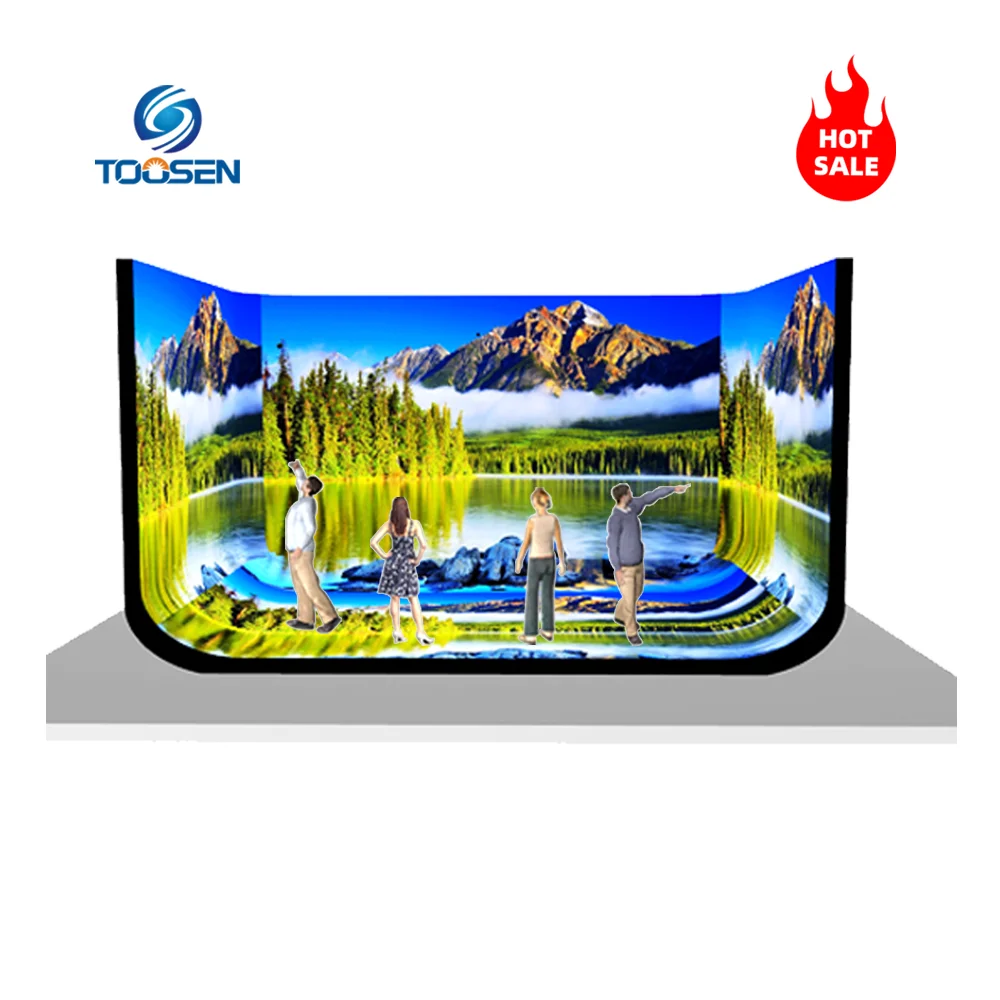
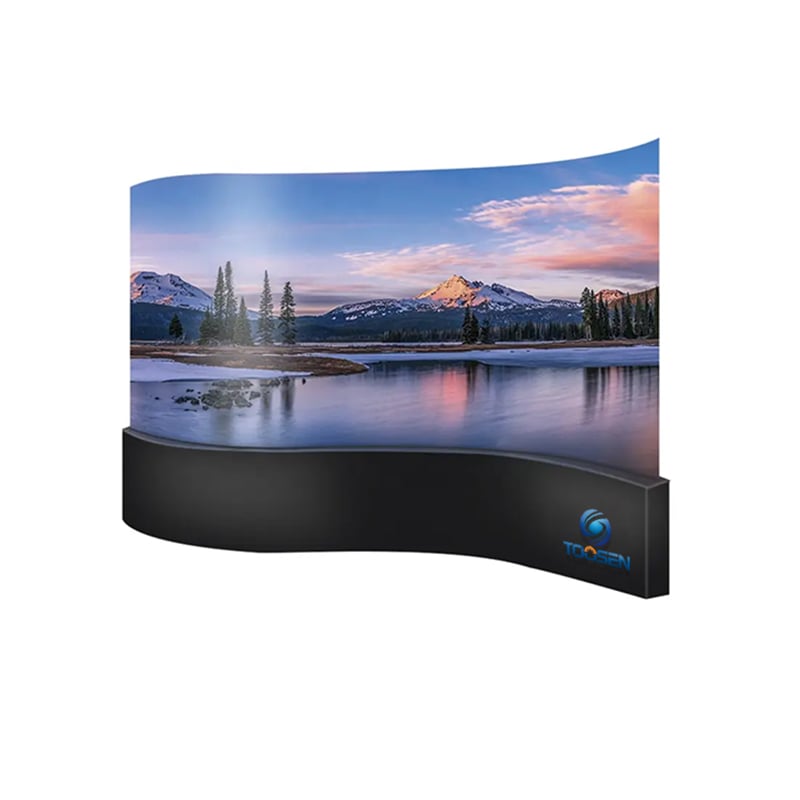
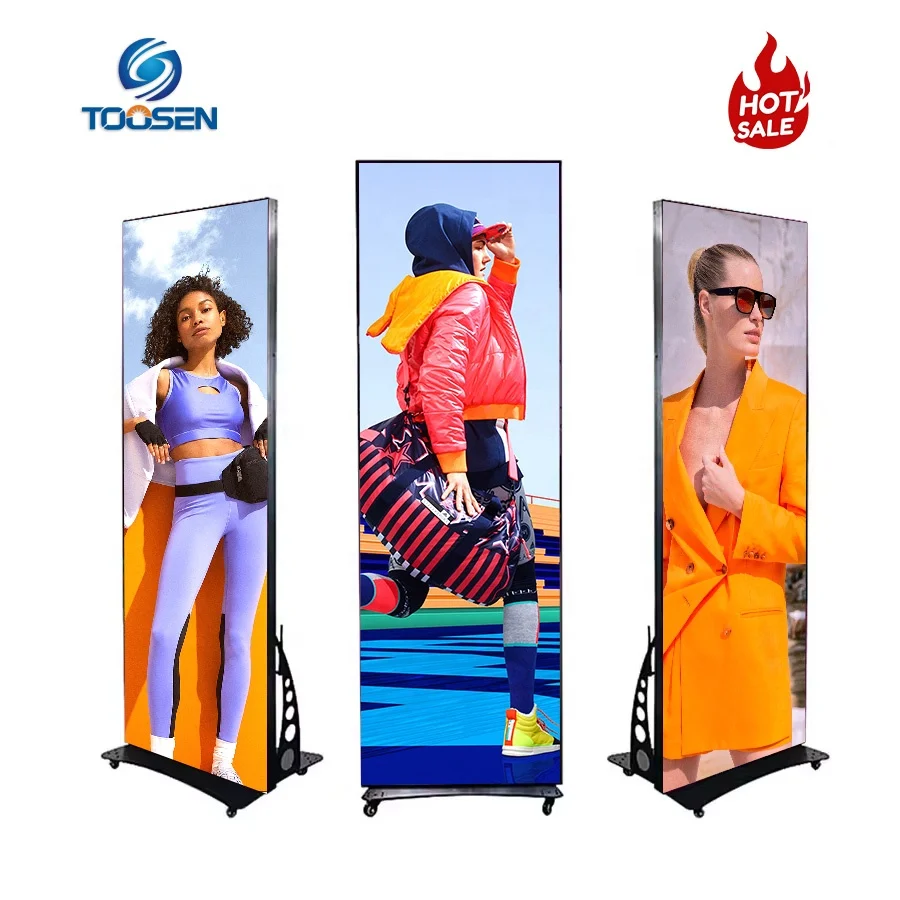
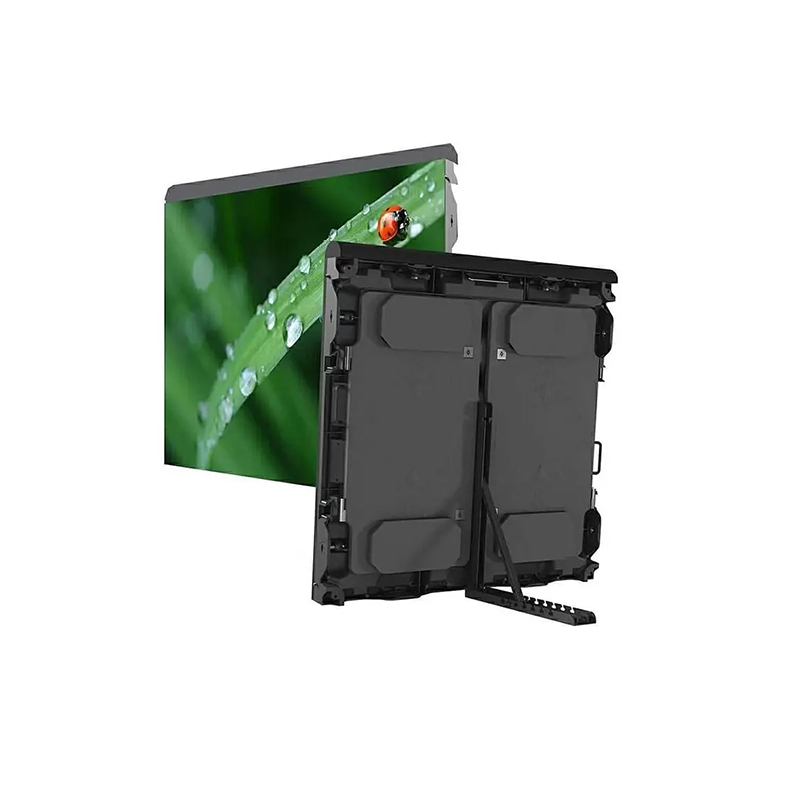
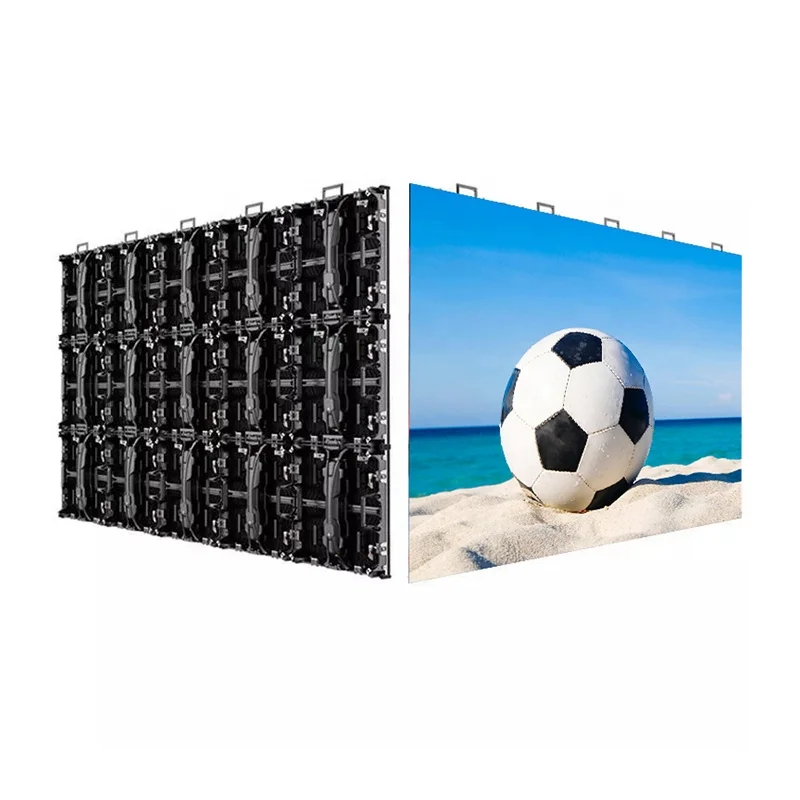
Energetski učinkoviti sferni LED zaslon je izgrađen na četvoroslojni sustav optimizacije :
s druge strane, u skladu s člankom 4. stavkom 1. .
S ovom arhitekturom, sustav može smanjiti potrošnju energije 30%50% u usporedbi s tradicionalnim sferičnim LED displejima , dok i dalje održava pravo bezšutno gledanje 360° i dugoročna stabilnost .
1. za Osnovni energetski prihvatljivi dizajn
1.1 LED čipovi s niskom potrošnjom energije i pakiranje
Osnova uštede energije počinje s izvorom svjetlosti.
-
S druge strane, radi se o električnim svjetiljkama s visokim udjelom energije.
- Svaka vrsta svjetlosnog sustava
- Smanjenje napona vožnje (3.03.2V)
- Smanjuje potrošnju energije za 20%+ pri istoj svjetlosti
-
COB / mini LED pakiranje
- Smanjena toplinska otpornost
- Brže odvođenje topline
- Podržava rad s niskom svjetlosnošću i visokim sivim stupnjem (100300 cd/m2)
- Izbjegava nepotrebne troškove napajanja
-
U slučaju vozila s brzinom od 300 km/h, to je:
- Smanjuje radnu struju s 20mA → 1215mA
- Smanjuje potrošnju energije za ~ 30%
- Produljuje životni vijek do 100.000 sati i više
1.2 Pametni pogonski i pogonski sustav
Učinkovitost se dodatno poboljšava na razini sustava.
-
Sredstva za snabdijevanje PFC-om visoke učinkovitosti
- Uređaj za proizvodnju električne energije
- Snaga pripremne snage < 1 W
- Ušteda dodatnih 5%8% energije u odnosu na standardne zalihe
-
Uređaji za upravljanje električnom energijom
-
Automatski nadzor osvijetljenosti (između drugih)
- Sljedeći članak:
- S druge strane, za sve proizvode koji sadrže:
-
Zoni isključenog napajanja
- S druge strane, za sve dijelove sustava, koji su uključeni u sustav, mora se upotrebljavati:
- Smanjuje potrošnju za 40%+
-
Optimizacija niske sive boje
- Inteligentno izmjenjivanje frekvencije kako bi se eliminirala potrošena energija
1.3 Sjekula za lakše konstrukcije
Mehanska učinkovitost također doprinosi uštedi energije.
-
Modularni zakrivljeni dizajn
- 32+ mogućnosti zakrivljenosti
- U slučaju da je to potrebno za prikaz bezšivog prikaza na 360°, razmak šavova ≤ 0,1 mm
- S obzirom na to da je proizvodnja proizvoda u skladu s člankom 3. stavkom 1. točkom (a) ovog članka, u skladu s člankom 3. stavkom 1. točkom (a) ovog članka, ograničena na proizvodnju proizvoda koji se upotrebljavaju u proizvodnji proizvoda u skladu s člankom 3. točkom (a) ovog članka, u skladu s člankom
-
Svaka vrsta proizvoda iz članka 1. stavka 1. točke (a) ovog članka može se upotrebljavati za proizvodnju proizvoda od aluminijuma.
- S druge površine, od aluminijuma
- Dizajn ugla navučavanja (2°3°) podržava i oblikovanje i zakrivljenost
- Povećava učinkovitost prijenosa topline i smanjuje toplinsko opterećenje
2. - Što? Strategija upravljanja toplinom
u slučaju da se radi o proizvodnji električne energije, potrebno je osigurati da se u skladu s člankom 6. stavkom 2.
-
Prirodna konvekcijska razmak topline
- U slučaju da je to potrebno, za svaki proizvod koji je pod uvjetom da se upotrijebi u skladu s člankom 6. stavkom 2.
- Koristi dimnjaka efekat protoka zraka
- Bez ventilatora → nula buke, nula potrošnje energije
-
Zaštita od GOB-a
- S druge vrste
- IP65 Otpornost na prašinu i vodu
- Povećava izdržljivost i učinkovitost prijenosa topline
2.2 Pametno aktivno hlađenje (samo kada je potrebno)
-
Ventilatori s kontrolisanom temperaturom
- < 25°C: isključeno
- 25°C: niska brzina
-
45°C: punom brzinom
- Štedi 70% energije i više u odnosu na ventilatore stalne brzine
-
Prstenast sustav protoka zraka
- Slika za izravno i radijalno zračenje
- Izlaz toplog zraka s vrha
- Poboljšava učinkovitost uklanjanja toplote 50%
3. Inteligentni kontrolni sustav
3.1 Pametna centralna kontrolna platforma
-
Prilagođavanje okolišu
- Senzori svjetlosti, temperature i vlažnosti
- Automatska svjetlost + hlađenje + podešavanje snage
-
Europska komisija
- Svaka vrsta svjetlosti
- Noćni režim: ~ 30% svjetlosti
- Udaljeni način uštede energije jednim klikom
-
Stvarno-vremenski nadzor energije
- U skladu s člankom 4. stavkom 2.
- Izrada dnevnih/mjesečnih izvješća o potrošnji energije
- U skladu s člankom 4. stavkom 2.
3.2 Strategija optimizacije sadržaja
-
Prilagođivanje sferičnog sadržaja
- Izbjegava visoku svjetlost na cijelom ekranu
- Koristi tamnije, nisko zasićene slike
- Smanjuje potrošnju energije za 30%+
-
Prilagođeni učinak osvježavanja
- Svaka vrsta vozila mora imati svojstveni sustav za upravljanje energijom.
- U skladu s člankom 6. stavkom 2.
- Minimizira nepotrebnu gubicu energije osvežavanja
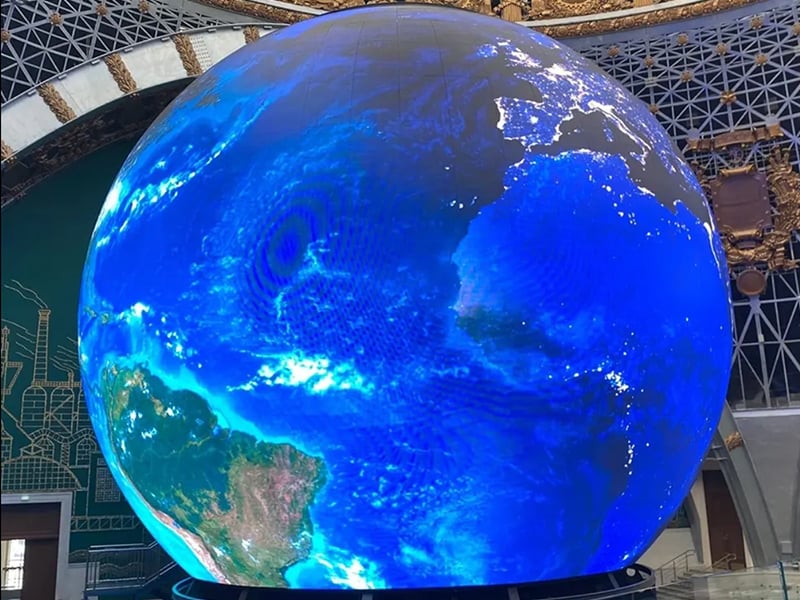
4. - Što? Konfiguracija na temelju primjene
Slika za otvaranje
- Samo pasivno hlađenje
- S druge strane, za proizvodnju električnih goriva za proizvodnju električne energije u skladu s člankom 77. stavkom 1.
- Sredstva za proizvodnju električne energije
- Nečujući i bez održavanja
Srednja kugla (310 m)
- U slučaju da je to potrebno, potrebno je uključiti:
- Izravno djelovanje i stabilnost
- Snaga: 200240 W/m2
Svaka vrsta proizvoda može se upotrebljavati za proizvodnju proizvoda koji sadrže:
- S druge energije, osim energije iz goriva
- Prstenast protok zraka + inteligentna toplinska kontrola
- Snaga: 240280 W/m2
- S druge vrijednosti od 85 mas.% do 85 mas.%
- Pet. Povjerenje o osnovnim vrijednostima
Značajno smanjenje troškova
- U slučaju da je proizvodnja električne energije u skladu s člankom 3. stavkom 1. točkom (a) ovog članka, u skladu s člankom 3. točkom (a) ovog članka, u skladu s člankom 3. točkom (a) ovog članka, u skladu s člankom 3. točkom (a) ovog članka, može se upotrebljavati samo za proizvodnju
- Godišnje uštede: ~ 150.000 kWh
- Smanjenje troškova električne energije: ~ 120.000 RMB+ godišnje
U skladu s zahtjevima za smanjenje emisija ugljika
- Podržava ciljeve zelene gradnje i ugljične neutralnosti
- U mnogim regijama prihvatljivi za poticaje za energetsku učinkovitost
Veća stabilnost i manje održavanja
- S druge strane, za vozila s brzinom od 300 km/h
- U skladu s člankom 3. stavkom 2.
- Troškovi održavanja smanjeni za 50%+
Odluka Komisije
Moderni sferični LED ekran koji štedi energiju više nije samo hardverski proizvod. To je rešenje inženjerstva na razini sustava gdje:
- Optika definiše učinkovitost svjetlosti
- Elektronska tehnologija definira energetsku učinkovitost
- Struktura definira toplinsku učinkovitost
- Softver definiše efektivnost ponašanja.
Kad sva četiri djeluju zajedno, ušteda energije postaje strukturalna, a ne samo opcijska.


 EN
EN
 AR
AR
 BG
BG HR
HR
 CS
CS
 DA
DA
 NL
NL
 FI
FI FR
FR
 DE
DE EL
EL
 HI
HI
 IT
IT JA
JA
 KO
KO
 NO
NO PL
PL PT
PT RO
RO
 RU
RU
 ES
ES
 SV
SV
 TL
TL
 ID
ID
 SR
SR
 UK
UK VI
VI
 ET
ET
 HU
HU
 TH
TH
 TR
TR
 FA
FA
 AF
AF
 MS
MS
 GA
GA
 HY
HY
 AZ
AZ
 MN
MN
 UZ
UZ