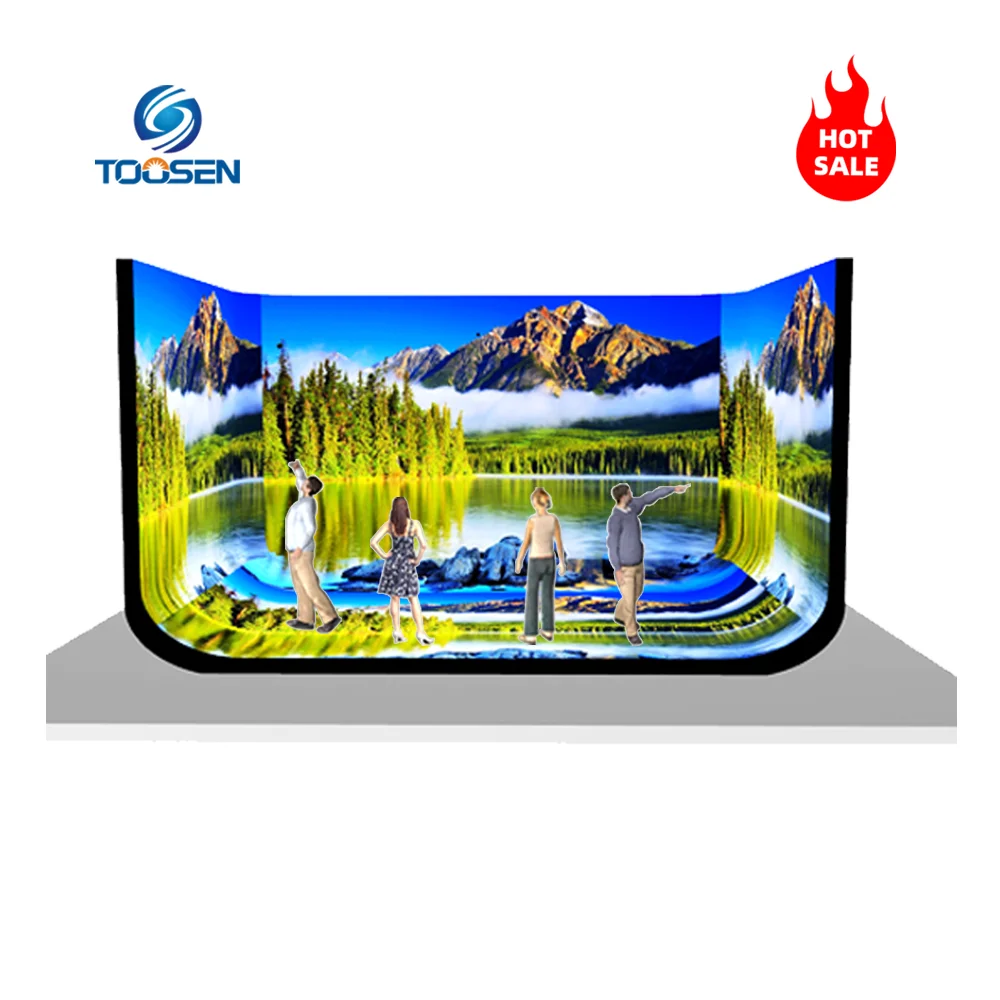
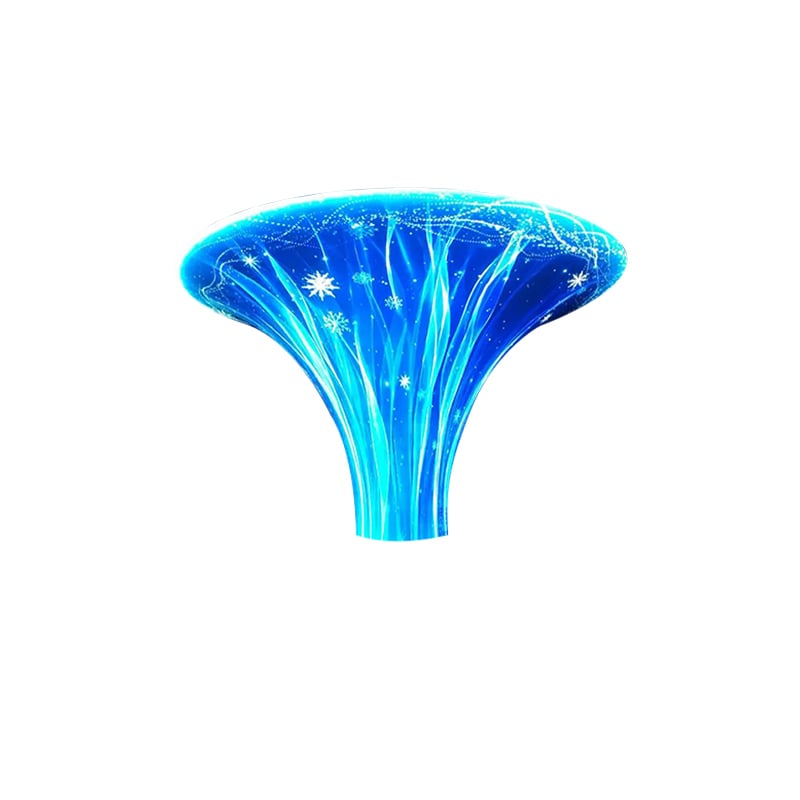
एक अनियमित एलईडी प्रदर्शन सिस्टम में स्क्रीन के अलावा बहुत कुछ शामिल होता है। चाहे प्रोजेक्ट एक वक्राकार LED दीवार, गोलाकार LED डिस्प्ले, क्यूब स्क्रीन, बेलनाकार डिस्प्ले, तरंगाकार स्क्रीन या कस्टम अक्षर-आकार की स्थापना से संबंधित हो, पूरे सिस्टम के लिए कई हार्डवेयर और सॉफ्टवेयर घटकों को एक साथ काम करने की आवश्यकता होती है।
एक पूर्ण सेटअप में आमतौर पर डिस्प्ले मॉड्यूल, नियंत्रण प्रणाली, वीडियो प्रोसेसिंग उपकरण, बिजली वितरण, संरचनात्मक सहारा, शीतलन प्रणाली, केबल और विशिष्ट सॉफ्टवेयर शामिल होते हैं।
नीचे एक पेशेवर अनियमित LED डिस्प्ले समाधान में शामिल आवश्यक घटकों का विस्तृत विभाजन दिया गया है।
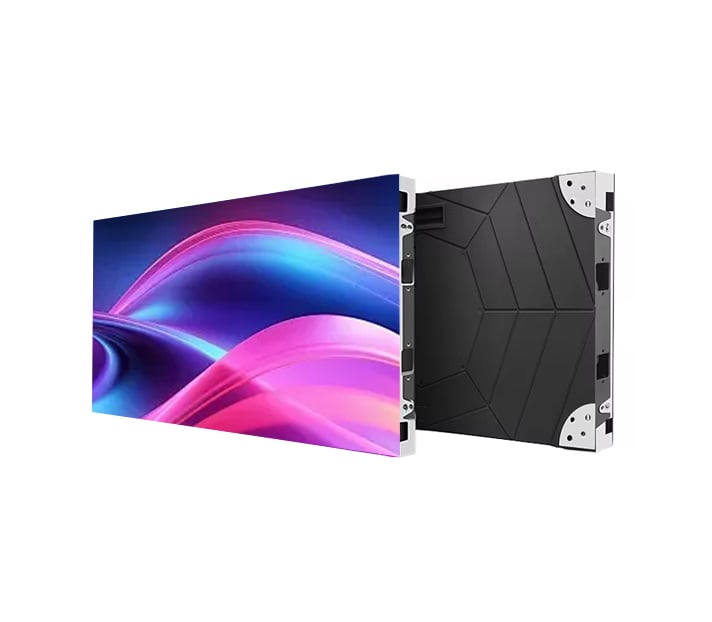
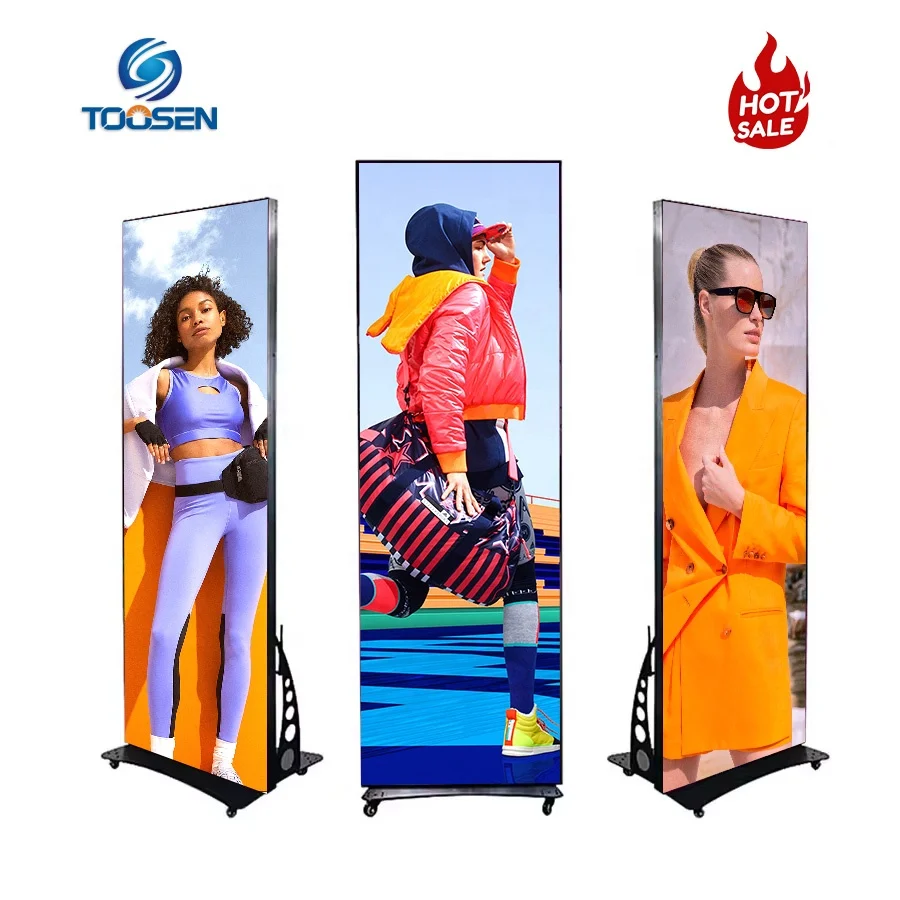
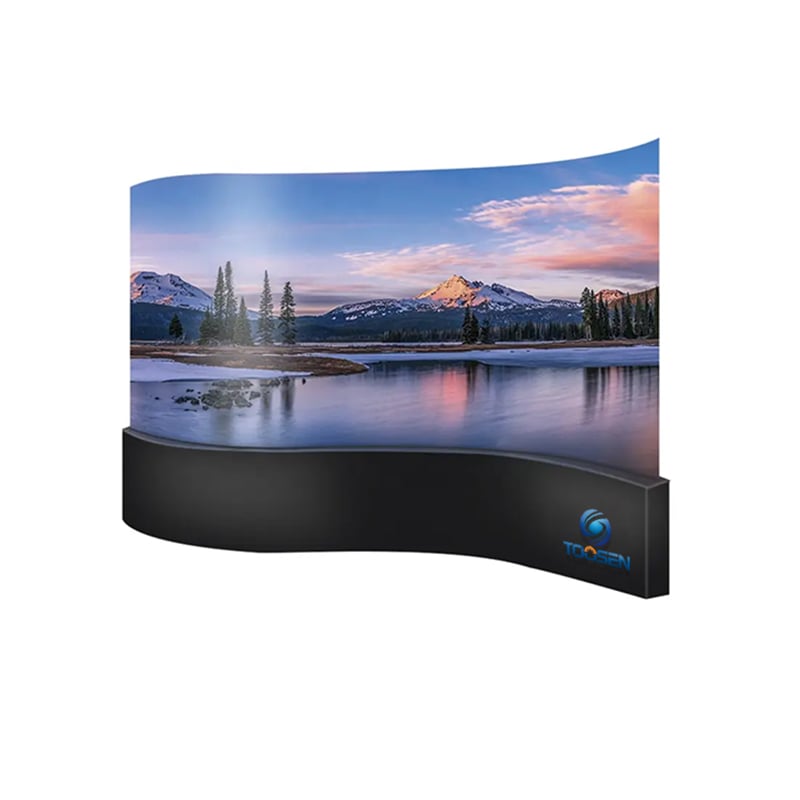
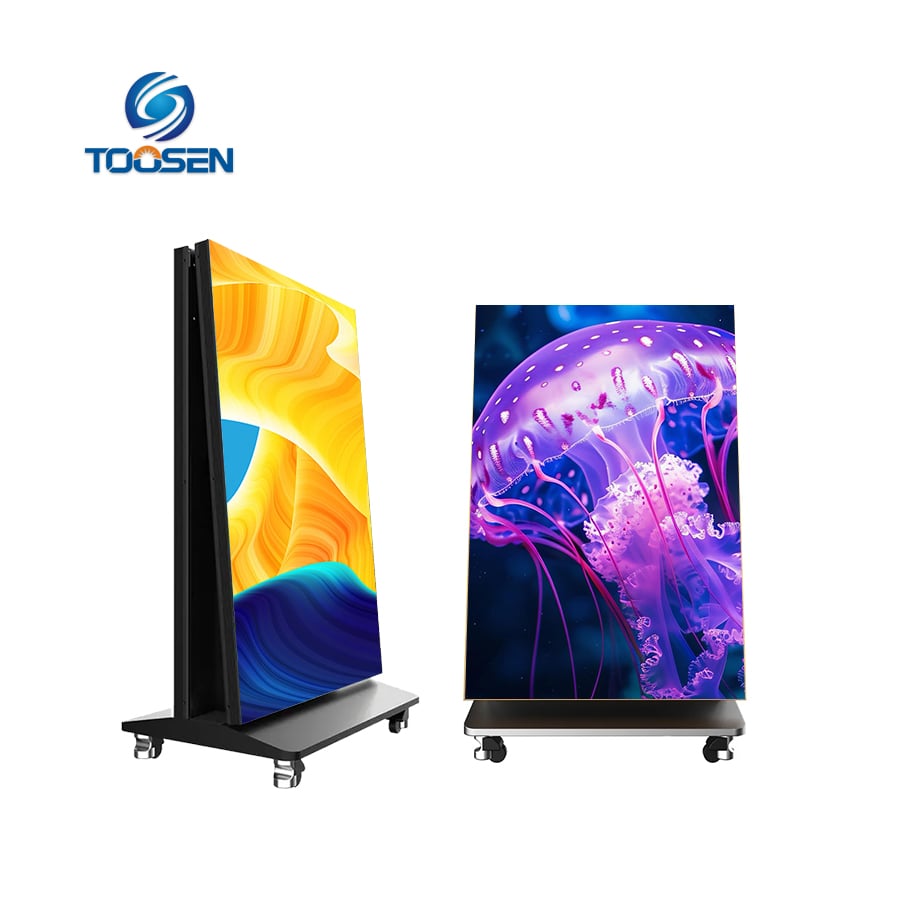
डिस्प्ले यूनिट अनियमित LED स्क्रीन का दृश्य केंद्र बनाती है।
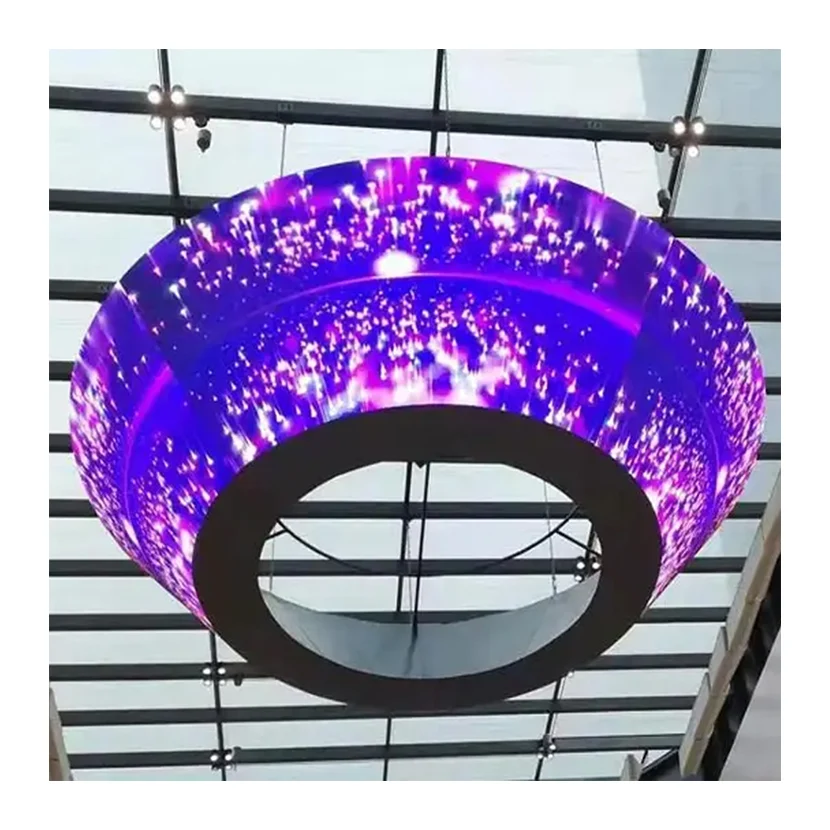
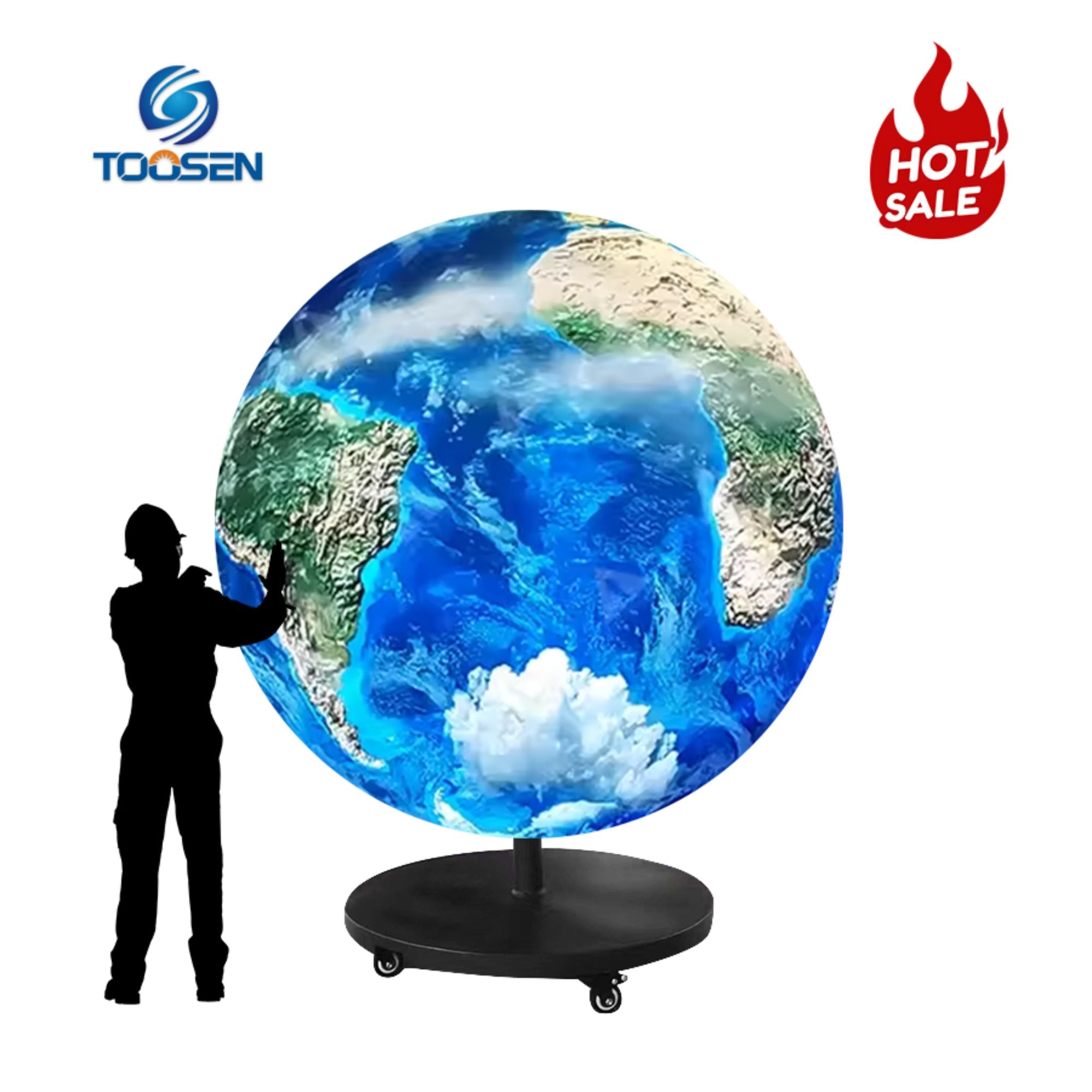
मानक आयताकार LED पैनलों के विपरीत, अनियमित LED डिस्प्ले अद्वितीय आकृतियों और वक्रों के अनुरूप विशेष रूप से डिज़ाइन किए गए मॉड्यूल का उपयोग करते हैं।
सामान्य मॉड्यूल प्रकारों में शामिल हैं:
ये अनुकूलित मॉड्यूल निर्माताओं को गोले, चाप, सुरंगें, तरंगें और कलात्मक स्थापनाएँ जैसी रचनात्मक संरचनाएँ बनाने की अनुमति देते हैं।
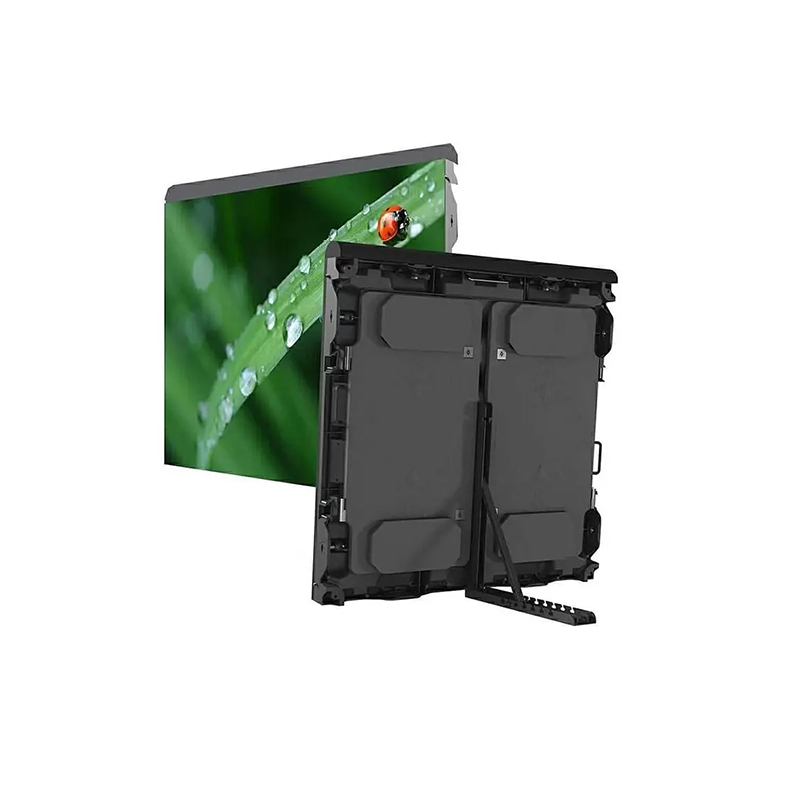
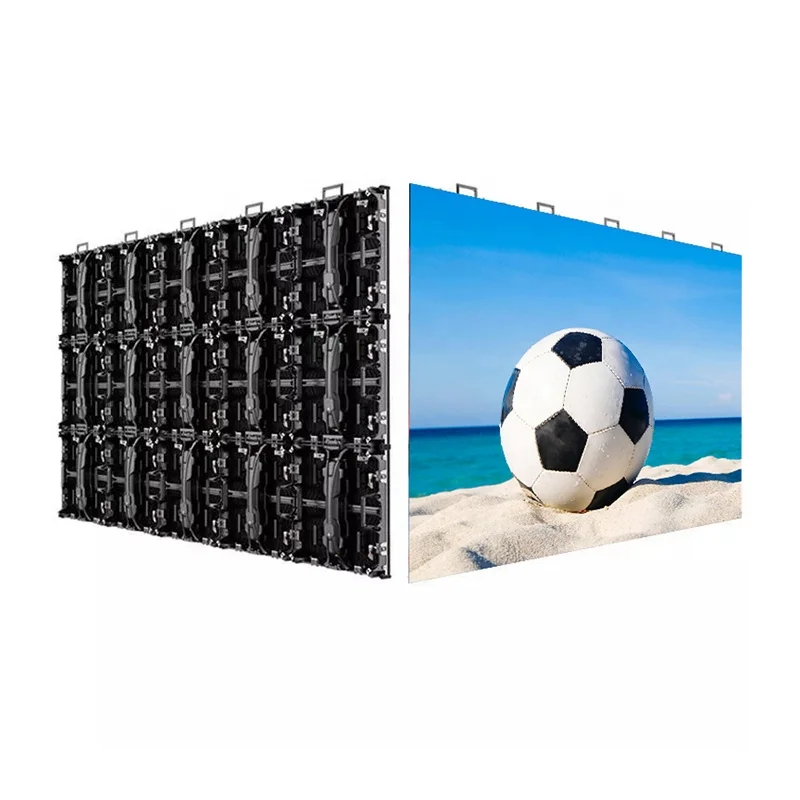
कैबिनेट संरचना LED मॉड्यूल का समर्थन करती है और वांछित आकृति को बनाए रखती है।
निर्माता आमतौर पर उपयोग करते हैं:
फ्रेमवर्क को स्क्रीन की वक्रता और स्थापना आवश्यकताओं के साथ सटीक रूप से मेल खाना चाहिए।
सुरक्षात्मक कवर एलईडी लैंप्स को धूल, धक्के और पर्यावरणीय क्षति से बचाते हैं।
वक्र या विशेष आकार के स्क्रीन के लिए, निर्माता अक्सर एक निर्बाध उपस्थिति और उचित प्रकाश वितरण सुनिश्चित करने के लिए मास्क और हाउसिंग को अनुकूलित करते हैं।
नियंत्रण प्रणाली डेटा संचरण और स्क्रीन समकालिकता का प्रबंधन करती है।
प्रेषण कार्ड मीडिया स्रोत से वीडियो संकेत प्राप्त करता है और छवि डेटा को एलईडी डिस्प्ले प्रणाली में वितरित करता है।
प्रत्येक कैबिनेट के अंदर स्थापित, प्राप्ति कार्ड व्यक्तिगत एलईडी मॉड्यूल्स को नियंत्रित करता है और डिजिटल संकेतों को प्रदर्शन आउटपुट में परिवर्तित करता है।
एक बहुकार्य कार्ड बुद्धिमान प्रबंधन सुविधाएँ जोड़ता है, जिनमें शामिल हैं:
हब बोर्ड प्राप्ति कार्ड को LED मॉड्यूल से जोड़ता है और कैबिनेट के भीतर संकेत संचरण पुल के रूप में कार्य करता है।
पेशेवर वीडियो प्रोसेसिंग उपकरण अनियमित स्क्रीन सतहों पर चित्र प्रदर्शन को चिकना बनाए रखते हैं।
एक वीडियो प्रोसेसर निम्नलिखित कार्यों को संभालता है:
यह घटक बड़े प्रारूप या गैर-मानक LED स्थापनाओं के लिए विशेष रूप से महत्वपूर्ण हो जाता है।
मीडिया प्लेयर वीडियो सामग्री को संग्रहीत करता है और उसे प्रोफ़ाइल करता है।
सामान्य विकल्प में शामिल हैं:
नियंत्रण सॉफ़्टवेयर ऑपरेटरों को निम्नलिखित कार्य करने की अनुमति देता है:
एक स्थिर विद्युत प्रणाली सुरक्षित और निरंतर संचालन सुनिश्चित करती है।
LED मॉड्यूल आमतौर पर निम्न-वोल्टेज विद्युत आपूर्ति की आवश्यकता होती है, जैसे:
ये इकाइयाँ प्रदर्शन मॉड्यूल के लिए स्थिर धारा प्रदान करती हैं।
शक्ति कैबिनेट पूरे प्रणाली में विद्युत वितरित करता है और अक्सर इन्हें शामिल करता है:
आंतरिक शक्ति वायरिंग मॉड्यूलों को जोड़ती है और कैबिनेट के बीच विद्युत का वितरण करती है।
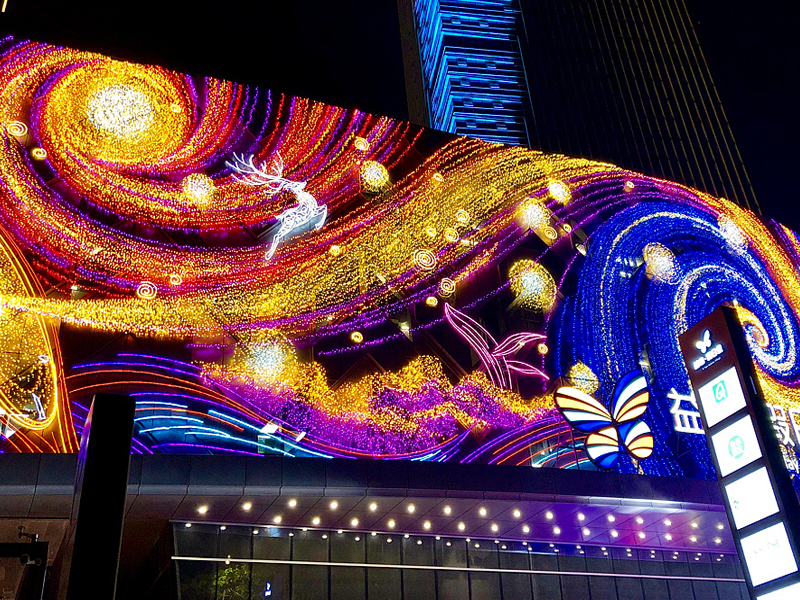
अनियमित LED स्क्रीन के लिए अत्यधिक अनुकूलित स्थापना समाधानों की आवश्यकता होती है।
चूँकि प्रत्येक अनियमित LED परियोजना के अद्वितीय आयाम और आकार होते हैं, इसलिए इंजीनियर आमतौर पर स्थापना वातावरण के लिए विशेष रूप से अनुकूलित सहारा संरचनाओं का डिज़ाइन करते हैं।
ये घटक कैबिनेटों को एक साथ सुरक्षित करते हैं और संरचनात्मक स्थिरता बनाए रखते हैं।
आम एक्सेसरीज़ में शामिल हैं:
स्थापना विधि के आधार पर, प्रणाली में निम्नलिखित शामिल हो सकते हैं:
दीर्घकालिक LED डिस्प्ले प्रदर्शन के लिए ऊष्मा प्रबंधन महत्वपूर्ण है।
बाहरी या सीमित स्थानों में स्थापित अनियमित LED डिस्प्ले को अति तापन को रोकने के लिए अक्सर सक्रिय शीतलन प्रणालियों की आवश्यकता होती है।
सामान्य शीतलन समाधानों में शामिल हैं:
पर्यावरण निगरानी उपकरण सुरक्षित संचालन स्थितियों को बनाए रखने और प्रणाली की विश्वसनीयता में सुधार करने में सहायता करते हैं।
विश्वसनीय सिग्नल संचरण स्थिर डिस्प्ले प्रदर्शन सुनिश्चित करता है।
CAT5e या CAT6 नेटवर्क केबल्स भेजने वाले कार्ड्स और प्राप्त करने वाले कार्ड्स के बीच डेटा संचारित करती हैं।
दूर की दूरी तक संचरण के लिए, ऑप्टिकल फाइबर निम्नलिखित प्रदान करता है:
ये घटक LED मॉड्यूल्स को आंतरिक रूप से सिग्नल कैस्केडिंग के लिए जोड़ते हैं।
पावर लाइन्स प्रदर्शन प्रणाली भर में विद्युत का वितरण करती हैं।
अतिरिक्त एक्सेसरीज़ टिकाऊपन, रखरखाव और संचालन सुरक्षा में सुधार करती हैं।
बाहरी LED स्क्रीन्स में आमतौर पर सुरक्षित सिग्नल और पावर कनेक्शन के लिए वॉटरप्रूफ एविएशन कनेक्टर्स का उपयोग किया जाता है।
ये घटक बाहरी प्रदर्शनों को वर्षा, धूल और आर्द्रता से बचाते हैं।
पेशेवर LED परियोजनाओं में आमतौर पर शामिल होते हैं:
प्रकाश सेंसर स्वचालित रूप से परिवेश के आसपास के प्रकाश की स्थिति के अनुसार स्क्रीन की चमक को समायोजित करते हैं।
सॉफ़्टवेयर अनियमित LED डिस्प्ले को प्रभावी ढंग से संचालित करने में प्रमुख भूमिका निभाता है।
लोकप्रिय LED नियंत्रण सॉफ़्टवेयर में शामिल हैं:
ये प्लेटफ़ॉर्म कॉन्फ़िगरेशन, कैलिब्रेशन और डिस्प्ले प्रबंधन को संभालते हैं।
अनियमित LED स्क्रीन्स के लिए अक्सर निम्नलिखित के लिए उन्नत सुधार प्रणालियों की आवश्यकता होती है:
पिक्सेल-स्तरीय ज्यामितीय सुधार जटिल सतहों के आर-पार सटीक छवि मैपिंग सुनिश्चित करता है।
रचनात्मक LED स्थापनाओं के लिए अक्सर स्क्रीन के आकार और दृश्य कोण के अनुसार विशिष्ट रूप से डिज़ाइन की गई अनुकूलित 3D वीडियो सामग्री की आवश्यकता होती है।
एक पूर्ण अनियमित LED डिस्प्ले सिस्टम में केवल अनुकूलित LED पैनल्स से कहीं अधिक कुछ होता है। व्यवहार में, सफल परियोजनाएँ प्रदर्शन प्रौद्योगिकी, बुद्धिमान नियंत्रण प्रणालियों, संरचनात्मक इंजीनियरिंग, तापीय प्रबंधन और विशिष्ट सॉफ़्टवेयर को एकीकृत समाधान में संयोजित करती हैं।
इसलिए, एक वक्र, गोलाकार, बेलनाकार या विशिष्ट आकार के LED प्रोजेक्ट की योजना बनाते समय, खरीदारों को पूरे पारिस्थितिकी तंत्र — केवल स्क्रीन नहीं, बल्कि इसके साथ ही संबंधित सभी घटकों — का मूल्यांकन करना चाहिए। एक उचित रूप से इंजीनियर्ड प्रणाली प्रदर्शन गुणवत्ता, संचालन स्थिरता, रखरखाव की दक्षता और दीर्घकालिक स्थायित्व में सुधार करती है।
 EN
EN
 AR
AR
 BG
BG HR
HR
 CS
CS
 DA
DA
 NL
NL
 FI
FI FR
FR
 DE
DE EL
EL
 HI
HI
 IT
IT JA
JA
 KO
KO
 NO
NO PL
PL PT
PT RO
RO
 RU
RU
 ES
ES
 SV
SV
 TL
TL
 ID
ID
 SR
SR
 UK
UK VI
VI
 ET
ET
 HU
HU
 TH
TH
 TR
TR
 FA
FA
 AF
AF
 MS
MS
 GA
GA
 HY
HY
 AZ
AZ
 MN
MN
 UZ
UZ