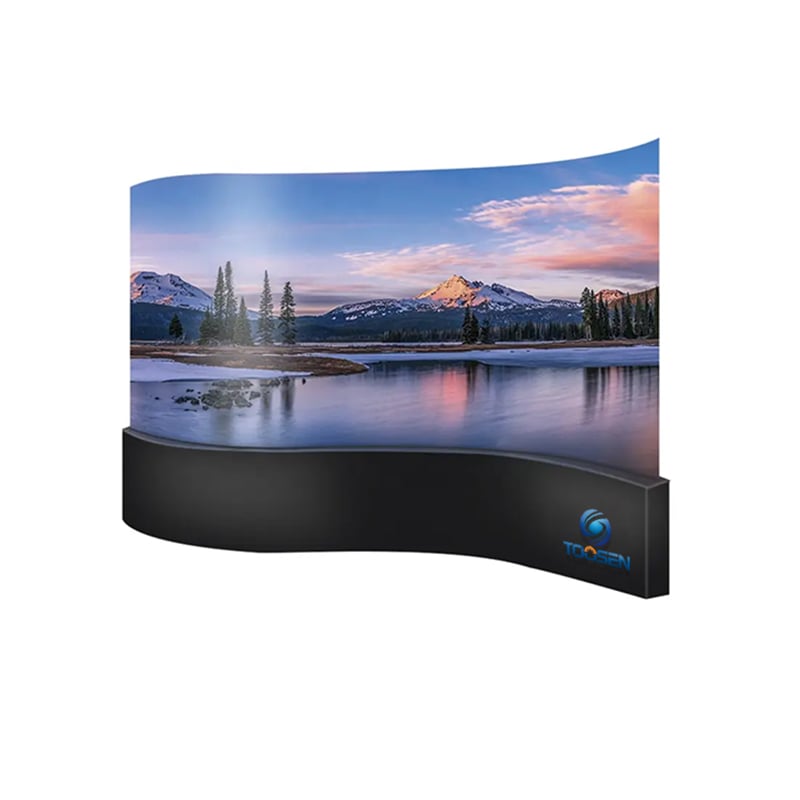
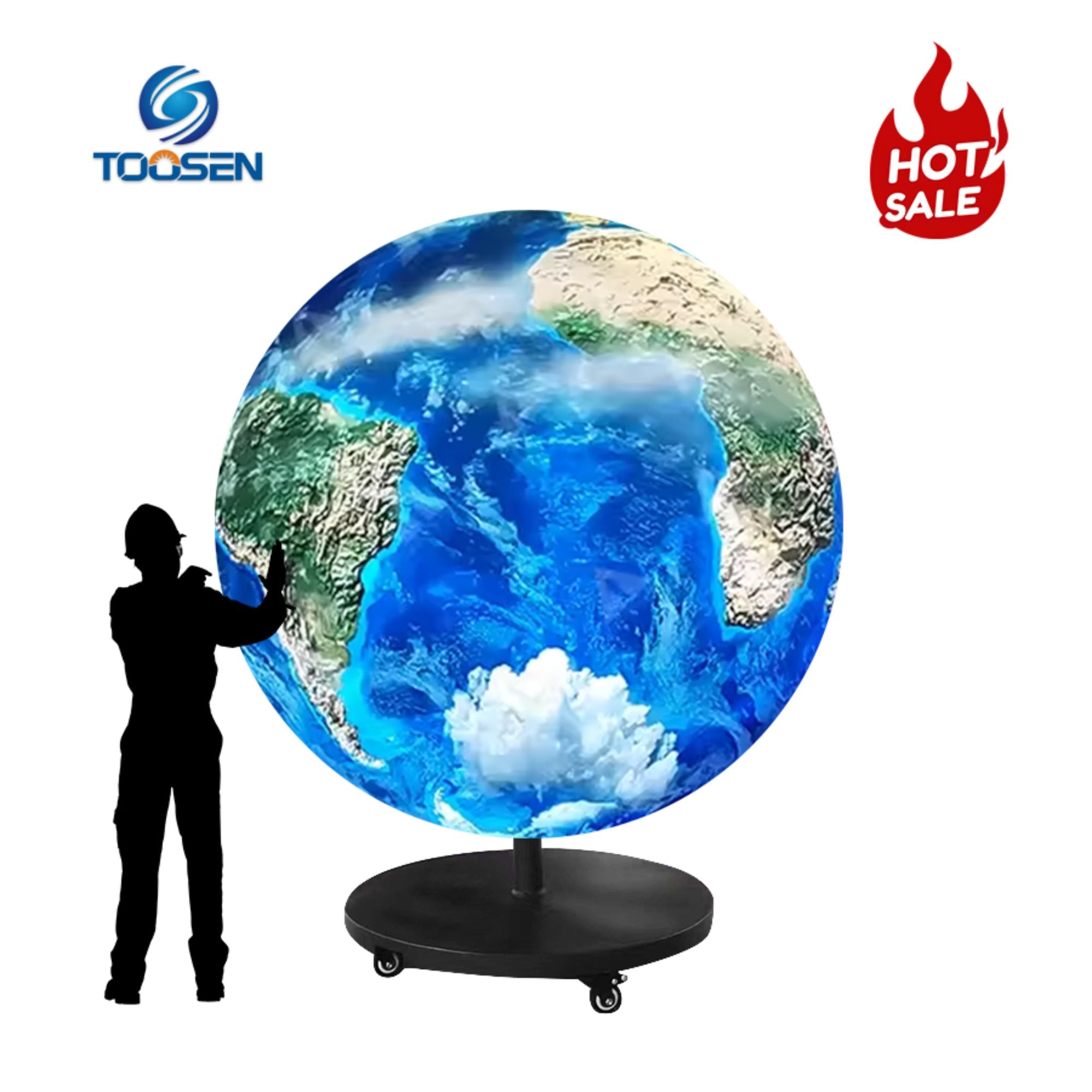
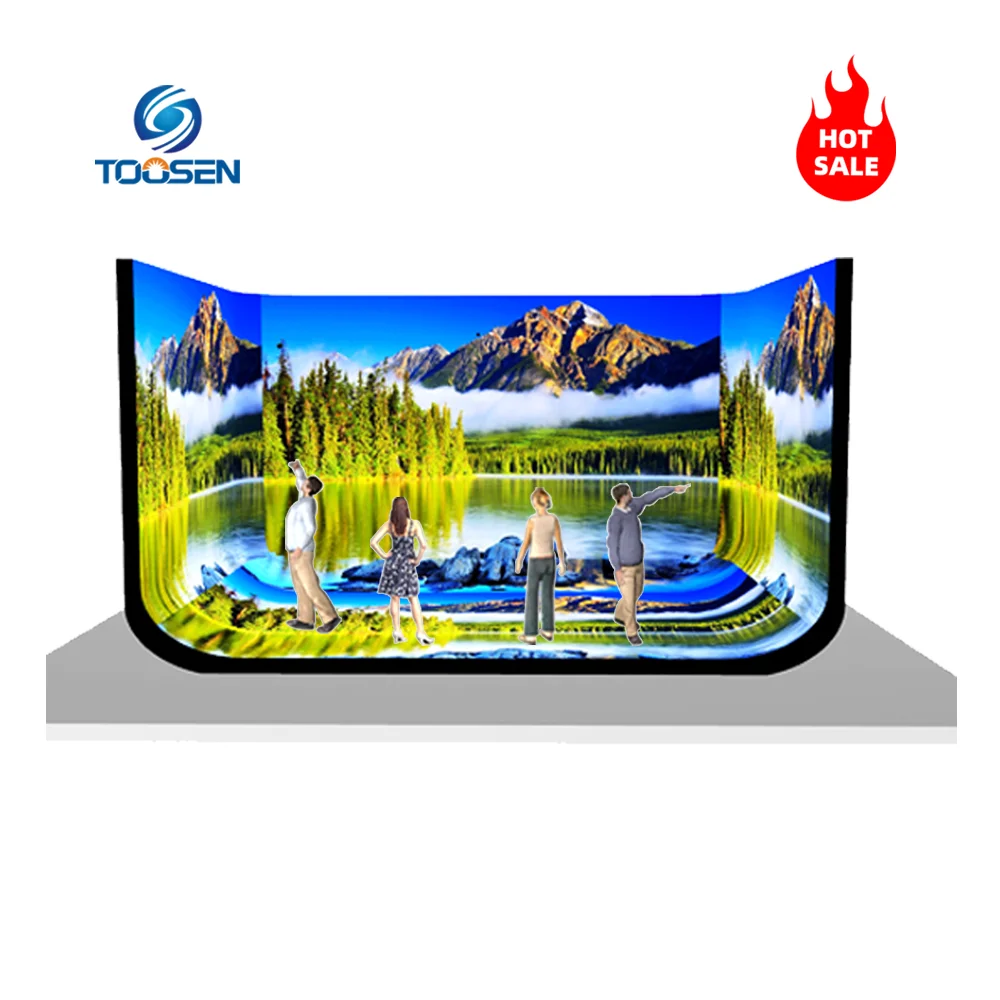
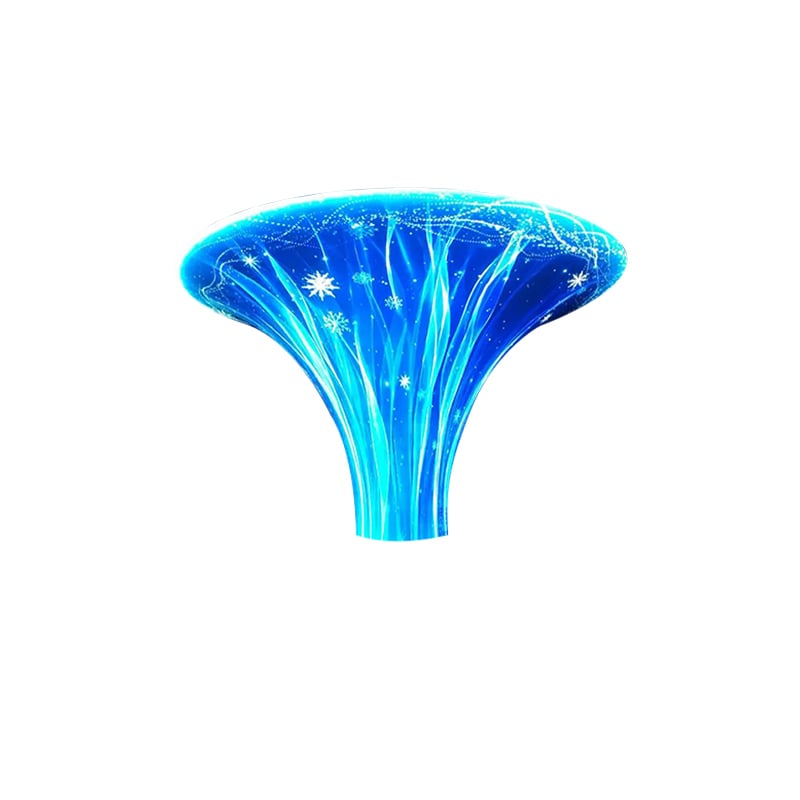
Trí a dhéanamh a sheoladh scátháin LED ciorclúla saincheaptha , ag roghnú idir a gan crann nó inniuichte an suiteáil go díreach a thagann i gcion ar an leithnéise agus ar an cost Cuirp . Cabhraíonn tuiscint ar na difríochtaí struchtúrtha agus ar na modhanna comhshó brandaí le cothromú idir budgéad agus spriocanna dearadh.
1. Difríochtaí Struchtúrtha: Scátháin LED Ciorclúla Gan Fráma vs. Scátháin Ciorclúla Le Fráma
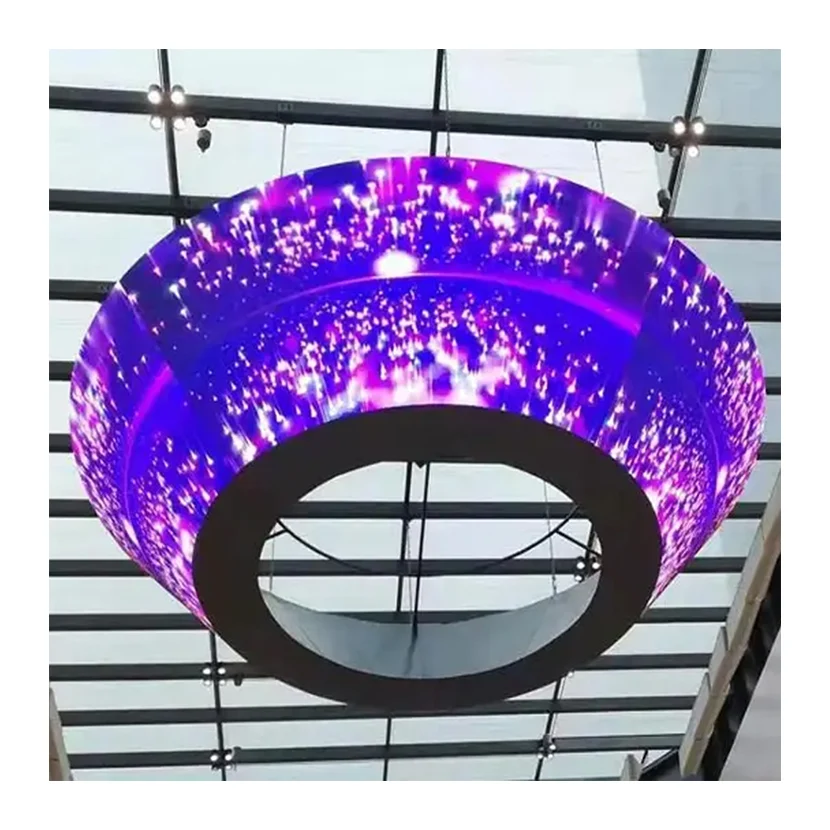
Scátháin LED Ciorclúla Gan Fráma
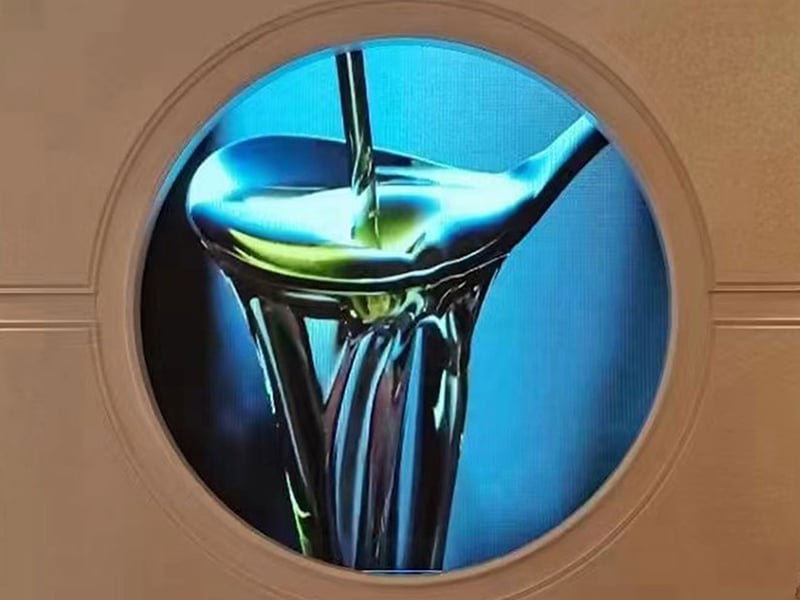
- Tógtha ó módúil LED curváilte nó cruthaithe gan aon fhráma mialaigh timpeallach
- Nascann na módúil gan aon phointe leathnaithe ó bhord go bord , ag cruthú teorainn ghláine, "dhearbhaí"
- Úsáidtear go minic le caiféanna ar ardleibhéal, taispeántais idirghníomhacha, nó suiteáin ealaíneacha áit ar chriticiúil an leanúint radharcach
Scráin LEID chiorcúla, frámaithe
- Tógtha le modúil LED réachtangulara nó cearnógach caighdeánach
- Tá bord gach modúil faoi fhráma nó beisil, a d’fhéadfadh a bheith gearrtha nó curtha i gciorcal go bog chun ciorcal a imithe
- Coitianta i tionscail a bhfuil buiséad i gceist acu áit ar ní ghlacannar le seamlessness idéalach
2. Próiseas suiteála agus iarrachtaí ar an bhfianáin
Suiteáil gan fhrámha (gan teorainn)
- Riachtanach módúilí ar chruth saincheaptha a mheaitseálann gcaoi an chiorcail
- Tá an suiteáil obair-trom : ní mór gach módúil a chothromú go cruinn chun bearnaí a sheachaint
- Tá struchtúir tacaíochta uaireanta ag teastáil oibríocht mhiallach saincheaptha nó suíomhanna in-athraitheacha
- Torthaí: airde costais ábhar agus laeigh , ach cáil fhéinbhreithniúcháin ardhuaithne agus taispeántas nua-aimseartha
Socruithe le fráma (leathach ar an mbord)
- Úsáidí módúil cearnóg nó dronuilleogacha réadaithe , a bhfuil sé níos éasca iad a fháil
- Ceadaíonn frámaí nó leathacha beaga go mbeidh bualadh beag ann gan a bheith ina gceann de na heifeachtaí ar an mbunfhorma a dtuigtear
- Tá an suiteáil níos tapúla agus níos simplí , mar ní ghlacann na móidíl le cruinneas an-ard
- Torthaí: ísle costas iomlán suiteála , cé go bhfuil an leanúnacht radharcach beagán laghdaithe
3. Costas i gcomparáid leis an gCeangal Radharcach
| Gné |
Scáileán Ciorcúil Gan Fhráma |
Scáileán Ciorcúil Le Fhráma |
| Gan Bhéime Radharcach |
Ard, gan bheartaí |
Meánmhéad, is féidir na hionsaithe a fheiceáil |
| Saincheapadh an Mhodúil |
Riachtanach |
Tá modúil caighdeánach sásta |
| Castacht an Lucht Oibre |
Ard |
Meánach |
| Am suiteála |
Níos faide |
Giorra |
| Costas |
Airgead |
Ísle |
| Is Fearr Le |
Siopaí ceannasaíochta, taispeántais, comharthaí uaschaighdeáin |
Tionscail le buaiceis ar an mbuget, taispeántais sealadacha |
4. Leideanna Buisceáin do Scáinsí LED Ciorclach
-
Cur chuige hathraithe : Úsáid modúilí le fráma don chiorcal amuigh agus modúilí saincheaptha sa lár chun costais a shábháil agus fós réigiún fócaile glan a chaomhnú
-
Pleanáil Méid an Mhodúil in Am Óg : Tá modúilí níos mó ag laghdú ar líon na ndearcán, ag sábháil ama le haghaidh tógála
-
Tógáil Roimh Reachtú Ar Shuíomh tá an réimse réamh-asmhailiú modúil ag laghdú an obair ar an suíomh agus na hearráidí a bhaineann le cothromú.
5. Díospóireacht
Ag roghnú idir gan crann agus scráin LEID chiorcúla, frámaithe is é an t-iomlán cothromú idir imreatach Tuiscint agus coiriúlachtaí Buiséadacha .
-
Scráin gan fhráma soláthraíonn siad dea-ghníomhaíocht aonach ach tagann siad le costais níos airde agus costais suiteála na mpríomh-mhíreanna .
-
Scráin frámaithe tugann siad leas mór sábháil Costais , suiteáil níos tapúla, agus úsáid níos éasca, agus mar sin is iad an rogha is fearr do thionscadail ina bhfuil an budgé an príomhphointe.
Trí thuiscint an struchtúr ciorcúil scáileáin LED agus ceardlann saincheaptha scáileáin LED , is féidir le custaiméirí cinntí eolach a dhéanamh atá saincheaptha do na spriocanna radharcacha agus do na tosaíochtaí airgeadais.


 EN
EN
 AR
AR
 BG
BG HR
HR
 CS
CS
 DA
DA
 NL
NL
 FI
FI FR
FR
 DE
DE EL
EL
 HI
HI
 IT
IT JA
JA
 KO
KO
 NO
NO PL
PL PT
PT RO
RO
 RU
RU
 ES
ES
 SV
SV
 TL
TL
 ID
ID
 SR
SR
 UK
UK VI
VI
 ET
ET
 HU
HU
 TH
TH
 TR
TR
 FA
FA
 AF
AF
 MS
MS
 GA
GA
 HY
HY
 AZ
AZ
 MN
MN
 UZ
UZ