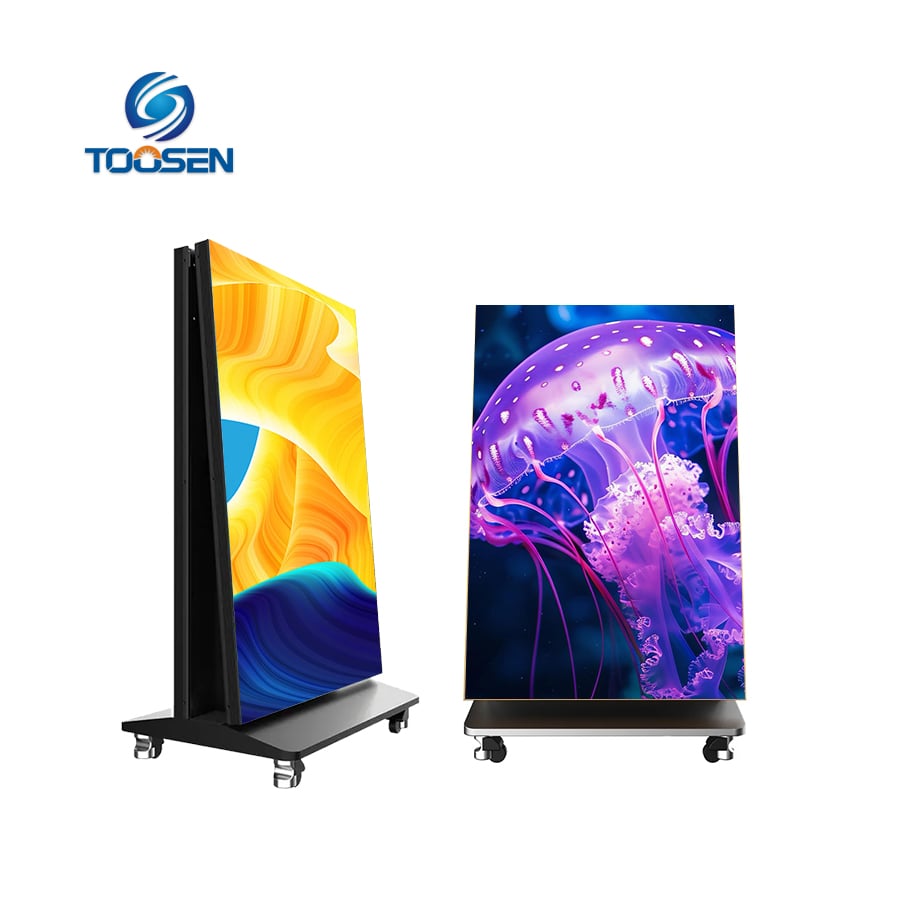
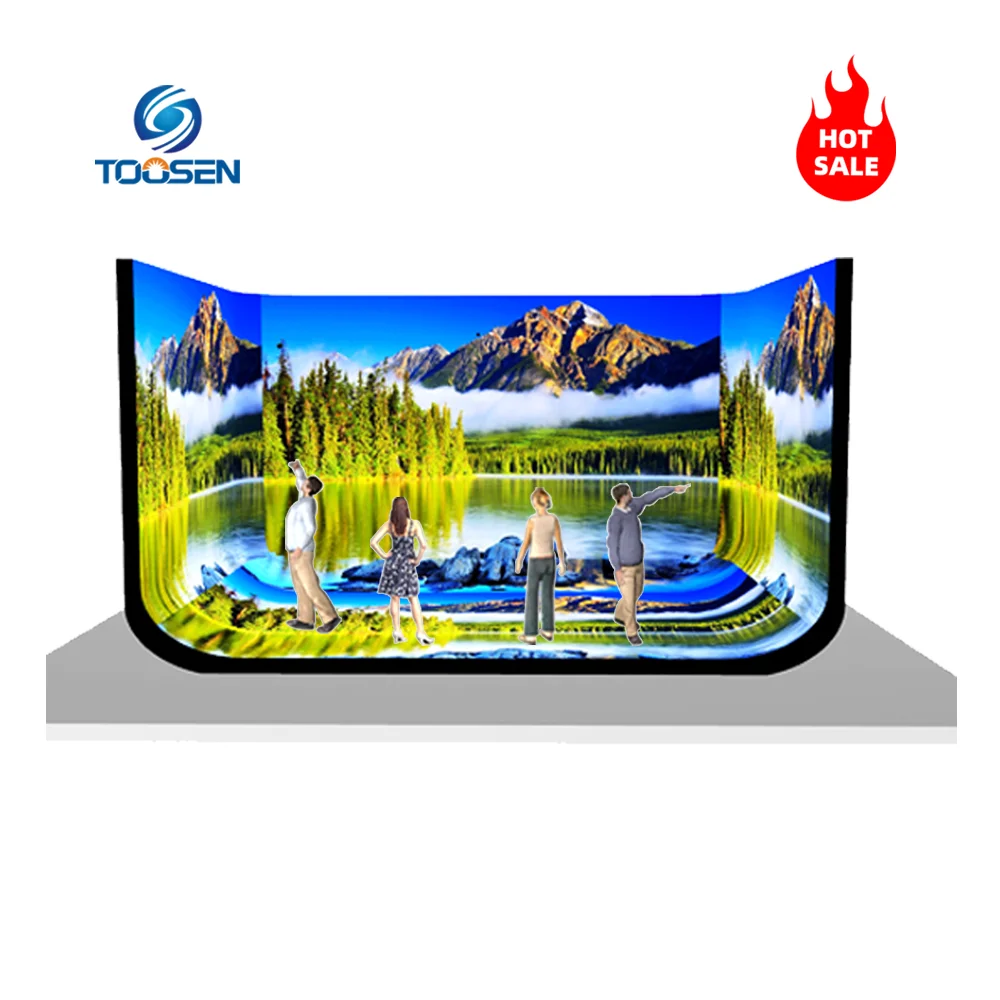
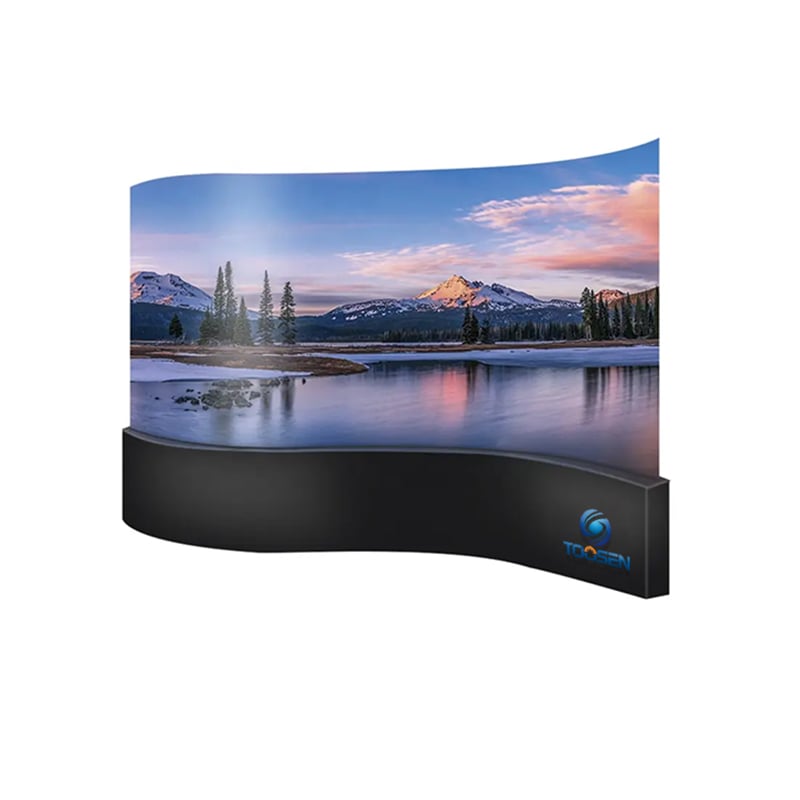
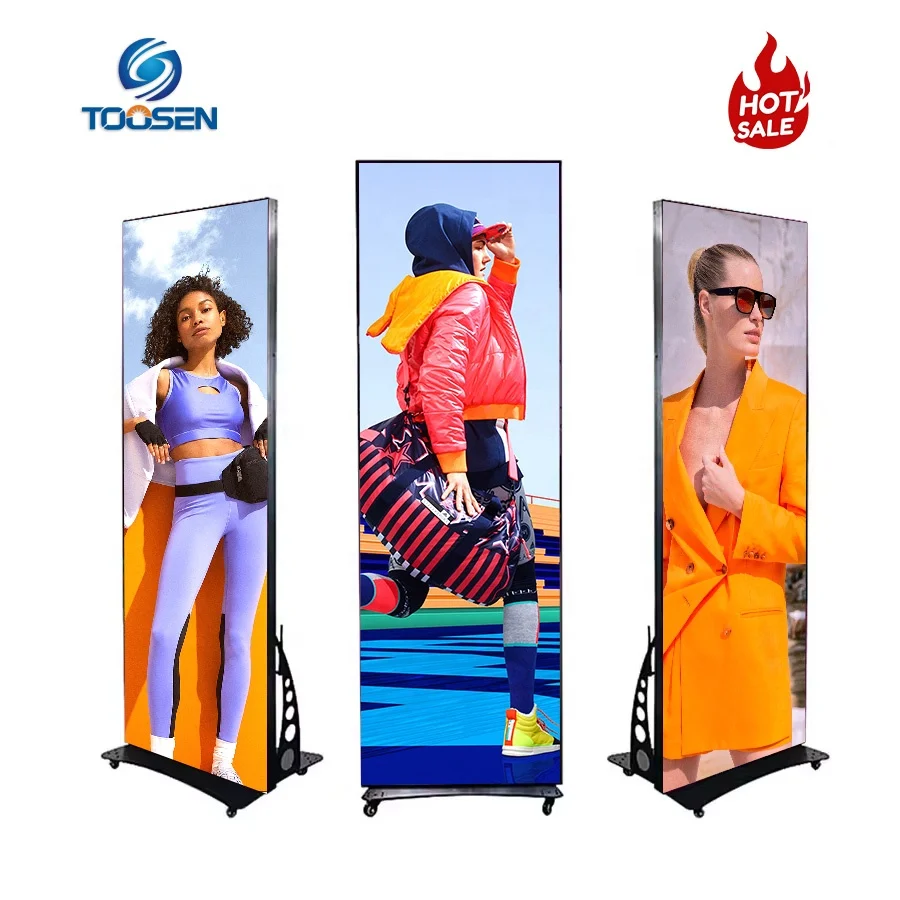
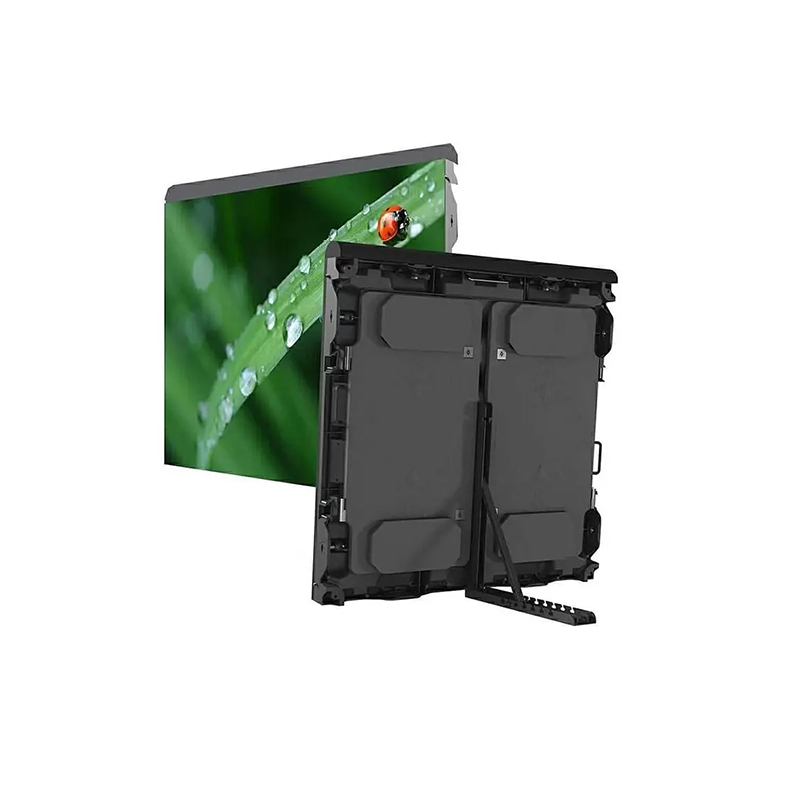
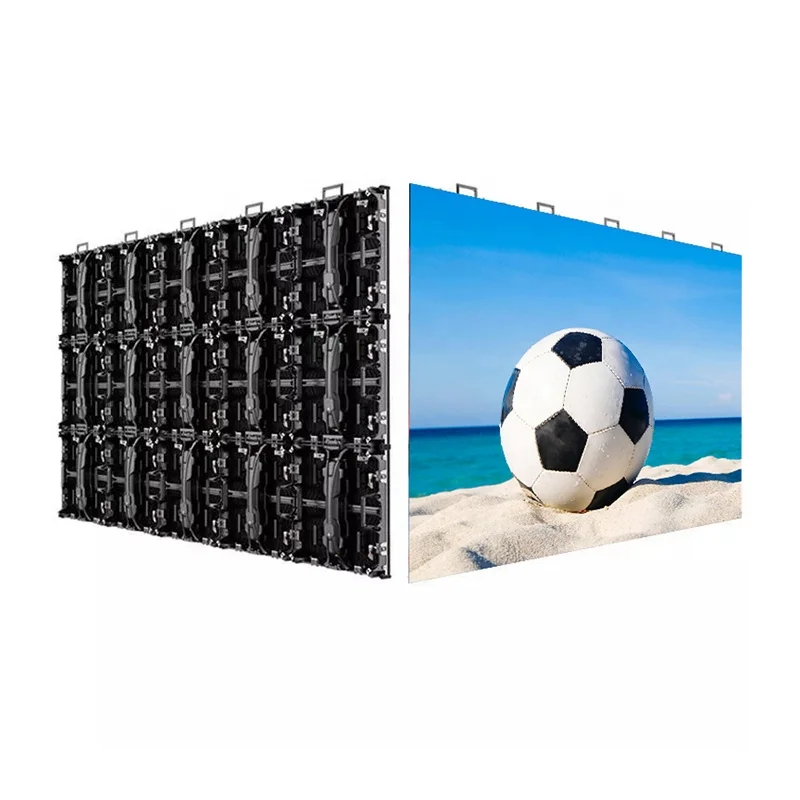
LED-näytön vuokraaminen ei ole pieni päätös. Monet ihmiset pitävät sitä helposti tehtävänä asiana. Itse asiassa siihen liittyy monia teknisiä ja suunnittelun yksityiskohtia. Sinun on valittava oikea pikseliväli. Sinun on myös harkittava kirkkautta, katsojakulmaa ja signaaliasetusta. Jos aiot käyttää näyttöä kuvaamiseen, vaatimukset nousevat entisestään.
AVuokrattu LED-videoseinä voi tehdä tapahtumasta ammattimaisen oloisen. Se voi myös parantaa brändikuvausta ja katsojan kokemusta. Mutta vain, jos valitset ja käytät sen oikein. Tämä opas jakaa käytännön vinkkejä, joiden avulla voit vuokrata LED-näytön pienemmällä riskillä ja enemmän luottamusta.
Ennen kuin vuokraat LED-näytön, määrittele käyttötarkoituksesi. Tämä askel on kriittinen.
Kysy ensin yksinkertaisia kysymyksiä. Tuleeko näyttöä käyttämään live-tapahtumassa vai kuvaamiseen? Onko se tarkoitettu sisätilojen lavalle vai ulkonäytölle? Katsovatko yleisö silmällä vai tallentavatko kamerat kaiken?
Konserttien ja suurten tapahtumien yhteydessä katsojat seuraavat yleensä kaukaa. Tällöin suurempi pikseliväli, kuten P4 tai sitä suurempi, on usein riittävä. Kuva näyttää silti sulavalta kaukaa tarkasteltuna. Asennus on myös joustavampi.
Kuvattaessa XR-keikoilla, virtuaalituotannossa tai vastaavissa tilanteissa säännöt muuttuvat. Tarvitaan hieno pikseliväli, vakaa ruudunpäivitys ja täydellinen synkronointi. Jopa pienet ongelmat voivat tulla esiin kamerassa. LED-vuoropaneelin on siksi aina vastattava todellista koetta, ei pelkästään budjettia.
Ruutusynkronointia kutsutaan myös genlockiksi tai frame lockiksi. Se auttaa eri videolaitteita toimimaan samassa ajastuksessa.
LED-näytöt ja kamerat toimivat itsenäisesti. Jos niitä ei ole synkronoitu, ilmenee ongelmia. Kamerassa voi näkyä mustia pyöriväviivoja, vilkkumista tai osittaisia ruutuja. Tämä johtuu siitä, että kamera tallentaa näyttöä sen päivityksen aikana.
Jos aiot vuokrata LED-näytön kuvauksen taustaksi, kehysynkronointi on erittäin tärkeää. Se pitää LED-näytön päivitysnopeuden ja kameran suljinvauhdin tasassa. Tuloksena on siisti ja vakaa kuva.
Kuitenkaan kaikissa tapahtumissa sitä tarvita. Suurissa konserteissa kehysynkronointia ei usein käytetä. Pikseliväli on suurempi. Yleisö on kaukana. Kamerat eivät keskity hienoihin yksityiskohtiin. Tässä tapauksessa kehysynkronointia ei ehkä tarvita.
Mutta XR-sovelluksissa, elokuva- ja TV-studioiden sekä huippuluokan kuvausten kohdalla kehysynkronointi on välttämätöntä.
Monet ihmiset keskittyvät vain hintaan. Tämä on riskialtista.
Vuokrausnäyttö on tekninen tuote. Kuljetuksen, asennuksen tai käytön aikana voi ilmetä ongelmia. Ilman tukea pienet ongelmat voivat johtaa suuriin viivästyksiin.
On aina parempi vuokrata LED-näyttö toimittajalta, jolla on todellista kokemusta ja tukea. Toosen on ammattitaitoinen LED-valmistaja, jolla on yli kymmenen vuoden kokemus. Alkuperäisenä tehtaana Toosen tuntee sekä tuotteet että niiden käyttökohteet.
Vuokrauksen ennen tekninen henkilökunta voi auttaa sinua valitsemaan oikean pikselivälimatkan, kirkkauden ja koon. He voivat myös simuloida katselu- ja kuvaustuloksia. Tämä auttaa sinua välttämään väärät päätökset jo varhaisessa vaiheessa.
Asennuksen aikana monet yksityiskohdat ovat tärkeitä. Kaapit täytyy asentaa tasaisesti. Liitännät täytyy kiinnittää turvallisesti. Signaalit täytyy testata. Hyvät toimittajat tarjoavat ohjeita, käyttöoppaita tai jopa videokirjastoja. Tämä säästää aikaa ja vähentää stressiä työmaalla.
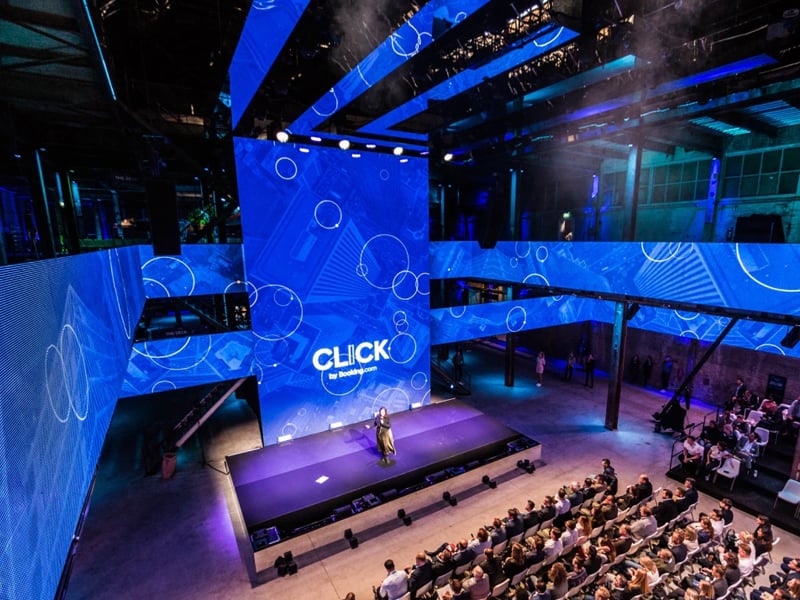
LED-näyttö on rakennettu monista pienistä moduuleista. Vaikka korkealaatuiset näytöt voivatkin kestää hyvin, ne voivat silti kohdata ongelmia.
Kuljetuksen aikana värähtely voi vahingoittaa LED-elementtejä. Työmaalla jännitemuutokset voivat aiheuttaa kuolleita pikseleitä. Nämä riskit ovat todellisia, erityisesti live-tapahtumissa.
Siksi varaosamoduulit ovat välttämättömiä. Kun vuokraat LED-näytön, kysy aina varmuuden vuoksi varaosista. Asentajien tulisi pystyä vaihtamaan viallinen moduuli muutamassa minuutissa.
On myös tärkeää, että varaosamodulit ovat peräisin samasta erästä. Erilaisista eristä voi aiheutua väri- tai kirkkauseroja. Kameran näkökulmasta tämä näyttää tahralta. Se heikentää lopullista kuvaa.
Varmista lisäksi, että sinulla on varareseptiokortteja ja virtalähteitä. Nämä osat ovat pieniä, mutta kriittisiä.
Signaalin menetys on yksi yleisimmistä ongelmista tapahtumissa.
Useimmat LED-näytöt käyttävät sarjaankytkentäistä signaalirakennetta. Jos yksi kaapeli epäonnistuu, kaikki sen jälkeiset näytöt menevät mustiksi. Tämä voi pysäyttää esityksen välittömästi.
Paras ratkaisu on täysi varmistus. Käytä pää- ja varaleikkiprosessoria kuumalla kytkennällä. Jos toinen epäonnistuu, toinen ottaa sen tilalle.
Jos se ei ole mahdollista, valmistaudu varakaapeleihin. Pidä vähintään varavaltokuitu- tai verkkokaapeli kytkimestä pääprosessoriin. Lisäksi aseta kaapelit eri fyysisiin reitteihin. Esimerkiksi toinen lattiaa pitkin ja toinen yläpuolelta. Näin vähennetään vaurioitumisen riskiä.
Signaalivarmaus ei ole monimutkainen, mutta sitä jätetään usein huomiotta. Etenpäin suunnitteleminen tekee suuren eron.
Kirkkaus on tärkeää, mutta enemmän ei aina ole parempi.
Sisäkäytössä erittäin suuri kirkkaus voi aiheuttaa silmien väsymystä ja värivääristymiä. Ulkotilaisuuksissa kirkkauden on pystyttävä voittamaan auringonvalo. Oikea taso riippuu siis ympäristöstä.
Myös katselukulma on tärkeä. Laadukas vuokrattava LED-videoseinämä tulisi näyttää selvältä sivuilta. Tämä on tärkeää leveillä lavoilla ja suurille yleisöille.
Ammattitaitoinen toimittaja voi auttaa sinua tasapainottamaan nämä tekijät. Näin saavutetaan hyvä kuva laitta tuhlaamatta virtaa tai budjettia.
Monet vuokrayritykset toimivat välittäjinä. He eivät välttämättä ymmärrä tuotetta täysin.
Yhteistyö alkuperäisen valmistajan, kuten Toosen, kanssa tuo selkeitä etuja. Saat suoraa teknistä asiantuntemusta, yhtenäistä laatua ja nopeampaa palvelua.
Toosen tarjoaa vakaita vuokrattavia LED-ratkaisuja tilaisuuksiin, lavaesityksiin ja kuvaustilaisuuksiin. Tehdastuen myötä ongelmat ratkaistaan nopeammin. Tämä on arvokasta, kun aika on rajallista.
Kun vuokraat LED-näytön, ajattele laajemmin kuin itse näyttö.
Vuokrattu LED-videoseinä voi muuttaa tapahtuman tai tuotannon. Mutta onnistuminen riippuu valmiudesta.
Määritä käyttötarkoituksesi. Valitse oikea pikseliväli. Käytä kehysynkronointia kuvausta varten. Varaile varaosia ja varasignaalia. Tärkeintä, työskentele toimittajan kanssa, joka tarjoaa todellista tukea.
Kun suunnittelu on tehty huolella, LED-näytön vuokraus on yksinkertaista ja luotettavaa. Tuloksena on mutkaton tapahtuma ja voimakas visuaalinen vaikutus.
1. Milloin tarvitsen kehysynkronoinnin vuokratulle LED-videoseinälle?
Tarvitset sitä kuvausta varten, XR-areenoilla ja virtuaalituotannoissa. Se ei aina ole tarpeen suurissa live-tapahtumissa.
2. Kuinka monta varamoduulia tulisi varata, kun vuokraan LED-näytön?
Paras varautua varaamaan moduuleja, joilla voidaan korvata vähintään 1–2 % kokonaisnäytön pinta-alasta, kaikki samasta erästä.
3. Voinko vuokrata LED-näytön suoraan valmistajalta?
Kyllä. Valmistajat kuten Toosen tarjoavat vuokraus-LED-ratkaisuja suoralla teknisellä tuella ja vakaa laatu.
 EN
EN
 AR
AR
 BG
BG HR
HR
 CS
CS
 DA
DA
 NL
NL
 FI
FI FR
FR
 DE
DE EL
EL
 HI
HI
 IT
IT JA
JA
 KO
KO
 NO
NO PL
PL PT
PT RO
RO
 RU
RU
 ES
ES
 SV
SV
 TL
TL
 ID
ID
 SR
SR
 UK
UK VI
VI
 ET
ET
 HU
HU
 TH
TH
 TR
TR
 FA
FA
 AF
AF
 MS
MS
 GA
GA
 HY
HY
 AZ
AZ
 MN
MN
 UZ
UZ