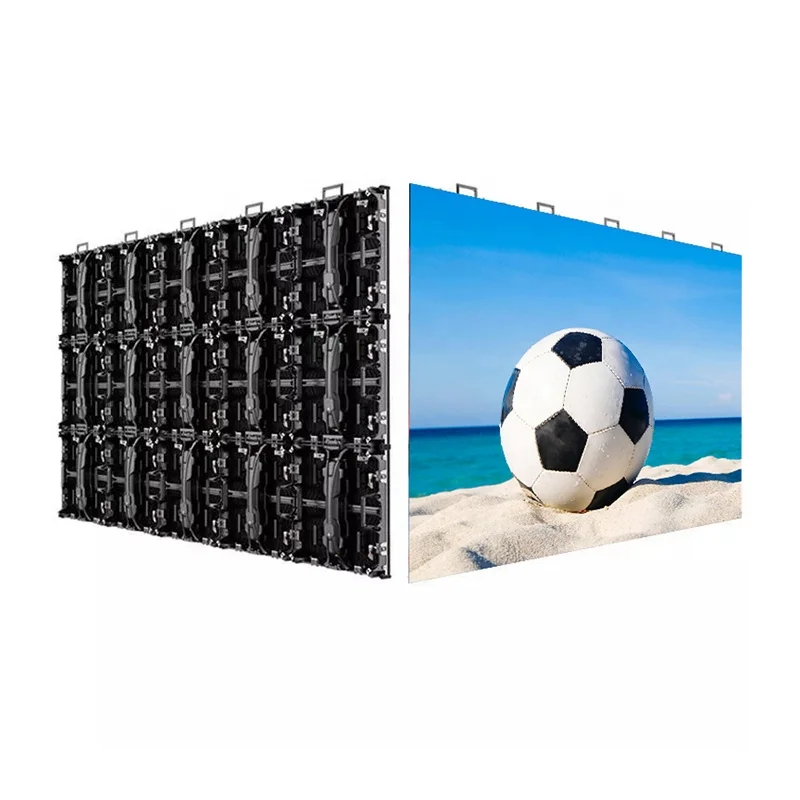
Monet ihmiset kohtaavat saman kysymyksen asentaessaan LED-näytön:
Jos LED-näyttö pysyäkö päällä käyttämättä, vai pitääkö se sammuttaa?
Joskus näytössä on jo valmiiksi kirkkausajastin. Se himmenee käyttämättömänä oloaikoina. Kuitenkin monet käyttäjät edelleen huolestuvat siitä, onko virran pitäminen päällä haitallista, vai vahingoittaako sammuttaminen virtalähdettä tai aiheuttaako asetusten menettämisen.
Tämä opas selittää parhaat käytännöt ja auttaa sinua ymmärtämään, kuinka LED-näyttösi voi käyttää turvallisesti. Siinä annetaan myös selkeät säännöt, joita voit noudattaa eri käyttötilanteissa.
Kaikille LED-näytöille ei ole olemassa yhtä sääntöä. Päätös riippuu sen sijaan siitä, kuinka kauan näyttö jää käyttämättömäksi.
Yksi asia on kuitenkin aina totta: vältä useita nopeita päälle-sammutus-vaihtoja.
Tämä johtuu siitä, että nopea virtasykli voi vahingoittaa virtalähdettä, lyhentää LED:n elinikää tai aiheuttaa vastaanottokortin konfiguraation menettämisen.
Avainasemassa on siis hallita virtakäyttöä lyhyiden ja pitkien taukojen perusteella.
Jos käytöstä on lyhyt tauko – kuten lounastauon, kokoustauon tai alle kahden tunnin väliajan aikana – paras vaihtoehto on pitää LED-näyttö päällä. Voit asettaa sen valmiustilaan tai mustaksi näytöksi .
Nämä tilat vähentävät kirkkautta ja alentavat virrankulutusta. Ne myös suojaa näyttöä virtaherkkyysongelmilta.
Tähän on useita syitä:
Joka kerta kun LED-näyttö käynnistyy, virtalähde ja LED-moduulit kokevat suuren virraniskun. Tämä on samankaltaista kuin autojen moottorin uudelleenkäynnistys toistuvasti. Ajan myötä tämä rasitus lyhentää sisäisten komponenttien elinikää.
LED-näyttö toimii parhaimmillaan, kun sen lämpötila pysyy vakiona. Kun näytön kytket pois päältä ja takaisin päälle, lämpötila laskee ja nousee nopeasti. Tämä "lämpöshokki" kiihdyttää vanhenemista.
Jotkut vastaanottokortit tai prosessorit saattavat palautua tai menettää parametrejaan yllättävän sammutuksen jälkeen. Järjestelmän pysyvä virtakytkennässä pitäminen välttää myöhemmin tarpeettomat ohjelmistotoiminnot tai kalibrointitehtävät.
Siksi lyhyille tauoille valmiustila tai musta ruutu -tila on turvallisin ja tehokkain vaihtoehto.
Kun LED-näyttöä ei käytetä useita päiviä – esimerkiksi viikonloppuisin, pyhien aikana, pitkien näyttelytaukojen tai kaupunkitapahtumien aikana – on turvallisempaa katkaista päävirta ja jopa sulkea automaatti sähkökeskuksessa.
Vaikka näytettäisiin mustaa kuvaa, sisäiset piirit toimivat edelleen. Ne kuluttavat energiaa ja tuottavat lämpöä.
Pitkän ajan kuluessa tämä lisää sähkökustannuksia ja kiihdyttää komponenttien ikääntymistä.
Virtajärjestelmässä on aina olemassa riski. Kauan huolehtimatta jätetty LED-näyttö saattaa kohdata:
ylikuormitukselta
oikosulku
epänormaalin jännitteen sähköverkossa
harvinaisia, mutta mahdollisia tulipalovaaroja
Kokonaan pois kytkeminen poistaa kaikki sähkövaarat pitkien käyttämättömyysjaksojen aikana.
Ulkoilun LED-näytöt ovat alttiita salamaiskuille. Virran katkaiseminen on yksi tehokkaimmista suojautumistavoista.
Monen päivän jatkuva käyttö ilman valvontaa voi ajaa osat turvallisten rajojensa ylitse. Virtakatko poistaa tämän riskin.
Nämä perusteet, täysi virrankatkaisu on oikea vaihtoehto pitkäiksi tauoiksi.
Olet sitten käynnistämässä LED-näyttöä milloin tahansa, sinun tulee noudattaa oikeaa järjestystä.
Väärä käsittely – esimerkiksi sulakkeen vetäminen suoraan – saattaa vahingoittaa järjestelmätiedostoja tai keskeyttää ohjauskortin toiminnan.
Kytke päävirta päälle.
Kytke ohjausjärjestelmä päälle (prosessori, lähettäjä, vastaanottokortti).
Avaa ohjelmisto ja aloita signaalin lähettäminen.
Pysäytä signaali ja sulje ohjelmisto.
Kytke ohjausjärjestelmä pois päältä.
Kytke päävirta pois päältä viimeiseksi.
Nämä vaiheet suojaavat näyttöä ja pitävät kaikki asetukset vakaina.
Useimmissa LED-ohjausjärjestelmissä on "mustan näytön" painike.
Tämä auttaa himmentämään näytön välittömästi, samalla kun se pysyy käyttövalmiina. Se on turvallisempaa kuin kytkentä toistuvasti päälle ja pois, ja se voi pidentää laitteen käyttöikää.
Ympäristö vaikuttaa myös päätökseen.
Ulkonäytöissä sateisina kausina tai kosteissa alueissa näytön virran katkaiseminen saattaa aiheuttaa kondensoitumista kaapin sisällä. Kun virta kytketään takaisin päälle, kosteus voi aiheuttaa oikosulun.
Näissä tapauksissa näytön pitäminen päällä alhaisella kirkkaudella auttaa poistamaan kosteutta ja suojaamaan sisäisiä osia.
Onko LED-näytön syytä pysyä päällä vai katkaista virta riippuu siitä, kuinka kauan sitä ei käytetä.
Käytettäväksi lyhyet tauot , pidä se päällä ja käytä valmiustilaa tai mustaa ruututilaa.
Käytettäväksi pitkät tauot , katkaise päävirta.
Tärkeintä on välttää useita virran kytkentöjä sekä noudattaa aina oikeaa käynnistys- ja sammutusjärjestystä. Oikealla käytöllä LED-näytön elinikä on pidempi, toiminta vakaa ja suorituskyky parasta mahdollista.
Kyllä. Useat kytkennät aiheuttavat voimakkaita virta- ja lämpöiskuja, jotka lyhentävät virtalähteen ja LED-moduulien elinikää.
Kyllä. Valmiustila tai musta näyttö -tila vähentää virrankulutusta ja suojaa näyttöä samalla kun haitallinen virtakytkentä vältetään.
Kyllä. Myrskyjen tai salamoinnin aikana virta pois päältä ja irrotus ovat turvallisimpia vaihtoehtoja.
 EN
EN
 AR
AR
 BG
BG HR
HR
 CS
CS
 DA
DA
 NL
NL
 FI
FI FR
FR
 DE
DE EL
EL
 HI
HI
 IT
IT JA
JA
 KO
KO
 NO
NO PL
PL PT
PT RO
RO
 RU
RU
 ES
ES
 SV
SV
 TL
TL
 ID
ID
 SR
SR
 UK
UK VI
VI
 ET
ET
 HU
HU
 TH
TH
 TR
TR
 FA
FA
 AF
AF
 MS
MS
 GA
GA
 HY
HY
 AZ
AZ
 MN
MN
 UZ
UZ