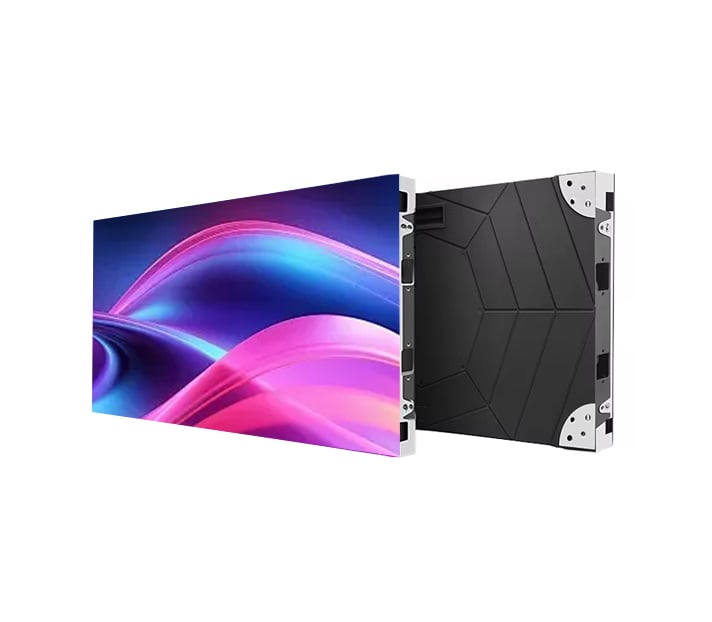
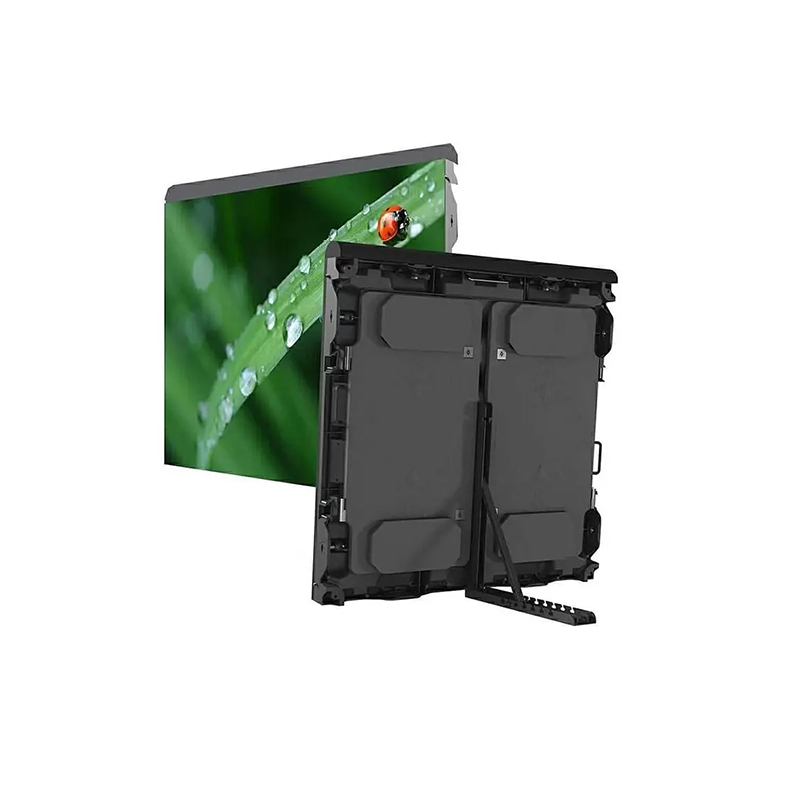
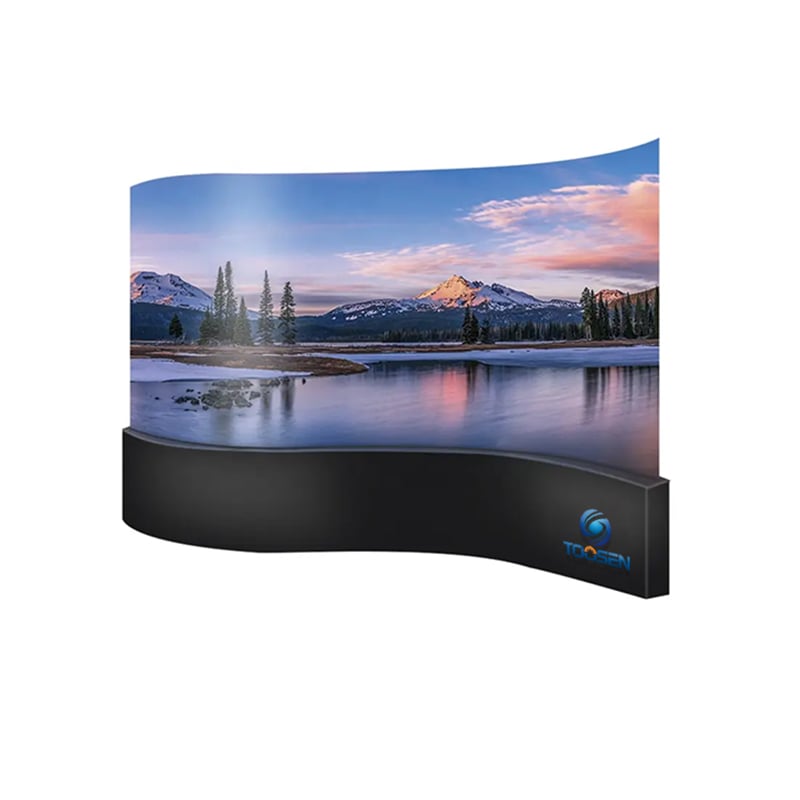
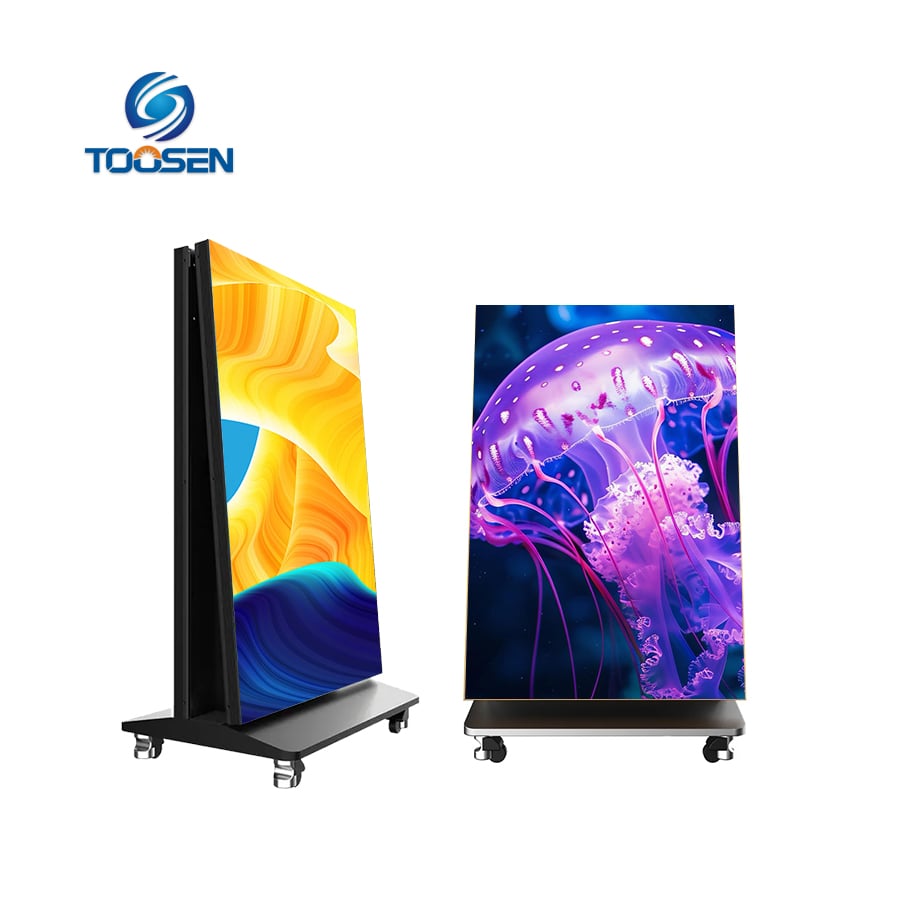
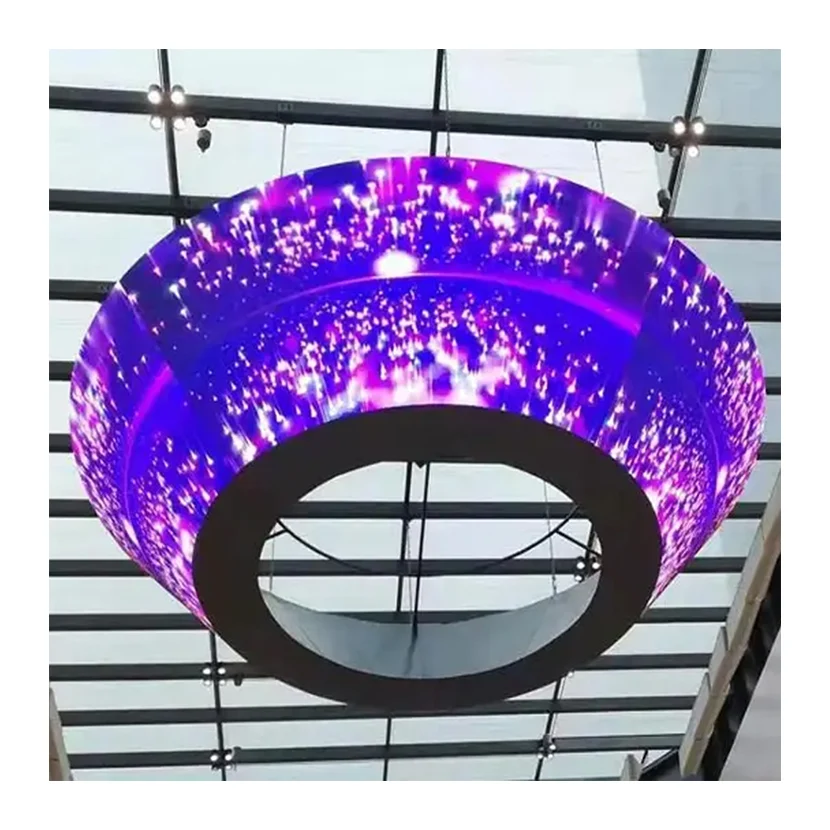
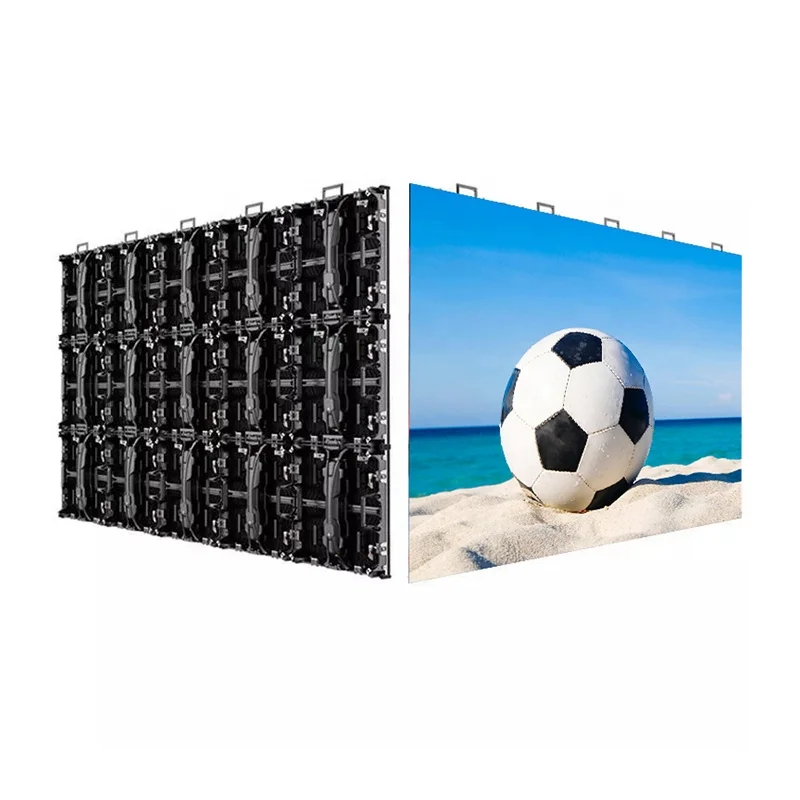
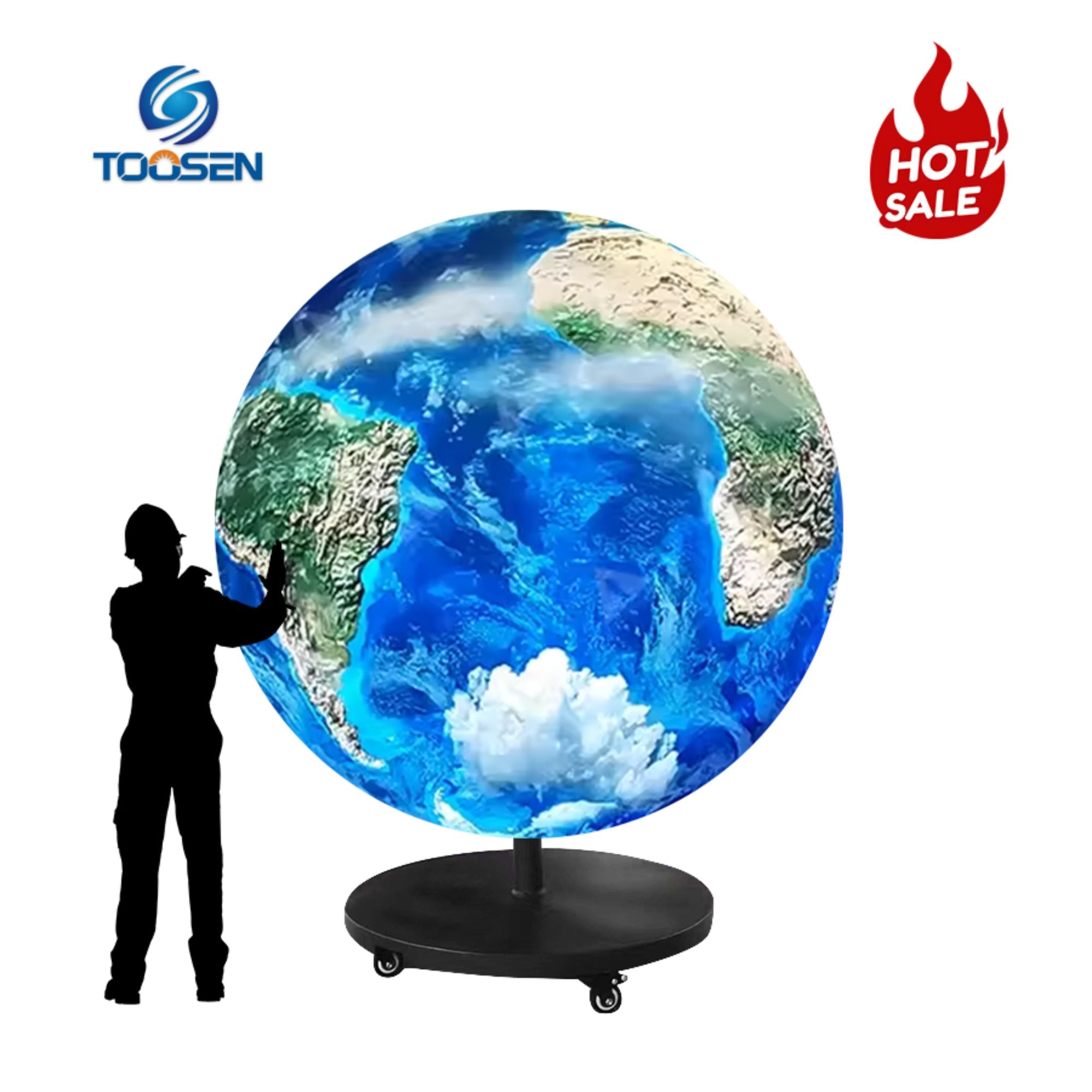
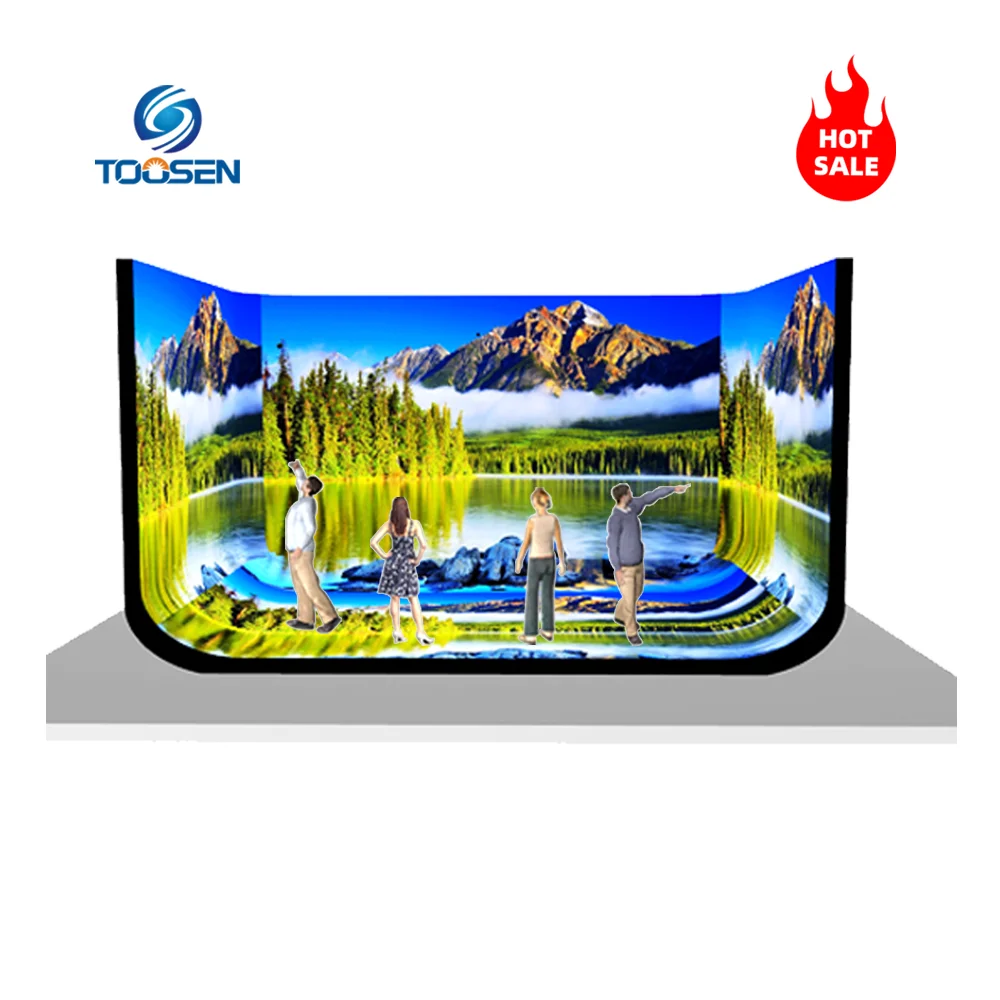
Luovat LED-näytöt menevät paljon pidemmälle kuin perinteiset tasot näytöt. Yhdistämällä epätavallisiat muodot edistyneisiin näyttömahdollisuuksiin ne mahdollistavat uusia tapoja viestiä, osallistua ja muuttaa fyysisiä tiloja. Alla on vaikutusvaltaisimmat ja helpoiten ymmärrettävissä olevat sovellukset.
Aloita näkyvimmin käytetyllä käyttötapausten: kaupunkiympäristöillä.
Ostosalueilla ja liikennöityillä kaduilla luovat LED-näytöt:
Samalla niitä voidaan käyttää suuntaviittausjärjestelmät :
Tämä kaksinkertainen rooli—mainonta ja navigointi—lisää sekä kaupallista että käytännöllistä arvoa.
Luovat LED-näytöt ovat yhä tärkeämpiä kulttuuriympäristöissä.
Museoissa ja näyttelyissä ne:
Live-esityksissä (konsertit, teatteri, lavasuunnittelu) ne:
Tämä muuttaa perinteisen katselukokemuksen monitunteiseksi kokemukseksi.
Luovat LED-näytöt ovat erinomaisia julkisia viestejä varten.
Niitä käytetään laajalti seuraaviin tarkoituksiin:
Voimakkaan visuaalisen läsnäolon ansiosta ne auttavat yksinkertaistamaan monimutkaisia aiheita ja saavuttamaan laajemman yleisön.
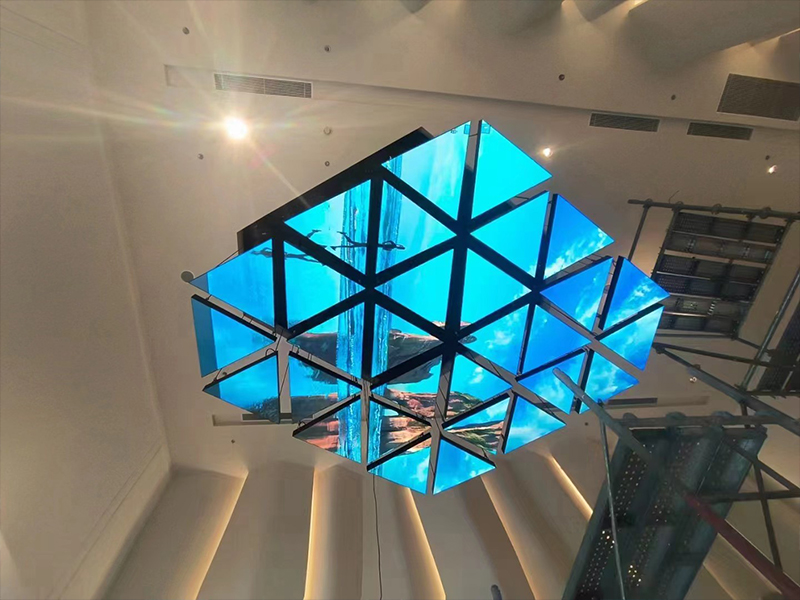
Brändit käyttävät yhä enemmän luovia LED-näyttöjä erottuakseen kilpailuun kykyisissä ympäristöissä.
Yleisiä sovelluksia ovat:
Nämä näyttötavat:
Markkinoinnin lisäksi luovat LED-näytöt toimivat tietokeskuksina .
Ne voivat lähettää:
Kun ne on integroitu älykkäisiin kaupunkijärjestelmiin, ne tarjoavat reaaliaikaista, dataperusteista viestintää, joka parantaa kaupunkien tehokkuutta ja yleistä tietoisuutta.
Interaktiivisuus on se alue, jossa luovat LED-näytöt todella erottuvat.
Tapahtumissa, näyttelyissä ja julkisissa asennuksissa ne voivat:
Tämä muuttaa passiiviset katsojat aktiivisiksi osallistujiksi, mikä lisää osallistumista ja tekee sisällöstä muistettavampaa.
Lopuksi luovia LED-näyttöjä käytetään laajalti teemaympäristöissä ja esityksissä.
Ne:
Tuloksena esitykset tuntuvat immersiivisemmiltiltä, dynaamisemmiltiltä ja visuaalisemmiltiltä.
Luovat LED-näytöt eivät enää ole pelkästään näyttötyökaluja – ne ovat kokemukselliset alustat . Mainonnasta ja navigoinnista taiteeseen, julkiseen viestintään ja interaktiiviseen viihdyttämiseen – niiden monikäyttöisyys mahdollistaa tiedon ja tarinoiden toimittamisen uudelleen fyysisissä tiloissa.
 EN
EN
 AR
AR
 BG
BG HR
HR
 CS
CS
 DA
DA
 NL
NL
 FI
FI FR
FR
 DE
DE EL
EL
 HI
HI
 IT
IT JA
JA
 KO
KO
 NO
NO PL
PL PT
PT RO
RO
 RU
RU
 ES
ES
 SV
SV
 TL
TL
 ID
ID
 SR
SR
 UK
UK VI
VI
 ET
ET
 HU
HU
 TH
TH
 TR
TR
 FA
FA
 AF
AF
 MS
MS
 GA
GA
 HY
HY
 AZ
AZ
 MN
MN
 UZ
UZ