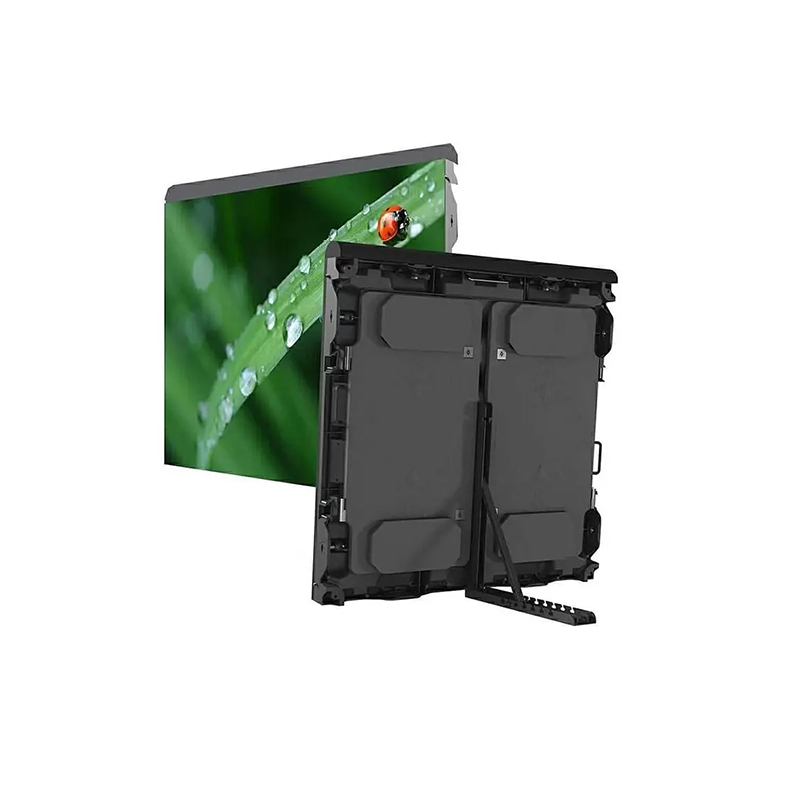
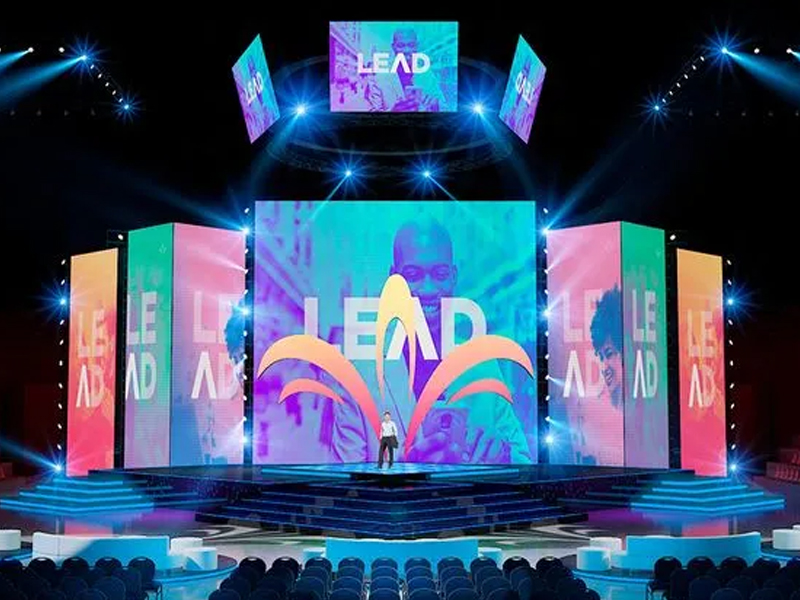
Modernit e-urheilun areenat ovat kehittyneet paljon yksinkertaisempia turnausasetelmia pidemmälle. Nykyaikaiset areenat muistuttavat tulevaisuuden näköisiä viihdeympäristöjä, joissa on synkronoitu valaistusjärjestelmä, upottava äänijärjestelmä ja valtavia LED-videovesi .
Tämän muutoksen keskipisteessä on yksi ratkaiseva teknologia: saumaton LED-näytön integrointi.
Suuret e-urheilun tapahtumapaikat yhdistävät nykyään yleisesti:
Nämä monimutkaiset asettelut luovat visuaalisesti mahtavia kokemuksia sekä areenassa oleville katsojille että verkkokatsomossa oleville.
Kuitenkin suuren mittakaavan e-urheilun LED-ympäristön rakentaminen aiheuttaa merkittäviä teknisiä haasteita.
Miten järjestäjät voivat varmistaa, että katsojat, jotka istuvat eri kulmissa, nauttivat edelleen selkeistä kuvista? Miten nykyaikaiset LED-järjestelmät vähentävät kuvan vääristymistä, värien epäyhtenäisyyttä ja kirkkauden heikkenemistä erinomaisen laajoilla katselualueilla?
Tässä artikkelissa tarkastellaan, kuinka saumaton LED-liitosteknologia ja edistynyt näyttötekniikka ratkaisevat nämä haasteet nykyaikaisissa e-urheiluareenoissa.
Eri kuin perinteisessä urheilussa, e-urheilun katsojat luottavat voimakkaasti näyttöihin pelitapahtumien seuraamiseen.
Katselijoiden on nähtävä selvästi:
Kun e-urheiluareenat kasvavat suuremmiksi, yksittäinen tasainen näyttö ei enää tarjoa riittävää näkyvyyttä jokaiselle paikalle.
Tämä rajoitus on edistänyt seuraavien ratkaisujen kehitystä:
Nämä järjestelyt lisäävät immersiota ja parantavat näkyvyyttä koko tapahtumapaikassa.
Suuremmat näyttöjärjestelmät lisäävät kuitenkin myös seuraavien ongelmien riskiä:
Nykyajan LED-tekniikka ratkaisee nämä ongelmat useilla edistyneillä teknologioilla.
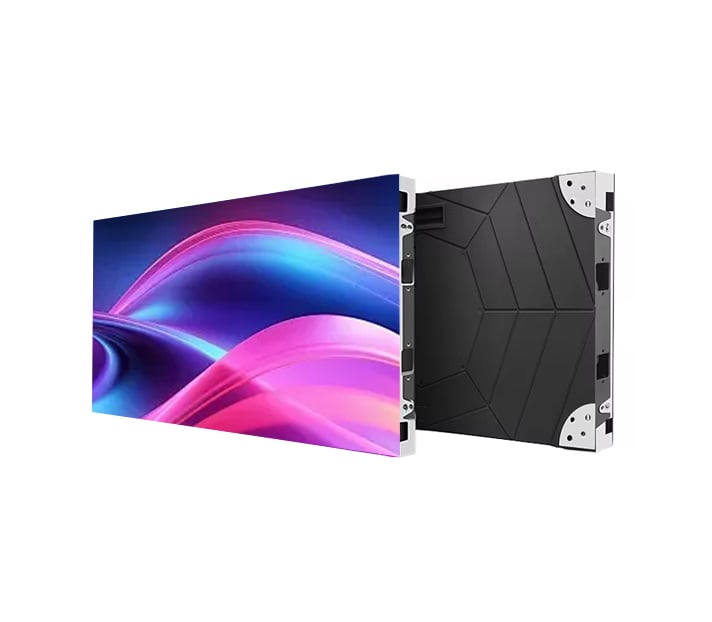
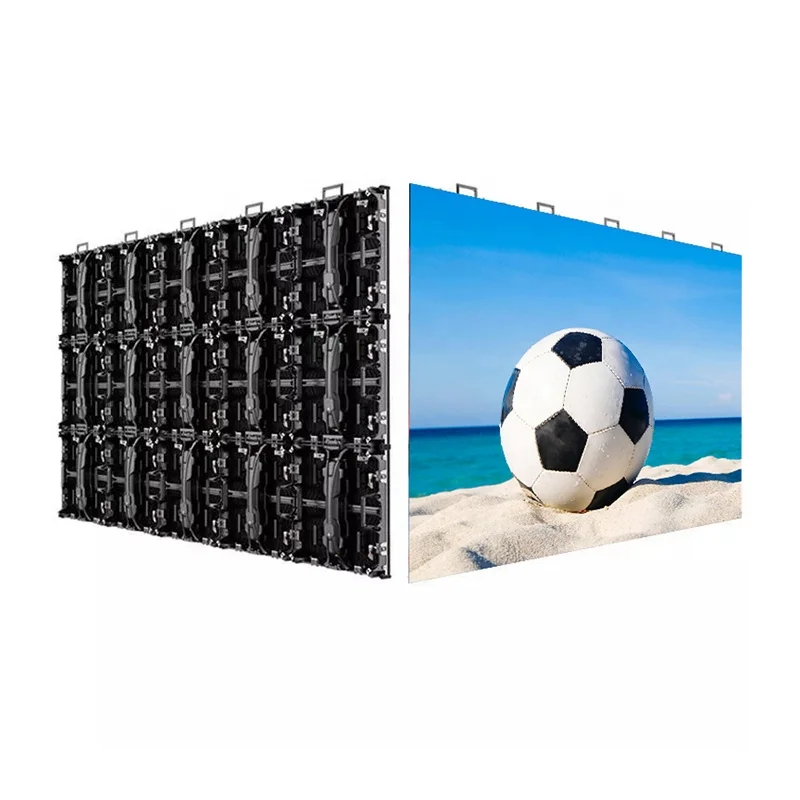
Saumaton liitos viittaa useiden LED-kaappien yhdistämiseen yhdeksi visuaalisesti jatkuvaksi näyttöpinnaksi.
Toisin kuin perinteiset LCD-videoseinät, LED-järjestelmät eivät vaadi paksuja kehyksiä paneelien välissä. Tämän seurauksena katsojat näkevät yhden yhtenäisen kuvan eikä useita erillisiä näyttöjä.
Tämä etu tekee LED-teknologiasta ideaalin:
E-sporttiympäristöissä saumaton liitos on erityisen tärkeää, koska pelikuvamateriaali liikkuu nopeasti ruudun yli. Jo pienet välistöt tai kohdistusongelmat voivat häiritä katselukokemusta.
Visuaalinen vääristymä muodostuu merkittäväksi haasteeksi, kun katsojat tarkastelevat valtavia näyttöjä äärimmäisistä sivukulmista.
Ilman asianmukaista suunnittelua katsojat, jotka istuvat kaukana keskeltä, saattavat kokea:
Modernit esports-LED-järjestelmät ratkaisevat nämä ongelmat useilla eri tavoin.
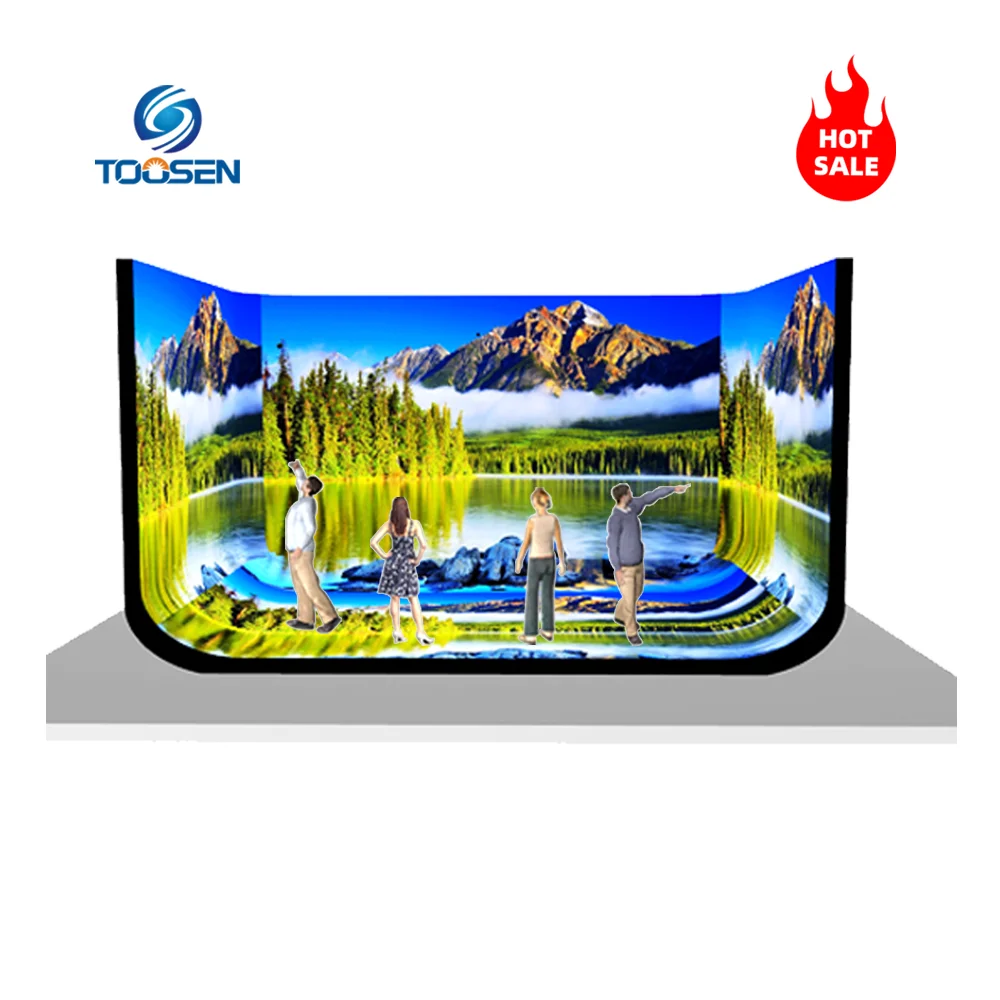
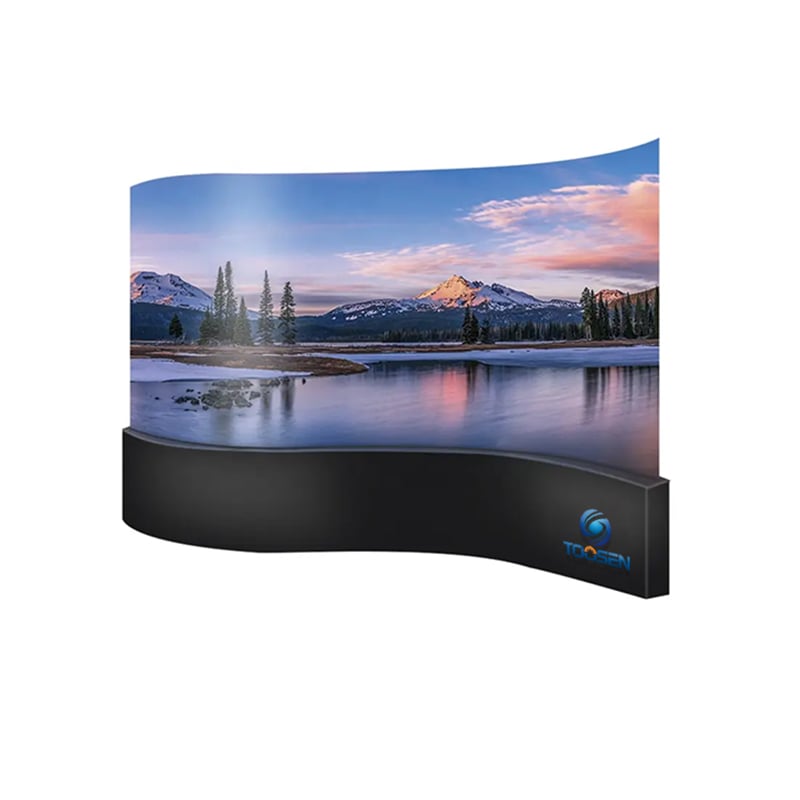
Kaareva LED-suunnittelu
Kaarevat LED-näytöt parantavat visuaalista johdonmukaisuutta laajemmillakin istumataloalueilla.
Sen sijaan, että pakotettaisiin yleisöä katsomaan tasaiselta näytöltä terävistä kulmista, kaarevat asennukset sopivat luonnollisemmin ihmisen näkökykyyn.
Tämä lähestymistapa auttaa:
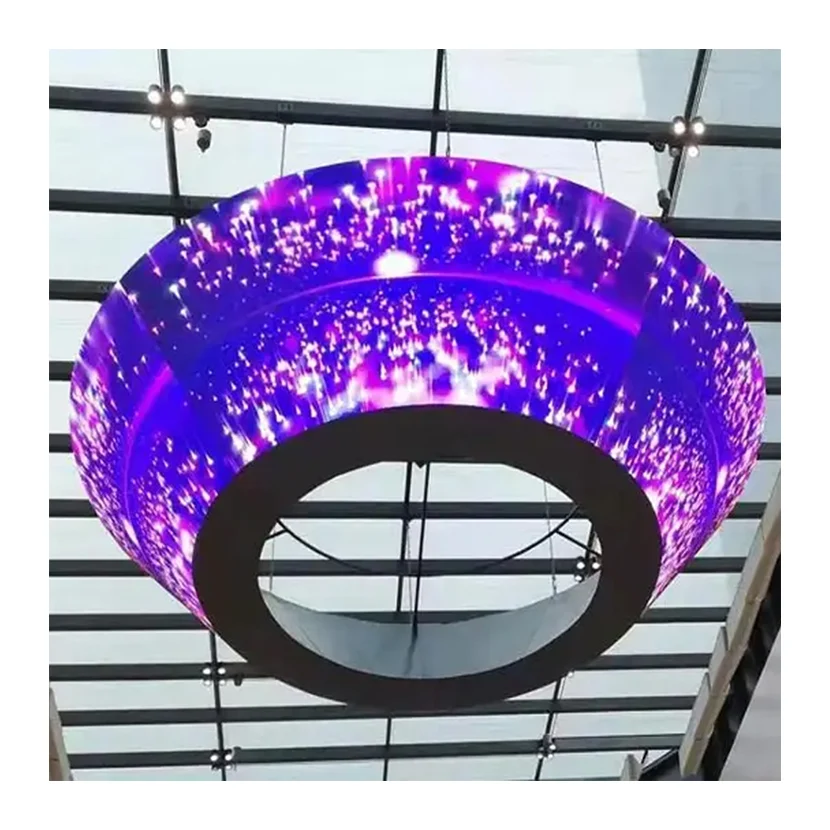
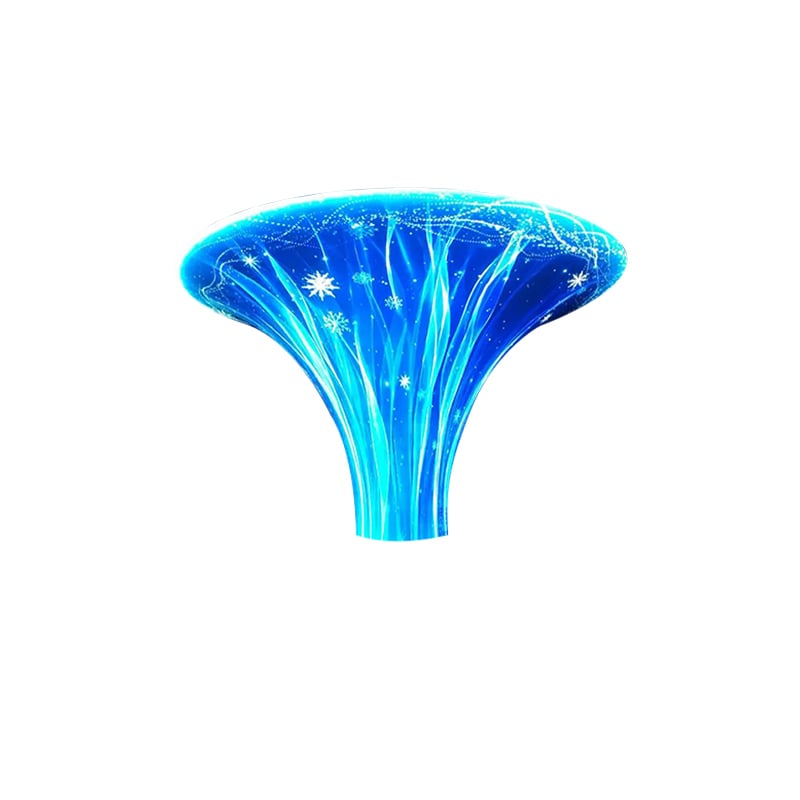
Monet e-urheilustadionit yhdistävät nykyään kaarevia keskiseiniä ympyränmuotoisiin renkasmaisiin näytöihin luodakseen tasapuolisen katselukattavuuden koko areenassa.
Laajakulmainen LED-teknologia
Korkealuokkaiset LED-paneelit tukevat nyt erinomaisen laajia katselukulmia, jotka voivat usein saavuttaa 160 astetta tai enemmän sekä vaakasuunnassa että pystysuunnassa.
Tämä teknologia varmistaa, että sivuilla istuvat katsojat saavat edelleen:
Edistyneet LED-kapselointitekniikat ja parannetut diodirakenteet parantavat merkittävästi poikittaisen kulman suorituskykyä.
Todellisaikainen kuvakalibrointi
Nykyajan ohjausjärjestelmät kalibroivat jatkuvasti kirkkautta ja värintasaisuutta jokaisessa LED-kaapissa.
Tämä prosessi auttaa poistamaan näkyvät siirtymät näytön osien välillä.
Todellisaikainen kalibrointi on erityisen tärkeää seuraavissa tilanteissa:
Kirkkauden heikkeneminen tapahtuu usein, kun katsojat katsovat LED-näyttöjä terävistä kulmista tai pitkältä etäisyydeltä.
Vanhoissa näyttöjärjestelmissä katsojat, jotka istuivat kaukana keskustasta, kohtasivat usein vähemmän kontrastisia kuvia.
Moderni e-urheilun LED-teknologia ratkaisee tämän ongelman usealla eri tavalla.
Korkean kirkkauden SMD- ja COB-teknologia
Uudet LED-paneelit käyttävät edistyneitä pakkausteknologioita, kuten:
Nämä teknologiat parantavat:
Tämän seurauksena koko areenalla olevat katsojat saavat vakummamman visuaalisen kokemuksen.
HDR-käsittelyä
Korkean dynaamisen alueen (HDR) teknologia parantaa kirkkauden tarkkuutta ja kontrastin säätöä.
HDR-käsittely ei tuota yhtenäistä kirkkautta koko näytöllä, vaan säätää valoisuutta dynaamisesti kohteen vaatimusten mukaan.
Tämä lähestymistapa mahdollistaa:
Älykäs kirkkaudensynkronointi
Suurissa e-sports-areenoissa käytetään usein useita eri suuntiin asennettuja LED-pintoja.
Ilman synkronointia yksi näyttö voi näyttää kirkkaammalta kuin toinen.
Nykyiset prosessorit ratkaisevat tämän ongelman keskitettyjen kirkkaudenhallintajärjestelmien avulla, jotka tasapainottavat valoisuutta automaattisesti seuraavissa:
Tämä koordinointi auttaa säilyttämään visuaalisen yhtenäisyyden koko tapahtumapaikassa.
 EN
EN
 AR
AR
 BG
BG HR
HR
 CS
CS
 DA
DA
 NL
NL
 FI
FI FR
FR
 DE
DE EL
EL
 HI
HI
 IT
IT JA
JA
 KO
KO
 NO
NO PL
PL PT
PT RO
RO
 RU
RU
 ES
ES
 SV
SV
 TL
TL
 ID
ID
 SR
SR
 UK
UK VI
VI
 ET
ET
 HU
HU
 TH
TH
 TR
TR
 FA
FA
 AF
AF
 MS
MS
 GA
GA
 HY
HY
 AZ
AZ
 MN
MN
 UZ
UZ