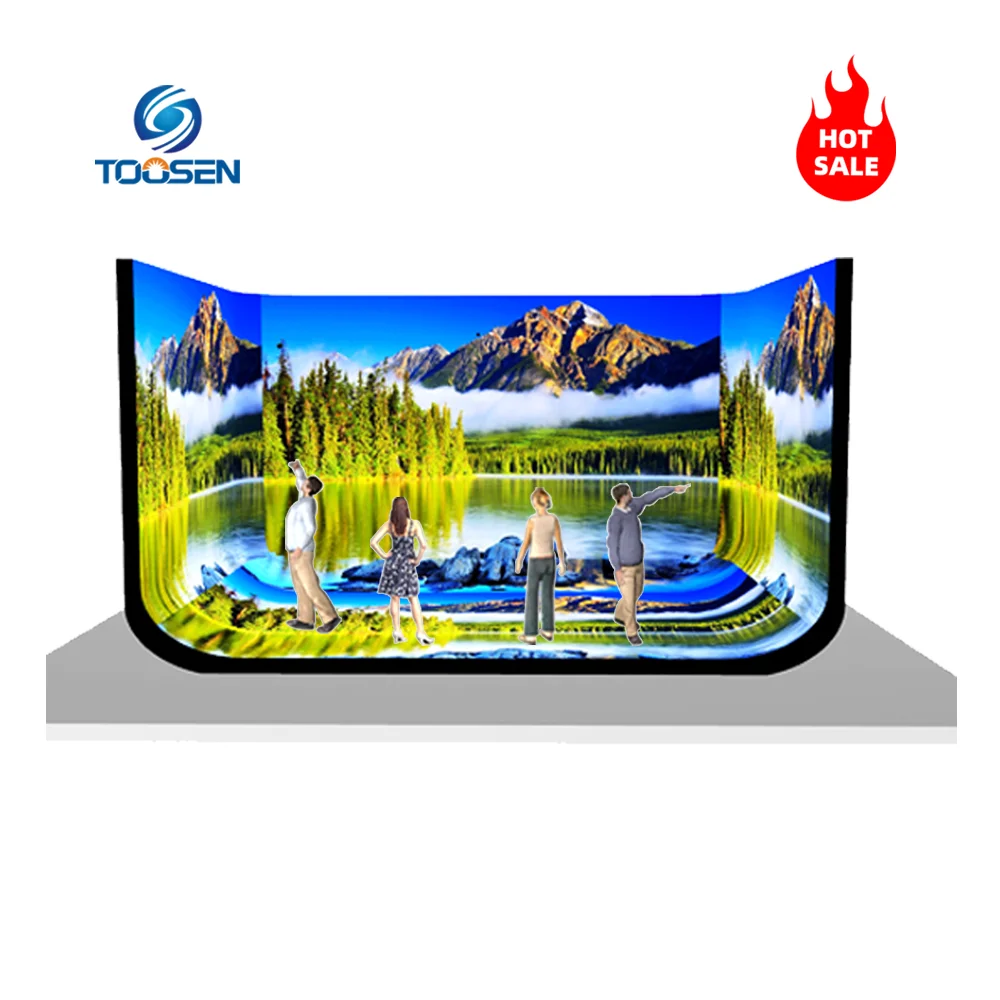
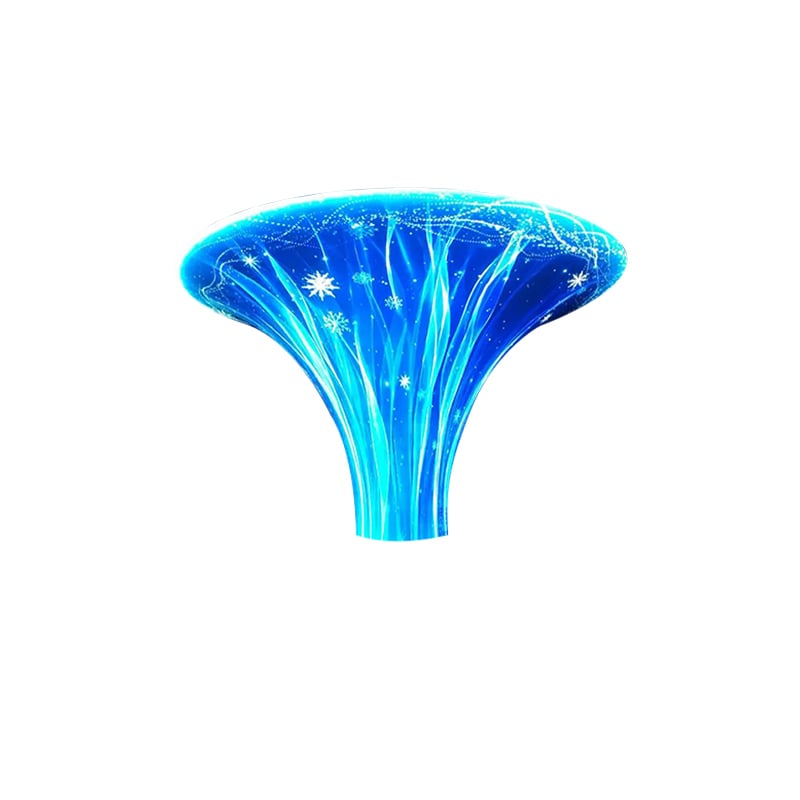
طراحی محتوا برای صفحهنمایشهای LED خلاقانه نیازمند آموزش پیشرفته طراحی نیست—اما نیازمند وضوح، ساختار منطقی و آگاهی از نحوه واقعی مشاهده صفحهنمایشها توسط افراد در محیطهای واقعی است. در ادامه اصول اساسی ارائه شدهاند که بهصورت عملی و قابلاجرا توضیح داده شدهاند.
در اکثر موارد، بینندگان تنها چند ثانیه به صفحه نگاه میکنند. اگر محتوا شلوغ یا پیچیده به نظر برسد، آنها به محتوای بعدی منتقل میشوند.
تمرکز روی:
برای مثال، هنگام تبلیغ یک محصول، مزیت کلیدی آن را برجسته کنید نه اینکه تمام ویژگیهایش را فهرست کنید.
فضای صفحه محدود است، بنابراین اولویتبندی بسیار حیاتی است. توجه بیننده را با استفاده از تضاد بصری هدایت کنید:
مطمئن شوید اطلاعات مهمترین—مانند نام محصول، قیمت یا دستور العمل اقدام (Call-to-Action)—بلافاصله برجسته باشند.
چیدمان را بهعنوان سازماندهی بصری در نظر بگیرید. صفحهای شلوغ، خوانایی را کاهش داده و تأثیر آن را تضعیف میکند.
روشهای بهتر شامل:
چیدمان تمیز، درک محتوا را بهبود بخشیده و محتوا را حرفهایتر نشان میدهد.

حرکت توجه را جلب میکند—اما حرکت بیش از حد، خستگی و سردرگمی ایجاد میکند.
از انیمیشن بهصورت استراتژیک استفاده کنید:
ترکیبی متعادل از محتوای پویا و ایستا، مخاطبان را جذب میکند بدون آنکه احساس سردرگمی یا فشار بیش از حد داشته باشند.
رنگ بر ادراک و احساس تأثیر میگذارد. همچنین بر خوانایی نیز تأثیر دارد.
در نظر بگیرید:
از رنگهای بیش از حد اشباعشده یا تضاددار خودداری کنید، بهویژه روی صفحهنمایشهای بزرگ یا پرروشن.
نمایشگر LED بهتنهایی وجود ندارد—بلکه با محیط اطراف خود تعامل دارد.
عوامل محیطی کلیدی:
برای صفحهنمایشهای بیرونی، روشنایی و کنتراست را افزایش دهید تا در نور روز قابلمشاهده باقی بمانند. برای محیطهای داخلی، اولویت را راحتی و جلوگیری از انعکاس بیش از حد قرار دهید.
حتی بهترین طراحی نیز اگر تغییر نکند، با گذشت زمان تأثیر خود را از دست میدهد. مخاطبان بهسرعت نسبت به محتوای ثابت «کور» میشوند.
حفظ تعامل با:
محتوای تازه، نمایش را بهروز نگه میدارد و توجه مکرر را تشویق میکند.
طراحی مؤثر نمایشگرهای LED خلاقانه تنها در پیچیدگی نیست— بلکه در وضوح، تمرکز و انعطافپذیری نهفته است. با سادهسازی محتوا، تأکید بر پیامهای کلیدی و طراحی با در نظر گرفتن شرایط واقعی مشاهده، میتوانید نمایشگرهایی ایجاد کنید که بهسرعت توجه را جلب کرده و بهطور مؤثر ارتباط برقرار کنند.
 EN
EN
 AR
AR
 BG
BG HR
HR
 CS
CS
 DA
DA
 NL
NL
 FI
FI FR
FR
 DE
DE EL
EL
 HI
HI
 IT
IT JA
JA
 KO
KO
 NO
NO PL
PL PT
PT RO
RO
 RU
RU
 ES
ES
 SV
SV
 TL
TL
 ID
ID
 SR
SR
 UK
UK VI
VI
 ET
ET
 HU
HU
 TH
TH
 TR
TR
 FA
FA
 AF
AF
 MS
MS
 GA
GA
 HY
HY
 AZ
AZ
 MN
MN
 UZ
UZ