Kas sa oled kunagi mõelnud, mida LED-põrandakivide ekraanid kas sa oled? Nagu nimi ütleb, on need ekraanid paigaldatud põrandale, nagu plaadid. Erinevalt tavalistest LED-ekraanidest on need mõeldud raskete kaalude kandmiseks, libisemise ja löögi vastu seisma. See muudab need ideaalseks kohtaks, kus inimesed kõnnivad, tantsivad või isegi esineb.
Peamine erinevus on nende jõudlus ja kestus - Jah. Tavalised LED-ekraanid näitavad peamiselt pilte ja videoid, kuid LED-põrandakivide ekraanid - See peab kaalu kandma. Need on ehitatud tugevate materjalidega, mis takistavad kriimustumist, libisemist ja vee kahjustamist.
Teine oluline erinevus on interaktiivsus. Mõned Interaktiivsed LED-ekraanid põrandale kaasas on sisseehitatud andurid. Need andurid avastavad liikumise või rõhu, kui keegi tiilidele astub. Näiteks võib Toosen'i populaarne mudel hoida kuni ühe tonni ruutmeetri kohta. See pakub mõlemat sisemised ja välimised andurid . Välimised andurid suudavad tuvastada liikumist kuni 6 meetri raadiuses ja üks raadar suudab katma 30 ruutmeetrit. See tagab täpse ja reageeriva interaktsiooni inimeste ja ekraani vahel.
Teisalt, LED-põrandakivide ekraanid ilma anduriteta versioonid keskenduvad peamiselt vastupidavusele. Need suudavad endiselt kanda suuri koormusi, kuid ei reageeri sammudele ega liikumisele nagu interaktiivsed versioonid.
Kuidas need ekraanid pildi muudavad, kui neile astutakse? Plaatide all on paigaldatud erilised õhukesed filmiandurid. Need andurid on paindlikud ja suudavad tuvastada jalajälje surve. Kui keegi astub plaadile, edastatakse surve tugeva kihi kaudu andurile. Andur teisendab selle füüsilise surve elektrisignaaliks.
Ekraanipuksi Interaktiivne Põranda LED Ekraan saab selle signaali ja süttib vastavad LED-lambid. See loob visuaalseid efekte, nagu veepinnale jäävad karedused, õitsevad lilled, jalajäljed või värvi muutused. Erinevalt tavalistest ekraanidest, mis näitavad ainult pildisignaalide põhjal pilte, LED-põrandakivide ekraanid näitab pilte ja saadab andmeid surve kohta tagasi kontrollerile. See teeb interaktiivsuse võimalikuks ja põnevaiks.
On kolm levinud paigaldusmeetodit LED-põrandakivide ekraanid .
Õige paigaldusviisi valimine sõltub teie vajadustest. Ajutisteks üritusteks, näitustele või pop-up-lavadele tasapinnalised LED-põrandaplaadid on soovitatavad. Püsivatesse seadmetesse on parem sisseehitatud paigaldus. Saadaval on ka kohandatud lahendusi eriliste ruumide jaoks.
1. Moelavastused
LED-põrandakivide ekraanid sobivad ideaalselt T-lava etendusteks. Need loovad silmapaistvad sisened ja interaktiivsed mängusegmentid. Läbikäimine põranda peal võib tekitada visuaalseid efekte, mis muljetavad publikut ja suurendavad kaasatust.
2. Kontserdid ja muusikafestivalid
Need ekraanid võivad olla pealava põrandaks, kuvades dünaamilisi valgusefekte või sõnu, mis on sünkroonis muusikaga. Neid saab kasutada ka interaktiivsete rekviiitidena, võimaldades esinejatel või tantsijatel liikumisega käivitada efekte nagu plahvatused, lainekojud või animatsioonid.
3. Ärieksponeerimised ja brändisündmused
Riigipoodides või reklaamialadel, Interaktiivsed LED-ekraanid põrandale tõmmatakse tähelepanu. Nende peale astumine võib paljastada toote üksikasjad, brändi logo või kunstilisi mustrid. See suurendab kliendisidusust, parandab ostukogemust ning tõstab bränditundlikkust.
Lühidalt, LED-põrandakivide ekraanid kombineerivad vastupidavust, interaktiivsust ja visuaalset mõju. Need ei ole lihtsalt ekraan; need on lavastus, näitus ja kogemus ühes. Kasutades neid meelelahutuseks, esinemiseks või turunduseks, toovad nad igasse ruumi loomingulisuse ja uuenduslikkuse.
Kõige levinumad moodulid LED-põrandakivide ekraanid on standardse suurusega paneelid, tavaliselt ruudukujulised, mida saab hõlpsasti ühendada, et katmiseks suuri alasid. Need moodulid on loodud suure koormuse talumiseks ja pakuvad kõrget vastupidavust, mistõttu sobivad need lavadele, eksponeerimistele ja interaktiivsetele põrandatele.
Jah, paljud LED-põrandakivide ekraanid sobivad kasutamiseks õues. Välitööde versioonidel on kõrge kaitseaste (näiteks IP65), need on vee- ja tolmukindlad ning libisemiskindlad. See muudab need ideaalseks üritusteks, kontsertideks, näitusteks ja avalikeks ruumideks, kus neid mõjutavad ilmatingimused ja suur jalakäijate koormus.
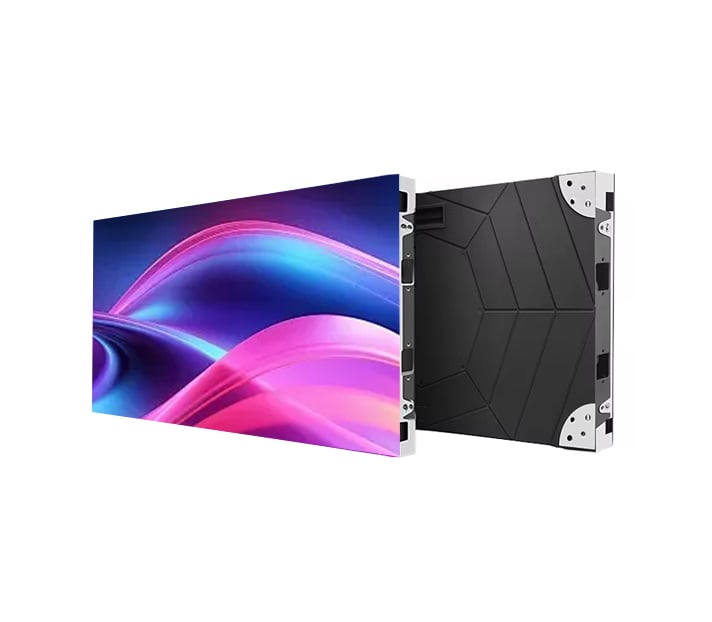
EVA rannakott LED Floor Tile Screen koosneb tavaliselt vastupidavast ülemisest kihist (näiteks kõvitatud klaas või paks akrüül), LED-moodulitest, tugiraamist ning soovi korral interaktiivsuse tagavatest anduritest. Andurid tuvastavad surve või liikumise ning võimaldavad ekraanil kuvada interaktiivseid efekte, näiteks lainetusi, jälgi või värvimuutusi.
 EN
EN
 AR
AR
 BG
BG HR
HR
 CS
CS
 DA
DA
 NL
NL
 FI
FI FR
FR
 DE
DE EL
EL
 HI
HI
 IT
IT JA
JA
 KO
KO
 NO
NO PL
PL PT
PT RO
RO
 RU
RU
 ES
ES
 SV
SV
 TL
TL
 ID
ID
 SR
SR
 UK
UK VI
VI
 ET
ET
 HU
HU
 TH
TH
 TR
TR
 FA
FA
 AF
AF
 MS
MS
 GA
GA
 HY
HY
 AZ
AZ
 MN
MN
 UZ
UZ