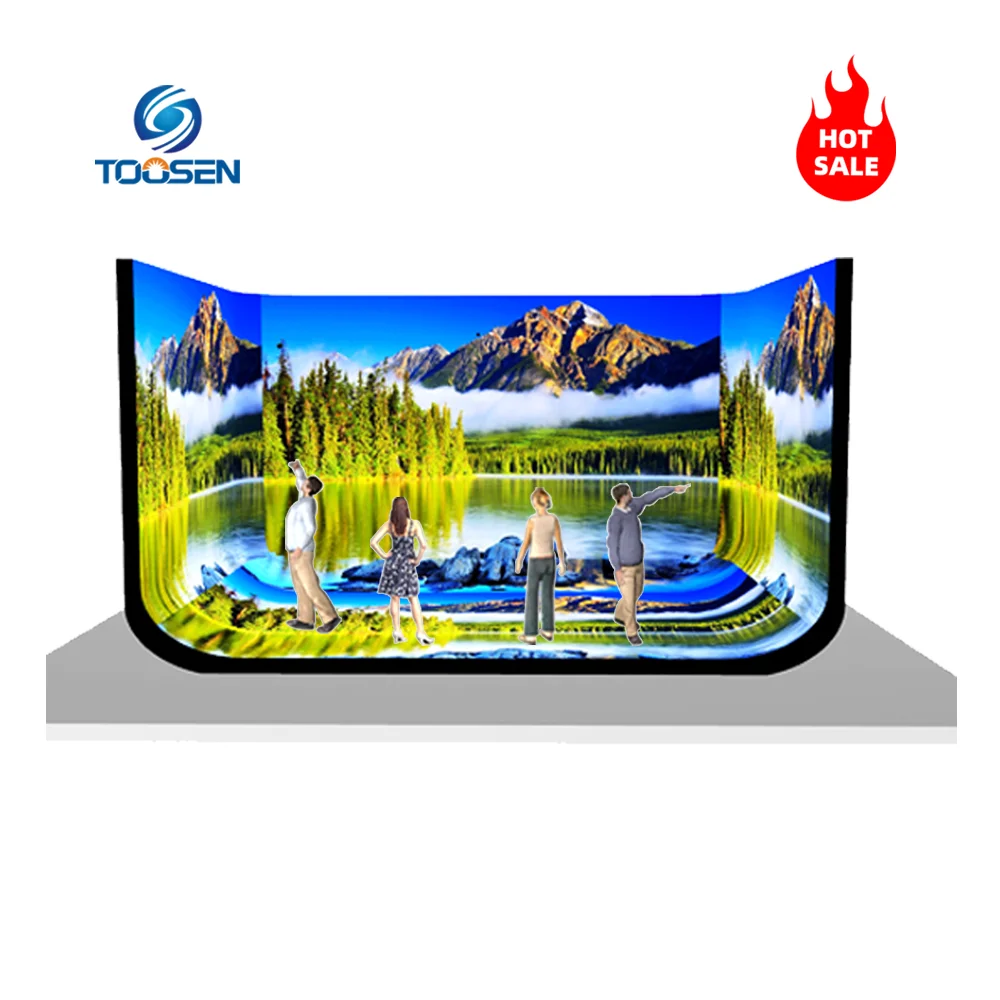
Tavalistes töötingimustes kestab LED-põrandakuvakuva tavaliselt 5–8 aastat. Tegelik eluiga sõltub aga sellest, kuidas süsteemi kasutate, hoiate ja kaitstate aeglaselt. Kui hoolite sellest õigesti, saate jõuda tulemustega ülemise piirini — või isegi sellest kaugemale.
Komponenditasandil on igal osal oma vastupidavuse vahemik. LED-terad kestavad tavaliselt 50 000–100 000 tundi, samas kui toiteplokid töötavad umbes 30 000–50 000 tundi. Juhtsüsteem ületab sageli 50 000 tundi ja jääb suhteliselt stabiilseks. Need arvud annavad aluse, kuid tegelikud tingimused määravad lõpliku eluea.
Mitmed välistegurid ja kasutustingimused mõjutavad otseselt seda, kui kaua teie kuvar kestab.
Esiteks mängib paigalduskeskkond olulist rolli. Siseseadmete ekraanid kasutavad stabiilseid tingimusi, mistõttu on nende eluiga üldiselt pikem. Vastupidiselt sellele on välistes tingimustes kasutatavate ekraanide puhul tegemist vihma, niiskuse, UV-kiirguse ja temperatuurikõikumistega, mis kõik kiirendavad vananemist.
Teiseks mõjutab kasutussagedus kuluvust ja kulumist. Kui ekraani kasutatakse iga päev pikka aega, siis komponendid lagunevad kiiremini – eriti LED-id ja toiteplokid.
Kolmandaks on koormuskoormus tähtsam, kui paljud eeldavad. LED-põrandaseadmete ekraanid on disainitud vastu pidama kaalule, kuid sagene ülekoormamine või tugev löök võib kahjustada sisemisi struktuure ja vähendada eluiga.
Lõpuks määrab hooldus pikaajalise stabiilsuse. Regulaarsed kontrollid ja hooldustööd võimaldavad varakult probleeme tuvastada ning väikseid rikkumisi ennetada, et need ei muutuks suurteks katketeks.
Aeglaselt kogevad enamikku LED-põrandaseadmete ekraane ennustatavaid probleeme.
Näiteks võivad üksikud LED-terad läbi põhjustada tumedaid laike ekraanil. Vee sisenemine võib põhjustada lühisid, eriti välimistes paigaldustes või halvasti tihendatud süsteemides. Toitepuhkude tõrked esinevad sageli pikaajalisel koormusel töötamisel. Lisaks võivad löövad kaablid või ühendused häirida signaale ja põhjustada ekraani ebastabiilsust.
Kuigi need probleemid on levinud, saab neist enamikku vältida õige hoolduse ja õigeaegse sekkumisega.
Struktureeritud hoolduskava parandab oluliselt usaldusväärsust ja pikendab kasutusiga.
Igapäevaselt kontrollige ekraani pinda enne kasutamist pragude või kahjustuste järgi. Puhastage seda kuiva või veidi niisket riidega, kuid vältige liialdatud vee kasutamist. Samal ajal veenduge, et kõik paneelide ühenduskohad jäävad kindlad.
Iga nädal keskenduge sisemisele stabiilsusele. Kontrollige võimsus- ja signaalühendusi, et veenduda, et need on kindlad. Eemaldage ventilatsioonipiirkondadest tolmu, et tagada sobiv soojuslahutus. Kui teie ekraanil on interaktiivsed funktsioonid, testige neid regulaarselt, et kinnitada nende normaalset tööd.
Iga kuu tehke sügavam ülevaade süsteemi tervislikkusest. Kontrollige veekindlaid tihendusi vananemise või pragude suhtes ning jälgige moodulite temperatuure ülekuumenemise tuvastamiseks. Samuti tuleks juhtsüsteemi parameetrid varundada andmete kaotsiminevältel.
Lisaks igapäevasele hooldusele tuleks korraldada üleüldine kontroll üks kord aastas.
Professionaalsed tehnikud saavad hinnata terve süsteemi, asendada vananenud tihendusmaterjale ning taasreguleerida heledust ja värve. See protsess taastab mitte ainult visuaalse jõudluse, vaid takistab ka pikaajalist degradatsiooni.
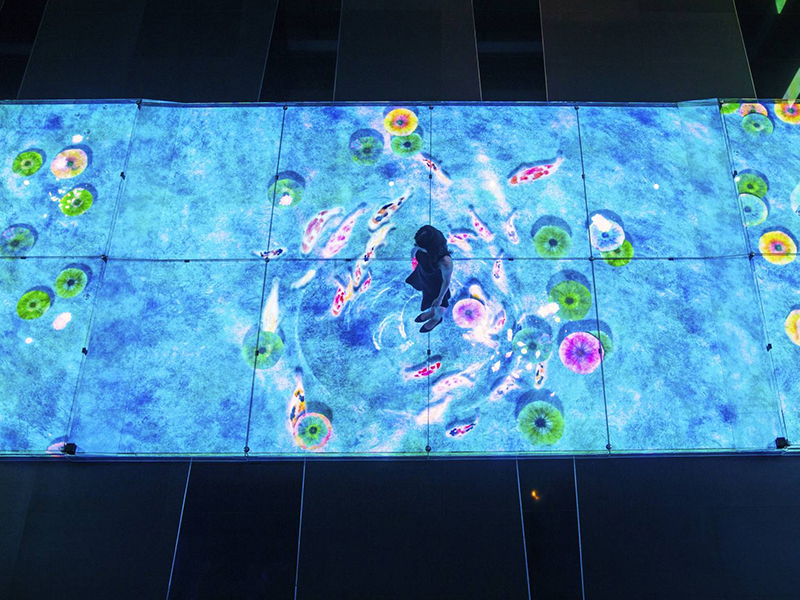
Kui tekivad probleemid, vähendavad kiired ja tõhusad lahendused seiskumisaja.
Kui üksik moodul läheb katki, asendage terve moodul, mitte remontige ahelat kohapeal. See lähenemisviis säästab aega ja tagab usaldusväärsuse. Toitepuuduste korral lülituge kohe üle varutoiteühikule. Kui juhtsüsteem ei tööta õigesti, alustage taaskäivitusega; kui probleem jätkub, asendage vastuvõtukaart.
See modulaarne asendusstrateegia hoiab hoolduse lihtsana ja tõhusana.
Eluiga maksimeerimiseks tuleb järgida mitmeid olulisi ettevaatusabinõusid.
Ärge kunagi ületage määratud koormust, kuna liialine rõhk võib põhjustada struktuurile püsivat kahju. Vältige teravnurksete esemete põhjustatud lööke, mis võivad põhjustada pinnale pragusid. Välisekraanide puhul kontrollige alati niiskuskindlust enne vihmaperioodi. Kui ekraani ei kasutata pikka aega, lülitage toide välja ja rakendage kaitseabinõusid.
LED-põrandakuvake on pikaajaline investeering ja selle kasutusiga sõltub sellest, kui hästi seda haldada. Õige kasutamise, struktureeritud hoolduse ja ajavõtliku remondiga saate tagada stabiilse toimimise aastaid. Asemel, et reageerida rikele, tuleb võtta proaktiivne lähenemisviis – see strateegia pikendab mitte ainult teeninduselu, vaid säilitab ka kogu elutsükli vältel pideva kuvakvaliteedi.
 EN
EN
 AR
AR
 BG
BG HR
HR
 CS
CS
 DA
DA
 NL
NL
 FI
FI FR
FR
 DE
DE EL
EL
 HI
HI
 IT
IT JA
JA
 KO
KO
 NO
NO PL
PL PT
PT RO
RO
 RU
RU
 ES
ES
 SV
SV
 TL
TL
 ID
ID
 SR
SR
 UK
UK VI
VI
 ET
ET
 HU
HU
 TH
TH
 TR
TR
 FA
FA
 AF
AF
 MS
MS
 GA
GA
 HY
HY
 AZ
AZ
 MN
MN
 UZ
UZ