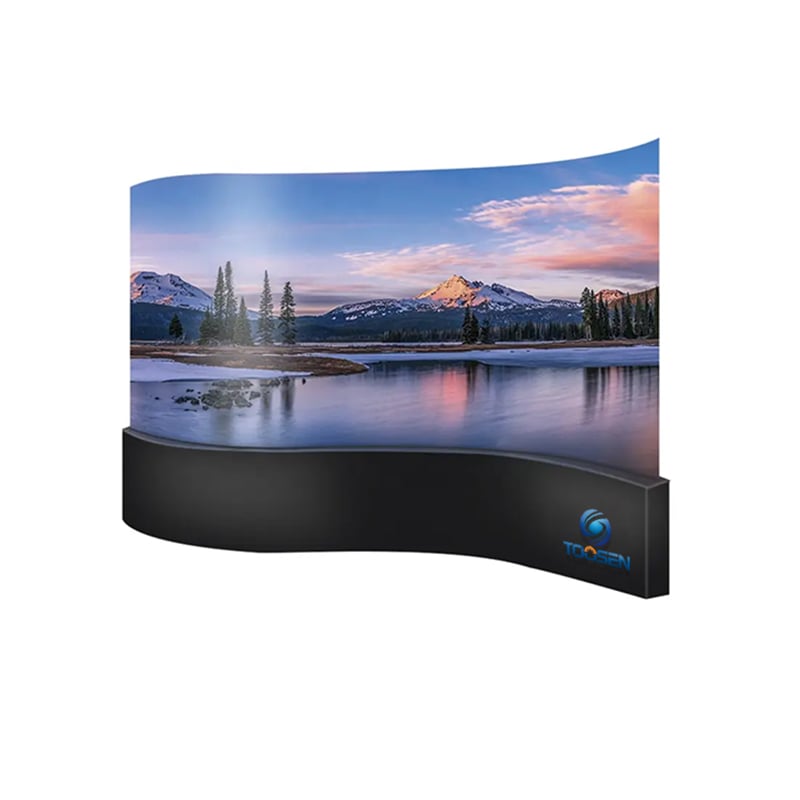
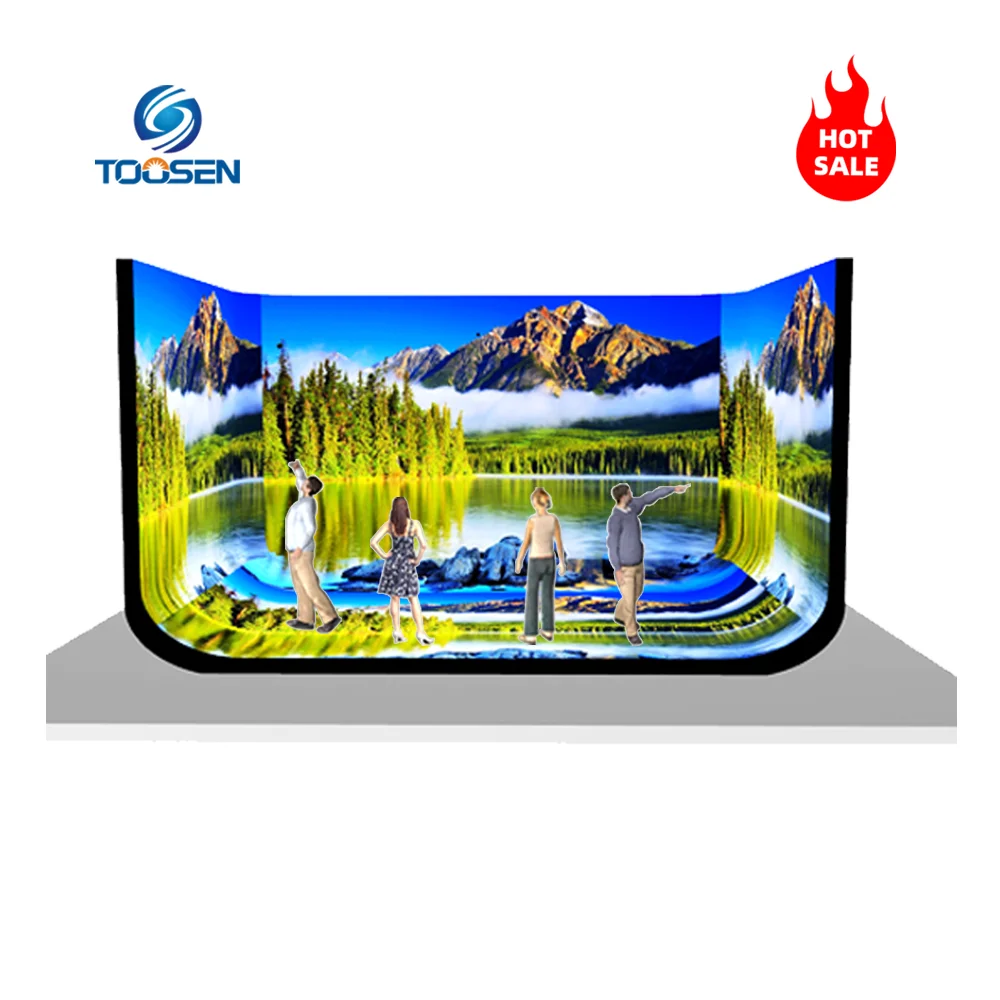
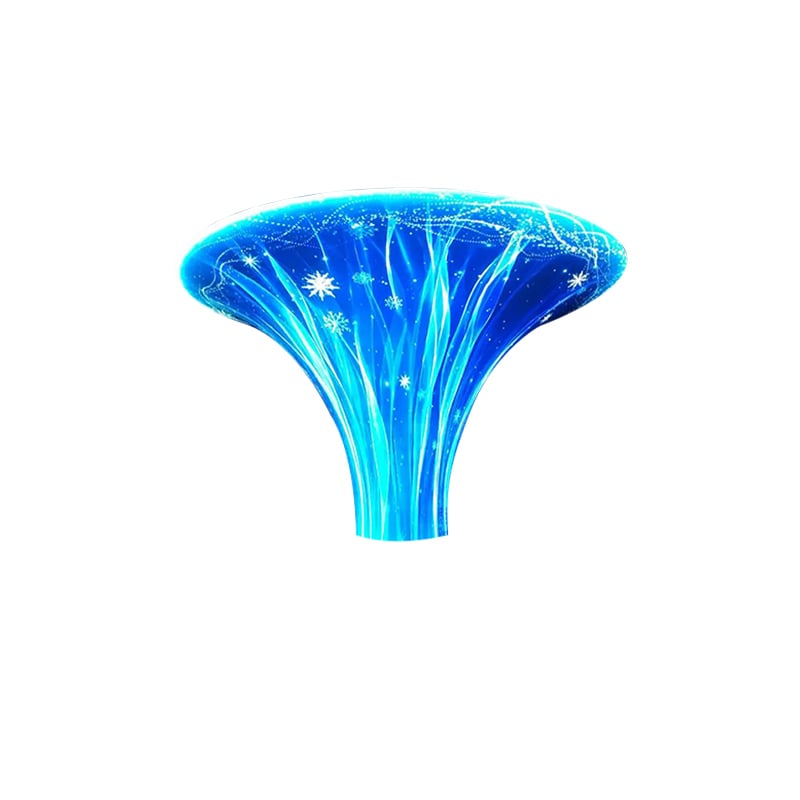
Tootmine a Möbius LED-ekraan ei ole tavapärane LED-projekt. Selleks on vajalik interdistsiplinaarne koordineerimine struktuuritehnika, elektroonika, sisusidumise ja täppistootmise vahel. Kuna Möbiuse kuju hõlmab pidevat keerutust ühe pinnaga , tuleb iga etapp — alates disainist kuni paigalduseni — range kontrolli all hoida.
Allpool on praktiline, inseneripõhine protsessi ülevaade.
Esimesena määratakse Möbiuse kuju geomeetrilised parameetrid:
Disainerid loovad seejärel 3D parameetrilise mudeli kasutades CAD-tarkvara. Selles etapis tuleb samuti:
Ettevõtetel nagu Toosen hõlmab see faas sageli tihe koostöö arhitektide või näituse disaineritega, et tagada ekraani sujuv integreerumine keskkonda.
Standardsete ristkülikukujuliste LED-moodulite abil ei saa otse kujundada Möbiuse pinda. Seepärast on vaja kliendispetsiifilisi kujundeid või paindlikke mooduleid .
Kasutatakse kahte peamist lähenemisviisi:
Toosen kasutab tavaliselt paindlikku PCB-tehnoloogiat koos trapetskujuliste ahelaloometega see hübriidlahendus tagab:
Järgmisena valmistatakse sisemine kandekonstruktsioon. See on üks olulisemaid sammusid.
Raam valmistatakse tavaliselt:
Peamised nõuded:
Insenerid kasutavad sageli CNC-töötlemist või 3D-välgutustehnikaid nõutava täpsuse saavutamiseks.
Kui raam on valmis, paigaldatakse LED-moodulid konstruktsioonile.
Selle protsessi käigus peavad tehnikud:
Kuna Möbiuse pindalal puudub „esipind“ või „tagapind“, on pidevus kriitiliselt tähtis. Isegi väikseim paigaldusvigade võib rikkuda illusiooni ühest pidevast pinnast.
Pärast füüsilist kokkupanekut integreerida elektrisüsteemid:
Kaablite haldamine on siin eriti keeruline. Insenerid peavad:
Toosen projekteerib tavaliselt üleliialised signaaliteed süsteemi usaldusväärsuse parandamiseks keerukates kujundites, näiteks Möbius’i ekraanidel.
See samm annab Möbius’i ekraanile tegelikult elu.
Kuna pind on mitte-eukleidiline (pööratud), ilmuvad standardse videosisu pildid vormituks, kui neid ei kaardistata õigesti.
Peate:
Pärast mapimist tehke kalibreerimine:
Eesmärk on tagada, et sisu liiguks sujuvalt kogu tsükli vältel ilma visuaalsete katkestusteta.
Lõpetuseks viige läbi täielik süsteemi test:
Ekraan tuleb kasutusele võtta alles pärast nende kontrollide läbimist.
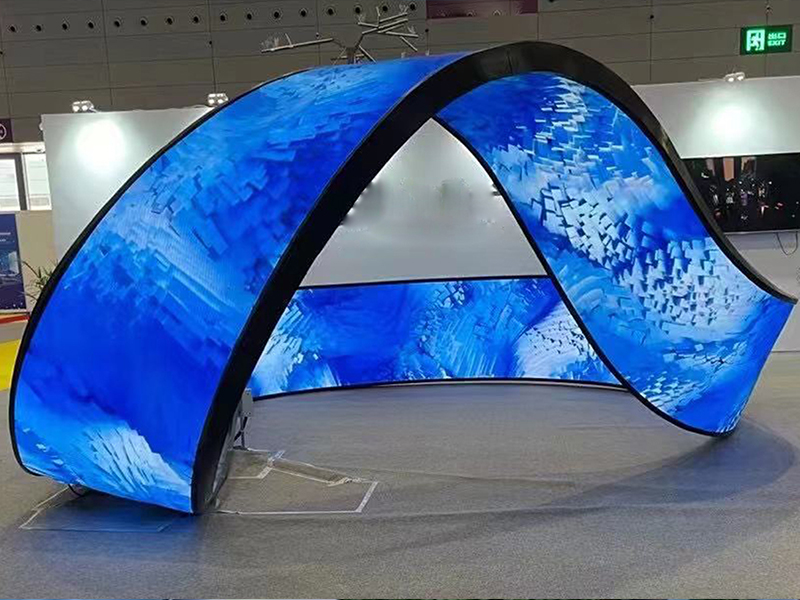
Möbius-LED-ekraani tootmine seab endaga kaasa mitmeid tehnilisi väljakutseid:
Seetõttu mängivad kogenumad tootjad, näiteks Toosen, olulist rolli. Üle kümne aasta jooksul loovas LED-ekraanide teadusuuringutes ja arendustegevuses on nad ühendanud paindliku mooduli tehnoloogia, konstruktsioonitehnika ja sisu integreerimise, et pakkuda usaldusväärseid Möbius LED-lahendusi.
Möbius LED-ekraan ei ole lihtsalt ekraan — see on matemaatika, inseneriteaduse ja digitaalkunsti süntees. Selle edukaks tootmiseks tuleb kontrollida süsteemi igat kihti: geomeetriast ja riistvarast kuni tarkvarani ja sisuni.
Õigesti realiseeritud tulemus on õmbluseta, lõputu visuaalne kogemus, mis eristub igas kaubanduslikus, kultuurilises või arhitektoonilises ruumis.
 EN
EN
 AR
AR
 BG
BG HR
HR
 CS
CS
 DA
DA
 NL
NL
 FI
FI FR
FR
 DE
DE EL
EL
 HI
HI
 IT
IT JA
JA
 KO
KO
 NO
NO PL
PL PT
PT RO
RO
 RU
RU
 ES
ES
 SV
SV
 TL
TL
 ID
ID
 SR
SR
 UK
UK VI
VI
 ET
ET
 HU
HU
 TH
TH
 TR
TR
 FA
FA
 AF
AF
 MS
MS
 GA
GA
 HY
HY
 AZ
AZ
 MN
MN
 UZ
UZ