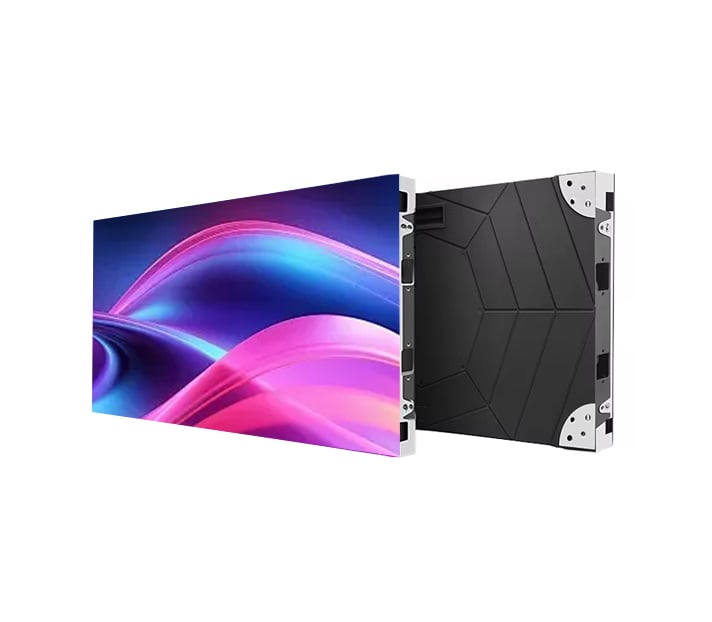
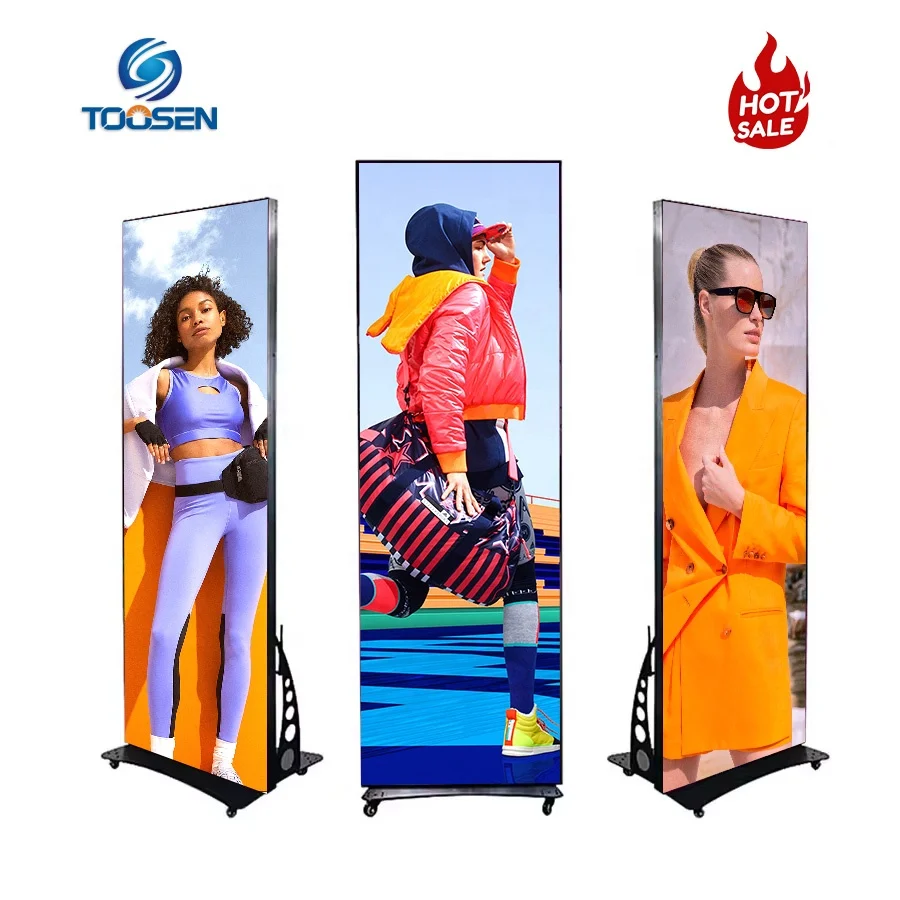
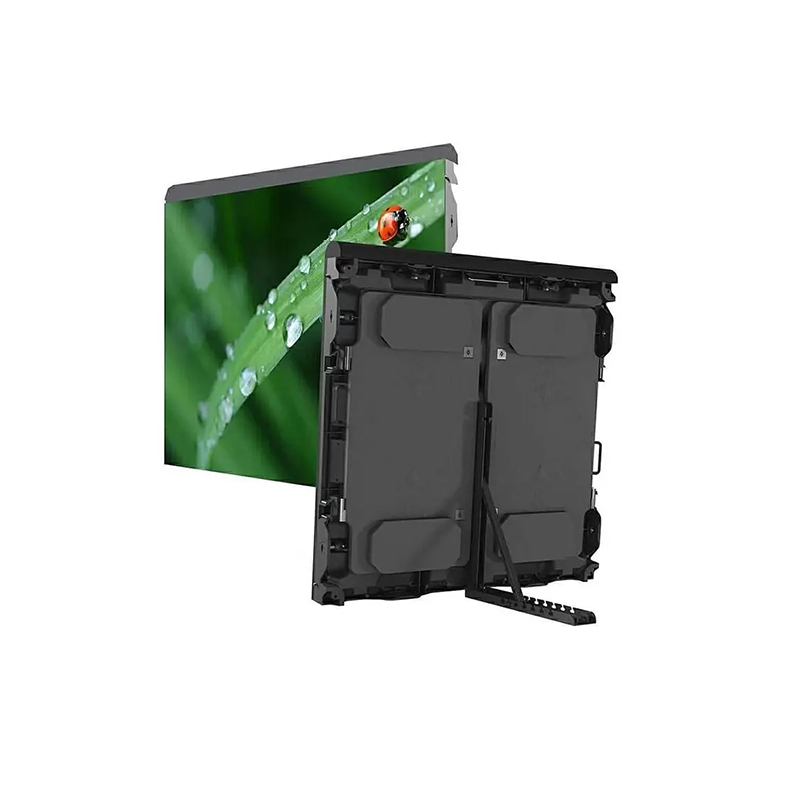
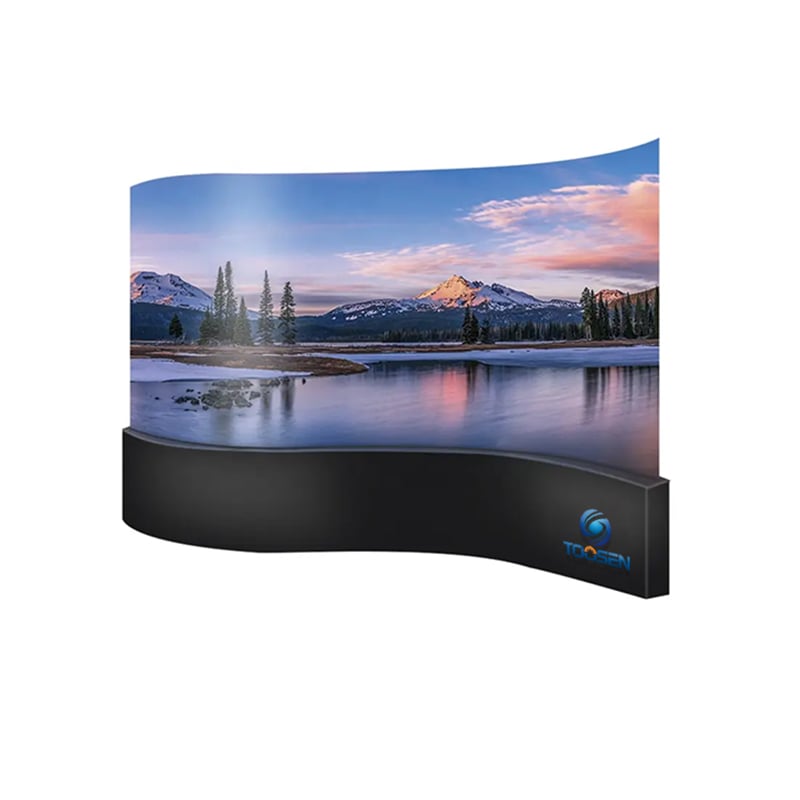
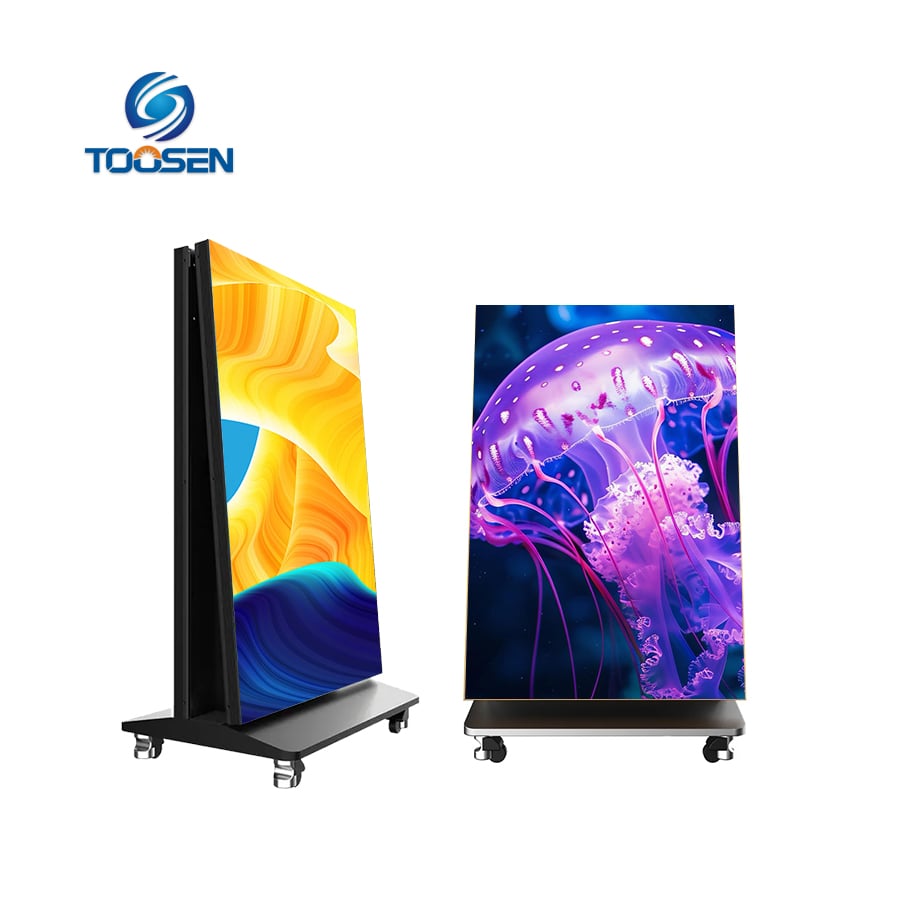
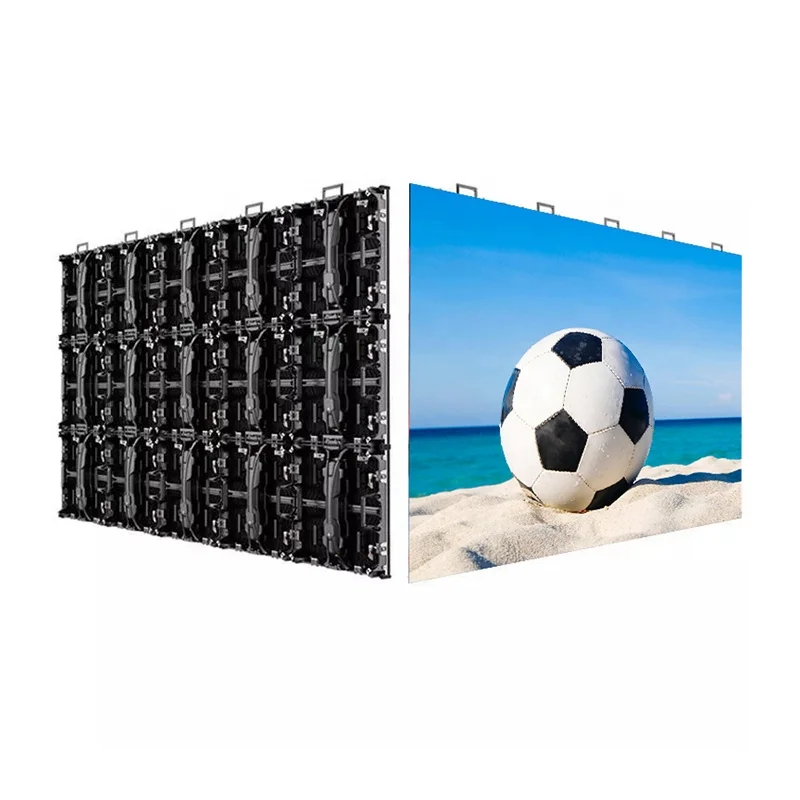
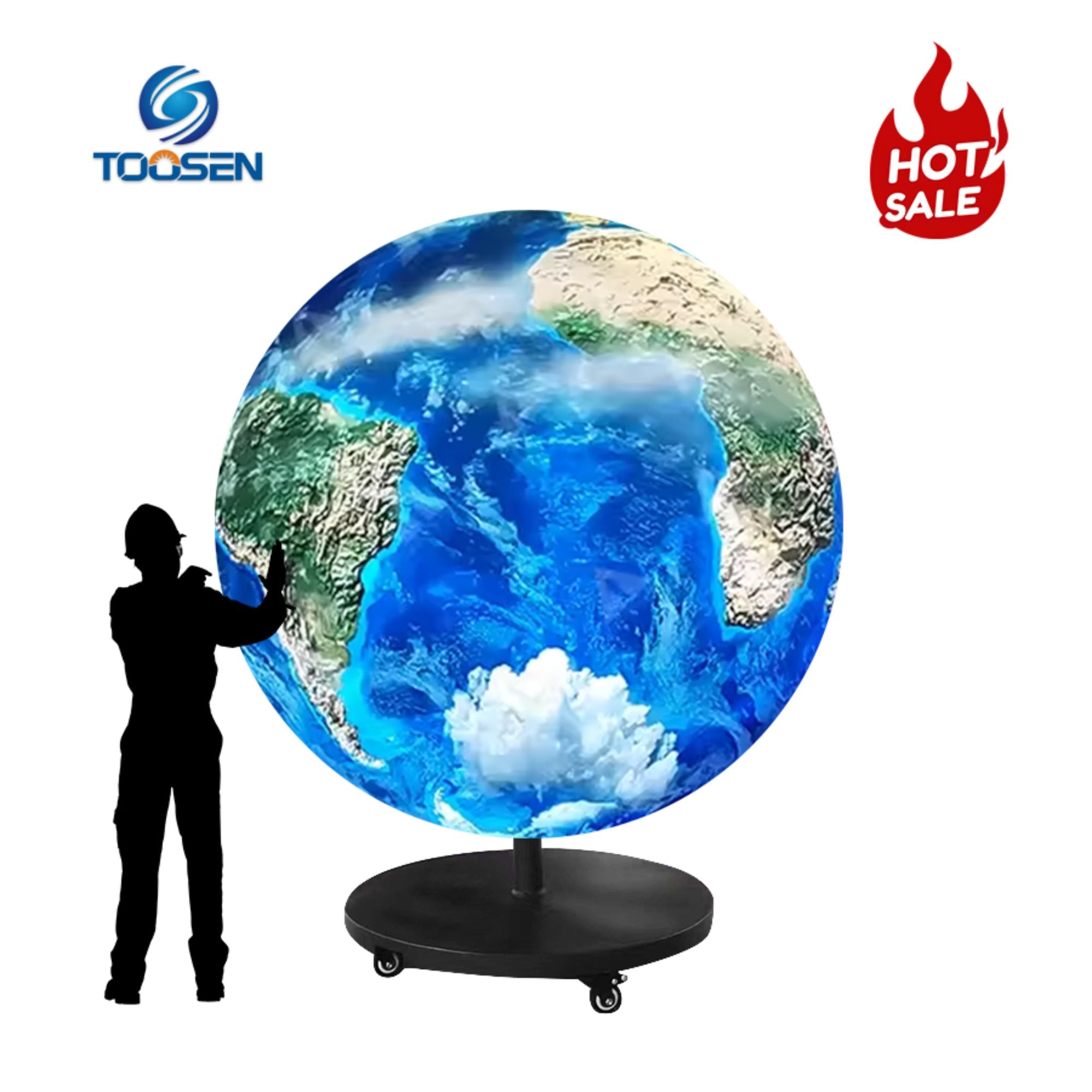
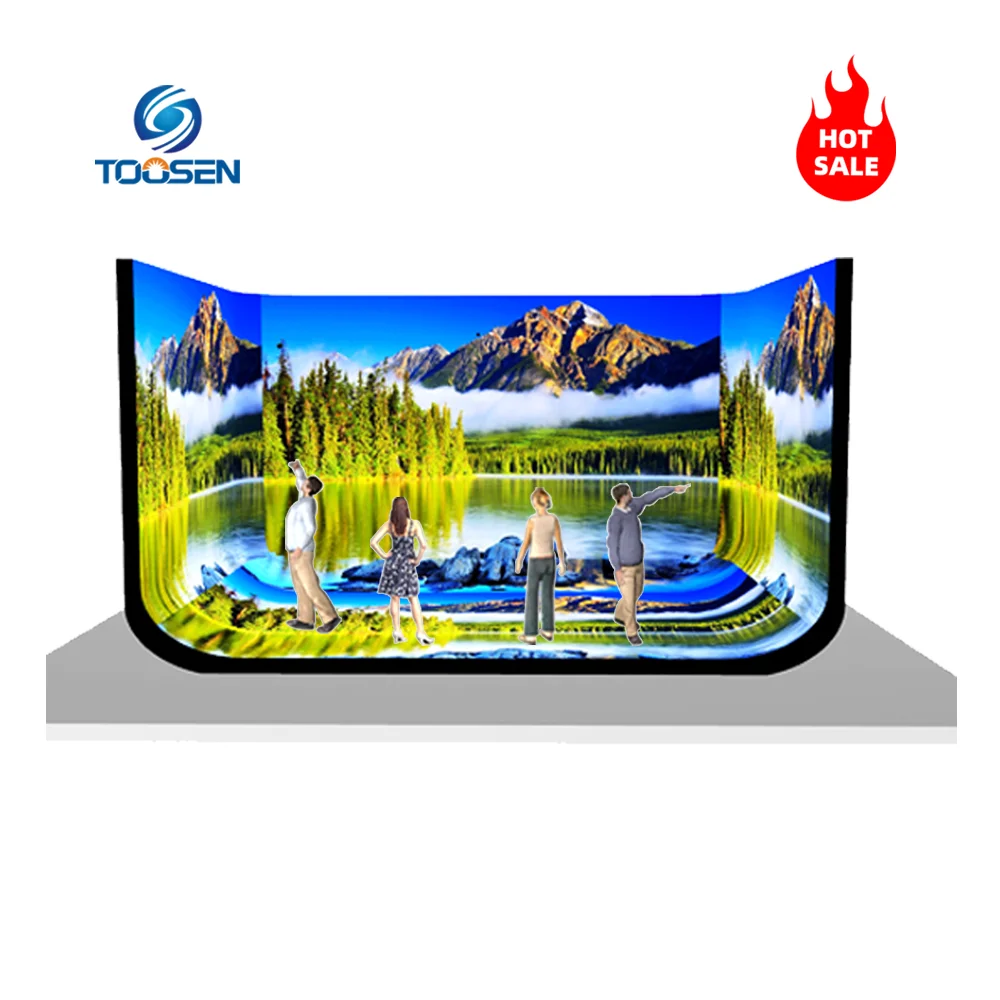
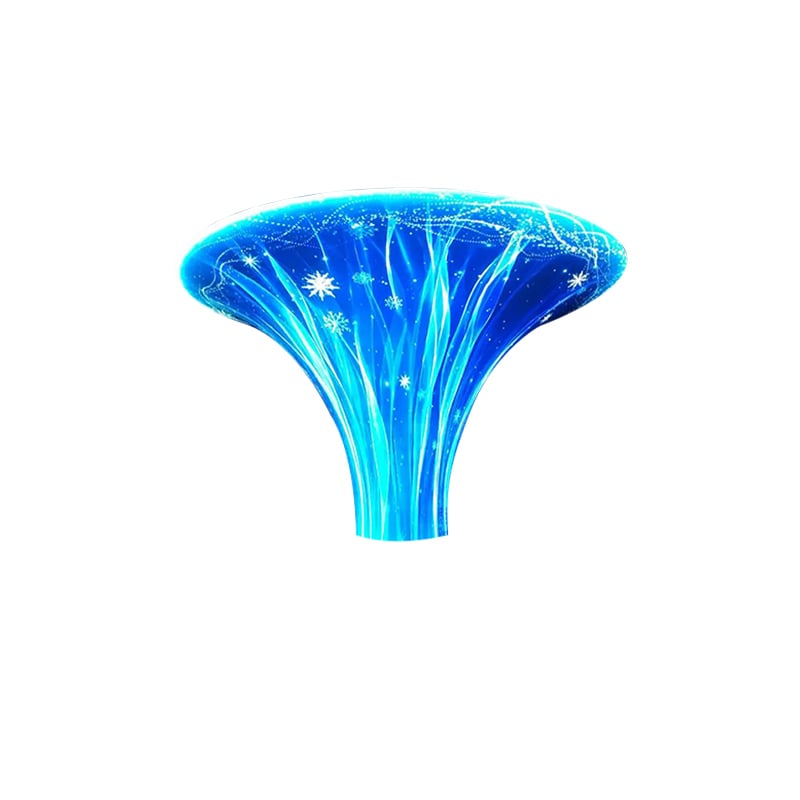
Ebaregulaarsed (kohandatud kujuga) LED-ekraanid on jõudnud kaugemale traditsioonilistest „ekraanidest“. Tänapäeval funktsioneerivad nad kui ruumilise disaini tööriistad, brändi varad ja immersiivsed meediaalused . Nende väärtus seisneb mitte ainult sisu kuvamises, vaid ka ruumi tajumise ja sellega suhtlemise ümberkujundamises .
Allpool on struktureeritud ülevaade kõige mõjukamate rakendusscenaristide kohta koos strateegiliste teadetega selle kohta, kuidas valida teie ärieesmärkidele sobivaim ekraanivorm.
Kaupluste valdkonnas on ebaregulaarsed LED-ekraanid kõige levinum ja samas ka kõige konkurentsikam lahinguväli. Brändid kasutavad neid selleks, et sajandikutes sekundites püüda tähelepanu ja muuta jalakäijate liikumine interaktiivseks suhtlemiseks.
Selles kontekstis muutub LED-ekraan liikluse mootoriks , mitte lihtsalt ekraaniks.
Näituseruumides peavad ettevõtted edastama keerukaid ideid selgelt ning samal ajal tugevdama kõrgtehnoloogilist pilti. Ebaregulaarsed LED-ekraanid aitavad muuta staatilist teavet sisuliseks visuaalseks jutustuseks .
Siin toimib ekraan kui jutustusvahend , mitte ainult visuaalne tööriist.
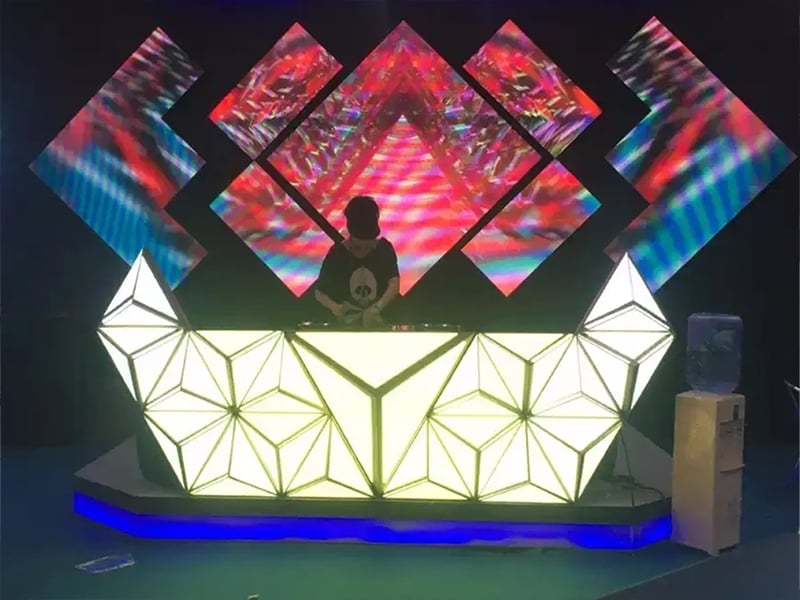
Meelelahutuskeskkonnas visuaalne intensiivsus mõjutab otse publiku kaasatust. Tavapärased tasased ekraanid ei pruugi piisavalt sobida, mistõttu domineerivad kaasaegses lavakujunduses ebaregulaarsed LED-süsteemid.
Sel juhul muutub ekraan osaks jõudlus ise .
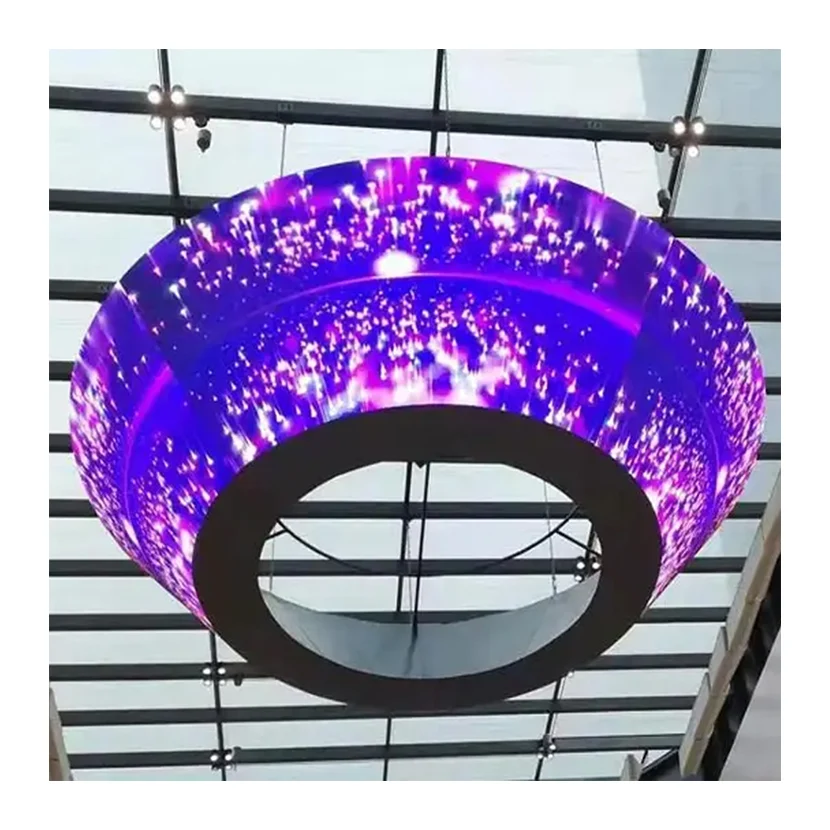
Suulise mastaabaga arhitektooniline integratsioon on üks tugevaimaid ebakorrapäraste LED-ekraanide kasutusviise. Aeg-ajalt lisatakse ehitisele ekraane, vaid disainerid süvendavad ekraane konstruktsiooni sisse .
Tuntud näide on The Place Sky Screen, kus lae ise muutub suureks visuaalseks atraktsiooniks.
Siin areneb LED-ekraan arhitektooniliseks meediaks .
Ööelu ruumid nõuavad julgeid, ebatavalisi visuaale, mis rikuvad ruumilist tajumist. Ebatavalised LED-ekraanid on eriti sobivad mitme tunnetusega, süvendatud keskkondade loomiseks .
Nendes keskkondades muutub ekraan sensoorseks võimendajaks .
Õige ebakorrapärase LED-lahenduse valimine sõltub teie peamisest ärieesmärgist. Allpool on praktiline vastavus:
| Sinu eesmärk | Soovituslik stsenaarium | Soovituslik LED-tüüp |
|---|---|---|
| Suurendada jalakäijate liikumist | Poodide esisildid, kaubanduskeskuste sissepääsud | Nurksed ekraanid, läbipaistvad LED-ekraanid, kristallkihi ekraanid |
| Brändilugu | Ettevõtete sissekäigud, näituseseinad | Logo-kujulised ekraanid, kõverad ekraanid, riba-kujulised LED-id |
| Immersiivne interaktsioon | Teadusmuuseumid, mänguzoonad | L-kujulised interaktiivsed ekraanid, LED-põrandakivid |
| Tuumasäästva atmosfääri loomine | Hotellid, restoranid, baarid | Elastsed LED-moodulid, veerukujulised ekraanid, lae disainid |
Kõigis neis stsenaariumides on üks mustrikujutus selge:
Nad muudavad digitaalse reklaamitahvli rolli:
Loovad ebaregulaarsed LED-ekraanid avavad väärtuse kauplustes, näitustel, meelelahutuses ja arhitektuuris, kuna nad integreeruvad tehnoloogia, disain ja kasutajakogemus ühte süsteemi.
Kui teie eesmärk on lihtsalt sisu kuvamine, piisab standardekraanist. Kuid kui soovite:
Siis ebakorrapärased LED-ekraanid pole lihtsalt üks valik – need on strateegiline uuendus.
 EN
EN
 AR
AR
 BG
BG HR
HR
 CS
CS
 DA
DA
 NL
NL
 FI
FI FR
FR
 DE
DE EL
EL
 HI
HI
 IT
IT JA
JA
 KO
KO
 NO
NO PL
PL PT
PT RO
RO
 RU
RU
 ES
ES
 SV
SV
 TL
TL
 ID
ID
 SR
SR
 UK
UK VI
VI
 ET
ET
 HU
HU
 TH
TH
 TR
TR
 FA
FA
 AF
AF
 MS
MS
 GA
GA
 HY
HY
 AZ
AZ
 MN
MN
 UZ
UZ