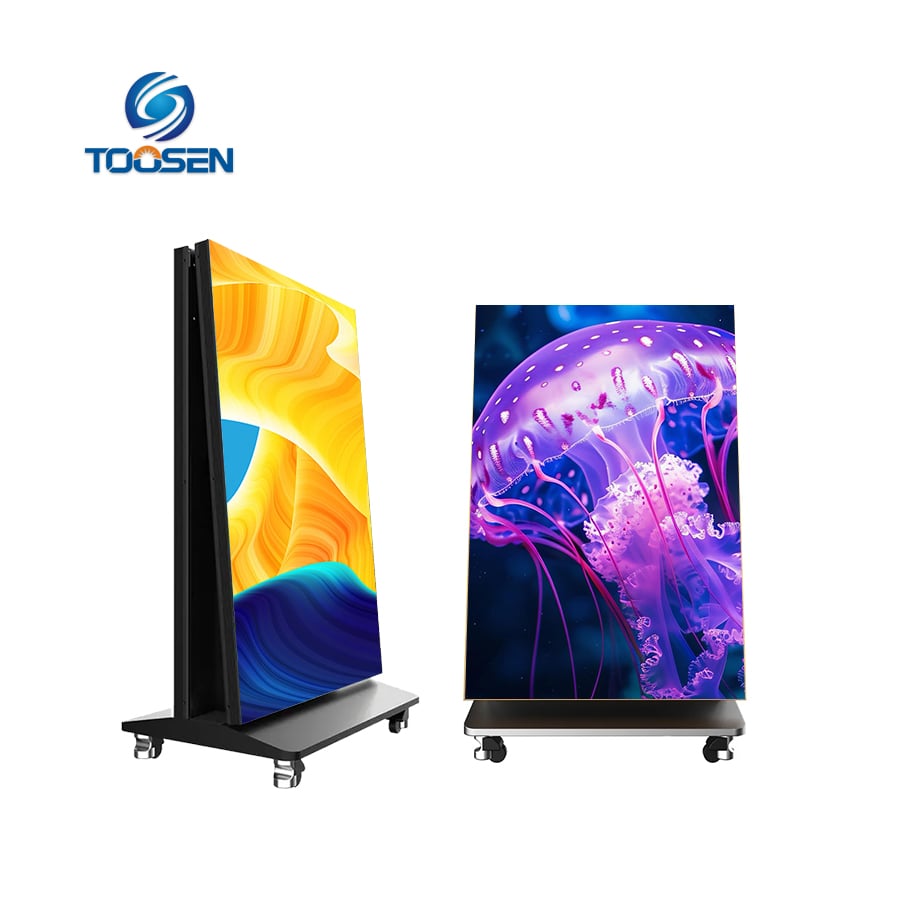
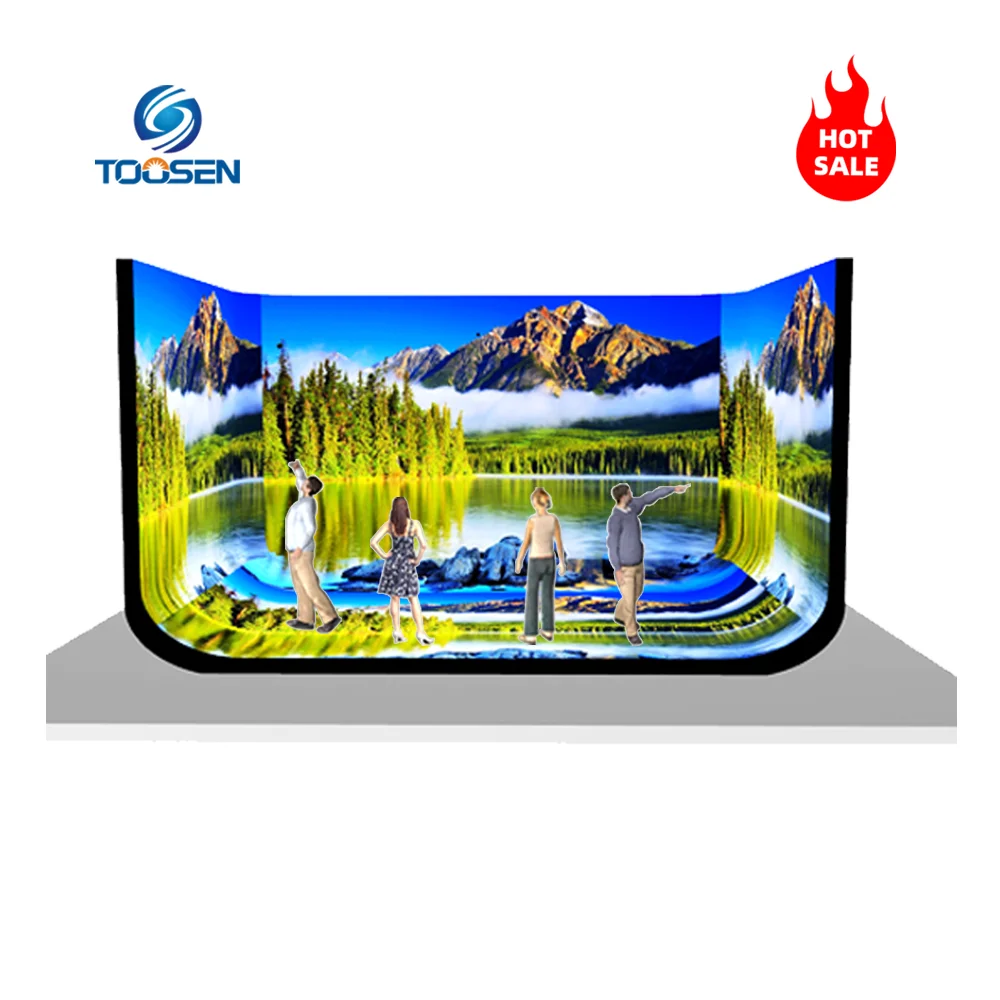
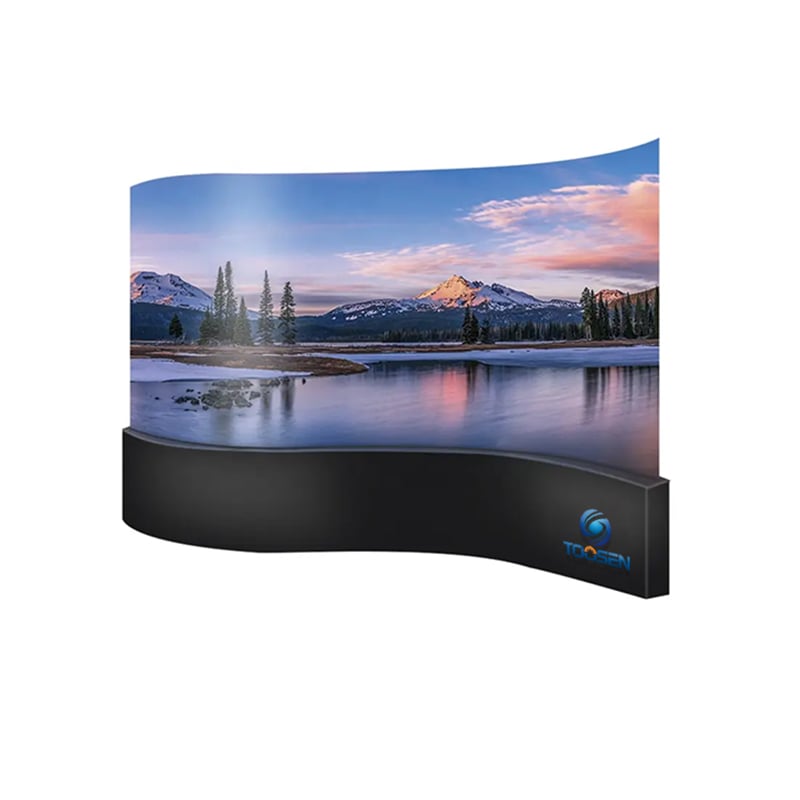
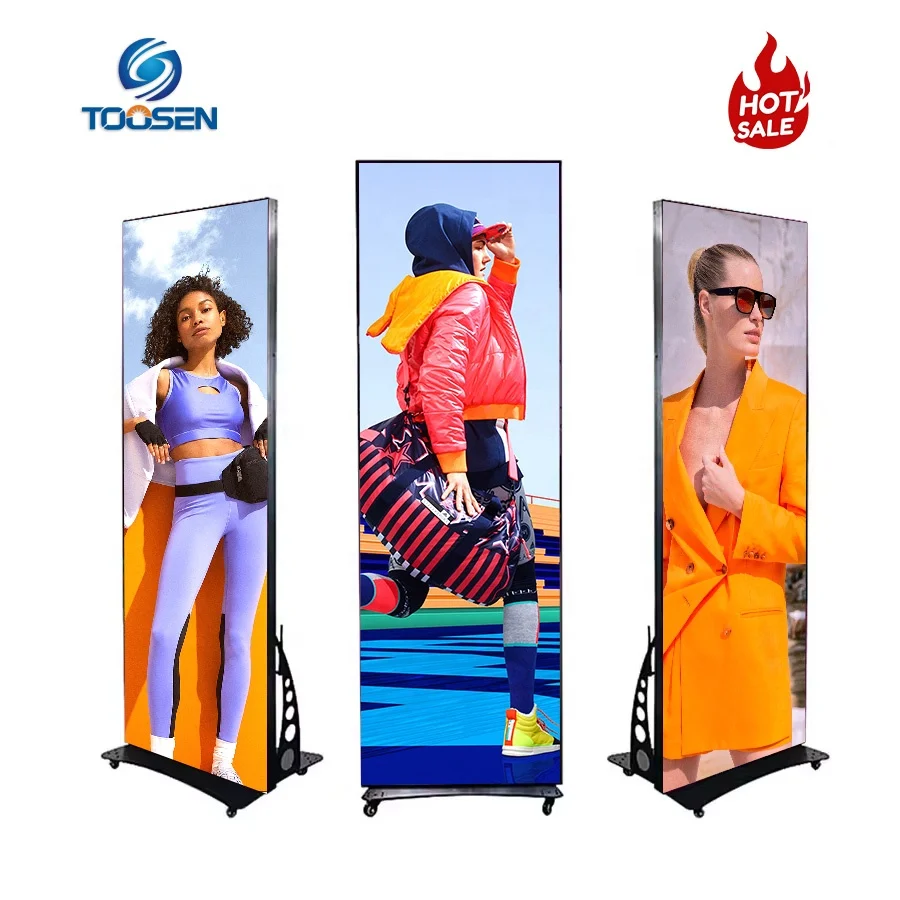
Un diseño creativo por sí solo no puede garantizar el éxito. Para lograr el efecto deseado, los equipos de proyecto también deben gestionar varios factores técnicos.
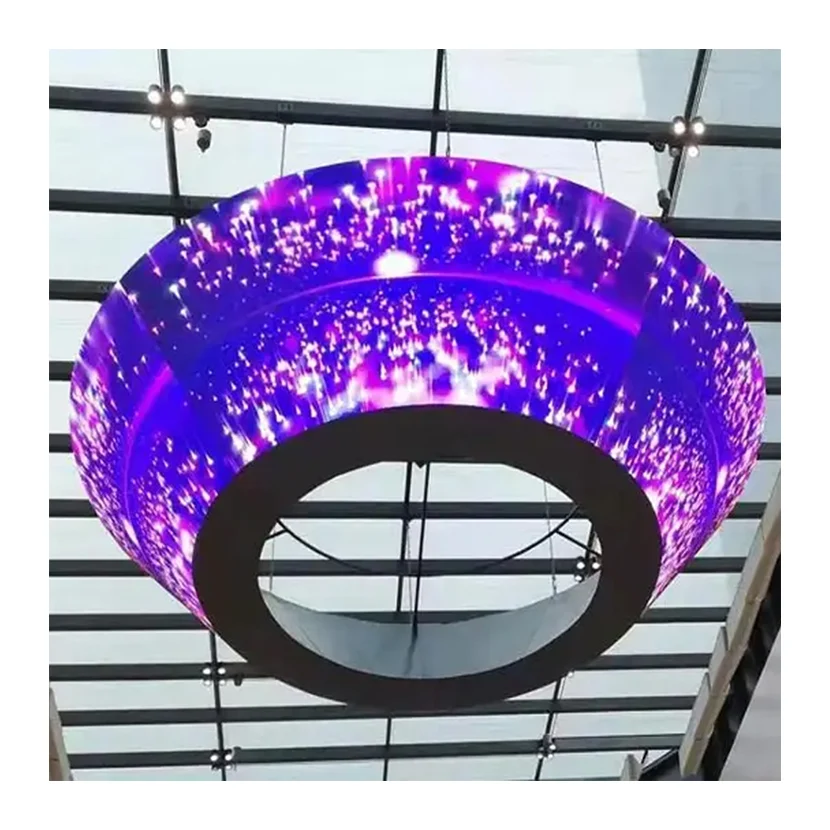
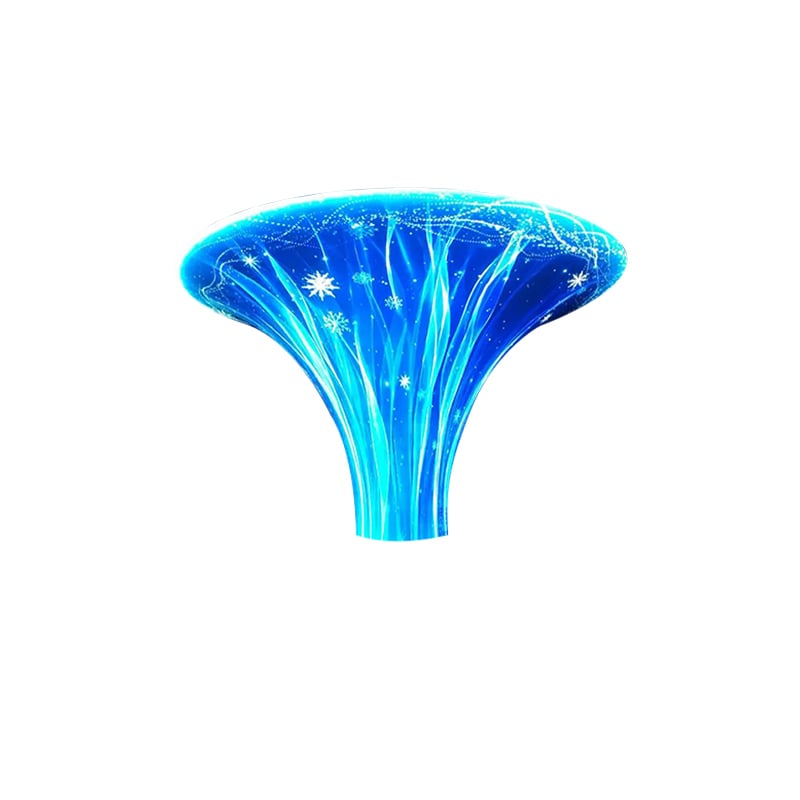
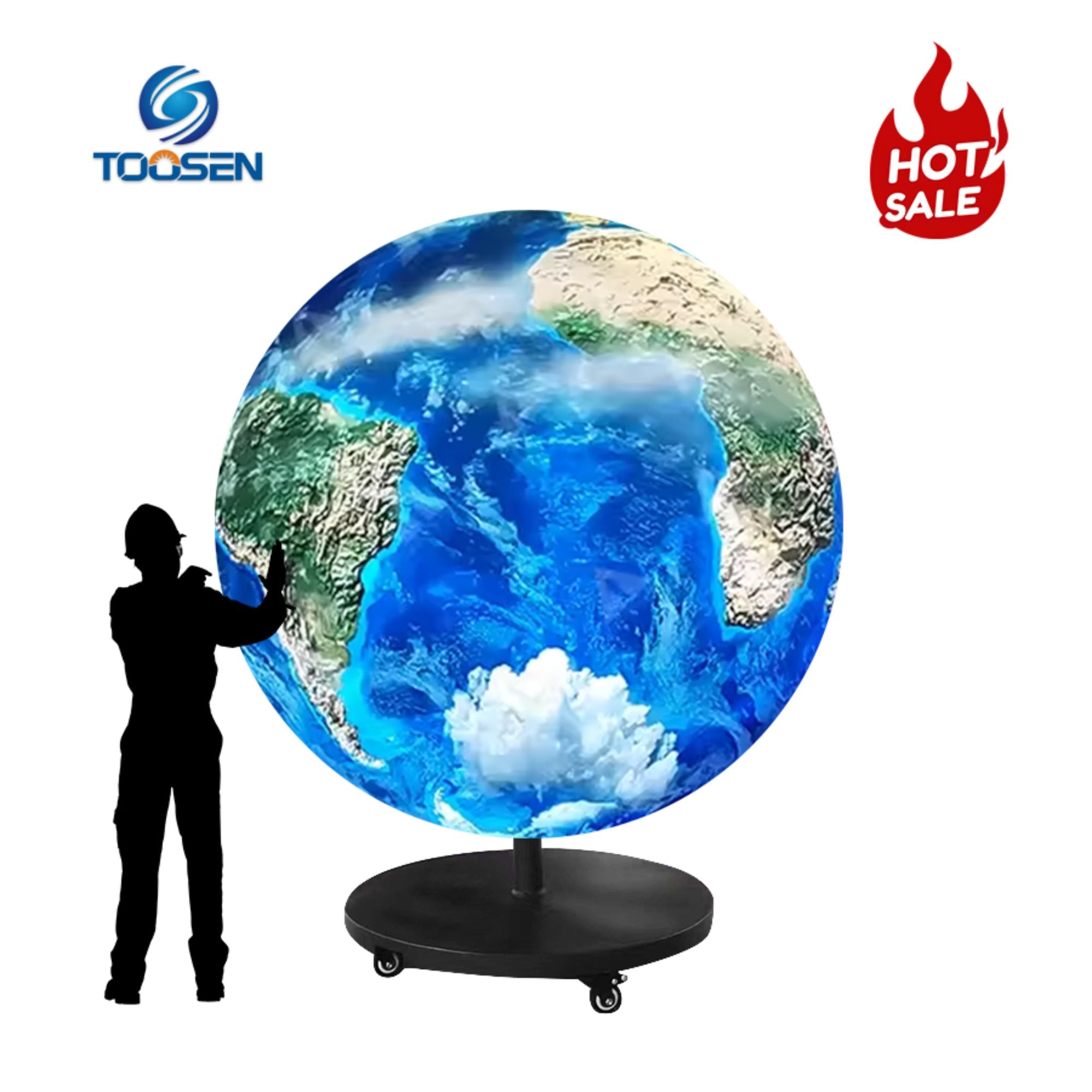
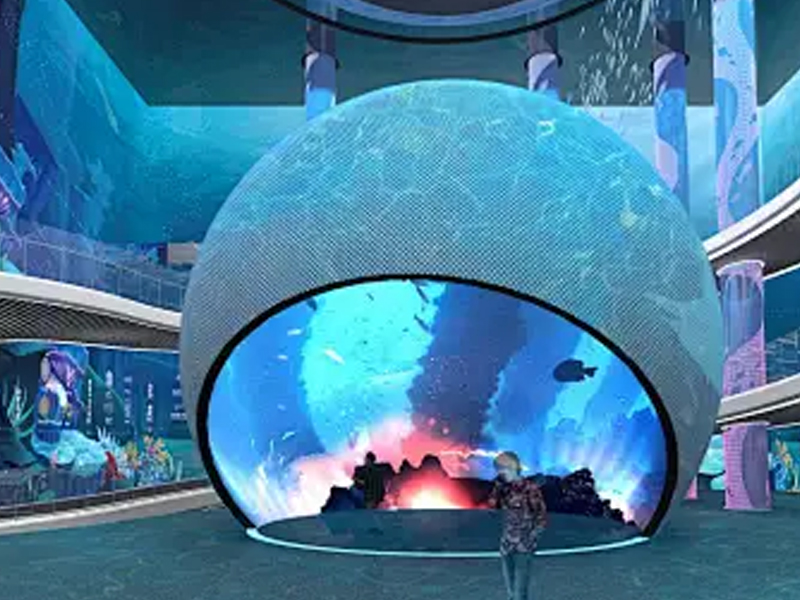
Las pantallas curvas o esféricas requieren módulos LED flexibles que puedan adaptarse a la forma. Los diseñadores deben confirmar que la distancia entre píxeles sea compatible con la curvatura requerida.
Si la curvatura resulta demasiado pronunciada para el diseño del módulo, pueden aparecer juntas visibles o inconsistencias en el brillo.
Por lo tanto, los clientes siempre deben solicitar las especificaciones del radio de curvatura mínimo al fabricante.
Pantallas LED personalizadas requieren contenido personalizado. Los vídeos estándar rara vez funcionan bien en formas inusuales.
Durante la planificación del proyecto, las marcas deben asignar un presupuesto específico para:
En muchos proyectos exitosos, los presupuestos para hardware y contenido siguen aproximadamente una relación de 5:1 , lo que garantiza que la pantalla aproveche plenamente su potencial creativo.
Las formas personalizadas suelen introducir cargas estructurales complejas. Los ingenieros deben calcular la estabilidad mecánica de la instalación, especialmente en el caso de pantallas grandes o suspendidas.
Además, las estructuras irregulares pueden limitar el flujo de aire dentro del gabinete de la pantalla. Por tanto, los diseñadores deben incorporar sistemas de refrigeración eficaces para evitar sobrecalentamientos y mantener la fiabilidad a largo plazo.
Las pantallas LED de forma personalizada permiten a las marcas ir más allá de la señalización digital tradicional. Cuando las empresas combinan un diseño simbólico, una narrativa inmersiva y experiencias interactivas, la pantalla se convierte en una referente de marca memorable en lugar de ser simplemente una pantalla.
Al colaborar con fabricantes experimentados como TOOSEN , las marcas pueden transformar conceptos creativos en instalaciones LED impactantes que refuercen su identidad, capten la atención y generen impresiones duraderas.
En una era en la que la atención es escasa, una pantalla LED personalizada bien diseñada puede convertir a una marca en un icono visual dentro del paisaje urbano.
 EN
EN
 AR
AR
 BG
BG HR
HR
 CS
CS
 DA
DA
 NL
NL
 FI
FI FR
FR
 DE
DE EL
EL
 HI
HI
 IT
IT JA
JA
 KO
KO
 NO
NO PL
PL PT
PT RO
RO
 RU
RU
 ES
ES
 SV
SV
 TL
TL
 ID
ID
 SR
SR
 UK
UK VI
VI
 ET
ET
 HU
HU
 TH
TH
 TR
TR
 FA
FA
 AF
AF
 MS
MS
 GA
GA
 HY
HY
 AZ
AZ
 MN
MN
 UZ
UZ