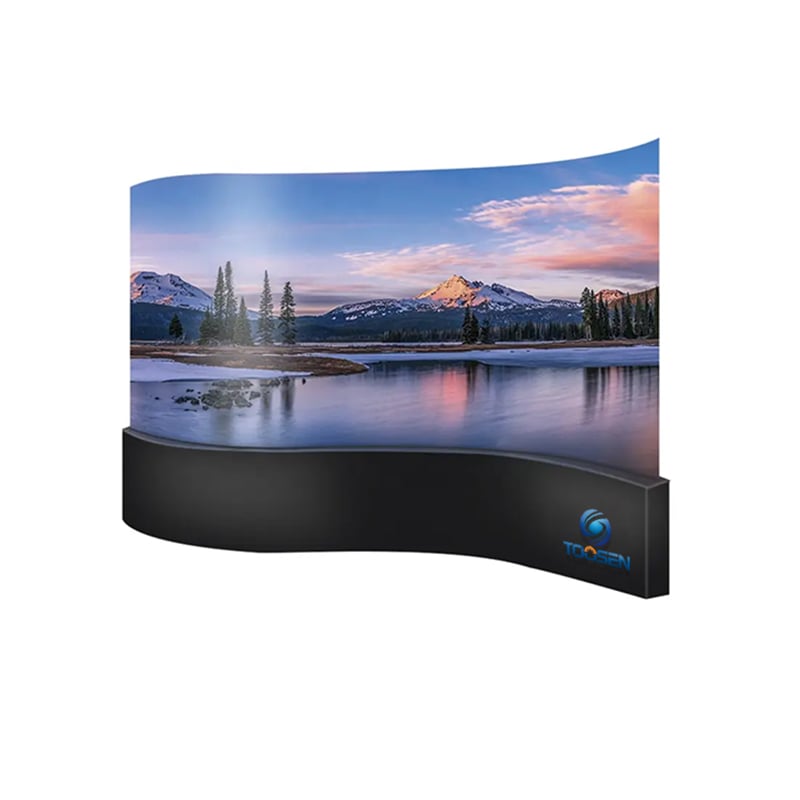
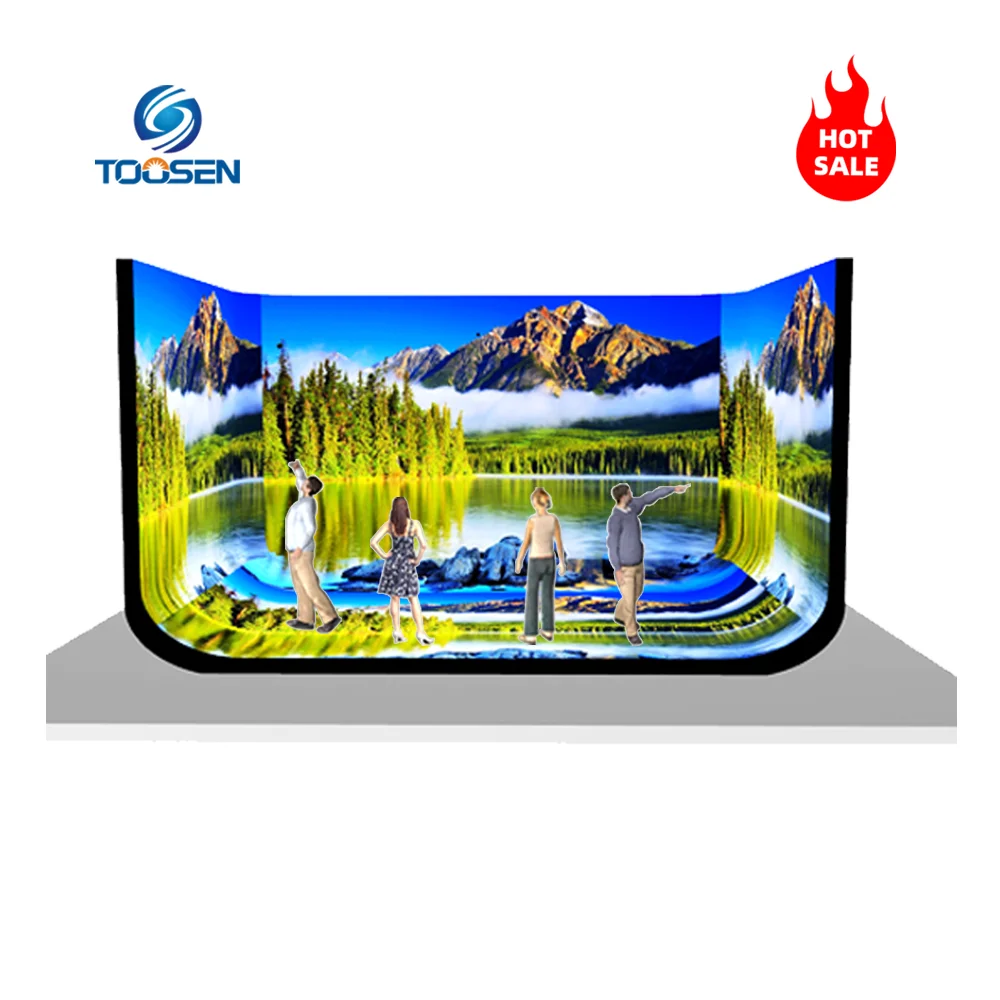
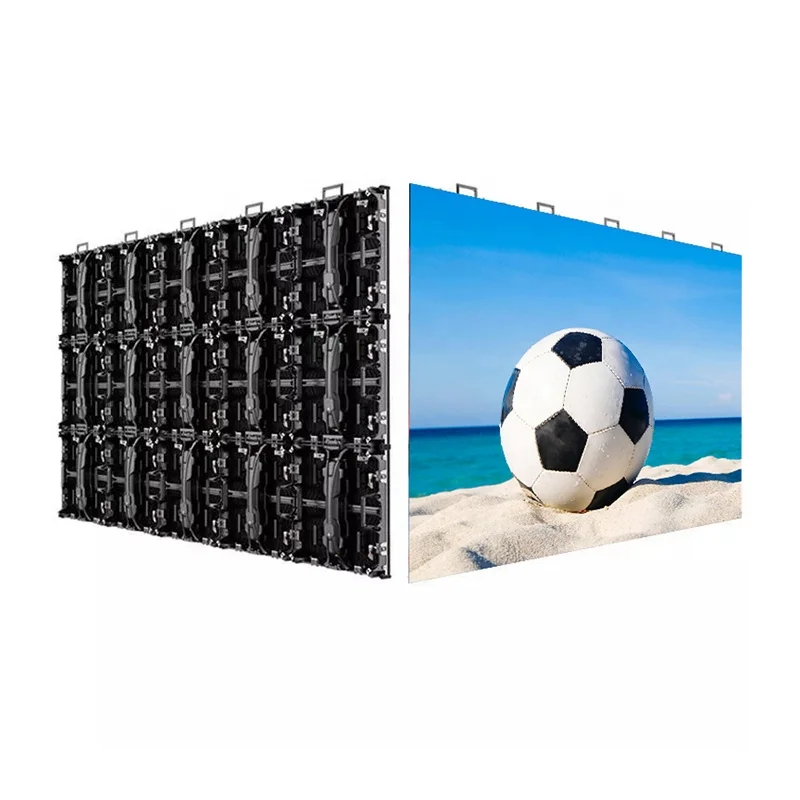
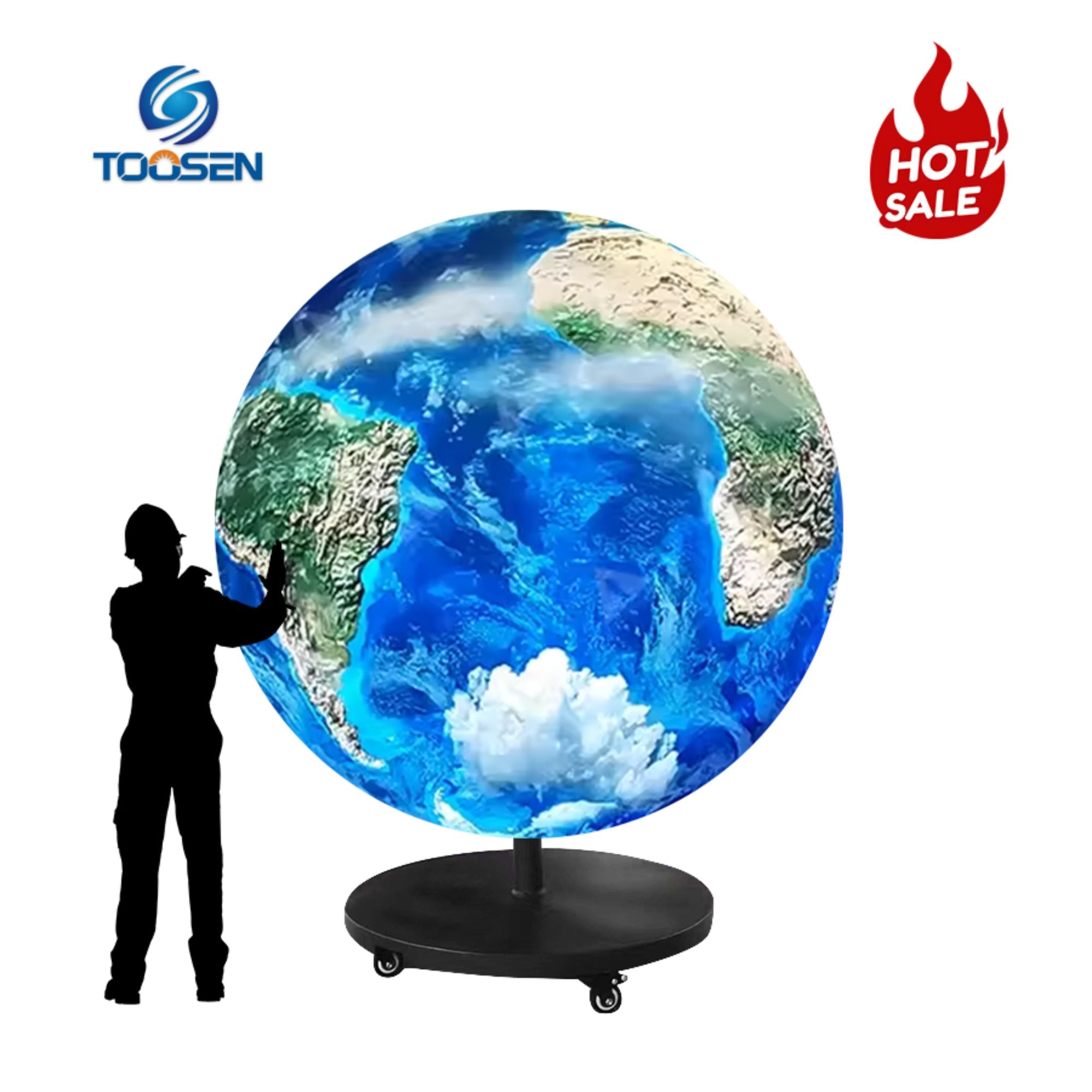
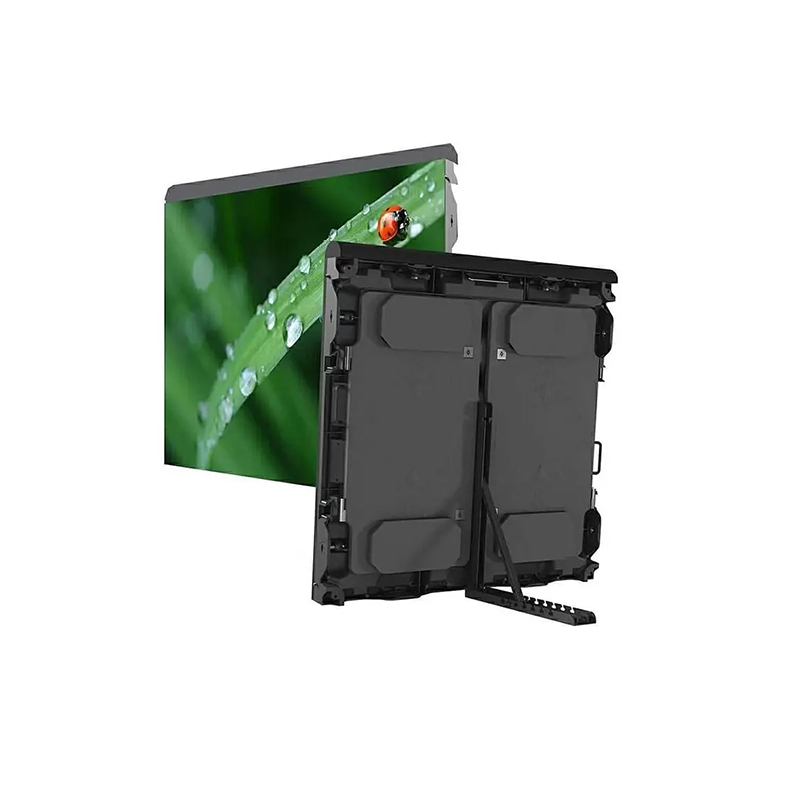
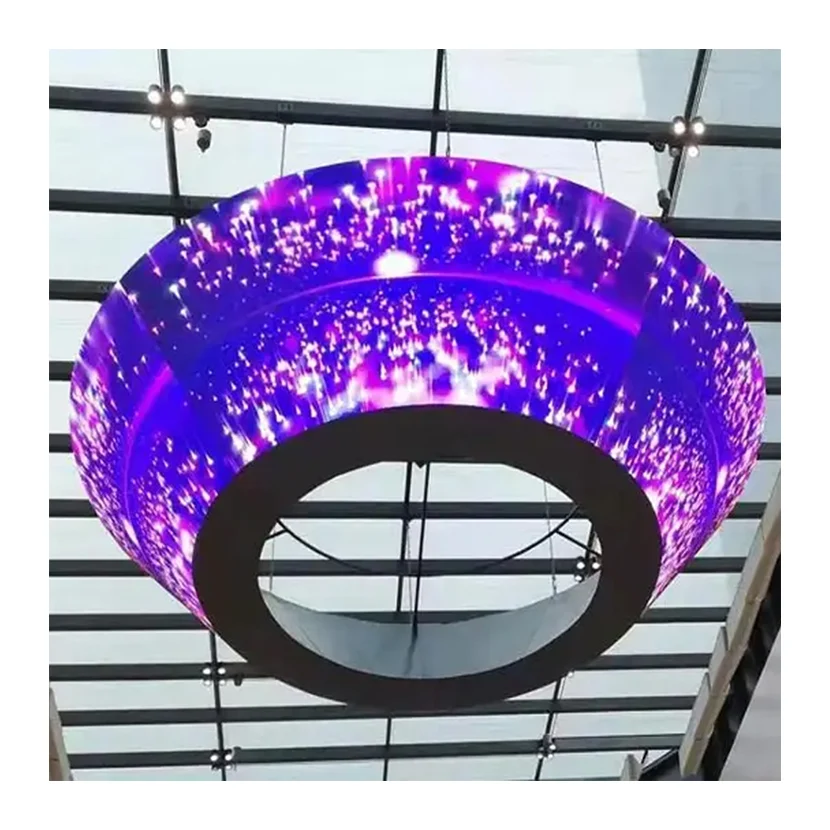
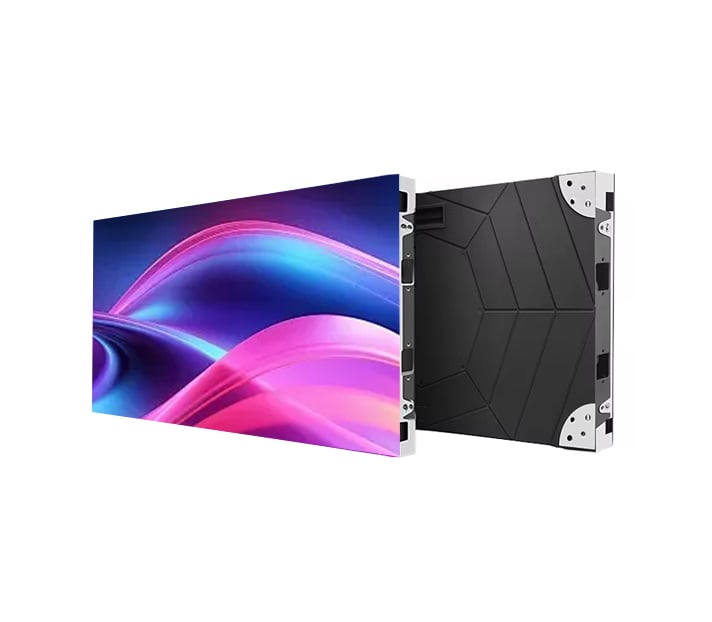
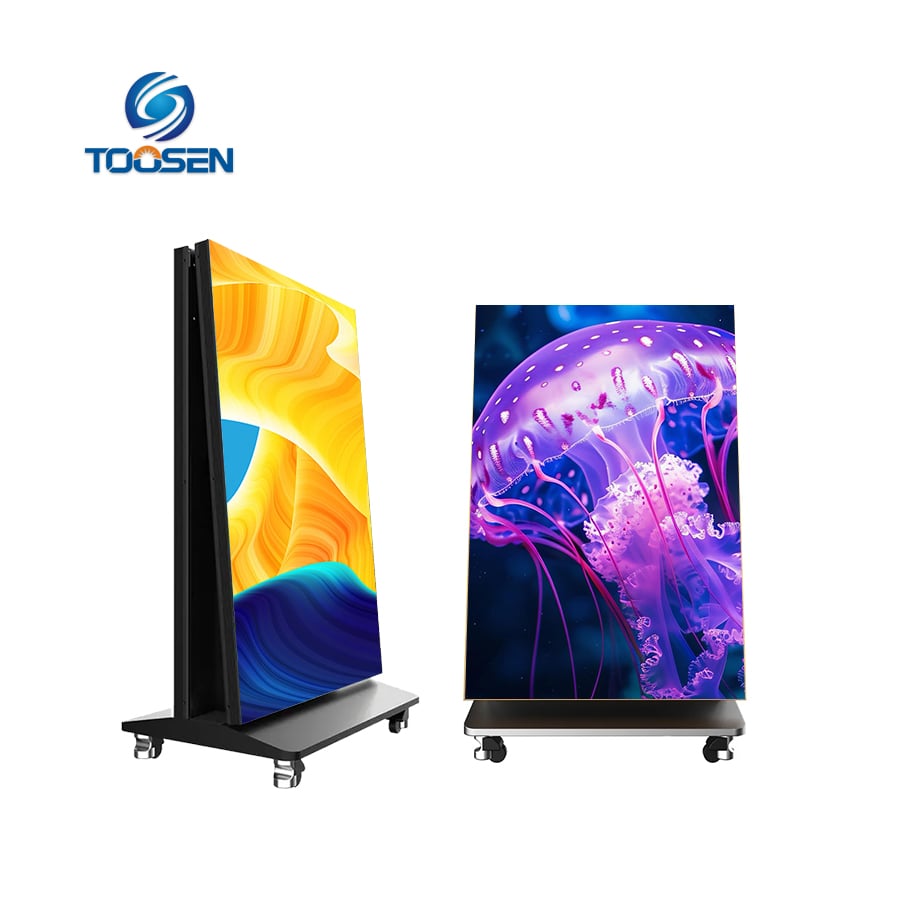
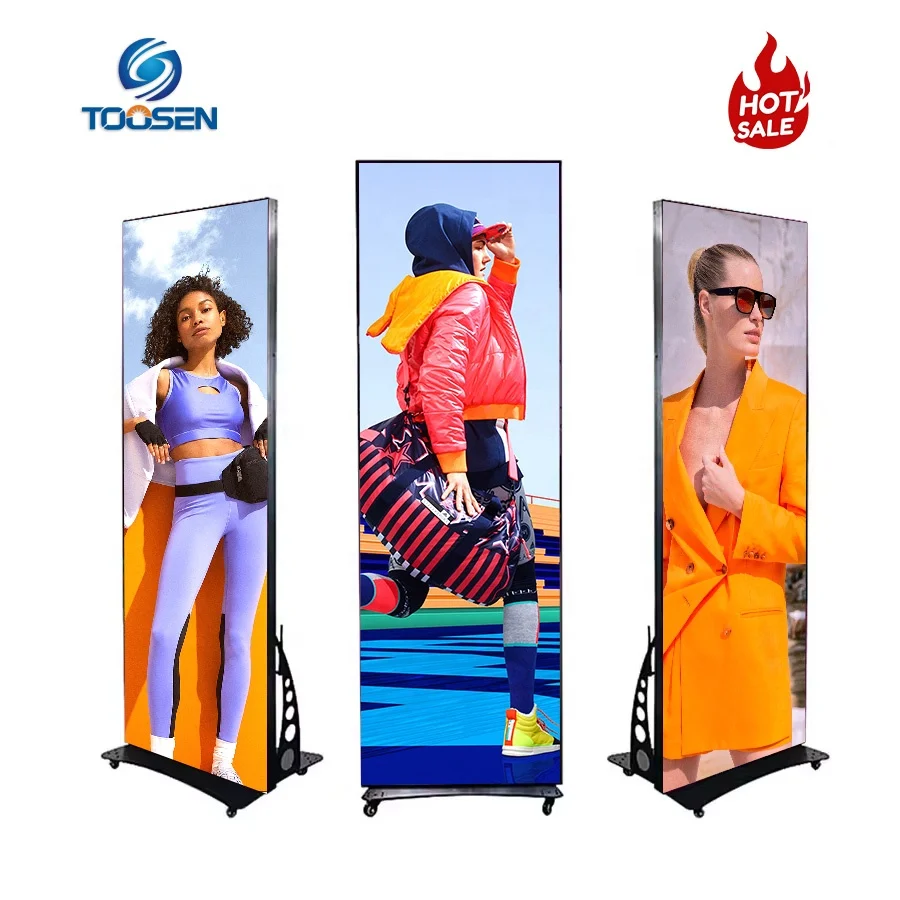
Display LED ultra delgado las pantallas ultrafinas destacan en la industria de los LED debido a su estructura extremadamente delgada. En muchos casos, estas pantallas miden solo una fracción del grosor de las pantallas LED tradicionales. Este diseño ligero y compacto no solo reduce los costos de transporte e instalación, sino que también permite que la pantalla se integre perfectamente en distintos entornos. Desde grandes espacios comerciales hasta hogares modernos, las pantallas LED ultrafinas se integran fácilmente en casi cualquier diseño interior o arquitectónico.
Sin embargo, muchos compradores formulan una pregunta importante: ¿Son las pantallas LED ultrafinas más adecuadas para aplicaciones interiores o exteriores? La respuesta breve es que pueden utilizarse en ambos entornos. La idoneidad real depende de factores como el brillo, el grado de protección y los requisitos de instalación. Para comprenderlo mejor, analicemos la tecnología, las ventajas y las aplicaciones prácticas de las pantallas LED ultrafinas.
Una de las mayores ventajas de las pantallas LED ultradelgadas es su diseño minimalista. Los fabricantes diseñan estas pantallas con gabinetes compactos y materiales ligeros, lo que reduce significativamente el grosor y el peso totales de la pantalla.
Como resultado, los instaladores pueden montar la pantalla directamente sobre paredes o estructuras ligeras sin necesidad de soportes complejos. Este enfoque ahorra tanto tiempo como costes laborales. Además, su aspecto elegante mejora la estética visual de la instalación. Las tiendas minoristas modernas, los vestíbulos corporativos y las salas de exposición suelen elegir pantallas LED ultradelgadas porque se adaptan perfectamente a los estilos contemporáneos de diseño de interiores.
Además, la reducción del grosor facilita y mejora la seguridad del transporte. Los equipos logísticos pueden enviar más unidades simultáneamente, reduciendo así el riesgo de daños durante la entrega.
A pesar de su perfil delgado, las pantallas LED ultradelgadas ofrecen un rendimiento visual impresionante. Las tecnologías avanzadas de pantallas LED permiten una mayor resolución, un paso de píxeles más fino y una excelente precisión cromática. Como resultado, estas pantallas generan texto nítido, imágenes definidas y contenido de vídeo vibrante.
Este nivel de claridad mejora notablemente la comunicación y la eficacia publicitaria. Los minoristas, por ejemplo, pueden mostrar vídeos de productos y contenidos promocionales con un detalle excepcional. Al mismo tiempo, las empresas y las instituciones gubernamentales pueden utilizar estas pantallas para difundir anuncios, paneles de datos y mensajes importantes con una alta legibilidad.
Además, las pantallas LED ultradelgadas admiten contenido dinámico fluido. La reproducción de vídeos, las animaciones y las visualizaciones en tiempo real aparecen suaves y atractivas, lo que ayuda a captar la atención de los espectadores en entornos concurridos.
La eficiencia energética se ha convertido en una prioridad fundamental en la tecnología moderna de pantallas. Las pantallas LED ultradelgadas suelen incorporar componentes avanzados de ahorro de energía y diseños de circuitos optimizados. Estas características reducen el consumo eléctrico sin comprometer el brillo ni la calidad de imagen.
Un menor consumo energético ayuda a las empresas a reducir sus costes operativos, especialmente en instalaciones que funcionan de forma continua, como pantallas publicitarias o paneles informativos.
Además, muchos fabricantes adoptan métodos de producción respetuosos con el medio ambiente. Utilizan materiales reciclables y procesos de fabricación de bajas emisiones siempre que es posible. Estos esfuerzos reducen el impacto ambiental y se alinean con la creciente demanda global de tecnología sostenible.
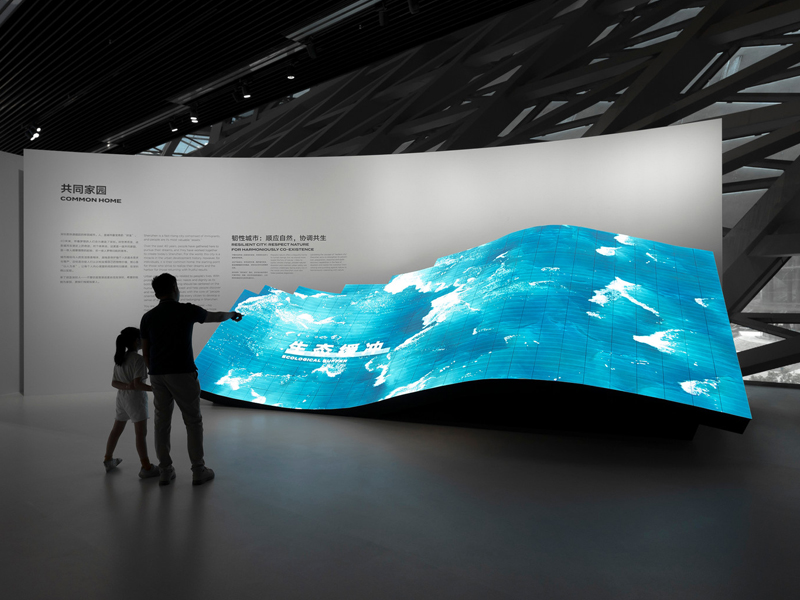
En el sector publicitario, las pantallas LED ultradelgadas generan un impacto visual muy potente. Su elevado brillo y su alta resolución las convierten en la opción ideal para tiendas minoristas, centros comerciales y escaparates.
Por ejemplo, los minoristas pueden mostrar vídeos promocionales, campañas estacionales o contenidos interactivos que capten la atención de los clientes que pasan por delante. Como la pantalla es delgada y elegante, no altera el diseño general de la tienda; al contrario, potencia el aspecto moderno del espacio comercial.
La publicidad exterior también se beneficia de la tecnología LED ultrafina. Cuando están equipadas con protección contra las inclemencias del tiempo, estas pantallas pueden funcionar de forma fiable en distintas condiciones meteorológicas, ofreciendo al mismo tiempo imágenes vibrantes que atraen a grandes audiencias.
Las pantallas LED ultrafinas desempeñan asimismo un papel fundamental en la industria del entretenimiento. Conciertos, eventos deportivos y espectáculos en vivo suelen depender de pantallas LED para crear experiencias visuales inmersivas.
Los organizadores de eventos utilizan frecuentemente pantallas LED ultradelgadas como fondos escénicos, pantallas laterales o paneles para transmisión en tiempo real. Su diseño ligero permite a los técnicos montar y desmontar rápidamente la configuración del escenario, lo cual es especialmente importante en eventos itinerantes.
Además, los teatros y cines exploran cada vez más la tecnología de pantallas LED como alternativa a los sistemas tradicionales de proyección. Las pantallas LED ofrecen imágenes más brillantes, mayor contraste y una calidad de imagen más uniforme en toda el área de visualización.
Las ciudades también utilizan pantallas LED ultradelgadas en los sistemas de transporte y en las redes urbanas de información. Estaciones de autobuses, andenes de metro y terminales aéreas suelen instalar pantallas LED para mostrar actualizaciones de viaje en tiempo real, horarios y anuncios públicos.
Como las pantallas son delgadas y visualmente atractivas, se integran bien en la infraestructura urbana moderna. Al mismo tiempo, su durabilidad les permite funcionar de forma continua en entornos de alto tráfico.
Los urbanistas también incorporan pantallas LED ultrafinas en monumentos urbanos, plazas públicas y atracciones turísticas. Estas instalaciones pueden exhibir contenidos culturales, arte digital y branding municipal, al tiempo que potencian la identidad visual del espacio.
Las instituciones educativas adoptan cada vez más pantallas LED ultrafinas para aulas multimedia y salas de conferencias. Los docentes pueden presentar vídeos, presentaciones y materiales interactivos en grandes pantallas de alta resolución que mejoran la visibilidad para todos los estudiantes.
De manera similar, las oficinas corporativas utilizan pantallas LED ultradelgadas en salas de conferencias y centros de control. Estas pantallas ofrecen imágenes grandes y nítidas para presentaciones, videoconferencias y supervisión de datos. Su estructura delgada también contribuye a mantener un espacio de trabajo limpio y profesional.
 EN
EN
 AR
AR
 BG
BG HR
HR
 CS
CS
 DA
DA
 NL
NL
 FI
FI FR
FR
 DE
DE EL
EL
 HI
HI
 IT
IT JA
JA
 KO
KO
 NO
NO PL
PL PT
PT RO
RO
 RU
RU
 ES
ES
 SV
SV
 TL
TL
 ID
ID
 SR
SR
 UK
UK VI
VI
 ET
ET
 HU
HU
 TH
TH
 TR
TR
 FA
FA
 AF
AF
 MS
MS
 GA
GA
 HY
HY
 AZ
AZ
 MN
MN
 UZ
UZ