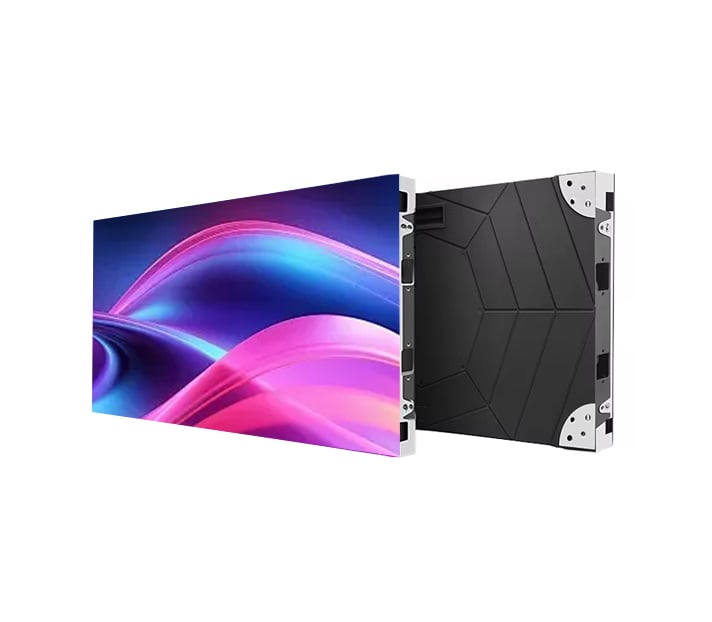
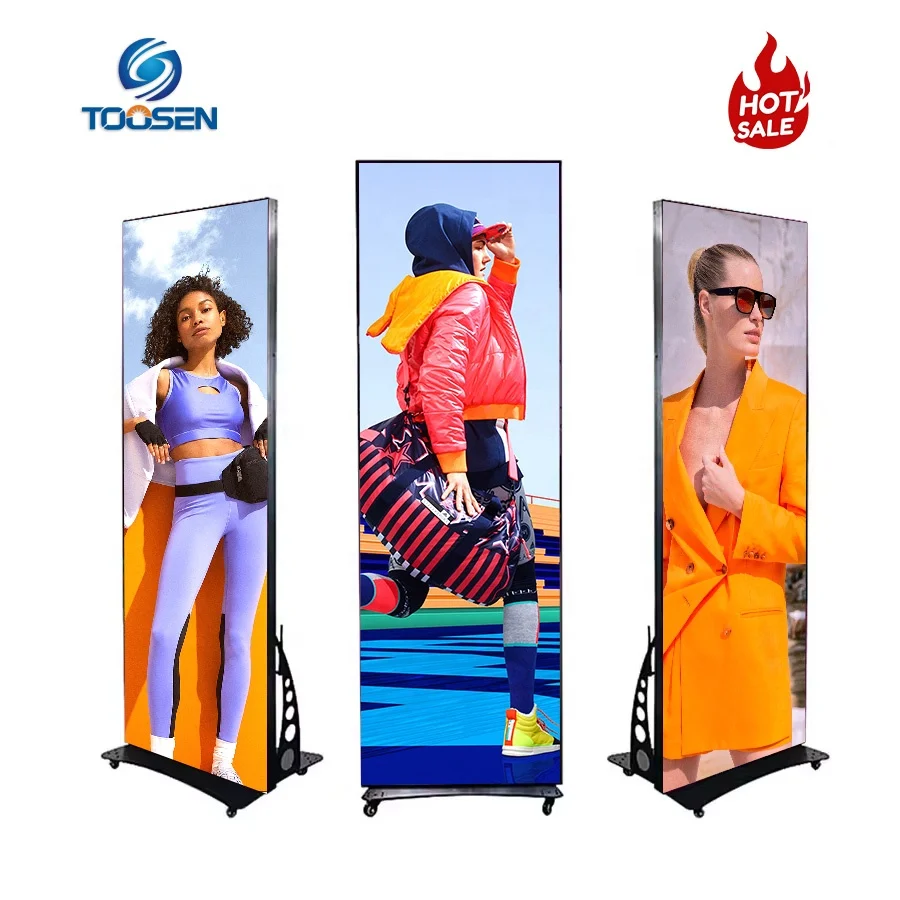
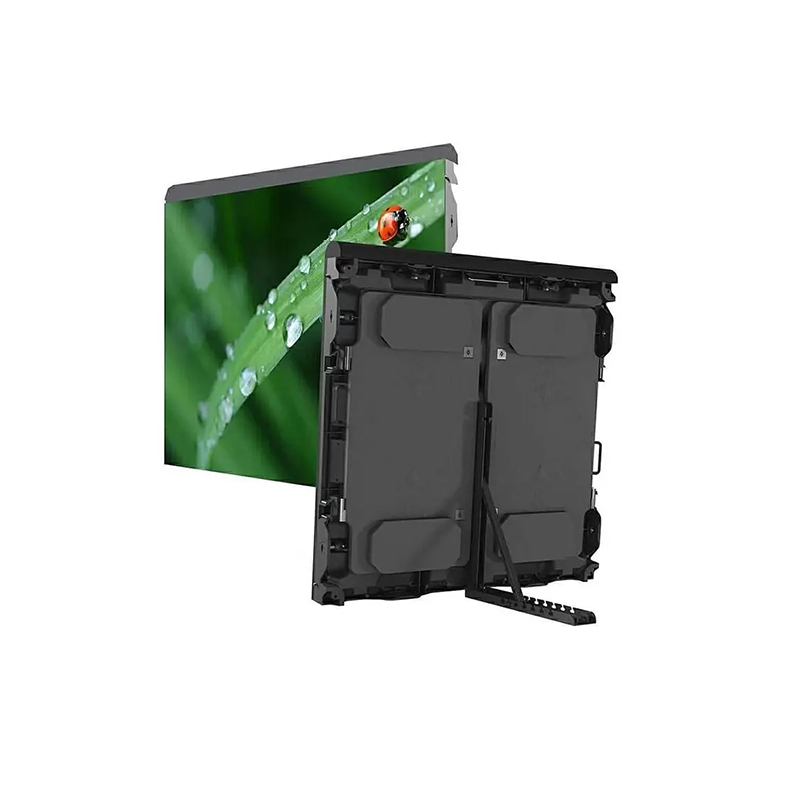
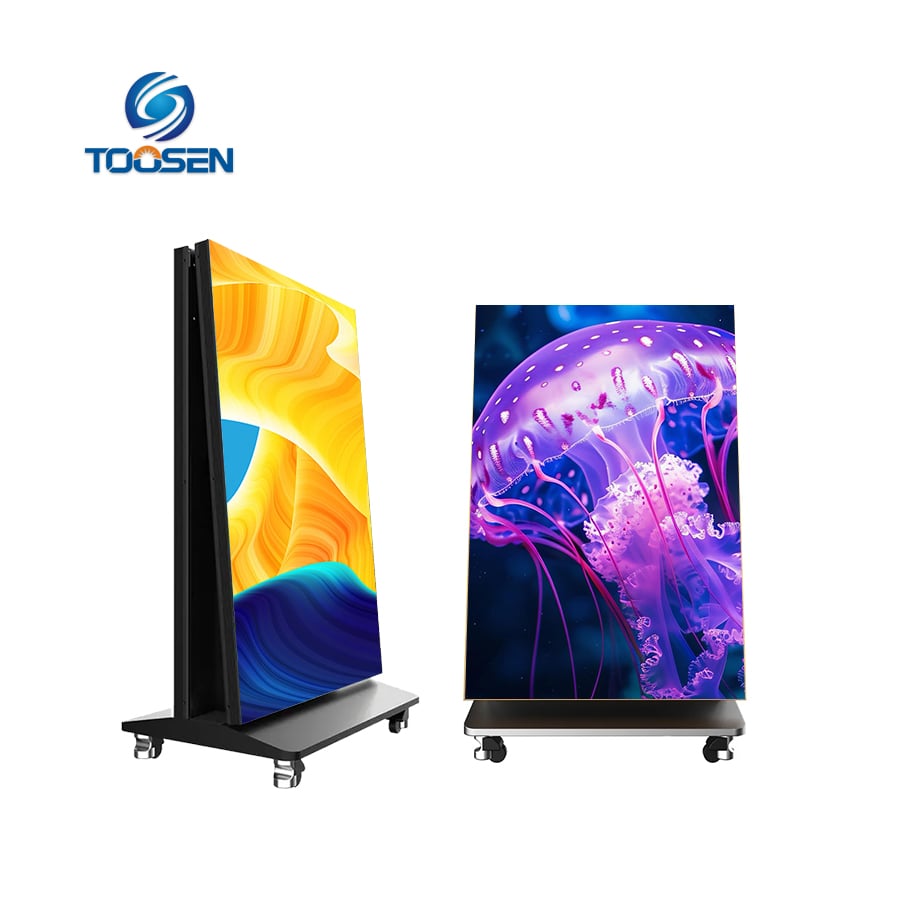
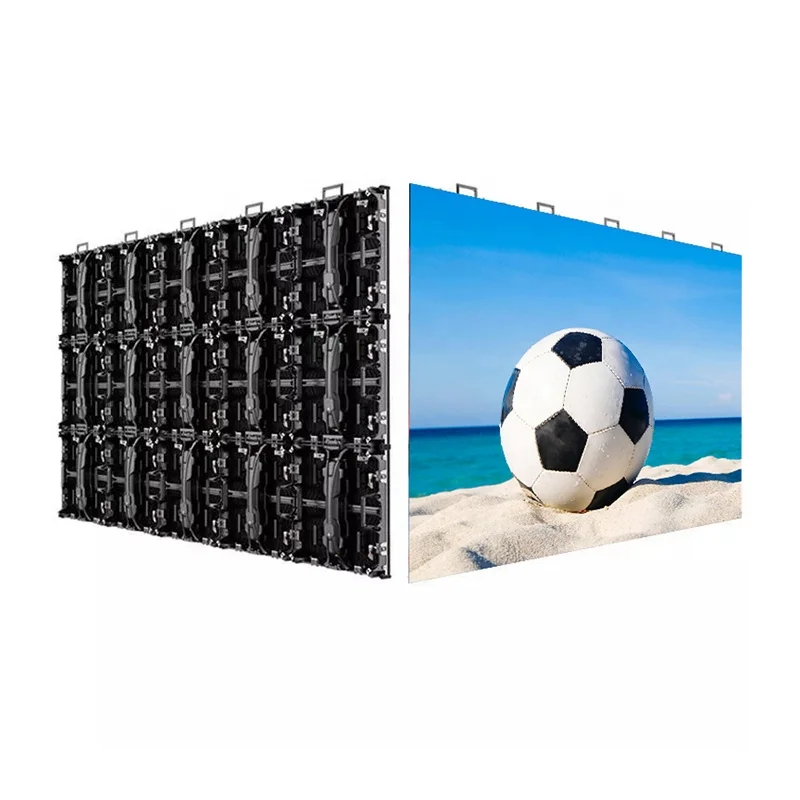
Εύκαμπτη τεχνολογία LED εξαλείφει τους περιορισμούς επίπεδων, ορθογώνιων οθονών. Επειδή τα μοντάρια μπορούν να κάμπτονται, να στρέφονται και να προσαρμόζονται σε επιφάνειες, οι σχεδιαστές μπορούν να δημιουργήσουν μια ευρεία ποικιλία δημιουργικών σχημάτων. Παρακάτω ακολουθεί μια πρακτική διάσπαση βασισμένη σε πραγματικές εφαρμογές.
1. Καμπύλες επεκτάσεις
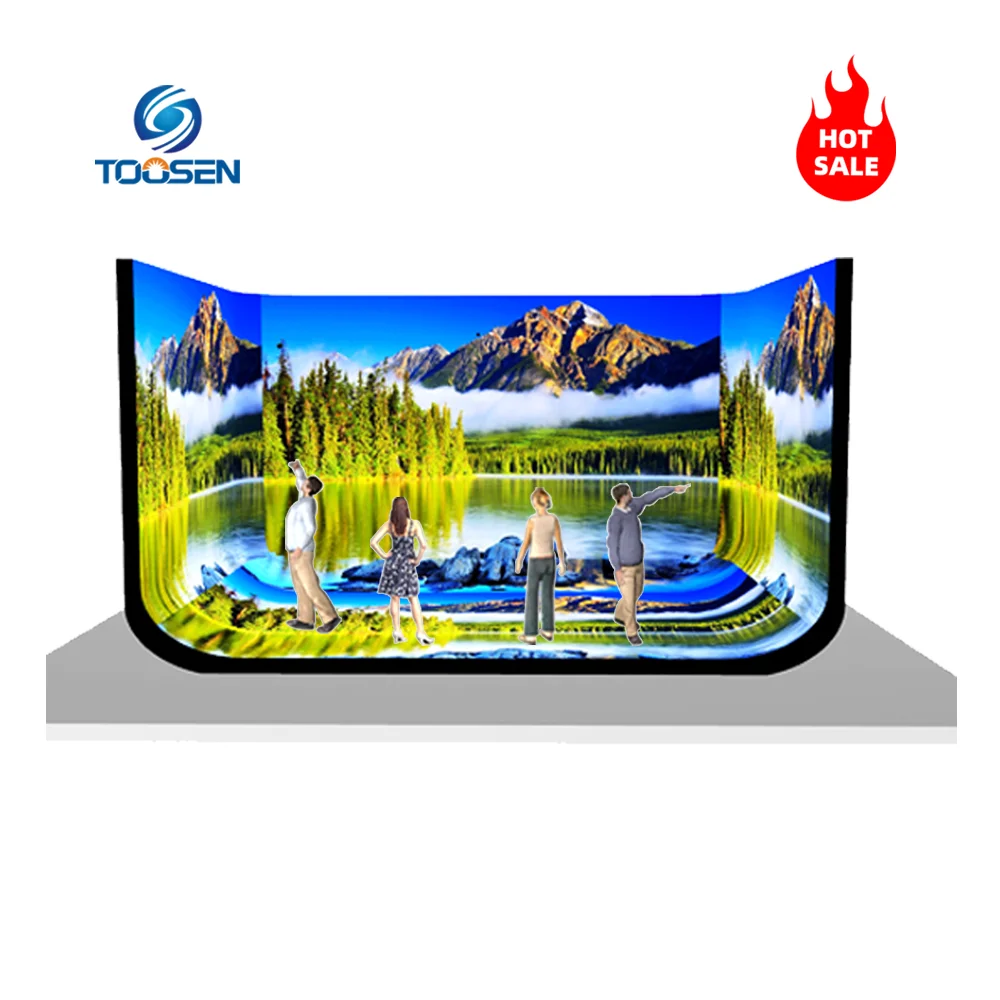
Αυτά τα σχήματα χρησιμοποιούνται ευρέως, καθώς εξισορροπούν την οπτική επίδραση με σχετικά απλή εγκατάσταση.
-
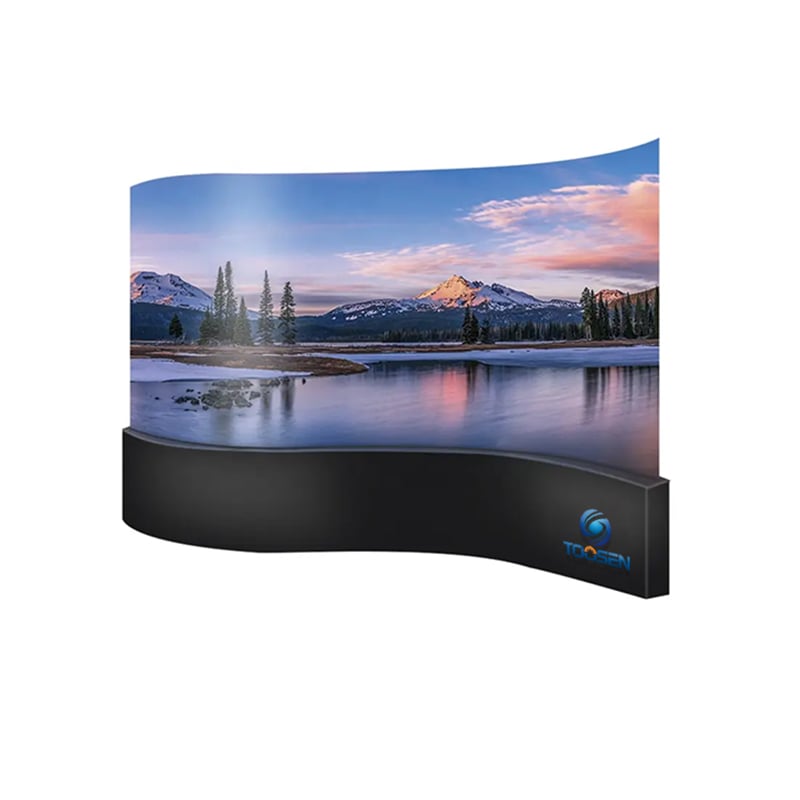
Οθόνες κυματοειδούς ή ημιτονοειδούς μορφής
Οι σχεδιαστές δημιουργούν ομαλές, ρευστές καμπύλες προς τα πάνω και προς τα κάτω. Αυτές οι οθόνες λειτουργούν καλά σε σκηνές, σε εκθεσιακούς χώρους και σε προσόψεις καταστημάτων.
-
Οθόνες σε σχήμα S ή διπλά καμπύλες
Η επιφάνεια κάμπτεται τόσο οριζόντια όσο και κατακόρυφα. Αυτό τις καθιστά ιδανικές για την περίβλεψη κολόνων, σκαλοπατιών και γωνιών κτιρίων.
-
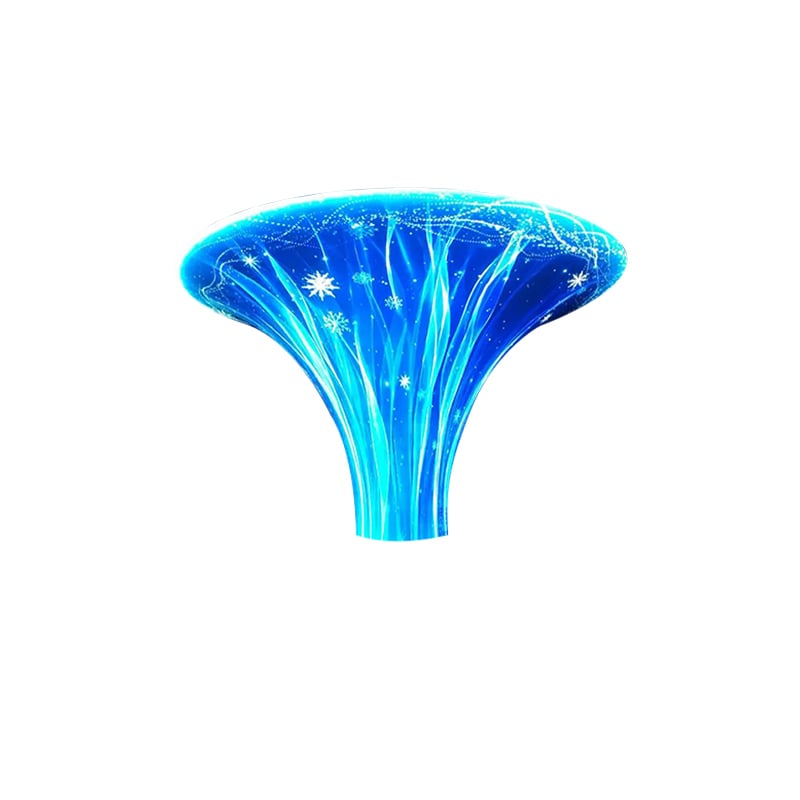
Οθόνες σε σχήμα κώνου ή τρομπέτας
Η δομή στενεύει είτε προς τα πάνω είτε προς τα κάτω. Συνήθως τις συναντάμε στις εισόδους εκθέσεων ή ως γλυπτικά εστιακά σημεία.
-
Οθόνες σε σχήμα πιάτου / δοχείου
Μπορούν να είναι κοίλες ή κυρτές. Είναι ιδιαίτερα αποτελεσματικές σε εμβυθιστικά περιβάλλοντα και εγκαταστάσεις τέχνης.
2. Κλειστές τρισδιάστατες δομές
Αυτές οι μορφές δημιουργούν ισχυρή χωρική παρουσία και χρησιμοποιούνται συχνά ως κεντρικά σημεία.
-
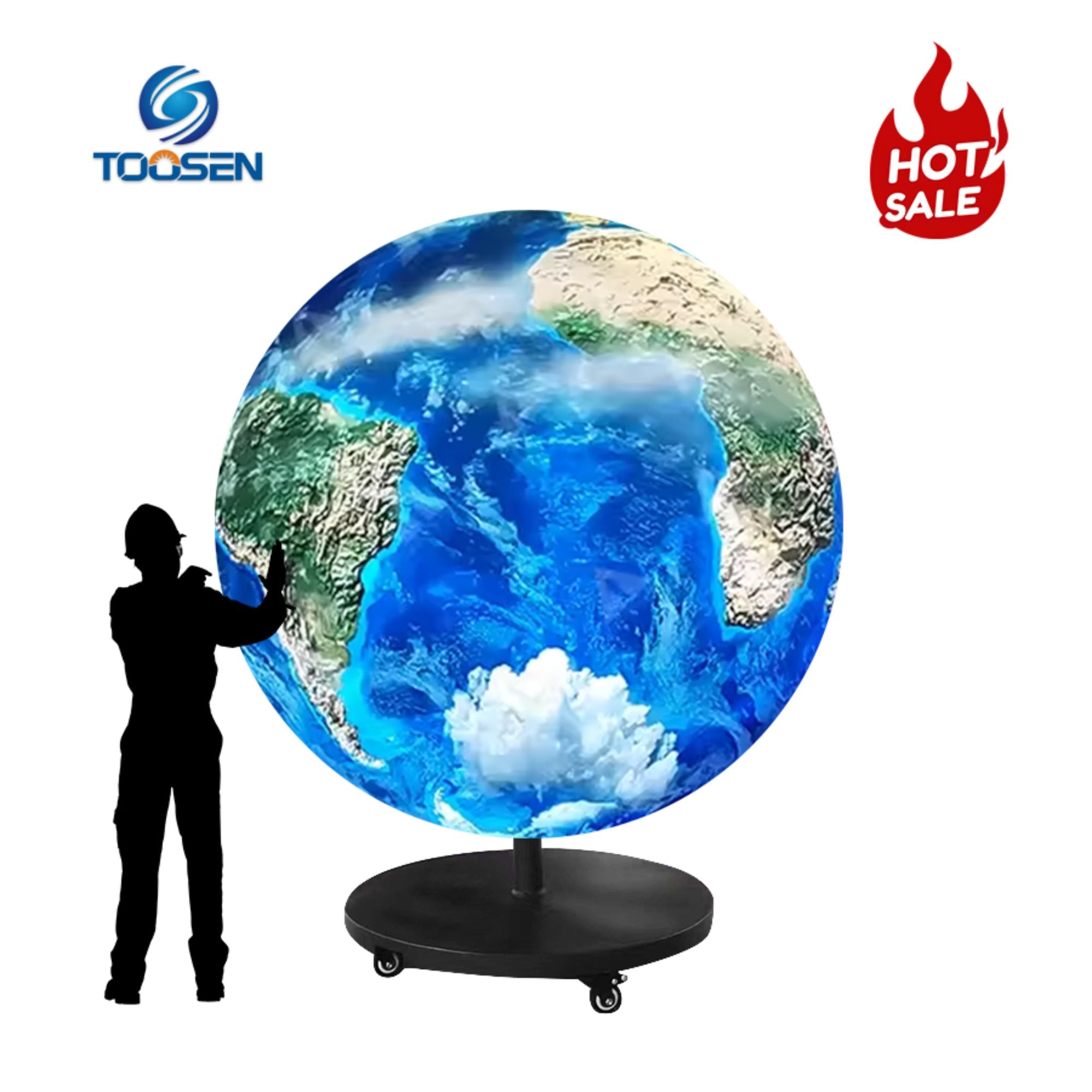
Πολύεδρες σφαίρες / πολυγωνικές γηρατζές
Αντί για μια τέλεια λεία σφαίρα, οι σχεδιαστές συναρμολογούν πολλαπλές εύκαμπτες πλάκες σε μια δομή που προσεγγίζει τη σφαιρική μορφή. Αυτή η προσέγγιση είναι ευκολότερη στην κατασκευή από τις σκληρές μονάδες.
-
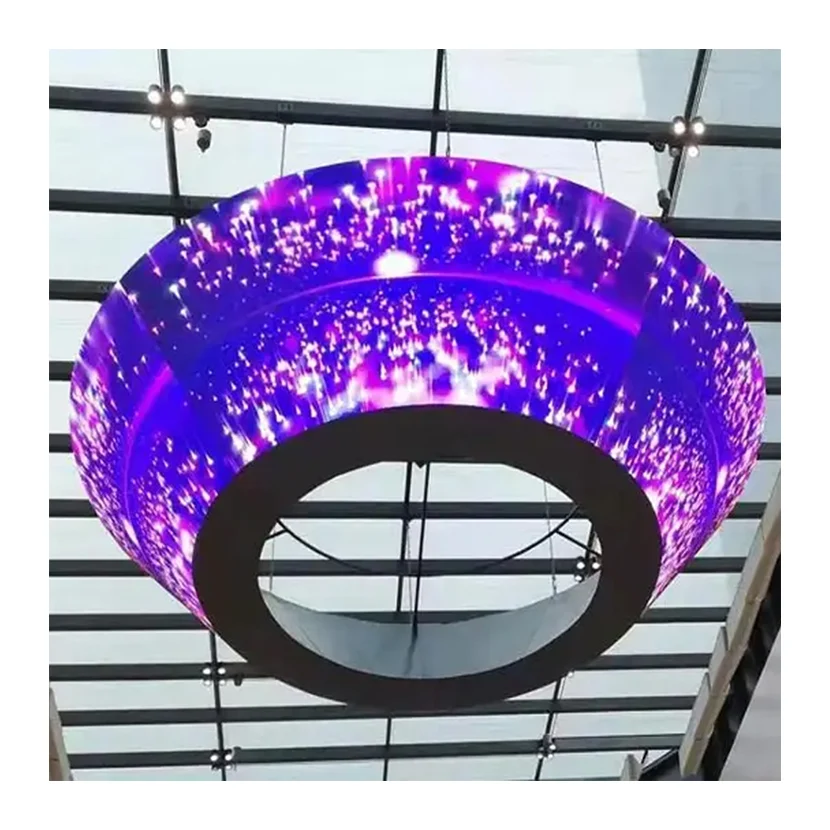
Οθόνες σε σχήμα δακτυλίου / μπουκιάς
Μπορούν να κρέμονται οριζόντια ή κατακόρυφα. Τοποθετούνται συνήθως σε αυλαίες ή πάνω από σκηνές.
-
Δομές σε σχήμα ελιάς / μύλου / αυγού
Συμμετρικές μορφές με ευρύτερο κέντρο και στενότερα άκρα. Είναι δημοφιλείς σε μουσεία επιστήμης και εκθέσεις τέχνης.
-
Σχήματα φαναριού / τυμπάνου
Στενότερα στο πάνω και κάτω μέρος, ευρύτερα στο κέντρο. Χρησιμοποιούνται συχνά σε εγκαταστάσεις με πολιτισμικό θέμα.
3. Αρχιτεκτονική Ενσωμάτωση
Οι εύκαμπτες LED οθόνες διακρίνονται όταν ενσωματώνονται απευθείας στη γεωμετρία του κτιρίου.
-
Οθόνες σε σπειροειδή σκάλα
Η οθόνη ακολουθεί την καμπύλη της σκάλας καθώς ανεβαίνει προς τα επάνω. Αυτό έχει καταστεί δημοφιλής χαρακτηριστική λειτουργία σε εμπορικά κέντρα και «Instagrammable» χώρους.
-
Στρεβλωμένες κολόνες
Η οθόνη προσαρμόζεται σε περιστρεφόμενες ή στρεβλωμένες δομικές κολόνες, διατηρώντας μια αδιάκοπη επιφάνεια.
-
Περιτύλιξη σε γωνία (σχήμα L, πλάγιες άκρες)
Οι εύκαμπτες πλάκες αντιμετωπίζουν ομαλά οξείες, αμβλείες ή γωνίες 45°, αντικαθιστώντας τις παραδοσιακές σκληρές κασέτες γωνιών.
-
Κόλπα και μερικά οροφώματα
Οι σχεδιαστές χρησιμοποιούν εύκαμπτα μόντουλ για να δημιουργήσουν ομαλές μεταβάσεις σε καμπύλα τμήματα οροφώματος, ιδιαίτερα σε μεγάλες εγκαταστάσεις σκεπών.
4. Υπερλεπτά επίπεδα δημιουργικά σχήματα
Ακόμη και σε επίπεδες εφαρμογές, η ευελιξία παρέχει μεγαλύτερη ελευθερία όσον αφορά τον τύπο του σχήματος.
-
Προσαρμοσμένα κομμένα σχήματα
Μπορείτε να κόψετε τις πλάκες σε σχήμα καρδιάς, αστεριού, τριγώνου, πολυγώνου ή εντελώς ακανόνιστων περιγραμμάτων.
-
Λωρίδες / ταινίες οθόνης
Οι υπερλεπτές λωρίδες LED δημιουργούν γραμμικά φωτιστικά αποτελέσματα και αρχιτεκτονικά περιγράμματα.
-
Κούφιες ή διαμορφωμένες οθόνες
Οι οθόνες μπορούν να περιλαμβάνουν κενά, περιγράμματα κειμένου ή αρνητικούς χώρους σε σχήμα λογότυπου.
5. Καλλιτεχνικές και υψηλής ποιότητας εγκαταστάσεις
Αυτά τα έργα διευρύνουν τα όρια της δημιουργικότητας και εμφανίζονται συχνά σε πρεμιέρ περιβάλλοντα.
-
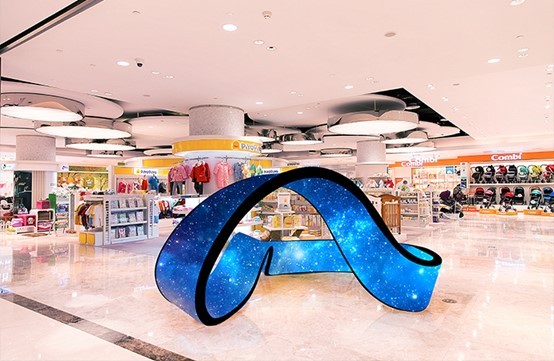
Διπλωμένες / οριγκάμι δομές
Πολλαπλά κεκλιμένα επίπεδα σχηματίζουν γεωμετρικά, γλυπτικά σχήματα.
-
Κρεμαστές εκθέσεις λωρίδων
Οι κρεμαστές εύκαμπτες λωρίδες δημιουργούν ρευστά, κινητικά οπτικά αποτελέσματα.
-
Μορφές πετάλων / φύλλων
Πολλαπλές πλάκες συνδυάζονται σε ανθοειδείς ή οργανικές συνθέσεις.
-
Εκθέσεις που προσαρμόζονται σε γλυπτά
Η οθόνη περιτυλίγεται απευθείας γύρω από ανθρώπινα σώματα, ζώα ή αφηρημένα γλυπτά, δημιουργώντας μια «ψηφιακή επιδερμίδα».
6. Κινητικές (Κινούμενες) Μορφές
Εύκαμπτα LED μπορούν επίσης να υποστηρίξουν εγκαταστάσεις βασισμένες στην κίνηση.
-
Οθόνες αναδιπλούμενες σε ρολό
Η οθόνη αναδιπλώνεται και εκτείνεται όπως ένα παραπέτασμα, ιδανική για σκηνικά και χώρους έκθεσης.
-
Περιστρεφόμενες οθόνες τύπου τυμπάνου
Το περιεχόμενο αναπαράγεται ενώ η δομή περιστρέφεται 360 μοίρες.
-
Διασταλτές οθόνες σε σχήμα ανεμιστήρα
Η οθόνη ανοίγει και κλείνει όπως ένας διπλωτός ανεμιστήρας.
7. Υπερελαφριές και Ειδικές Εφαρμογές
Αυτές οι λύσεις επικεντρώνονται στη μείωση του βάρους και σε μοναδικά περιβάλλοντα.
-
Ευέλικτες διαφανείς οθόνες
Καμπύλες, διαφανείς οθόνες LED λειτουργούν αποτελεσματικά σε προσόψεις καταστημάτων και καλλιτεχνικές εγκαταστάσεις.
-
Καμπύλες διαδραστικές οθόνες δαπέδου
Σχεδιασμένες για κλίσεις ή ανώμαλο έδαφος, συνδυάζουν ευελιξία με ικανότητα αντοχής φορτίου.
Συμπέρασμα
Οι ευέλικτες οθόνες LED δεν είναι απλώς «καμπυλωτές οθόνες»· αποτελούν ένα εργαλείο διαμόρφωσης μορφής .
Στην πράξη, οι περισσότερες εφαρμογές ανήκουν σε τρεις βασικές κατηγορίες:
-
Καμπύλες επιφάνειες για αποδοτικότητα και κλιμάκωση
-
Αρχιτεκτονική Ενσωμάτωσης για εμπορικά έργα
-
Καλλιτεχνικές εγκαταστάσεις για εμπειρίες υψηλής επιρροής
Η πραγματική αξία προέρχεται από το πόσο καλά συνεργάζονται μεταξύ τους η μορφή, η δομή και το περιεχόμενο—όχι απλώς από το πόσο περίπλοκη φαίνεται η μορφή.


 EN
EN
 AR
AR
 BG
BG HR
HR
 CS
CS
 DA
DA
 NL
NL
 FI
FI FR
FR
 DE
DE EL
EL
 HI
HI
 IT
IT JA
JA
 KO
KO
 NO
NO PL
PL PT
PT RO
RO
 RU
RU
 ES
ES
 SV
SV
 TL
TL
 ID
ID
 SR
SR
 UK
UK VI
VI
 ET
ET
 HU
HU
 TH
TH
 TR
TR
 FA
FA
 AF
AF
 MS
MS
 GA
GA
 HY
HY
 AZ
AZ
 MN
MN
 UZ
UZ