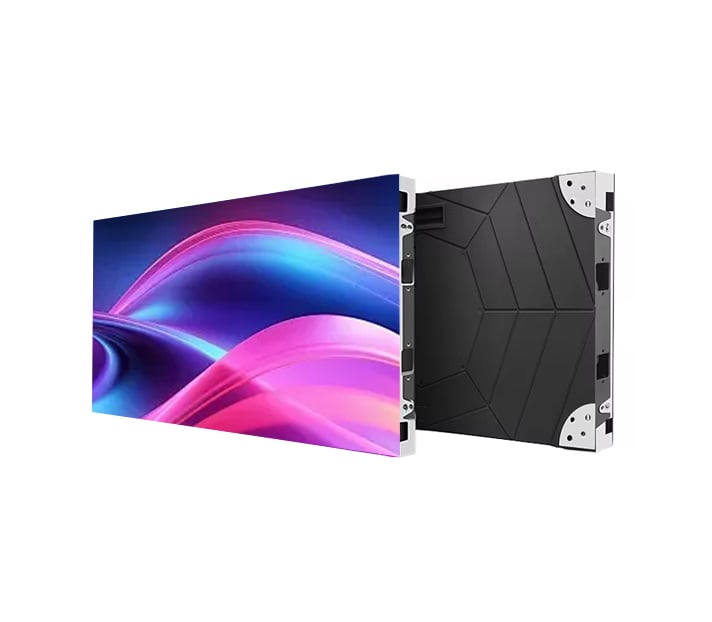
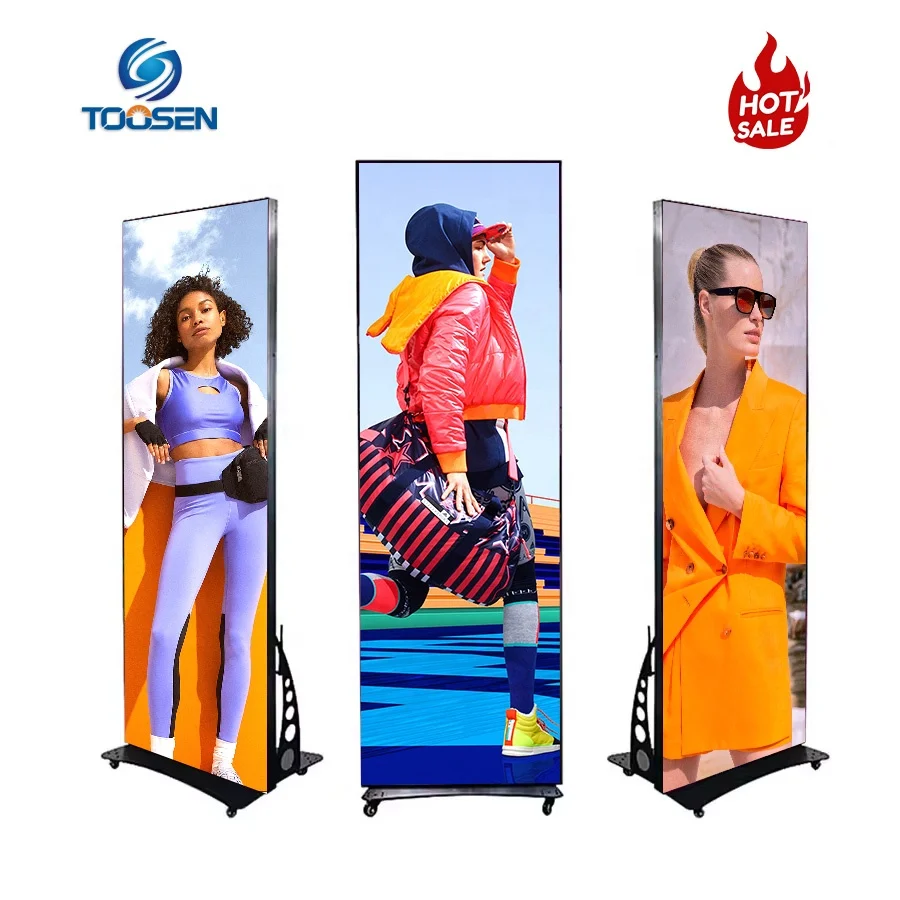
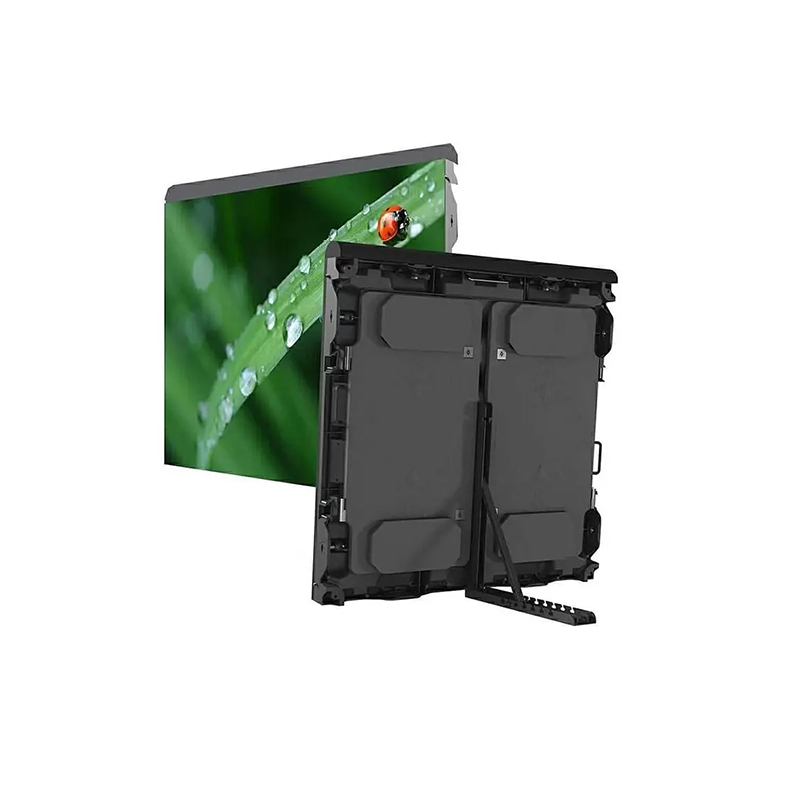
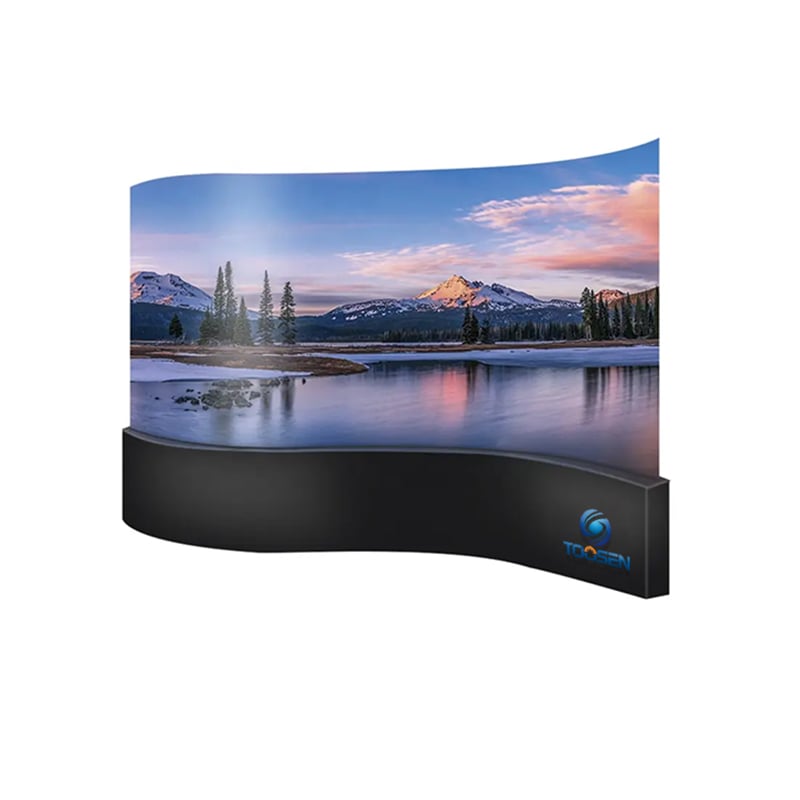
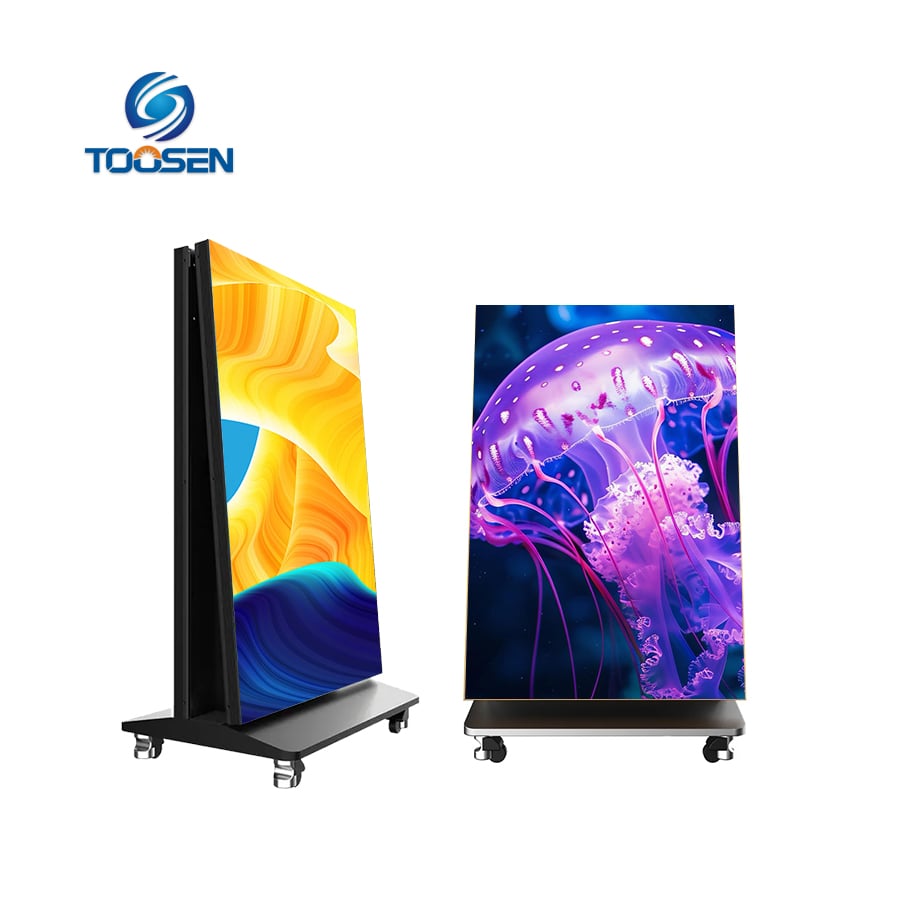
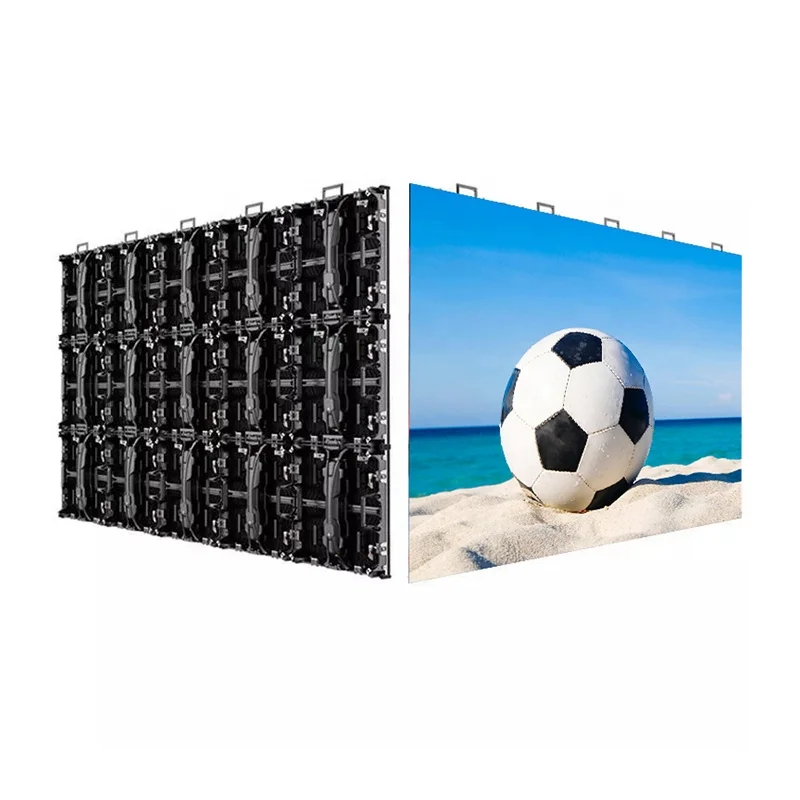
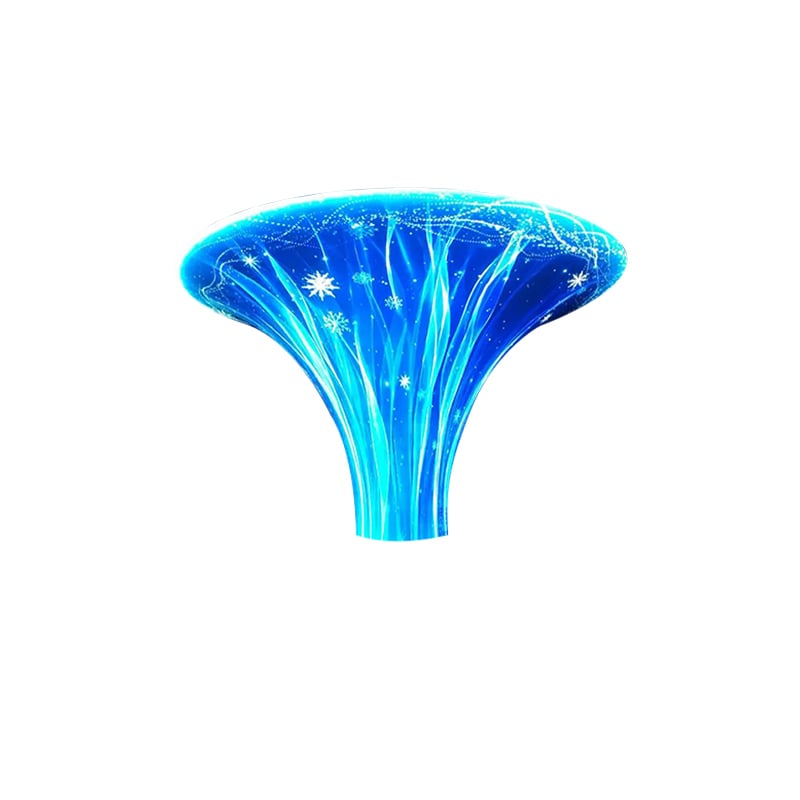
Flexible LED-Module neu definieren, was ein Display sein kann. Dank ihrer biegsamen und formbaren Struktur lösen sie sich von den starren Einschränkungen herkömmlicher rechteckiger Bildschirme. Noch wichtiger ist, dass sie Designern ermöglichen, Displays in skulpturale, augenfällige digitale Kunstwerke zu verwandeln. In der Praxis lassen sich ihre Anwendungen in drei Hauptkategorien gruppieren:
Zunächst handelt es sich hierbei um die am häufigsten vorkommenden und technisch ausgereiftesten Anwendungen. Sie beruhen auf einfachen geometrischen Transformationen, erzielen aber bereits eine starke visuelle Wirkung.
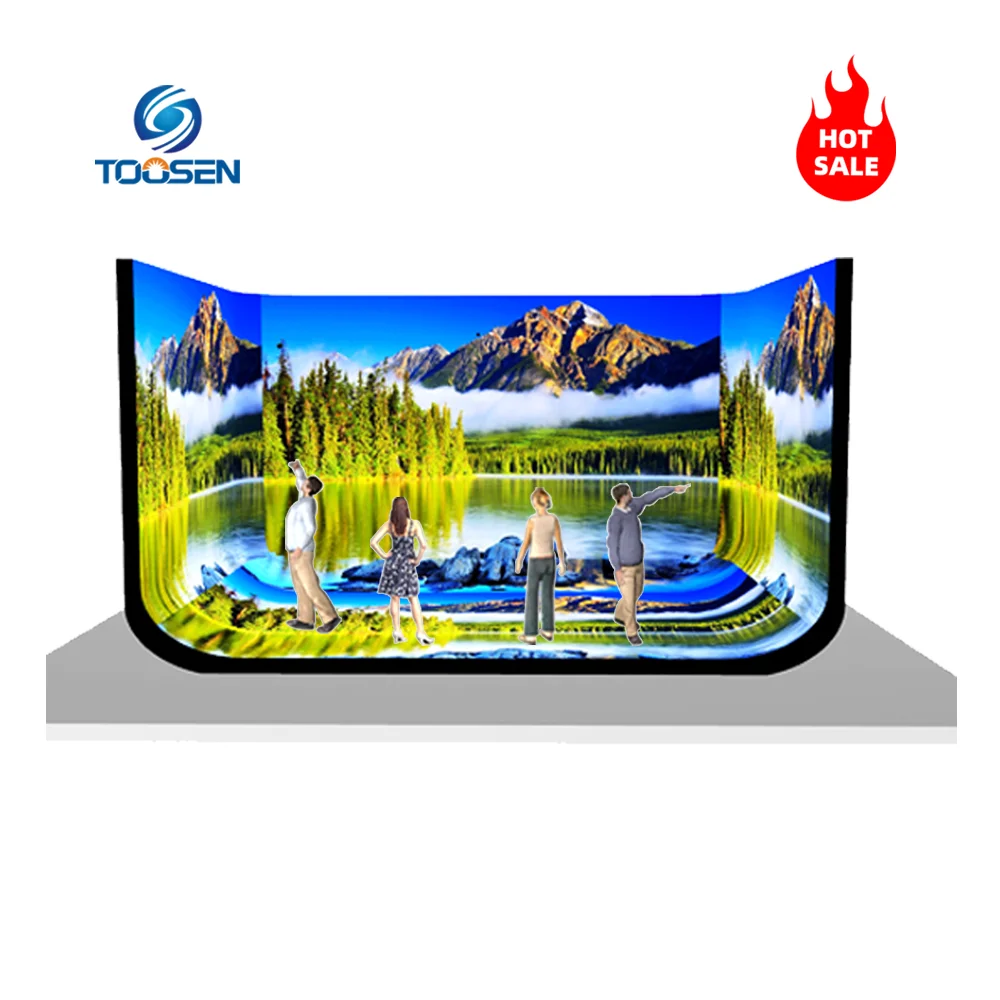
Gekrümmte Displays
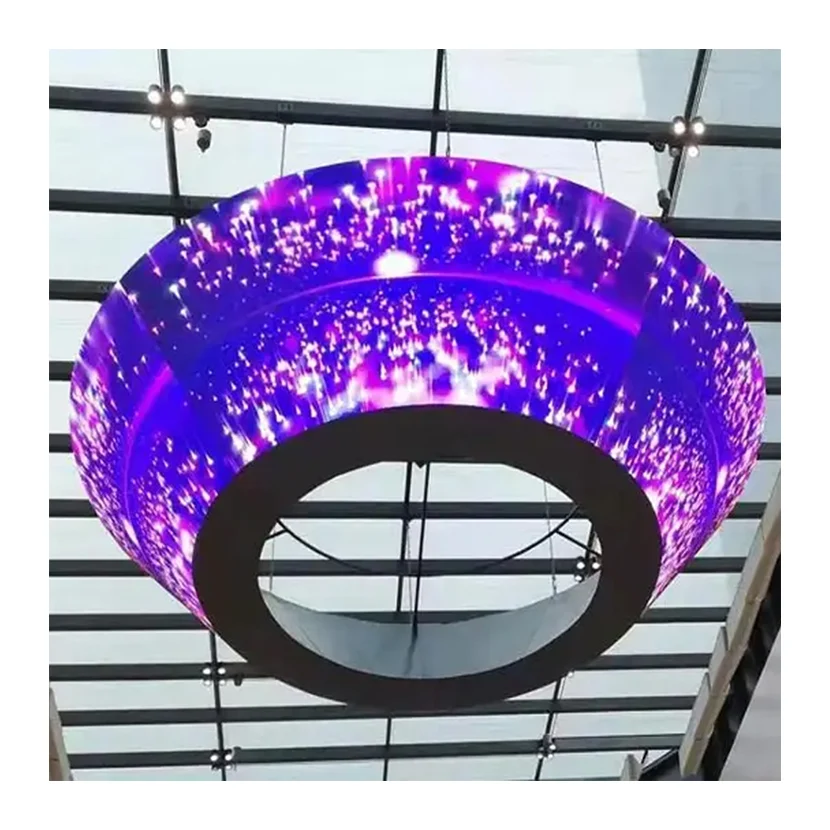
Designer können konkave oder konvexe Flächen erstellen, um Tiefe und Immersion zu verstärken. Gekrümmte Bildschirme werden daher weit verbreitet auf Bühnen, in Konferenzzentren und Ausstellungshallen eingesetzt.
Zylindrische Bildschirme
Flexible Module können nahtlos Säulen in Einkaufszentren oder Hotellobbys umhüllen. Statt strukturelle Elemente zu verbergen, verwandeln sie diese in 360°-Werbeträger oder künstlerische Displays.
Wellenförmige Displays
Durch die Einführung kontinuierlicher Wellenbewegungen ahmen diese Bildschirme die Bewegung von Wasserwellen nach. Dadurch erzeugen sie ein Gefühl von Fluss und Rhythmus und eignen sich daher ideal für kreative Ausstellungen und architektonische Fassaden.
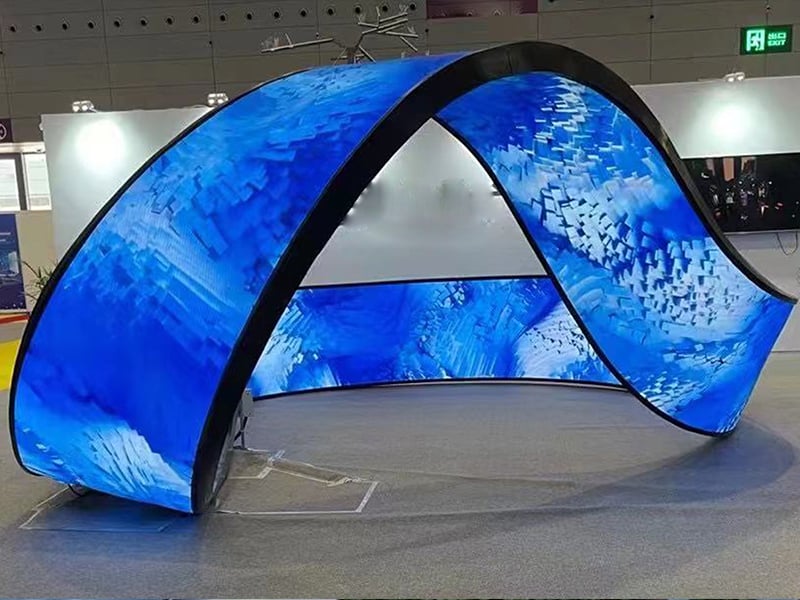
Band-Displays
Diese Installationen erinnern an schwebende Bänder, die sich durch den Raum winden und ausdehnen. Aufgrund ihrer leichten und dynamischen Form sind sie besonders beliebt in Atrien und Bühnendesigns.
Noch weiter gehend zeigen flexible Module ihr volles Potenzial bei komplexen, hochgradig maßgeschneiderten Designs wirklich erst vollständig.
Spiral-Displays
Designer können Bildschirme entlang von Treppenaufgängen oder rotierenden Strukturen ausrichten, um die visuelle Aufmerksamkeit nach oben oder nach innen zu lenken. Dadurch entsteht sowohl eine funktionale Orientierungshilfe als auch eine künstlerische Wirkung.
Kugel- und halbkugelförmige Displays
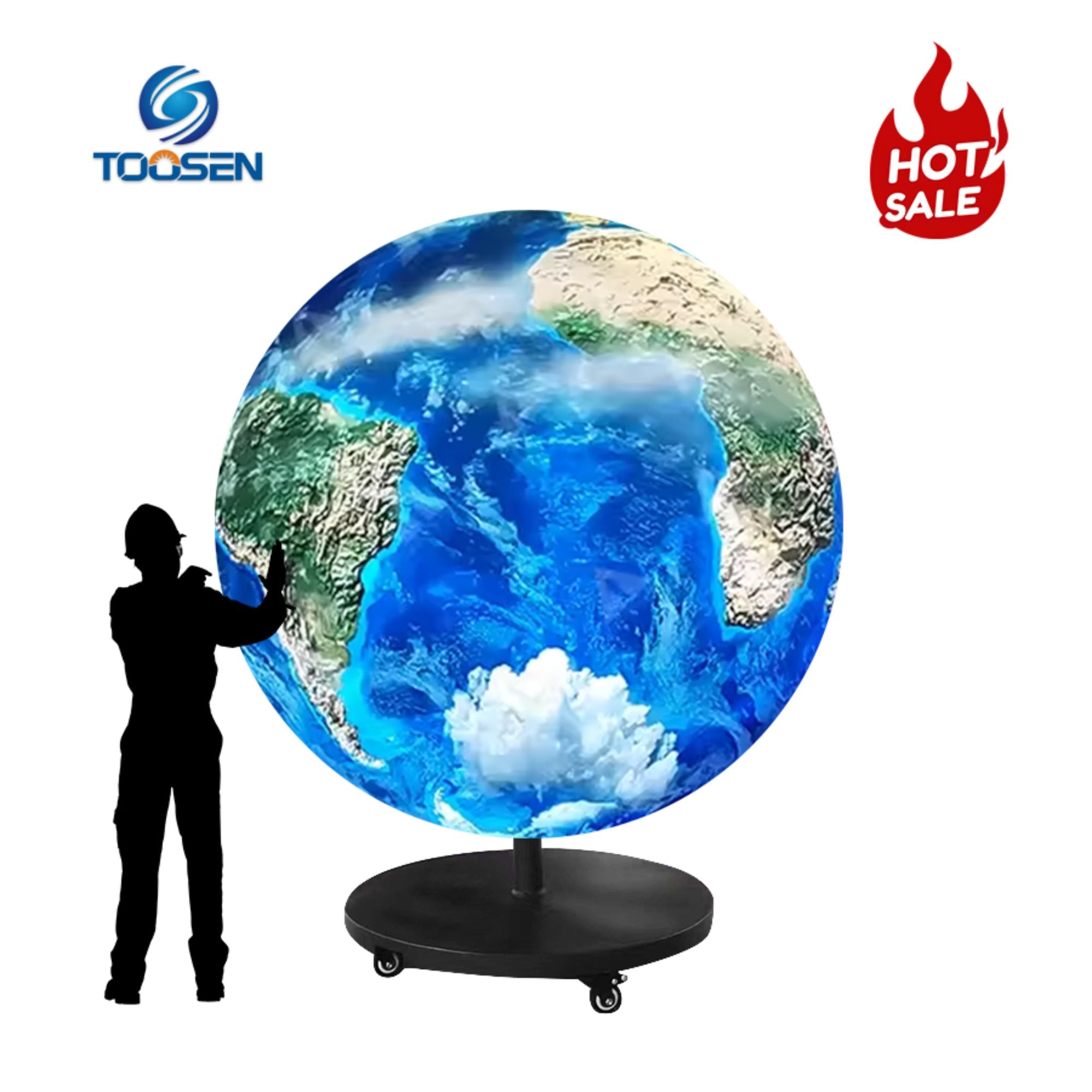
Durch präzise Montage können flexible Module vollständige Kugeln oder kuppelartige Strukturen bilden. Dadurch ermöglichen sie nahtlose 360°-Darstellungen und eignen sich daher ideal für Wissenschaftszentren, Planetarien oder markante Installationsobjekte.
Vollständig individuell gestaltete kreative Formen
Auf dieser Stufe wird nahezu jedes Konzept realisierbar:
Schließlich entfalten flexible Module in Kombination mit mechanischen Systemen oder konstruktivem Design noch dynamischere Möglichkeiten.
Drehbare Anzeigen
Durch die Unterteilung des Bildschirms in mehrere rotierende Ebenen kann jeder Bereich unabhängige Inhalte darstellen. Gleichzeitig können alle Ebenen synchronisiert werden, um eine einheitliche visuelle Erzählung zu erzeugen.
Würfel- und geometrische Arrangements
Mehrere Einheiten können zu Würfeln oder komplexen geometrischen Strukturen angeordnet werden. Diese Installationen, die häufig in großen Atrien zu sehen sind, erzielen eine starke visuelle Wirkung und architektonische Präsenz.
Im Kern liegt die wahre Stärke flexibler LED-Module in ihrer grenzenlosen Anpassungsfähigkeit. Sie dienen nicht mehr nur als einfache Informationsanzeigen, sondern integrieren sich nahtlos in Architektur und Raumgestaltung und werden zu zentralen visuellen Elementen, die sowohl Ästhetik als auch Markenidentität steigern.
 EN
EN
 AR
AR
 BG
BG HR
HR
 CS
CS
 DA
DA
 NL
NL
 FI
FI FR
FR
 DE
DE EL
EL
 HI
HI
 IT
IT JA
JA
 KO
KO
 NO
NO PL
PL PT
PT RO
RO
 RU
RU
 ES
ES
 SV
SV
 TL
TL
 ID
ID
 SR
SR
 UK
UK VI
VI
 ET
ET
 HU
HU
 TH
TH
 TR
TR
 FA
FA
 AF
AF
 MS
MS
 GA
GA
 HY
HY
 AZ
AZ
 MN
MN
 UZ
UZ