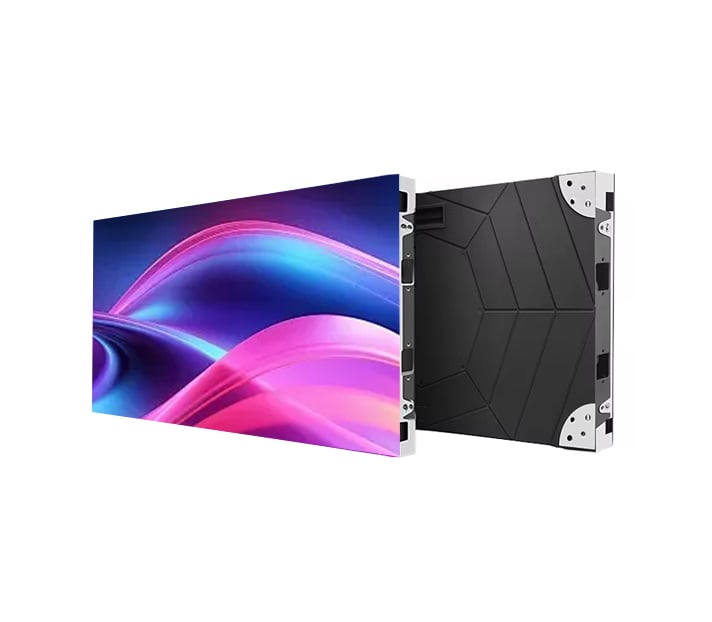
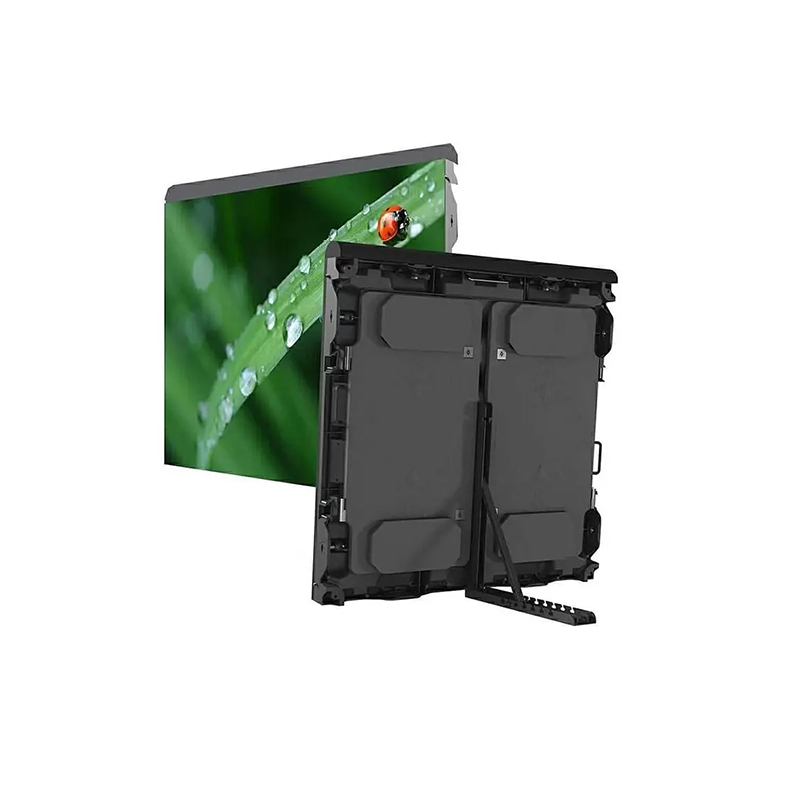
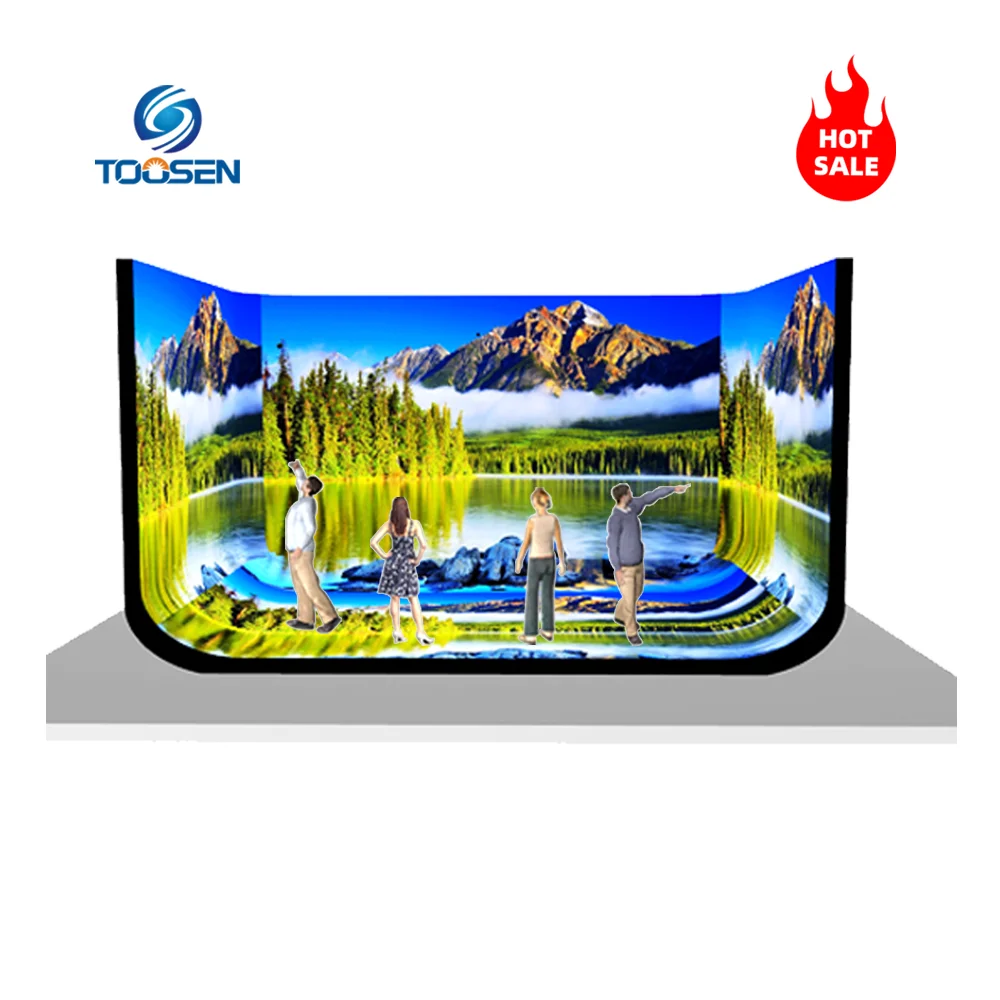
Indendørs LED-skærm installationer fokuserer typisk mere på pladsbesparelse, æstetik og let vedligeholdelse.
Vægmontering fungerer bedst for skærme under 10 kvadratmeter og med en vægt under 50 kg. I disse tilfælde kan installatører montere skærmen direkte på en bærende væg uden at efterlade ekstra plads til vedligeholdelse. Væggen skal dog være solid – f.eks. armeret beton eller en konstruktion med indbyggede bjælker. Hulmurvægge eller lette skillevægge kan ikke bære denne monteringsmetode.
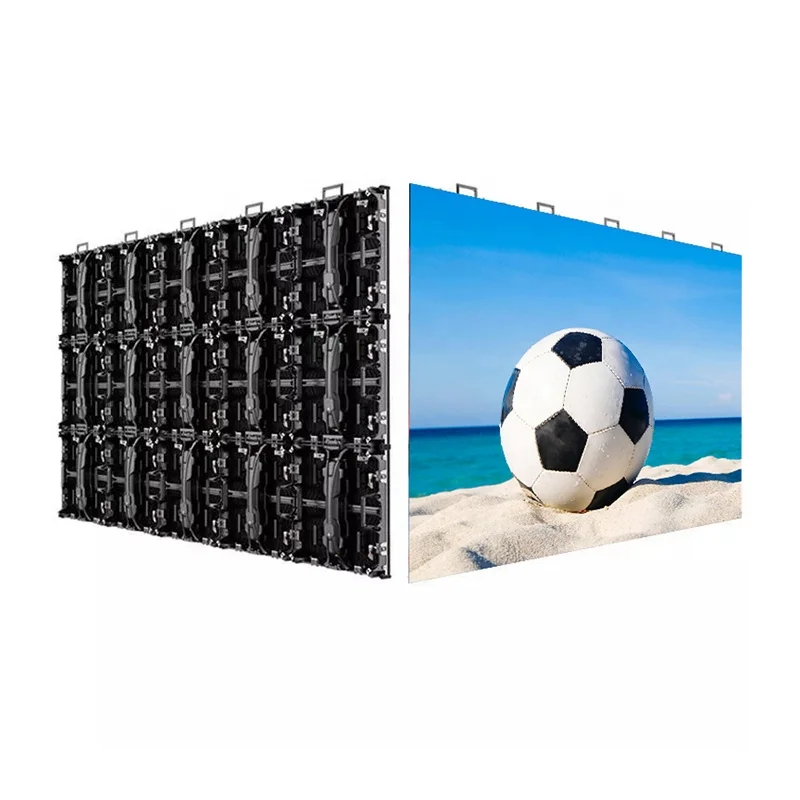
For større og tungere skærme (over 50 kg eller bredere end 1200 mm) bruger installatører ofte roterende beslag. Denne konstruktion gør det muligt at svinge skærmen ud, hvilket skaber adgang til vedligeholdelse uden behov for plads bag skærmen.
Rammemontering er velegnet til skærme større end 10 kvadratmeter. Den giver bedre strukturel støtte og forenkler vedligeholdelsen. Selvom de generelle krav til væggen forbliver næsten de samme, forbedrer den tilføjede ramme stabiliteten og servicevenligheden.
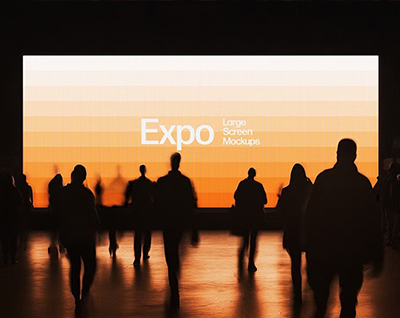
Selvom denne installationsmetode er mindre almindelig udendørs, forekommer den ofte ved butiksskiltning, især til overskriftsdisplays over indgangsdøre. Denne metode er bedst egnet til displays under 10 kvadratmeter og kræver en passende overliggende konstruktion, f.eks. en bjælke eller en stenskrans.
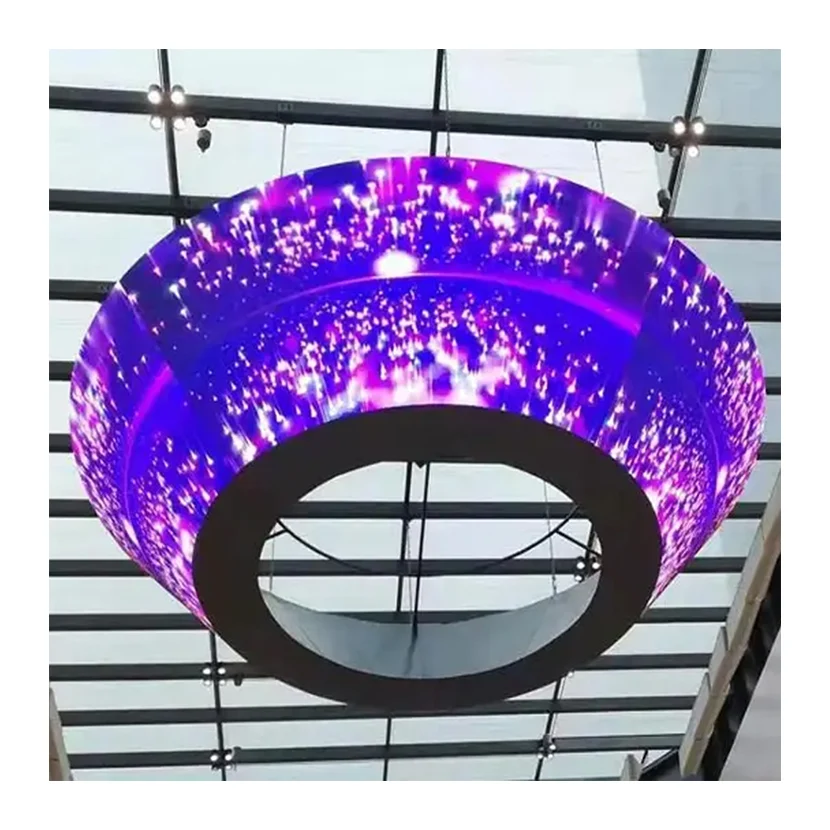
Installatører tilføjer normalt en bagsideplade til beskyttelse. Indendørs bruges ofte standard suspensionskomponenter, der forankres i betondækket, mens stålbjælker muligvis kræver wireline-systemer. For at opnå et renere udseende skjules suspensionsystemet typisk med dekorativ rørledning, der matcher displayet.
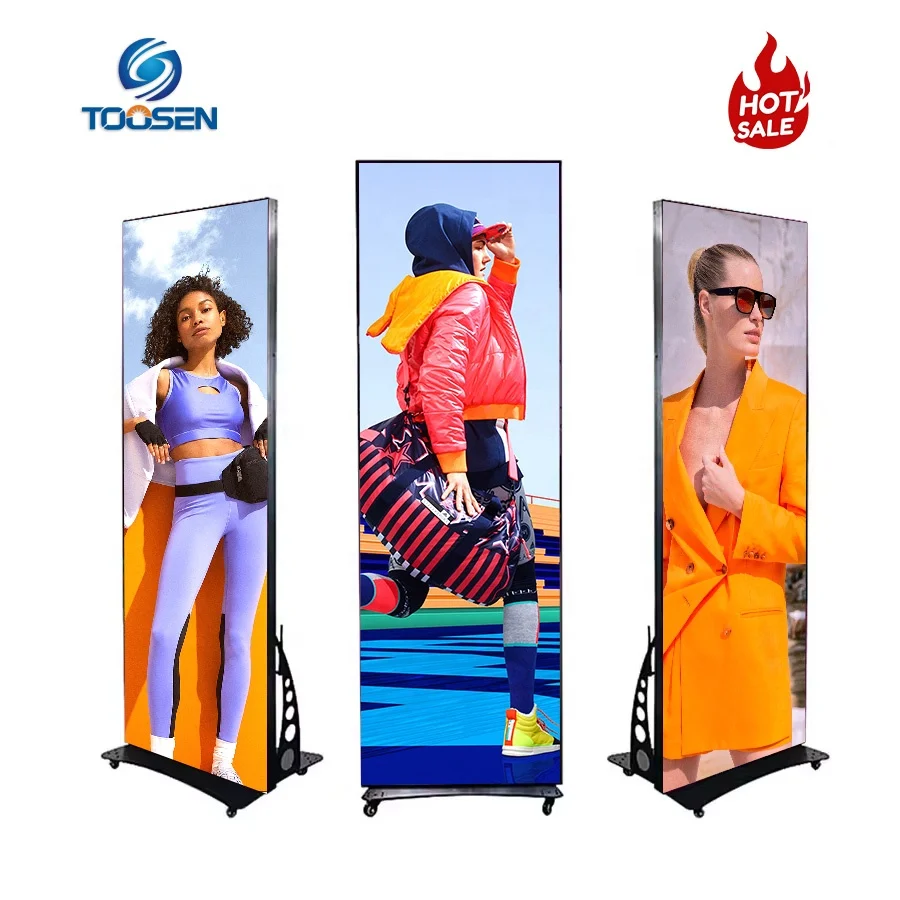
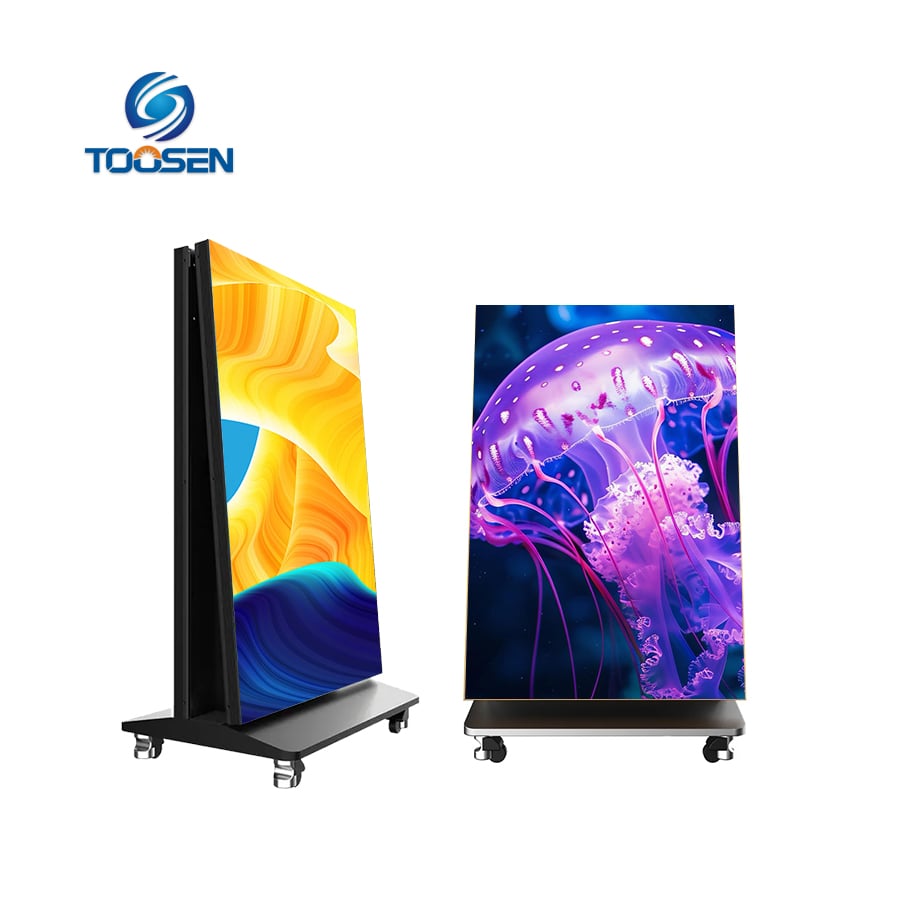
Gulvunderstøttede installationer falder i to kategorier:
Sammenfattende set afhænger valget af den rigtige monteringsmetode af flere variable, herunder skærmstørrelse, vægt, miljø og vedligeholdelseskrav.
 EN
EN
 AR
AR
 BG
BG HR
HR
 CS
CS
 DA
DA
 NL
NL
 FI
FI FR
FR
 DE
DE EL
EL
 HI
HI
 IT
IT JA
JA
 KO
KO
 NO
NO PL
PL PT
PT RO
RO
 RU
RU
 ES
ES
 SV
SV
 TL
TL
 ID
ID
 SR
SR
 UK
UK VI
VI
 ET
ET
 HU
HU
 TH
TH
 TR
TR
 FA
FA
 AF
AF
 MS
MS
 GA
GA
 HY
HY
 AZ
AZ
 MN
MN
 UZ
UZ