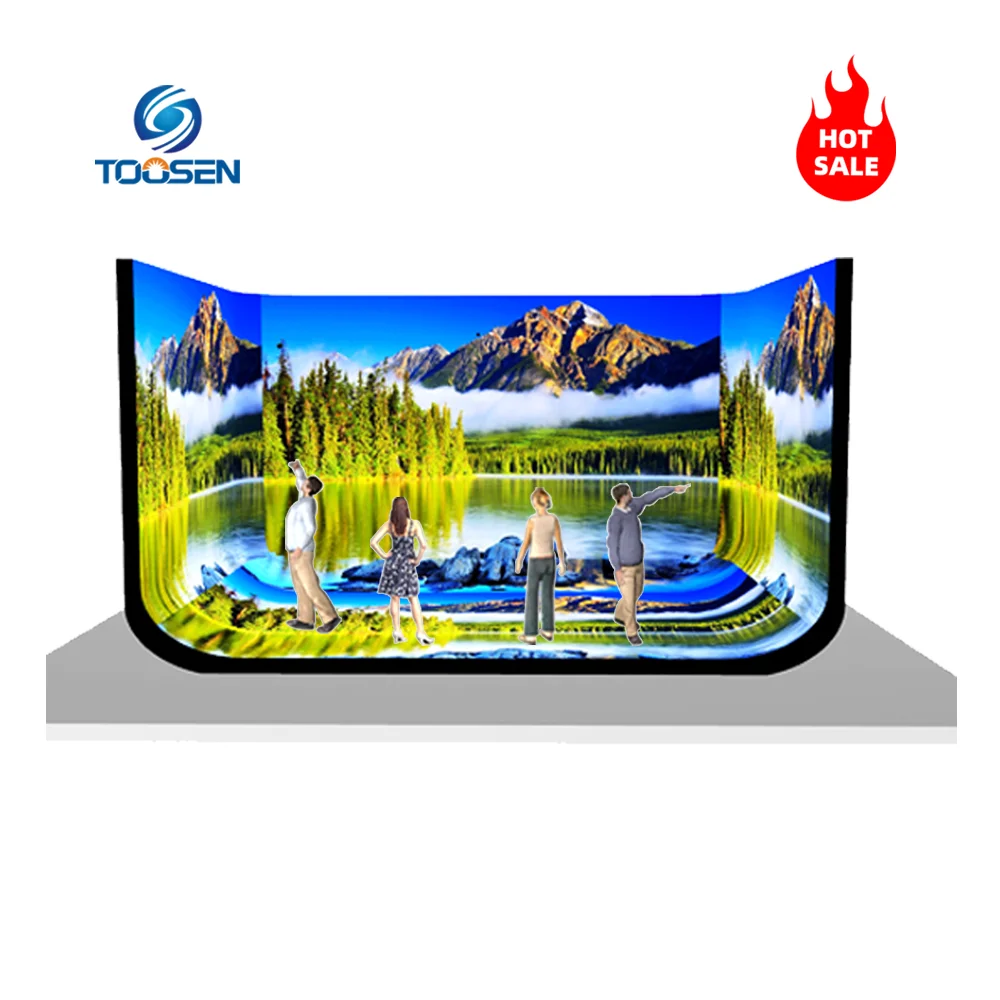
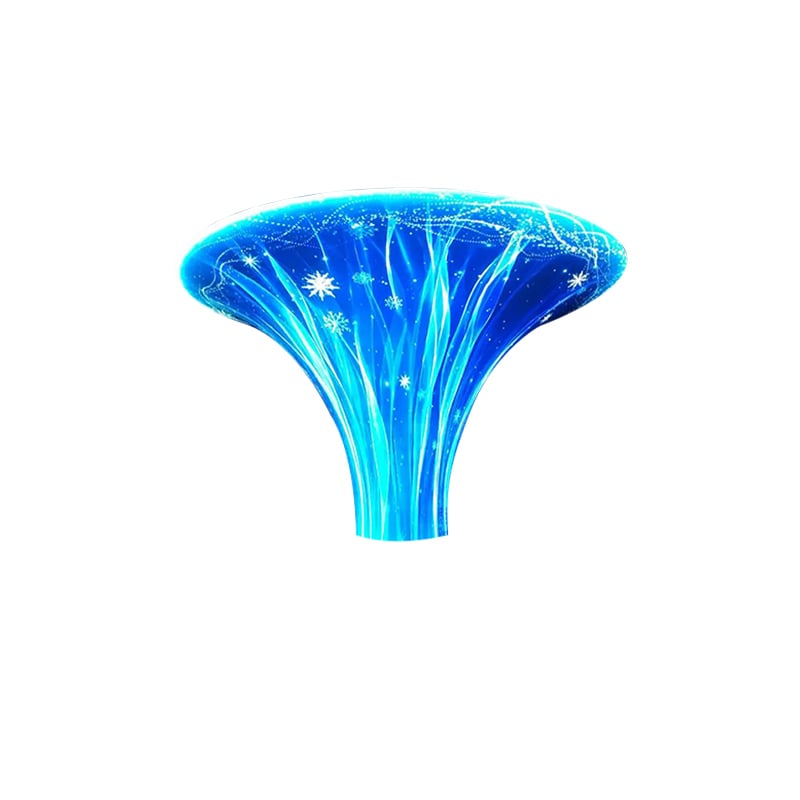
Kreative LED-skærme er blevet et kerneværktøj til visuel præsentation ved moderne fashion shows. De gør mere end blot at pynte scenen – de definerer stemningen, forstærker fortællingen og forstærker brandidentiteten. Når de anvendes strategisk, kan LED-skærme omdanne en almindelig catwalk til en fuldt immersiv oplevelse.
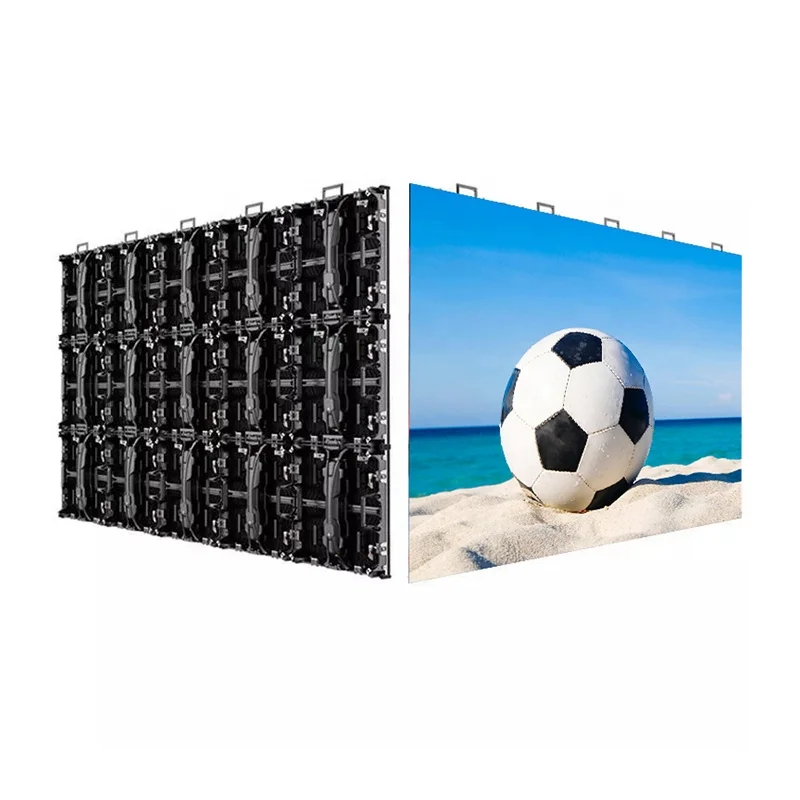
For det første etablerer dynamiske LED-baggrundsvægge øjeblikkeligt showets tema. Designere bruger dem til at afspille brandfilm, flydende lys-effekter eller naturlige landskaber. Som resultat opnår hele lokalerne en sammenhængende visuel identitet inden for få sekunder.
Dernæst tilføjer LED-katwalk-gulvskærme en kraftfuld dimension af immersion. Modellerne går ikke bare – de interagerer med bevægelse under deres fødder. Visuelle effekter som strømmende vand, flammer, stjernehimle eller geometriske mønstre bevæger sig i takt med showets rytmik og forstærker stemningen betydeligt. Avancerede LED-gulvsystemer med indbyggede sensorer kan endda reagere på bevægelse i realtid, så hvert skridt føles dynamisk og levende.
Desuden integrerer designere i stigende grad LED-teknologi direkte i tøjet. Ved at indlejre fleksible LED-striber, optiske fibre eller lysende stoffer i beklædning kan de gøre det muligt for outfits at skifte farve, blinke eller vise mønstre under gåturen. Denne tilgang fører mode ind i en fusion af teknologi og kunst og skaber uglemmelige øjeblikke på løbebanen.
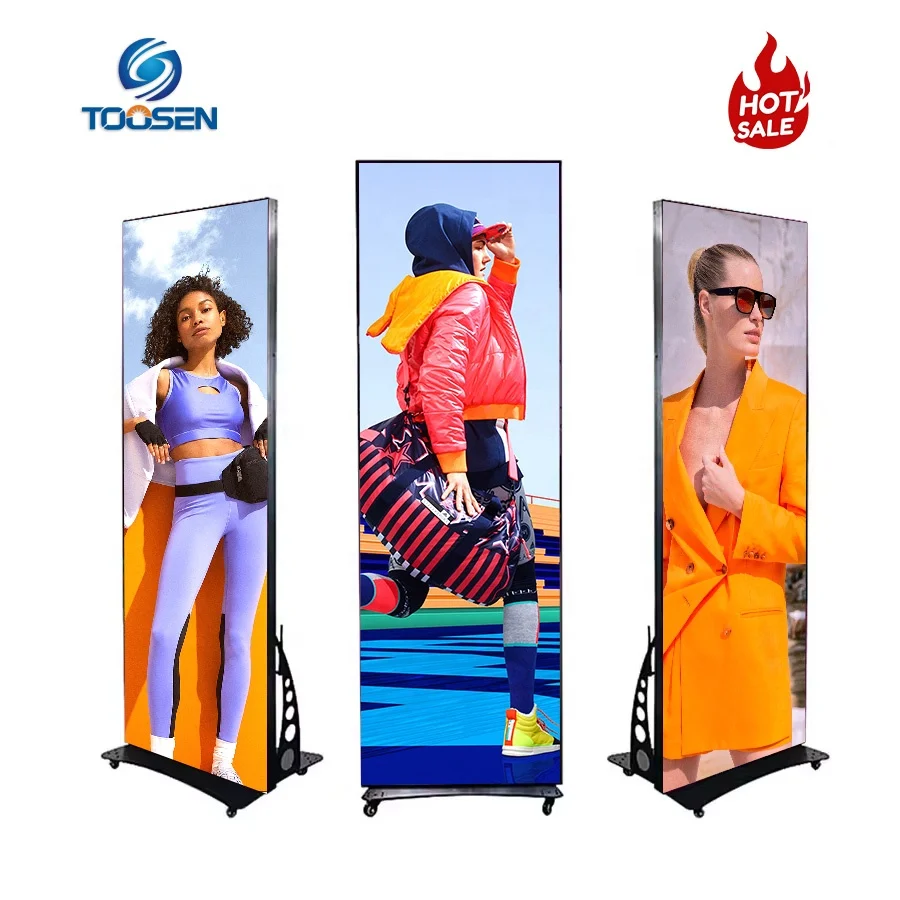
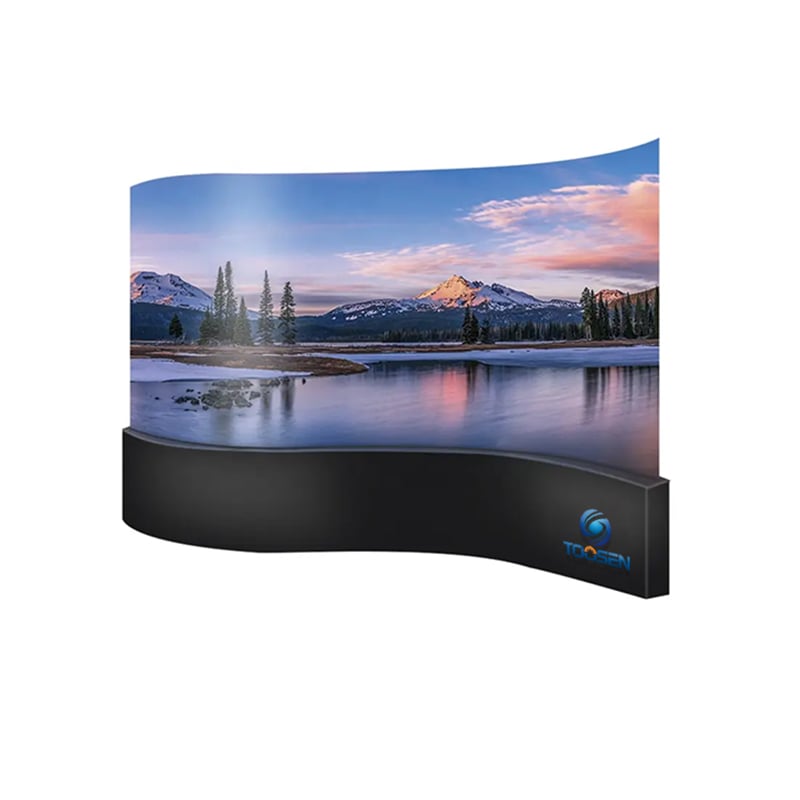
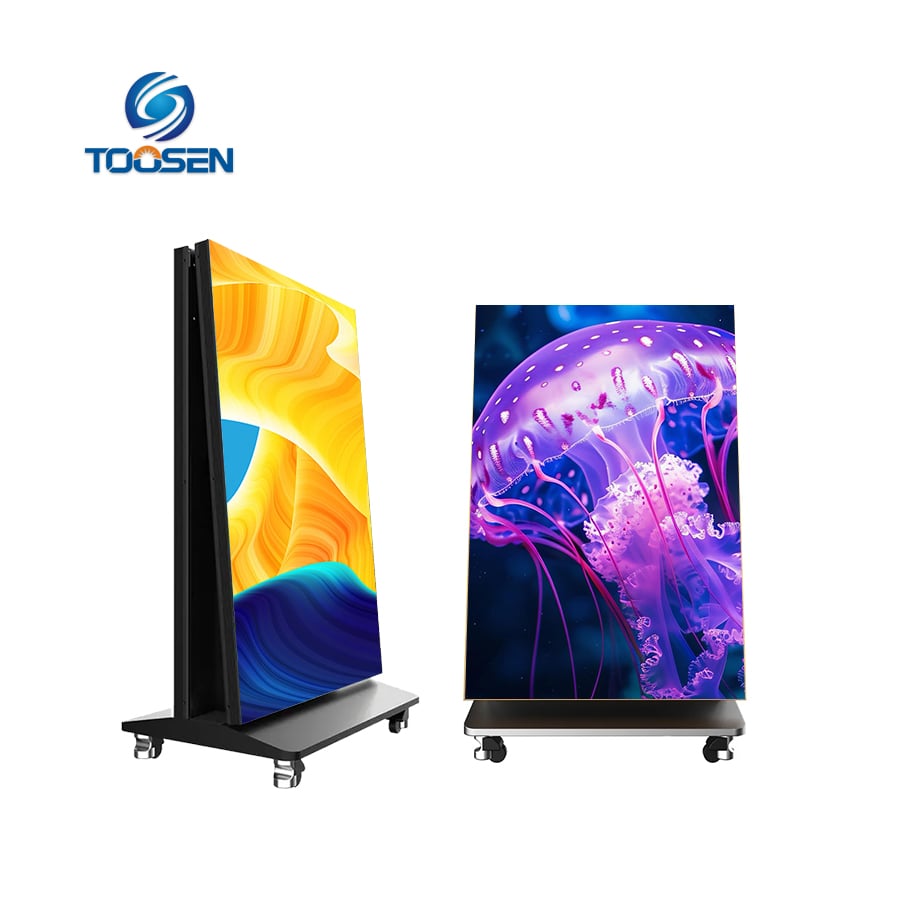
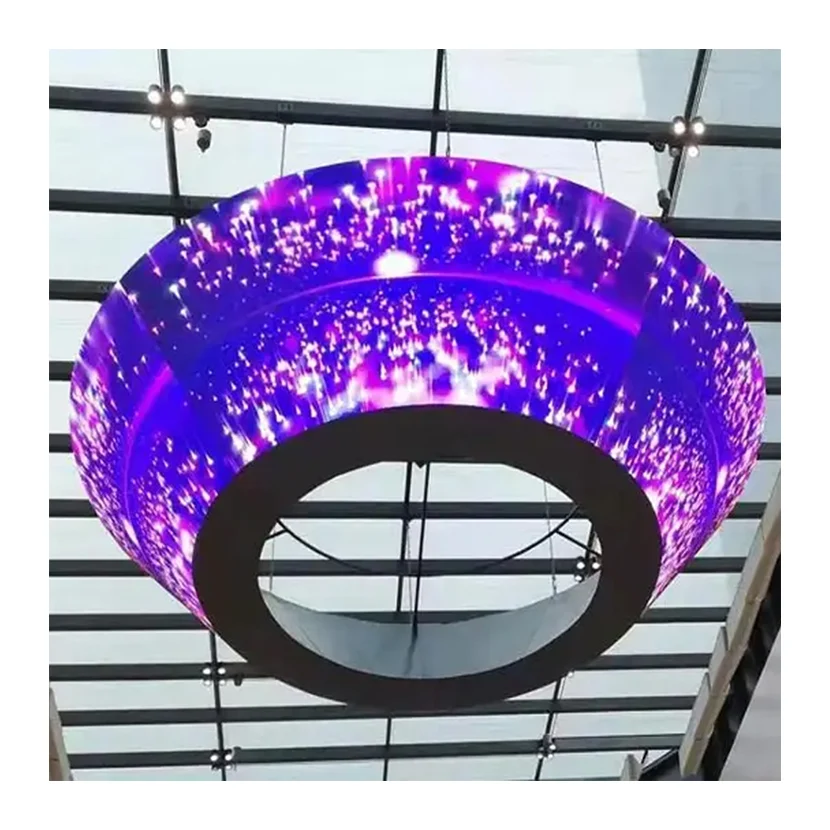
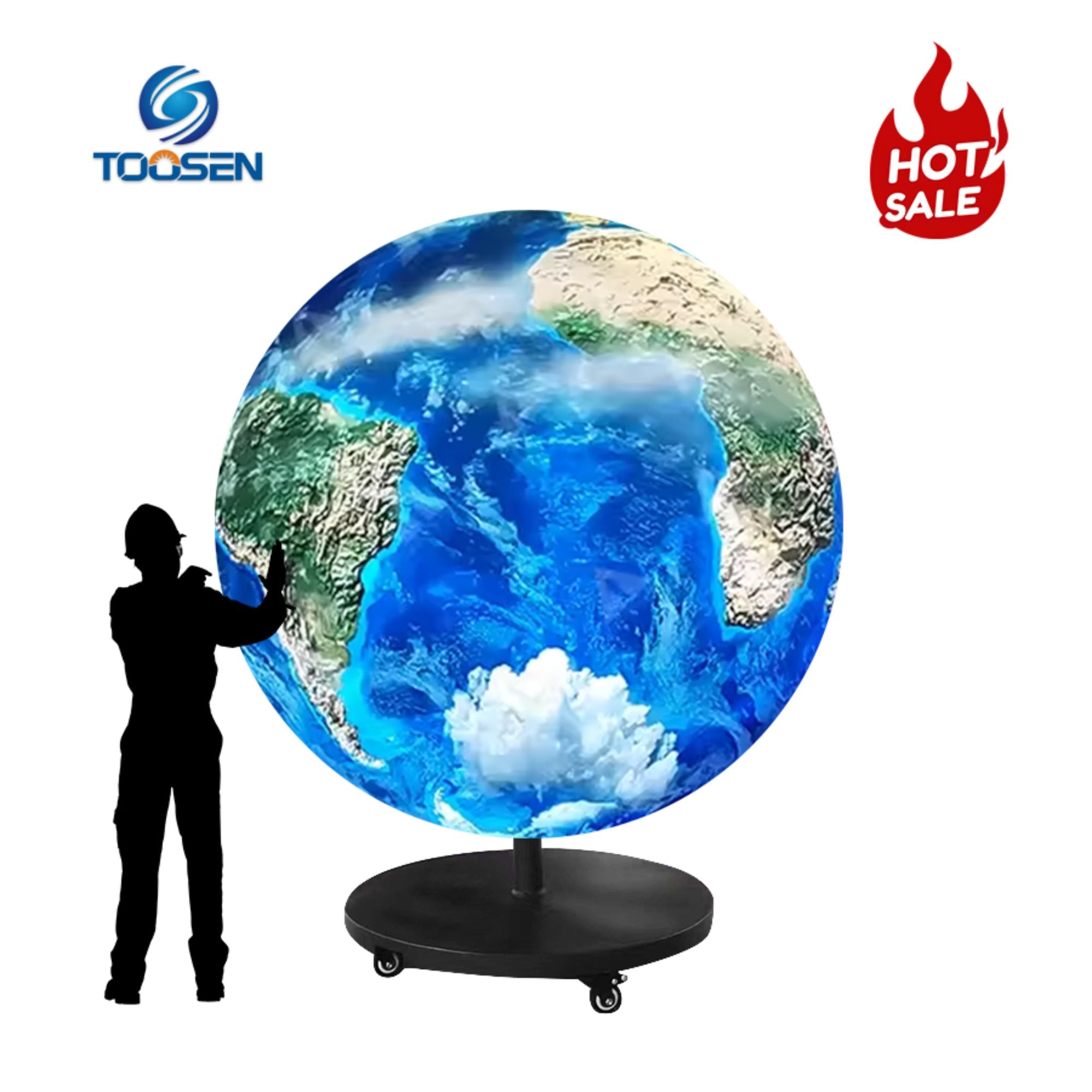
Derudover erstatter kreative LED-strukturer – såsom cirkulære, buede, søjleformede eller hængende displays – traditionelle scenesæt. Disse installationer fungerer som kinetiske kunstværker og giver showet en mere moderne og eksklusiv æstetik, samtidig med at de tilbyder større fleksibilitet i scenedesignet.
Endelig tilføjer interaktive og realtidsvisuelle elementer et overraskelseselement. Live-kameraviser, øjeblikkelige visuelle effekter og forstærkede overlays giver publikum og medier mulighed for at opleve noget unikt i hvert øjeblik, hvilket øger engagement både på stedet og online.
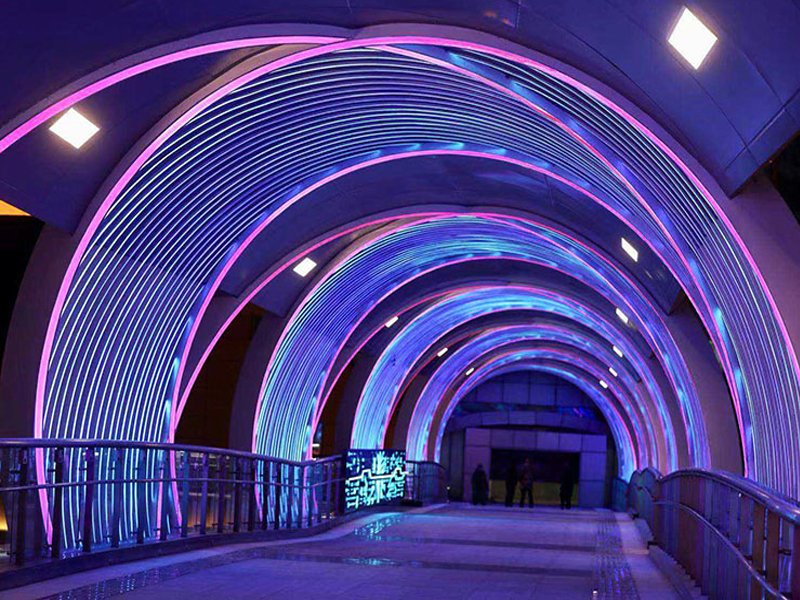
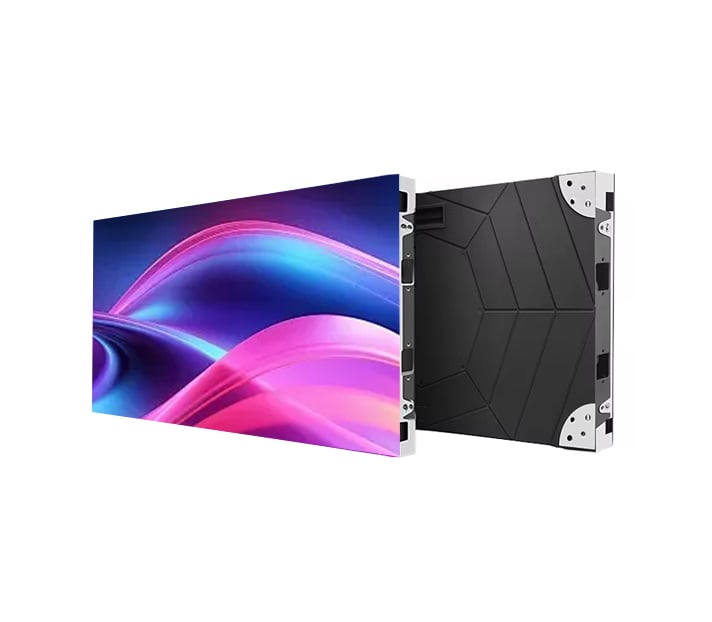
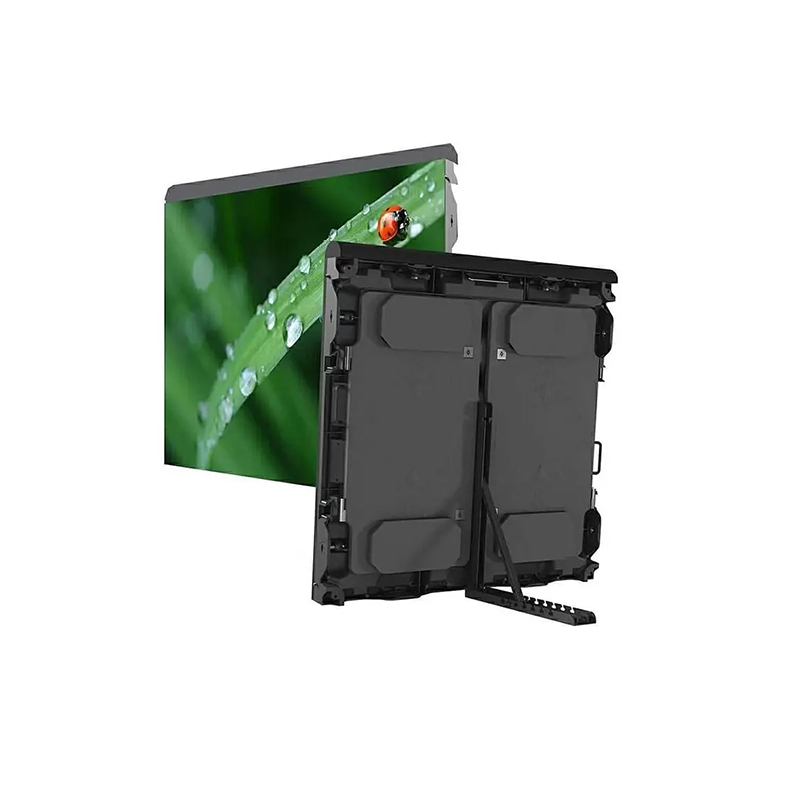
For at yde godt i en fashion show-miljø skal LED-displayene opfylde flere tekniske krav. De skal være lette og tynde for nem installation, samtidig med at de tilbyder høje opdateringshastigheder og høje gråtoneniveauer for at sikre flikkerfri optagelse. Stærk farvesaturation og høj kontrast er afgørende for kameraydelsen og hjælper tøjet til at se levende og sofistikeret ud på skærmen.
Samtidig gør fleksible moduler buede og uregelmæssige designmuligheder mulige, hvilket er afgørende for kreative scenekoncepter. Nætterløs samling sikrer visuel sammenhæng og bevares den samlede æstetik uden forstyrrende huller eller linjer.
Forskellige modeemner drager fordel af forskellige LED-visuelle stilarter. For eksempel bruger traditionelle eller kulturelle shows ofte landskaber, tuschmaling-animationssekvenser eller fyrværkeri til at skabe en poetisk stemning. Futuristiske kollektioner bygger derimod på cyberpunk-visuelle effekter, neonbelysning og dynamiske digitale mønstre. Minimalistiske luksusmærker foretrækker i mellemtiden rene gradienter og subtile lysovergange for at understrege elegance.
Kort sagt er kreative LED-display ikke længere valgfrie ved high-end-modefashionshows – de er en strategisk ressource. De hæver produktionsværdien, skaber virale visuelle øjeblikke og hjælper mærker med at skille sig ud i en stadig mere konkurrencedygtig og billeddrevet branche.
 EN
EN
 AR
AR
 BG
BG HR
HR
 CS
CS
 DA
DA
 NL
NL
 FI
FI FR
FR
 DE
DE EL
EL
 HI
HI
 IT
IT JA
JA
 KO
KO
 NO
NO PL
PL PT
PT RO
RO
 RU
RU
 ES
ES
 SV
SV
 TL
TL
 ID
ID
 SR
SR
 UK
UK VI
VI
 ET
ET
 HU
HU
 TH
TH
 TR
TR
 FA
FA
 AF
AF
 MS
MS
 GA
GA
 HY
HY
 AZ
AZ
 MN
MN
 UZ
UZ