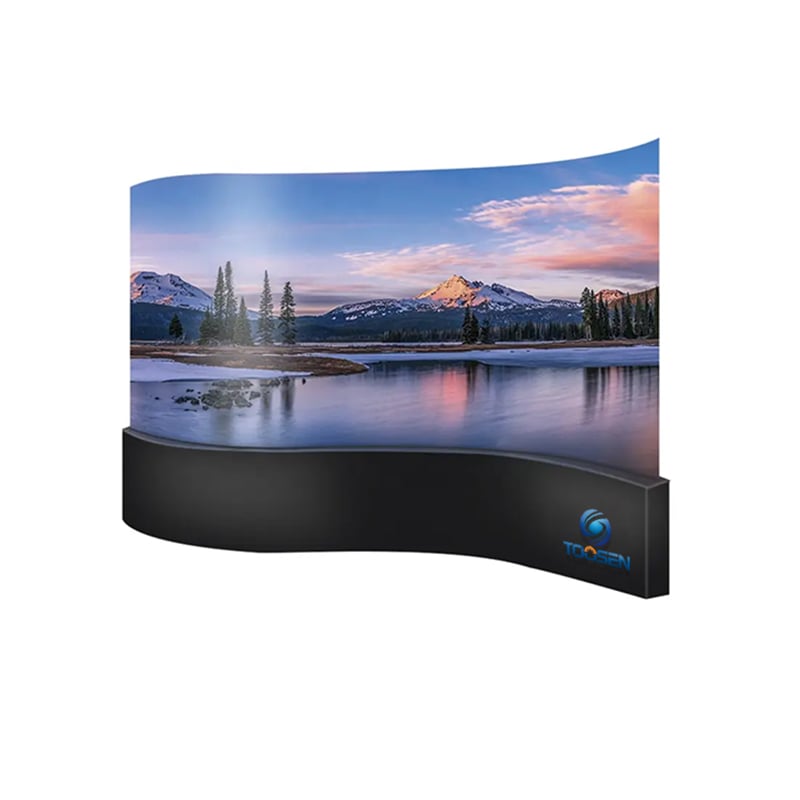
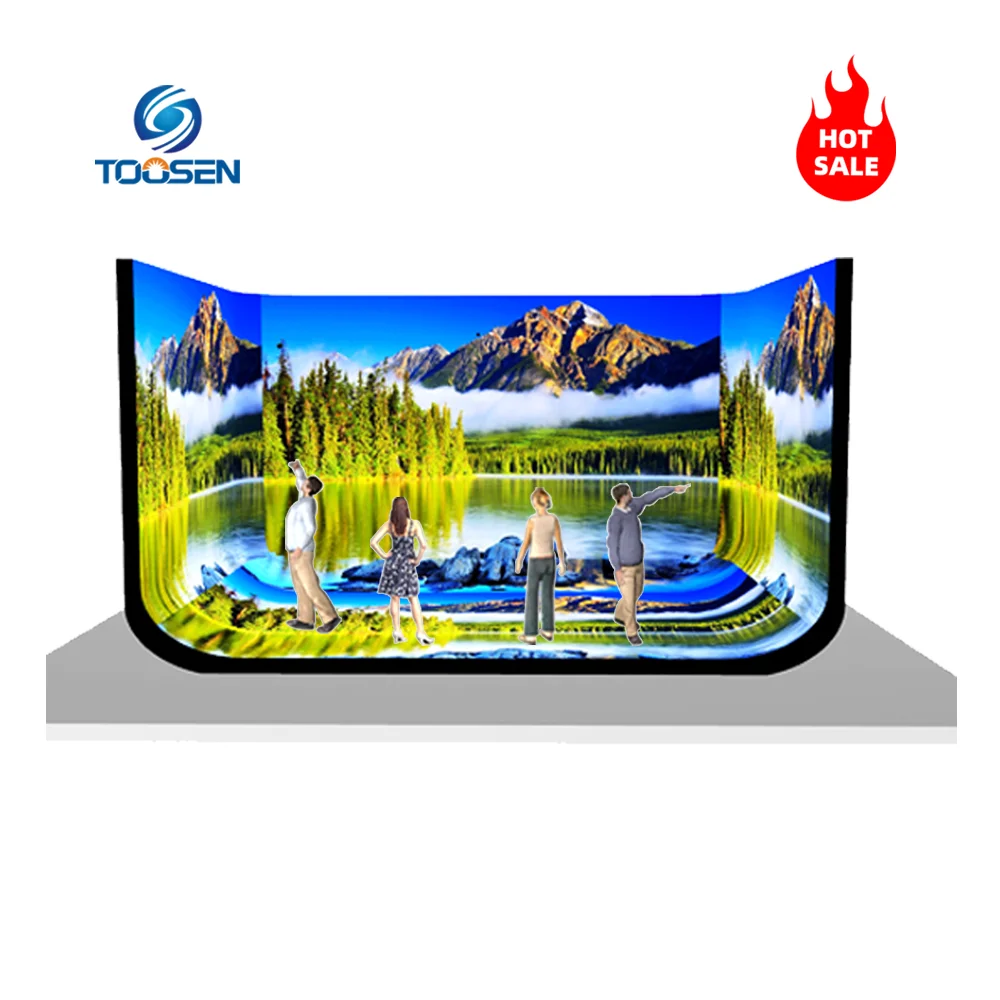
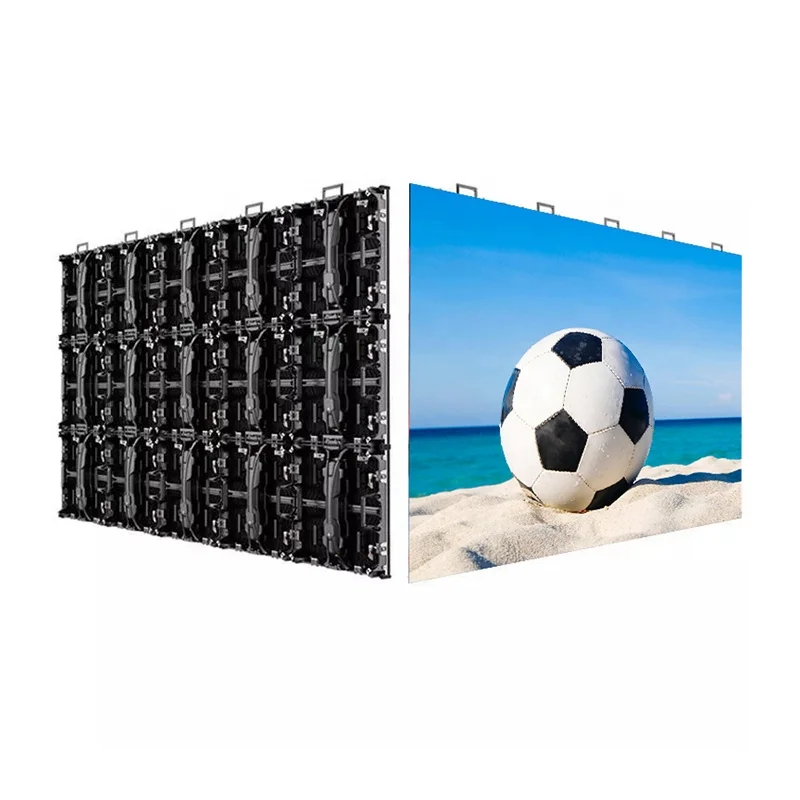
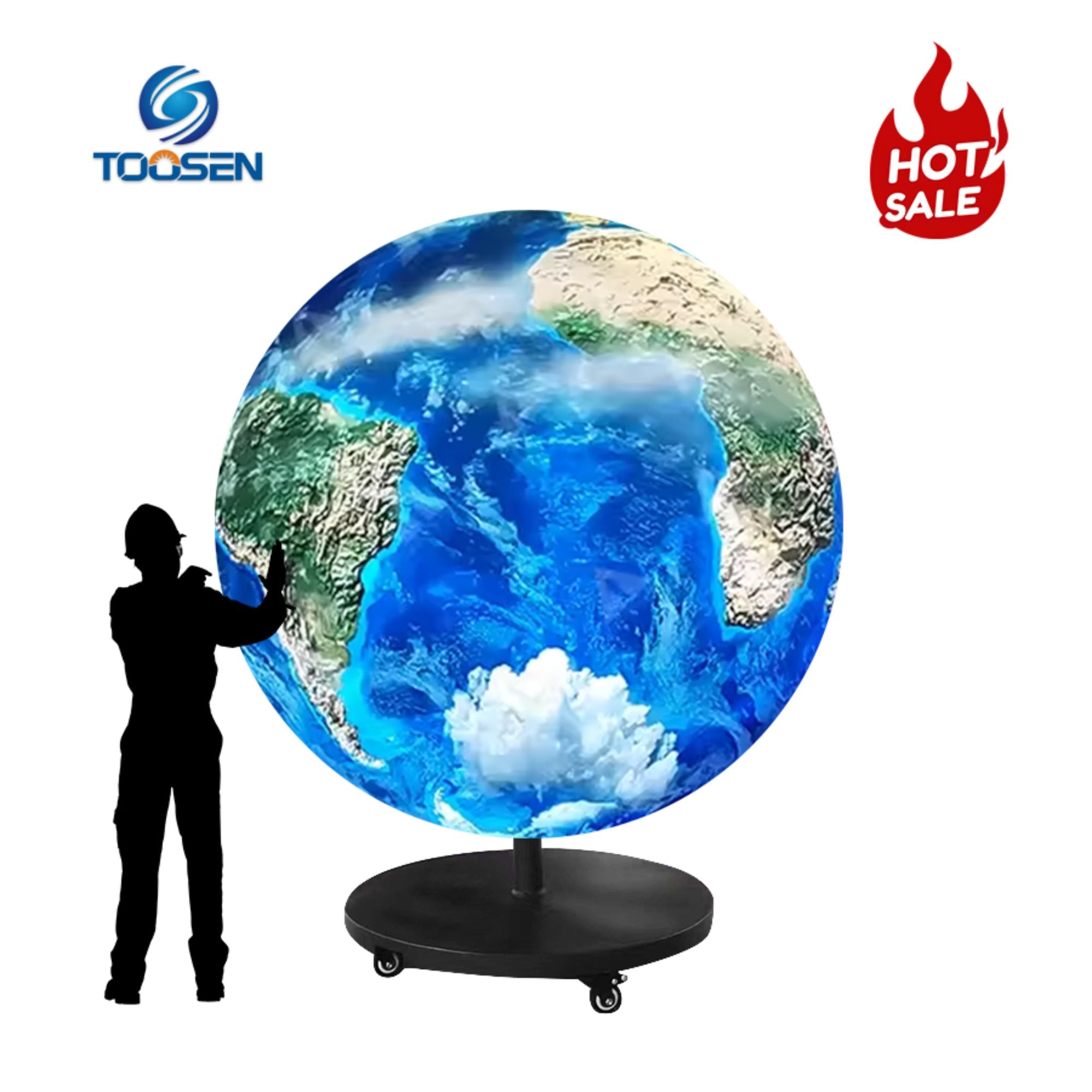
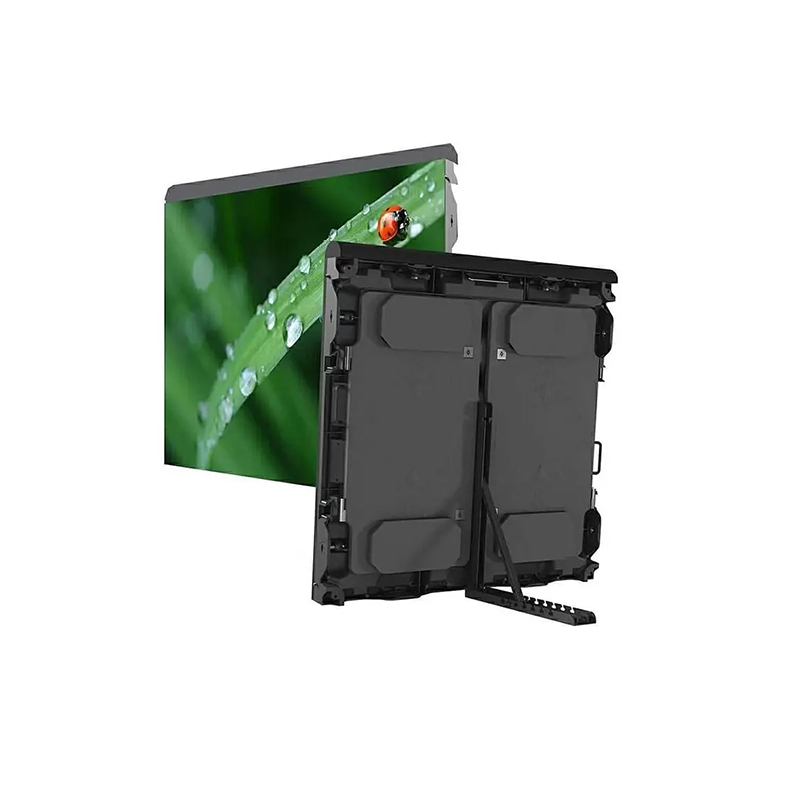
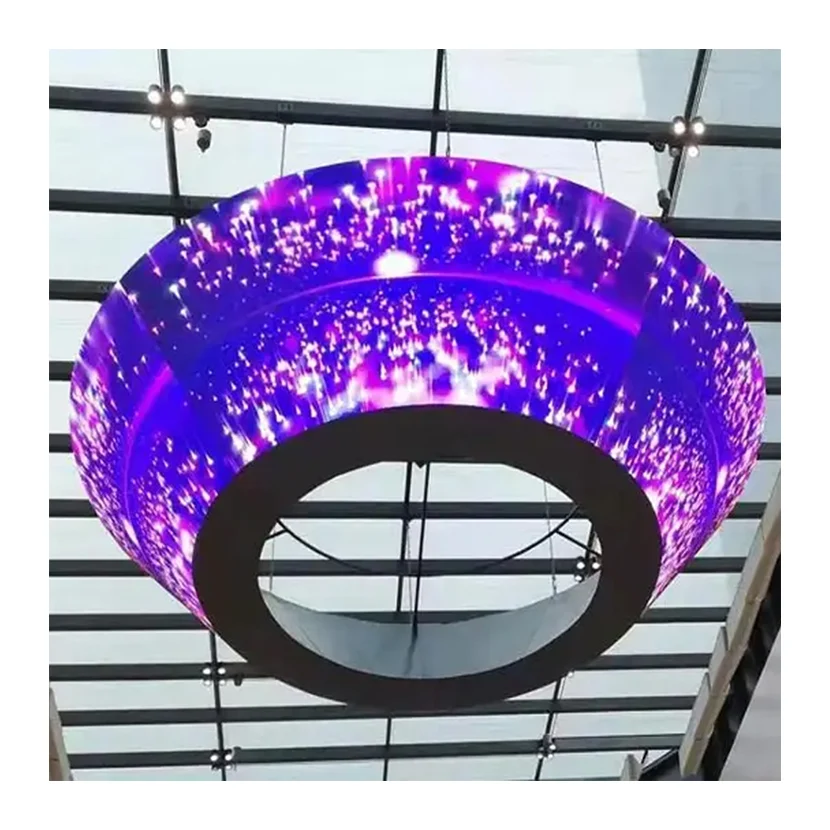
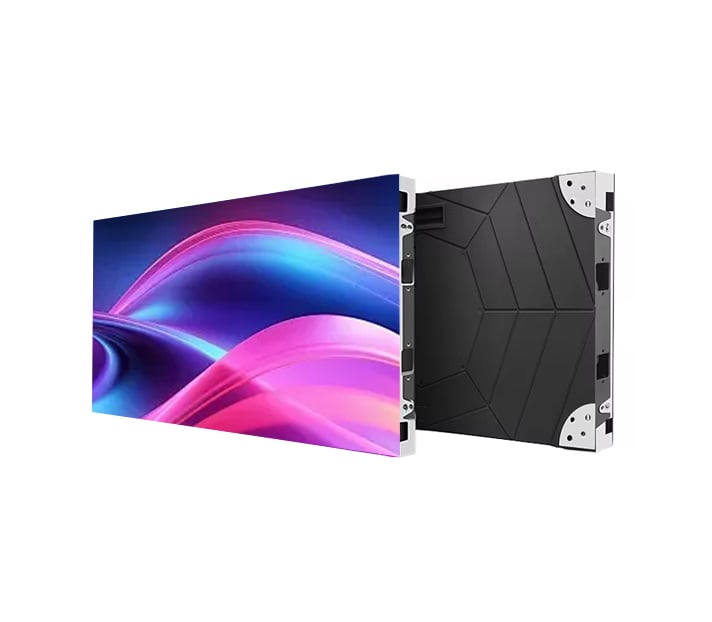
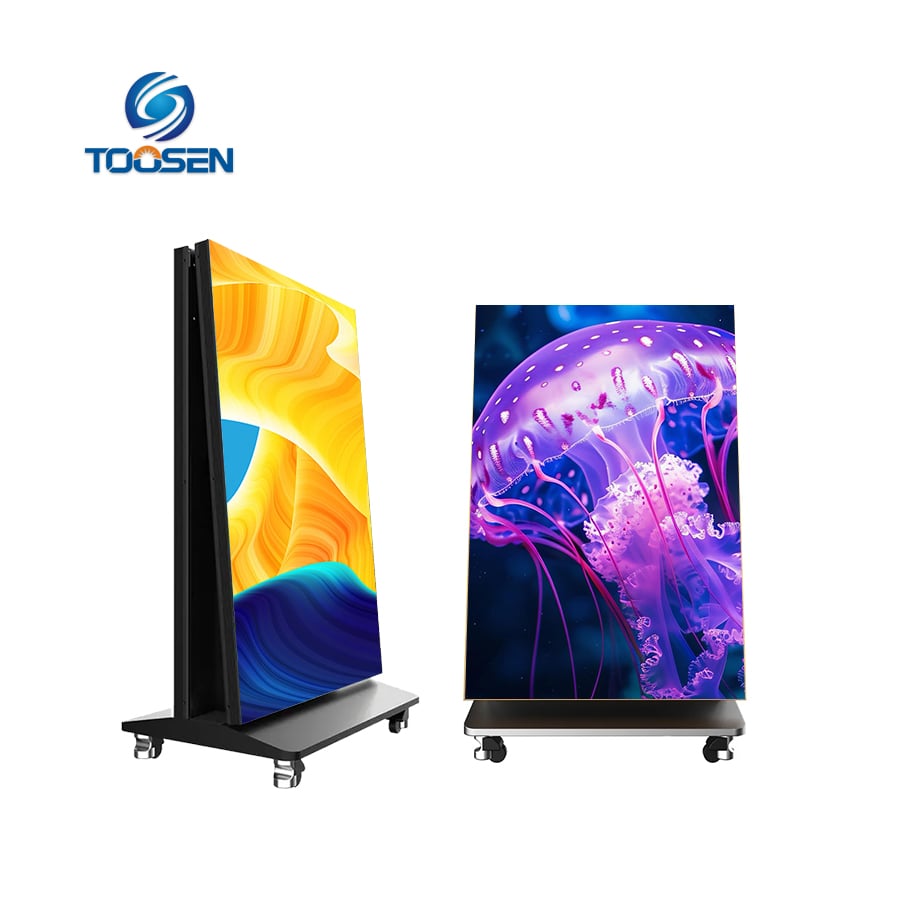
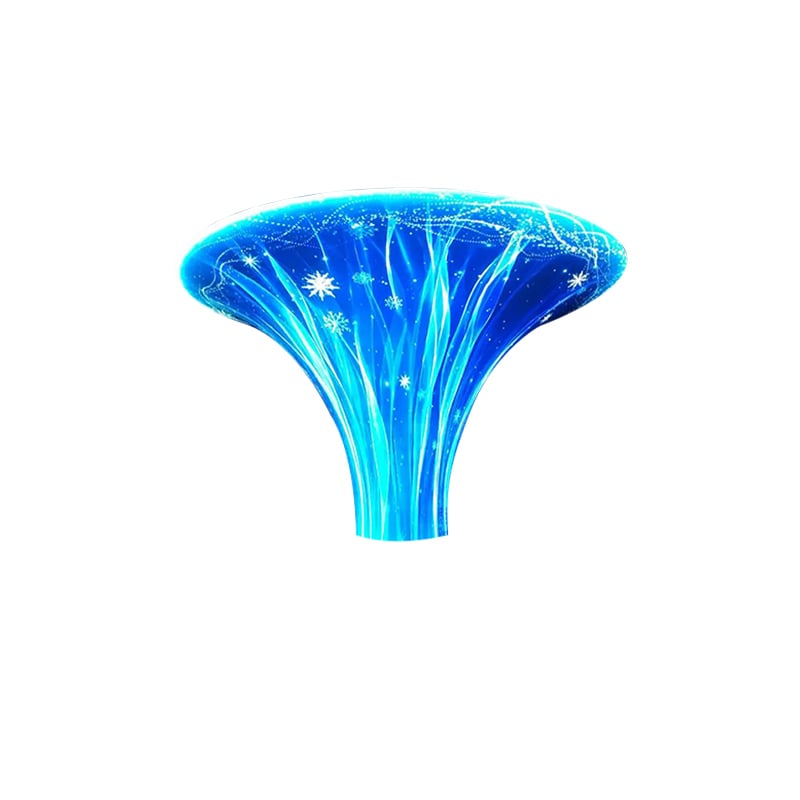
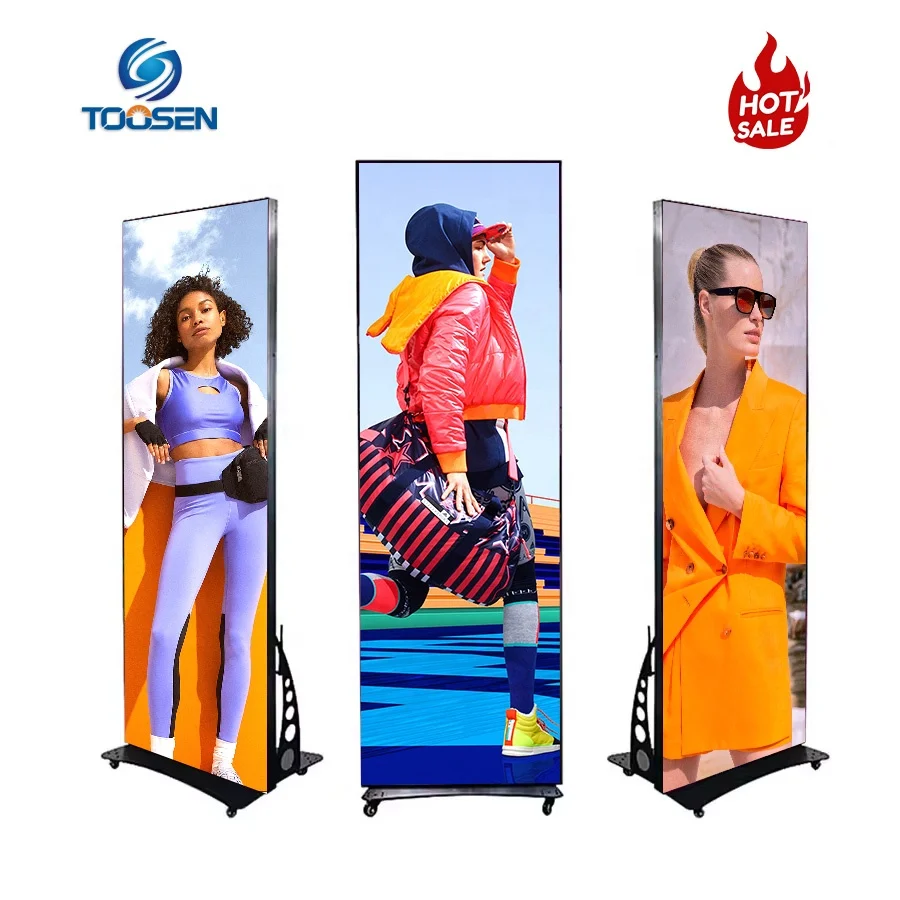
I když... zakřivené LED billboardy poskytují působivý vizuální dopad a imersivní reklamní efekty, avšak jejich dlouhodobá údržba může být složitější než u tradičních rovných LED displejů. Nepravidelná konstrukce, přizpůsobené montážní rámy a nerovnoměrné rozložení komponent přinášejí další provozní aspekty, které je třeba zohlednit.
Proto by plánovatelé projektu měli posoudit strategie údržby již v průběhu raného návrhového stadia dobře naplánovaný systém údržby může výrazně snížit dlouhodobé provozní náklady a zabránit neočekávanému výpadku provozu.
Jedním z nejdůležitějších faktorů ovlivňujících náklady na údržbu je způsob, jakým technici přistupují k LED modulům protože ohýbané LED obrazovky často jsou připevněny přímo na fasády budov nebo architektonické rohy, což může omezit dostupný prostor pro údržbu.
Údržba přístupem zepředu funguje nejlépe, pokud je displej připevněn na zeď nebo nainstalován v místech s malým volným prostorem za konstrukcí . V tomto provedení odstraňují technici LED moduly zepředu pomocí magnetických nástrojů nebo specializovaných uzamykacích mechanismů.
Tento přístup nabízí několik výhod:
Snadná výměna modulů bez demontáže konstrukce
Rychlejší doba opravy v komerčních prostorách s vysokým provozem
Nižší náklady na práci při pravidelné údržbě
Moduly a upevňovací systémy však musí být pečlivě navrženy tak, aby zaručily jak mechanickou stabilitu, tak vodotěsnost .
Pokud za displejem existuje dostatek prostoru pro instalaci, může být údržba zezadu pohodlnější možností. Technici mají přístup k napájecím zdrojům, přijímacím kartám a LED modulům z zadní strany konstrukce.
Velké venkovní zakřivené billboardy často tento přístup uplatňují, protože umožňuje snazší přístup k vnitřním komponentám při rozsáhlých opravách.
Řízení energie představuje další kritický faktor ovlivňující náklady na údržbu. U zakřiveného LED displeje mohou být moduly po oblouku rozloženy nerovnoměrně. V důsledku toho se elektrická zátěž v různých částech obrazovky může lišit.
Pokud systém zátěž správně nevyrovná, mohou nastat následující problémy:
Nestabilita napětí mezi jednotlivými moduly
Zvýšené riziko lokálního přehřívání
Možné výpadky způsobené poruchou napájení v jediném bodě
Aby se tato rizika snížila, výrobci obvykle uplatňují následující řešení:
Vysokou účinnost mající integrované obvody řízení proudu (constant-current driver ICs) stabilizovat jas LED
Redundantní napájecí systémy zachovat provoz i v případě poruchy jedné jednotky
Obvody vyváženého rozvodu elektrické energie napříč různými segmenty obrazovky
Tato opatření zvyšují provozní stabilitu a minimalizují pravděpodobnost neočekávaných výpadků.
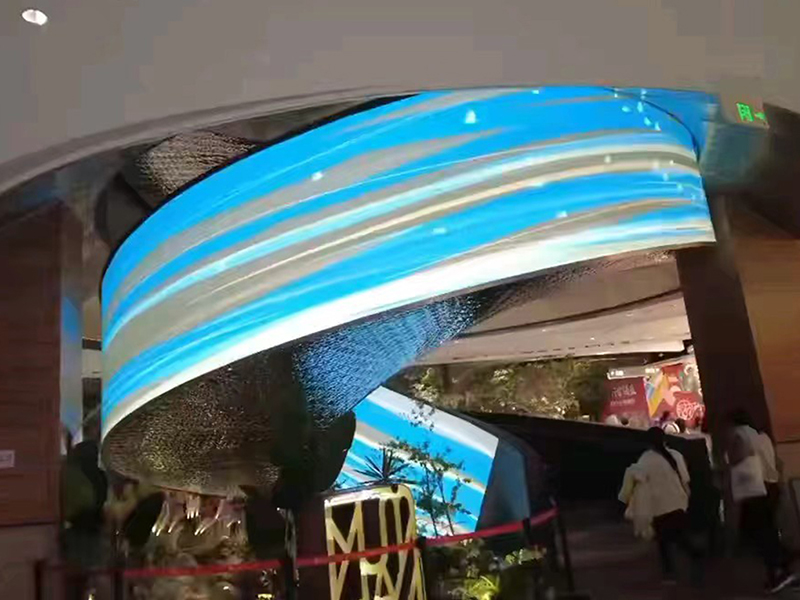
Za každý zakřivený LED billboardem stojí složitý ocelová podpůrná konstrukce . Na rozdíl od plochých displejů zakřivené obrazovky rozmisťují mechanické namáhání nerovnoměrně podél oblouku. Proto přesnost stavebního inženýrství přímo ovlivňuje jak nároky na údržbu, tak celkovou životnost.
Nosný rám musí být vyroben s Frézované součásti CNC zachovat přesnost zakřivení v toleranci na úrovni milimetrů.
Pokud se nosný rám odchyluje od navrženého zakřivení, mohou vzniknout následující problémy:
LED moduly se nemusí dokonale zarovnat
Nerovnoměrný tlak může deformovat povrch panelů
Na displeji se mohou objevit viditelné stíny nebo nerovnoměrné osvětlení
Postupně může nekorektní zarovnání konstrukce zvyšovat riziko poškození modulů a tím i dlouhodobé náklady na údržbu.
Řízení tepla hraje klíčovou roli při zajištění spolehlivosti jakéhokoli LED displejového systému. U zakřivených LED displejů se řízení tepla stává ještě důležitějším, protože zakřivená konstrukce může teplo za displejem uvěznit.
Tento problém se stává zvláště patrným u polouzavřených instalací , kde je proudění vzduchu omezeno.
Bez vhodného tepelného návrhu může hromadění tepla vést k:
Rychlejšímu úbytku jasnosti LED
Nedostatku barevné shody napříč displejem
Zkrácení životnosti elektronických součástek
Aby bylo zajištěno stabilní dlouhodobé provozování, inženýři obvykle integrují několik strategií tepelného řízení:
Systémy nucené konvekce vzduchu s použitím chladicích ventilátorů
Hliníkový rámový kryt s vysokou tepelnou vodivostí k účinnému odvádění tepla
Vzduchové kanály uvnitř konstrukčního rámu
Účinná regulace teploty výrazně zpomaluje úbytek jasu LED světel a pomáhá udržet po celou dobu provozu konzistentní barevný výkon.
Ačkoli zakřivené LED displeje vyžadují sofistikovanější inženýrské řešení, promyšlené plánování může výrazně snížit provozní náklady. Zohledněním přístupu k údržbě, rozvodu elektrické energie, přesnosti konstrukce a řízení tepla již v fázi návrhu mohou provozovatelé zajistit spolehlivý dlouhodobý provoz.
Pokud jsou zakřivené LED billboardy správně navrženy, mohou efektivně fungovat po mnoho let a zároveň poskytovat ikonické vizuální zážitky, které moderní komerční prostory vyžadují.
 EN
EN
 AR
AR
 BG
BG HR
HR
 CS
CS
 DA
DA
 NL
NL
 FI
FI FR
FR
 DE
DE EL
EL
 HI
HI
 IT
IT JA
JA
 KO
KO
 NO
NO PL
PL PT
PT RO
RO
 RU
RU
 ES
ES
 SV
SV
 TL
TL
 ID
ID
 SR
SR
 UK
UK VI
VI
 ET
ET
 HU
HU
 TH
TH
 TR
TR
 FA
FA
 AF
AF
 MS
MS
 GA
GA
 HY
HY
 AZ
AZ
 MN
MN
 UZ
UZ